KORENA
LegnoMobiliBottegaPartnerDiario

Scopri per primo le nuove tavole

Ricevi un’email quando arriva nuovo legno.

Poche email al mese. Niente spam, puoi annullare in qualsiasi momento.

KORENA

Acquista legno massello, mobili artigianali, utensili e prodotti di finitura per il legno su KORENA.

Negozio

  • Sfoglia i prodotti
  • Archivio delle vendute
  • Traccia l’ordine

Scopri

  • Diario
  • Guide alle specie
  • Glossario
  • Passaporti delle piante e zone regolamentate
  • Confronta
  • Autori

Aiuto

  • Chi siamo
  • Come funziona
  • Diventa venditoreNuovo
  • Trova una tavola
  • Assistenza
  • Modelli di documenti
  • Stampa

Acquisto

  • Condizioni di vendita
  • Diritto di recesso
  • Resi e garanzia
  • Spedizione e consegna

Fiducia

  • Informativa sulla privacy
  • Informativa sui cookie
  • Provenienza del legno ed EUDR
  • Accessibilità

Note legali

  • Note legali / Imprint
  • Uso accettabile
  • Proprietà intellettuale e contenuti

© 2026 KORENA. Tutti i diritti riservati.

Gestito da Martial Labs Ltd. (BG, EIK 207453941). KORENA è un nome commerciale di Martial Labs Ltd.

Rispettiamo la tua privacy

Usiamo cookie essenziali per il funzionamento del sito. Con il tuo consenso useremo anche cookie per analisi, contenuti personalizzati e pubblicità. Puoi cambiare idea in qualsiasi momento nella pagina delle preferenze di consenso. Consulta l’informativa sui cookie e l’informativa sulla privacy.

  1. Pagina iniziale
  2. /
  3. Specie
  4. /
  5. Betulla argentata

Betula pendula

Betulla argentata

Harder than oak and stiffer than anything else KORENA lists, hiding behind a plain pale face. The best turning wood here.

  • This species is recorded as commercially grown in Europe. This does not establish where an individual piece was harvested; check its origin details.
  • Gruppo botanico. Le conifere hanno foglie aghiformi, le latifoglie hanno foglie larghe.
  • La famiglia botanica a cui appartiene la specie.
Avvisami quando arrivaSpecie di riferimento. Al momento non ci sono pezzi disponibili.
  • Adatto al progetto
  • Disponibilità
  • Aspetto
  • Lavorazione
  • Prezzo
  • Sicurezza e provenienza
  • Domande
  • Dati tecnici

È adatto al tuo progetto?

Ideale per

  • Turned work
  • Painted furniture
  • Cabinetry and carcass work
  • Veneer and plywood
  • Interior joinery

Nessun pezzo di Betulla argentata nel lancio attuale

Specie simili disponibili

Al momento non è disponibile Betulla argentata. Queste specie sono adatte agli stessi progetti e hanno pezzi disponibili.
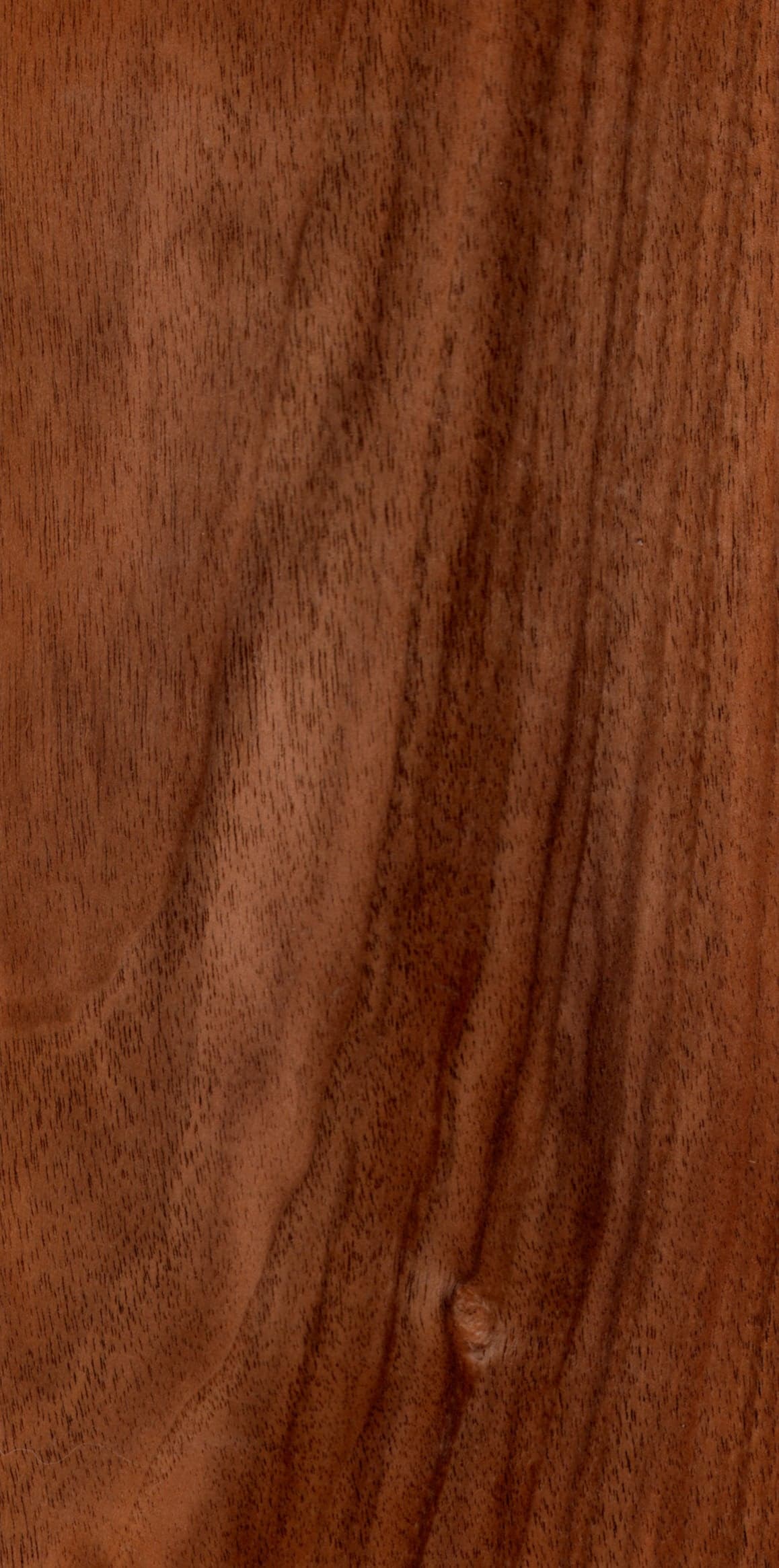
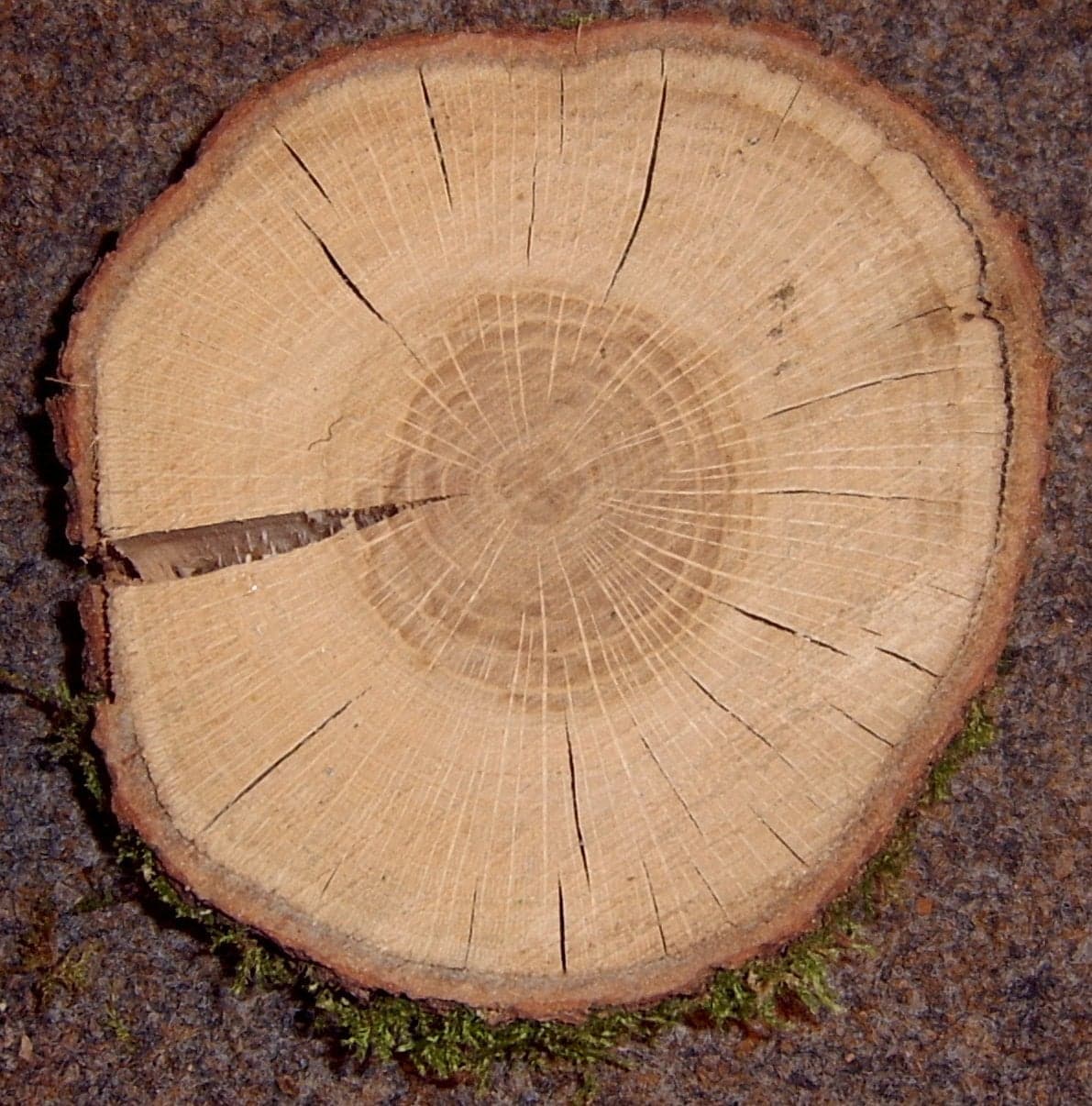
  • Venatura di Noce nazionale

    Noce nazionale

    Juglans regia

    12 pezzi

  • Venatura di Quercia europea

    Quercia europea

    Quercus robur

    6 pezzi

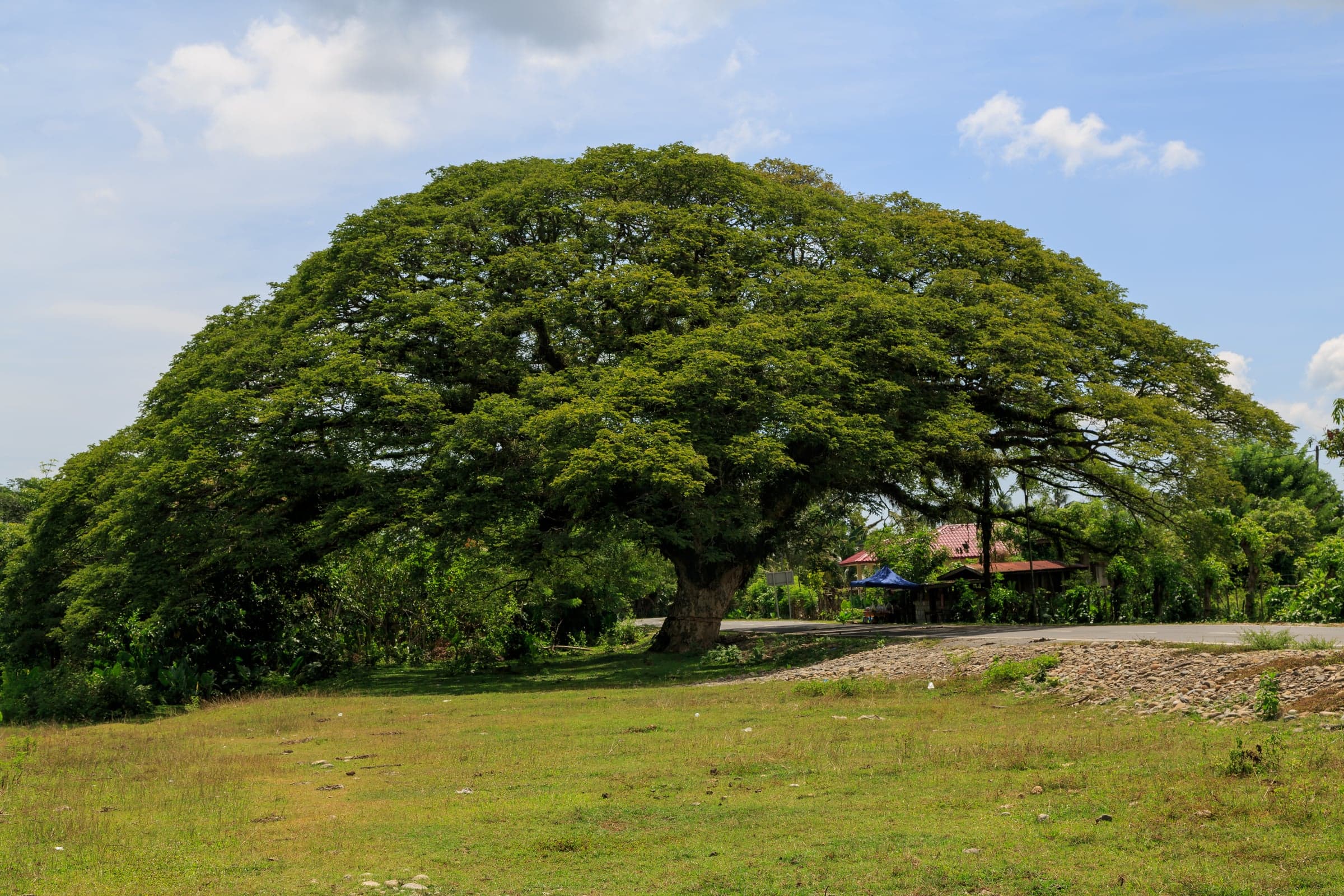
  • Venatura di Saman

    Saman

    Samanea saman

    4 pezzi

Ricevi avvisi per Betulla argentata

Ti inviamo un’email quando arrivano nuove tavole di Betulla argentata su KORENA. Ogni pezzo è unico, quindi conviene saperlo in anticipo.

Poche email al mese. Niente spam, puoi annullare in qualsiasi momento.

Aspetto del legno

Che aspetto ha

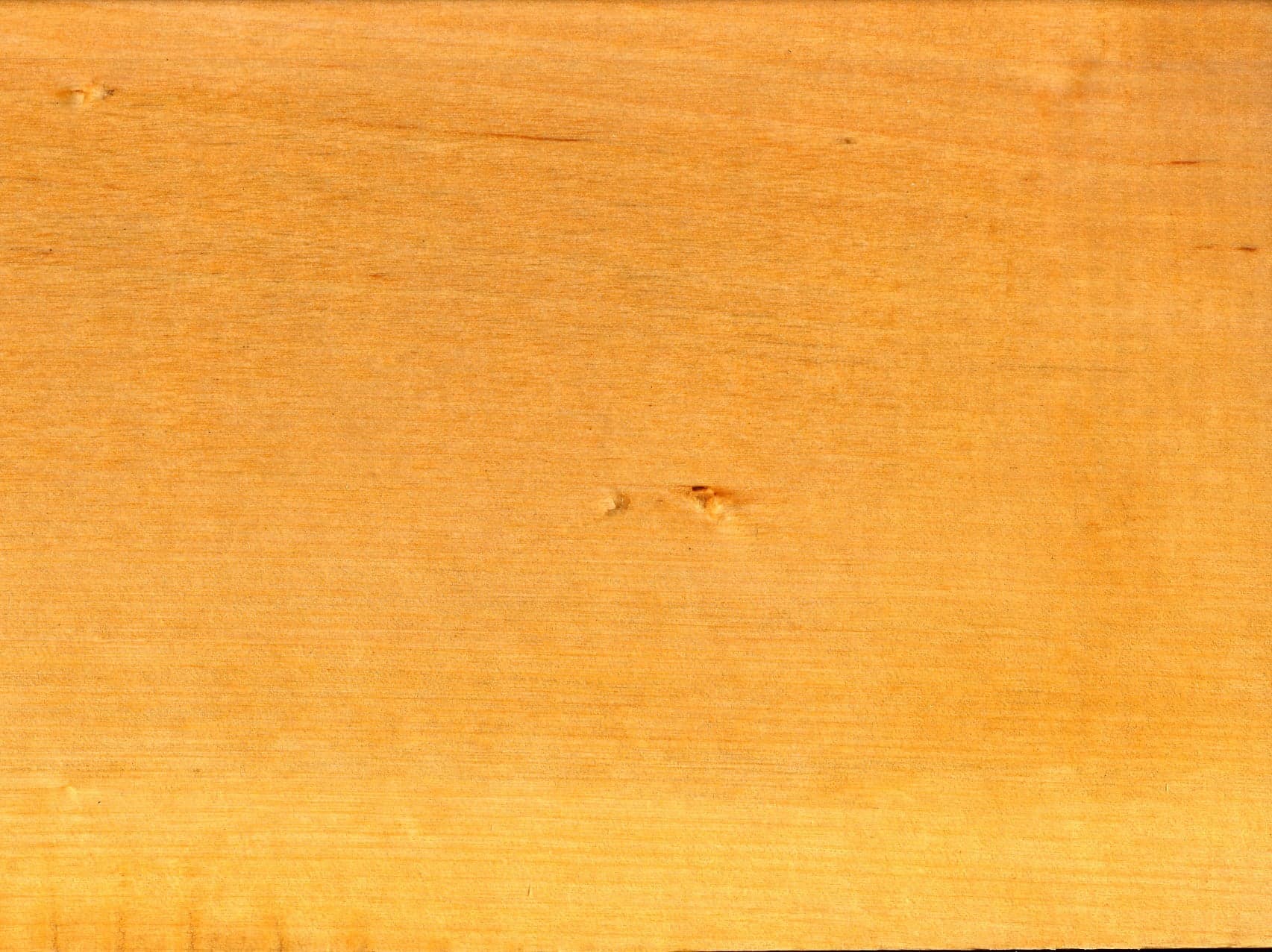
Pale, almost white to light cream, with very little colour separation between heartwood and sapwood and a fine even texture. Plain birch is quiet to the point of being featureless, which is exactly why it is prized for painted work and for veneer. The exceptions are the figured forms, curly and flame birch and the burred masur birch, which are among the most decorative surfaces available from any European species.

  • Near white to pale cream with almost no heartwood contrast
  • Fine even texture, plain in most boards
  • Curly, flame and masur figured forms occur and are highly prized
  • Venatura da diritta a ondulata, tessitura fine e uniforme. Dal bianco quasi puro al crema chiaro, con pochissimo contrasto del durame. Si trovano esemplari con figure ricce, fiammate e masur, molto apprezzate.

Lavorazione

Come si lavora

Generally easy with hand and machine tools, and it turns, glues and finishes well. It is one of the best turning woods in this catalogue because the fine even texture holds crisp detail. Boards with wild or figured grain tear out during machining, so figured stock wants light cuts, sharp tooling and a scraper for the final surface. Density of 640 kg per cubic metre gives it more substance than its pale appearance suggests.

Finitura

Takes finish well and takes paint exceptionally, which is its traditional role. Like other pale fine textured woods it blotches under pigment stain, so use a conditioner or a dye. The pale colour is the point for most applications, and a clear water based finish preserves it better than an oil, which will pull it toward yellow.

Essiccazione

The source KORENA cites reports no shrinkage data for this species, so no radial, tangential or volumetric figures are shown rather than values being borrowed from another birch. Practically, birch is known to dry with a marked tendency to warp and requires weighting and careful stickering. It is also highly susceptible to fungal attack and staining while drying, so it must be dried promptly after conversion rather than left in log or board.

Quanto costa

Sicurezza e provenienza

  • This species is recorded as commercially grown in Europe. This does not establish where an individual piece was harvested; check its origin details.
  • Birch in the Betula genus is reported as a sensitiser, with reactions typically including skin and respiratory irritation. Extraction and a P2 mask during extended sanding are appropriate, particularly given how fine birch dust is.

  • Betula pendula ranges across the whole of northern Europe and into Siberia, and it is the pioneer tree that colonises cleared and burnt ground before slower species establish. Finland, the Baltic states, Sweden and Russia are the main commercial sources, and Baltic birch plywood built on this species is one of the best known engineered timbers in the world.

Leggi la guida completaNote approfondite su marezzatura, variazione del colore, lavorazione e stabilità.+

What Silver Birch actually is#

Betula pendula is the pioneer. It colonises cleared, burnt and abandoned ground across the whole of northern Europe and into Siberia, growing fast and establishing where slower species cannot. Finland, the Baltic states, Sweden and Russia are the main commercial sources, and Baltic birch plywood, built from this species, is among the best known engineered timbers in the world.

Its plainness works against it. A typical birch board is near white, almost featureless, with barely any distinction between heartwood and sapwood. It looks like a wood you would choose because you could not afford another one.

The numbers say otherwise.

The numbers are the surprise#

At 5,360 N on the Janka scale, Silver Birch is harder than European oak at 4,980 N.

Its elastic modulus of 13.96 GPa is the highest of any species in this catalogue, hardwood or softwood, above red oak at 12.14 and Douglas Fir at 12.17. Stiffness is what resists sag, so for a long shelf or an unsupported span, birch outperforms every other option here.

Modulus of rupture at 114.3 MPa matches Turkey Oak and beats sessile oak.

This is a genuinely strong, stiff, hard timber that happens to be pale and quiet. Choosing it is not a compromise.

Domande degli acquirenti

Domande degli acquirenti

Why are no shrinkage figures shown for Silver Birch?

+

The reference KORENA cites reports no shrinkage data for this species, and rather than borrow numbers from a different birch and label them Betula pendula, the fields are left empty. What is known practically is that birch warps readily in drying and needs weighting and careful stickering. Each KORENA slab carries its own measured moisture value, which is the reliable figure for the board in front of you.

Is birch hard enough for furniture?

+

Yes. At 5,360 N Janka it is harder than European oak at 4,980 N, and its elastic modulus of 13.96 GPa is the highest of any species in this catalogue. It is considerably more substantial than its pale, plain appearance suggests, and it is a genuinely good furniture timber.

What is masur birch?

+

A figured form of Betula pendula in which the grain is disrupted into dark flecked, swirling patterns, historically attributed to insect damage or genetic factors. It is among the most decorative surfaces available from any European species and is priced accordingly. Curly and flame birch are separate figured forms of the same species.

Can birch be used outdoors?

Proprietà meccaniche

Dati tecnici

Valori di riferimento pubblicati. Quando le fonti non concordano, viene mostrato l’intervallo e il valore tipico è usato per le scale sopra.

Densità (kg/m³)Massa per metro cubo con circa il 12 % di umidità. In genere, un legno più pesante è anche più duro e resistente.640 kg/m³
Durezza Janka (N)Forza necessaria per spingere una sfera d’acciaio fino a metà nel legno. È la misura standard della resistenza alle ammaccature.5,360 N
MOR: modulo di rottura (MPa)Resistenza alla flessione: il carico al quale una trave si rompe.114 MPa
MOE: modulo elastico (GPa)Rigidità alla flessione: quanto si incurva una mensola o un piano sotto carico.14.0 GPa
Durabilità naturale (EN 350)Norma europea per la resistenza naturale al deterioramento, da 1 (molto durevole) a 5 (non durevole).Class 5 — Perishable

Fonti

  • The Wood Database — Silver Birch (Betula pendula). Shrinkage reported as no data available.
Venatura di Betulla argentata

Beentree, via Wikimedia Commons

Not listed in the CITES Appendices, and reported by the source KORENA cites as not assessed on the IUCN Red List, so no IUCN status is displayed rather than one being assumed. Birch is abundant, fast growing and a pioneer species, so supply is plentiful and well certified across Finland, the Baltics and Scandinavia. It is among the easier species to document for EUDR purposes.

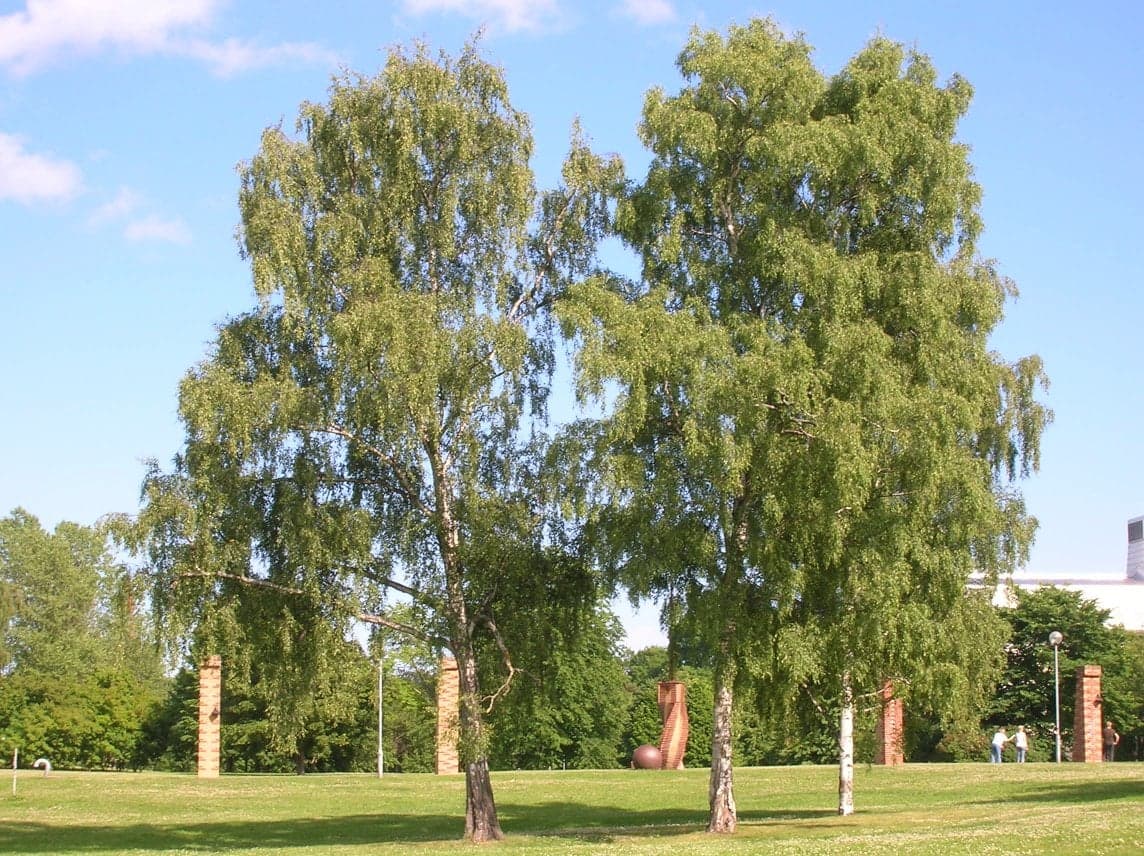
Albero di Betulla argentata

Jordgubbe, via Wikimedia Commons

What the catalogue cannot tell you#

No shrinkage figures are shown for this species, and that gap is deliberate.

The reference KORENA cites reports no shrinkage data for Betula pendula. Borrowing figures from paper birch or yellow birch and presenting them under this name would produce a page that looks complete and specifies a wood that was never measured, so the fields stay empty.

What is known practically is that birch warps readily in drying and needs weighting and careful stickering to come out flat. It is also unusually susceptible to fungal attack and staining while wet, which means it must be dried promptly after conversion rather than left sitting in log or board. Stock that sat too long shows grey or brown discolouration through the wood.

Each KORENA slab carries its own measured moisture reading, which tells you about that board specifically rather than about the species in general.

Reading a Silver Birch slab#

Most birch is plain, and for painted work or a quiet interior that is the point.

The exceptions are worth knowing because they are dramatic. Curly and flame birch show rippling chatoyant figure across the grain. Masur birch carries dark flecked swirling disruption through the wood, historically attributed to insect damage or genetic factors, and it is among the most decorative surfaces available from any European species. All three are the same tree, priced very differently.

On plain stock, look for the grey or brown staining that indicates the log sat before conversion, and for warp along the length, which is the species' characteristic drying fault.

At the bench#

Birch works easily with hand and machine tools and glues without difficulty.

It is the best turning wood in this catalogue. The fine even texture holds crisp detail in a way that oak, with its coarse open pores, simply cannot, and it takes a burnished finish straight off the tool.

Figured stock is the exception to the easy working. Curly and masur grain tears out under a planer, and the answer is light cuts, sharp tooling and a scraper or a high angle plane for the final surface. On expensive figured material, that patience is cheap insurance.

Finishing, and the yellowing trap#

Birch takes paint exceptionally, which is its traditional role, and it takes clear finishes well.

The trap is that oil finishes amber pale woods, and birch shows it more than almost anything because it starts so close to white. A slab chosen specifically for its pale, cool colour will go distinctly yellow under a standard oil, and the change is permanent.

If the pale colour is the reason for the choice, use a clear water based finish or a low yellowing hardwax oil, and test on an offcut first.

Pigment stains blotch on birch as they do on other fine textured pale woods, so use a conditioner or switch to a dye.

Where Silver Birch is the right answer#

Turned work above all. Also painted furniture, cabinetry and carcass work, veneer and plywood, and any interior application where stiffness matters more than appearance, such as long shelving.

It is the wrong answer outdoors in every form, since it is rated perishable with poor insect resistance, and it is the wrong answer anywhere it will stay damp, because it stains and rots faster than most.

Sourcing and EUDR#

Not listed in the CITES Appendices, and reported by the cited source as not assessed on the IUCN Red List, so no status is displayed rather than one assumed.

As a fast growing pioneer species, birch is abundant and certification coverage through Finland, the Baltics and Scandinavia is mature. It is among the more straightforward species in this catalogue to document to EUDR standard.

+

No. It is rated perishable and will rot readily if exposed, and it is also susceptible to insect attack. Birch is strictly an interior timber. It is also unusually vulnerable to fungal staining even indoors if it stays damp, which is why it must be dried promptly after conversion.

Why does my birch look yellow after oiling?

+

Oil finishes amber pale woods, and birch shows it more than most because it starts so close to white. If the pale colour is the reason you chose the species, use a clear water based finish or a low yellowing hardwax oil instead. Test on an offcut, because the shift is permanent.

(consultata il 2026-08-12)
  • Meier, E. — WOOD! Identifying and Using Hundreds of Woods Worldwide (2015)(consultata il 2026-08-12)
  • Attenzione

    • Non adatto all’esterno senza trattamentoLa durabilità naturale è di classe EN 350 5 su 5. Usalo all’interno o proteggilo con una finitura sottoposta a manutenzione.
    • Polvere irritanteUsa l’aspirazione e indossa una maschera durante la levigatura o la lavorazione.

    Tocca un’etichetta per i dettagli.

    In breve

    I livelli usano fasce fisse per tutte le specie elencate da KORENA, quindi sono direttamente confrontabili. Sotto ciascuno è indicato il valore misurato.
    DurezzaResistenza ad ammaccature e usuraMediamente duro

    Durezza Janka: 5360 N

    8 % più duro della quercia europea

    PesoQuanto è pesante una tavola da sollevareMedio

    640 kg/m³

    LavorazioneSegatura, piallatura, levigatura e incollaggioModerata

    3,9 / 5 media di lavorazione

    Uso esternoResistenza naturale al deterioramento, EN 350Solo interni

    Classe EN 350 5

    • Segatura · Molto buonaQuanto è netto il taglio e quanto usura le lame.1 = difficile · 5 = eccellente
    • Piallatura · BuonaQuanto è liscia la superficie ottenuta e quanto tende a strappare le fibre.1 = difficile · 5 = eccellente
    • Levigatura · Molto buonaQuanto rapidamente si leviga senza intasare la carta abrasiva.1 = difficile · 5 = eccellente
    • Tornitura · EccellenteCome si taglia e si rifinisce al tornio.1 = difficile · 5 = eccellente
    • Intaglio · BuonaQuanto nitidamente conserva i dettagli sotto la sgorbia.1 = difficile · 5 = eccellente
    • Incollaggio · Molto buonaQuanto sono affidabili le giunzioni incollate.1 = difficile · 5 = eccellente
    • Tenuta di viti / chiodi · Molto buonaQuanto trattiene viti e chiodi senza spaccarsi.1 = difficile · 5 = eccellente
    • Curvatura a vapore · BuonaQuanto bene assume una curvatura dopo il trattamento a vapore.1 = difficile · 5 = eccellente

    Il prezzo attuale del legname di Betulla argentata in Europa, al metro cubo IVA esclusa. Tocca un prezzo per i dettagli.

    • Tronchi migliori all’astaTronchi selezionati di alta qualità venduti tramite aste con offerte, soprattutto a produttori di impiallacciature e mobili. Le tavole si ricavano da tronchi come questi.La maggior parte dei prezzi è compresa tra 194 € e 200 €.Basato su 44 prezzi di 1 regione.Dati più recenti: 21 set 2026
    • Tronchi comuniGrandi quantità di tondame standard vendute da proprietari forestali e aziende forestali statali, soprattutto per l’edilizia e l’industria.La maggior parte dei prezzi è compresa tra 49 € e 49 €.Basato su 11 prezzi di 1 regione.Dati più recenti: 30 set 2026

    Perché una tavola costa più di questo?

    Questi sono prezzi del legname grezzo. Una tavola è il taglio migliore di un tronco, essiccato per almeno un anno e poi controllato e misurato pezzo per pezzo. Solo una piccola parte di ogni tronco diventa una tavola.

    Fonte: KORENA Timber Index · Dati più recenti: 30 set 2026

    Vedi tutti i prezzi regionali