KORENA
MedienaBaldaiDirbtuvėsPartneriaiŽurnalas

Pirmas pamatyk naujas storlentes

Gauk el. laišką, kai atkeliauja nauja mediena.

Keli laiškai per mėnesį. Jokio šlamšto, prenumeratą galite bet kada atšaukti.

KORENA

Įsigyk medienos masyvo, rankų darbo baldų, įrankių ir medienos apdailos priemonių per KORENA.

Parduotuvė

  • Peržiūrėti prekes
  • Parduotų storlenčių archyvas
  • Sekti užsakymą

Sužinokite

  • Žurnalas
  • Medienos rūšių vadovai
  • Žodynas
  • Augalų pasai ir kenkėjų zonos
  • Palyginti
  • Autoriai

Pagalba

  • Apie mus
  • Kaip tai veikia
  • Tapti pardavėjuNauja
  • Rasti storlentę
  • Pagalba
  • Dokumentų šablonai
  • Žiniasklaidai

Pirkimas

  • Pardavimo sąlygos
  • Teisė atsisakyti sutarties
  • Grąžinimas ir atitikties garantija
  • Siuntimas ir pristatymas

Patikimumas

  • Privatumo politika
  • Slapukų politika
  • Medienos kilmė ir EUDR
  • Prieinamumas

Rekvizitai

  • Teisinė informacija / rekvizitai
  • Priimtinas naudojimas
  • Intelektinė nuosavybė ir turinys

© 2026 KORENA. Visos teisės saugomos.

Valdo „Martial Labs Ltd.“ (BG, EIK 207453941). KORENA yra „Martial Labs Ltd.“ prekių ženklas.

Gerbiame jūsų privatumą

Naudojame būtinuosius slapukus, kad svetainė veiktų. Gavę jūsų leidimą taip pat naudotume slapukus analizei, suasmenintam turiniui ir reklamai. Savo pasirinkimą bet kada galite pakeisti sutikimo nuostatų puslapyje. Žr. mūsų slapukų politiką ir privatumo politiką.

  1. Pradžia
  2. /
  3. Medienos rūšys
  4. /
  5. Baltoji eglė

Abies alba

Baltoji eglė

Spruce without the resin. The softest species in the KORENA catalogue, and the best softwood here for a painted finish.

  • This species is recorded as commercially grown in Europe. This does not establish where an individual piece was harvested; check its origin details.
  • Botaninė grupė. Spygliuočių mediena gaunama iš spygliuočių, lapuočių mediena iš plačialapių medžių.
  • Botaninė šeima, kuriai priklauso rūšis.
Pranešti, kai atsirasŽinyno medienos rūšis. Šiuo metu vienetų neturime.
  • Tinkamumas projektui
  • Turime
  • Išvaizda
  • Apdirbimas
  • Brinkimas ir traukimasis
  • Kaina
  • Sauga ir tiekimas
  • Klausimai
  • Techniniai duomenys

Ar tinka jūsų projektui?

Puikiai tinka

  • Wall and ceiling panelling
  • Painted furniture
  • Lightweight carcass work
  • Shelving
  • Interior joinery

Dabartinėje kolekcijoje Baltoji eglė nėra

Turimos panašios medienos rūšys

Šiuo metu Baltoji eglė nėra. Šios medienos rūšys tinka tiems patiems projektams, o jų vienetų turime.
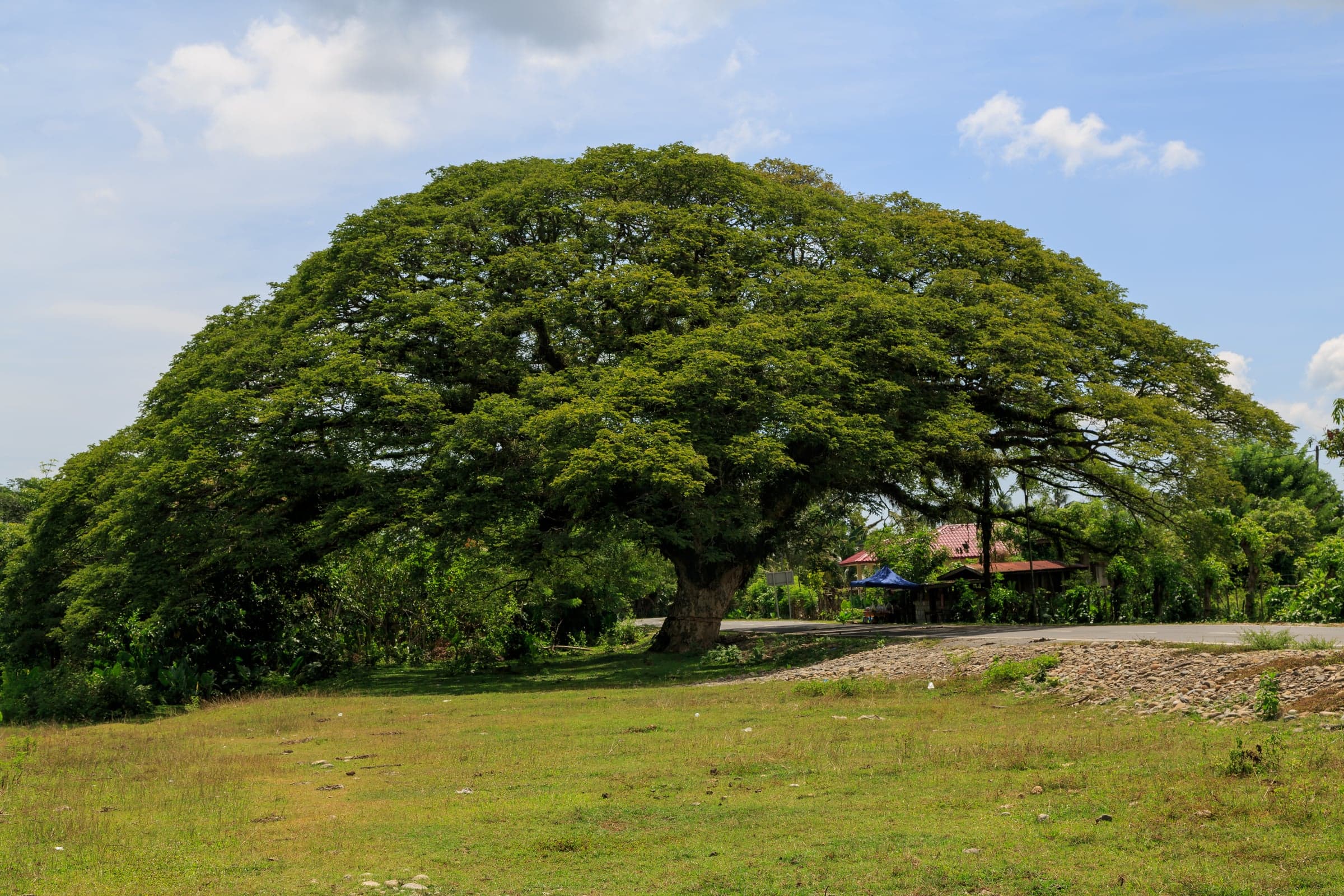
  • Saman rievės

    Saman

    Samanea saman

    4 vienetai

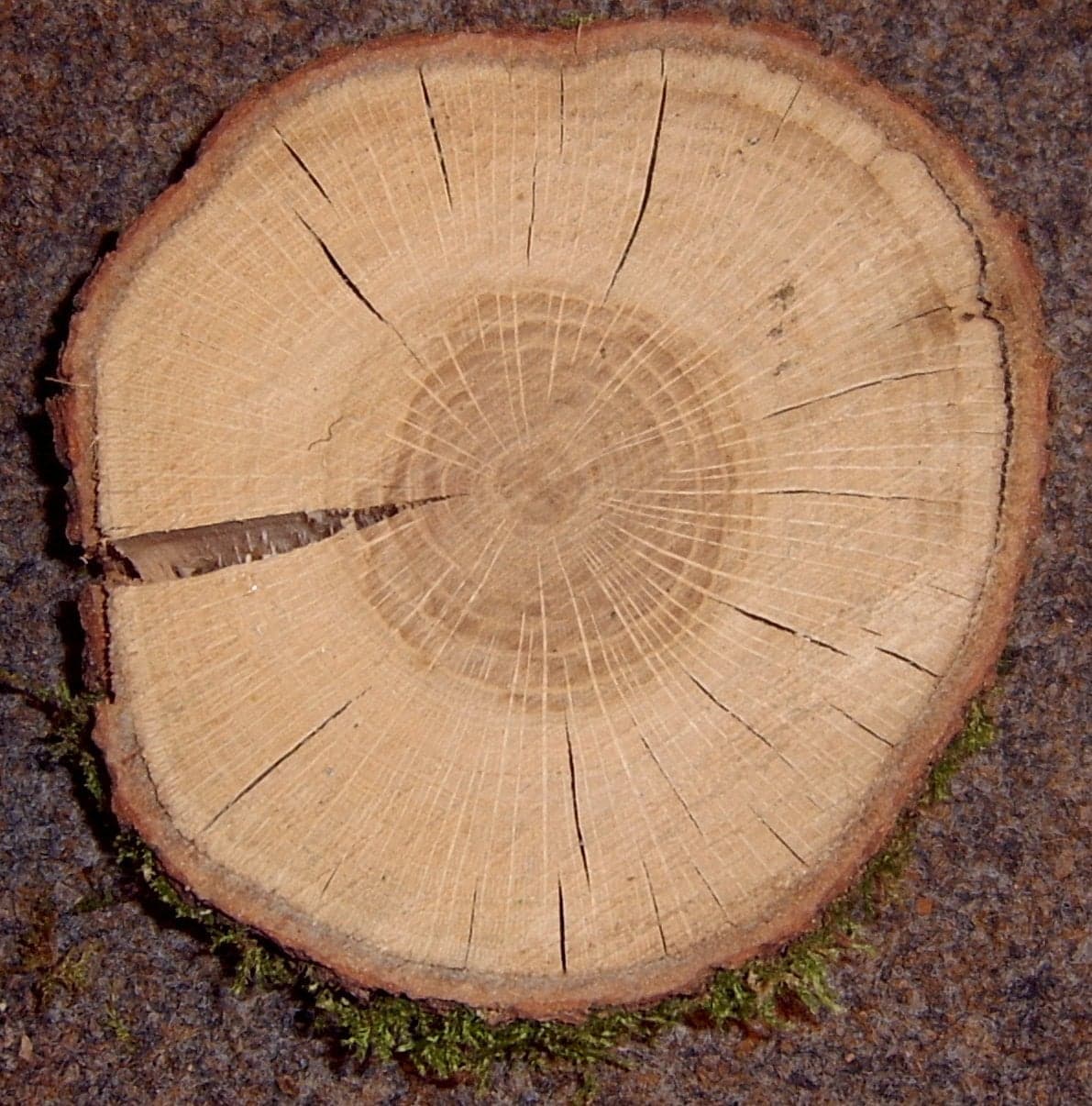
  • Europinis ąžuolas rievės

    Europinis ąžuolas

    Quercus robur

    6 vienetai

  • Europinis riešutmedis rievės

    Europinis riešutmedis

    Juglans regia

    12 vienetų

Gaukite pranešimus apie Baltoji eglė

Parašysime jums, kai KORENA pasirodys naujų Baltoji eglė storlenčių. Kiekvienas vienetas yra vienetinis, todėl verta sužinoti iš anksto.

Keli laiškai per mėnesį. Jokio šlamšto, prenumeratą galite bet kada atšaukti.

Medienos išvaizda

Kaip atrodo

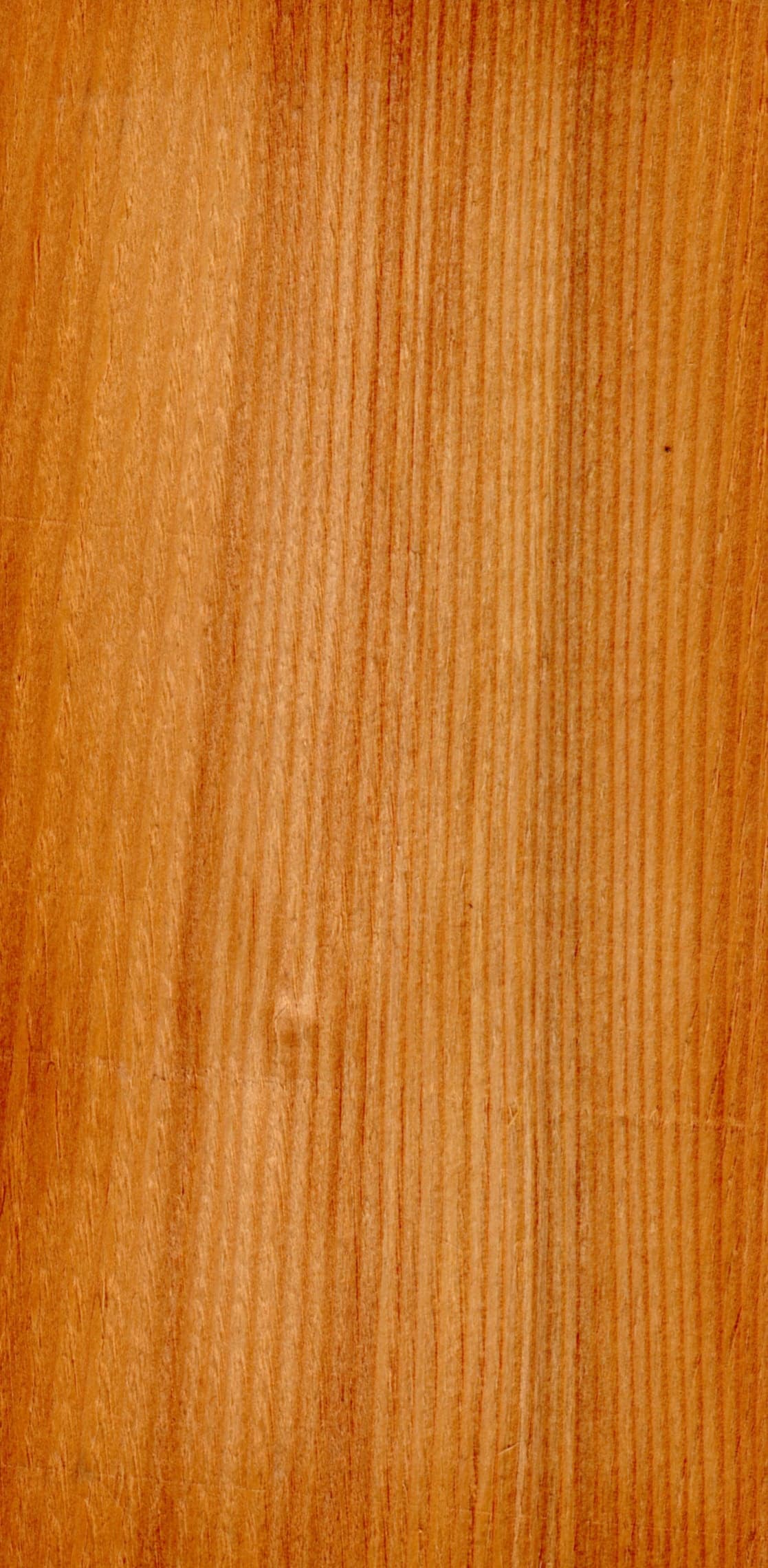
Very close to Norway Spruce in appearance and routinely sold interchangeably with it. Silver Fir is a shade duller and greyer, entirely without the resin pockets that mark spruce, because the species has no resin canals in its wood. Grain is straight, texture fine and even, and the overall impression is flatter and quieter than spruce.

  • Near white to pale grey-brown, duller than spruce
  • No visible heartwood boundary
  • No resin pockets, the clearest way to tell it from spruce
  • Šviesi, tiesi tekstūra; sakotakių beveik nėra.

Apdirbimas

Apdirbimas

Generally easy with both hand and machine tools, and it glues, stains and finishes better than spruce because the absence of resin canals makes absorption more even. The same softness caveat applies: sharp cutters are essential or the earlywood crushes and fuzzes. It holds detail poorly under carving tools, so it is not a carving wood despite being soft.

Apdaila

Takes stain and finish noticeably better than spruce, though it is still a softwood with uneven density and a conditioner remains sensible before pigment stain. It is one of the better softwood choices for a painted finish, since the fine even texture needs little grain filling. Clear finishes leave it looking pale and slightly cool.

Džiovinimas

Dries readily and without much degrade, and because there are no resin canals there is no resin bleed to manage, which is a genuine advantage over spruce in thick sections. Wet pockets of bacterially infected wood, sometimes called wetwood, occur in older trees and dry slowly and unevenly. A yard that has kilned the stock properly will have caught these. Movement in service is moderate at around 12.8 percent volumetric.

Kiek mediena brinks ir trauksis?

Kintant oro drėgnumui, mediena skersai pločio brinksta ir traukiasi. Prieš projektuodami tvirtinimus apskaičiuokite numatomą sezoninį Baltoji eglė stalviršio pokytį.

Pjūvis
Kur bus naudojama

Numatomas medienos brinkimas ir traukimasis per sezoną

apie 9,9 mm

Stalviršį tvirtinkite laikikliais arba gembėmis su pailgomis angomis, ne klijais ar stipriai suveržtais varžtais.

Linijinio nuodžiūvio modelis: plotis × (nuodžiūvis ÷ 28 % plaušo soties riba) × sezoninis drėgnio pokytis. Baltoji eglė skaičiuojamas taikant 8,7 % tangentialinis nuodžiūvį. Tai planavimo įvertis, ne garantija.

Kiek kainuoja

Sauga ir tiekimas

  • This species is recorded as commercially grown in Europe. This does not establish where an individual piece was harvested; check its origin details.
  • IUCN raudonojo sąrašo statusas: pasaulinis šios rūšies apsaugos būklės vertinimas.
  • Species in the Abies genus have been reported to cause skin irritation, though severe reactions are uncommon. Standard dust extraction and a P2 mask for extended machining cover it.

Skaityti visą vadovąIšsamios pastabos apie tekstūrą, spalvos pokyčius, apdirbimą ir stabilumą.+

What Silver Fir actually is#

Abies alba is the tree most people have looked at without knowing it. It is a major component of central European mountain forest, it is the traditional Christmas tree across much of the continent, and its timber is sold through the trade as whitewood alongside Norway Spruce with little distinction drawn between them. For most construction purposes that conflation is harmless. For slab work it is worth separating, because the one structural difference between the two species changes how the wood behaves.

Silver Fir has no resin canals. Spruce does. Everything that follows from that, the absence of resin pockets, the cleaner behaviour under paint, the more even stain absorption, the lack of bleed in thick sections, is the reason to choose fir over spruce rather than treat them as the same board.

Reading a Silver Fir slab#

Colour range is narrow: near white through to a pale grey-brown, with no heartwood boundary to speak of. Against spruce it reads flatter and cooler, a fraction duller, and without the amber flecking that gives spruce its visual interest.

Because colour gives you so little, judge the slab on ring structure and defects. Tight rings from slow mountain growth mean a denser, stiffer, more stable board. Knots are the usual limiting factor, and fir knots are somewhat less hard and less prone to tear-out than spruce knots, which makes them slightly easier to machine through when you have no choice.

Vartotojų klausimai

Vartotojų klausimai

How do I tell Silver Fir from Norway Spruce?

+

Look for resin pockets. Spruce has resin canals and shows amber pockets and streaks; Silver Fir has none at all, so a clean pale board with no resin marks is almost certainly fir. Fir also reads slightly greyer and duller. The two are close enough that they are frequently sold interchangeably as whitewood.

Is Silver Fir better than spruce for painted work?

+

Yes, generally. The fine even texture needs little grain filling and the absence of resin canals means no bleed-through under paint. Spruce resin pockets can telegraph through a painted finish months later unless sealed with shellac first.

Can I use Silver Fir outdoors?

+

Not untreated. It is rated non-durable to perishable with little resistance to insect attack, which is the lowest durability in this group. European larch or Douglas fir are the appropriate choices for exposure.

Is it hard enough for a desk top?

+

At 1,420 N Janka it is the softest species KORENA lists, softer even than spruce. A desk top in fir will mark under a pen pressed through paper. It works for a light-use surface finished in a refreshable hardwax oil, but for daily writing use a harder species.

Mechaninės savybės

Techniniai duomenys

Paskelbtos orientacinės vertės. Jei šaltiniai nesutampa, nurodomas intervalas, o pirmiau pateiktoms skalėms naudojama tipinė vertė.

Tankis (kg/m³)Vieno kubinio metro svoris esant maždaug 12 % drėgniui. Sunkesnė mediena paprastai yra kietesnė ir stipresnė.415 kg/m³
Kietumas pagal Janka (N)Jėga, kurios reikia plieniniam rutuliukui įspausti į medieną iki pusės. Standartinis atsparumo įspaudams matas.1,420 N
MOR: stipris lenkiant (MPa)Stipris lenkiant: apkrova, kuriai veikiant sija lūžta.66 MPa
MOE: tamprumo modulis (GPa)Standumas lenkiant: kiek lentyna ar stalviršis įlinksta nuo apkrovos.8.3 GPa
Radialinis nuodžiūvisNuodžiūvis skersai rievių nuo žalios iki visiškai sausos būklės. Taip keičiasi radialinio pjūvio lentos.4.0 %
Tangentialinis nuodžiūvisNuodžiūvis išilgai rievių. Taip keičiasi tangentinio pjūvio lentos ir dauguma storlenčių.
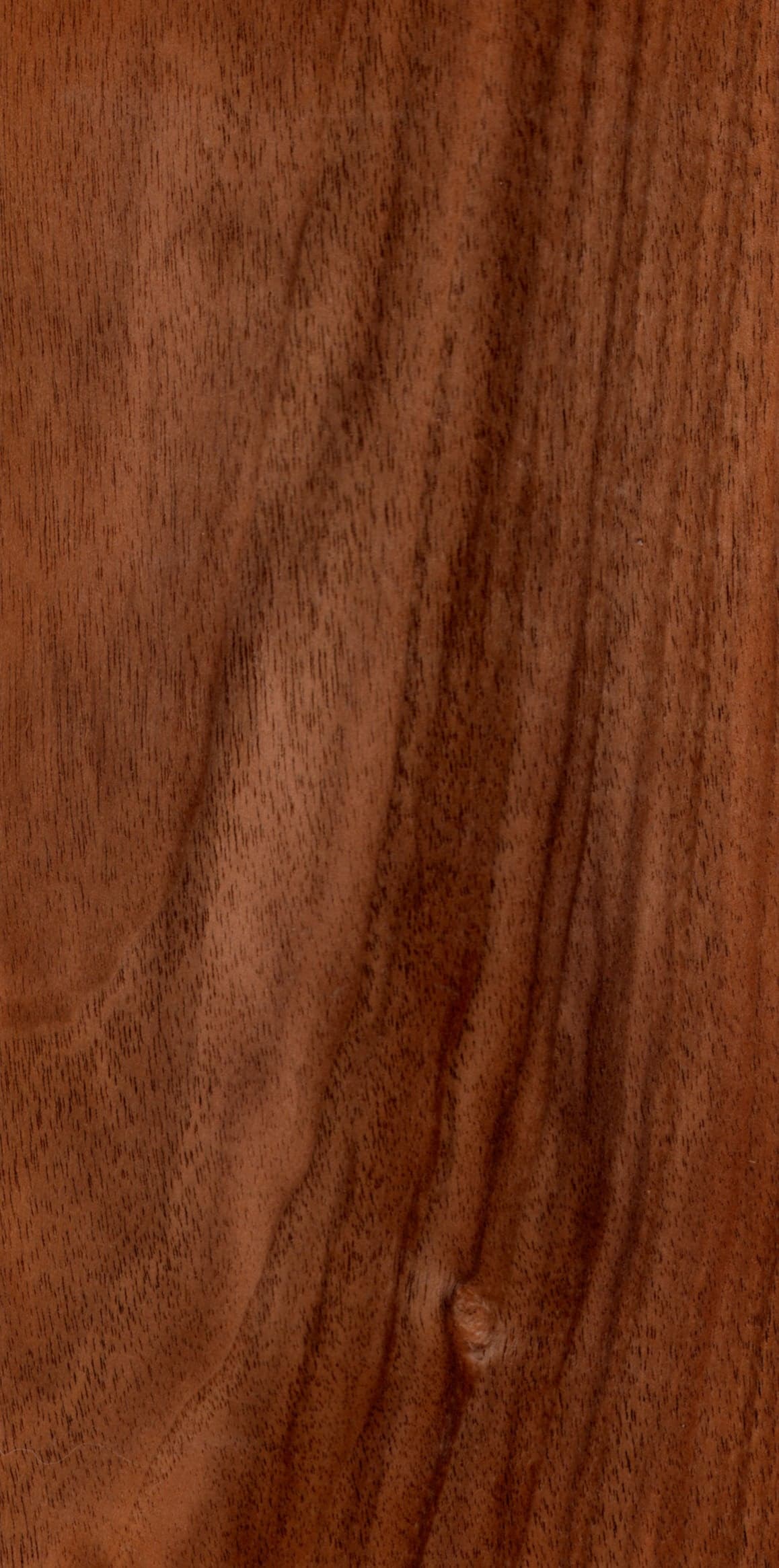
Baltoji eglė rievės

Achim Raschka (talk), via Wikimedia Commons

Abies alba grows through the mountain systems of central and southern Europe, from the Pyrenees across the Alps to the Carpathians and the Balkans. Most slab stock comes from managed mixed forests where it grows alongside beech and spruce, and EU certification coverage is good.

  • Not listed in the CITES Appendices and assessed by the IUCN as Least Concern. Silver Fir declined across parts of its range during the twentieth century from air pollution and heavy browsing pressure, and it is now recovering under managed forestry. Certified supply is readily available.

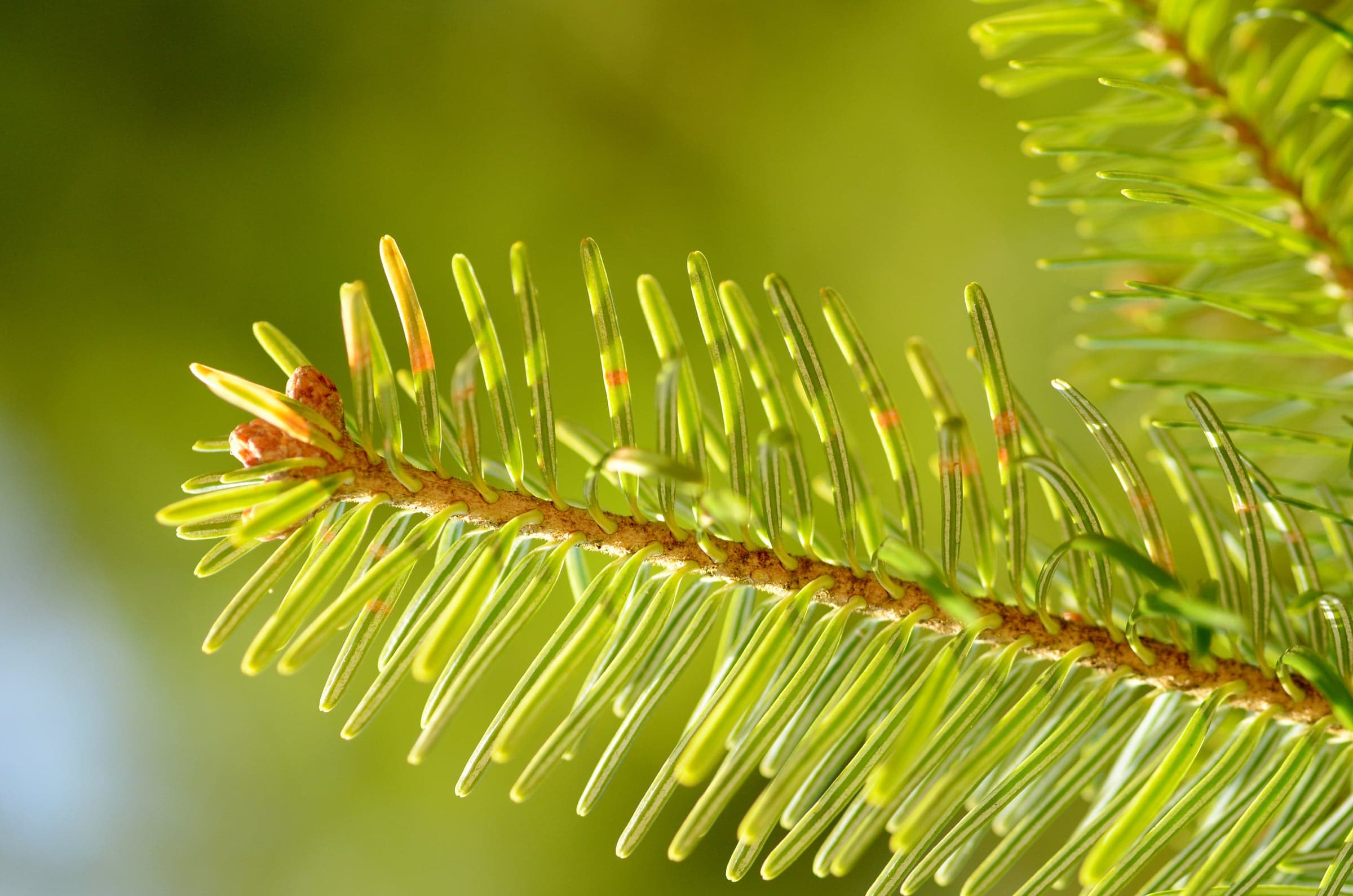
  • Baltoji eglė: Lapas
    Lapas
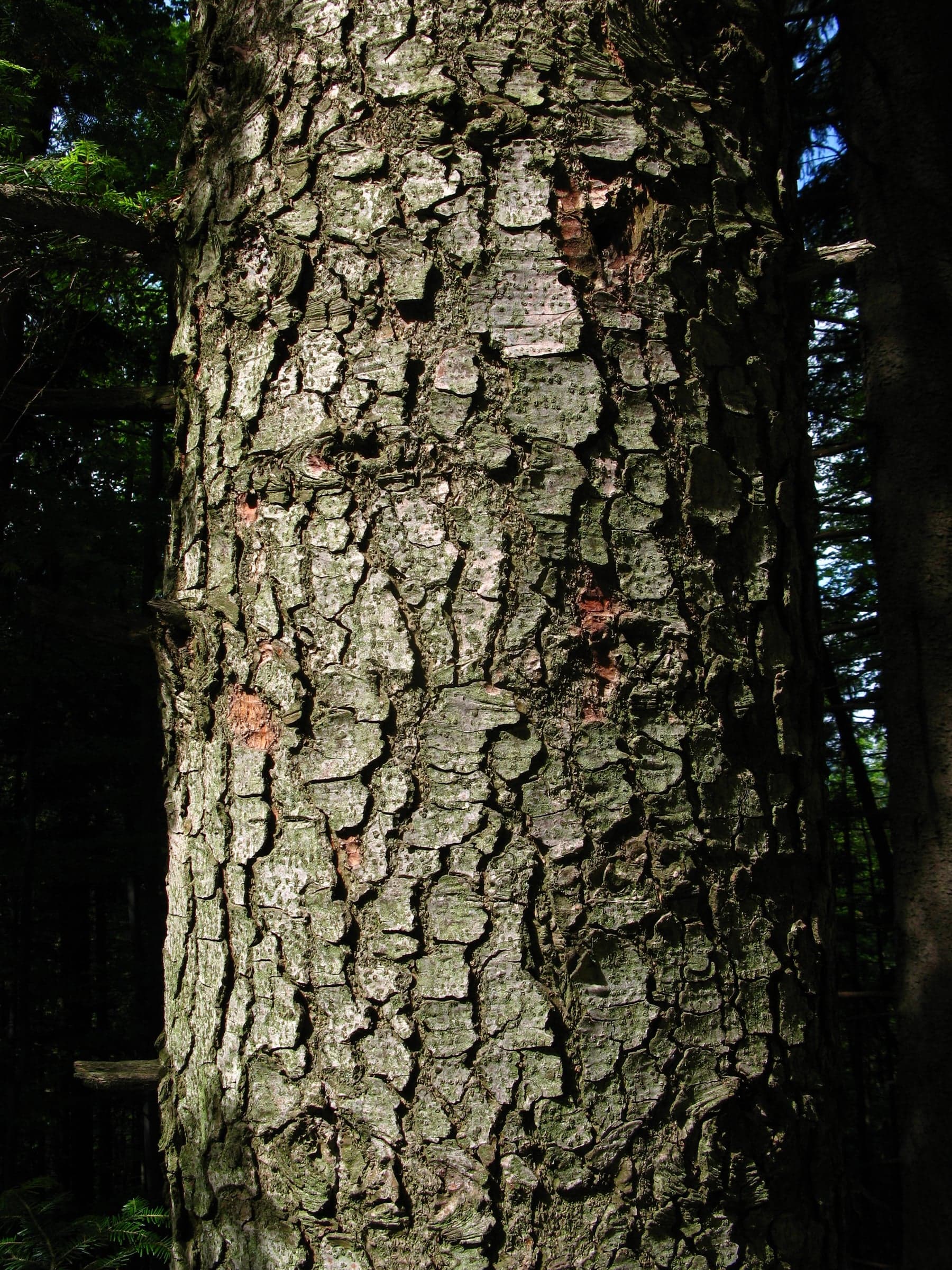
    Baltoji eglė: Žievė
    Žievė

    The specific thing to look for is wetwood, a bacterially affected zone carrying abnormally high moisture that occurs in some older trees. It dries slowly and unevenly and can leave a localised darker stain or a collapsed area. Properly dried stock has already revealed any of it. Since every KORENA slab carries a measured moisture value rather than an assurance, an unevenly dried board shows up in the data.

    At the bench#

    Fir works easily with hand and machine tools, and it glues, stains and finishes better than spruce for the reason given above. The softness caveat that governs all of this group still applies, and applies here hardest, because at 1,420 N on the Janka scale Silver Fir is the softest wood KORENA lists.

    Sharp cutters are not optional. A dull plane iron will crush the earlywood rather than cut it, and the crushed fibres lift when finish goes on. Light cuts and a card scraper produce a far better surface than heavy cuts and sandpaper. Stop sanding at 180 grit.

    One thing fir does not do well is hold carved detail. Softness suggests it should be a carving wood, but the fibre is stringy rather than crisp and fine detail tears out at the edges. Small-leaved lime is the species in the KORENA catalogue built for that job.

    Gluing is reliable with moderate clamping pressure. Screws hold adequately with pilot holes and coarse threads, though as with all light softwoods, through-bolts and washers are better wherever the load is real.

    Drying and movement#

    Fir dries readily and without much degrade. The absence of resin canals is a practical advantage in thick sections, because there is no resin to bleed when a slab warms in sunlight or over underfloor heating. Spruce in the same position may weep at the pockets years after finishing.

    Volumetric shrinkage sits around 12.8 percent, close to spruce, with tangential movement at 8.7 percent against 4.0 percent radial. That ratio, better than two to one, means flatsawn boards want to cup as humidity swings. Quartersawn stock is meaningfully more stable and worth paying for in a wide top.

    Let a slab acclimatise in its final room for a couple of weeks before final flattening. This matters more for softwoods than hardwoods because the movement is faster.

    Where Silver Fir is the right answer#

    Painted work is where fir clearly beats the alternatives here. The fine even texture needs almost no grain filling, and with no resin canals there is nothing to telegraph through the paint film later. A painted fir carcass will still look right in ten years, where a painted spruce one may show resin ghosting at the pockets.

    It also suits wall and ceiling panelling, lightweight carcass work, and shelving where the span is short or supported. Its stiffness to weight ratio is decent, but at this density long unsupported shelves will sag.

    It is the wrong answer for any working surface that must resist marking, for anything outdoors, and for carving.

    Sourcing and EUDR#

    Not CITES listed and assessed as Least Concern. Silver Fir declined across parts of its range through the twentieth century under air pollution and heavy deer browsing, and current populations are recovering under active management. Certified supply from Alpine and Carpathian sources is readily available, and the documentation path for EUDR is the same short one that applies to the other managed European conifers in this catalogue.

    What is wetwood and does it matter?

    +

    Wetwood is a bacterially affected zone of abnormally high moisture found in some older firs. It dries slowly and unevenly and can leave localised staining or collapse. Properly kilned stock will have revealed it already. Every KORENA slab carries a measured moisture reading, so a slab that dried unevenly is visible in the data rather than a surprise at the bench.

    8.7 %
    Tūrinis nuodžiūvisBendras tūrio pokytis nuo žalios iki visiškai sausos būklės. Mažesnė vertė reiškia didesnį stabilumą.12.8 %
    Natūralus patvarumas (EN 350)Europos natūralaus atsparumo puviniui standartas nuo 1 (labai patvari) iki 5 (nepatvari).Class 5 — Perishable

    Šaltiniai

    • The Wood Database — European Silver Fir (Abies alba)(žiūrėta 2026-08-12)
    • USDA FPL Wood Handbook FPL-GTR-190 (2010)(žiūrėta 2026-08-12)
    • Meier, E. — WOOD! Identifying and Using Hundreds of Woods Worldwide (2015)(žiūrėta 2026-08-12)

    Atkreipkite dėmesį

    • Netinka neapdorota naudoti laukeNatūralus patvarumas pagal EN 350 yra 5 klasė iš 5. Laikykite patalpoje arba prižiūrėkite apsauginę apdailą.
    • Dulkės dirginaNaudokite dulkių nutraukimą ir šlifuodami ar apdirbdami dėvėkite kaukę.
    • Prastai lenkiama garaisLenktas dalis klijuokite sluoksniais, užuot lenkę garais.

    Palieskite žymą ir peržiūrėkite išsamiau.

    Trumpai

    Visoms KORENA medienos rūšims taikomos tos pačios lygių ribos, todėl jas galima tiesiogiai palyginti. Po kiekvienu rodikliu pateikiama išmatuota vertė.
    KietumasAtsparumas įspaudams ir dėvėjimuisiMinkšta

    Kietumas pagal Janka 1 420 N

    71 % minkštesnė už ąžuolą

    SvorisKiek sunki keliama storlentėLabai lengva

    415 kg/m³

    StabilumasKiek mažai mediena brinksta ir traukiasi keičiantis sezonamsVidutiniškai kinta

    12,8 % tūrinis nuodžiūvis

    ApdirbimasPjovimas, obliavimas, šlifavimas, klijavimasVidutiniškai

    3,9 / 5 apdirbimo vidurkis

    Naudojimas laukeNatūralus atsparumas puviniui, EN 350Tik patalpoms

    EN 350 klasė 5

    • Pjovimas · Labai geraiKaip švariai pjaunama ir kiek dėvi pjūklus.1 = sunku · 5 = puiku
    • Obliavimas · Labai geraiKiek lygus lieka paviršius ir kiek išplėšiama plaušų.1 = sunku · 5 = puiku
    • Šlifavimas · Labai geraiKaip greitai lygiai nušlifuojama neužkemšant popieriaus.1 = sunku · 5 = puiku
    • Tekinimas · GeraiKaip pjaunama ir padengiama tekinimo staklėmis.1 = sunku · 5 = puiku
    • Drožyba · GeraiKaip tiksliai kaltu išlaikomos detalės.1 = sunku · 5 = puiku
    • Klijavimas · PuikiaiKaip patikimai laiko klijuotos jungtys.1 = sunku · 5 = puiku
    • Varžtų / vinių laikymas · Labai geraiKaip gerai laiko varžtus ir vinis neskildama.1 = sunku · 5 = puiku
    • Lenkimas garais · PatenkinamaiKaip gerai išlenkiama po garinimo.1 = sunku · 5 = puiku

    Kiek šiuo metu Europoje kainuoja Baltoji eglė mediena už kubinį metrą be PVM. Palieskite kainą, kad pamatytumėte išsamiau.

    • Geriausi rąstai aukcioneAtrinkti aukštos kokybės klasės rąstai, parduoti uždarų pasiūlymų aukcionuose, daugiausia lukšto ir baldų gamintojams. Iš tokių rąstų pjaunamos storlentės.Dauguma kainų yra nuo 200 € iki 201 €.Remiamasi 68 kainomis iš 1 regiono.Naujausi duomenys: 2026-11-14
    • Įprasti rąstaiDideli standartinės apvaliosios medienos kiekiai, miškų savininkų ir valstybinių miškų parduodami daugiausia statybai ir pramonei.Dauguma kainų yra nuo 38 € iki 158 €.Remiamasi 6 660 kainų iš 7 regionų.Naujausi duomenys: 2026-11-14

    Įprasti rąstai pagal šalį

    • Rumunija · 87 € / m³Regionai: Banat / Crișana, Moldavia (Romania), Transylvania ir Wallachia6 378 kainosNaujausi duomenys: 2026-11-14
    • Italija · 85 € / m³Regionai: Veneto78 kainosNaujausi duomenys: 2025-07-23
    • Prancūzija · 76 € / m³Regionai: Bourgogne-Franche-Comté ir Grand Est / Alsace204 kainosNaujausi duomenys: 2026-11-14

    Kodėl storlentė kainuoja daugiau?

    Tai žaliavinės medienos kainos. Storlentė yra geriausias rąsto pjūvis, džiovintas metus ar ilgiau, tada kiekvienas vienetas atskirai patikrintas ir išmatuotas. Storlente tampa tik nedidelė kiekvieno rąsto dalis.

    Šaltinis: KORENA medienos indeksas · Naujausi duomenys: 2026-11-14

    Žiūrėti visas regionines kainas