KORENA
MedienaBaldaiDirbtuvėsPartneriaiŽurnalas

Pirmas pamatyk naujas storlentes

Gauk el. laišką, kai atkeliauja nauja mediena.

Keli laiškai per mėnesį. Jokio šlamšto, prenumeratą galite bet kada atšaukti.

KORENA

Įsigyk medienos masyvo, rankų darbo baldų, įrankių ir medienos apdailos priemonių per KORENA.

Parduotuvė

  • Peržiūrėti prekes
  • Parduotų storlenčių archyvas
  • Sekti užsakymą

Sužinokite

  • Žurnalas
  • Medienos rūšių vadovai
  • Žodynas
  • Augalų pasai ir kenkėjų zonos
  • Palyginti
  • Autoriai

Pagalba

  • Apie mus
  • Kaip tai veikia
  • Tapti pardavėjuNauja
  • Rasti storlentę
  • Pagalba
  • Dokumentų šablonai
  • Žiniasklaidai

Pirkimas

  • Pardavimo sąlygos
  • Teisė atsisakyti sutarties
  • Grąžinimas ir atitikties garantija
  • Siuntimas ir pristatymas

Patikimumas

  • Privatumo politika
  • Slapukų politika
  • Medienos kilmė ir EUDR
  • Prieinamumas

Rekvizitai

  • Teisinė informacija / rekvizitai
  • Priimtinas naudojimas
  • Intelektinė nuosavybė ir turinys

© 2026 KORENA. Visos teisės saugomos.

Valdo „Martial Labs Ltd.“ (BG, EIK 207453941). KORENA yra „Martial Labs Ltd.“ prekių ženklas.

Gerbiame jūsų privatumą

Naudojame būtinuosius slapukus, kad svetainė veiktų. Gavę jūsų leidimą taip pat naudotume slapukus analizei, suasmenintam turiniui ir reklamai. Savo pasirinkimą bet kada galite pakeisti sutikimo nuostatų puslapyje. Žr. mūsų slapukų politiką ir privatumo politiką.

  1. Pradžia
  2. /
  3. Medienos rūšys
  4. /
  5. Paprastoji kriaušė

Pyrus communis

Paprastoji kriaušė

Master-grade carving and cabinet wood with a fine even texture. Slab-size pieces are rare and prized when they appear.

  • This species is recorded as commercially grown in Europe. This does not establish where an individual piece was harvested; check its origin details.
  • Botaninė grupė. Spygliuočių mediena gaunama iš spygliuočių, lapuočių mediena iš plačialapių medžių.
  • Botaninė šeima, kuriai priklauso rūšis.
Pranešti, kai atsirasŽinyno medienos rūšis. Šiuo metu vienetų neturime.
  • Tinkamumas projektui
  • Turime
  • Išvaizda
  • Apdirbimas
  • Brinkimas ir traukimasis
  • Kaina
  • Sauga ir tiekimas
  • Klausimai
  • Techniniai duomenys

Ar tinka jūsų projektui?

Puikiai tinka

  • Heirloom carving and sculpture
  • Fine cabinetry and case pieces
  • Marquetry and inlay
  • Jewellery boxes and instrument cases
  • Small statement tables and side tables
  • Turned bowls and treen

Dabartinėje kolekcijoje Paprastoji kriaušė nėra

Turimos panašios medienos rūšys

Šiuo metu Paprastoji kriaušė nėra. Šios medienos rūšys tinka tiems patiems projektams, o jų vienetų turime.
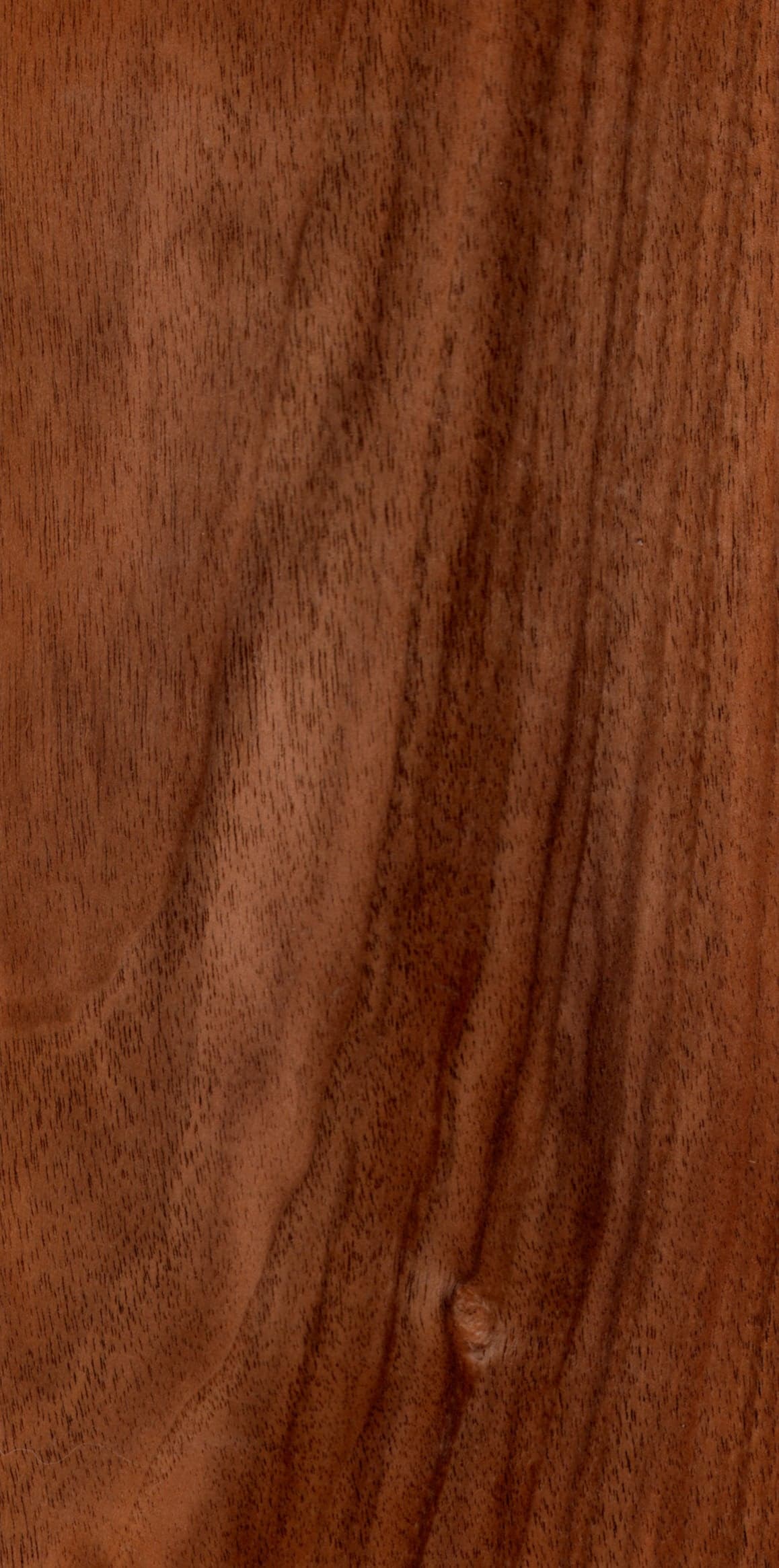
  • Europinis riešutmedis rievės

    Europinis riešutmedis

    Juglans regia

    12 vienetų

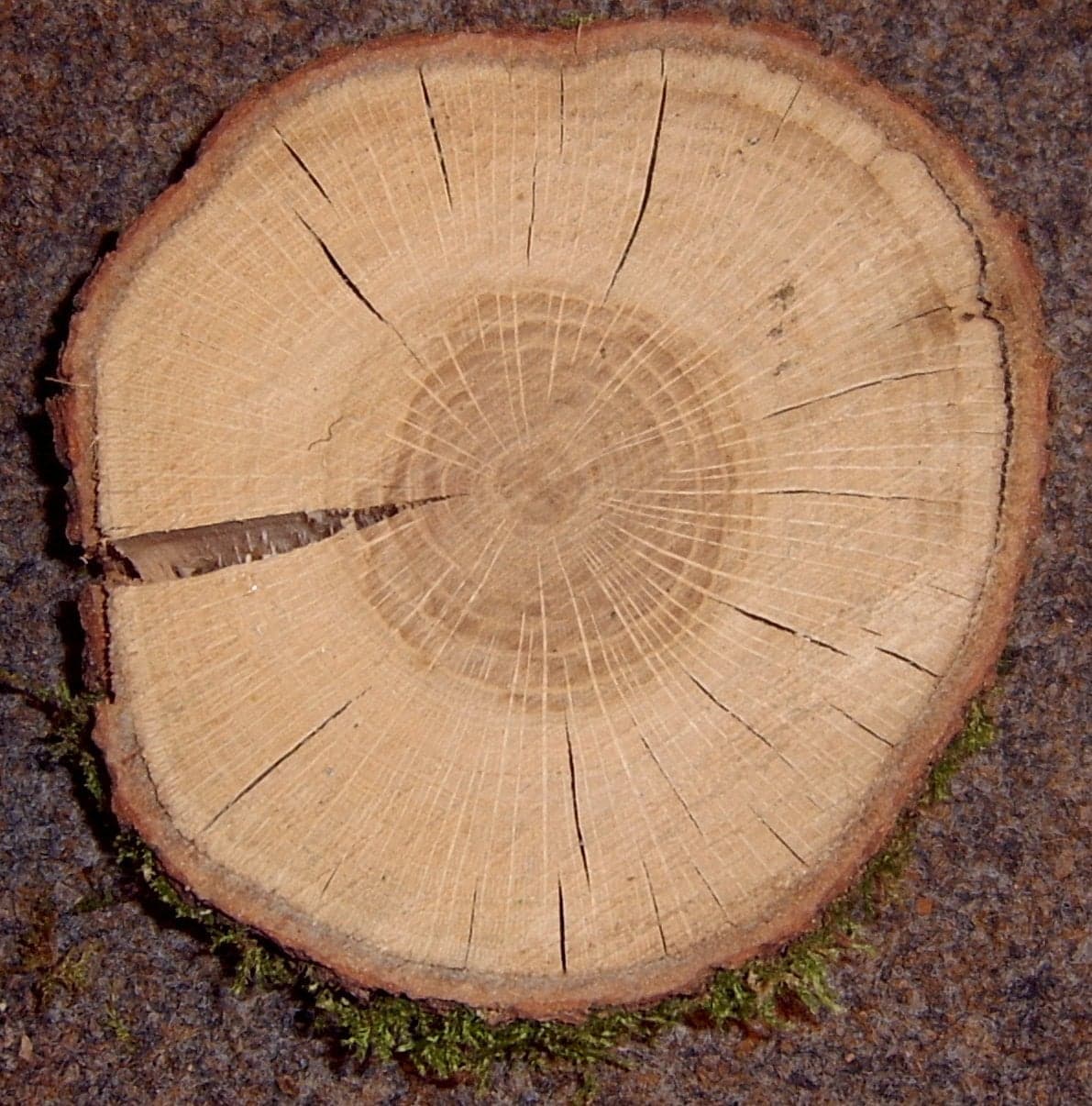
  • Europinis ąžuolas rievės

    Europinis ąžuolas

    Quercus robur

    6 vienetai

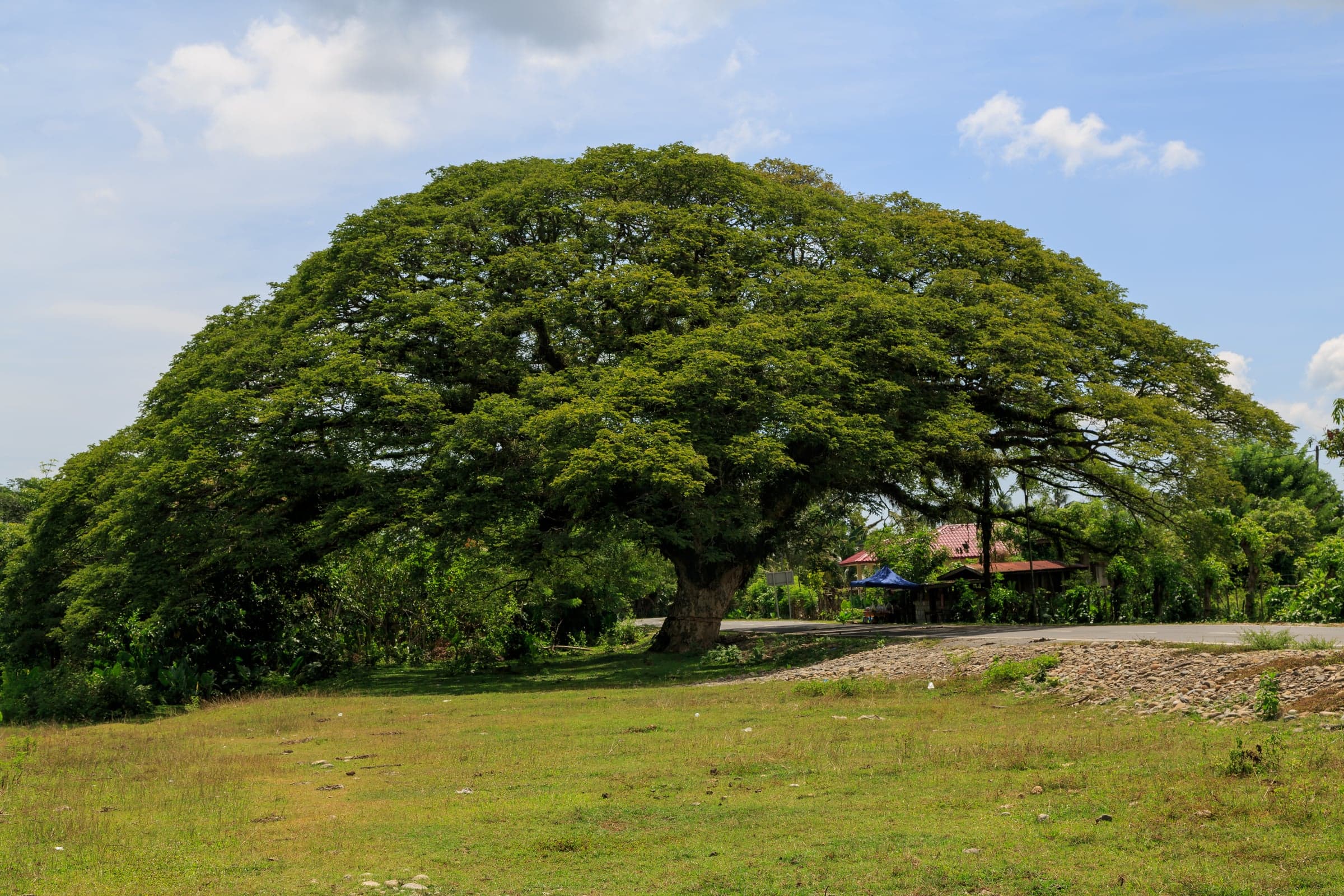
  • Saman rievės

    Saman

    Samanea saman

    4 vienetai

Gaukite pranešimus apie Paprastoji kriaušė

Parašysime jums, kai KORENA pasirodys naujų Paprastoji kriaušė storlenčių. Kiekvienas vienetas yra vienetinis, todėl verta sužinoti iš anksto.

Keli laiškai per mėnesį. Jokio šlamšto, prenumeratą galite bet kada atšaukti.

Medienos išvaizda

Kaip atrodo

Pale pinkish-tan to warm salmon, deepening to a soft russet with age and light. Texture is dense, even, and almost poreless under the hand. Figure is quiet, gentle ribbon and the occasional fine fleck, which is exactly why carvers and marquetry workers prize it. The grain doesn't fight you, and detail holds crisply.

  • Pale pinkish-tan when fresh off the saw
  • Warm salmon to soft russet with age
  • Steamed pear takes a uniform pinkish hue
  • Stains evenly to deep black for ebonised work
  • Subtle ribbon figure; rarely dramatic
  • Mild UV warming, no harsh colour shift
  • Labai smulki, tolygi tekstūra; subtilus raštas.

Apdirbimas

Apdirbimas

Carves, turns, and planes superbly, this is a benchmark wood for fine work. Cuts cleanly across the grain without tearing, holds knife-edge detail, and turns to crisp profiles. Sands to a near-polished surface straight off the tool. Glues and screws well. Steam bending is moderate. The low stiffness helps it bend, but it can compress unevenly, so test on offcuts.

Apdaila

Sands to a glass-smooth surface, one of the cleanest finishes you can pull off any European hardwood. Takes oil, wax, and shellac evenly with no blotching. Steaming produces the uniform pinkish tone historically used to imitate ebony when stained black (the piano-key trick). For natural finishes, hard-wax oil holds the warm tone; lacquer can flatten it. Expect mild warming in UV.

Džiovinimas

Honest tradeoff: tangential shrinkage is high (10.5–12%) against modest radial movement, so drying rate matters. Pear that's rushed will check, cup, and case-harden. Air-dry slowly under weight, then finish in a kiln on a gentle schedule. Once stable, it sits well indoors. Quartersawn or rift-sawn stock is the safer cut for wide panels.

Kiek mediena brinks ir trauksis?

Kintant oro drėgnumui, mediena skersai pločio brinksta ir traukiasi. Prieš projektuodami tvirtinimus apskaičiuokite numatomą sezoninį Paprastoji kriaušė stalviršio pokytį.

Pjūvis
Kur bus naudojama

Numatomas medienos brinkimas ir traukimasis per sezoną

apie 12,9 mm

Didelis. Naudokite laikiklius arba gembes su pailgomis angomis, galuose palikite tarpus ir prieš surinkdami leiskite storlentei prisitaikyti prie aplinkos.

Linijinio nuodžiūvio modelis: plotis × (nuodžiūvis ÷ 28 % plaušo soties riba) × sezoninis drėgnio pokytis. Paprastoji kriaušė skaičiuojamas taikant 11,25 % tangentialinis nuodžiūvį. Tai planavimo įvertis, ne garantija.

Kiek kainuoja

Sauga ir tiekimas

  • This species is recorded as commercially grown in Europe. This does not establish where an individual piece was harvested; check its origin details.
  • IUCN raudonojo sąrašo statusas: pasaulinis šios rūšies apsaugos būklės vertinimas.
  • Food-contact safe, pear has a long tradition as kitchen utensil and treen wood. Not a commonly reported dust sensitiser. Standard shop dust extraction is enough.

Skaityti visą vadovąIšsamios pastabos apie tekstūrą, spalvos pokyčius, apdirbimą ir stabilumą.+

What European Pear actually is#

Pyrus communis is the fine detail wood of Europe. Its texture is exceptionally close, even and dense, with essentially no visible grain direction, and at 7,420 N Janka it is one of the hardest species in this catalogue.

That pairing is unusual. Most woods that hold fine detail are soft, like lime. Most woods that are hard have pronounced grain that fights the tool, like oak. Pear is both hard and directionless, so carved detail is crisp and then survives being handled.

It is the traditional wood for woodcut printing blocks, recorders and wind instrument parts, drawing instruments, rulers, set squares and fine inlay, and all of those uses depend on the same property.

The orchard problem#

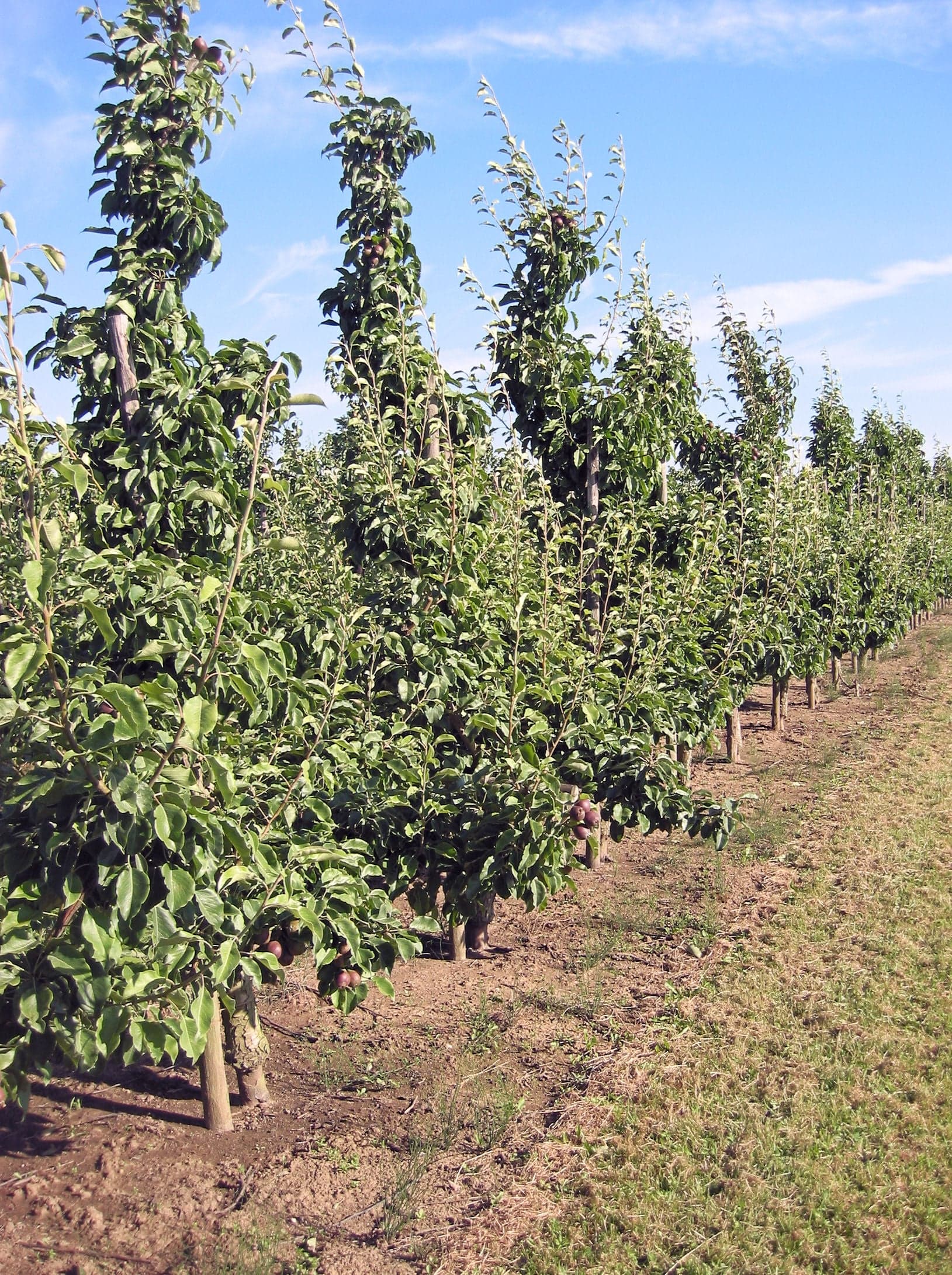
Pear is a fruit tree. It is grown for pears, and it reaches the timber market when an orchard tree comes to the end of its productive life.

The consequences are structural. Trunks are short and often irregular. Diameters are modest. Clean wide boards are genuinely scarce, and slab sized material is uncommon enough that finding it is the main constraint rather than affording it.

Expect narrow widths, short lengths, and a good deal of character.

Steamed and unsteamed

Vartotojų klausimai

Vartotojų klausimai

Why is pear so highly regarded for carving and instruments?

+

Its texture is exceptionally fine, even and dense, with essentially no visible grain direction, so it cuts equally well in any direction and holds very crisp detail. At 7,420 N Janka it is also hard, which means carved detail survives handling. That combination of fine texture and hardness is rare and is why pear has been the traditional wood for woodcuts, recorders, rulers and instrument parts.

What is steamed pear?

+

Pear that has been steamed during drying, which turns the pale pinkish wood a warm rose brown and evens the colour. It is the standard European commercial treatment and the colour most people associate with the species. Unsteamed pear is paler and more variable. The change is permanent.

Why are pear boards so small?

+

It is an orchard tree, grown for fruit and felled at the end of its productive life rather than for timber. Trunks are short, often irregular, and rarely large. Wide clean pear is genuinely scarce and priced accordingly, and slab sized material is uncommon.

How much does it move?

+

Mechaninės savybės

Techniniai duomenys

Paskelbtos orientacinės vertės. Jei šaltiniai nesutampa, nurodomas intervalas, o pirmiau pateiktoms skalėms naudojama tipinė vertė.

Tankis (kg/m³)Vieno kubinio metro svoris esant maždaug 12 % drėgniui. Sunkesnė mediena paprastai yra kietesnė ir stipresnė.650–740 kg/m³tipinė vertė 700 kg/m³
Kietumas pagal Janka (N)Jėga, kurios reikia plieniniam rutuliukui įspausti į medieną iki pusės. Standartinis atsparumo įspaudams matas.6,800–7,800 Ntipinė vertė 7 420 N
MOR: stipris lenkiant (MPa)Stipris lenkiant: apkrova, kuriai veikiant sija lūžta.75–90 MPa
MOE: tamprumo modulis (GPa)Standumas lenkiant: kiek lentyna ar stalviršis įlinksta nuo apkrovos.7.0–8.5 GPa
Radialinis nuodžiūvisNuodžiūvis skersai rievių nuo žalios iki visiškai sausos būklės. Taip keičiasi radialinio pjūvio lentos.4.0–5.0 %
Tangentialinis nuodžiūvis
Paprastoji kriaušė medis

Rasbak, via Wikimedia Commons

  • Drawing instruments and tool handles
  • Ebonised detail work (piano-key tradition)
  • Pranašumai

    • Saugi maistuiTinka lentelėms, dubenims ir su maistu besiliečiantiems paviršiams.

    Atkreipkite dėmesį

    • Netinka neapdorota naudoti laukeNatūralus patvarumas pagal EN 350 yra 5 klasė iš 5. Laikykite patalpoje arba prižiūrėkite apsauginę apdailą.

    Native across Europe, from orchards and hedgerows. Most pear comes in small sections from old orchard trees, so a true slab is uncommon stock, usually a long-lived garden or estate tree that grew large enough to mill.

  • IUCN Least Concern, no CITES listing. Native European species, often sourced from orchard clearances and estate trees rather than dedicated forestry, which means supply is opportunistic and slabs are scarce. Decay class 5, perishable, so this is strictly interior wood.

  • #

    Most European commercial pear is steamed during drying.

    Steaming turns the pale pinkish natural colour to a warm rose brown and evens out variation. This is the colour most people picture when they think of pear, and it is the standard for instrument and cabinet work.

    Unsteamed pear is paler, closer to a pinkish cream, and more variable between boards. Both are the same species and the difference is permanent, so decide at the outset and buy accordingly.

    The movement problem#

    This is the one number that spoils an otherwise excellent wood.

    Tangential shrinkage of 10.5 percent against radial at 4.0 percent is among the widest differentials in this catalogue, wider than oak, wider than ash. Volumetric shrinkage of 11.5 percent is only moderate, so the total movement is unremarkable, but the distortion is severe because the two axes are so far apart.

    Flatsawn pear cups hard. Quartersawn stock is markedly better behaved and is worth seeking out for anything that must stay flat.

    Given the small sizes the species comes in, most pear ends up in components small enough that this matters less than it would in a wide top. If you do have a pear slab wide enough for a tabletop, that ratio is the thing to design around.

    At the bench#

    Pear works beautifully and it works hard. At 7,420 N it blunts tooling steadily and asks for power, but the fine texture means it cuts cleanly rather than tearing.

    It carves exceptionally, turns exceptionally, and takes a polished surface directly from the tool with very little abrasive work. It glues reliably and holds fine screws with pilot holes.

    It also bends reasonably well and takes a very crisp moulded profile, which is why it appears in period furniture as mouldings and edge details.

    Finishing#

    The fine dense surface takes finish evenly and needs no grain filling. Steamed pear under a clear oil is a warm rose brown that many makers consider among the most attractive surfaces in European furniture.

    It stains poorly and rarely needs to. Pear is often used precisely because its own colour is wanted.

    It is also the traditional substrate for ebonising, taking black stain evenly because there is no open grain to break up the surface, which is how pear was used as a substitute for ebony in period work.

    Where European Pear is the right answer#

    Carving and fine detail work, musical instrument parts, drawing and measuring instruments, inlay and marquetry, small cabinetry, turned work, and mouldings. Also ebonised work.

    It is the wrong answer for anything large, anything outdoors at decay class 5, and anything where a wide flatsawn surface must stay flat.

    Sourcing and EUDR#

    Not CITES listed and assessed as Least Concern. The tree is common across Europe but timber supply is limited by the orchard felling pattern rather than by scarcity of trees. Provenance chains are short and non-standardised, and KORENA records the yard and region on every listing.

    Tangential shrinkage of 10.5 percent against radial at 4.0 percent is a very wide differential, among the widest in this catalogue, so flatsawn pear cups strongly. Volumetric shrinkage of 11.5 percent is only moderate, so the total movement is not extreme but the distortion is. Quartersawn stock is markedly better behaved.

    Can pear be used outdoors?

    +

    No. It is rated decay class 5, perishable, despite being hard and dense. Hardness and durability are unrelated. Pear is an interior wood for fine work, and it is too scarce and valuable to put outside.

    Nuodžiūvis išilgai rievių. Taip keičiasi tangentinio pjūvio lentos ir dauguma storlenčių.
    10.5–12.0 %
    Tūrinis nuodžiūvisBendras tūrio pokytis nuo žalios iki visiškai sausos būklės. Mažesnė vertė reiškia didesnį stabilumą.11.5–13.5 %
    Natūralus patvarumas (EN 350)Europos natūralaus atsparumo puviniui standartas nuo 1 (labai patvari) iki 5 (nepatvari).Class 5 — Perishable

    Šaltiniai

    • The Wood Database(žiūrėta 2026-05-09)
    • USDA FPL Wood Handbook FPL-GTR-190 (2010)(žiūrėta 2026-05-09)
    • Meier, E. — WOOD! Identifying and Using Hundreds of Woods Worldwide (2015)(žiūrėta 2026-05-09)

    Trumpai

    Visoms KORENA medienos rūšims taikomos tos pačios lygių ribos, todėl jas galima tiesiogiai palyginti. Po kiekvienu rodikliu pateikiama išmatuota vertė.
    KietumasAtsparumas įspaudams ir dėvėjimuisiLabai kieta

    Kietumas pagal Janka 7 420 N

    49 % kietesnė už ąžuolą

    SvorisKiek sunki keliama storlentėSunki

    700 kg/m³

    StabilumasKiek mažai mediena brinksta ir traukiasi keičiantis sezonamsVidutiniškai kinta

    12,5 % tūrinis nuodžiūvis

    ApdirbimasPjovimas, obliavimas, šlifavimas, klijavimasLabai lengva

    4,6 / 5 apdirbimo vidurkis

    Naudojimas laukeNatūralus atsparumas puviniui, EN 350Tik patalpoms

    EN 350 klasė 5

    • Pjovimas · PuikiaiKaip švariai pjaunama ir kiek dėvi pjūklus.1 = sunku · 5 = puiku
    • Obliavimas · Labai geraiKiek lygus lieka paviršius ir kiek išplėšiama plaušų.1 = sunku · 5 = puiku
    • Šlifavimas · PuikiaiKaip greitai lygiai nušlifuojama neužkemšant popieriaus.1 = sunku · 5 = puiku
    • Tekinimas · PuikiaiKaip pjaunama ir padengiama tekinimo staklėmis.1 = sunku · 5 = puiku
    • Drožyba · PuikiaiKaip tiksliai kaltu išlaikomos detalės.1 = sunku · 5 = puiku
    • Klijavimas · Labai geraiKaip patikimai laiko klijuotos jungtys.1 = sunku · 5 = puiku
    • Varžtų / vinių laikymas · Labai geraiKaip gerai laiko varžtus ir vinis neskildama.1 = sunku · 5 = puiku
    • Lenkimas garais · GeraiKaip gerai išlenkiama po garinimo.1 = sunku · 5 = puiku

    Paprastoji kriaušė rinkos orientacinės kainos dar nėra. Kiekvieno KORENA vieneto kainą atskirai nustato partnerio medienos sandėlis.

    Greitai atšipina įrankius
    Labai kieta ir tanki. Naudokite aštrius įrankius ir kiekvienam varžtui išgręžkite pirminę skylę.

    Palieskite žymą ir peržiūrėkite išsamiau.