KORENA
DrewnoFinished piecesMateriałySkładyMagazyn

Otrzymuj powiadomienia

Każda deska jest niepowtarzalna. Gdy się sprzeda, znika. Piszemy, gdy pojawiają się nowe sztuki: świeże dostawy, nowe gatunki i deski dopasowane do projektu.

Kilka wiadomości miesięcznie. Bez spamu, możesz zrezygnować w każdej chwili.

KORENA, wysokiej jakości drewno liściaste

Jedna sztuka naraz.

Zweryfikowane drewno liściaste wysokiej jakości, sprzedawane sztuka po sztuce. Każda deska jest fotografowana, mierzona i wysyłana ze składu partnerskiego z paszportem drewna.

Sklep

  • Przeglądaj produkty
  • Archiwum sprzedanych
  • Śledź zamówienie

Wiedza

  • Magazyn
  • Przewodniki po gatunkach
  • Słownik
  • Porównaj
  • Autorzy

Pomoc

  • O nas
  • Jak to działa
  • Zostań składem partnerskim
  • Znajdź deskę
  • Pomoc
  • Wzory dokumentów
  • Dla mediów

Zakupy

  • Warunki sprzedaży
  • Prawo odstąpienia
  • Zwroty i gwarancja
  • Wysyłka i dostawa

Zaufanie

  • Polityka prywatności
  • Polityka plików cookie
  • Pochodzenie drewna i EUDR
  • Dostępność

Informacje prawne

  • Nota prawna / informacje o firmie
  • Dopuszczalne użytkowanie
  • Własność intelektualna i treści

© 2026 KORENA. Wszelkie prawa zastrzeżone.

Operatorem jest Martial Labs Ltd. (BG, EIK 207453941). KORENA jest nazwą handlową Martial Labs Ltd.

Szanujemy Twoją prywatność

Używamy niezbędnych plików cookie, aby witryna działała. Za Twoją zgodą użyjemy również plików cookie do analityki, spersonalizowanych treści i reklam. W każdej chwili możesz zmienić decyzję na stronie ustawień zgody. Zobacz naszą politykę plików cookie i politykę prywatności.

  1. Strona główna
  2. /
  3. Gatunki
  4. /
  5. Black Pine

Pinus nigra

Black Pine

A pale timber from a dark tree. Works like Scots Pine, stays lighter with age, and moves less than any pine here.

  • Uprawiane i pozyskiwane w Europie.
  • Grupa botaniczna. Drewno iglaste pochodzi z drzew iglastych, a liściaste z drzew liściastych.
  • Rodzina botaniczna, do której należy gatunek.
Powiadom mnie, gdy się pojawiGatunek referencyjny. Obecnie brak dostępnych sztuk.
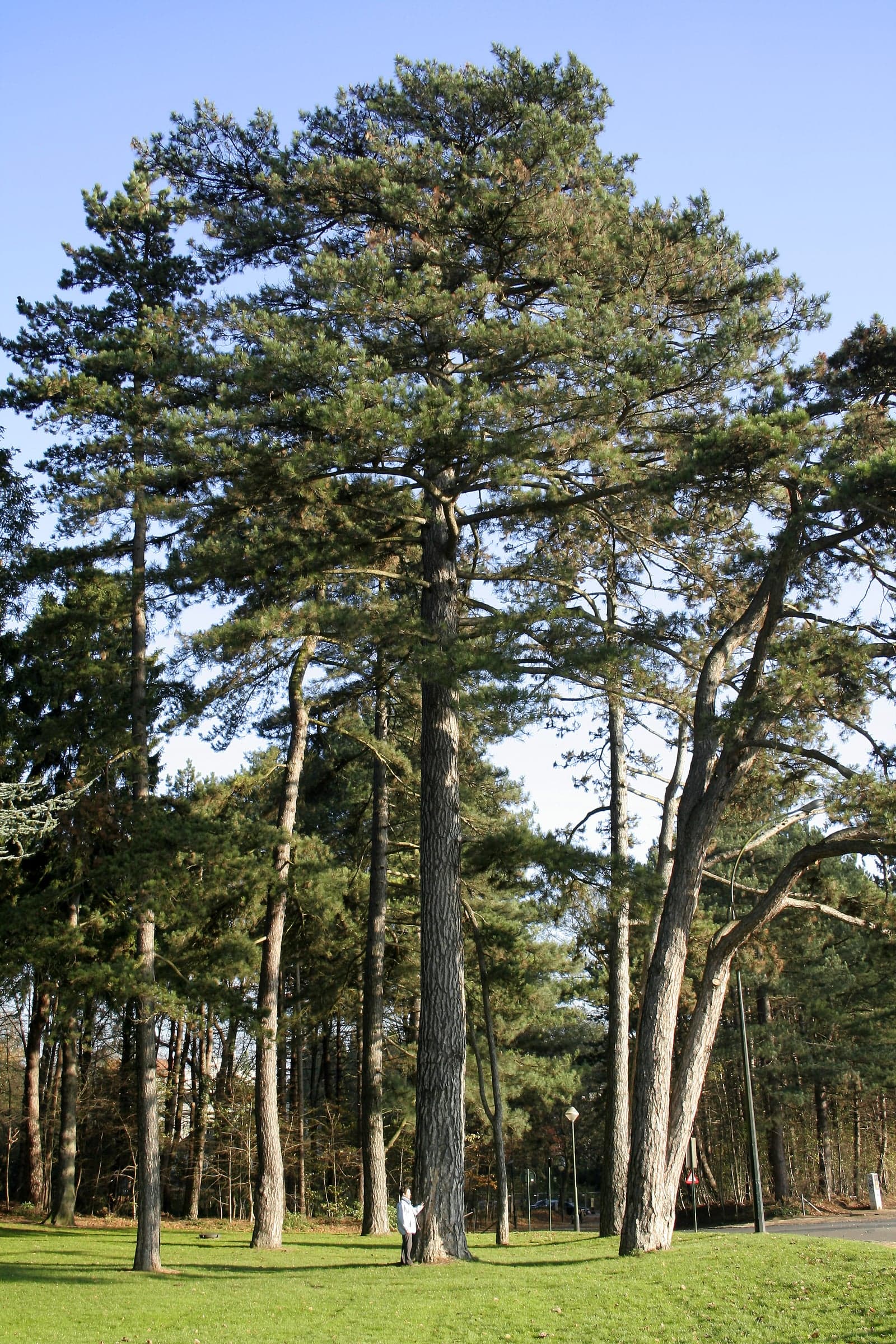
Drzewo Black Pine
  • Dopasowanie do projektu
  • Dostępne
  • Wygląd
  • Obróbka
  • Praca drewna
  • Cena
  • Bezpieczeństwo i pozyskiwanie
  • Pytania
  • Dane techniczne

Czy pasuje do Twojego projektu?

Świetne do

  • Painted furniture
  • Panelling
  • Carcass work
  • Shelving
  • Interior joinery

Brak drewna Black Pine w bieżącej dostawie

Dostępne podobne gatunki

Obecnie nie ma drewna Black Pine. Te gatunki nadają się do podobnych projektów i są dostępne.
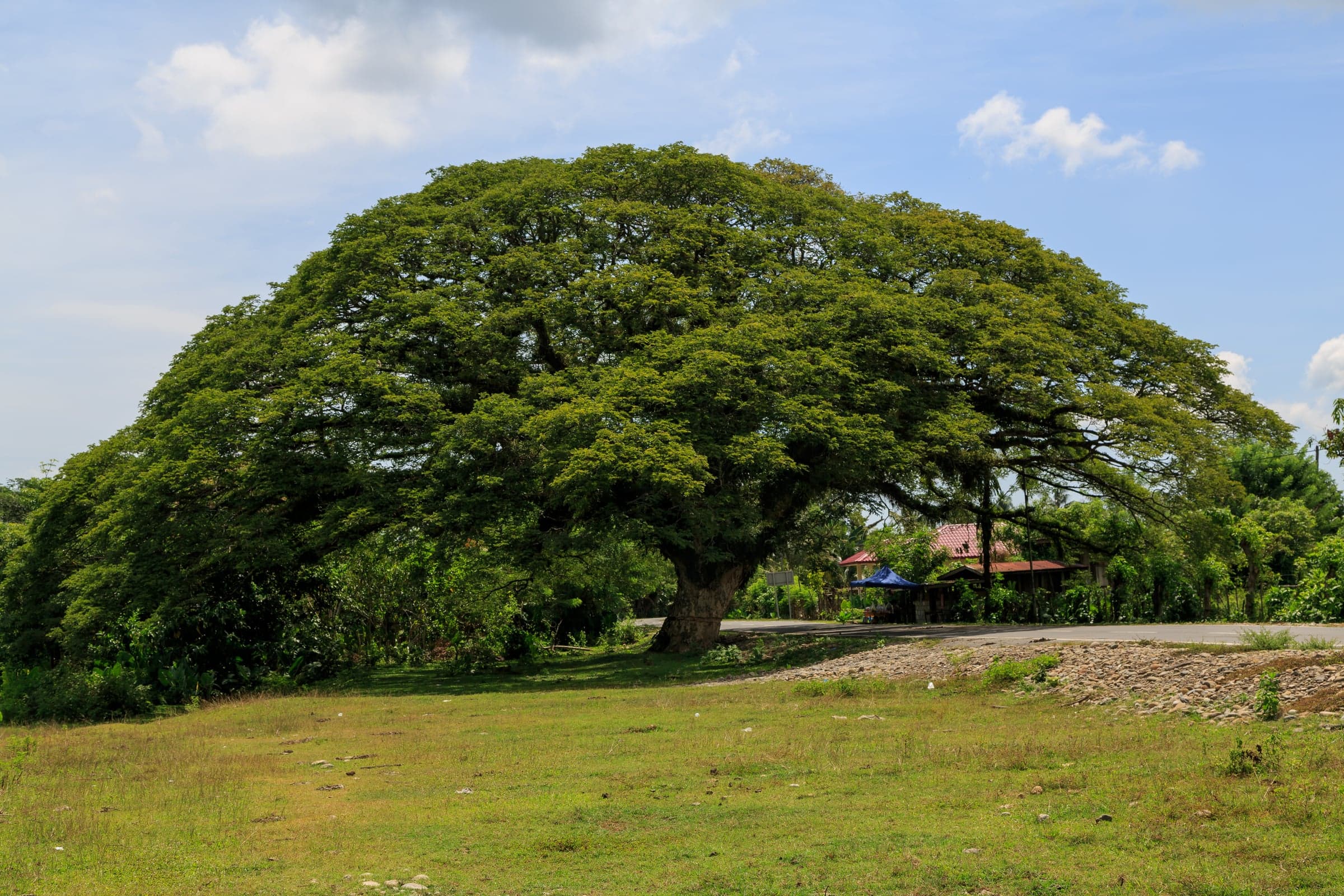
  • Usłojenie Saman

    Saman

    Samanea saman

    4 sztuki

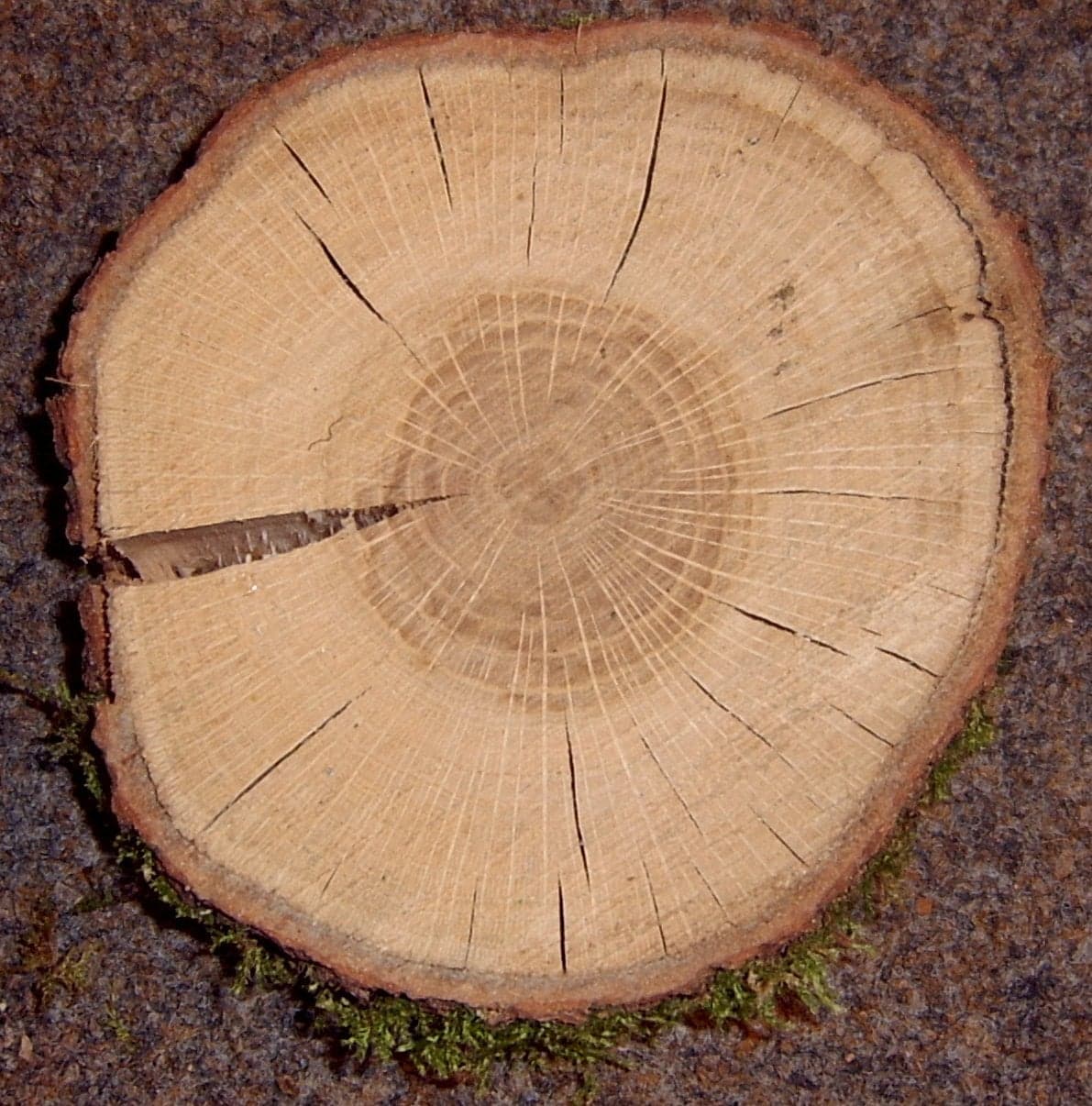
  • Usłojenie European Oak

    European Oak

    Quercus robur

    6 sztuk

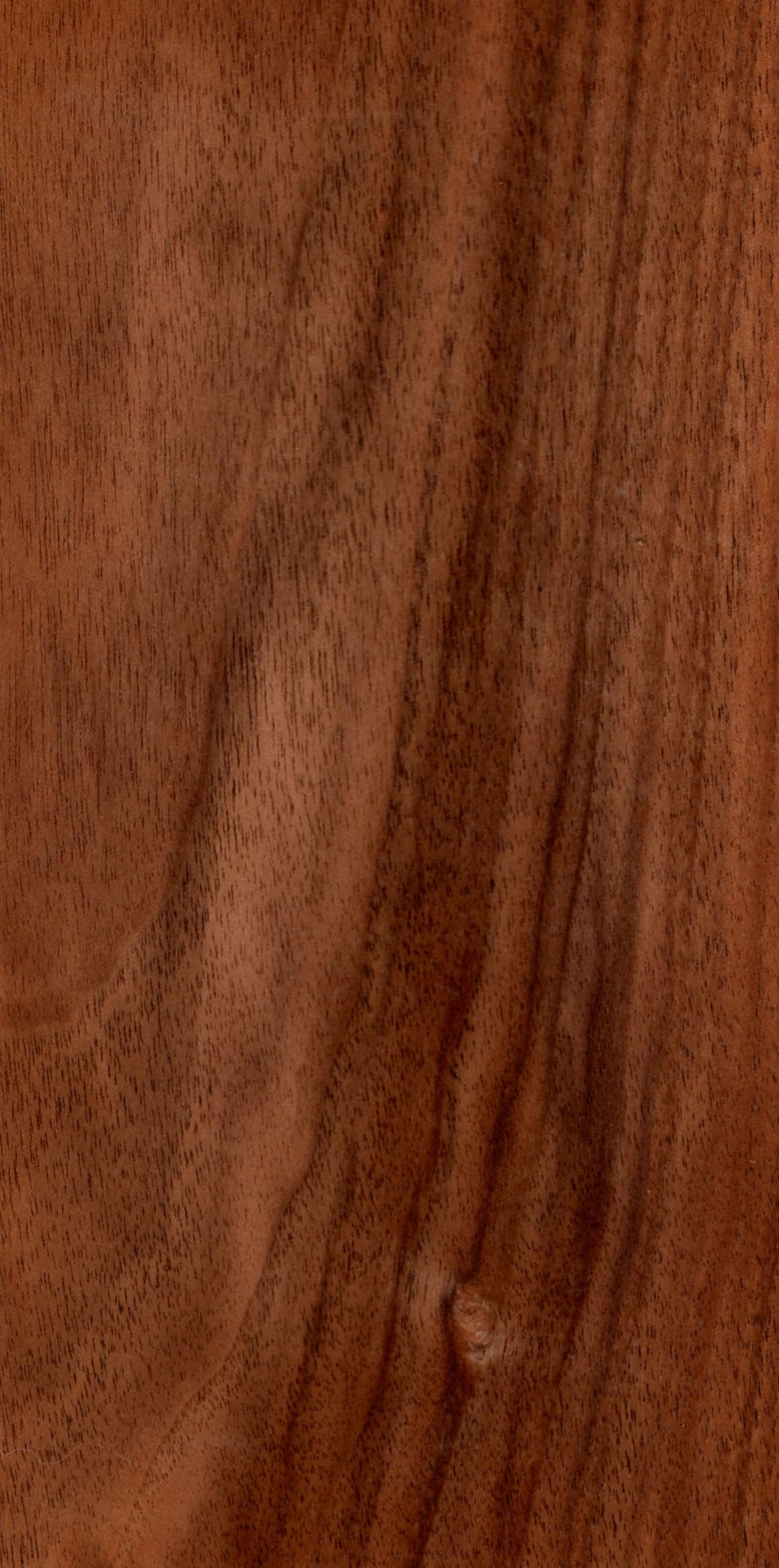
  • Usłojenie European Walnut

    European Walnut

    Juglans regia

    9 sztuk

Otrzymuj powiadomienia o drewnie Black Pine

Wyślemy Ci wiadomość, gdy w KORENA pojawią się nowe deski Black Pine. Każda sztuka jest niepowtarzalna, więc warto wiedzieć wcześniej.

Kilka wiadomości miesięcznie. Bez spamu, możesz zrezygnować w każdej chwili.

Wygląd drewna

Jak wygląda

Pale yellow to light brown heartwood against wide pale sapwood, closely resembling Scots Pine but generally a shade paler and with tighter, more regular growth rings. Knots tend to be smaller and more evenly distributed than in Scots Pine, which gives a calmer overall surface. The name refers to the dark bark and foliage of the tree, not to the timber, which regularly surprises buyers.

  • Pale yellow to light brown, slightly paler than Scots Pine
  • Wide pale sapwood with modest heartwood contrast
  • Ambers with age, though less dramatically than Scots Pine
  • Straight, regular grain with tighter and more even rings than Scots Pine. Pale yellow to light brown, with smaller and more evenly distributed knots.

Obróbka

Obróbka

Easy with both hand and machine tools, and it glues and finishes well. It behaves almost identically to Scots Pine at the bench, which makes it an easy substitution. Resin is present and blades will need periodic cleaning. Its slightly lower density than Scots Pine means edges bruise a little more readily, so sharp tools and light finishing cuts matter.

Wykończenie

Takes finish well and takes wax as well as Scots Pine does. The same blotching caution applies to pigment stains, so use a conditioner or a dye. Seal knots with shellac before painting to stop resin bleeding through the film. Because it ambers less than Scots Pine, it holds a pale finished colour more faithfully over time, which is useful when a design depends on staying light.

Suszenie

Dries without much difficulty and with a low tendency to distort. Volumetric shrinkage is around 11.4 percent, the second lowest in this group after Douglas Fir, and the tangential to radial ratio at 7.3 against 4.1 percent is comparatively favourable. Properly dried Black Pine is more dimensionally stable in service than Scots Pine, which is its quiet advantage.

Jak bardzo będzie pracować?

Drewno pęcznieje i kurczy się w poprzek szerokości, gdy powietrze staje się wilgotniejsze lub suchsze. Przed zaprojektowaniem mocowań oszacuj sezonową pracę blatu z drewna Black Pine.

Sposób przetarcia
Miejsce użytkowania

Przewidywana sezonowa praca

około 8,3 mm

Przymocuj blat łącznikami lub wspornikami w podłużnych otworach, bez kleju i mocno dokręconych wkrętów.

Liniowy model skurczu: szerokość × (skurcz ÷ 28 % punktu nasycenia włókien) × sezonowa zmiana wilgotności. Dla gatunku Black Pine używa skurczu stycznego wynoszącego 7,3 %. To wartość do planowania, a nie gwarancja.

Ile kosztuje

Bezpieczeństwo i pozyskiwanie

  • Uprawiane i pozyskiwane w Europie.
  • Status na Czerwonej liście IUCN: globalna ocena zagrożenia tego gatunku.
  • Working with pine has been reported to cause allergic skin reactions and asthma-like symptoms in some people. Normal extraction, a P2 mask during extended sanding, and gloves when handling resinous stock are appropriate.

Przeczytaj pełny przewodnikSzczegółowe informacje o rysunku drewna, zmianie barwy, obróbce i stabilności.+

What Black Pine actually is#

Pinus nigra is named for the tree, not the wood. The bark is dark and the foliage almost black-green, and buyers ordering by name regularly expect something like walnut and receive a pale yellow board. The timber is light, close in appearance to Scots Pine, and frequently a shade paler still.

The species grows across southern Europe and Asia Minor in several regional subspecies, from Spain and Corsica through the Alps and Balkans into Turkey, and it has been planted far outside that range as a tough reforestation species tolerant of poor soil and drought. Slab stock reaching the EU market is usually Balkan or Austrian grown.

Why it is worth choosing over Scots Pine#

These two are genuinely close substitutes, so the case for Black Pine rests on two measurable differences.

The first is stability. Volumetric shrinkage is around 11.4 percent against 13.6 percent for Scots Pine, and the tangential to radial ratio at 7.3 against 4.1 percent is more favourable. In practice that means a flatsawn Black Pine panel cups less across a humidity swing than the equivalent Scots Pine or spruce board. For a wide panel or a door, that is the difference that matters.

The second is colour stability. Scots Pine ambers dramatically, which is its charm in a farmhouse table and a problem in a design that needs to stay pale. Black Pine ambers noticeably less. If a piece is specified light and must still read light in a decade, this is the better pine.

Pytania kupujących

Pytania kupujących

Why is it called Black Pine when the wood is pale?

+

The name describes the tree, not the timber. Pinus nigra has notably dark bark and very dark green foliage, which is what earned it the name. The wood itself is pale yellow to light brown and is often slightly lighter than Scots Pine, which regularly catches out buyers ordering by name alone.

How does it compare with Scots Pine?

+

Very closely at the bench, and the two are reasonable substitutes. Black Pine is a little harder at 2,920 N against 2,420 N Janka, slightly lower in density at 475 kg per cubic metre, and noticeably more dimensionally stable with volumetric shrinkage of 11.4 percent against 13.6 percent. It also ambers less with age, so it holds a pale finish better.

Is it stable enough for a wide panel?

+

It is one of the better softwood choices here for that. Its volumetric shrinkage of 11.4 percent is second only to Douglas Fir in this group, and the tangential to radial ratio is comparatively favourable, so flatsawn boards cup less than the equivalent in spruce or Scots Pine. A wide top should still float on slotted fasteners.

Can it be used outdoors?

+

Właściwości mechaniczne

Dane techniczne

Opublikowane wartości referencyjne. Gdy źródła się różnią, podajemy zakres, a w powyższych skalach stosujemy wartość typową.

Gęstość (kg/m³)Masa metra sześciennego przy wilgotności około 12 %. Cięższe drewno jest zwykle twardsze i mocniejsze.475 kg/m³
Twardość Janki (N)Siła potrzebna do wciśnięcia stalowej kulki do połowy w drewno. Standardowa miara odporności na wgniecenia.2,920 N
MOR: wytrzymałość na zginanie (MPa)Wytrzymałość na zginanie: obciążenie, przy którym belka pęka.64 MPa
MOE: moduł sprężystości (GPa)Sztywność przy zginaniu: stopień ugięcia półki lub blatu pod obciążeniem.10.8 GPa
Skurcz promieniowySkurcz w poprzek słojów, od drewna mokrego do całkowicie suchego. W tym kierunku pracują deski przetarte promieniowo.4.1 %
Skurcz stycznySkurcz wzdłuż słojów. W tym kierunku pracują deski przetarte stycznie i większość desek KORENA.

Jean-Pol GRANDMONT, via Wikimedia Commons

Pinus nigra grows across southern Europe and Asia Minor in several regional subspecies, from Spain and Corsica through the Alps and Balkans to Turkey. It has also been planted widely outside that range as a hardy reforestation species. Slab stock reaching KORENA is usually Balkan or Austrian grown.

  • Not listed in the CITES Appendices and assessed by the IUCN as Least Concern. It is widely planted for reforestation and erosion control across southern Europe, so supply is stable and certification coverage is reasonable. Balkan sourced material is common in the EU market and documentation is generally straightforward.

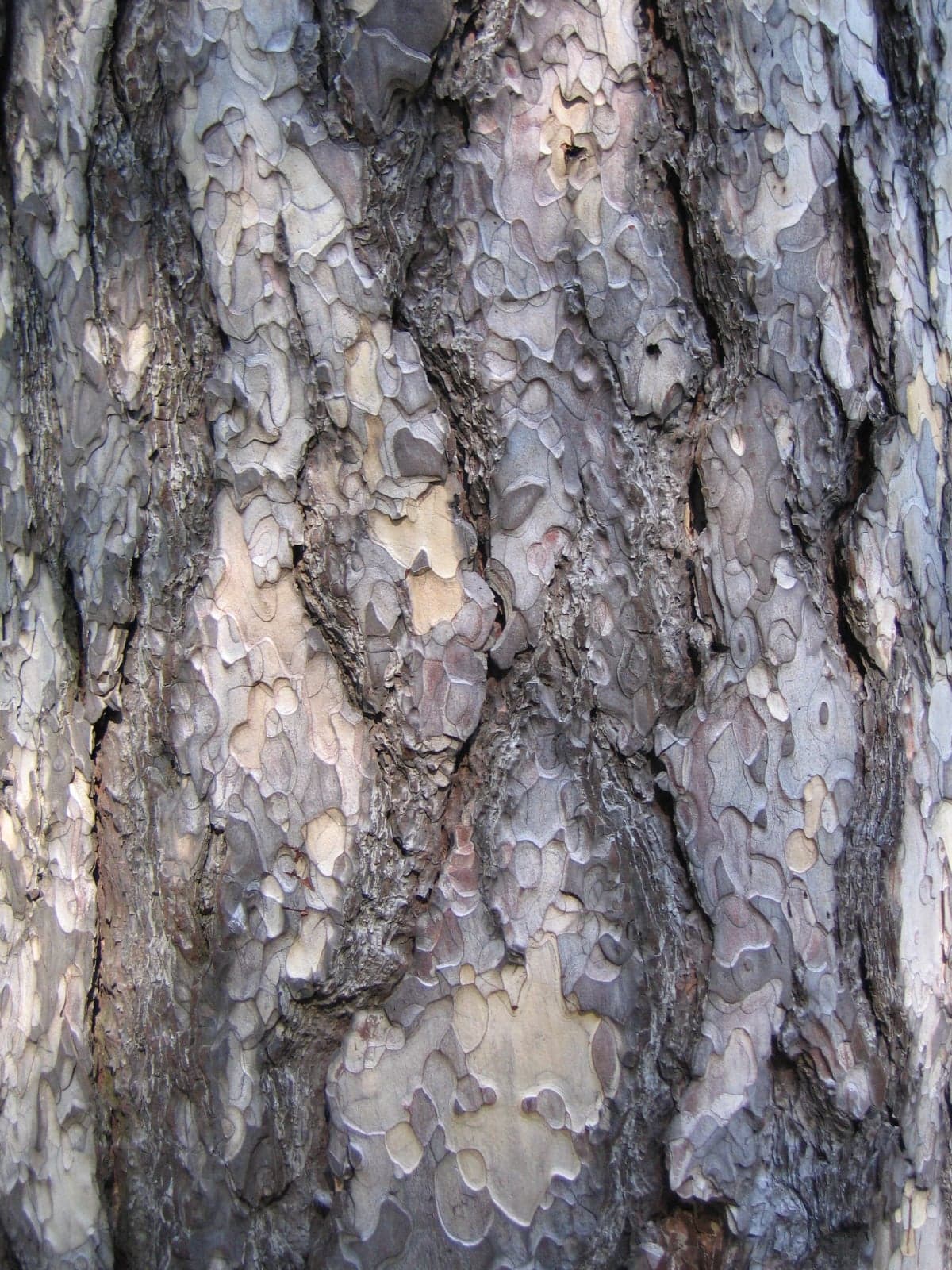
  • Black Pine: Kora
    Kora

    It is also slightly harder, at 2,920 N against 2,420 N on the Janka scale, though both are soft enough that the difference rarely decides anything.

    Reading a Black Pine slab#

    Colour range is narrow: pale yellow to light brown heartwood against a wide band of pale sapwood, with modest contrast between them. As with the other pale conifers, structure carries more information than colour.

    The knots are the pleasant surprise. Black Pine tends to produce smaller and more evenly distributed knots than Scots Pine, which gives a calmer, more regular surface across a wide slab. Fewer large knots also means fewer of the weak points that move independently of the board around them.

    Ring spacing follows the usual rule. Tighter rings from slower growth mean a denser, stiffer, more stable board.

    At the bench#

    If you have worked Scots Pine you already know how this behaves. It cuts cleanly with hand and machine tools, glues reliably, and finishes without argument.

    Its density is slightly lower than Scots Pine at 475 kg per cubic metre, and the practical consequence is that arrises bruise a little more easily. Sharp tools and light finishing cuts are worth the discipline, and a card scraper produces a better surface than aggressive sanding.

    Resin is present at roughly the level of Scots Pine, which is to say noticeable but manageable. Blades want periodic cleaning rather than constant attention.

    Knots remain the one place to slow down. They are hard and resinous, and a planer knife meeting one at speed can tear or spit it out.

    Finishing#

    It takes oil, wax and clear finishes readily, and wax over bare timber gives the same honest result it gives on Scots Pine.

    Two cautions carry over unchanged from the other pines. Pigment stains blotch because of the density difference between earlywood and latewood, so use a conditioner or switch to a dye. And every knot must be sealed with shellac before priming for a painted finish, because resin stays mobile for years and will migrate through ordinary primer to appear as brown rings long after the work looked finished.

    Where Black Pine is the right answer#

    Painted furniture, panelling, carcass work, shelving and interior joinery, particularly where a wide flat panel has to stay flat, or where the finished colour needs to stay pale rather than warming into honey.

    It is the wrong answer outdoors without treatment, since it is rated moderately durable to non-durable, and it is the wrong answer where the deep amber of aged Scots Pine is actually the effect being sought.

    Sourcing and EUDR#

    Not CITES listed and assessed as Least Concern. Black Pine is planted extensively for reforestation and erosion control across southern Europe, so supply is stable rather than scarce and certification coverage through Balkan and Austrian sources is reasonable. Documentation for EUDR purposes is generally straightforward, and KORENA listings record the originating yard and region on the passport.

    Not untreated. The heartwood is rated moderately durable to non-durable, similar to Scots Pine, so exterior use requires preservative treatment or a maintained finish. European Larch is the species in this group to reach for when the piece is exposed.

    Are the knots a problem?

    +

    Less so than in Scots Pine. Black Pine knots tend to be smaller and more evenly spread, which gives a calmer surface and fewer large weak points. They are still hard and resinous, so approach them with light cuts and seal them with shellac before any painted finish.

    7.3 %
    Skurcz objętościowyCałkowita zmiana objętości od drewna mokrego do całkowicie suchego. Niższa wartość oznacza większą stabilność.11.4 %
    Naturalna trwałość (EN 350)Europejska norma naturalnej odporności na rozkład, od 1 (bardzo trwałe) do 5 (nietrwałe).Class 4 — Slightly durable

    Źródła

    • The Wood Database — Austrian Pine (Pinus nigra)(dostęp: 2026-08-12)
    • USDA FPL Wood Handbook FPL-GTR-190 (2010)(dostęp: 2026-08-12)
    • Meier, E. — WOOD! Identifying and Using Hundreds of Woods Worldwide (2015)(dostęp: 2026-08-12)

    Mocne strony

    • Bardzo stabilneNiewielka sezonowa praca. Dobre na szerokie blaty i ciasne połączenia.
    • Dobre dla początkującychŁatwe w obróbce na stole warsztatowym i na tyle miękkie, że nie niszczy narzędzi.

    Uwaga

    • Nie nadaje się na zewnątrz bez zabezpieczeniaNaturalna trwałość to klasa 4 z 5 według EN 350. Stosuj we wnętrzach albo pod regularnie odnawianą powłoką.
    • Pył działa drażniącoWłącz odciąg i noś maskę podczas szlifowania lub obróbki.

    Dotknij etykiety, aby zobaczyć szczegóły.

    W skrócie

    Poziomy mają stałe przedziały dla wszystkich gatunków prezentowanych przez KORENA, dzięki czemu można je bezpośrednio porównywać. Pod każdym widnieje zmierzona wartość.
    TwardośćOdporność na wgniecenia i zużycieDość miękkie

    Twardość Janki: 2920 N

    O 41 % miększe od dębu europejskiego

    MasaJak ciężka jest deska przy podnoszeniuLekkie

    475 kg/m³

    StabilnośćJak niewiele pracuje wraz ze zmianą pór rokuStabilne

    11,4 % skurczu objętościowego

    ObróbkaPiłowanie, struganie, szlifowanie i klejenieŁatwe

    4,0 / 5, średnia ocena obróbki

    Zastosowanie na zewnątrzNaturalna odporność na rozkład, EN 350Tylko do wnętrz

    Klasa 4 według EN 350

    • Piłowanie · Bardzo dobraJak czyste daje cięcie i jak szybko tępi brzeszczoty.1 = trudna · 5 = doskonała
    • Struganie · Bardzo dobraJak gładką pozostawia powierzchnię i jak często wyrywa włókna.1 = trudna · 5 = doskonała
    • Szlifowanie · Bardzo dobraJak szybko można je wyszlifować na gładko bez zapychania papieru.1 = trudna · 5 = doskonała
    • Toczenie · Bardzo dobraJak zachowuje się podczas toczenia i wykańczania na tokarce.1 = trudna · 5 = doskonała
    • Rzeźbienie · DobraJak wyraźnie zachowuje detale wykonywane dłutem.1 = trudna · 5 = doskonała
    • Klejenie · DoskonałaJak niezawodnie trzymają połączenia klejone.1 = trudna · 5 = doskonała
    • Trzymanie wkrętów / gwoździ · Bardzo dobraJak dobrze trzyma wkręty i gwoździe bez pękania.1 = trudna · 5 = doskonała
    • Gięcie parowe · DobraJak dobrze przyjmuje krzywizny po parowaniu.1 = trudna · 5 = doskonała

    Bieżące ceny drewna Black Pine w całej Europie za metr sześcienny bez VAT. Dotknij dowolnej ceny, aby zobaczyć szczegóły.

    • Najlepsze kłody na aukcjiWyselekcjonowane kłody wysokiej jakości sprzedawane na aukcjach ofertowych, głównie producentom oklein i mebli. Z takich kłód wycina się deski.Większość cen mieści się między 180 € a 180 €.Na podstawie 25 cen z 1 regionu.Najnowsze dane: 24 wrz 2026
    • Standardowe kłodyDuże ilości standardowego drewna okrągłego sprzedawanego przez właścicieli lasów i lasy państwowe, głównie dla budownictwa i przemysłu.Większość cen mieści się między 36 € a 77 €.Na podstawie 34 cen z 3 regionów.Najnowsze dane: 23 wrz 2026

    Standardowe kłody według kraju

    • Francja · 77 € / m³Regiony: Bourgogne-Franche-Comté4 cenyNajnowsze dane: 31 gru 2025
    • Bułgaria · 47 € / m³Regiony: North-West Bulgaria i South-East Bulgaria30 cenNajnowsze dane: 23 wrz 2026

    Dlaczego deska kosztuje więcej?

    To ceny surowego drewna. Deska jest najlepszym wycinkiem kłody, suszonym przez co najmniej rok, a następnie sprawdzanym i mierzonym sztuka po sztuce. Tylko niewielka część każdej kłody staje się deską.

    Źródło: KORENA Timber Index · Najnowsze dane: 24 wrz 2026

    Zobacz wszystkie ceny regionalne