Populus nigra
The lightest hardwood KORENA lists, and the one most often blamed for a fault that belongs to the blade.
Dotknij etykiety, aby zobaczyć szczegóły.
Obecnie nie ma drewna Black Poplar. Te gatunki nadają się do podobnych projektów i są dostępne.
Wyślemy Ci wiadomość, gdy w KORENA pojawią się nowe deski Black Poplar. Każda sztuka jest niepowtarzalna, więc warto wiedzieć wcześniej.
Wygląd drewna
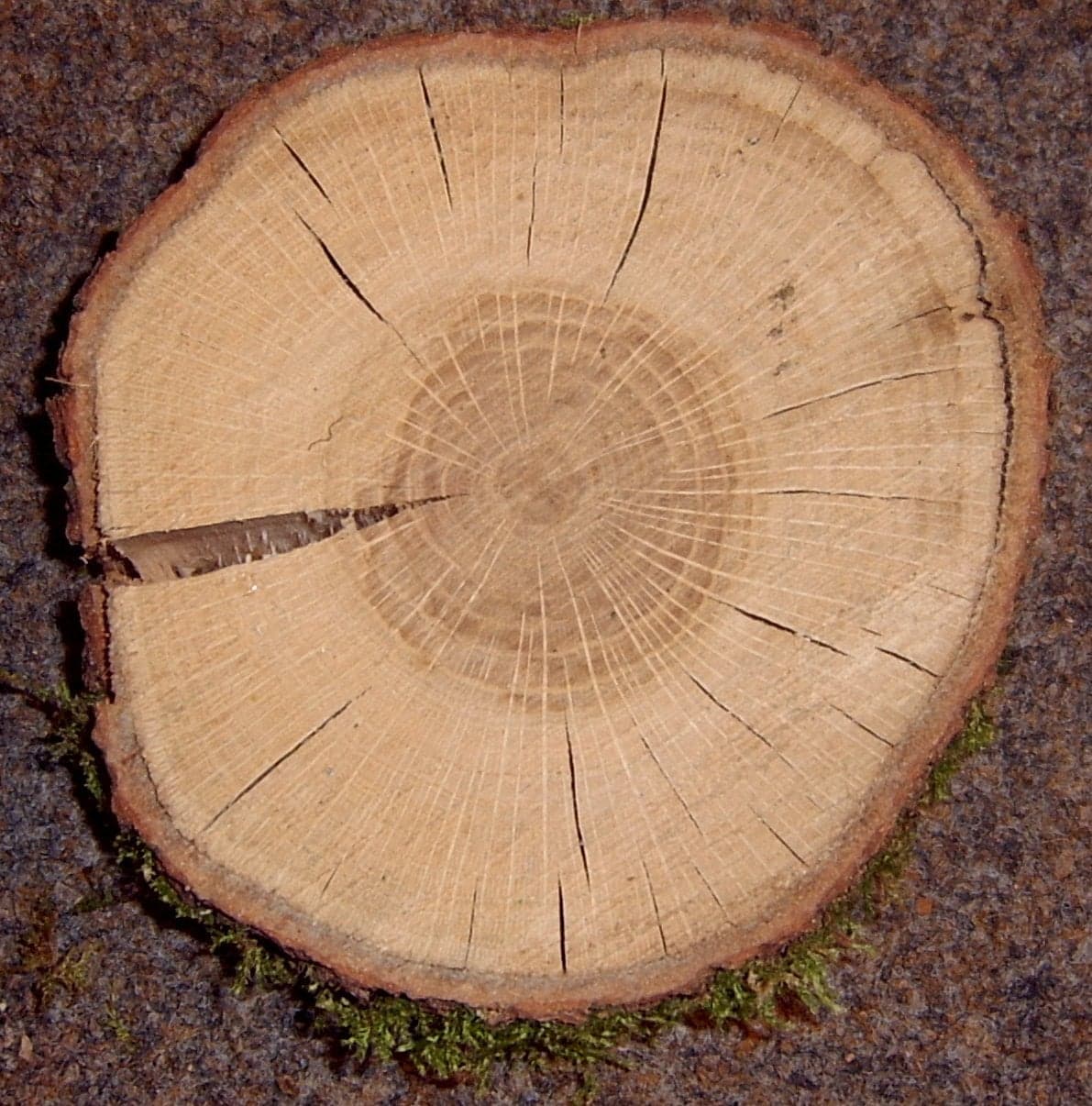
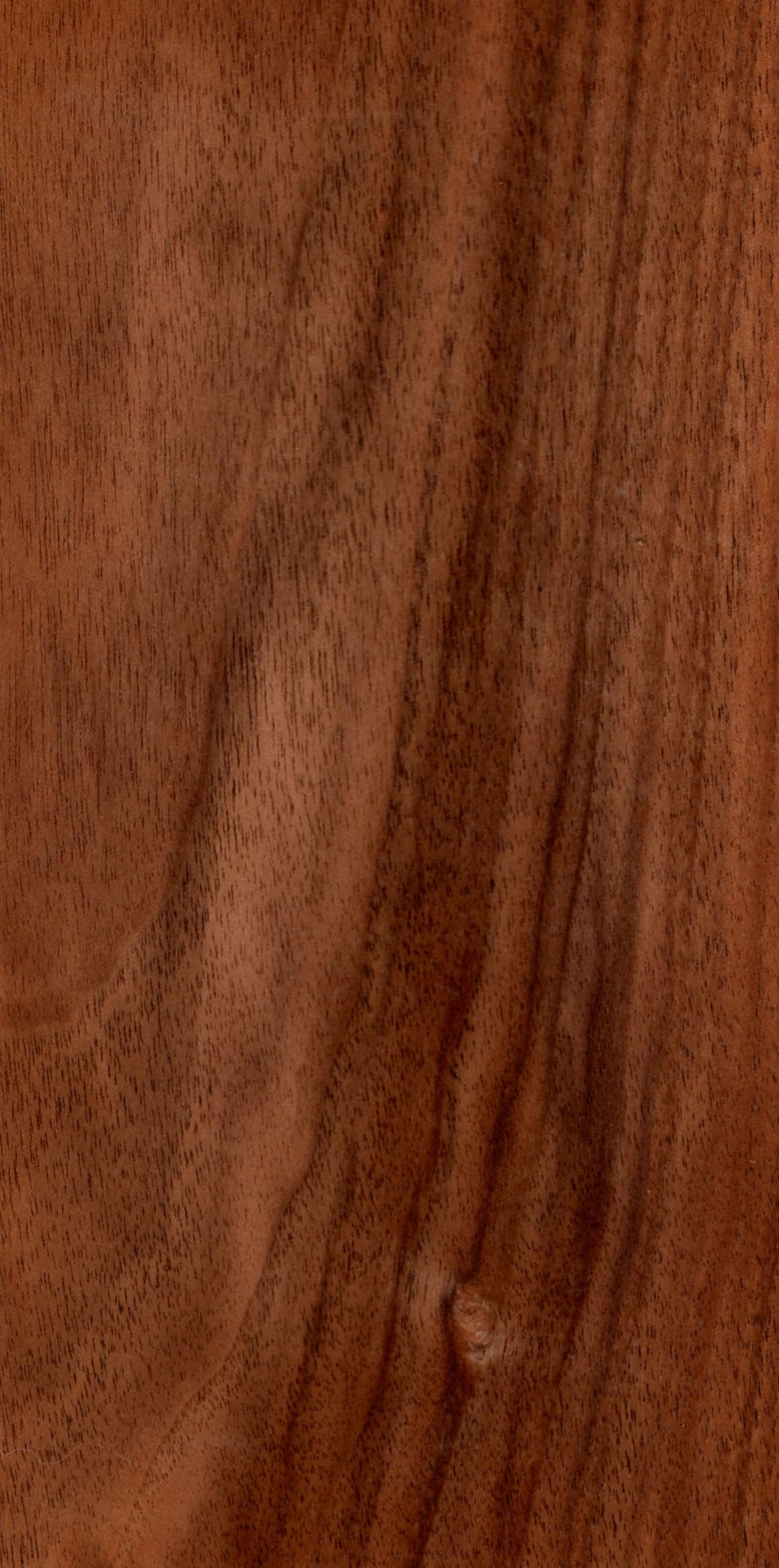
Very pale, creamy white to light grey brown, sometimes with a faint greenish cast in the heartwood, and almost no figure. The texture is fine and even but the wood is notably soft and light at 385 kg per cubic metre, the lightest hardwood KORENA lists. It has a woolly quality under a dull blade that gives it an undeserved reputation for being difficult.
Obróbka
Easy to work with hand and machine tools, with one specific requirement: sharp cutters are necessary when planing to avoid fuzzy surfaces. This is the whole difficulty with poplar. The fibres are long and soft, and a dull blade drags rather than severs them, leaving a woolly face that sanding only makes worse. With a keen edge and a light cut it machines cleanly. It glues well and takes fastenings adequately for its density.
Its natural role is under paint, and it takes paint very well given the fine even texture and absence of resin. Under a clear finish the pale colour with its occasional greenish cast is unusual rather than attractive to most eyes. Pigment stains blotch, so use a conditioner or a dye. Because the wood is soft, a hardwax oil or a film finish adds useful surface protection.
Dries readily and without much degrade, and it is dimensionally reasonable once dry, with volumetric shrinkage of 12.3 percent. The tangential to radial ratio of 9.3 against 4.0 percent is wide, so flatsawn boards will cup. Wet poplar is notably heavy and can carry very high green moisture content, so drying takes longer than the modest final density suggests.
Drewno pęcznieje i kurczy się w poprzek szerokości, gdy powietrze staje się wilgotniejsze lub suchsze. Przed zaprojektowaniem mocowań oszacuj sezonową pracę blatu z drewna Black Poplar.
Przewidywana sezonowa praca
około 10,6 mm
Przymocuj blat łącznikami lub wspornikami w podłużnych otworach, bez kleju i mocno dokręconych wkrętów.
Liniowy model skurczu: szerokość × (skurcz ÷ 28 % punktu nasycenia włókien) × sezonowa zmiana wilgotności. Dla gatunku Black Poplar używa skurczu stycznego wynoszącego 9,3 %. To wartość do planowania, a nie gwarancja.
Bieżące ceny drewna Black Poplar w całej Europie za metr sześcienny bez VAT. Dotknij dowolnej ceny, aby zobaczyć szczegóły.
Dlaczego deska kosztuje więcej?
To ceny surowego drewna. Deska jest najlepszym wycinkiem kłody, suszonym przez co najmniej rok, a następnie sprawdzanym i mierzonym sztuka po sztuce. Tylko niewielka część każdej kłody staje się deską.
Besides the standard health risks associated with any wood dust, no further health reactions are associated with Black Poplar in the source cited here. It is among the less irritating woods in this catalogue to machine.
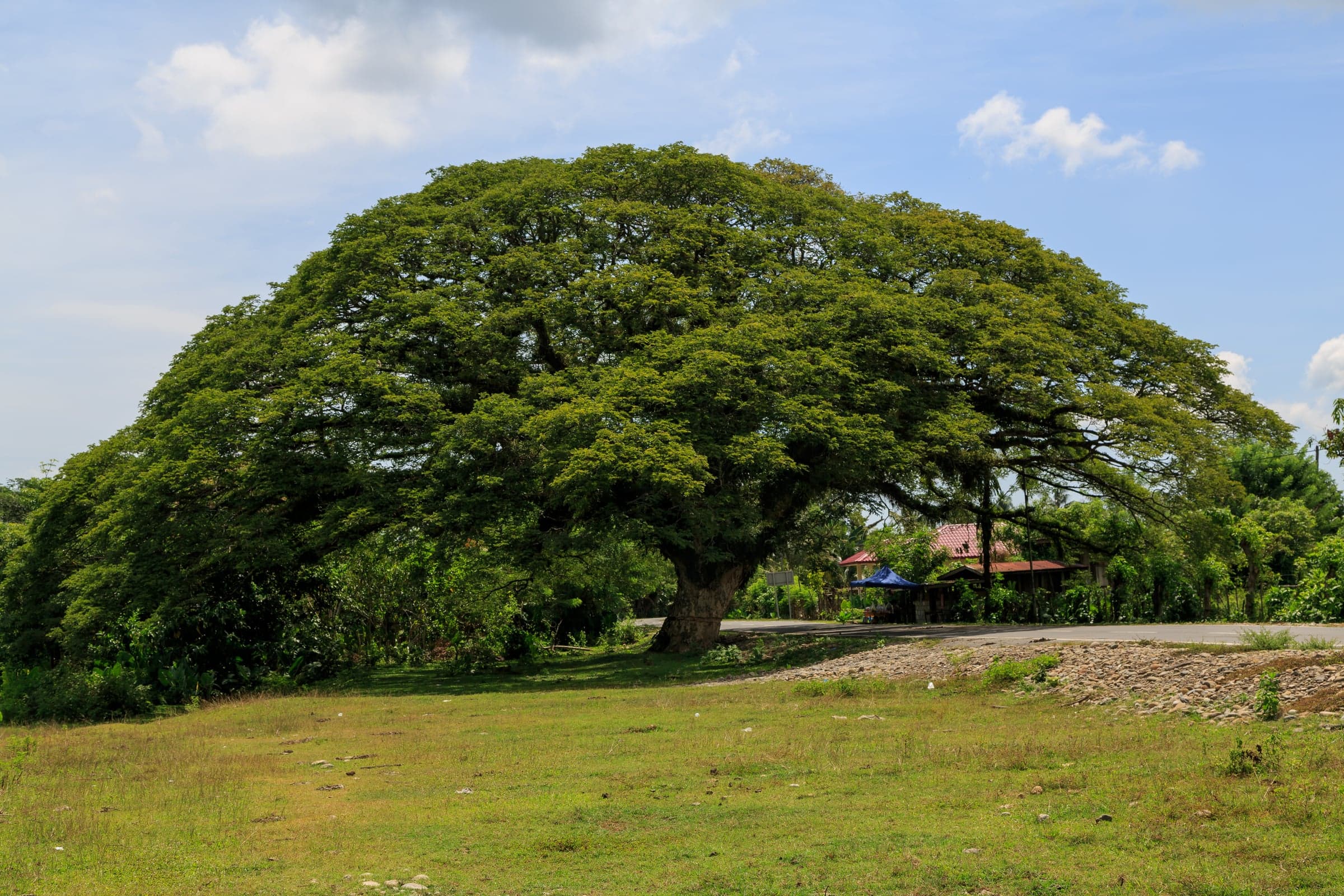
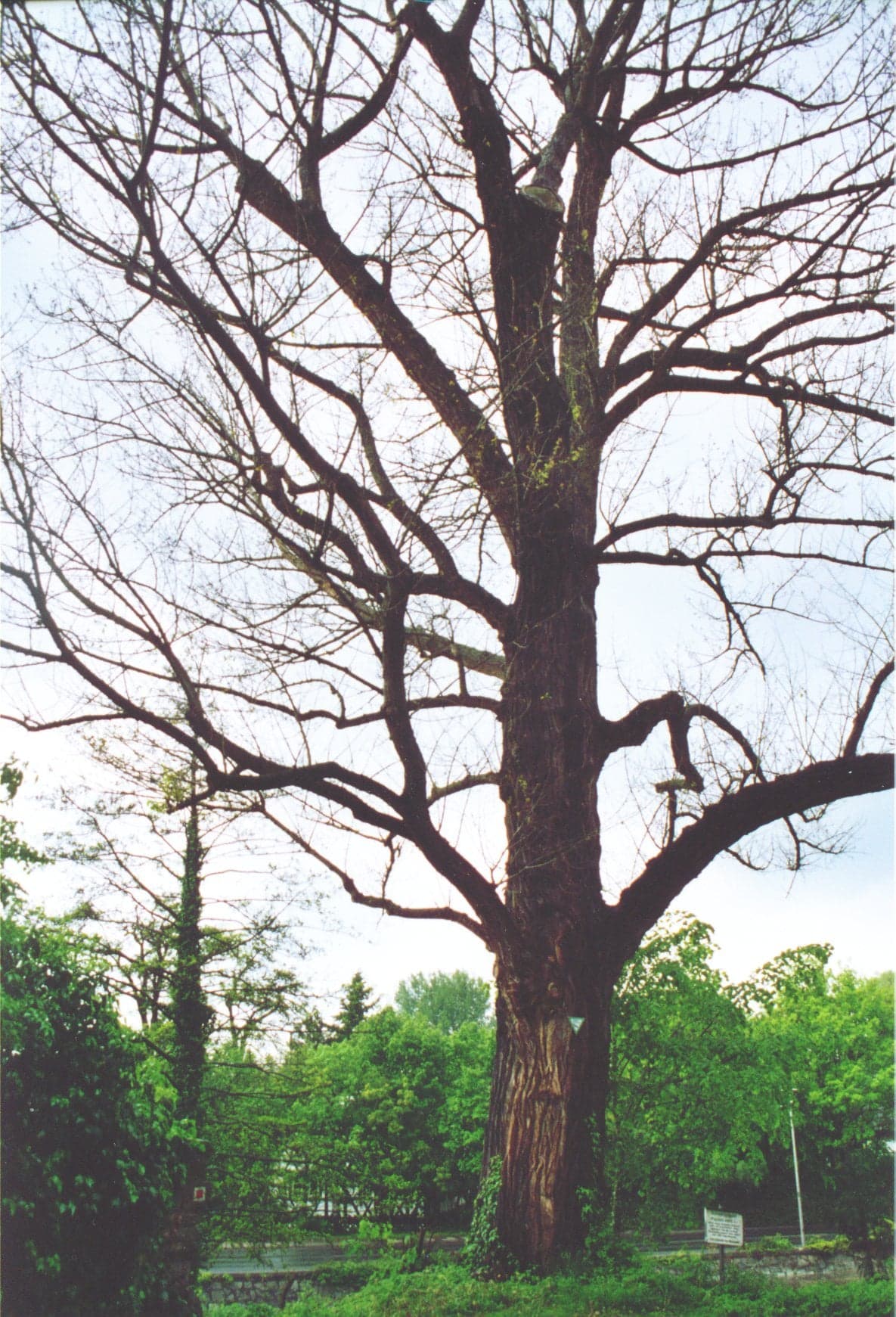
Populus nigra is a floodplain tree, native along river systems across Europe, North Africa and western Asia. Its natural riverside habitat has been heavily reduced by flood control and river engineering, and the wild population is now one of the more threatened tree populations in Europe, though hybrid poplars planted for timber are abundant and unrelated to that concern.
Not listed in the CITES Appendices, and reported by the source KORENA cites as not assessed on the IUCN Red List. The conservation picture needs care: wild riverside Populus nigra has declined severely across Europe through flood control and river engineering and is the subject of active restoration programmes, while the hybrid poplars grown commercially for timber are abundant. Provenance matters more here than for most European species, and KORENA records the yard and region on every listing.
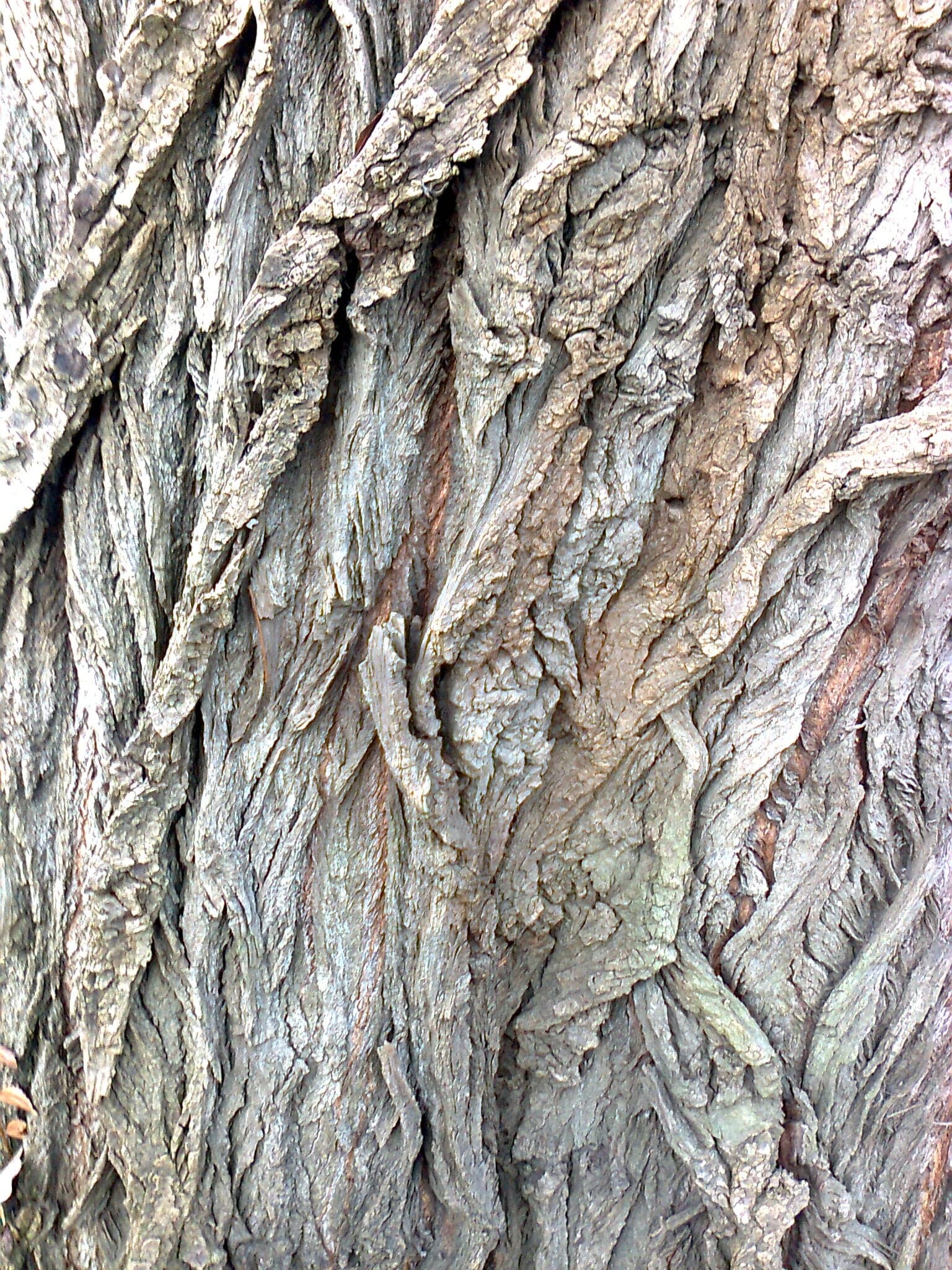
Populus nigra is a floodplain tree. Its natural home is the riverbank, across Europe, North Africa and western Asia, in the shifting wet ground that flood control and river engineering have largely eliminated over the last century.
That has produced an unusual situation. The wild population of Black Poplar is one of the more threatened tree populations in Europe and the subject of active restoration work, while poplar timber itself is cheap and abundant, because the commercial trade runs largely on planted hybrid poplars. The two facts sit oddly together and are worth keeping separate when you read about the species.
Poplar has a reputation for machining badly. It plane fuzzy, people say, and the surface goes woolly no matter what you do.
The cited source puts it precisely: sharp cutters are necessary when planing to avoid fuzzy surfaces. That is the entire difficulty.
Poplar fibres are long and soft. A blade with any dullness at all drags them instead of severing them, and they lift into a woolly nap. Sanding the result makes it worse, because abrasive tears more fibre rather than cutting it. So the maker sands harder, gets a worse surface, and concludes the wood is the problem.
With a freshly honed iron, a tight mouth and a light cut, poplar machines perfectly cleanly. A card scraper produces an excellent final surface. This is a wood that is unusually honest about the state of your tooling.
There is not much to read. Colour runs creamy white to light grey brown, sometimes with a faint greenish cast in the heartwood that fades toward grey with light exposure. It is a natural cast rather than a fungal stain. Figure is minimal.
At 385 kg per cubic metre this is the lightest hardwood in the catalogue, lighter than Norway Spruce, and lifting a slab makes that immediately obvious.
Check for wet pockets. Green poplar carries very high moisture content and is startlingly heavy for what it becomes, and drying takes longer than the modest final density suggests.
Poplar is a secondary timber and it is excellent at that job.
Drawer sides, carcass interiors, web frames, backing panels, plywood core, and above all anything that will be painted. It takes paint very well: the texture is fine and even, there is no resin to bleed, and it needs almost no grain filling.
It is also a sound sculptural blank. Soft, even textured, resin free and inexpensive, it suits larger carved work where mass matters and fine detail does not. For crisp detail, small-leaved lime is the better wood in this catalogue.
What it is not is a work surface. At 2,020 N Janka it is softer than Scots Pine, and a poplar tabletop will mark under ordinary use.
It dries readily and without much degrade, which is one of its practical virtues.
Volumetric shrinkage of 12.3 percent is moderate, but the tangential to radial ratio of 9.3 against 4.0 percent is wide, well over two to one, so flatsawn boards cup meaningfully. For a wide painted panel that matters less than it would for a visible top, but it still needs allowing for.
Under paint, poplar is close to ideal and needs no special handling beyond a sealed surface.
Under a clear finish, the pale colour with its occasional green cast reads as unusual rather than handsome to most eyes, and it is rarely the reason anyone chooses this wood. Pigment stains blotch, as on other fine textured pale species, so use a conditioner or a dye.
Because the wood is soft, a hardwax oil or a film finish is worth applying for the surface protection alone.
This is the one species in this catalogue where the conservation picture genuinely warrants a second look.
Populus nigra is not CITES listed, and the source cited here reports no IUCN assessment, so no status is displayed. But wild riverside populations across Europe have declined severely and are being actively restored, while the commercial supply comes overwhelmingly from planted hybrids that have nothing to do with that decline.
The two are not distinguishable by looking at a board. What distinguishes them is documentation, which is precisely what the KORENA passport records: the partner yard, the region, and the chain behind the slab. On most European species that record is a formality. Here it is worth reading.
Painted furniture, drawer sides and carcass interiors, lightweight panels, plywood core, and sculpture blanks. Any job where low weight and low cost are the requirement and the surface will not be seen or will not be touched.
It is the wrong answer for a work surface, for anything structural, and for anything outdoors, since it is rated non-durable and susceptible to insect attack.
Pytania kupujących
The fibres are long and soft, so a dull blade drags them rather than cutting them, leaving a woolly surface. Sanding makes it worse by tearing more fibre. The fix is a freshly honed iron, a tight mouth and a light cut, or a card scraper for the final surface. With a sharp edge poplar machines perfectly cleanly, and its reputation for being difficult is really a reputation for punishing blunt tools.
For its weight, yes, but it is the softest and lightest hardwood in this catalogue at 385 kg per cubic metre and 2,020 N Janka, softer than Scots Pine. It suits drawer sides, carcass interiors, lightweight panels and anything that will be painted. It is not a work surface and it is not a structural timber.
The wild riverside population is genuinely threatened across Europe, having declined severely through flood control and river engineering, and it is the subject of active restoration programmes. The commercial timber trade is largely supplied by abundant hybrid poplars, which are a separate matter. It is not CITES listed and the cited source reports no IUCN assessment. Provenance is worth checking more carefully here than for most European species.
A natural cast that occurs in the heartwood of some poplar and is not a defect or a fungal stain. It tends to fade toward grey brown with light exposure. Under paint it is irrelevant, which is where most poplar ends up.
Yes, and it is a reasonable carving blank, being soft and even textured with no resin. It does not hold fine detail as crisply as small-leaved lime, which remains the better carving wood in this catalogue, but for larger sculptural work where mass matters and weight does not, poplar is a sound and inexpensive choice.
Właściwości mechaniczne
Opublikowane wartości referencyjne. Gdy źródła się różnią, podajemy zakres, a w powyższych skalach stosujemy wartość typową.
| Gęstość (kg/m³)Masa metra sześciennego przy wilgotności około 12 %. Cięższe drewno jest zwykle twardsze i mocniejsze. | 385 kg/m³ |
|---|---|
| Twardość Janki (N)Siła potrzebna do wciśnięcia stalowej kulki do połowy w drewno. Standardowa miara odporności na wgniecenia. | 2,020 N |
| MOR: wytrzymałość na zginanie (MPa)Wytrzymałość na zginanie: obciążenie, przy którym belka pęka. | 64 MPa |
| MOE: moduł sprężystości (GPa)Sztywność przy zginaniu: stopień ugięcia półki lub blatu pod obciążeniem. | 7.2 GPa |
| Skurcz promieniowySkurcz w poprzek słojów, od drewna mokrego do całkowicie suchego. W tym kierunku pracują deski przetarte promieniowo. | 4.0 % |
| Skurcz stycznySkurcz wzdłuż słojów. W tym kierunku pracują deski przetarte stycznie i większość desek KORENA. | 9.3 % |
| Skurcz objętościowyCałkowita zmiana objętości od drewna mokrego do całkowicie suchego. Niższa wartość oznacza większą stabilność. | 12.3 % |
| Naturalna trwałość (EN 350)Europejska norma naturalnej odporności na rozkład, od 1 (bardzo trwałe) do 5 (nietrwałe). | Class 5 — Perishable |
Twardość Janki: 2020 N
O 59 % miększe od dębu europejskiego
385 kg/m³
12,3 % skurczu objętościowego
3,4 / 5, średnia ocena obróbki
Klasa 5 według EN 350
Źródło: KORENA Timber Index · Najnowsze dane: 31 gru 2025