KORENA
DrewnoFinished piecesMateriałySkładyMagazyn

Otrzymuj powiadomienia

Każda deska jest niepowtarzalna. Gdy się sprzeda, znika. Piszemy, gdy pojawiają się nowe sztuki: świeże dostawy, nowe gatunki i deski dopasowane do projektu.

Kilka wiadomości miesięcznie. Bez spamu, możesz zrezygnować w każdej chwili.

KORENA, wysokiej jakości drewno liściaste

Jedna sztuka naraz.

Zweryfikowane drewno liściaste wysokiej jakości, sprzedawane sztuka po sztuce. Każda deska jest fotografowana, mierzona i wysyłana ze składu partnerskiego z paszportem drewna.

Sklep

  • Przeglądaj produkty
  • Archiwum sprzedanych
  • Śledź zamówienie

Wiedza

  • Magazyn
  • Przewodniki po gatunkach
  • Słownik
  • Porównaj
  • Autorzy

Pomoc

  • O nas
  • Jak to działa
  • Zostań składem partnerskim
  • Znajdź deskę
  • Pomoc
  • Wzory dokumentów
  • Dla mediów

Zakupy

  • Warunki sprzedaży
  • Prawo odstąpienia
  • Zwroty i gwarancja
  • Wysyłka i dostawa

Zaufanie

  • Polityka prywatności
  • Polityka plików cookie
  • Pochodzenie drewna i EUDR
  • Dostępność

Informacje prawne

  • Nota prawna / informacje o firmie
  • Dopuszczalne użytkowanie
  • Własność intelektualna i treści

© 2026 KORENA. Wszelkie prawa zastrzeżone.

Operatorem jest Martial Labs Ltd. (BG, EIK 207453941). KORENA jest nazwą handlową Martial Labs Ltd.

Szanujemy Twoją prywatność

Używamy niezbędnych plików cookie, aby witryna działała. Za Twoją zgodą użyjemy również plików cookie do analityki, spersonalizowanych treści i reklam. W każdej chwili możesz zmienić decyzję na stronie ustawień zgody. Zobacz naszą politykę plików cookie i politykę prywatności.

  1. Strona główna
  2. /
  3. Gatunki
  4. /
  5. European Cherry

Prunus avium

European Cherry

A refined cabinet wood with fine, even grain that ages from pinkish-tan to a deep reddish-brown.

  • Uprawiane i pozyskiwane w Europie.
  • Grupa botaniczna. Drewno iglaste pochodzi z drzew iglastych, a liściaste z drzew liściastych.
  • Rodzina botaniczna, do której należy gatunek.
Powiadom mnie, gdy się pojawiGatunek referencyjny. Obecnie brak dostępnych sztuk.
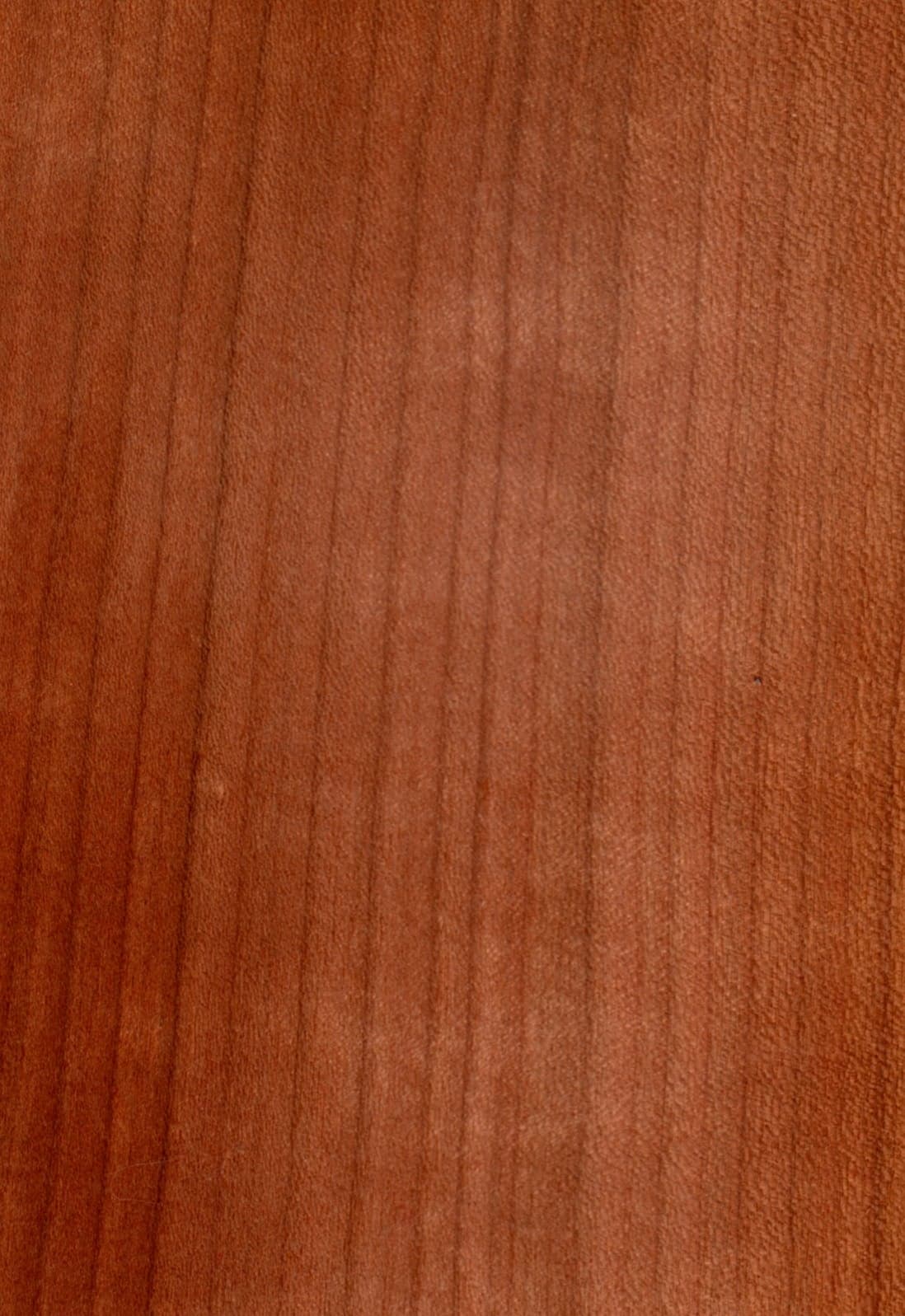
Usłojenie European Cherry
  • Dopasowanie do projektu
  • Dostępne
  • Wygląd
  • Obróbka
  • Praca drewna
  • Cena
  • Bezpieczeństwo i pozyskiwanie
  • Pytania
  • Dane techniczne

Czy pasuje do Twojego projektu?

Świetne do

  • Fine cabinetry and built-ins
  • Dining and occasional tables
  • Chairs and bench seats
  • Boxes, trays, and small casework
  • Turned bowls and handles
  • Interior architectural joinery
  • Musical instrument parts

Brak drewna European Cherry w bieżącej dostawie

Dostępne podobne gatunki

Obecnie nie ma drewna European Cherry. Te gatunki nadają się do podobnych projektów i są dostępne.
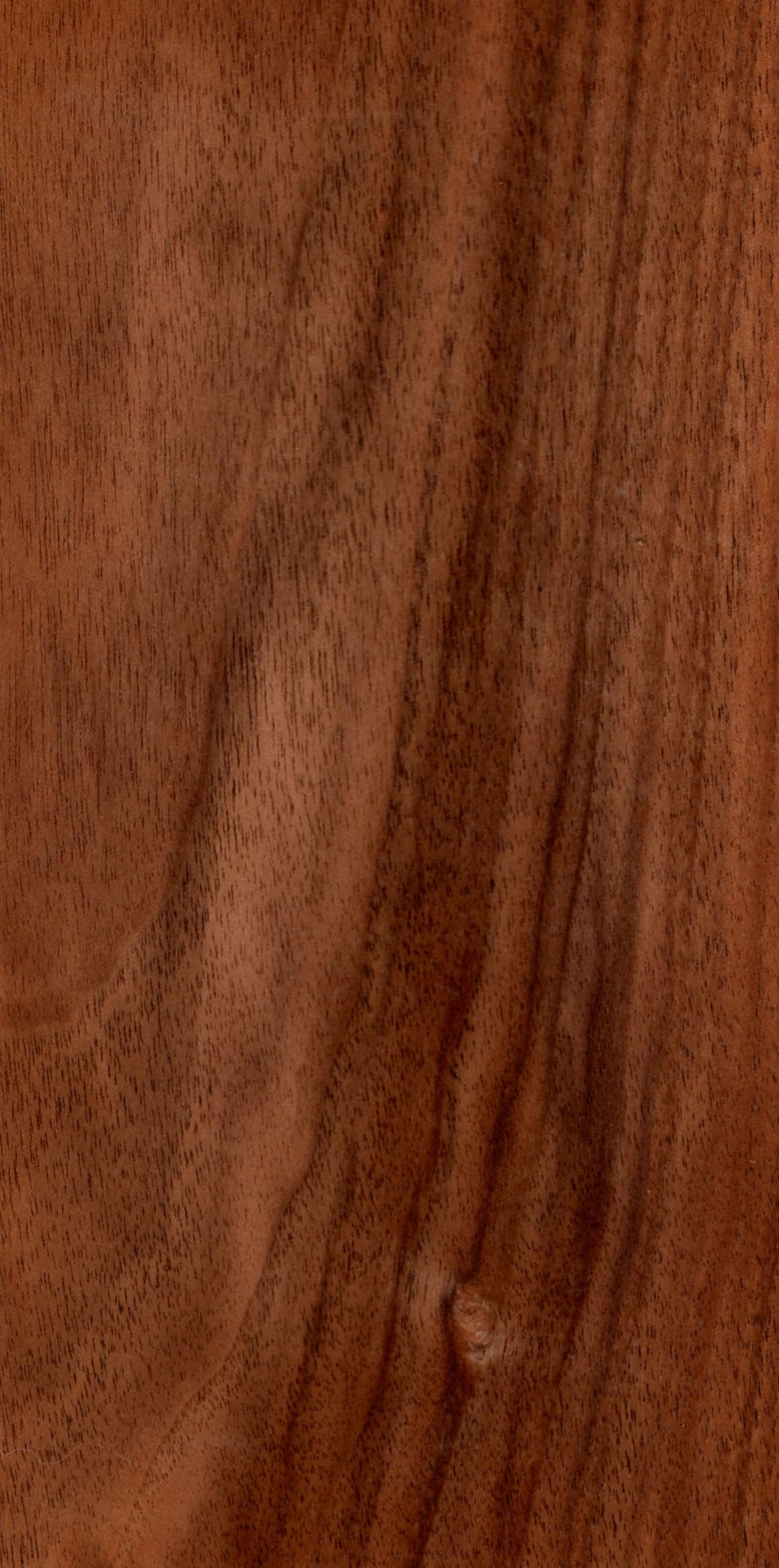
  • Usłojenie European Walnut

    European Walnut

    Juglans regia

    9 sztuk

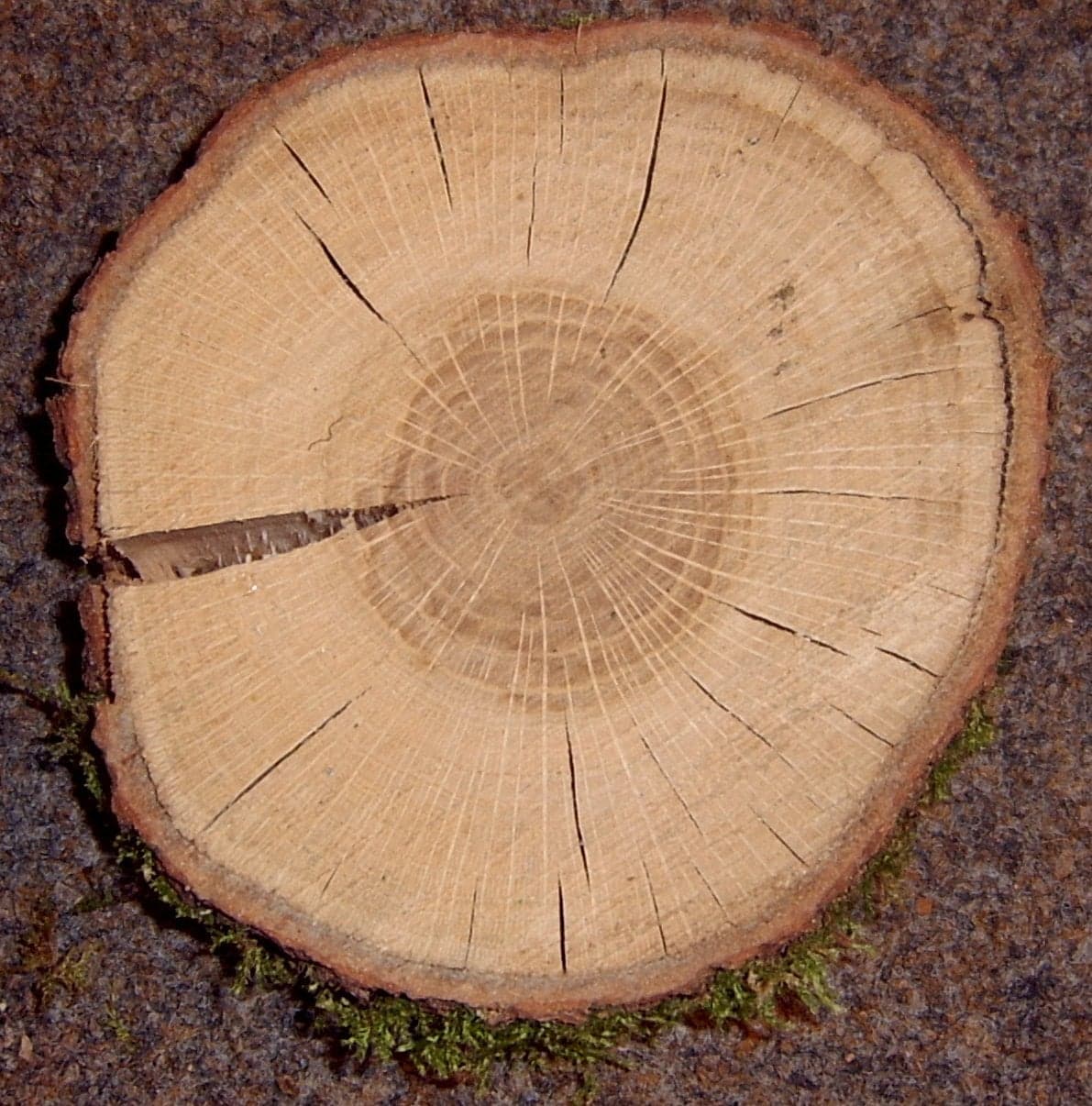
  • Usłojenie European Oak

    European Oak

    Quercus robur

    6 sztuk

  • Usłojenie Saman

    Saman

    Samanea saman

    4 sztuki

Otrzymuj powiadomienia o drewnie European Cherry

Wyślemy Ci wiadomość, gdy w KORENA pojawią się nowe deski European Cherry. Każda sztuka jest niepowtarzalna, więc warto wiedzieć wcześniej.

Kilka wiadomości miesięcznie. Bez spamu, możesz zrezygnować w każdej chwili.

Wygląd drewna

Jak wygląda

Fine, straight grain with a smooth, even texture. Heartwood opens pinkish-tan to warm salmon, with a paler cream sapwood that is usually distinct. Figure is generally quiet, occasional gum streaks, small pin knots, and the odd ribbon or curl. The headline trait is its colour shift: under light and over a few months, the wood deepens through honey to a rich reddish-brown, and continues to mature for years. Boards stored unevenly will tan unevenly, so rotate stock during storage.

  • Fresh heartwood: pinkish-tan to warm salmon
  • Pale cream sapwood, usually distinct from heartwood
  • Ages through honey to deep reddish-brown over months and years
  • Light exposure drives the colour shift, uneven storage gives uneven tan
  • Occasional gum streaks and small pin knots
  • Quiet figure overall, with the odd ribbon or curl
  • Fine, straight grain.

Obróbka

Obróbka

Easy to work with hand and machine tools. Planes and sands cleanly with sharp edges; gum pockets can clog cutters, so check stock before milling. Glues and screws well. Steam-bending is moderate, workable for gentle curves, less reliable for tight radii. Turns and carves predictably.

Wykończenie

Sands to a glassy surface at 180–220 grit. Takes oil, hardwax, shellac, and water-based finishes cleanly. A thin seal coat of dewaxed shellac or sanding sealer evens out any blotch on flat-sawn faces before topcoats. Avoid heavy stains, they fight the wood's own colour development. For commissions, expose offcuts to daylight alongside the finished piece so clients can see how the colour will move.

Suszenie

Dries fairly quickly but is prone to warp, cup, and surface checking if rushed. Sticker carefully and weight the top of the stack. End-seal green stock. Once at EMC, it is stable in service with moderate tangential movement.

Jak bardzo będzie pracować?

Drewno pęcznieje i kurczy się w poprzek szerokości, gdy powietrze staje się wilgotniejsze lub suchsze. Przed zaprojektowaniem mocowań oszacuj sezonową pracę blatu z drewna European Cherry.

Sposób przetarcia
Miejsce użytkowania

Przewidywana sezonowa praca

około 9,1 mm

Przymocuj blat łącznikami lub wspornikami w podłużnych otworach, bez kleju i mocno dokręconych wkrętów.

Liniowy model skurczu: szerokość × (skurcz ÷ 28 % punktu nasycenia włókien) × sezonowa zmiana wilgotności. Dla gatunku European Cherry używa skurczu stycznego wynoszącego 8 %. To wartość do planowania, a nie gwarancja.

Ile kosztuje

Bezpieczeństwo i pozyskiwanie

  • Uprawiane i pozyskiwane w Europie.
  • Status na Czerwonej liście IUCN: globalna ocena zagrożenia tego gatunku.
  • Not commonly flagged as a dust sensitiser, and considered food-contact safe once finished appropriately. Standard fine-dust extraction and a mask are still sensible at the sander.

Przeczytaj pełny przewodnikSzczegółowe informacje o rysunku drewna, zmianie barwy, obróbce i stabilności.+

What European Cherry actually is#

Prunus avium is bought for a colour it does not yet have.

Fresh cherry is a pale pinkish tan, unremarkable and easily mistaken for a lesser wood. Within six months of light exposure it deepens substantially, and within a year it reaches the rich reddish brown that people actually mean when they say cherry. The change continues, more slowly, for years.

This single behaviour governs almost every decision about buying, finishing and using the species.

Working with the darkening rather than against it#

Three practical consequences follow.

First, do not choose a slab on its current colour. What you see on the bench is a stage, not the result. Two boards that look different today may match in a year, and two that match today may not.

Second, uneven light exposure prints permanently. A rug on a cherry floor, a lamp base on a cherry table, a stack of books left in one place: each leaves a lighter patch as the surrounding wood darkens around it. The patch does eventually even out if the object is moved, but it takes months. The sensible approach is to let a new piece darken evenly for the first few months before putting anything on it permanently.

Third, a UV inhibiting finish slows the process but does not stop it, and it will not preserve the pale fresh colour indefinitely. If you want pale, choose a different species.

Pytania kupujących

Pytania kupujących

How much does cherry darken?

+

A great deal, and quickly. Fresh cherry is pale pinkish tan and within a year of light exposure it deepens to a rich reddish brown. Most of the change happens in the first six months. This is why cherry furniture looks nothing like cherry lumber, and why buying on the freshly machined colour misleads.

Why does my cherry have patchy colour after finishing?

+

Two causes. Cherry blotches badly under pigment stain because of its fine uneven density, so use a dye, a gel stain or a washcoat. The other is uneven light exposure: anything covering part of a surface, a rug, a lamp base, a stack of books, will leave a permanently lighter patch as the rest darkens around it. Let a piece darken evenly before placing objects on it.

How is European Cherry different from American Black Cherry?

+

European cherry, Prunus avium, is harder at 5,120 N against 4,226 N and slightly denser. American black cherry, Prunus serotina, is available in larger and more consistent sizes because it is grown as a forestry species. Colour and figure are similar and both darken dramatically. European cherry tends to have more gum pockets.

What are the small dark flecks in the wood?

Właściwości mechaniczne

Dane techniczne

Opublikowane wartości referencyjne. Gdy źródła się różnią, podajemy zakres, a w powyższych skalach stosujemy wartość typową.

Gęstość (kg/m³)Masa metra sześciennego przy wilgotności około 12 %. Cięższe drewno jest zwykle twardsze i mocniejsze.550–650 kg/m³typowo 600 kg/m³
Twardość Janki (N)Siła potrzebna do wciśnięcia stalowej kulki do połowy w drewno. Standardowa miara odporności na wgniecenia.4,700–5,500 Ntypowo 5120 N
MOR: wytrzymałość na zginanie (MPa)Wytrzymałość na zginanie: obciążenie, przy którym belka pęka.95–110 MPa
MOE: moduł sprężystości (GPa)Sztywność przy zginaniu: stopień ugięcia półki lub blatu pod obciążeniem.9.5–11.0 GPa
Skurcz promieniowySkurcz w poprzek słojów, od drewna mokrego do całkowicie suchego. W tym kierunku pracują deski przetarte promieniowo.4.5–5.5 %
Skurcz styczny

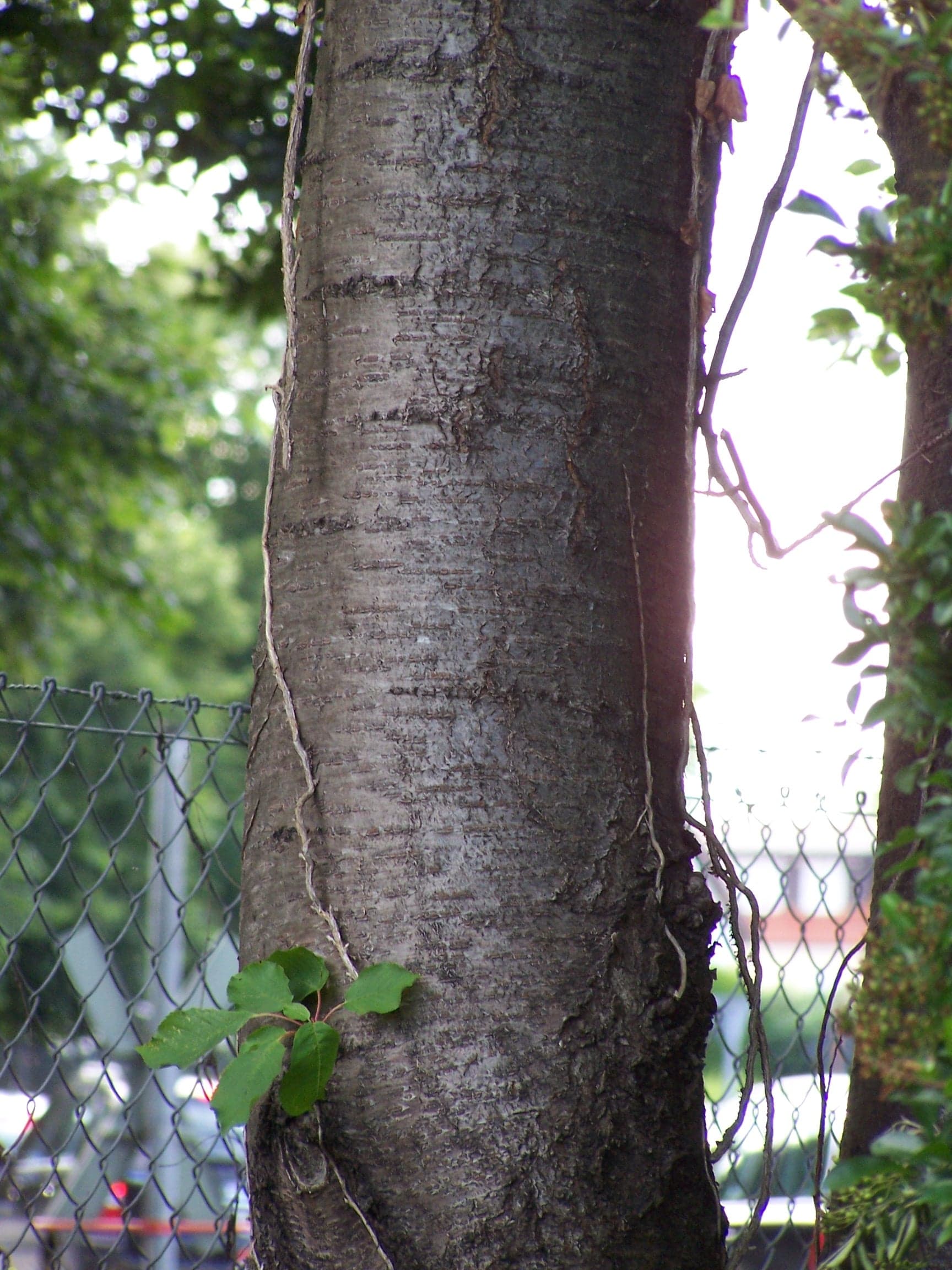
Achim Raschka (talk), via Wikimedia Commons

Mocne strony

  • Bezpieczne dla żywnościNadaje się na deski, misy i powierzchnie mające kontakt z żywnością.
  • Dobre dla początkującychŁatwe w obróbce na stole warsztatowym i na tyle miękkie, że nie niszczy narzędzi.

Uwaga

Native across Europe and into western Asia. Grown in mixed hardwood forests from the UK and France through Germany, Austria, Italy, and the Balkans. Most commercial stock comes from central European yards, often from orchard thinnings or managed woodlots.

  • Native European hardwood, IUCN Least Concern, no CITES listing. Often sourced from small woodlots and orchard clearance, so volumes per parcel can be modest. Decay class 3, moderately durable, means it is an interior wood; not for ground contact or unprotected exterior use. Ask for FSC or PEFC chain-of-custody where the project requires it.

  • European Cherry: Kora
    Kora

    Reading a cherry slab#

    Colour runs pale pinkish tan when fresh, deepening to reddish brown. Sapwood is narrow and pale cream, and it does not darken at the same rate as the heartwood, so contrast changes over time.

    The grain is fine, close and usually straight, with a satiny lustre that is characteristic of the species.

    Gum pockets are the thing to look for: small resin filled cavities that occur in all Prunus species and are more frequent in European cherry than in American. They are not structural defects and many makers consider them part of the character. Larger ones can be filled.

    At the bench#

    Cherry is one of the most pleasant woods in this catalogue to work. At 5,120 N it is moderately hard, it cuts cleanly, it turns and carves well, it glues reliably and it takes fastenings securely.

    The fine close grain holds crisp detail and sands to an excellent surface.

    The one difficulty is burning. Cherry scorches easily under a router bit or a dull saw blade, and the burn marks are dark and stubborn on a wood this pale. Sharp tooling, appropriate feed rates and light final passes avoid it.

    The finishing trap#

    Cherry blotches badly under pigment stain. The fine uneven density makes absorption patchy, and the result is a mottled surface that looks like a mistake because it is one.

    Use a dye, a gel stain that sits on the surface, or seal with a thin washcoat first. Test on an offcut every time.

    The better answer is usually to skip stain entirely. Cherry is going to arrive at a rich reddish brown by itself, and staining it to get there early tends to produce a muddier colour than patience would.

    Movement#

    Volumetric shrinkage of 11.5 percent is moderate, with tangential at 7.5 percent against radial at 4.5 percent. That differential is reasonable and cherry behaves acceptably in wide boards.

    Decay class 3 makes it moderately durable, adequate for protected exterior joinery but not for exposure.

    Where European Cherry is the right answer#

    Fine furniture, tabletops, cabinetry, turned and carved work, and interior joinery where warmth is the design intent. It is one of the most rewarding species here for a piece intended to be lived with for decades, because it genuinely improves.

    It is the wrong answer where a stable pale colour is needed, and wrong outdoors.

    Sourcing and EUDR#

    Not CITES listed and assessed as Least Concern. Common across Europe and often felled from orchards and gardens as well as forestry, so sizes are variable and provenance chains are shorter and less standardised than for a commodity species.

    Orchard cherry against forest cherry#

    Prunus avium reaches the timber market from two quite different places, and the wood differs accordingly.

    Forest grown cherry, drawn up among other trees, produces straighter trunks with fewer low branches, longer clean lengths and more uniform colour. It is the better material for matched furniture components.

    Orchard cherry, grown in the open for fruit and felled at the end of its productive life, branches low and spreads. Trunks are shorter and more irregular, knots are more frequent, and figure is more variable. It also produces more gum pockets.

    Neither is better in the abstract. For a run of matched drawer fronts, forest grown is far easier to work with. For a single characterful slab, the orchard tree usually has more to look at.

    Steaming, and whether you want it#

    Some European cherry is steamed during drying, which deepens and evens the colour toward a more uniform reddish brown and reduces the contrast with the sapwood.

    Unsteamed cherry starts paler and develops its colour naturally through light exposure, which produces a more luminous result over time but requires patience and even exposure.

    For a piece intended to be lived with, unsteamed and patient is generally the better outcome. For a commission that has to look finished on delivery, steamed stock gets there sooner.

    +

    Gum pockets, small resin filled cavities that are characteristic of Prunus species and more common in European cherry than American. They are not a structural defect and many makers regard them as part of the character. Larger ones can be filled. On a measured KORENA slab, any pocket large enough to matter appears in the defect outline.

    Can cherry be used outdoors?

    +

    Not really. At decay class 3 it is moderately durable, which is adequate for protected exterior joinery under a maintained finish but not for exposure or ground contact. It is also far too valuable a furniture timber to put outside.

    Skurcz wzdłuż słojów. W tym kierunku pracują deski przetarte stycznie i większość desek KORENA.
    7.5–8.5 %
    Skurcz objętościowyCałkowita zmiana objętości od drewna mokrego do całkowicie suchego. Niższa wartość oznacza większą stabilność.11.5–13.0 %
    Naturalna trwałość (EN 350)Europejska norma naturalnej odporności na rozkład, od 1 (bardzo trwałe) do 5 (nietrwałe).Class 3 — Moderately durable

    Źródła

    • The Wood Database(dostęp: 2026-05-09)
    • USDA FPL Wood Handbook FPL-GTR-190 (2010)(dostęp: 2026-05-09)
    • Meier, E. — WOOD! Identifying and Using Hundreds of Woods Worldwide (2015)(dostęp: 2026-05-09)

    W skrócie

    Poziomy mają stałe przedziały dla wszystkich gatunków prezentowanych przez KORENA, dzięki czemu można je bezpośrednio porównywać. Pod każdym widnieje zmierzona wartość.
    TwardośćOdporność na wgniecenia i zużycieŚrednio twarde

    Twardość Janki: 5120 N

    O 3 % twardsze od dębu europejskiego

    MasaJak ciężka jest deska przy podnoszeniuŚrednie

    600 kg/m³

    StabilnośćJak niewiele pracuje wraz ze zmianą pór rokuPrzeciętne

    12,3 % skurczu objętościowego

    ObróbkaPiłowanie, struganie, szlifowanie i klejenieŁatwe

    4,0 / 5, średnia ocena obróbki

    Zastosowanie na zewnątrzNaturalna odporność na rozkład, EN 350Na zewnątrz pod zadaszeniem

    Klasa 3 według EN 350

    • Piłowanie · Bardzo dobraJak czyste daje cięcie i jak szybko tępi brzeszczoty.1 = trudna · 5 = doskonała
    • Struganie · Bardzo dobraJak gładką pozostawia powierzchnię i jak często wyrywa włókna.1 = trudna · 5 = doskonała
    • Szlifowanie · Bardzo dobraJak szybko można je wyszlifować na gładko bez zapychania papieru.1 = trudna · 5 = doskonała
    • Toczenie · Bardzo dobraJak zachowuje się podczas toczenia i wykańczania na tokarce.1 = trudna · 5 = doskonała
    • Rzeźbienie · Bardzo dobraJak wyraźnie zachowuje detale wykonywane dłutem.1 = trudna · 5 = doskonała
    • Klejenie · Bardzo dobraJak niezawodnie trzymają połączenia klejone.1 = trudna · 5 = doskonała
    • Trzymanie wkrętów / gwoździ · Bardzo dobraJak dobrze trzyma wkręty i gwoździe bez pękania.1 = trudna · 5 = doskonała
    • Gięcie parowe · DobraJak dobrze przyjmuje krzywizny po parowaniu.1 = trudna · 5 = doskonała

    Bieżące ceny drewna European Cherry w całej Europie za metr sześcienny bez VAT. Dotknij dowolnej ceny, aby zobaczyć szczegóły.

    • Najlepsze kłody na aukcjiWyselekcjonowane kłody wysokiej jakości sprzedawane na aukcjach ofertowych, głównie producentom oklein i mebli. Z takich kłód wycina się deski.Większość cen mieści się między 319 € a 408 €.Na podstawie 55 cen z 2 regionów.Najnowsze dane: 24 wrz 2026

    Najlepsze kłody na aukcji według kraju

    • Niemcy · 408 € / m³Regiony: Bavaria25 cenNajnowsze dane: 24 wrz 2026
    • Austria · 319 € / m³Regiony: Austria30 cenNajnowsze dane: 24 wrz 2026

    Dlaczego deska kosztuje więcej?

    To ceny surowego drewna. Deska jest najlepszym wycinkiem kłody, suszonym przez co najmniej rok, a następnie sprawdzanym i mierzonym sztuka po sztuce. Tylko niewielka część każdej kłody staje się deską.

    Źródło: KORENA Timber Index · Najnowsze dane: 24 wrz 2026

    Zobacz wszystkie ceny regionalne
    Nie nadaje się na zewnątrz bez zabezpieczenia
    Naturalna trwałość to klasa 3 z 5 według EN 350. Stosuj we wnętrzach albo pod regularnie odnawianą powłoką.

    Dotknij etykiety, aby zobaczyć szczegóły.