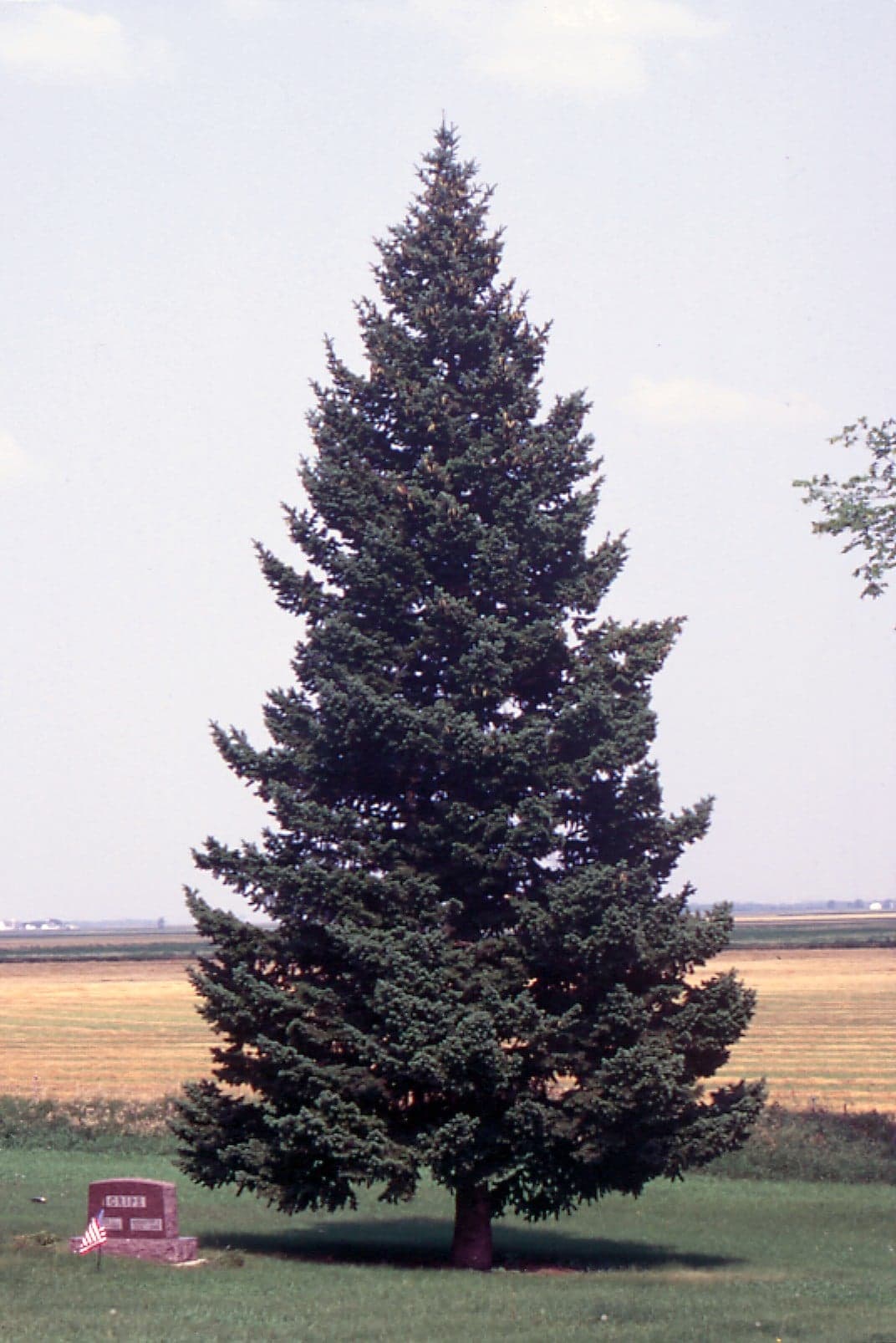
Pseudotsuga menziesii
Douglas Fir
Not a fir, and the stiffest softwood KORENA lists. Bold orange ring figure, structural strength, and a splinter you do not want to ignore.
- Uprawiane poza Europą i importowane przez europejskie składy.
- Grupa botaniczna. Drewno iglaste pochodzi z drzew iglastych, a liściaste z drzew liściastych.
- Rodzina botaniczna, do której należy gatunek.
Powiadom mnie, gdy się pojawiGatunek referencyjny. Obecnie brak dostępnych sztuk.
W skrócie
Poziomy mają stałe przedziały dla wszystkich gatunków prezentowanych przez KORENA, dzięki czemu można je bezpośrednio porównywać. Pod każdym widnieje zmierzona wartość.TwardośćOdporność na wgniecenia i zużycieDość miękkie
Twardość Janki: 2760 N
O 45 % miększe od dębu europejskiego
MasaJak ciężka jest deska przy podnoszeniuLekkie
510 kg/m³
StabilnośćJak niewiele pracuje wraz ze zmianą pór rokuPrzeciętne
11,6 % skurczu objętościowego
ObróbkaPiłowanie, struganie, szlifowanie i klejenieUmiarkowane
3,7 / 5, średnia ocena obróbki
Zastosowanie na zewnątrzNaturalna odporność na rozkład, EN 350Na zewnątrz pod zadaszeniem
Klasa 3 według EN 350
Czy pasuje do Twojego projektu?
Świetne do
- Structural beams and exposed framing
- Tabletops
- Flooring
- Exterior joinery
- Shelving with long spans
Uwaga
- Nie nadaje się na zewnątrz bez zabezpieczeniaNaturalna trwałość to klasa 3 z 5 według EN 350. Stosuj we wnętrzach albo pod regularnie odnawianą powłoką.
- Pył działa drażniącoWłącz odciąg i noś maskę podczas szlifowania lub obróbki.
Dotknij etykiety, aby zobaczyć szczegóły.
Brak drewna Douglas Fir w bieżącej dostawie
Dostępne podobne gatunki
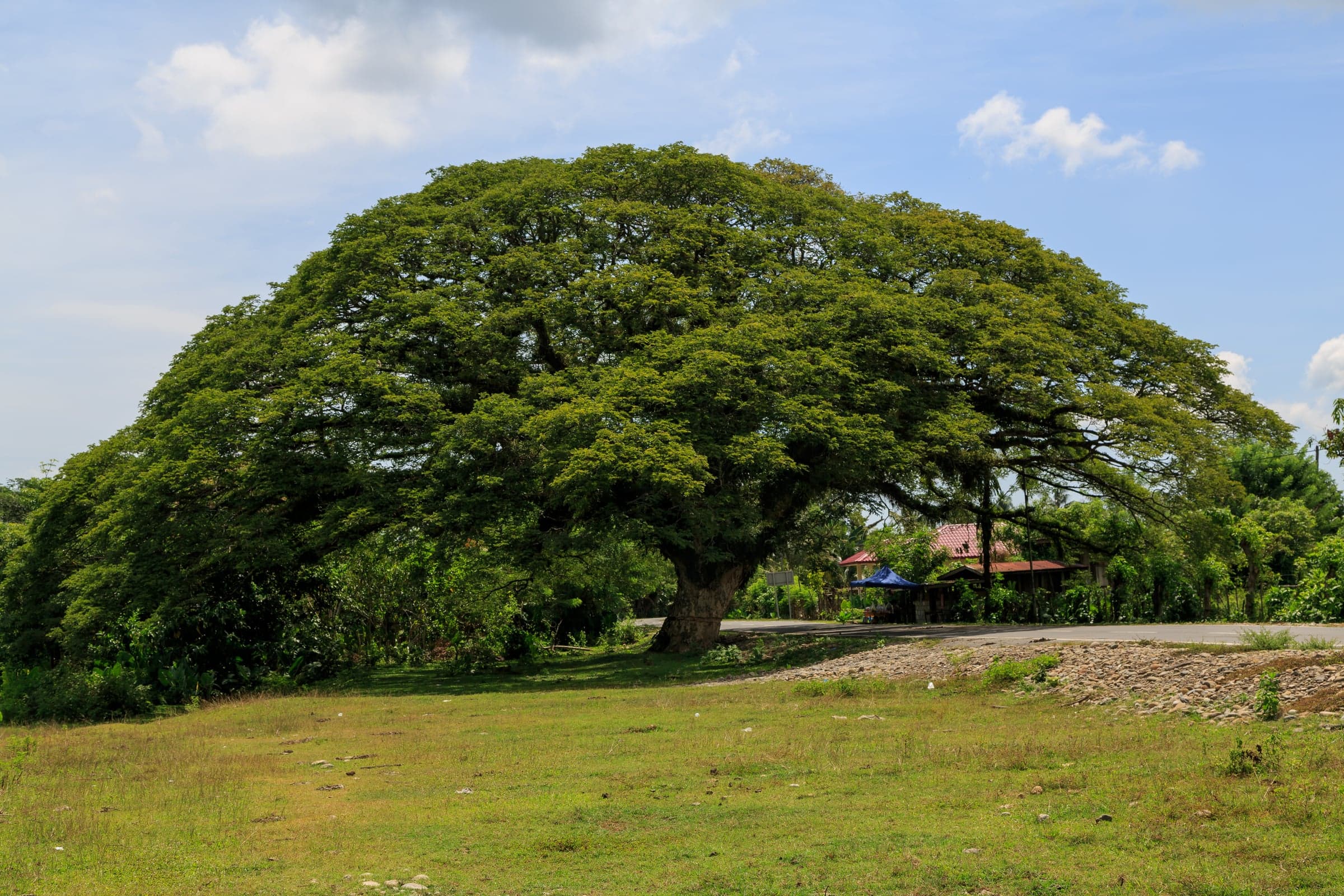
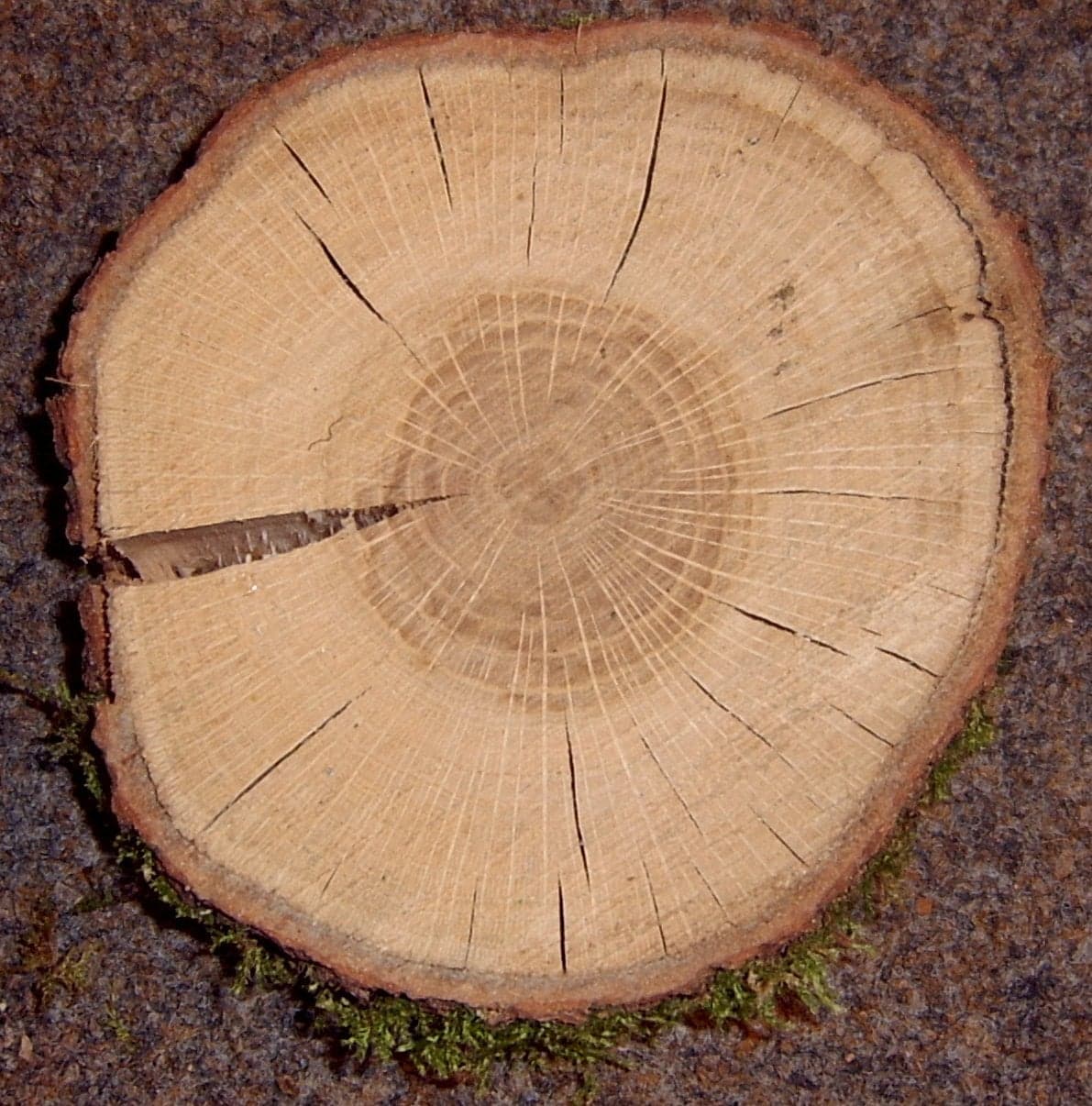
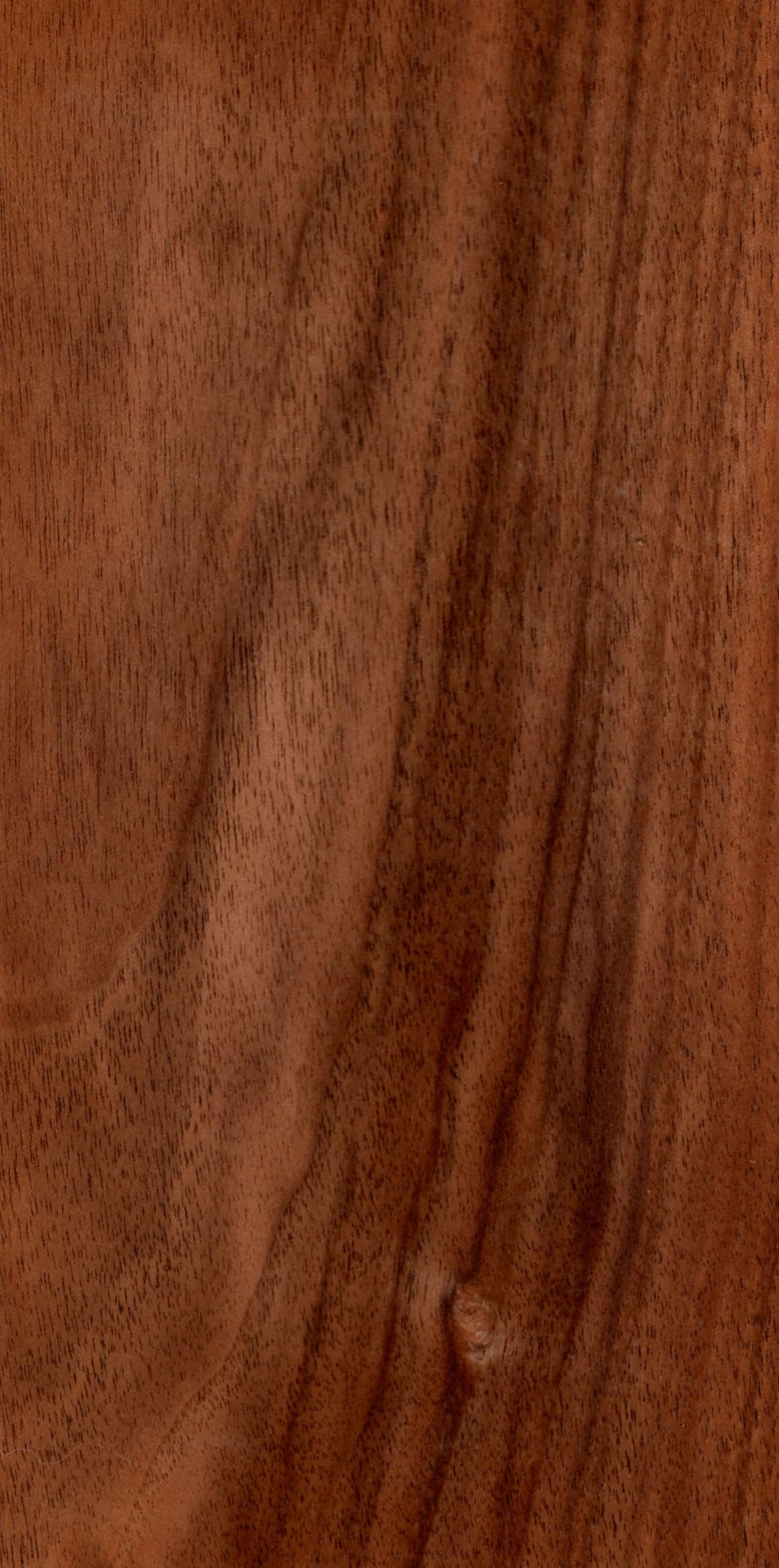
Obecnie nie ma drewna Douglas Fir. Te gatunki nadają się do podobnych projektów i są dostępne.
Otrzymuj powiadomienia o drewnie Douglas Fir
Wyślemy Ci wiadomość, gdy w KORENA pojawią się nowe deski Douglas Fir. Każda sztuka jest niepowtarzalna, więc warto wiedzieć wcześniej.
Wygląd drewna
Jak wygląda
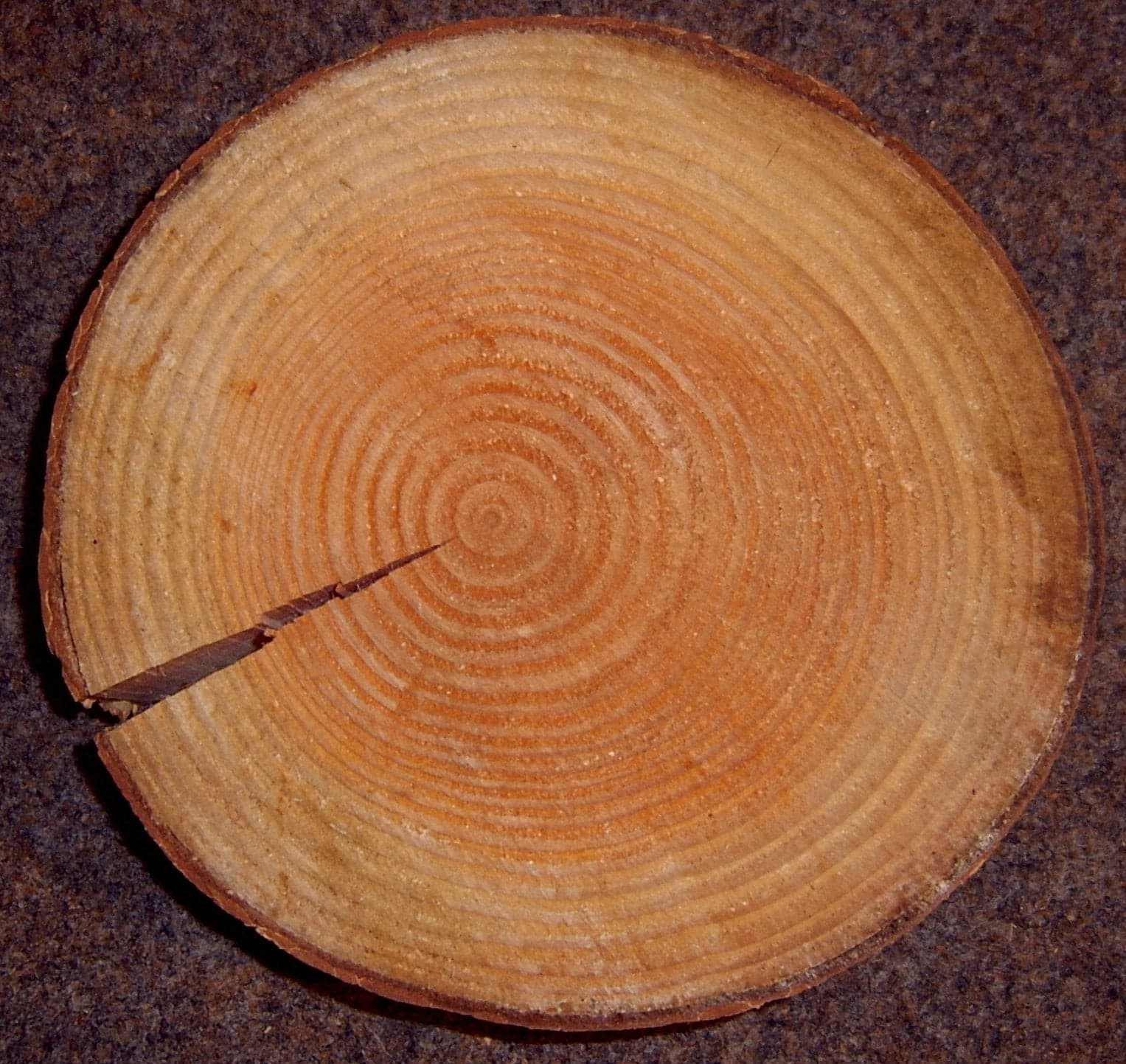
Warm reddish tan to light brown heartwood with a distinctly orange cast, against pale sapwood. The ring figure is bold and high contrast because the latewood bands are dense and dark, giving flatsawn faces a strong flame pattern. It is one of the stiffest softwoods available, which is why it dominates structural engineered timber.
- Reddish tan to light brown with a warm orange cast
- Bold high contrast growth ring figure
- Pale narrow sapwood, deepens with light exposure
- Straight grain with bold, high-contrast growth rings from dense dark latewood. Reddish tan to light brown with a warm orange cast against pale sapwood.
Obróbka
Obróbka
- Piłowanie · Bardzo dobraJak czyste daje cięcie i jak szybko tępi brzeszczoty.1 = trudna · 5 = doskonała
- Struganie · Bardzo dobraJak gładką pozostawia powierzchnię i jak często wyrywa włókna.1 = trudna · 5 = doskonała
- Szlifowanie · Bardzo dobraJak szybko można je wyszlifować na gładko bez zapychania papieru.1 = trudna · 5 = doskonała
- Toczenie · DobraJak zachowuje się podczas toczenia i wykańczania na tokarce.1 = trudna · 5 = doskonała
- Rzeźbienie · DobraJak wyraźnie zachowuje detale wykonywane dłutem.1 = trudna · 5 = doskonała
- Klejenie · Bardzo dobraJak niezawodnie trzymają połączenia klejone.1 = trudna · 5 = doskonała
- Trzymanie wkrętów / gwoździ · Bardzo dobraJak dobrze trzyma wkręty i gwoździe bez pękania.1 = trudna · 5 = doskonała
- Gięcie parowe · DobraJak dobrze przyjmuje krzywizny po parowaniu.1 = trudna · 5 = doskonała
Machines well but has a moderate blunting effect on cutters, noticeably more than spruce or pine. It accepts stains, glues and finishes well. The dense latewood bands are the machining challenge: they are much harder than the earlywood between them and can tear out where grain rises, leaving a ridged surface. Sharp tooling and light finishing cuts matter, and a helical head is a real advantage.
Wykończenie
Takes oil and clear finishes well and the colour deepens attractively toward a richer red brown. Like all species with strong density contrast between earlywood and latewood, it blotches under pigment stain, so a conditioner or dye is the safer route. Its natural colour is warm enough that most makers leave it clear.
Suszenie
Dries reasonably well but is prone to surface checking in thick sections if pushed, and European grown fast ring stock is more troublesome than slow grown material. Volumetric shrinkage at around 11.6 percent is the lowest in this group, which combined with a favourable tangential to radial ratio makes properly dried Douglas Fir one of the more stable softwoods in service.
Jak bardzo będzie pracować?
Drewno pęcznieje i kurczy się w poprzek szerokości, gdy powietrze staje się wilgotniejsze lub suchsze. Przed zaprojektowaniem mocowań oszacuj sezonową pracę blatu z drewna Douglas Fir.
Przewidywana sezonowa praca
około 8,3 mm
Przymocuj blat łącznikami lub wspornikami w podłużnych otworach, bez kleju i mocno dokręconych wkrętów.
Liniowy model skurczu: szerokość × (skurcz ÷ 28 % punktu nasycenia włókien) × sezonowa zmiana wilgotności. Dla gatunku Douglas Fir używa skurczu stycznego wynoszącego 7,3 %. To wartość do planowania, a nie gwarancja.
Ile kosztuje
Bieżące ceny drewna Douglas Fir w całej Europie za metr sześcienny bez VAT. Dotknij dowolnej ceny, aby zobaczyć szczegóły.
- Najlepsze kłody na aukcjiWyselekcjonowane kłody wysokiej jakości sprzedawane na aukcjach ofertowych, głównie producentom oklein i mebli. Z takich kłód wycina się deski.Większość cen mieści się między 197 € a 203 €.Na podstawie 50 cen z 1 regionu.Najnowsze dane: 24 wrz 2026
- Standardowe kłodyDuże ilości standardowego drewna okrągłego sprzedawanego przez właścicieli lasów i lasy państwowe, głównie dla budownictwa i przemysłu.Większość cen mieści się między 28 € a 158 €.Na podstawie 6 cen z 2 regionów.Najnowsze dane: 15 wrz 2026
Dlaczego deska kosztuje więcej?
To ceny surowego drewna. Deska jest najlepszym wycinkiem kłody, suszonym przez co najmniej rok, a następnie sprawdzanym i mierzonym sztuka po sztuce. Tylko niewielka część każdej kłody staje się deską.
Źródło: KORENA Timber Index · Najnowsze dane: 24 wrz 2026
Zobacz wszystkie ceny regionalneBezpieczeństwo i pozyskiwanie
- Uprawiane poza Europą i importowane przez europejskie składy.
- Status na Czerwonej liście IUCN: globalna ocena zagrożenia tego gatunku.
Reported to cause skin irritation, nausea, giddiness and runny nose, along with an increased likelihood of splinters becoming infected. That last point is worth taking seriously: Douglas Fir splinters are notorious for going septic. Gloves when handling rough stock and proper extraction during machining are advisable.
Pseudotsuga menziesii is native to western North America, from British Columbia to Mexico, and is not a European species. It has been planted extensively across Europe since the nineteenth century and much of the slab stock KORENA sees is European grown, which usually means faster growth and wider rings than old growth Pacific Northwest material.
Not listed in the CITES Appendices and assessed by the IUCN as Least Concern. It is not native to Europe, so European grown material is plantation stock rather than natural forest. Imported North American old growth carries a longer and more scrutinised supply chain under EUDR. European grown Douglas Fir is generally the simpler documentation path and the lower carbon one.
Przeczytaj pełny przewodnikSzczegółowe informacje o rysunku drewna, zmianie barwy, obróbce i stabilności.
What Douglas Fir actually is#
Pseudotsuga menziesii is not a fir. It sits in its own genus, separate from the true firs of Abies, and the name is a historical accident that never got corrected. The distinction is not pedantry. Silver Fir is the softest wood in this catalogue at 1,420 N Janka; Douglas Fir is nearly twice as hard at 2,760 N, considerably stiffer, more durable, and much harder on cutting edges. Expecting one to behave like the other leads to bad decisions.
It is native to western North America and has been planted across Europe since the nineteenth century. That matters when buying, because European plantation stock and North American old growth are the same species performing quite differently.
Reading a Douglas Fir slab#
The colour is the immediate draw: a warm reddish tan with an orange cast that deepens under light toward a richer red brown. Against the pale narrow sapwood the contrast is clean.
The ring figure is the real signature. Douglas Fir lays down dense dark latewood bands against much softer earlywood, and on a flatsawn face that produces a bold flame pattern with high contrast, closer to a ring-porous hardwood than to the quiet figure of spruce.
That same contrast is what you must read for quality. Ring spacing separates slow grown material, with a high proportion of dense latewood, from fast grown European plantation stock with wide soft earlywood bands. The slow grown board is stronger, more durable and more attractive. The fast grown one is neither wrong nor a bargain, it is simply a different material, and for structural or exterior work the difference is not cosmetic.
At the bench#
Douglas Fir machines well but it will dull your tooling faster than any other softwood here. Plan for sharpening more often, and accept that a marginal blade produces a markedly worse result on this species than on pine.
The density contrast between earlywood and latewood is the specific machining challenge. Where the grain rises, a hard latewood band can tear out while the soft earlywood either side cuts cleanly, leaving a ridged or stepped surface that a scraper must fix. Light finishing cuts help. A helical cutterhead helps a great deal more, and on wide slabs it is close to essential if you want a surface that needs minimal sanding.
Gluing and fastening are straightforward. It takes stains, glues and finishes well, and it holds screws better than the softer conifers here, though pilot holes near end grain remain sensible.
One practical warning that is not folklore: Douglas Fir splinters carry a documented increased likelihood of becoming infected. Wear gloves handling rough sawn stock, and deal with any splinter promptly rather than leaving it to work its way out.
Stiffness, and why it matters#
The number that distinguishes this species is its elastic modulus, 12.17 GPa, the highest of any softwood in the KORENA catalogue and above European Larch at 11.80 GPa. Stiffness is not hardness. Hardness resists denting; stiffness resists bending.
For a slab that must span a distance without visible sag, a long shelf, an unsupported bench top, an exposed structural beam, stiffness is the property that governs the outcome, and Douglas Fir is the correct answer in this group. It is why the species dominates structural glulam and engineered timber worldwide.
For a dining table that must resist a dropped pan, hardness governs, and Douglas Fir at 2,760 N is still soft. Choose on the property that matches the failure you actually care about.
Drying and movement#
It dries reasonably but is prone to surface checking in thick sections if the schedule is pushed, and fast grown European material is more troublesome in this respect than slow grown stock.
The payoff is stability in service. Volumetric shrinkage at around 11.6 percent is the lowest of any species in this group, and the tangential to radial ratio at 7.3 against 4.5 percent is comparatively favourable. Properly dried Douglas Fir is one of the more dimensionally reliable softwoods once it is in the room.
Where Douglas Fir is the right answer#
Exposed structural work, long spans, tabletops where the orange ring figure is wanted, flooring, and protected exterior joinery such as windows and doors under a maintained finish.
It is the wrong answer for unprotected exterior work in contact with ground or standing water, where it is rated moderately durable but insect susceptible and European Larch outperforms it. It is also the wrong answer if your tooling is marginal, because this species is unforgiving of dull edges in a way pine is not.
Sourcing and EUDR#
Not CITES listed and assessed as Least Concern. The EUDR consideration here is different from the rest of this group because the species is not European. Imported North American old growth carries a longer supply chain with more scrutiny attached. European grown plantation material generally offers both the simpler documentation path and the lower transport carbon, at the cost of the wider rings discussed above. KORENA listings record the yard and region, so which of the two you are buying is visible on the passport rather than inferred from price.
Pytania kupujących
Pytania kupujących
Is Douglas Fir actually a fir?
No. Pseudotsuga menziesii is its own genus, distinct from the true firs in Abies such as Silver Fir. The name is a historical misnomer that stuck. The practical consequence is that it behaves nothing like Silver Fir: it is far stiffer, harder, more durable and considerably more difficult on cutting edges.
How stiff is it compared to other softwoods?
Its elastic modulus is 12.17 GPa, the highest of any softwood KORENA lists and above European Larch at 11.80 GPa. Stiffness is why it dominates structural glulam and why it is the right choice for a long shelf or an unsupported span where deflection matters more than hardness.
Can I use it outdoors?
It is rated moderately durable regarding decay but is susceptible to insect attack, so it sits below European Larch for exterior work. It performs well in protected exterior joinery such as windows and doors under a maintained finish. For unprotected decking or ground contact, larch is the better choice from this group.
Why do Douglas Fir splinters get infected so often?
This is a documented characteristic of the species rather than folklore. Splinters from Douglas Fir carry an increased likelihood of becoming infected, which is why gloves when handling rough sawn stock are worth the inconvenience. Clean and treat any splinter promptly rather than leaving it.
Is European grown different from American?
Yes, materially. European plantation Douglas Fir grows faster, producing wider rings, a lower proportion of dense latewood, and lower strength and durability than old growth Pacific Northwest stock. Both are the same species and neither is wrong, but they are not interchangeable for structural or exterior work. Ring count is the thing to look at.
Właściwości mechaniczne
Dane techniczne
Opublikowane wartości referencyjne. Gdy źródła się różnią, podajemy zakres, a w powyższych skalach stosujemy wartość typową.
| Gęstość (kg/m³)Masa metra sześciennego przy wilgotności około 12 %. Cięższe drewno jest zwykle twardsze i mocniejsze. | 510 kg/m³ |
|---|---|
| Twardość Janki (N)Siła potrzebna do wciśnięcia stalowej kulki do połowy w drewno. Standardowa miara odporności na wgniecenia. | 2,760 N |
| MOR: wytrzymałość na zginanie (MPa)Wytrzymałość na zginanie: obciążenie, przy którym belka pęka. | 86 MPa |
| MOE: moduł sprężystości (GPa)Sztywność przy zginaniu: stopień ugięcia półki lub blatu pod obciążeniem. | 12.2 GPa |
| Skurcz promieniowySkurcz w poprzek słojów, od drewna mokrego do całkowicie suchego. W tym kierunku pracują deski przetarte promieniowo. | 4.5 % |
| Skurcz stycznySkurcz wzdłuż słojów. W tym kierunku pracują deski przetarte stycznie i większość desek KORENA. | 7.3 % |
| Skurcz objętościowyCałkowita zmiana objętości od drewna mokrego do całkowicie suchego. Niższa wartość oznacza większą stabilność. | 11.6 % |
| Naturalna trwałość (EN 350)Europejska norma naturalnej odporności na rozkład, od 1 (bardzo trwałe) do 5 (nietrwałe). | Class 3 — Moderately durable |
Źródła
- The Wood Database — Douglas Fir (Pseudotsuga menziesii)(dostęp: 2026-08-12)
- USDA FPL Wood Handbook FPL-GTR-190 (2010)(dostęp: 2026-08-12)
- Meier, E. — WOOD! Identifying and Using Hundreds of Woods Worldwide (2015)(dostęp: 2026-08-12)