KORENA
DrewnoFinished piecesMateriałySkładyMagazyn

Otrzymuj powiadomienia

Każda deska jest niepowtarzalna. Gdy się sprzeda, znika. Piszemy, gdy pojawiają się nowe sztuki: świeże dostawy, nowe gatunki i deski dopasowane do projektu.

Kilka wiadomości miesięcznie. Bez spamu, możesz zrezygnować w każdej chwili.

KORENA, wysokiej jakości drewno liściaste

Jedna sztuka naraz.

Zweryfikowane drewno liściaste wysokiej jakości, sprzedawane sztuka po sztuce. Każda deska jest fotografowana, mierzona i wysyłana ze składu partnerskiego z paszportem drewna.

Sklep

  • Przeglądaj produkty
  • Archiwum sprzedanych
  • Śledź zamówienie

Wiedza

  • Magazyn
  • Przewodniki po gatunkach
  • Słownik
  • Porównaj
  • Autorzy

Pomoc

  • O nas
  • Jak to działa
  • Zostań składem partnerskim
  • Znajdź deskę
  • Pomoc
  • Wzory dokumentów
  • Dla mediów

Zakupy

  • Warunki sprzedaży
  • Prawo odstąpienia
  • Zwroty i gwarancja
  • Wysyłka i dostawa

Zaufanie

  • Polityka prywatności
  • Polityka plików cookie
  • Pochodzenie drewna i EUDR
  • Dostępność

Informacje prawne

  • Nota prawna / informacje o firmie
  • Dopuszczalne użytkowanie
  • Własność intelektualna i treści

© 2026 KORENA. Wszelkie prawa zastrzeżone.

Operatorem jest Martial Labs Ltd. (BG, EIK 207453941). KORENA jest nazwą handlową Martial Labs Ltd.

Szanujemy Twoją prywatność

Używamy niezbędnych plików cookie, aby witryna działała. Za Twoją zgodą użyjemy również plików cookie do analityki, spersonalizowanych treści i reklam. W każdej chwili możesz zmienić decyzję na stronie ustawień zgody. Zobacz naszą politykę plików cookie i politykę prywatności.

  1. Strona główna
  2. /
  3. Gatunki
  4. /
  5. European Beech

Fagus sylvatica

European Beech

The workshop workhorse. Pale, dense, fine-textured hardwood with straight grain, and the wood that bends.

  • Uprawiane i pozyskiwane w Europie.
  • Grupa botaniczna. Drewno iglaste pochodzi z drzew iglastych, a liściaste z drzew liściastych.
  • Rodzina botaniczna, do której należy gatunek.
Powiadom mnie, gdy się pojawiGatunek referencyjny. Obecnie brak dostępnych sztuk.
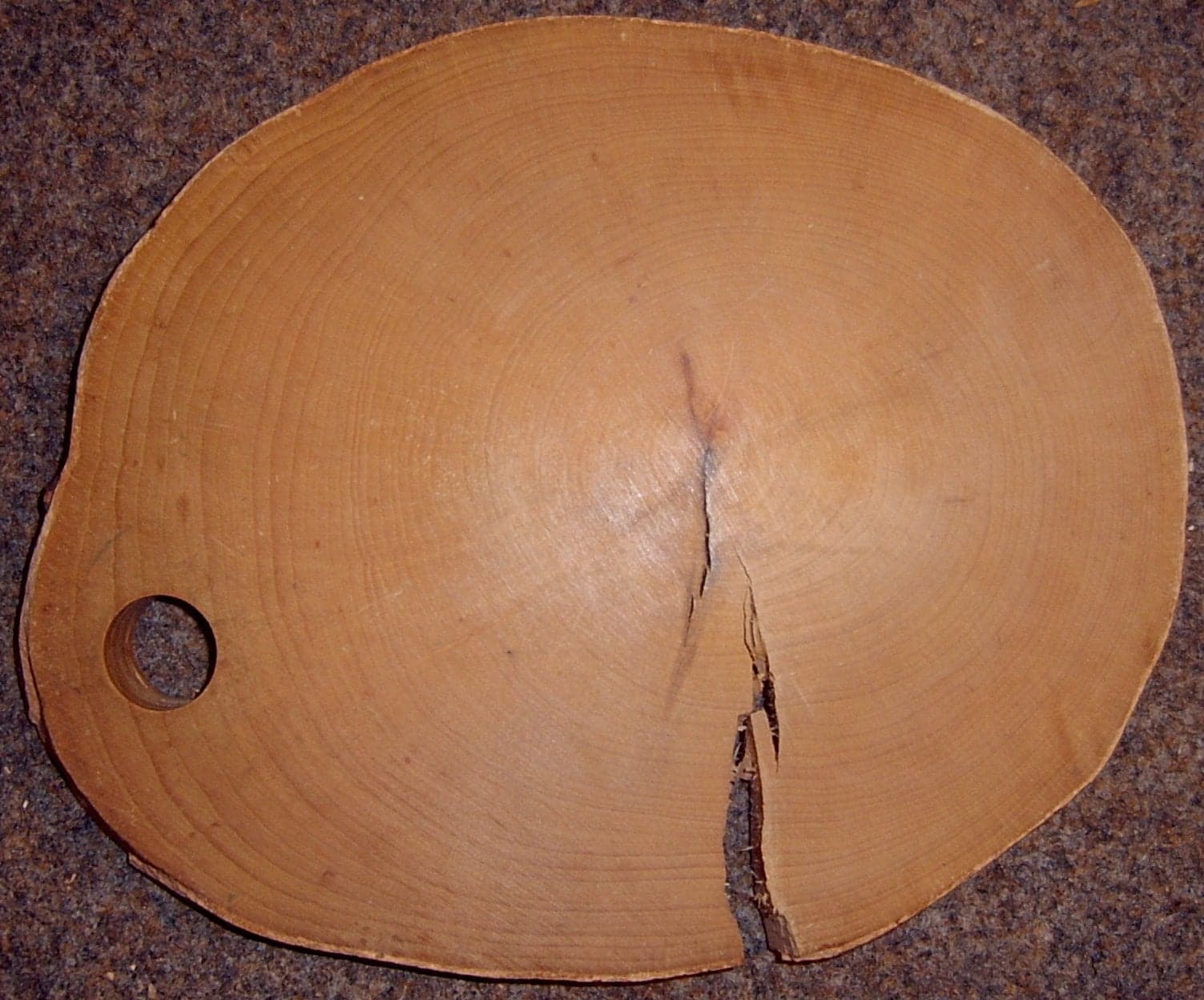
Usłojenie European Beech
  • Dopasowanie do projektu
  • Dostępne
  • Wygląd
  • Obróbka
  • Praca drewna
  • Cena
  • Bezpieczeństwo i pozyskiwanie
  • Pytania
  • Dane techniczne

Czy pasuje do Twojego projektu?

Świetne do

  • Steam-bent chair frames and curved components
  • Workbenches, jigs, and shop fixtures
  • Chopping boards, butcher blocks, and kitchen utensils
  • Interior joinery and cabinet carcasses
  • Turned legs, handles, and tool components
  • Children's furniture and toys

Brak drewna European Beech w bieżącej dostawie

Dostępne podobne gatunki

Obecnie nie ma drewna European Beech. Te gatunki nadają się do podobnych projektów i są dostępne.
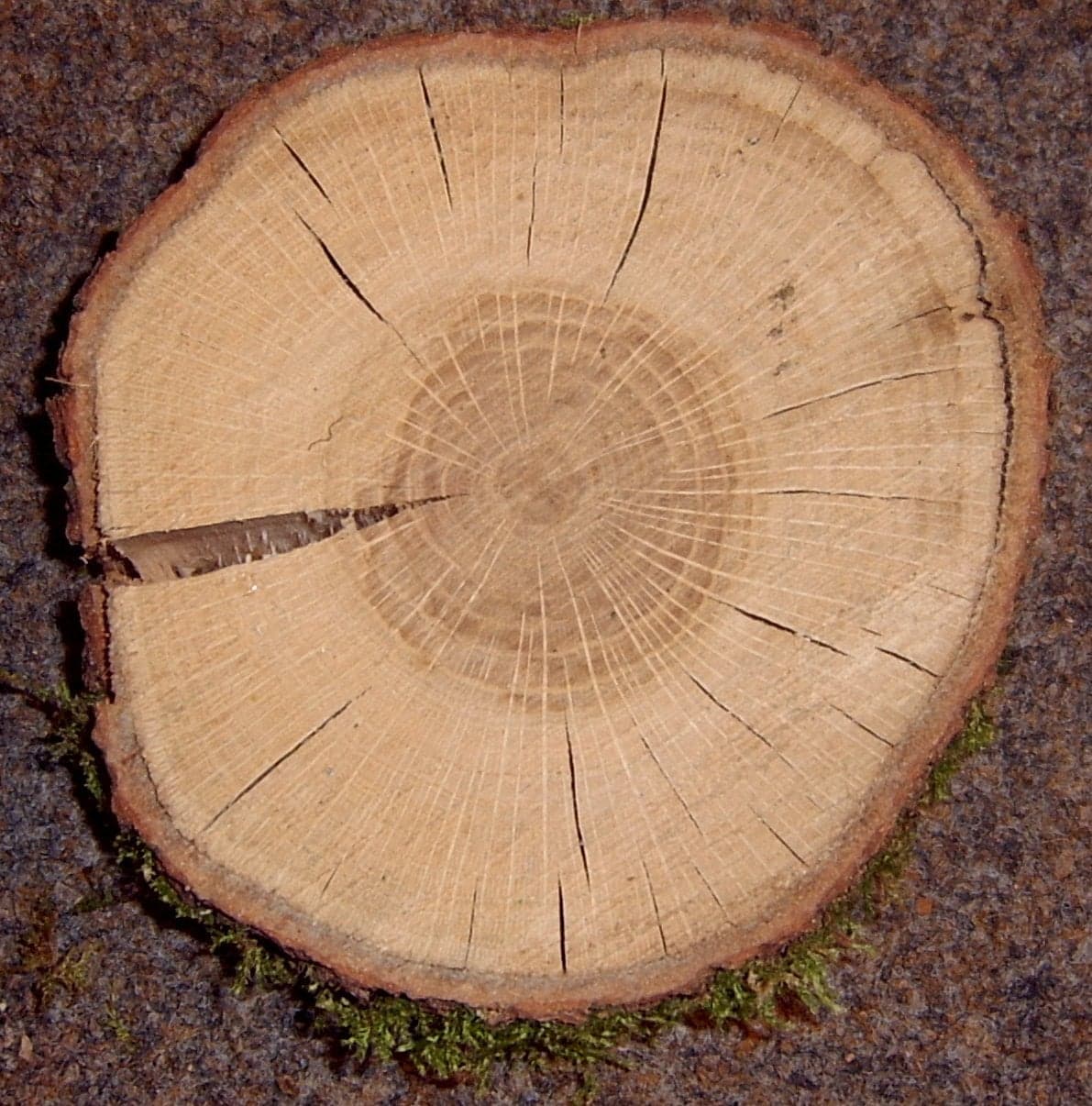

  • Usłojenie European Oak

    European Oak

    Quercus robur

    6 sztuk

  • Usłojenie European Walnut

    European Walnut

    Juglans regia

    9 sztuk

  • Usłojenie Saman

    Saman

    Samanea saman

    4 sztuki

Otrzymuj powiadomienia o drewnie European Beech

Wyślemy Ci wiadomość, gdy w KORENA pojawią się nowe deski European Beech. Każda sztuka jest niepowtarzalna, więc warto wiedzieć wcześniej.

Kilka wiadomości miesięcznie. Bez spamu, możesz zrezygnować w każdej chwili.

Wygląd drewna

Jak wygląda

A clean, light surface in cream to pale pinkish-brown, often with a subtle salmon cast when freshly cut. Grain is straight; texture is fine and even with small, tight rays that show as faint flecks on the quarter. Steamed beech goes warmer and pinker, that familiar Thonet tone. Visually quiet rather than dramatic, which is why it pairs well with bolder species and finishes.

  • Cream to pale pinkish-brown when air-dried
  • Warmer salmon-pink tone after steaming
  • Fine ray fleck on quarter-sawn faces
  • Yellows gradually under UV exposure
  • Cool, neutral surface under water-based finishes; warmer under oils
  • Straight grain, fine even texture.

Obróbka

Obróbka

Works well across the bench. Saws, planes, and sands cleanly; turns and carves crisply. Glues reliably. Screws need pilot holes, it is dense and can split near edges. Where beech really earns its keep is steam bending: it is the benchmark species for it, and the reason Thonet's bentwood chairs are still made from it more than 150 years on.

Wykończenie

Sands to a smooth, almost glassy surface and takes finishes evenly thanks to the fine texture. Stains apply uniformly without much blotching. Oils and hardwax oils keep the pale tone; water-based finishes hold the cool cast best, while oil-based products will warm it noticeably. Beech yellows over time under UV, worth flagging to clients who want it to stay pale.

Suszenie

This is where beech demands respect. Volumetric shrinkage of 17–19% puts it among the more movement-prone European hardwoods, and the gap between radial and tangential shrinkage drives cupping and checking if it is rushed. Slow, controlled kiln schedules and proper acclimatisation in the workshop are non-negotiable. Once stable and used in interior conditions, it behaves, but it will react to swings in humidity, so avoid wide unbroken panels in rooms that are not climate-stable.

Jak bardzo będzie pracować?

Drewno pęcznieje i kurczy się w poprzek szerokości, gdy powietrze staje się wilgotniejsze lub suchsze. Przed zaprojektowaniem mocowań oszacuj sezonową pracę blatu z drewna European Beech.

Sposób przetarcia
Miejsce użytkowania

Przewidywana sezonowa praca

około 13,4 mm

Duża. Zastosuj łączniki lub wsporniki w podłużnych otworach, zostaw luz na końcach poprzecznych listew i pozwól desce zaaklimatyzować się przed montażem.

Liniowy model skurczu: szerokość × (skurcz ÷ 28 % punktu nasycenia włókien) × sezonowa zmiana wilgotności. Dla gatunku European Beech używa skurczu stycznego wynoszącego 11,75 %. To wartość do planowania, a nie gwarancja.

Ile kosztuje

Bezpieczeństwo i pozyskiwanie

  • Uprawiane i pozyskiwane w Europie.
  • Status na Czerwonej liście IUCN: globalna ocena zagrożenia tego gatunku.
  • Food-contact safe and a long-standing choice for chopping boards, butcher blocks, spoons, and kitchen utensils. The flip side: beech dust is a documented respiratory sensitiser and is classified by IARC as a Group 1 hardwood dust. Use proper extraction, a fitted P3/FFP3 mask, and keep the shop clean, especially during sanding.

Przeczytaj pełny przewodnikSzczegółowe informacje o rysunku drewna, zmianie barwy, obróbce i stabilności.+

What European Beech actually is#

Fagus sylvatica is the workshop timber of Europe. It is dense at 710 kg per cubic metre, hard at 6,460 N, stiff at 13.0 GPa, fine textured, straight grained, cheap and everywhere.

It is also, by the numbers, the least dimensionally stable wood in this catalogue. Volumetric shrinkage of 17.0 percent ties it with hornbeam for the highest figure here, and its tangential to radial differential of 11.0 against 5.0 percent is the widest of any species listed.

Both facts are true at once, and understanding how they coexist is the whole of working with beech well.

The bending wood#

Fine even texture, straight grain and high stiffness are exactly the properties that make a timber bend rather than break.

Under steam, beech compresses on the inside of a curve without buckling and stretches on the outside without splitting, more reliably than oak or ash. Michael Thonet built an entire furniture industry on that single property in the nineteenth century, and the bentwood chair remains the most produced furniture design in history.

If a project involves a curve, beech is the first thing to reach for in this catalogue.

The movement problem

Pytania kupujących

Pytania kupujących

Why does beech move so much?

+

Volumetric shrinkage of 17.0 percent is the joint highest in this catalogue, and tangential shrinkage of 11.0 percent against 5.0 percent radial is a differential of better than two to one. That combination makes beech notoriously unstable in changing humidity. It is why beech is superb for steam bent chair parts and workshop fixtures in a controlled environment, and a poor choice for a wide tabletop in a room with underfloor heating.

Why is beech the classic steam bending wood?

+

Fine even texture, straight grain and high stiffness at 13.0 GPa let it compress on the inside of a bend without buckling and stretch on the outside without splitting. Thonet built an entire furniture industry on that property. It bends more reliably than oak or ash and holds the curve once dry.

Is beech good for kitchen worktops and chopping boards?

+

It is rated food safe and its fine closed texture is easier to keep clean than open pored oak, which is why it is traditional for butcher blocks and worktops. The caveat is movement: beech responds strongly to the wet and dry cycling a kitchen imposes. Keep it oiled, avoid standing water, and expect more seasonal change than in maple.

Właściwości mechaniczne

Dane techniczne

Opublikowane wartości referencyjne. Gdy źródła się różnią, podajemy zakres, a w powyższych skalach stosujemy wartość typową.

Gęstość (kg/m³)Masa metra sześciennego przy wilgotności około 12 %. Cięższe drewno jest zwykle twardsze i mocniejsze.680–780 kg/m³typowo 710 kg/m³
Twardość Janki (N)Siła potrzebna do wciśnięcia stalowej kulki do połowy w drewno. Standardowa miara odporności na wgniecenia.6,000–6,900 Ntypowo 6460 N
MOR: wytrzymałość na zginanie (MPa)Wytrzymałość na zginanie: obciążenie, przy którym belka pęka.100–130 MPa
MOE: moduł sprężystości (GPa)Sztywność przy zginaniu: stopień ugięcia półki lub blatu pod obciążeniem.13.0–15.0 GPa
Skurcz promieniowySkurcz w poprzek słojów, od drewna mokrego do całkowicie suchego. W tym kierunku pracują deski przetarte promieniowo.5.0–6.5 %
Skurcz styczny

No machine-readable author provided. Lumbar~commonswiki assumed (based on copyright claims)., via Wikimedia Commons

  • Stair treads and interior flooring in stable rooms
  • Mocne strony

    • Bezpieczne dla żywnościNadaje się na deski, misy i powierzchnie mające kontakt z żywnością.
    • Dobrze się gnieOcena gięcia parowego: 5 z 5. Pozwala uzyskać ciasne krzywizny.

    Native across most of Europe, from southern Sweden down to the Balkans, with strong supply from Germany, Romania, France, and the Carpathians. One of the most plentiful hardwoods on the continent, which keeps pricing honest and stock predictable.

  • IUCN Least Concern, no CITES listing, and managed under long-established European forestry regimes. Broad native range means short supply chains within the EU and lower transport footprint than imported pale hardwoods. Decay class 5, perishable, so this is an interior-only timber; do not specify it for anything that will see weather or ground contact.

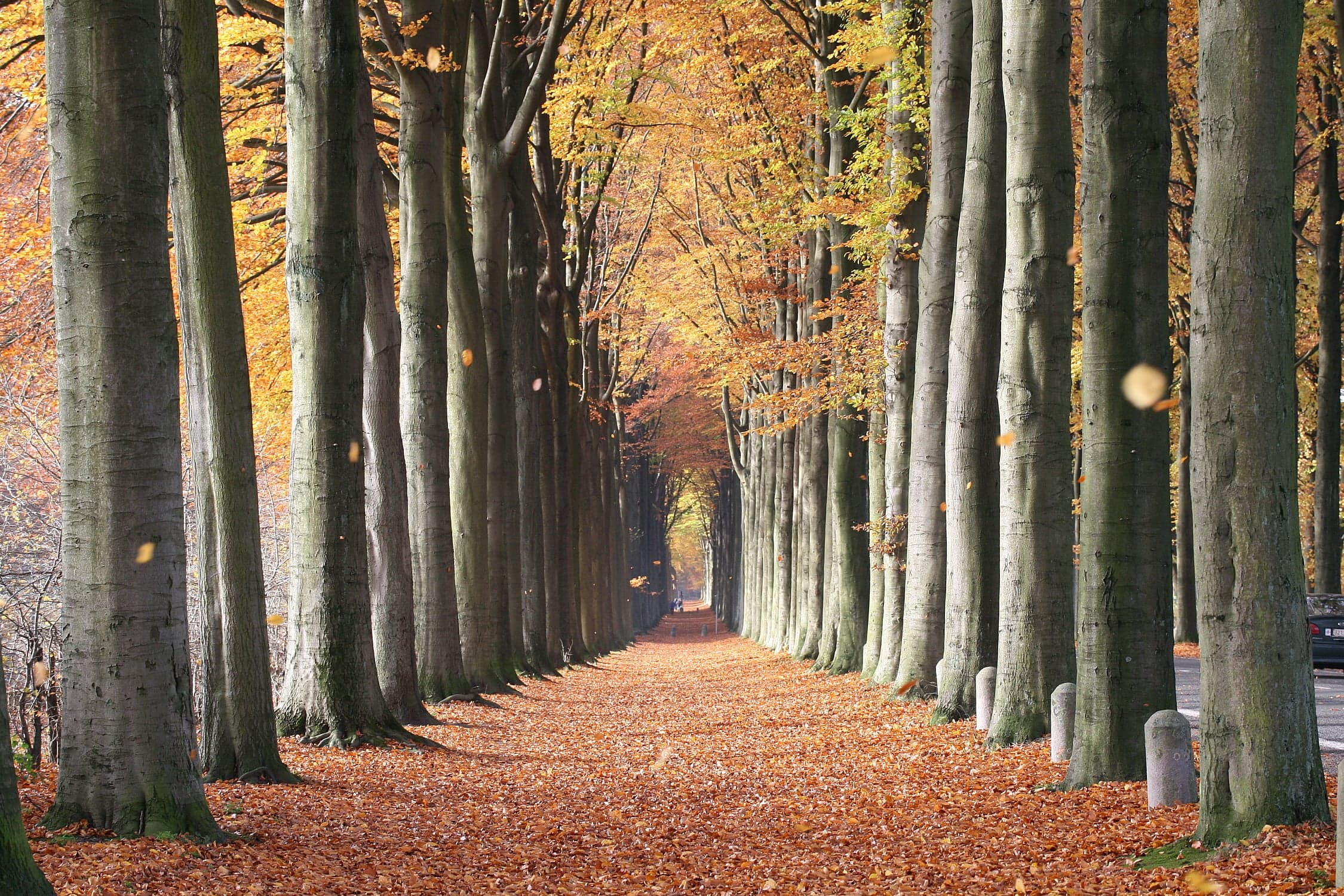
  • Drzewo European Beech

    Jean-Pol GRANDMONT, via Wikimedia Commons

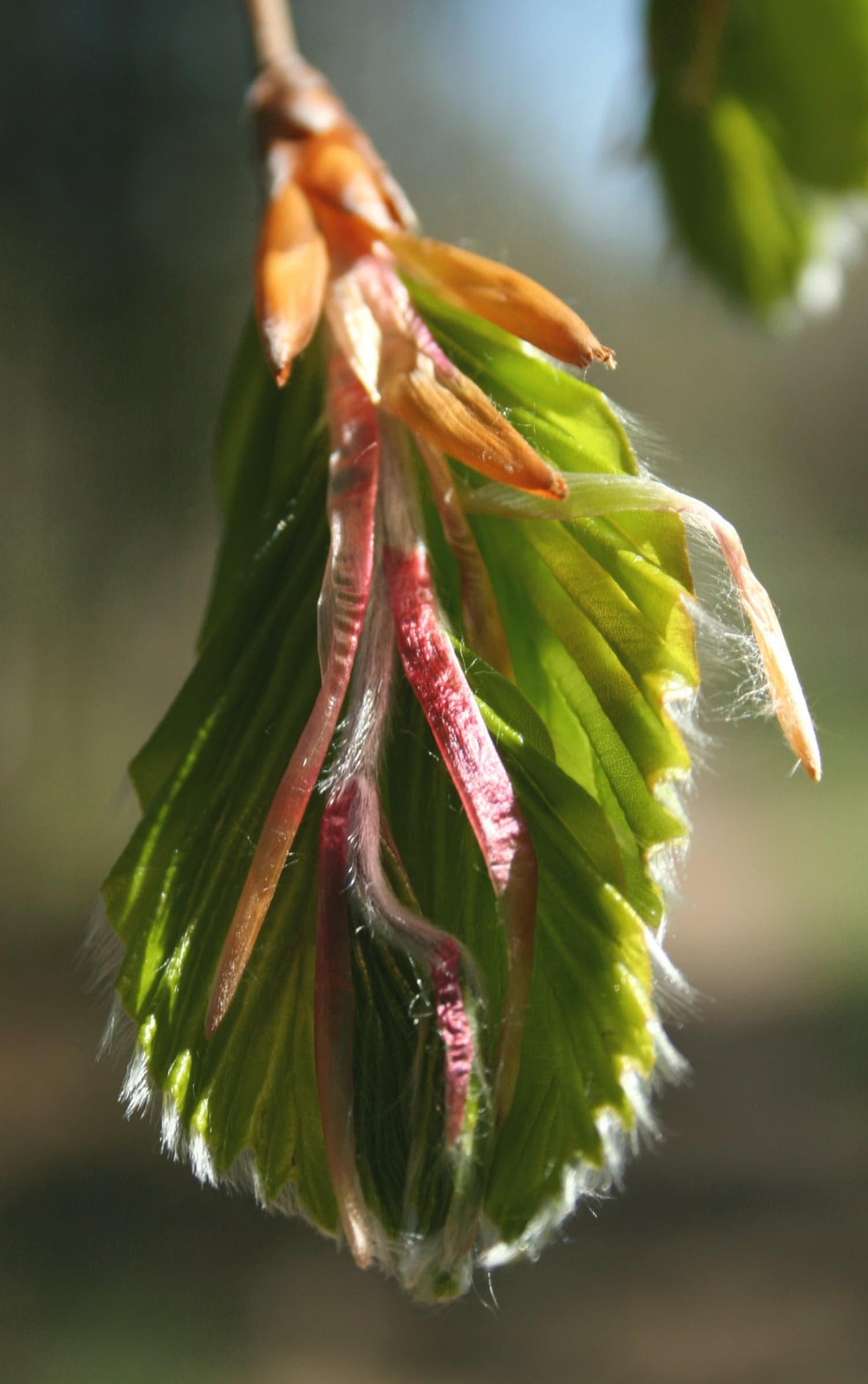
    European Beech: Liść
    Liść
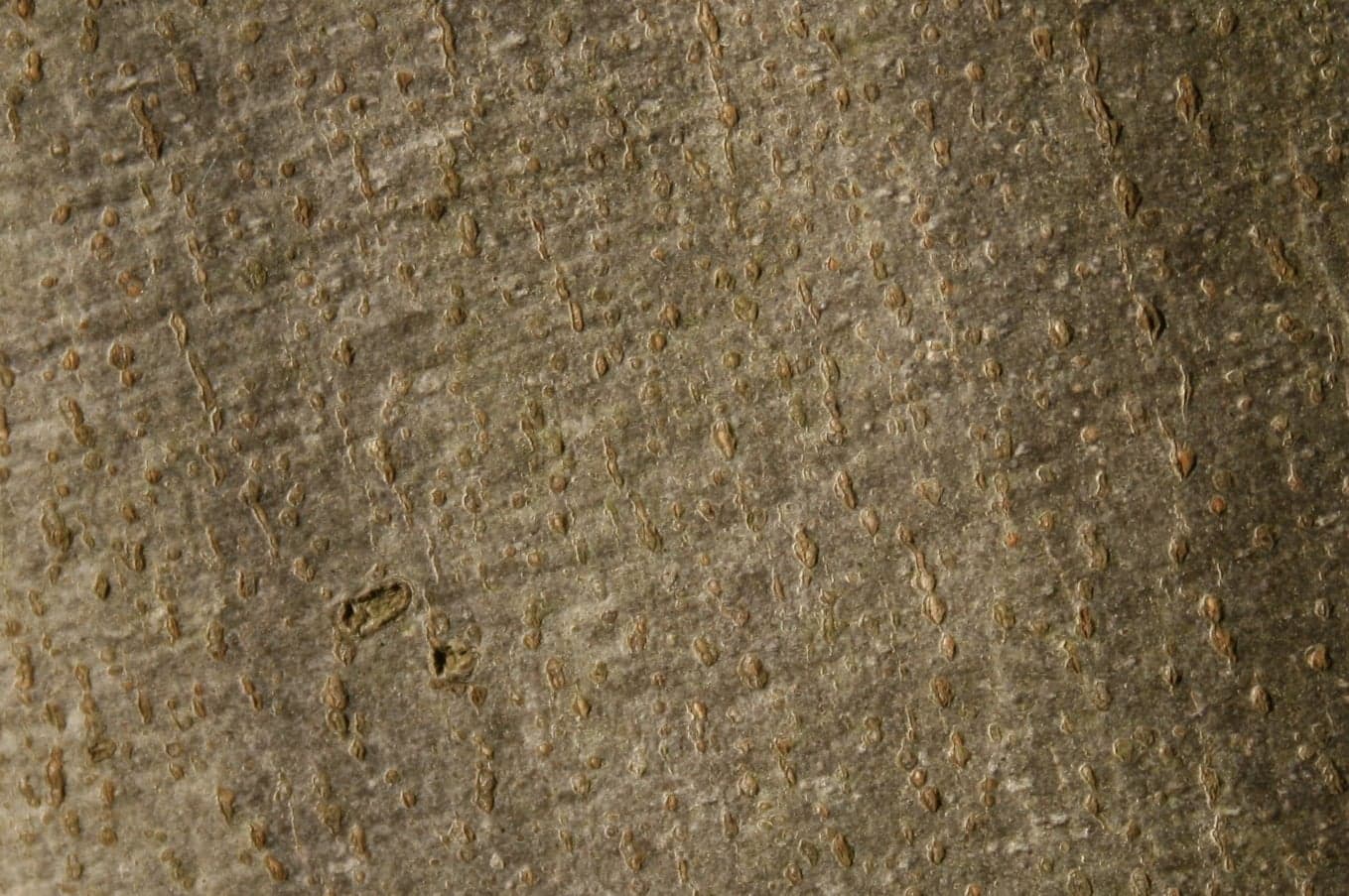
    European Beech: Kora
    Kora
    #

    The same responsiveness that lets beech bend makes it react to humidity.

    At 11.0 percent tangential against 5.0 percent radial, a wide flatsawn beech board will cup hard as a room dries out. In a modern interior with underfloor heating and winter humidity dropping below 30 percent, a beech tabletop that was flat in September will not be flat in February.

    This is not a defect and it is not avoidable by better drying. It is what the species does.

    The practical consequences are specific. Beech is excellent where movement is either restrained or irrelevant: bent components, chair frames, workshop benches and jigs, tool handles, drawer sides, and laminated or engineered constructions. It is a poor choice for a wide solid top in an uncontrolled environment, which is precisely the application people most often want a slab for.

    If you do build a wide beech top, quartersawn stock roughly halves the across width movement, and the top must float on slotted fasteners rather than being fixed.

    Steamed and unsteamed#

    Most European commercial beech is steamed during drying. This evens the colour to a warm pink brown and relieves some drying stress.

    Unsteamed beech is paler, closer to cream, and more variable in tone. Both are the same species and the colour difference is permanent, so match your stock at the outset rather than hoping to blend later.

    At the bench#

    Beech is straightforward and rewarding. It machines cleanly thanks to the fine even texture, turns very well, glues reliably and takes fastenings securely.

    At 6,460 N it blunts tooling at a decent rate but nothing exceptional. It sands to a fine surface and takes finish evenly, without the blotching that troubles pale softwoods, because the density is uniform.

    The fine texture also means it holds a crisp edge and a clean profile, which is why it is a standard for moulding planes, tool bodies and machine parts.

    Kitchen use#

    Beech is rated food safe and its closed fine texture is easier to keep clean than open pored oak, which is why it has been the traditional butcher block and worktop timber.

    The movement caveat applies with force in a kitchen, where wet and dry cycling is constant. Keep it oiled, never leave standing water on it, and accept more seasonal change than hard maple would give.

    Where beech is the right answer#

    Steam bent work above all, plus chair frames, workshop benches and fixtures, tool handles, drawer sides, turned work, kitchen worktops and butcher blocks.

    It is the wrong answer for a wide solid top in a variable environment, and wrong outdoors in any form, being decay class 5 and highly attractive to furniture beetle.

    Sourcing and EUDR#

    Not CITES listed and assessed as Least Concern. Beech is one of the most abundant hardwoods in Europe with mature certified supply across Germany, France, Austria and eastern Europe, and it is among the cheapest and best documented hardwoods available.

    What is steamed beech and how is it different?

    +

    Beech that has been steamed during drying, which evens the colour to a warm pink brown and relieves some drying stress. Unsteamed beech is paler and more variable. Steamed stock is the European commercial standard and is generally more predictable to work; the colour difference is permanent.

    Can beech be used outdoors?

    +

    No. It is rated decay class 5, perishable, and it is also highly attractive to furniture beetle. Beech is strictly an interior timber and even indoors it should not stay damp. For exterior work use oak, sweet chestnut or robinia.

    Skurcz wzdłuż słojów. W tym kierunku pracują deski przetarte stycznie i większość desek KORENA.
    11.0–12.5 %
    Skurcz objętościowyCałkowita zmiana objętości od drewna mokrego do całkowicie suchego. Niższa wartość oznacza większą stabilność.17.0–19.0 %
    Naturalna trwałość (EN 350)Europejska norma naturalnej odporności na rozkład, od 1 (bardzo trwałe) do 5 (nietrwałe).Class 5 — Perishable

    Źródła

    • The Wood Database(dostęp: 2026-05-09)
    • USDA FPL Wood Handbook FPL-GTR-190 (2010)(dostęp: 2026-05-09)
    • Meier, E. — WOOD! Identifying and Using Hundreds of Woods Worldwide (2015)(dostęp: 2026-05-09)

    W skrócie

    Poziomy mają stałe przedziały dla wszystkich gatunków prezentowanych przez KORENA, dzięki czemu można je bezpośrednio porównywać. Pod każdym widnieje zmierzona wartość.
    TwardośćOdporność na wgniecenia i zużycieTwarde

    Twardość Janki: 6460 N

    O 30 % twardsze od dębu europejskiego

    MasaJak ciężka jest deska przy podnoszeniuCiężkie

    710 kg/m³

    StabilnośćJak niewiele pracuje wraz ze zmianą pór rokuMocno pracuje

    18,0 % skurczu objętościowego

    ObróbkaPiłowanie, struganie, szlifowanie i klejenieŁatwe

    4,0 / 5, średnia ocena obróbki

    Zastosowanie na zewnątrzNaturalna odporność na rozkład, EN 350Tylko do wnętrz

    Klasa 5 według EN 350

    • Piłowanie · Bardzo dobraJak czyste daje cięcie i jak szybko tępi brzeszczoty.1 = trudna · 5 = doskonała
    • Struganie · Bardzo dobraJak gładką pozostawia powierzchnię i jak często wyrywa włókna.1 = trudna · 5 = doskonała
    • Szlifowanie · Bardzo dobraJak szybko można je wyszlifować na gładko bez zapychania papieru.1 = trudna · 5 = doskonała
    • Toczenie · DoskonałaJak zachowuje się podczas toczenia i wykańczania na tokarce.1 = trudna · 5 = doskonała
    • Rzeźbienie · Bardzo dobraJak wyraźnie zachowuje detale wykonywane dłutem.1 = trudna · 5 = doskonała
    • Klejenie · Bardzo dobraJak niezawodnie trzymają połączenia klejone.1 = trudna · 5 = doskonała
    • Trzymanie wkrętów / gwoździ · DobraJak dobrze trzyma wkręty i gwoździe bez pękania.1 = trudna · 5 = doskonała
    • Gięcie parowe · DoskonałaJak dobrze przyjmuje krzywizny po parowaniu.1 = trudna · 5 = doskonała

    Bieżące ceny drewna European Beech w całej Europie za metr sześcienny bez VAT. Dotknij dowolnej ceny, aby zobaczyć szczegóły.

    • Najlepsze kłody na aukcjiWyselekcjonowane kłody wysokiej jakości sprzedawane na aukcjach ofertowych, głównie producentom oklein i mebli. Z takich kłód wycina się deski.Większość cen mieści się między 135 € a 232 €.Na podstawie 55 cen z 2 regionów.Najnowsze dane: 24 wrz 2026
    • Standardowe kłodyDuże ilości standardowego drewna okrągłego sprzedawanego przez właścicieli lasów i lasy państwowe, głównie dla budownictwa i przemysłu.Większość cen mieści się między 23 € a 112 €.Na podstawie 729 cen z 9 regionów.Najnowsze dane: 24 wrz 2026

    Najlepsze kłody na aukcji według kraju

    • Austria · 232 € / m³Regiony: Austria30 cenNajnowsze dane: 24 wrz 2026
    • Niemcy · 135 € / m³Regiony: Bavaria25 cenNajnowsze dane: 24 wrz 2026

    Standardowe kłody według kraju

    • Włochy · 87 € / m³Regiony: Veneto162 cenyNajnowsze dane: 23 lip 2025
    • Rumunia · 72 € / m³Regiony: Banat / Crișana, Moldavia (Romania), Transylvania i Wallachia489 cenNajnowsze dane: 24 wrz 2026
    • Francja · 67 € / m³Regiony: Bourgogne-Franche-Comté i Grand Est / Alsace30 cenNajnowsze dane: 15 wrz 2026

    Dlaczego deska kosztuje więcej?

    To ceny surowego drewna. Deska jest najlepszym wycinkiem kłody, suszonym przez co najmniej rok, a następnie sprawdzanym i mierzonym sztuka po sztuce. Tylko niewielka część każdej kłody staje się deską.

    Źródło: KORENA Timber Index · Najnowsze dane: 24 wrz 2026

    Zobacz wszystkie ceny regionalne
    Bułgaria59 €
    Bułgaria · 59 € / m³
    Regiony: North-West Bulgaria i South-East Bulgaria
    48 cen
    Najnowsze dane: 24 wrz 2026
    Dobre dla początkujących
    Łatwe w obróbce na stole warsztatowym i na tyle miękkie, że nie niszczy narzędzi.

    Uwaga

    • Nie nadaje się na zewnątrz bez zabezpieczeniaNaturalna trwałość to klasa 5 z 5 według EN 350. Stosuj we wnętrzach albo pod regularnie odnawianą powłoką.
    • Pracuje bardziej niż większość gatunkówSzerokie blaty wymagają łączników lub mocowań w podłużnych otworach oraz miejsca na ruch. Skorzystaj z kalkulatora poniżej.
    • Pył działa drażniącoWłącz odciąg i noś maskę podczas szlifowania lub obróbki.

    Dotknij etykiety, aby zobaczyć szczegóły.