KORENA
DrewnoMebleWarsztatPartnerzyMagazyn

Zobacz nowe monolity jako pierwszy

Otrzymaj e-mail, gdy pojawi się nowe drewno.

Kilka wiadomości miesięcznie. Bez spamu, możesz zrezygnować w każdej chwili.

KORENA

Kupuj na KORENA lite drewno, ręcznie wykonane meble, narzędzia i środki do wykończenia drewna.

Sklep

  • Przeglądaj produkty
  • Archiwum sprzedanych
  • Śledź zamówienie

Wiedza

  • Magazyn
  • Przewodniki po gatunkach
  • Słownik
  • Paszporty roślin i strefy agrofagów
  • Porównaj
  • Autorzy

Pomoc

  • O nas
  • Jak to działa
  • Zacznij sprzedawaćNowość
  • Znajdź deskę
  • Pomoc
  • Wzory dokumentów
  • Dla mediów

Zakupy

  • Warunki sprzedaży
  • Prawo odstąpienia
  • Zwroty i gwarancja
  • Wysyłka i dostawa

Zaufanie

  • Polityka prywatności
  • Polityka plików cookie
  • Pochodzenie drewna i EUDR
  • Dostępność

Informacje prawne

  • Nota prawna / informacje o firmie
  • Dopuszczalne użytkowanie
  • Własność intelektualna i treści

© 2026 KORENA. Wszelkie prawa zastrzeżone.

Operatorem jest Martial Labs Ltd. (BG, EIK 207453941). KORENA jest nazwą handlową Martial Labs Ltd.

Szanujemy Twoją prywatność

Używamy niezbędnych plików cookie, aby witryna działała. Za Twoją zgodą użyjemy również plików cookie do analityki, spersonalizowanych treści i reklam. W każdej chwili możesz zmienić decyzję na stronie ustawień zgody. Zobacz naszą politykę plików cookie i politykę prywatności.

  1. Strona główna
  2. /
  3. Gatunki
  4. /
  5. Grab

Carpinus betulus

Grab

Pale, ruthlessly dense, and famously hard. The wood old joiners reached for when they needed plane bodies, mallet heads, and water-mill cogs that would not give up.

  • This species is recorded as commercially grown in Europe. This does not establish where an individual piece was harvested; check its origin details.
  • Grupa botaniczna. Drewno iglaste pochodzi z drzew iglastych, a liściaste z drzew liściastych.
  • Rodzina botaniczna, do której należy gatunek.
Powiadom mnie, gdy się pojawiGatunek referencyjny. Obecnie brak dostępnych sztuk.
  • Dopasowanie do projektu
  • Dostępne
  • Wygląd
  • Obróbka
  • Praca drewna
  • Cena
  • Bezpieczeństwo i pozyskiwanie
  • Pytania
  • Dane techniczne

Czy pasuje do Twojego projektu?

Świetne do

  • Plane bodies and mallet heads
  • Tool handles and chisel handles
  • Turned work, bowls, finials, pepper mills, fine spindles
  • Joinery accents, wedges, splines, drawbore pins, dovetail keys
  • High-wear surfaces, chopping boards, butcher blocks, jig faces
  • Gear teeth, cogs, and replacement parts in restored mills

Brak drewna Grab w bieżącej dostawie

Dostępne podobne gatunki

Obecnie nie ma drewna Grab. Te gatunki nadają się do podobnych projektów i są dostępne.
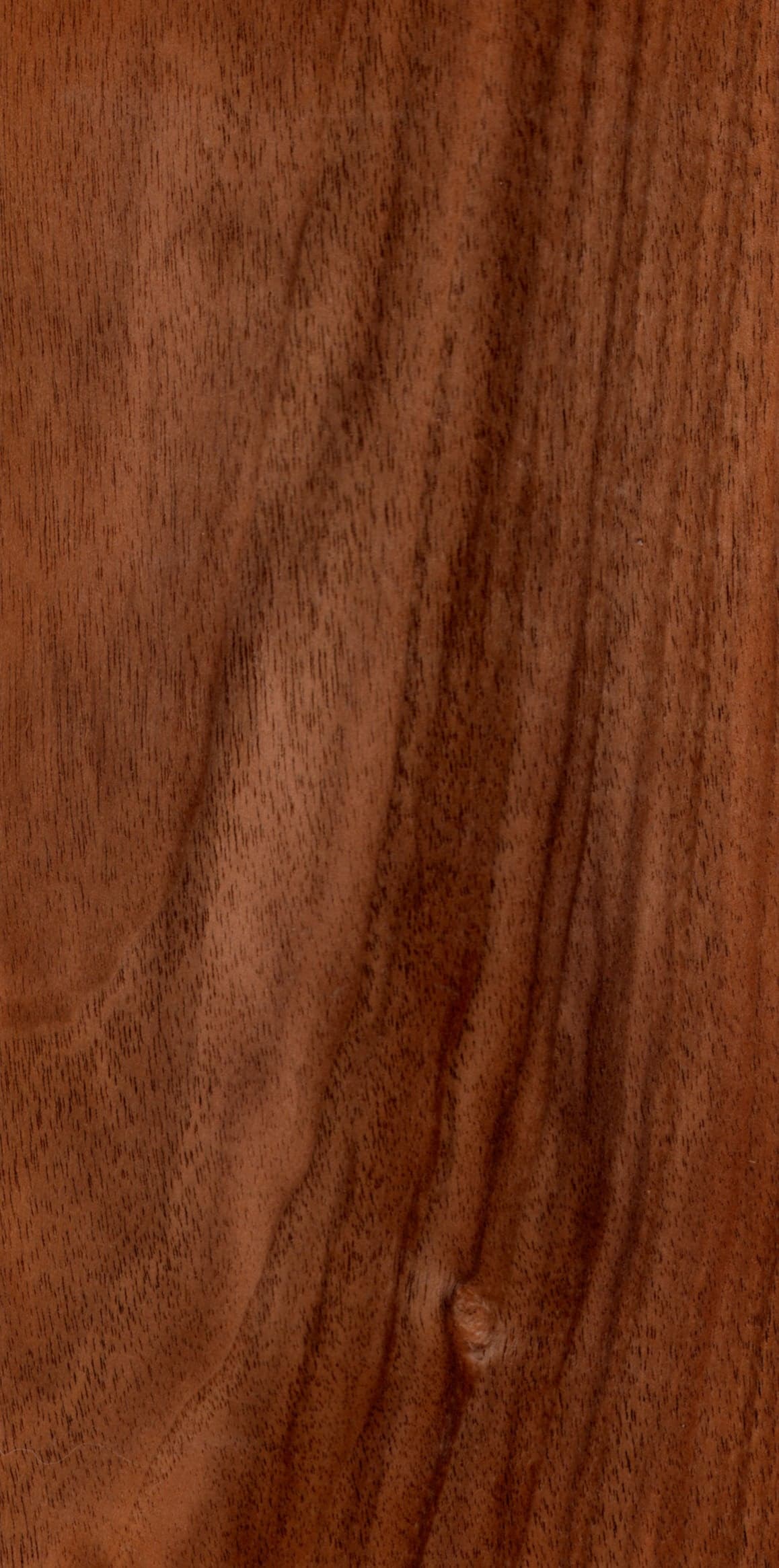
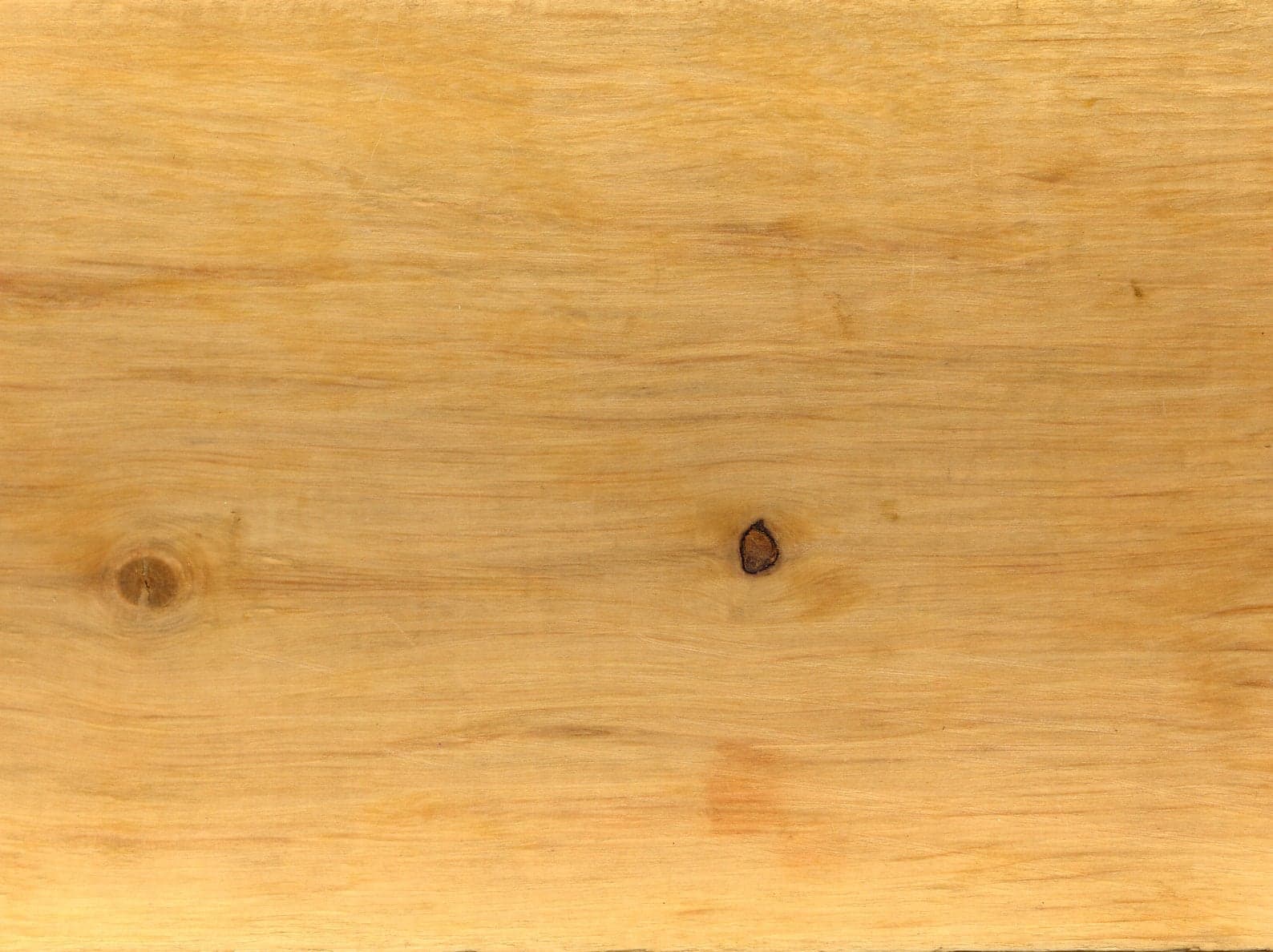
  • Usłojenie Orzech włoski

    Orzech włoski

    Juglans regia

    12 sztuk

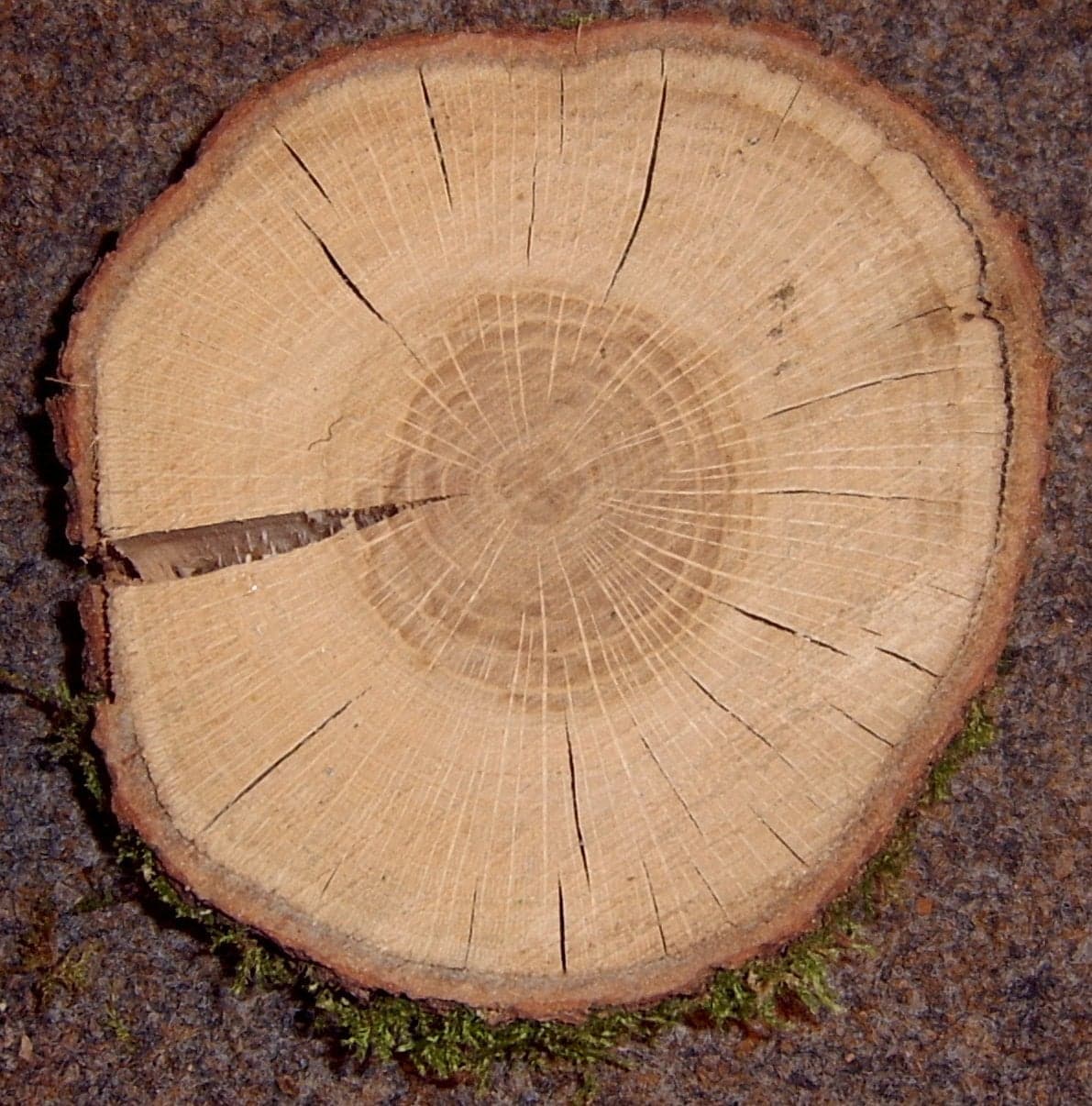
  • Usłojenie Dąb europejski

    Dąb europejski

    Quercus robur

    6 sztuk

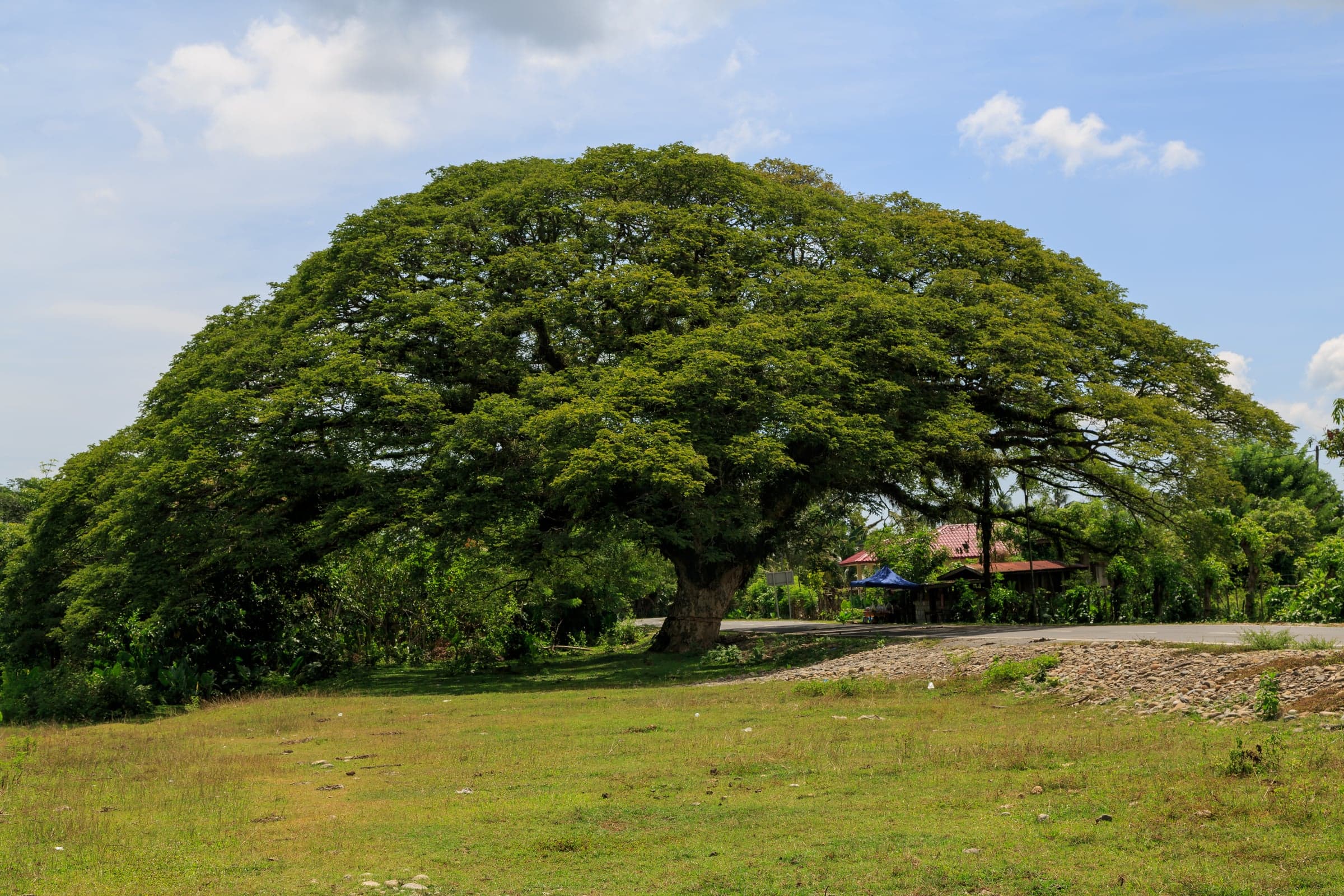
  • Usłojenie Suar

    Suar

    Samanea saman

    4 sztuki

Otrzymuj powiadomienia o drewnie Grab

Wyślemy Ci wiadomość, gdy w KORENA pojawią się nowe deski Grab. Każda sztuka jest niepowtarzalna, więc warto wiedzieć wcześniej.

Kilka wiadomości miesięcznie. Bez spamu, możesz zrezygnować w każdej chwili.

Wygląd drewna

Jak wygląda

Creamy white to pale straw, sometimes drifting to light grey-brown with age. Grain is irregular and often interlocked; texture is fine and even. Almost no figure, no drama, its character is in the surface itself, which polishes to a hard, near-ceramic feel that softer pale woods cannot match.

  • Creamy white to pale straw when fresh
  • Drifts to light grey-brown with age and UV
  • Occasional grey streaking on slower-grown stock
  • Almost figureless, reads as a clean, even pale ground
  • Polishes to a hard, near-ceramic surface sheen
  • Nieregularny układ włókien, drobna i jednolita tekstura.

Obróbka

Obróbka

A specialist wood. Density and interlocked grain blunt edges fast. Expect to sharpen often and feed slowly. Planing tears out unless irons are keen and the cut is light; a scraper or sander often finishes better than a plane. Drilling and routing demand sharp carbide. The reward is on the lathe, where it turns to a fine, crisp surface and holds detail other woods crush. Glues and screws well once pre-bored. Steam-bends reasonably for such a dense species.

Wykończenie

Sands to a glassy surface if you stay patient and step through the grits. Takes hard waxes, oils, and lacquers cleanly. Stains can blotch on the interlocked patches. Test first. Burnishes beautifully on the lathe; many turners leave it bare or oil-only.

Suszenie

Dries slowly and moves a lot, tangential shrinkage of 11 to 13 percent puts it among the most mobile European hardwoods. Prone to distortion, surface checks, and case-hardening if rushed. Air-dry under weight, then finish in a kiln on a gentle schedule. Acclimatise in the workshop for several weeks before machining, and design for movement in any wider piece.

Jak bardzo będzie pracować?

Drewno pęcznieje i kurczy się w poprzek szerokości, gdy powietrze staje się wilgotniejsze lub suchsze. Przed zaprojektowaniem mocowań oszacuj sezonową pracę blatu z drewna Grab.

Sposób przetarcia
Miejsce użytkowania

Przewidywana sezonowa praca

około 13,7 mm

Duża. Zastosuj łączniki lub wsporniki w podłużnych otworach, zostaw luz na końcach poprzecznych listew i pozwól desce zaaklimatyzować się przed montażem.

Liniowy model skurczu: szerokość × (skurcz ÷ 28 % punktu nasycenia włókien) × sezonowa zmiana wilgotności. Dla gatunku Grab używa skurczu stycznego wynoszącego 12 %. To wartość do planowania, a nie gwarancja.

Ile kosztuje

Bezpieczeństwo i pozyskiwanie

  • This species is recorded as commercially grown in Europe. This does not establish where an individual piece was harvested; check its origin details.
  • Status na Czerwonej liście IUCN: globalna ocena zagrożenia tego gatunku.
  • Food-contact safe once finished, which is why it has a long history in kitchen tools and chopping blocks. The dust is a known skin irritant and can sensitise on repeated exposure. Wear long sleeves, run good extraction, and mask up when sanding.

Przeczytaj pełny przewodnikSzczegółowe informacje o rysunku drewna, zmianie barwy, obróbce i stabilności.+

What Hornbeam actually is#

Carpinus betulus is the wear wood. At 735 kg per cubic metre and 7,260 N Janka it is the second hardest measured species in this catalogue, behind only robinia, and it has a fine even texture with no strong grain direction.

That combination, hardness without a pronounced grain to split along, is what made it the traditional wood for things that get hit, rubbed and worn: plane soles, mallet heads, gear teeth in windmill and watermill machinery, butchers blocks, and cogs.

It is not a decorative wood and it was never used as one.

Reading a hornbeam slab#

Colour is pale, near white to light cream, sometimes with grey streaking. Figure is minimal. The texture is fine and even and the surface has a slight natural lustre.

The characteristic feature of the tree is fluting: the trunk grows with pronounced longitudinal ridges rather than round, which is why hornbeam logs look twisted and why converting them to wide clean boards is awkward. Expect irregular widths and a good deal of waste.

Grain is frequently interlocked, following the fluting.

The movement problem#

Pytania kupujących

Pytania kupujących

Why is Hornbeam used for tool parts and machinery?

+

It is exceptionally hard at 7,260 N, second only to robinia among measured species here, with a fine even texture and no pronounced grain direction. That combination resists wear without splitting, which is why it was the traditional wood for plane soles, mallet heads, gear teeth in mill machinery, and butchers blocks.

How much does it move?

+

A great deal. Volumetric shrinkage of 17.0 percent ties with beech for the highest in this catalogue, and tangential shrinkage of 11.0 percent against 5.5 percent radial is a very wide differential. Hornbeam is not a wood for wide solid tops in a variable environment. It is a wood for small dense components.

Is it hard to work?

+

Yes. The density and interlocked grain blunt tooling quickly and cause tear-out, and it is heavy going by hand. The fine texture that makes it wear so well is the same thing that makes it resist cutting. Sharp carbide tooling and light cuts are the practical answer.

Can it be used outdoors?

+

No. Despite its hardness it is rated decay class 5, perishable, and it will rot readily if exposed. Hardness and durability are unrelated properties. For exterior work use robinia, oak or sweet chestnut.

Właściwości mechaniczne

Dane techniczne

Opublikowane wartości referencyjne. Gdy źródła się różnią, podajemy zakres, a w powyższych skalach stosujemy wartość typową.

Gęstość (kg/m³)Masa metra sześciennego przy wilgotności około 12 %. Cięższe drewno jest zwykle twardsze i mocniejsze.700–820 kg/m³typowo 735 kg/m³
Twardość Janki (N)Siła potrzebna do wciśnięcia stalowej kulki do połowy w drewno. Standardowa miara odporności na wgniecenia.6,900–7,700 Ntypowo 7260 N
MOR: wytrzymałość na zginanie (MPa)Wytrzymałość na zginanie: obciążenie, przy którym belka pęka.110–130 MPa
MOE: moduł sprężystości (GPa)Sztywność przy zginaniu: stopień ugięcia półki lub blatu pod obciążeniem.12.0–14.0 GPa
Skurcz promieniowySkurcz w poprzek słojów, od drewna mokrego do całkowicie suchego. W tym kierunku pracują deski przetarte promieniowo.5.5–7.0 %
Skurcz styczny
Usłojenie Grab

Beentree, via Wikimedia Commons

  • Piano and harpsichord action parts
  • Inlay and contrast bandings against dark woods
  • Mocne strony

    • Bezpieczne dla żywnościNadaje się na deski, misy i powierzchnie mające kontakt z żywnością.
    • Dobrze się gnieOcena gięcia parowego: 4 z 5. Pozwala uzyskać ciasne krzywizny.

    Uwaga

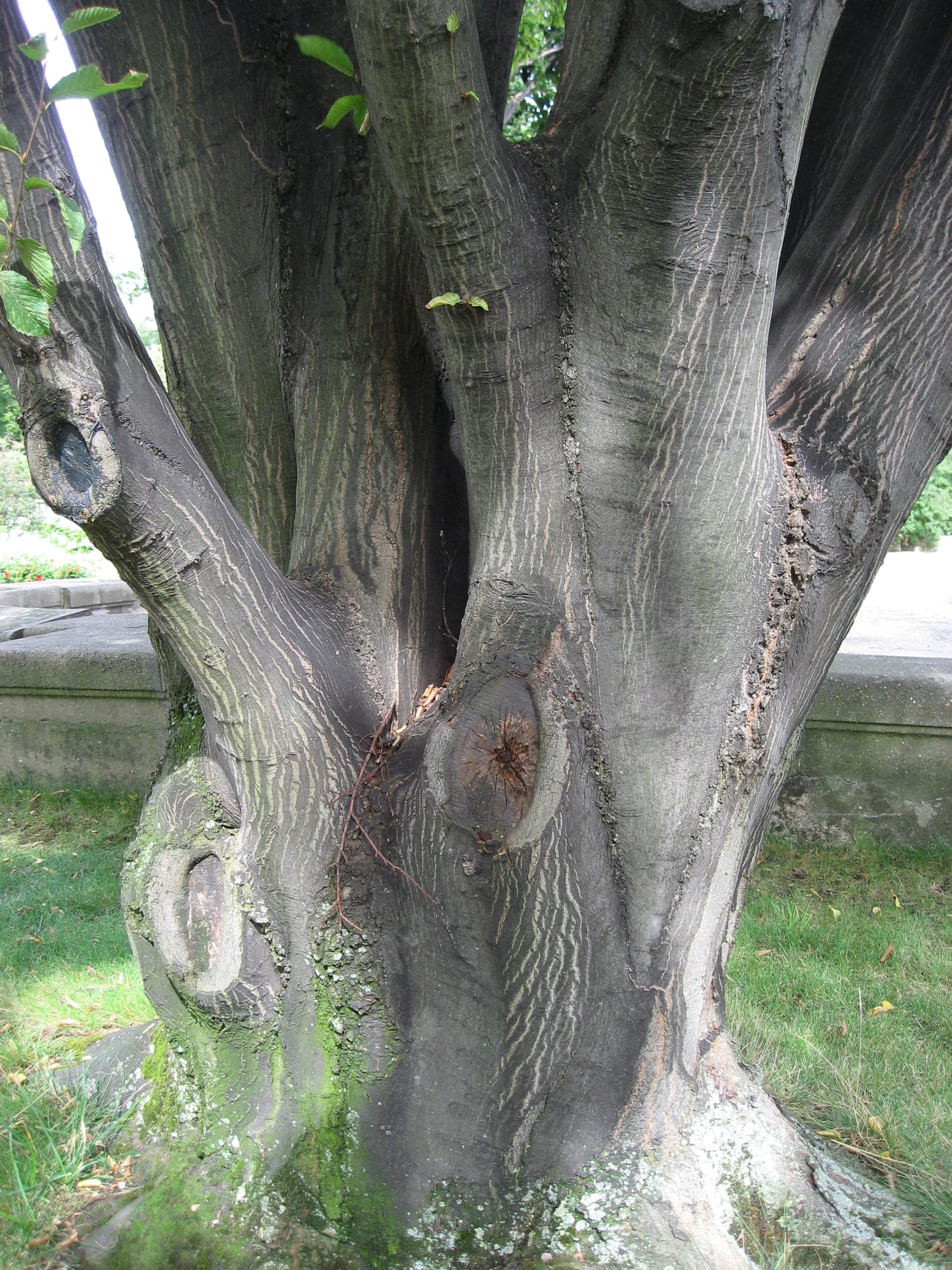
    Native to central and eastern Europe. Slow-growing, often coppiced, and recognisable in the forest by its fluted, muscle-like trunk, the reason for the folk names ironwood and musclewood.

  • Native, abundant across central and eastern European forests, and listed Least Concern by the IUCN with no CITES restriction. Often a by-product of broadleaf woodland and hedgerow management, so volumes are smaller and more local than oak or beech but the supply is genuinely sustainable.

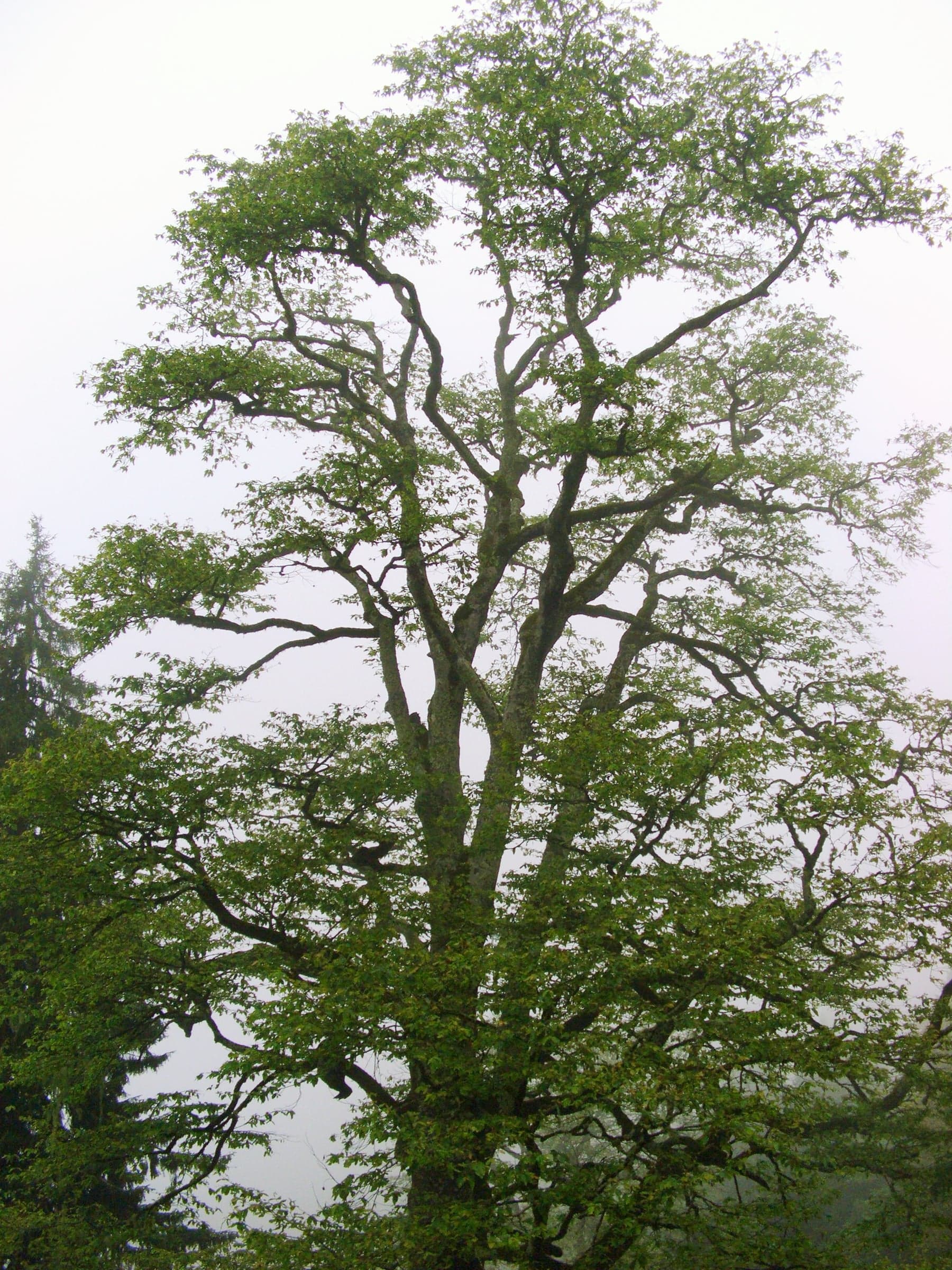
  • Drzewo Grab

    Dr. Zeynel Cebeci, via Wikimedia Commons

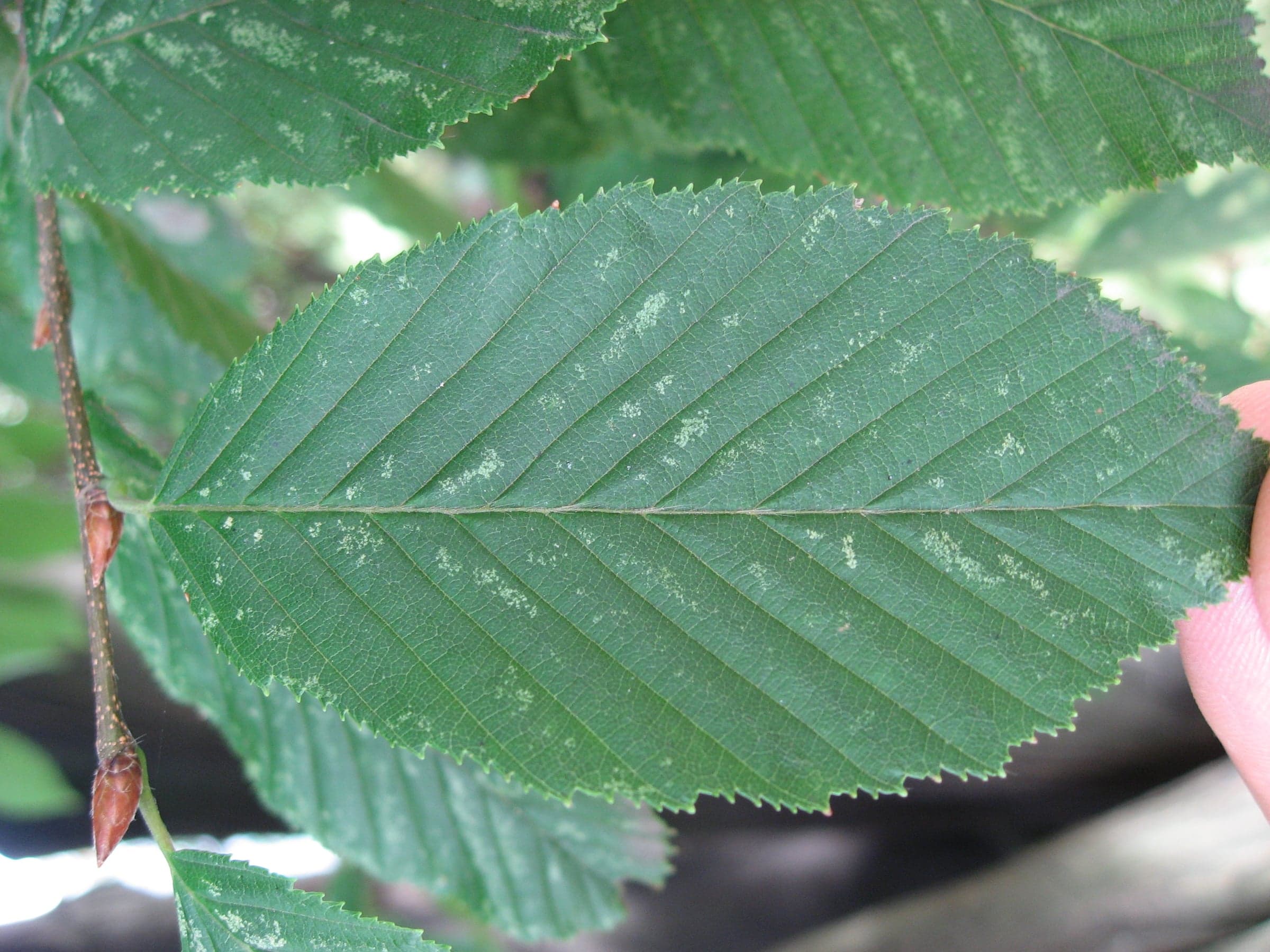
    Grab: Liść
    Liść
    Grab: Kora
    Kora

    Hornbeam ties with beech for the highest volumetric shrinkage in this catalogue at 17.0 percent, and its tangential to radial differential of 11.0 against 5.5 percent is very wide.

    This is a wood that reacts strongly to humidity. A wide solid hornbeam top in a room with underfloor heating will not stay flat.

    That is entirely consistent with its traditional applications. Plane soles, mallet heads and gear teeth are small dense components where movement is restrained by geometry or simply does not matter at that scale. Nobody historically made wide hornbeam tabletops, and the reason was not fashion.

    If you are buying a hornbeam slab, buy it for a workbench top, a butchers block, or small components, and let it float rather than fixing it.

    At the bench#

    Hornbeam is hard work. The density blunts tooling quickly, the interlocked grain tears out, and hand tools make slow progress.

    The fine texture that gives such good wear resistance is exactly what resists cutting. Sharp carbide tooling, light cuts, and a scraper or high angle plane for the final surface are the practical approach.

    It turns very well and holds crisp detail, and it takes a burnished finish straight off the tool. It glues reliably. Pilot every fastening.

    The durability trap#

    Hornbeam is decay class 5, perishable, despite being one of the hardest woods here.

    This catches people out repeatedly, and it is the same trap ash sets. Hardness and decay resistance are unrelated: one is about cell wall structure, the other about extractive chemistry. Hornbeam has excellent structure and essentially no protective extractives.

    Untreated hornbeam outdoors will rot. For exterior work use robinia at decay class 1, oak at 2, or sweet chestnut at 2.

    Kitchen and workshop use#

    It is rated food safe and is the traditional European butchers block timber. The fine dense texture resists knife scarring and cleans well, which is the whole reason it was chosen for that job.

    In the workshop it makes excellent bench tops, vice jaws, mallet heads and plane soles. A hornbeam bench top takes decades of abuse.

    Where Hornbeam is the right answer#

    Butchers blocks, workbench tops, tool parts, mallets, plane soles, gear and machine components, and turned work where wear resistance matters.

    It is the wrong answer for wide decorative tops, for anything outdoors, and where your tooling or your patience is limited.

    Sourcing and EUDR#

    Not CITES listed and assessed as Least Concern. Common across central Europe and widely grown as hedging and coppice. Timber sized material is less common than the tree's abundance suggests because of the fluted trunk form, so wide clean slabs carry a premium relative to the species' status.

    Telling hornbeam from beech#

    These two get confused constantly. Both are pale, dense, fine textured European hardwoods sold for similar workshop uses, and a machined board of either looks much like the other.

    The reliable difference is in the rays. Beech has broad, conspicuous rays that show clearly on a quartersawn face as distinct flecks and on the end grain as obvious lines. Hornbeam has fine, inconspicuous rays and shows no comparable fleck.

    Weight is the second check. Hornbeam is denser at 735 kg per cubic metre against beech at 710, and noticeably harder at 7,260 N against 6,460 N. In the hand the difference is subtle; under a plane it is not.

    The third is the trunk. Hornbeam grows with pronounced longitudinal fluting, so the log is ridged rather than round. Beech logs are round and regular.

    What the fluting costs you#

    That fluted trunk form is the reason hornbeam is expensive relative to how common the tree is.

    Converting a fluted log to square edged boards throws away a great deal of material, and the deeper the fluting the worse the yield. Wide clean hornbeam boards are correspondingly scarce.

    For slab work, the fluting is sometimes an asset rather than a loss. A slab cut to follow the natural ridged outline keeps a wavy live edge that is characteristic of the species and impossible to fake.

    Is it suitable for a chopping block?

    +

    It is rated food safe and it is the traditional European butchers block timber, chosen for exactly that use because the fine dense texture resists knife scarring and cleans well. The movement caveat applies in a kitchen, so keep it oiled and away from standing water.

    Skurcz wzdłuż słojów. W tym kierunku pracują deski przetarte stycznie i większość desek KORENA.
    11.0–13.0 %
    Skurcz objętościowyCałkowita zmiana objętości od drewna mokrego do całkowicie suchego. Niższa wartość oznacza większą stabilność.17.0–19.0 %
    Naturalna trwałość (EN 350)Europejska norma naturalnej odporności na rozkład, od 1 (bardzo trwałe) do 5 (nietrwałe).Class 5 — Perishable

    Źródła

    • The Wood Database(dostęp: 2026-05-09)
    • USDA FPL Wood Handbook FPL-GTR-190 (2010)(dostęp: 2026-05-09)
    • Meier, E. — WOOD! Identifying and Using Hundreds of Woods Worldwide (2015)(dostęp: 2026-05-09)

    W skrócie

    Poziomy mają stałe przedziały dla wszystkich gatunków prezentowanych przez KORENA, dzięki czemu można je bezpośrednio porównywać. Pod każdym widnieje zmierzona wartość.
    TwardośćOdporność na wgniecenia i zużycieBardzo twarde

    Twardość Janki: 7260 N

    O 46 % twardsze od dębu europejskiego

    MasaJak ciężka jest deska przy podnoszeniuBardzo ciężkie

    735 kg/m³

    StabilnośćJak niewiele pracuje wraz ze zmianą pór rokuMocno pracuje

    18,0 % skurczu objętościowego

    ObróbkaPiłowanie, struganie, szlifowanie i klejenieUmiarkowane

    3,6 / 5, średnia ocena obróbki

    Zastosowanie na zewnątrzNaturalna odporność na rozkład, EN 350Tylko do wnętrz

    Klasa 5 według EN 350

    • Piłowanie · DobraJak czyste daje cięcie i jak szybko tępi brzeszczoty.1 = trudna · 5 = doskonała
    • Struganie · DobraJak gładką pozostawia powierzchnię i jak często wyrywa włókna.1 = trudna · 5 = doskonała
    • Szlifowanie · DobraJak szybko można je wyszlifować na gładko bez zapychania papieru.1 = trudna · 5 = doskonała
    • Toczenie · DoskonałaJak zachowuje się podczas toczenia i wykańczania na tokarce.1 = trudna · 5 = doskonała
    • Rzeźbienie · DobraJak wyraźnie zachowuje detale wykonywane dłutem.1 = trudna · 5 = doskonała
    • Klejenie · Bardzo dobraJak niezawodnie trzymają połączenia klejone.1 = trudna · 5 = doskonała
    • Trzymanie wkrętów / gwoździ · Bardzo dobraJak dobrze trzyma wkręty i gwoździe bez pękania.1 = trudna · 5 = doskonała
    • Gięcie parowe · Bardzo dobraJak dobrze przyjmuje krzywizny po parowaniu.1 = trudna · 5 = doskonała

    Bieżące ceny drewna Grab w całej Europie za metr sześcienny bez VAT. Dotknij dowolnej ceny, aby zobaczyć szczegóły.

    • Najlepsze kłody na aukcjiWyselekcjonowane kłody wysokiej jakości sprzedawane na aukcjach ofertowych, głównie producentom oklein i mebli. Z takich kłód wycina się deski.Większość cen mieści się między 92 € a 108 €.Na podstawie 122 cen z 2 regionów.Najnowsze dane: 14 lis 2026
    • Standardowe kłodyDuże ilości standardowego drewna okrągłego sprzedawanego przez właścicieli lasów i lasy państwowe, głównie dla budownictwa i przemysłu.Większość cen mieści się między 31 € a 117 €.Na podstawie 3581 cen z 7 regionów.Najnowsze dane: 14 lis 2026

    Najlepsze kłody na aukcji według kraju

    • Niemcy · 108 € / m³Regiony: Bavaria61 cenNajnowsze dane: 14 lis 2026
    • Austria · 92 € / m³Regiony: Austria61 cenNajnowsze dane: 14 lis 2026

    Standardowe kłody według kraju

    • Rumunia · 85 € / m³Regiony: Banat / Crișana, Moldavia (Romania), Transylvania i Wallachia3455 cenNajnowsze dane: 14 lis 2026
    • Francja · 66 € / m³Regiony: Grand Est / Alsace78 cenNajnowsze dane: 15 paź 2026
    • Bułgaria · 51 € / m³Regiony: North-West Bulgaria i South-East Bulgaria48 cenNajnowsze dane: 12 lis 2026

    Dlaczego deska kosztuje więcej?

    To ceny surowego drewna. Deska jest najlepszym wycinkiem kłody, suszonym przez co najmniej rok, a następnie sprawdzanym i mierzonym sztuka po sztuce. Tylko niewielka część każdej kłody staje się deską.

    Źródło: KORENA Timber Index · Najnowsze dane: 14 lis 2026

    Zobacz wszystkie ceny regionalne
    Nie nadaje się na zewnątrz bez zabezpieczenia
    Naturalna trwałość to klasa 5 z 5 według EN 350. Stosuj we wnętrzach albo pod regularnie odnawianą powłoką.
  • Pracuje bardziej niż większość gatunkówSzerokie blaty wymagają łączników lub mocowań w podłużnych otworach oraz miejsca na ruch. Skorzystaj z kalkulatora poniżej.
  • Pył działa drażniącoWłącz odciąg i noś maskę podczas szlifowania lub obróbki.
  • Szybko tępi ostrzaBardzo twarde i gęste. Dbaj o ostrość narzędzi i nawiercaj otwory pod każdy wkręt.
  • Dotknij etykiety, aby zobaczyć szczegóły.