KORENA
DrewnoFinished piecesMateriałySkładyMagazyn

Otrzymuj powiadomienia

Każda deska jest niepowtarzalna. Gdy się sprzeda, znika. Piszemy, gdy pojawiają się nowe sztuki: świeże dostawy, nowe gatunki i deski dopasowane do projektu.

Kilka wiadomości miesięcznie. Bez spamu, możesz zrezygnować w każdej chwili.

KORENA, wysokiej jakości drewno liściaste

Jedna sztuka naraz.

Zweryfikowane drewno liściaste wysokiej jakości, sprzedawane sztuka po sztuce. Każda deska jest fotografowana, mierzona i wysyłana ze składu partnerskiego z paszportem drewna.

Sklep

  • Przeglądaj produkty
  • Archiwum sprzedanych
  • Śledź zamówienie

Wiedza

  • Magazyn
  • Przewodniki po gatunkach
  • Słownik
  • Porównaj
  • Autorzy

Pomoc

  • O nas
  • Jak to działa
  • Zostań składem partnerskim
  • Znajdź deskę
  • Pomoc
  • Wzory dokumentów
  • Dla mediów

Zakupy

  • Warunki sprzedaży
  • Prawo odstąpienia
  • Zwroty i gwarancja
  • Wysyłka i dostawa

Zaufanie

  • Polityka prywatności
  • Polityka plików cookie
  • Pochodzenie drewna i EUDR
  • Dostępność

Informacje prawne

  • Nota prawna / informacje o firmie
  • Dopuszczalne użytkowanie
  • Własność intelektualna i treści

© 2026 KORENA. Wszelkie prawa zastrzeżone.

Operatorem jest Martial Labs Ltd. (BG, EIK 207453941). KORENA jest nazwą handlową Martial Labs Ltd.

Szanujemy Twoją prywatność

Używamy niezbędnych plików cookie, aby witryna działała. Za Twoją zgodą użyjemy również plików cookie do analityki, spersonalizowanych treści i reklam. W każdej chwili możesz zmienić decyzję na stronie ustawień zgody. Zobacz naszą politykę plików cookie i politykę prywatności.

  1. Strona główna
  2. /
  3. Gatunki
  4. /
  5. Hard Maple

Acer saccharum

Hard Maple

The canonical butcher-block and kitchen-island wood. Pale, dense, food-safe, and hard-wearing. North American import, long established as a furniture-grade species through European channels.

  • Uprawiane poza Europą i importowane przez europejskie składy.
  • Grupa botaniczna. Drewno iglaste pochodzi z drzew iglastych, a liściaste z drzew liściastych.
  • Rodzina botaniczna, do której należy gatunek.
Powiadom mnie, gdy się pojawiGatunek referencyjny. Obecnie brak dostępnych sztuk.
  • Dopasowanie do projektu
  • Dostępne
  • Wygląd
  • Obróbka
  • Praca drewna
  • Cena
  • Bezpieczeństwo i pozyskiwanie
  • Pytania
  • Dane techniczne

Czy pasuje do Twojego projektu?

Świetne do

  • Butcher blocks, chopping boards, and kitchen islands
  • Worktops and heavy-use table tops
  • Stair treads and flooring in high-traffic rooms
  • Cabinet interiors, drawer sides, and shaker-style fronts
  • Turned bowls, handles, and tool components
  • Instrument backs, necks, and sides, especially curly or bird's-eye stock

Brak drewna Hard Maple w bieżącej dostawie

Dostępne podobne gatunki

Obecnie nie ma drewna Hard Maple. Te gatunki nadają się do podobnych projektów i są dostępne.
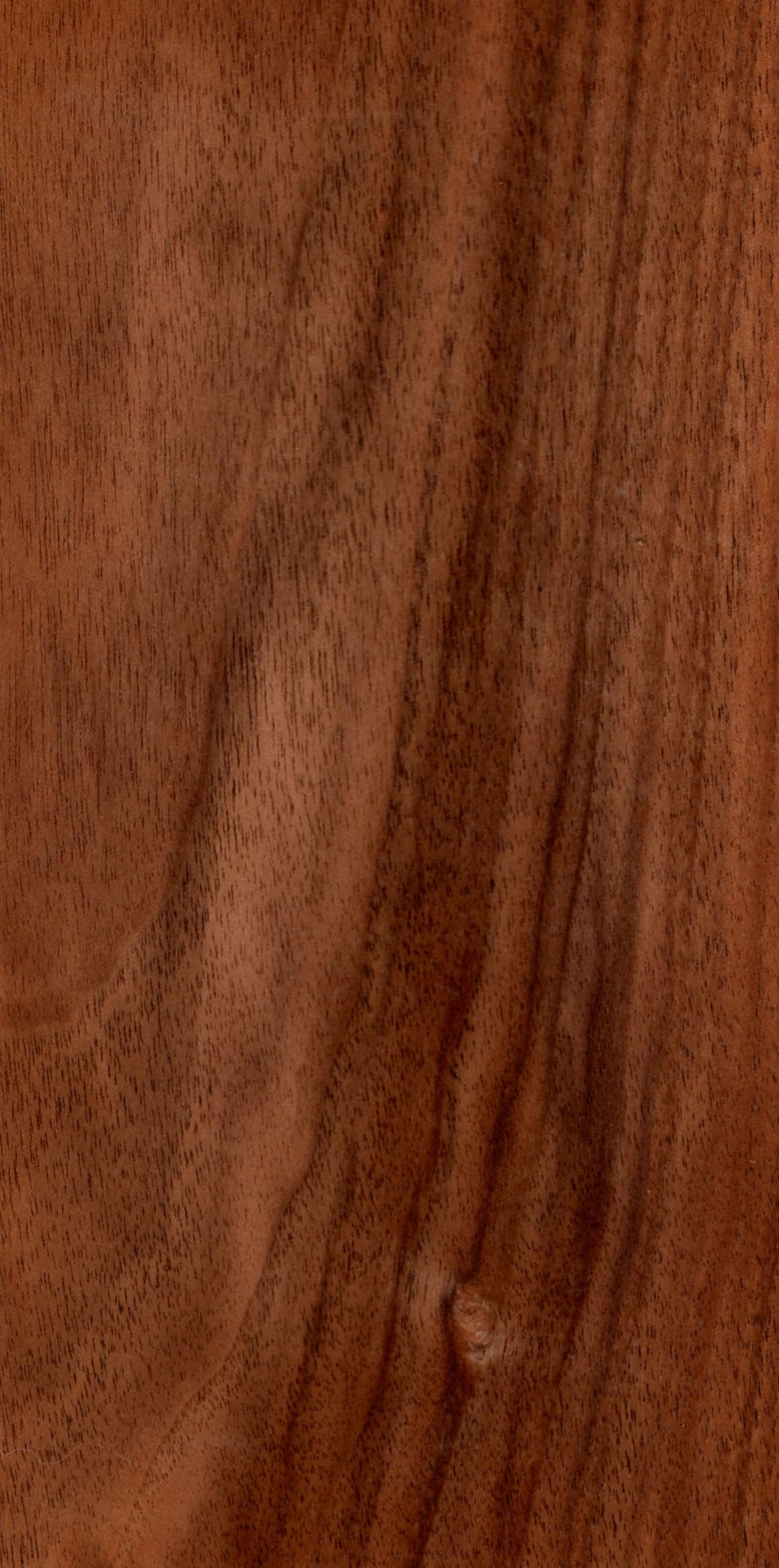
  • Usłojenie European Walnut

    European Walnut

    Juglans regia

    9 sztuk

  • Usłojenie European Oak

    European Oak

    Quercus robur

    6 sztuk

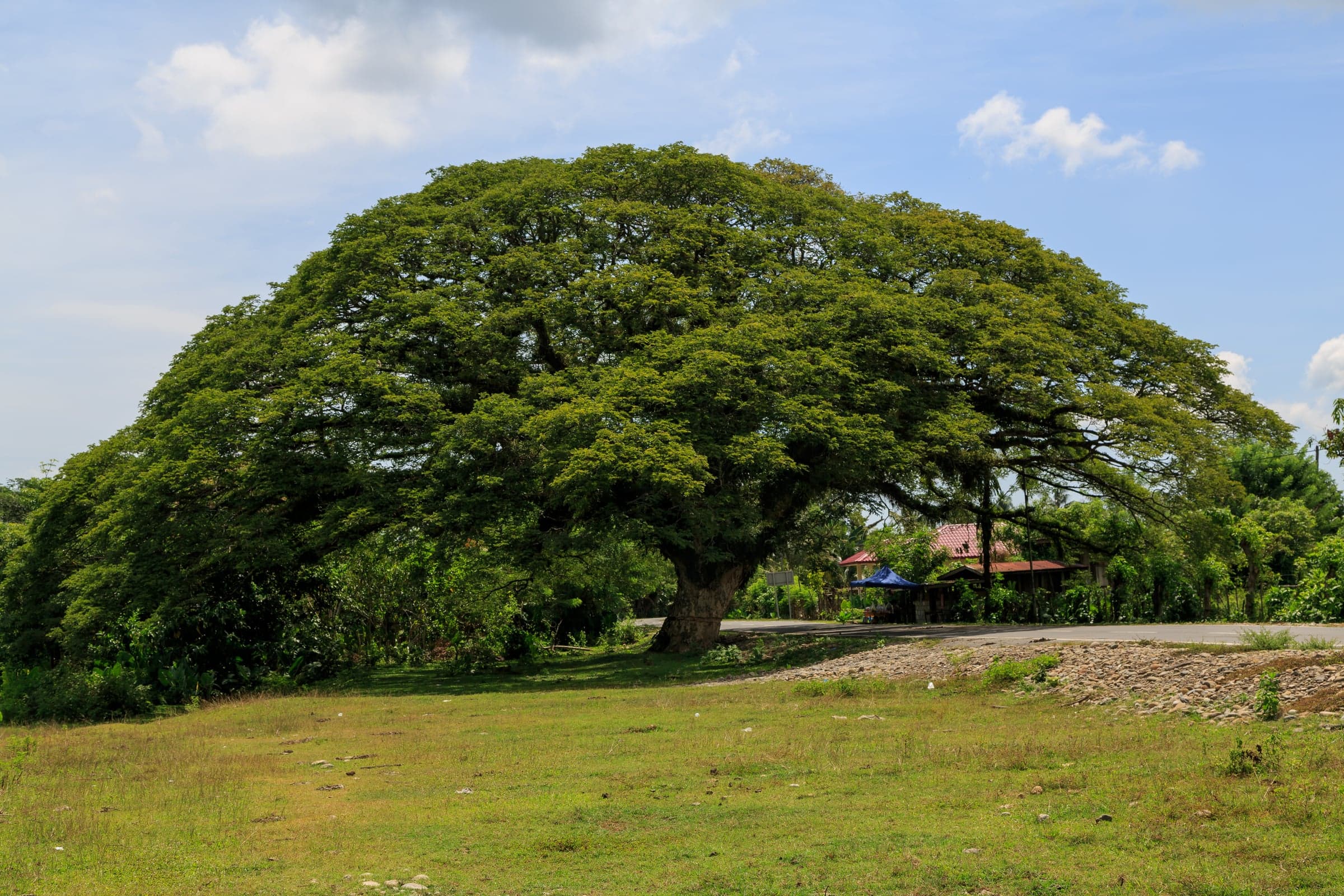
  • Usłojenie Saman

    Saman

    Samanea saman

    4 sztuki

Otrzymuj powiadomienia o drewnie Hard Maple

Wyślemy Ci wiadomość, gdy w KORENA pojawią się nowe deski Hard Maple. Każda sztuka jest niepowtarzalna, więc warto wiedzieć wcześniej.

Kilka wiadomości miesięcznie. Bez spamu, możesz zrezygnować w każdej chwili.

Wygląd drewna

Jak wygląda

Creamy white sapwood, often with a slight reddish-brown heart. Grain is usually straight and fine, with an even texture that takes detail crisply. A small share of logs throw figure: tight curl (fiddleback) or scattered bird's-eye dots, both highly sought for furniture fronts and instrument backs, including the classic Stradivari violin back. The pale surface yellows gently under UV over time.

  • Creamy white to pale off-white sapwood, the commercial face of the species
  • Light reddish or golden-brown heartwood, usually trimmed out for uniform pale stock
  • Yellows slightly and warmly under UV over months and years
  • Bird's-eye figure: scattered dark dots across a pale field
  • Curly figure: tight chatoyant ripples that shift under raking light
  • Generally straight; sometimes curly or birds-eye figure.

Obróbka

Obróbka

Hard and dense, so plan tooling accordingly. Saws and planes cleanly with sharp carbide; dull edges burn quickly, especially on router cuts and end-grain work. Turns superbly, one of the finest turning hardwoods available. Sands well once flat. Curly and bird's-eye stock is prone to tear-out under straight knives; use a high cutting angle or finish with a scraper or sander. Glues and screws reliably; pre-drill near edges. Steam-bends adequately, not as freely as Ash or Beech.

Wykończenie

Sands to a glassy surface and finishes beautifully under clear oil, hardwax oil, or lacquer, which lets the figure read. Be honest about stain: Hard Maple is famously blotchy. The dense, tight grain absorbs pigment unevenly, so dye stains and oil stains often land patchy. If you must stain, use a pre-stain conditioner or gel stain and test on offcuts. Most makers leave it clear or lightly toned. A water-pop before finishing helps consistency on figured stock.

Suszenie

Tangential shrinkage is high (roughly 9.5–10.5%) against modest radial movement, so the wood is dimensionally lively and prone to cup if rushed. Dry slowly, sticker carefully, and weigh the top of the stack. Once at EMC it stays put well in conditioned interiors. Acclimatise boards for at least a week in the shop before machining.

Jak bardzo będzie pracować?

Drewno pęcznieje i kurczy się w poprzek szerokości, gdy powietrze staje się wilgotniejsze lub suchsze. Przed zaprojektowaniem mocowań oszacuj sezonową pracę blatu z drewna Hard Maple.

Sposób przetarcia
Miejsce użytkowania

Przewidywana sezonowa praca

około 11,4 mm

Przymocuj blat łącznikami lub wspornikami w podłużnych otworach, bez kleju i mocno dokręconych wkrętów.

Liniowy model skurczu: szerokość × (skurcz ÷ 28 % punktu nasycenia włókien) × sezonowa zmiana wilgotności. Dla gatunku Hard Maple używa skurczu stycznego wynoszącego 10 %. To wartość do planowania, a nie gwarancja.

Ile kosztuje

Bezpieczeństwo i pozyskiwanie

  • Uprawiane poza Europą i importowane przez europejskie składy.
  • Status na Czerwonej liście IUCN: globalna ocena zagrożenia tego gatunku.
  • Food-contact safe, this is the wood butcher blocks and chopping boards are built from, and it has no known toxicity in service. Dust is the real concern: maple dust is a documented respiratory sensitiser, and all hardwood dust is IARC Group 1. Run extraction at the source, wear a fitted P3 mask when sanding or routing, and keep the shop clean.

Przeczytaj pełny przewodnikSzczegółowe informacje o rysunku drewna, zmianie barwy, obróbce i stabilności.+

What Hard Maple actually is#

Acer saccharum is the sugar maple, and it is the wood most kitchen and workshop surfaces should be made from.

The reasoning is specific. It is dense at 705 kg per cubic metre and hard at 6,450 N. It is closed grained, meaning no open pores for moisture and residue to lodge in. It is rated food safe. And it is essentially odourless and tasteless, so it does not transfer flavour.

No other species in this catalogue combines all four. Oak is food safe but open pored. Beech is food safe and closed grained but moves far more. Maple is the reason butchers blocks look the way they do.

Hard maple and soft maple#

This is the most common confusion in maple buying and it matters.

Hard maple is Acer saccharum specifically. Soft maple is a trade term covering several other Acer species, typically around 4,000 N Janka against hard maple's 6,450 N. They look broadly similar and are regularly conflated in listings.

For a decorative panel the difference is minor. For a chopping board, a workbench top or a floor, buying soft maple when you specified hard is a real downgrade. Check the botanical name rather than the trade name.

European Sycamore, Acer pseudoplatanus, is a third relative also sold as maple in some markets, and at 4,680 N it sits between the two.

Pytania kupujących

Pytania kupujących

Why is Hard Maple the standard for chopping boards?

+

It is dense at 705 kg per cubic metre, hard at 6,450 N, closed grained with no open pores for residue to lodge in, food safe, and almost odourless and tasteless. That combination is why it is the industry standard for butchers blocks and cutting boards, and why it is preferred over oak, which is open pored.

What is the difference between hard and soft maple?

+

Hard maple is Acer saccharum, the sugar maple. Soft maple covers several other Acer species that are lighter and softer, typically around 4,000 N Janka against 6,450 N. They look similar and are frequently confused in sale listings. For a work surface the difference matters a great deal.

What causes curly and birdseye figure?

+

Curly or flame figure is a wave in the grain that produces a rippling chatoyance across the board. Birdseye is a pattern of small swirled eyes whose cause is still not fully explained. Neither is predictable from the standing tree, both occur in a small proportion of trees, and both command large premiums over plain maple.

Does maple stain well?

+

Właściwości mechaniczne

Dane techniczne

Opublikowane wartości referencyjne. Gdy źródła się różnią, podajemy zakres, a w powyższych skalach stosujemy wartość typową.

Gęstość (kg/m³)Masa metra sześciennego przy wilgotności około 12 %. Cięższe drewno jest zwykle twardsze i mocniejsze.640–755 kg/m³typowo 705 kg/m³
Twardość Janki (N)Siła potrzebna do wciśnięcia stalowej kulki do połowy w drewno. Standardowa miara odporności na wgniecenia.6,000–7,000 Ntypowo 6450 N
MOR: wytrzymałość na zginanie (MPa)Wytrzymałość na zginanie: obciążenie, przy którym belka pęka.100–115 MPa
MOE: moduł sprężystości (GPa)Sztywność przy zginaniu: stopień ugięcia półki lub blatu pod obciążeniem.11.5–13.0 GPa
Skurcz promieniowySkurcz w poprzek słojów, od drewna mokrego do całkowicie suchego. W tym kierunku pracują deski przetarte promieniowo.4.5–5.5 %
Skurcz styczny
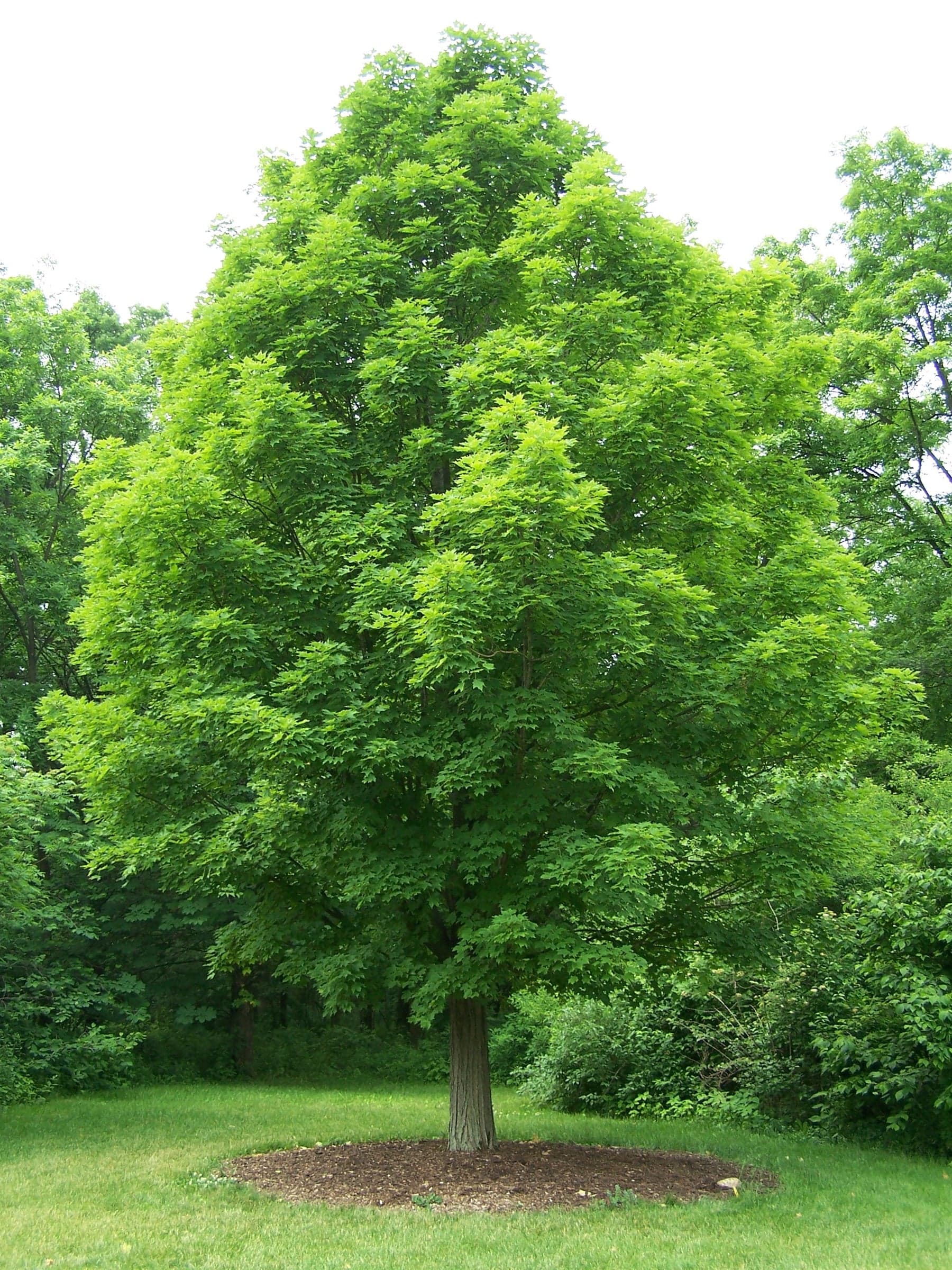
Drzewo Hard Maple

Bruce Marlin, via Wikimedia Commons

  • Sports goods: bowling pins, baseball bats, gym floors
  • Mocne strony

    • Bezpieczne dla żywnościNadaje się na deski, misy i powierzchnie mające kontakt z żywnością.
    • Dobrze się gnieOcena gięcia parowego: 4 z 5. Pozwala uzyskać ciasne krzywizny.

    Uwaga

    Native to eastern North America, Canada and the northern United States, not to Europe. Imported as a furniture-grade hardwood with a long, well-established trade route into the EU. Sometimes sold as Sugar Maple or Rock Maple; all are Acer saccharum.

  • IUCN Least Concern, no CITES listing. Managed commercially across Canada and the northeastern US under long-standing forestry regimes. As a non-EU import it carries longer transport miles than European species and a fuller EUDR due-diligence trail through the supply chain. FSC and PEFC certified stock is widely available. Ask for it.

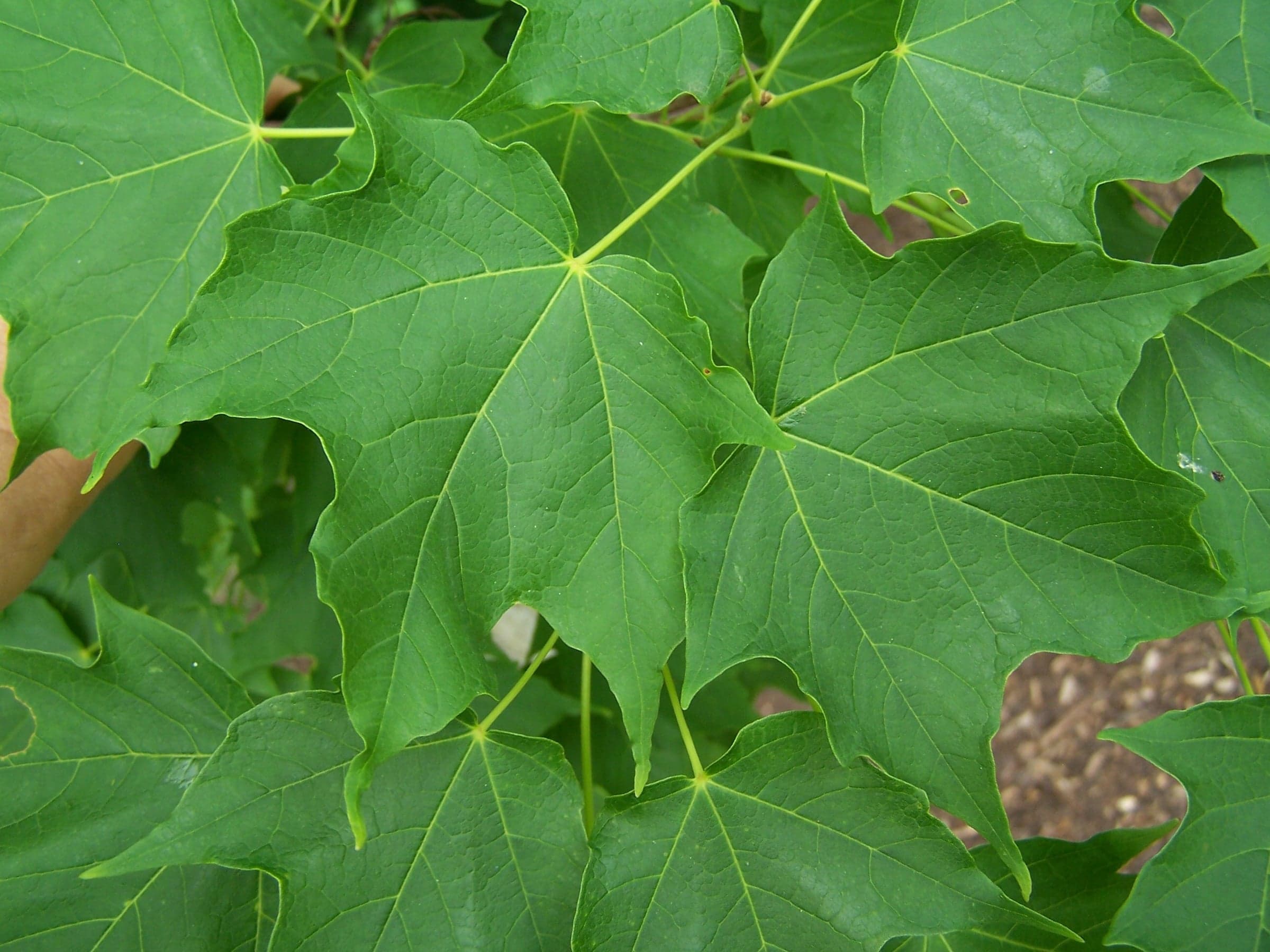
  • Hard Maple: Liść
    Liść
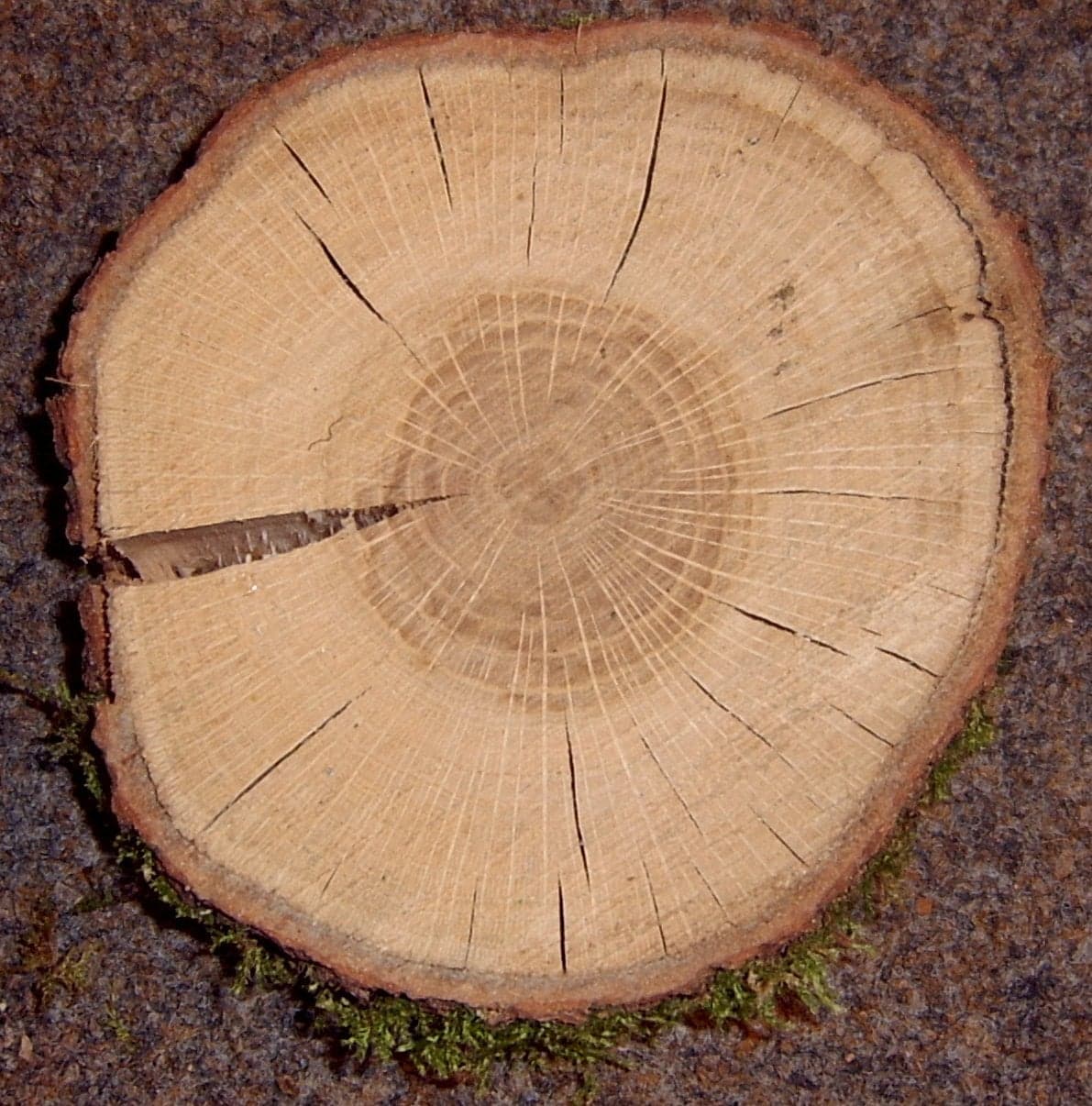
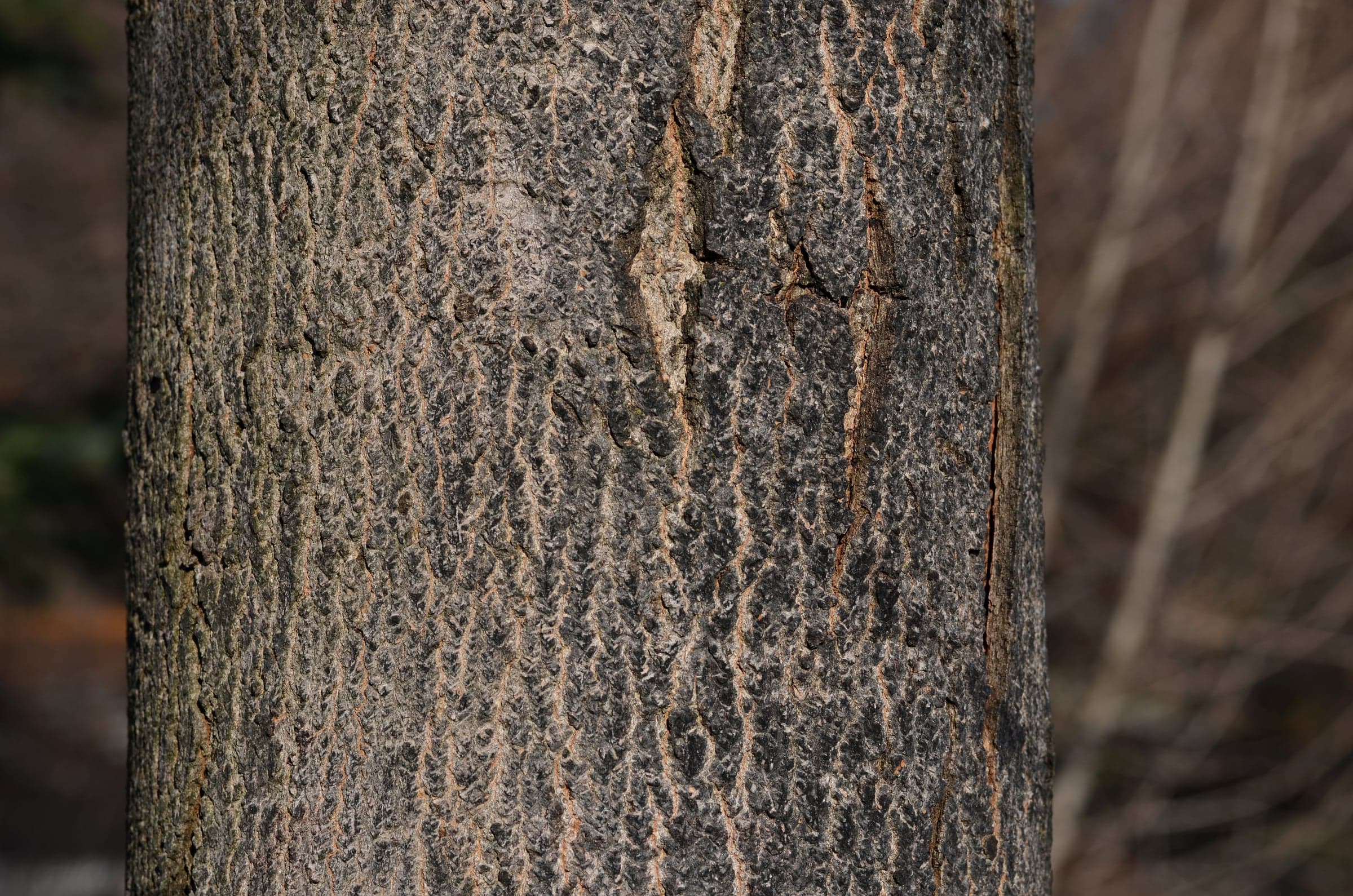
    Hard Maple: Kora
    Kora

    The figure premium#

    Plain hard maple is a quiet, pale, almost featureless wood. A small proportion of trees produce figure, and it is priced very differently.

    Curly or flame maple carries a wave in the grain that produces rippling chatoyance shifting with viewing angle. Birdseye maple shows a pattern of small swirled eyes across the surface, and its cause is still not fully explained.

    Neither is predictable from the standing tree, which is why figured maple is expensive: it is found rather than grown.

    The staining problem#

    Maple's main weakness is finishing. The dense closed grain that makes it hygienic makes it absorb stain unevenly, and it blotches badly, particularly on flatsawn faces and in figured stock where the grain wave changes absorption from millimetre to millimetre.

    Pigment stain on curly maple will produce a muddy, patchy result that obscures the very figure you paid for.

    Use a dye rather than a pigment stain, or a gel stain that sits on the surface, or seal first with a thin washcoat. Test on an offcut from the same board every time, because behaviour varies between boards of the same species.

    Most figured maple is best finished clear, with an oil or a water based finish, letting the chatoyance carry the surface.

    At the bench#

    It works cleanly with sharp tools and blunts them at a fair rate. It turns very well, holds crisp detail, glues reliably and takes fastenings securely with pilot holes.

    Figured stock tears out and wants light cuts, a high angle plane or a scraper.

    It sands to a very fine surface, which suits its usual clear finish.

    Movement#

    Volumetric shrinkage of 14.5 percent is on the high side, with tangential at 9.5 percent against radial at 4.5 percent, a wide differential. Flatsawn maple cups.

    For a chopping block this matters less than it sounds, because blocks are usually built as laminated end grain or edge grain constructions where movement is distributed and restrained. For a wide solid top, quartersawn is worth the cost.

    Where Hard Maple is the right answer#

    Chopping boards and butchers blocks, kitchen worktops, workbench tops, flooring, and any decorative work where curly or birdseye figure is the design.

    It is the wrong answer outdoors, being decay class 5, and wrong wherever a rich stained colour is the goal.

    Sourcing and EUDR#

    Not CITES listed and assessed as Least Concern. Native to eastern North America, so European buyers are usually importing, with the longer documentation chain that implies. Where a pale dense European alternative is acceptable, European Sycamore or beech cover similar ground with a shorter chain, though neither matches hard maple for a food surface.

    Spalted maple#

    Because maple is pale and perishable, it spalts readily, and spalted maple is a category in its own right.

    Spalting is the early stage of fungal decay. Different fungi competing within a log lay down black zone lines where their territories meet, producing fine dark tracery across a pale background. The effect is unlike any grain figure and cannot be imitated.

    The difficulty is that spalting is decay, and it does not stop by itself. Timber left too long goes soft, punky and structurally useless. Usable spalted maple is caught at a specific moment and then dried to kill the fungus.

    Buying spalted stock means checking soundness rather than just admiring the pattern. Press a fingernail into the palest zones: if it sinks easily the wood has gone too far. Punky areas can be stabilised with resin for turning but are not suitable for a work surface.

    Spalted dust also carries a higher fungal spore load than sound timber, so extraction and a mask matter more than usual.

    End grain against edge grain blocks#

    For a chopping block, the construction matters as much as the species.

    End grain blocks present the cut fibre ends upward, so a knife edge parts the fibres rather than severing them and the surface closes behind the cut. They are kinder to knives and self healing, but they absorb more moisture and need more maintenance.

    Edge grain blocks are simpler to build, more dimensionally stable and easier to keep dry, at the cost of showing knife marks sooner.

    Both work in hard maple. End grain is the traditional butchers block and the better performing surface if you will look after it.

    Poorly, and this is its main finishing weakness. The dense closed grain absorbs pigment unevenly and blotches badly, particularly on flatsawn faces and in figured stock. Use a dye, a gel stain, or a conditioner first, and always test on an offcut from the same board.

    Can it be used outdoors?

    +

    No. It is rated decay class 5, perishable, and offers no meaningful resistance to rot or insect attack. Maple is strictly interior. For exterior work choose robinia, oak or sweet chestnut.

    Skurcz wzdłuż słojów. W tym kierunku pracują deski przetarte stycznie i większość desek KORENA.
    9.5–10.5 %
    Skurcz objętościowyCałkowita zmiana objętości od drewna mokrego do całkowicie suchego. Niższa wartość oznacza większą stabilność.14.5–16.0 %
    Naturalna trwałość (EN 350)Europejska norma naturalnej odporności na rozkład, od 1 (bardzo trwałe) do 5 (nietrwałe).Class 5 — Perishable

    Źródła

    • The Wood Database(dostęp: 2026-05-09)
    • USDA FPL Wood Handbook FPL-GTR-190 (2010)(dostęp: 2026-05-09)
    • Meier, E. — WOOD! Identifying and Using Hundreds of Woods Worldwide (2015)(dostęp: 2026-05-09)

    W skrócie

    Poziomy mają stałe przedziały dla wszystkich gatunków prezentowanych przez KORENA, dzięki czemu można je bezpośrednio porównywać. Pod każdym widnieje zmierzona wartość.
    TwardośćOdporność na wgniecenia i zużycieTwarde

    Twardość Janki: 6450 N

    O 30 % twardsze od dębu europejskiego

    MasaJak ciężka jest deska przy podnoszeniuCiężkie

    705 kg/m³

    StabilnośćJak niewiele pracuje wraz ze zmianą pór rokuMocno pracuje

    15,3 % skurczu objętościowego

    ObróbkaPiłowanie, struganie, szlifowanie i klejenieUmiarkowane

    3,7 / 5, średnia ocena obróbki

    Zastosowanie na zewnątrzNaturalna odporność na rozkład, EN 350Tylko do wnętrz

    Klasa 5 według EN 350

    • Piłowanie · DobraJak czyste daje cięcie i jak szybko tępi brzeszczoty.1 = trudna · 5 = doskonała
    • Struganie · DobraJak gładką pozostawia powierzchnię i jak często wyrywa włókna.1 = trudna · 5 = doskonała
    • Szlifowanie · Bardzo dobraJak szybko można je wyszlifować na gładko bez zapychania papieru.1 = trudna · 5 = doskonała
    • Toczenie · DoskonałaJak zachowuje się podczas toczenia i wykańczania na tokarce.1 = trudna · 5 = doskonała
    • Rzeźbienie · DobraJak wyraźnie zachowuje detale wykonywane dłutem.1 = trudna · 5 = doskonała
    • Klejenie · Bardzo dobraJak niezawodnie trzymają połączenia klejone.1 = trudna · 5 = doskonała
    • Trzymanie wkrętów / gwoździ · Bardzo dobraJak dobrze trzyma wkręty i gwoździe bez pękania.1 = trudna · 5 = doskonała
    • Gięcie parowe · Bardzo dobraJak dobrze przyjmuje krzywizny po parowaniu.1 = trudna · 5 = doskonała

    Nie ma jeszcze rynkowej ceny referencyjnej dla drewna Hard Maple. Każda sztuka KORENA jest wyceniana osobno przez skład partnerski.

    Nie nadaje się na zewnątrz bez zabezpieczenia
    Naturalna trwałość to klasa 5 z 5 według EN 350. Stosuj we wnętrzach albo pod regularnie odnawianą powłoką.
  • Pracuje bardziej niż większość gatunkówSzerokie blaty wymagają łączników lub mocowań w podłużnych otworach oraz miejsca na ruch. Skorzystaj z kalkulatora poniżej.
  • Pył działa drażniącoWłącz odciąg i noś maskę podczas szlifowania lub obróbki.
  • Dotknij etykiety, aby zobaczyć szczegóły.