KORENA
DrewnoFinished piecesMateriałySkładyMagazyn

Otrzymuj powiadomienia

Każda deska jest niepowtarzalna. Gdy się sprzeda, znika. Piszemy, gdy pojawiają się nowe sztuki: świeże dostawy, nowe gatunki i deski dopasowane do projektu.

Kilka wiadomości miesięcznie. Bez spamu, możesz zrezygnować w każdej chwili.

KORENA, wysokiej jakości drewno liściaste

Jedna sztuka naraz.

Zweryfikowane drewno liściaste wysokiej jakości, sprzedawane sztuka po sztuce. Każda deska jest fotografowana, mierzona i wysyłana ze składu partnerskiego z paszportem drewna.

Sklep

  • Przeglądaj produkty
  • Archiwum sprzedanych
  • Śledź zamówienie

Wiedza

  • Magazyn
  • Przewodniki po gatunkach
  • Słownik
  • Porównaj
  • Autorzy

Pomoc

  • O nas
  • Jak to działa
  • Zostań składem partnerskim
  • Znajdź deskę
  • Pomoc
  • Wzory dokumentów
  • Dla mediów

Zakupy

  • Warunki sprzedaży
  • Prawo odstąpienia
  • Zwroty i gwarancja
  • Wysyłka i dostawa

Zaufanie

  • Polityka prywatności
  • Polityka plików cookie
  • Pochodzenie drewna i EUDR
  • Dostępność

Informacje prawne

  • Nota prawna / informacje o firmie
  • Dopuszczalne użytkowanie
  • Własność intelektualna i treści

© 2026 KORENA. Wszelkie prawa zastrzeżone.

Operatorem jest Martial Labs Ltd. (BG, EIK 207453941). KORENA jest nazwą handlową Martial Labs Ltd.

Szanujemy Twoją prywatność

Używamy niezbędnych plików cookie, aby witryna działała. Za Twoją zgodą użyjemy również plików cookie do analityki, spersonalizowanych treści i reklam. W każdej chwili możesz zmienić decyzję na stronie ustawień zgody. Zobacz naszą politykę plików cookie i politykę prywatności.

  1. Strona główna
  2. /
  3. Gatunki
  4. /
  5. Silver Birch

Betula pendula

Silver Birch

Harder than oak and stiffer than anything else KORENA lists, hiding behind a plain pale face. The best turning wood here.

  • Uprawiane i pozyskiwane w Europie.
  • Grupa botaniczna. Drewno iglaste pochodzi z drzew iglastych, a liściaste z drzew liściastych.
  • Rodzina botaniczna, do której należy gatunek.
Powiadom mnie, gdy się pojawiGatunek referencyjny. Obecnie brak dostępnych sztuk.
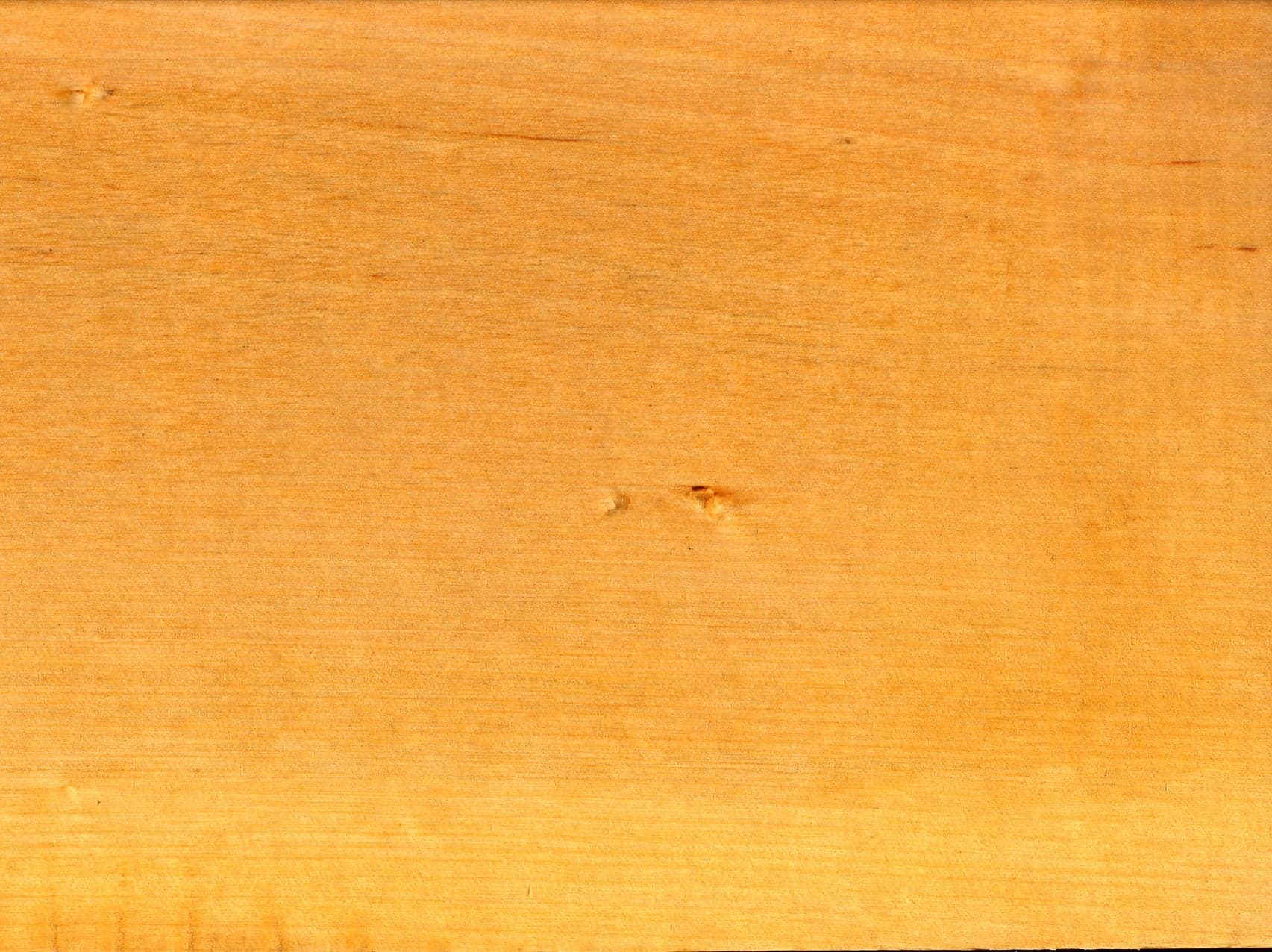
Usłojenie Silver Birch
  • Dopasowanie do projektu
  • Dostępne
  • Wygląd
  • Obróbka
  • Cena
  • Bezpieczeństwo i pozyskiwanie
  • Pytania
  • Dane techniczne

Czy pasuje do Twojego projektu?

Świetne do

  • Turned work
  • Painted furniture
  • Cabinetry and carcass work
  • Veneer and plywood
  • Interior joinery

Brak drewna Silver Birch w bieżącej dostawie

Dostępne podobne gatunki

Obecnie nie ma drewna Silver Birch. Te gatunki nadają się do podobnych projektów i są dostępne.
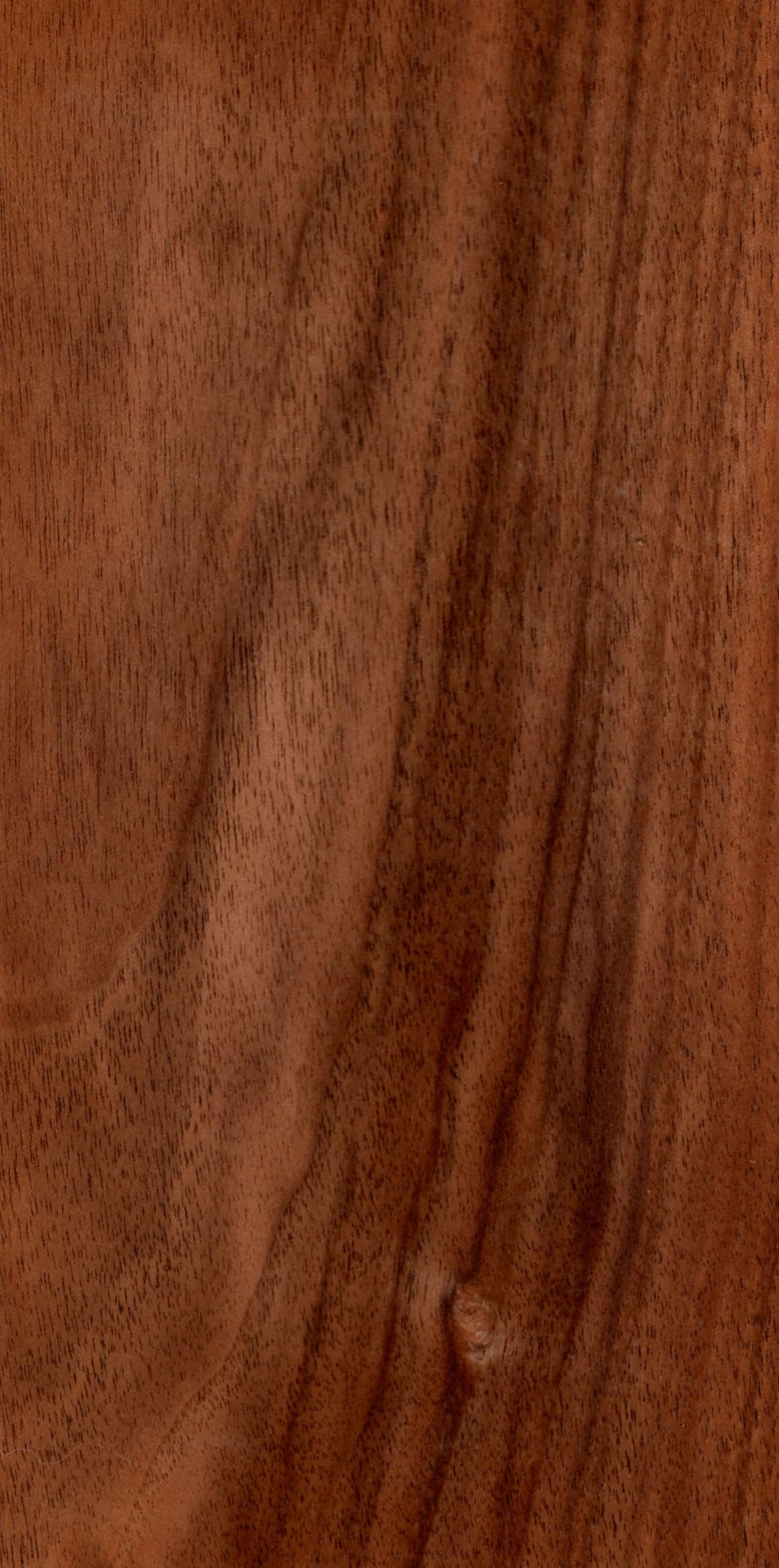
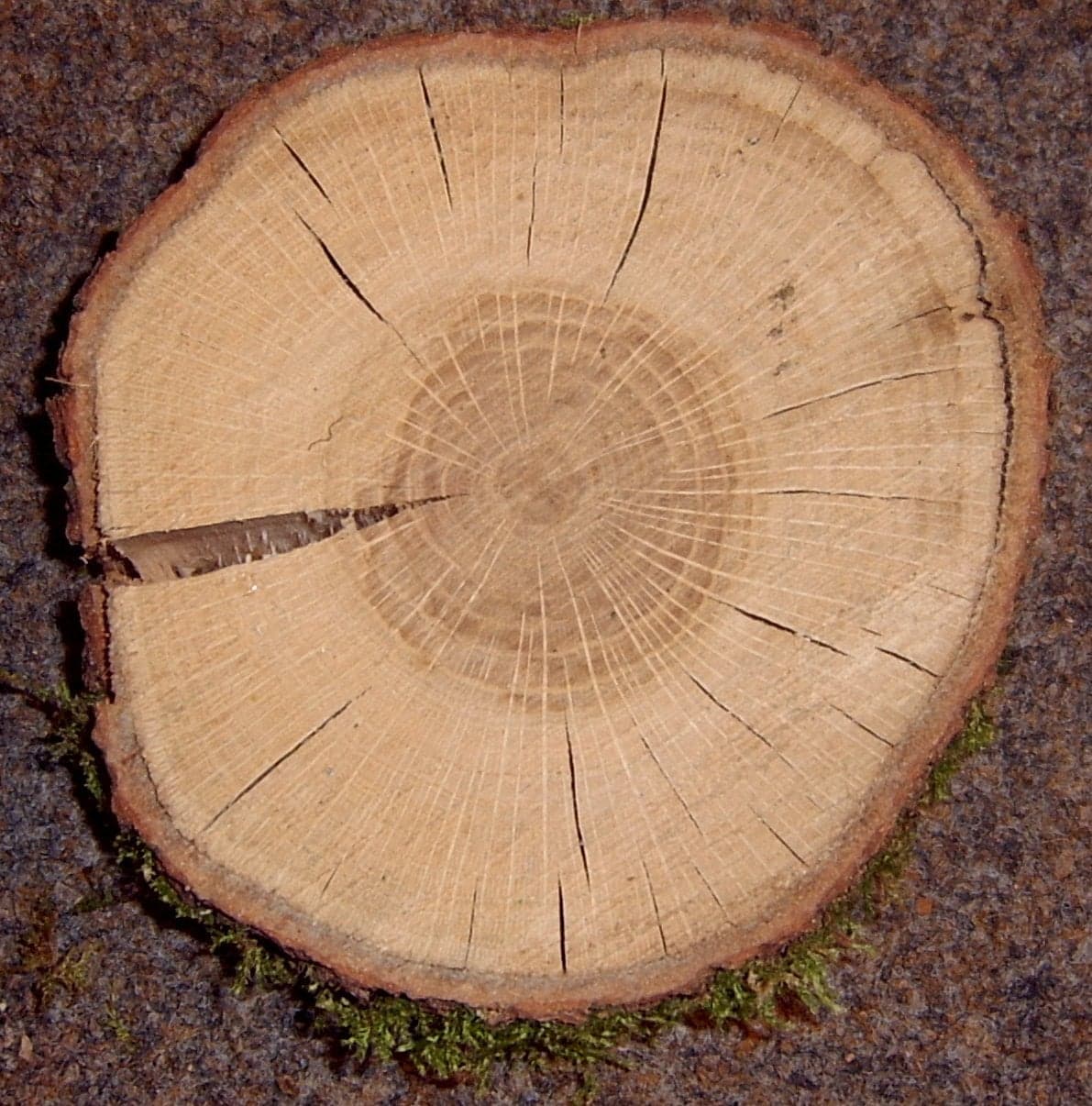
  • Usłojenie European Walnut

    European Walnut

    Juglans regia

    9 sztuk

  • Usłojenie European Oak

    European Oak

    Quercus robur

    6 sztuk

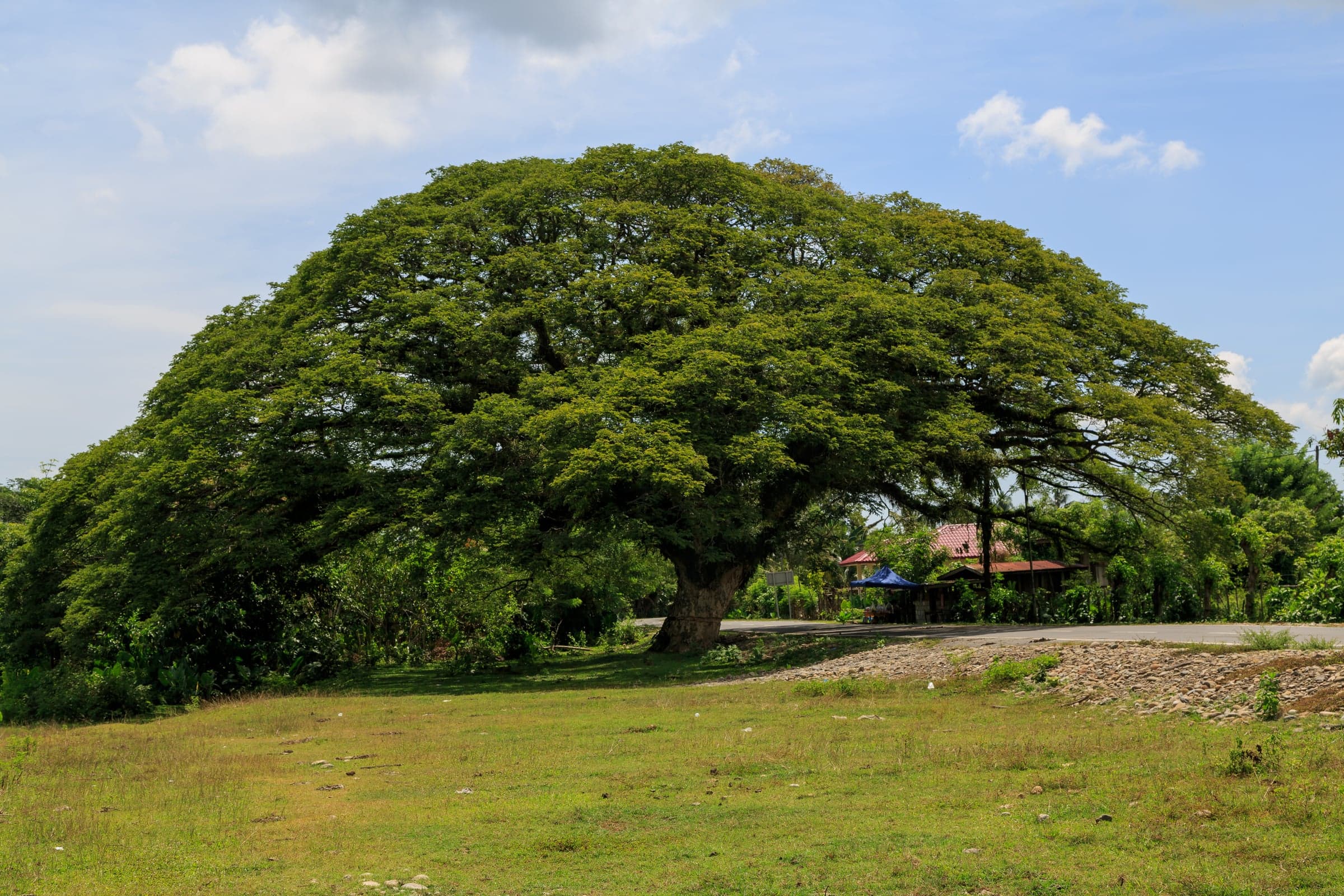
  • Usłojenie Saman

    Saman

    Samanea saman

    4 sztuki

Otrzymuj powiadomienia o drewnie Silver Birch

Wyślemy Ci wiadomość, gdy w KORENA pojawią się nowe deski Silver Birch. Każda sztuka jest niepowtarzalna, więc warto wiedzieć wcześniej.

Kilka wiadomości miesięcznie. Bez spamu, możesz zrezygnować w każdej chwili.

Wygląd drewna

Jak wygląda

Pale, almost white to light cream, with very little colour separation between heartwood and sapwood and a fine even texture. Plain birch is quiet to the point of being featureless, which is exactly why it is prized for painted work and for veneer. The exceptions are the figured forms, curly and flame birch and the burred masur birch, which are among the most decorative surfaces available from any European species.

  • Near white to pale cream with almost no heartwood contrast
  • Fine even texture, plain in most boards
  • Curly, flame and masur figured forms occur and are highly prized
  • Straight to wavy grain, fine even texture. Near white to pale cream with almost no heartwood contrast. Curly, flame and masur figured forms occur and are highly prized.

Obróbka

Obróbka

Generally easy with hand and machine tools, and it turns, glues and finishes well. It is one of the best turning woods in this catalogue because the fine even texture holds crisp detail. Boards with wild or figured grain tear out during machining, so figured stock wants light cuts, sharp tooling and a scraper for the final surface. Density of 640 kg per cubic metre gives it more substance than its pale appearance suggests.

Wykończenie

Takes finish well and takes paint exceptionally, which is its traditional role. Like other pale fine textured woods it blotches under pigment stain, so use a conditioner or a dye. The pale colour is the point for most applications, and a clear water based finish preserves it better than an oil, which will pull it toward yellow.

Suszenie

The source KORENA cites reports no shrinkage data for this species, so no radial, tangential or volumetric figures are shown rather than values being borrowed from another birch. Practically, birch is known to dry with a marked tendency to warp and requires weighting and careful stickering. It is also highly susceptible to fungal attack and staining while drying, so it must be dried promptly after conversion rather than left in log or board.

Ile kosztuje

Bezpieczeństwo i pozyskiwanie

  • Uprawiane i pozyskiwane w Europie.
  • Birch in the Betula genus is reported as a sensitiser, with reactions typically including skin and respiratory irritation. Extraction and a P2 mask during extended sanding are appropriate, particularly given how fine birch dust is.

  • Betula pendula ranges across the whole of northern Europe and into Siberia, and it is the pioneer tree that colonises cleared and burnt ground before slower species establish. Finland, the Baltic states, Sweden and Russia are the main commercial sources, and Baltic birch plywood built on this species is one of the best known engineered timbers in the world.

Przeczytaj pełny przewodnikSzczegółowe informacje o rysunku drewna, zmianie barwy, obróbce i stabilności.+

What Silver Birch actually is#

Betula pendula is the pioneer. It colonises cleared, burnt and abandoned ground across the whole of northern Europe and into Siberia, growing fast and establishing where slower species cannot. Finland, the Baltic states, Sweden and Russia are the main commercial sources, and Baltic birch plywood, built from this species, is among the best known engineered timbers in the world.

Its plainness works against it. A typical birch board is near white, almost featureless, with barely any distinction between heartwood and sapwood. It looks like a wood you would choose because you could not afford another one.

The numbers say otherwise.

The numbers are the surprise#

At 5,360 N on the Janka scale, Silver Birch is harder than European oak at 4,980 N.

Its elastic modulus of 13.96 GPa is the highest of any species in this catalogue, hardwood or softwood, above red oak at 12.14 and Douglas Fir at 12.17. Stiffness is what resists sag, so for a long shelf or an unsupported span, birch outperforms every other option here.

Modulus of rupture at 114.3 MPa matches Turkey Oak and beats sessile oak.

This is a genuinely strong, stiff, hard timber that happens to be pale and quiet. Choosing it is not a compromise.

Pytania kupujących

Pytania kupujących

Why are no shrinkage figures shown for Silver Birch?

+

The reference KORENA cites reports no shrinkage data for this species, and rather than borrow numbers from a different birch and label them Betula pendula, the fields are left empty. What is known practically is that birch warps readily in drying and needs weighting and careful stickering. Each KORENA slab carries its own measured moisture value, which is the reliable figure for the board in front of you.

Is birch hard enough for furniture?

+

Yes. At 5,360 N Janka it is harder than European oak at 4,980 N, and its elastic modulus of 13.96 GPa is the highest of any species in this catalogue. It is considerably more substantial than its pale, plain appearance suggests, and it is a genuinely good furniture timber.

What is masur birch?

+

A figured form of Betula pendula in which the grain is disrupted into dark flecked, swirling patterns, historically attributed to insect damage or genetic factors. It is among the most decorative surfaces available from any European species and is priced accordingly. Curly and flame birch are separate figured forms of the same species.

Can birch be used outdoors?

+

Właściwości mechaniczne

Dane techniczne

Opublikowane wartości referencyjne. Gdy źródła się różnią, podajemy zakres, a w powyższych skalach stosujemy wartość typową.

Gęstość (kg/m³)Masa metra sześciennego przy wilgotności około 12 %. Cięższe drewno jest zwykle twardsze i mocniejsze.640 kg/m³
Twardość Janki (N)Siła potrzebna do wciśnięcia stalowej kulki do połowy w drewno. Standardowa miara odporności na wgniecenia.5,360 N
MOR: wytrzymałość na zginanie (MPa)Wytrzymałość na zginanie: obciążenie, przy którym belka pęka.114 MPa
MOE: moduł sprężystości (GPa)Sztywność przy zginaniu: stopień ugięcia półki lub blatu pod obciążeniem.14.0 GPa
Naturalna trwałość (EN 350)Europejska norma naturalnej odporności na rozkład, od 1 (bardzo trwałe) do 5 (nietrwałe).Class 5 — Perishable

Źródła

  • The Wood Database — Silver Birch (Betula pendula). Shrinkage reported as no data available.

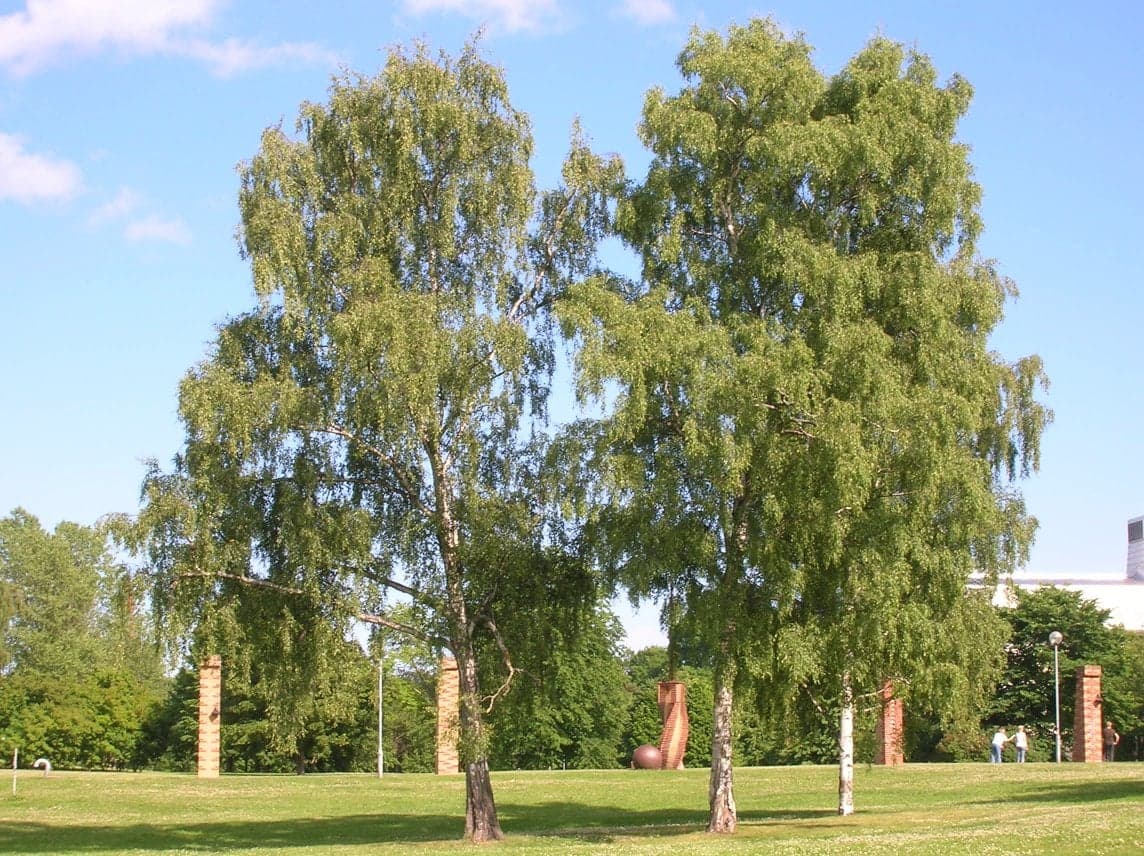
Beentree, via Wikimedia Commons

Not listed in the CITES Appendices, and reported by the source KORENA cites as not assessed on the IUCN Red List, so no IUCN status is displayed rather than one being assumed. Birch is abundant, fast growing and a pioneer species, so supply is plentiful and well certified across Finland, the Baltics and Scandinavia. It is among the easier species to document for EUDR purposes.

Drzewo Silver Birch

Jordgubbe, via Wikimedia Commons

What the catalogue cannot tell you#

No shrinkage figures are shown for this species, and that gap is deliberate.

The reference KORENA cites reports no shrinkage data for Betula pendula. Borrowing figures from paper birch or yellow birch and presenting them under this name would produce a page that looks complete and specifies a wood that was never measured, so the fields stay empty.

What is known practically is that birch warps readily in drying and needs weighting and careful stickering to come out flat. It is also unusually susceptible to fungal attack and staining while wet, which means it must be dried promptly after conversion rather than left sitting in log or board. Stock that sat too long shows grey or brown discolouration through the wood.

Each KORENA slab carries its own measured moisture reading, which tells you about that board specifically rather than about the species in general.

Reading a Silver Birch slab#

Most birch is plain, and for painted work or a quiet interior that is the point.

The exceptions are worth knowing because they are dramatic. Curly and flame birch show rippling chatoyant figure across the grain. Masur birch carries dark flecked swirling disruption through the wood, historically attributed to insect damage or genetic factors, and it is among the most decorative surfaces available from any European species. All three are the same tree, priced very differently.

On plain stock, look for the grey or brown staining that indicates the log sat before conversion, and for warp along the length, which is the species' characteristic drying fault.

At the bench#

Birch works easily with hand and machine tools and glues without difficulty.

It is the best turning wood in this catalogue. The fine even texture holds crisp detail in a way that oak, with its coarse open pores, simply cannot, and it takes a burnished finish straight off the tool.

Figured stock is the exception to the easy working. Curly and masur grain tears out under a planer, and the answer is light cuts, sharp tooling and a scraper or a high angle plane for the final surface. On expensive figured material, that patience is cheap insurance.

Finishing, and the yellowing trap#

Birch takes paint exceptionally, which is its traditional role, and it takes clear finishes well.

The trap is that oil finishes amber pale woods, and birch shows it more than almost anything because it starts so close to white. A slab chosen specifically for its pale, cool colour will go distinctly yellow under a standard oil, and the change is permanent.

If the pale colour is the reason for the choice, use a clear water based finish or a low yellowing hardwax oil, and test on an offcut first.

Pigment stains blotch on birch as they do on other fine textured pale woods, so use a conditioner or switch to a dye.

Where Silver Birch is the right answer#

Turned work above all. Also painted furniture, cabinetry and carcass work, veneer and plywood, and any interior application where stiffness matters more than appearance, such as long shelving.

It is the wrong answer outdoors in every form, since it is rated perishable with poor insect resistance, and it is the wrong answer anywhere it will stay damp, because it stains and rots faster than most.

Sourcing and EUDR#

Not listed in the CITES Appendices, and reported by the cited source as not assessed on the IUCN Red List, so no status is displayed rather than one assumed.

As a fast growing pioneer species, birch is abundant and certification coverage through Finland, the Baltics and Scandinavia is mature. It is among the more straightforward species in this catalogue to document to EUDR standard.

No. It is rated perishable and will rot readily if exposed, and it is also susceptible to insect attack. Birch is strictly an interior timber. It is also unusually vulnerable to fungal staining even indoors if it stays damp, which is why it must be dried promptly after conversion.

Why does my birch look yellow after oiling?

+

Oil finishes amber pale woods, and birch shows it more than most because it starts so close to white. If the pale colour is the reason you chose the species, use a clear water based finish or a low yellowing hardwax oil instead. Test on an offcut, because the shift is permanent.

(dostęp: 2026-08-12)
  • Meier, E. — WOOD! Identifying and Using Hundreds of Woods Worldwide (2015)(dostęp: 2026-08-12)
  • Uwaga

    • Nie nadaje się na zewnątrz bez zabezpieczeniaNaturalna trwałość to klasa 5 z 5 według EN 350. Stosuj we wnętrzach albo pod regularnie odnawianą powłoką.
    • Pył działa drażniącoWłącz odciąg i noś maskę podczas szlifowania lub obróbki.

    Dotknij etykiety, aby zobaczyć szczegóły.

    W skrócie

    Poziomy mają stałe przedziały dla wszystkich gatunków prezentowanych przez KORENA, dzięki czemu można je bezpośrednio porównywać. Pod każdym widnieje zmierzona wartość.
    TwardośćOdporność na wgniecenia i zużycieŚrednio twarde

    Twardość Janki: 5360 N

    O 8 % twardsze od dębu europejskiego

    MasaJak ciężka jest deska przy podnoszeniuŚrednie

    640 kg/m³

    ObróbkaPiłowanie, struganie, szlifowanie i klejenieUmiarkowane

    3,9 / 5, średnia ocena obróbki

    Zastosowanie na zewnątrzNaturalna odporność na rozkład, EN 350Tylko do wnętrz

    Klasa 5 według EN 350

    • Piłowanie · Bardzo dobraJak czyste daje cięcie i jak szybko tępi brzeszczoty.1 = trudna · 5 = doskonała
    • Struganie · DobraJak gładką pozostawia powierzchnię i jak często wyrywa włókna.1 = trudna · 5 = doskonała
    • Szlifowanie · Bardzo dobraJak szybko można je wyszlifować na gładko bez zapychania papieru.1 = trudna · 5 = doskonała
    • Toczenie · DoskonałaJak zachowuje się podczas toczenia i wykańczania na tokarce.1 = trudna · 5 = doskonała
    • Rzeźbienie · DobraJak wyraźnie zachowuje detale wykonywane dłutem.1 = trudna · 5 = doskonała
    • Klejenie · Bardzo dobraJak niezawodnie trzymają połączenia klejone.1 = trudna · 5 = doskonała
    • Trzymanie wkrętów / gwoździ · Bardzo dobraJak dobrze trzyma wkręty i gwoździe bez pękania.1 = trudna · 5 = doskonała
    • Gięcie parowe · DobraJak dobrze przyjmuje krzywizny po parowaniu.1 = trudna · 5 = doskonała

    Bieżące ceny drewna Silver Birch w całej Europie za metr sześcienny bez VAT. Dotknij dowolnej ceny, aby zobaczyć szczegóły.

    • Najlepsze kłody na aukcjiWyselekcjonowane kłody wysokiej jakości sprzedawane na aukcjach ofertowych, głównie producentom oklein i mebli. Z takich kłód wycina się deski.Większość cen mieści się między 194 € a 200 €.Na podstawie 44 cen z 1 regionu.Najnowsze dane: 21 wrz 2026
    • Standardowe kłodyDuże ilości standardowego drewna okrągłego sprzedawanego przez właścicieli lasów i lasy państwowe, głównie dla budownictwa i przemysłu.Większość cen mieści się między 46 € a 46 €.Na podstawie 25 cen z 1 regionu.Najnowsze dane: 30 cze 2026

    Dlaczego deska kosztuje więcej?

    To ceny surowego drewna. Deska jest najlepszym wycinkiem kłody, suszonym przez co najmniej rok, a następnie sprawdzanym i mierzonym sztuka po sztuce. Tylko niewielka część każdej kłody staje się deską.

    Źródło: KORENA Timber Index · Najnowsze dane: 21 wrz 2026

    Zobacz wszystkie ceny regionalne