KORENA
MadeiraFinished piecesMateriaisParquesRevista

Receba notificações

Cada prancha é única. Quando é vendida, desaparece. Enviamos um e-mail quando são anunciadas novas peças: novas chegadas, novas espécies e pranchas adequadas a um projeto.

Alguns e-mails por mês. Sem spam, pode cancelar a qualquer momento.

KORENA, madeiras nobres

Uma peça de cada vez.

Madeiras nobres verificadas, vendidas peça a peça. Cada prancha é fotografada, medida e enviada pelo parque parceiro com um passaporte da madeira.

Comprar

  • Explorar produtos
  • Arquivo de vendas
  • Acompanhar encomenda

Aprender

  • Revista
  • Guias de espécies
  • Glossário
  • Comparar
  • Autores

Ajuda

  • Sobre nós
  • Como funciona
  • Torne-se um parque parceiro
  • Encontrar uma prancha
  • Apoio
  • Modelos de documentos
  • Imprensa

Comprar

  • Termos de venda
  • Direito de livre resolução
  • Devoluções e garantia
  • Envio e entrega

Confiança

  • Política de privacidade
  • Política de cookies
  • Proveniência da madeira e EUDR
  • Acessibilidade

Informação legal

  • Aviso legal / Informação legal
  • Utilização aceitável
  • Propriedade intelectual e conteúdo

© 2026 KORENA. Todos os direitos reservados.

Gerido pela Martial Labs Ltd. (BG, EIK 207453941). KORENA é um nome comercial da Martial Labs Ltd.

Respeitamos a sua privacidade

Usamos cookies essenciais para o funcionamento do site. Com a sua autorização, também usamos cookies para análise, conteúdo personalizado e publicidade. Pode mudar de ideias a qualquer momento na página de preferências de consentimento. Consulte a nossa política de cookies e a política de privacidade.

  1. Início
  2. /
  3. Espécies
  4. /
  5. Black Walnut

Juglans nigra

Black Walnut

American Black Walnut is the chocolate-brown hardwood that built mid-century furniture. Imported into European yards as kiln-dried slabs, it works cleanly and finishes to a deep, warm tone that ages well.

  • Cultivada fora da Europa e importada através de parques europeus.
  • Grupo botânico. As madeiras de coníferas vêm de coníferas; as folhosas vêm de árvores de folha larga.
  • Família botânica a que pertence a espécie.
Receber aviso quando chegarEspécie de referência. Sem peças em stock neste momento.
  • Adequação ao projeto
  • Em stock
  • Aspeto
  • Trabalho
  • Movimento
  • Preço
  • Segurança e origem
  • Perguntas
  • Dados técnicos

É adequada ao seu projeto?

Ótima para

  • Live-edge dining and conference tables
  • Mid-century-style casework and credenzas
  • Dark-toned kitchen islands and breakfast bars
  • Desks and writing tables with figured tops
  • Gunstocks, knife scales and high-end tool handles
  • Turned bowls and hollow forms

Sem Black Walnut na seleção atual

Espécies semelhantes em stock

Não há Black Walnut neste momento. Estas espécies servem para os mesmos projetos e têm peças disponíveis.
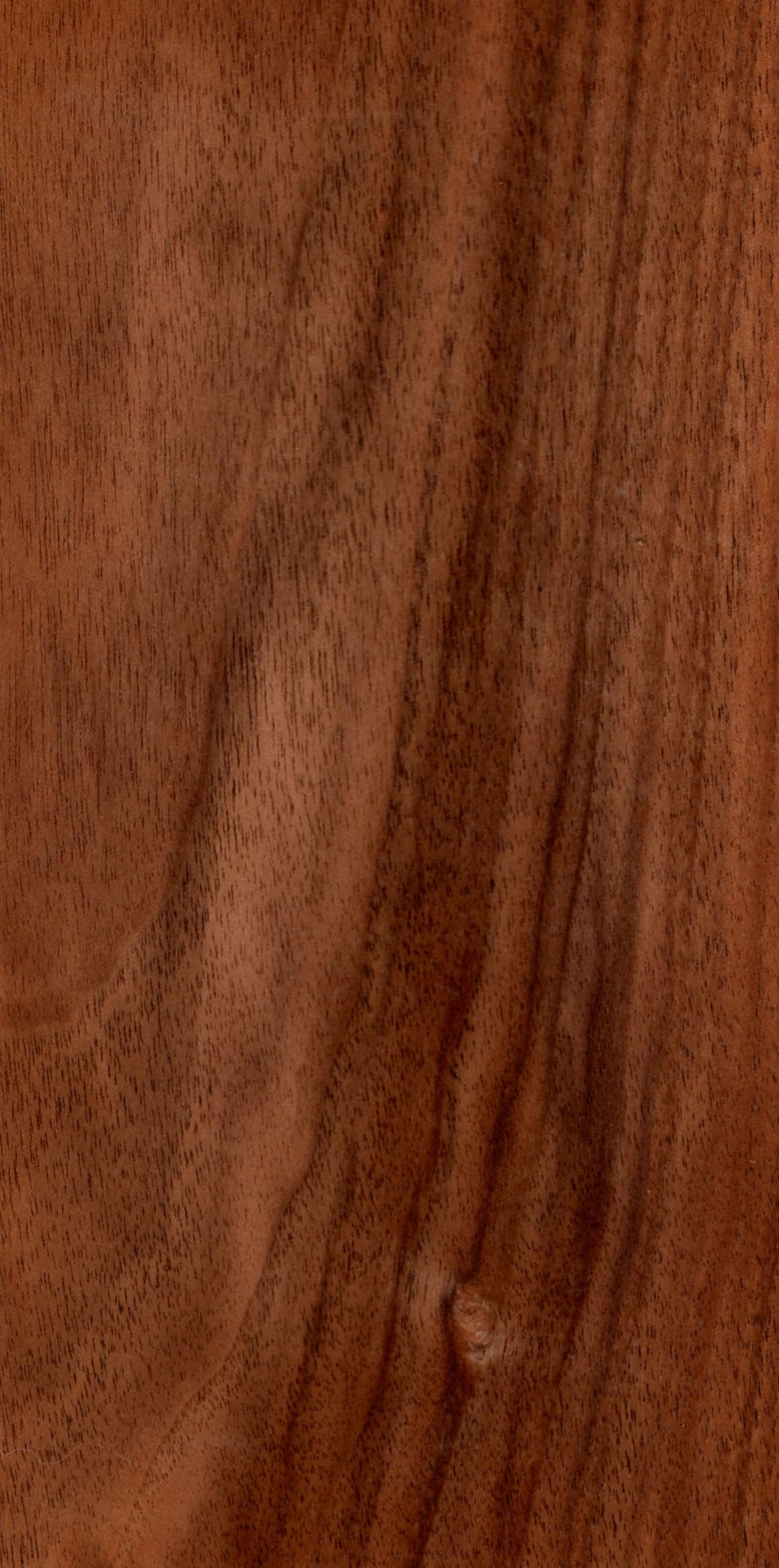
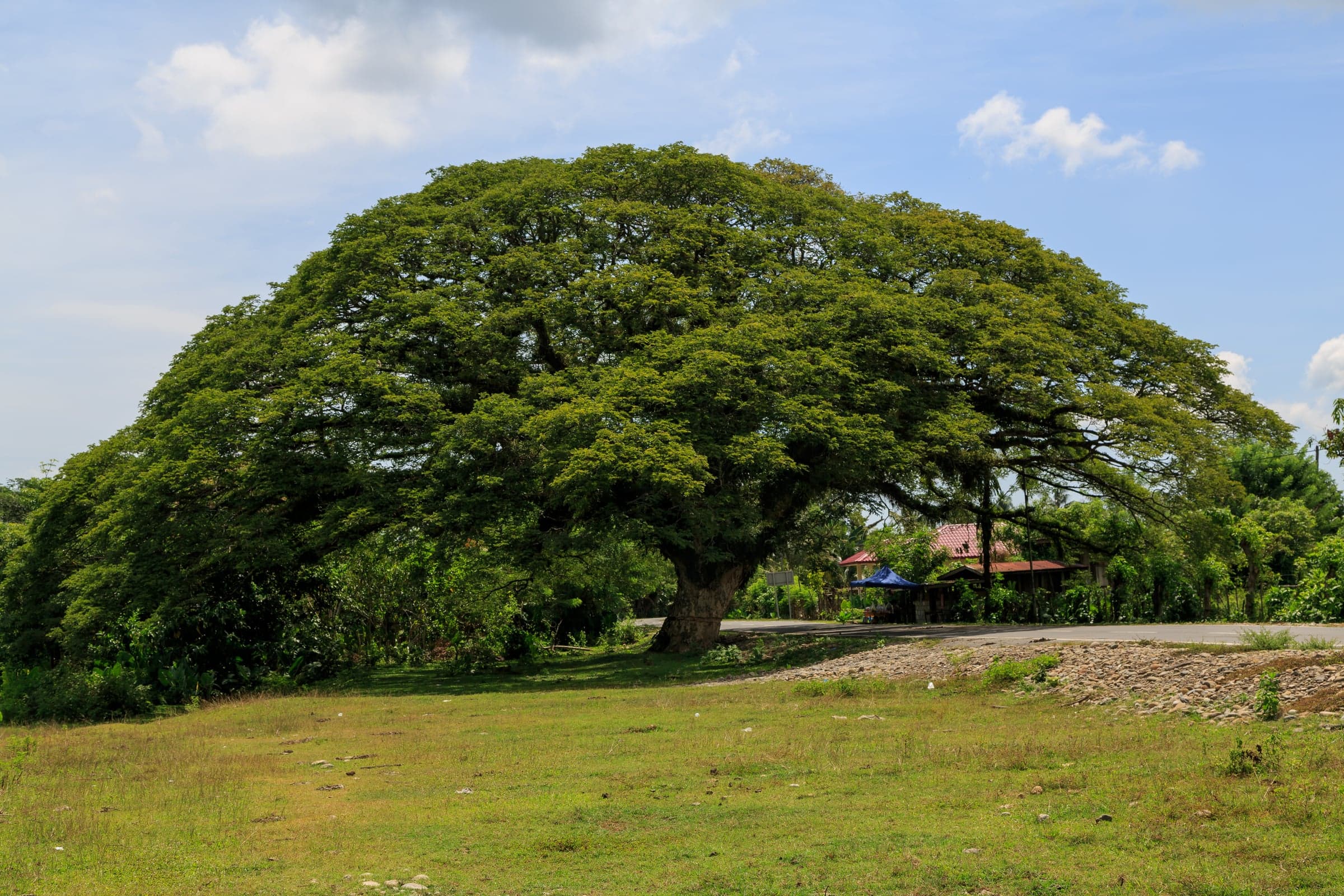
  • Veio de European Walnut

    European Walnut

    Juglans regia

    9 peças

  • Veio de Saman

    Saman

    Samanea saman

    4 peças

  • Veio de European Oak

    European Oak

    Quercus robur

    6 peças

Receba notificações sobre Black Walnut

Enviamos um e-mail quando chegam à KORENA novas pranchas de Black Walnut. Cada peça é única, por isso é importante saber cedo.

Alguns e-mails por mês. Sem spam, pode cancelar a qualquer momento.

Aspeto da madeira

Qual é o seu aspeto

Heartwood ranges from chocolate brown to a purplish or greyish brown, often with darker streaks. Sapwood is pale cream, usually steamed at the mill to even out the contrast, but you'll still see some on wide slabs. Grain is generally straight, though figured boards (curl, crotch, burl) turn up regularly and command a premium. Medium, even texture takes detail well.

  • Chocolate to purplish-brown heartwood
  • Pale cream sapwood, often steamed for uniformity
  • Darker streaks and figure on wider boards
  • Lightens slightly under UV over the first year
  • Deepens and warms under oil finishes
  • Generally straight; can be irregular or wavy. Medium texture.

Trabalhar esta madeira

Como se trabalha

Easy across the board. Sawing, planing, sanding, turning and carving all rate 4 out of 5. Glues and screws without complaint. Steam bending is the one weak spot (3/5), workable for gentle curves, not the species you'd choose for tight bentwood seating. Sharp tooling keeps the surface clean; dull blades will burnish rather than tear.

Acabamento

Finishes beautifully with very little fuss. Hard wax oil and Danish oil deepen the brown without muddying the grain; a thin shellac seal coat helps if you're spraying lacquer over oily patches. Sanded to 180–220 it feels silky in the hand. Black walnut lightens slightly with UV exposure over the first year, the opposite of cherry, so a UV-inhibiting topcoat helps on pieces near windows.

Secagem

Slabs arrive kiln-dried to roughly 8–10% MC. Movement in service is moderate, radial 5.0–6.0%, tangential 7.5–8.5%, so wide tops still want a breathable build (breadboard ends, slot-screwed cleats, or fixed-and-floating fasteners). Acclimatise to your shop for two to three weeks before final flattening.

Quanto se irá mover?

A madeira incha e contrai-se na largura à medida que o ar fica mais húmido ou mais seco. Estime o movimento sazonal de um tampo de Black Walnut antes de desenhar as fixações.

Corte
Local onde será usada

Movimento sazonal previsto

cerca de 9,1 mm

Fixe o tampo com fixadores ou suportes com rasgos, não com cola ou parafusos apertados.

Modelo de retração linear: largura × (retração ÷ 28 % de saturação das fibras) × variação sazonal da humidade. Usa uma retração tangencial de 8 % para Black Walnut. É uma estimativa de planeamento, não uma garantia.

Quanto custa

Segurança e origem

  • Cultivada fora da Europa e importada através de parques europeus.
  • Estado na Lista Vermelha da UICN: a avaliação mundial de conservação desta espécie.
  • Walnut dust contains juglone and is a known respiratory and skin sensitiser. Run a dust extractor at the source and wear a P3/FFP3 mask when sanding. Juglone-laden offcuts and shavings are toxic to horses and to some plants (tomatoes, apples), so don't compost or use as bedding. Cured finished surfaces are food-contact safe.

Ler o guia completoNotas detalhadas sobre desenho, alteração da cor, trabalho e estabilidade.+

What Black Walnut actually is#

Juglans nigra is the darkest wood in this catalogue and the North American counterpart to European walnut. Where Juglans regia is a lighter grey brown full of streaking, black walnut is a deeper, more uniform chocolate.

The other significant difference is commercial rather than botanical. Black walnut is grown as a forestry species across eastern North America, so it comes in larger, straighter, more consistent sizes than European walnut, much of which is salvaged from orchards and gardens. If you need matched material across several wide boards, black walnut is the easier species to source.

The steaming question, which matters more than most people realise#

A large proportion of commercial black walnut is steamed during kiln drying.

Steaming drives colour out of the dark heartwood and into the pale sapwood. The result is a board that reads more uniformly brown, with the sapwood muddied to a dull tan rather than staying cream. For a factory producing matched furniture components, that uniformity is the point.

For a live edge slab it is usually the opposite of what you want. The sharp contrast between pale cream sapwood and near black heartwood is one of the most striking features this species offers, and steaming destroys it.

Unsteamed black walnut keeps that contrast. It is worth asking which you are being offered, because the difference is permanent and not visible from a description alone.

Perguntas dos compradores

Perguntas dos compradores

How is Black Walnut different from European Walnut?

+

Black walnut, Juglans nigra, is darker and more uniformly chocolate brown, where European walnut runs lighter grey brown with more streaking and marbling. Black walnut is slightly softer at 4,490 N against 5,410 N but slightly stiffer at 11.0 GPa. Black walnut also comes in larger, more consistent sizes because it is grown as a forestry species rather than an orchard tree.

Is Black Walnut steamed, and does it matter?

+

Much commercial American black walnut is steamed during drying, which drives colour from the dark heartwood into the pale sapwood and makes the board look more uniformly brown. Unsteamed walnut keeps a sharp contrast between cream sapwood and dark heartwood. For a live edge slab where the sapwood line is a feature, unsteamed is usually what you want, and it is worth asking.

Does Black Walnut fade?

+

Yes. Like European walnut it lightens with light exposure rather than darkening, mellowing from deep chocolate toward a warmer, lighter brown. This is the opposite of what oak and cherry do. A UV inhibiting finish slows it without stopping it.

Is walnut dust dangerous?

Propriedades mecânicas

Dados técnicos

Valores de referência publicados. Quando as fontes divergem, é apresentado o intervalo e o valor típico é usado nas escalas acima.

Densidade (kg/m³)Massa por metro cúbico com cerca de 12 % de humidade. A madeira mais pesada costuma ser mais dura e resistente.560–660 kg/m³típico: 610 kg/m³
Dureza Janka (N)Força necessária para pressionar uma esfera de aço até metade da sua profundidade na madeira. É a medida habitual de resistência a mossas.4,100–4,900 Ntípico: 4490 N
MOR: módulo de rutura (MPa)Resistência à flexão: a carga com que uma viga parte.100–110 MPa
MOE: módulo de elasticidade (GPa)Rigidez à flexão: quanto uma prateleira ou um tampo flete sob carga.11.0–12.0 GPa
Retração radialRetração perpendicular aos anéis de crescimento, do estado verde à secagem em estufa. É este o movimento das tábuas de corte radial.5.0–6.0 %
Retração tangencial
  • Hand-carved sculpture and relief panels
  • Food-safe serving boards and charcuterie platters
  • Pontos fortes

    • Durável no exteriorClasse 2 de 5 segundo a EN 350: resiste à deterioração no exterior sem tratamento.
    • Segura para alimentosAdequada para tábuas, taças e superfícies que contactam com alimentos.

    Native to the eastern United States, not Europe. KORENA sources kiln-dried slabs through established North American timber channels and lands them in EU yards already at furniture moisture content. Expect FAS or better grading on slab stock, with provenance tied to a specific US mill or broker.

  • IUCN Least Concern, no CITES listing. Decay class 2 (durable) but this is an indoor wood, the value is in the colour and workability, not outdoor performance. As a North American import, the supplier chain-of-custody back to the mill travels with the slab. EUDR due diligence is in preparation and becomes mandatory for large operators from 30 December 2026, and KORENA is building each slab passport to carry the provenance evidence a buyer will need.

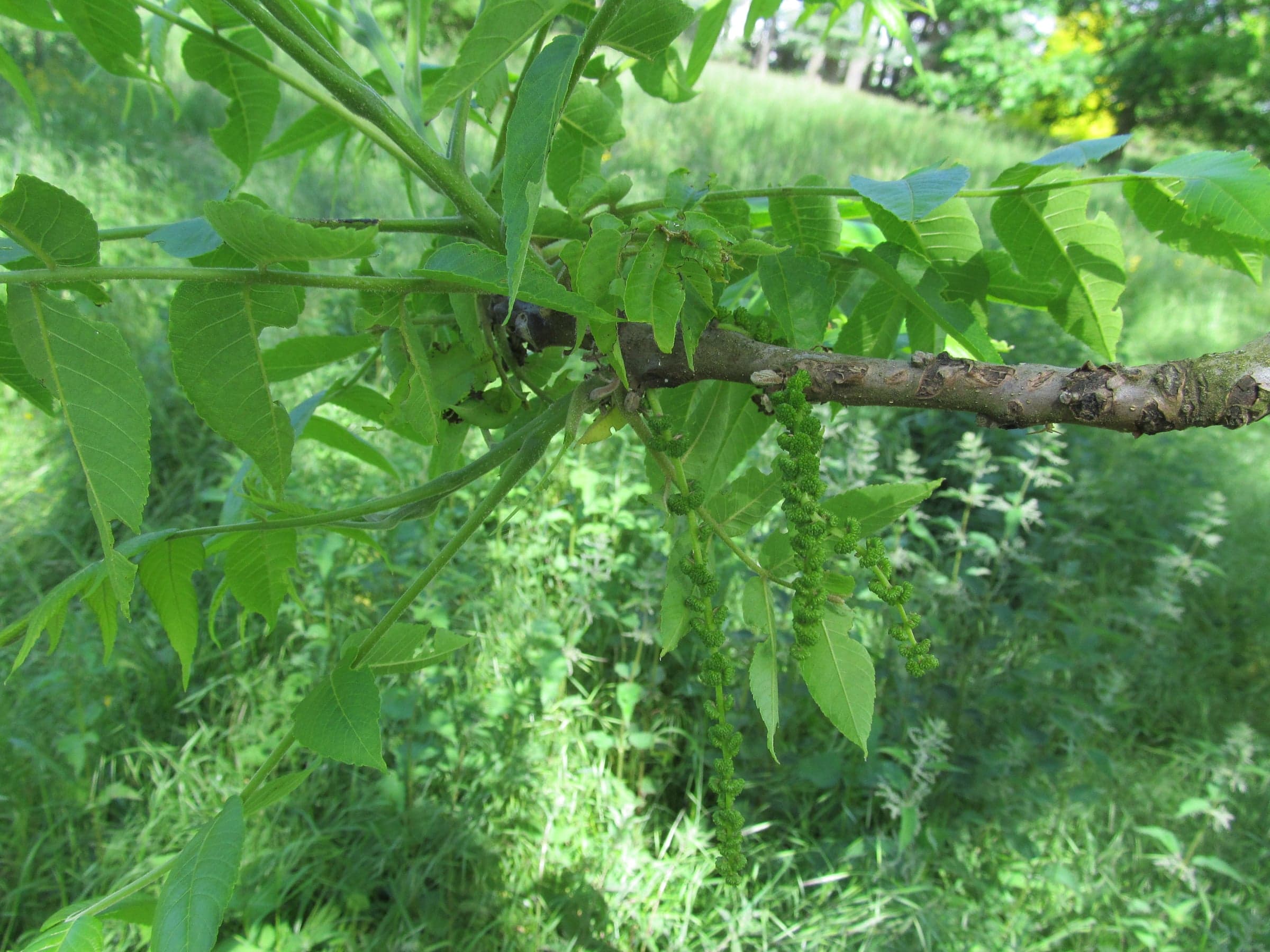
  • Black Walnut: Folha
    Folha
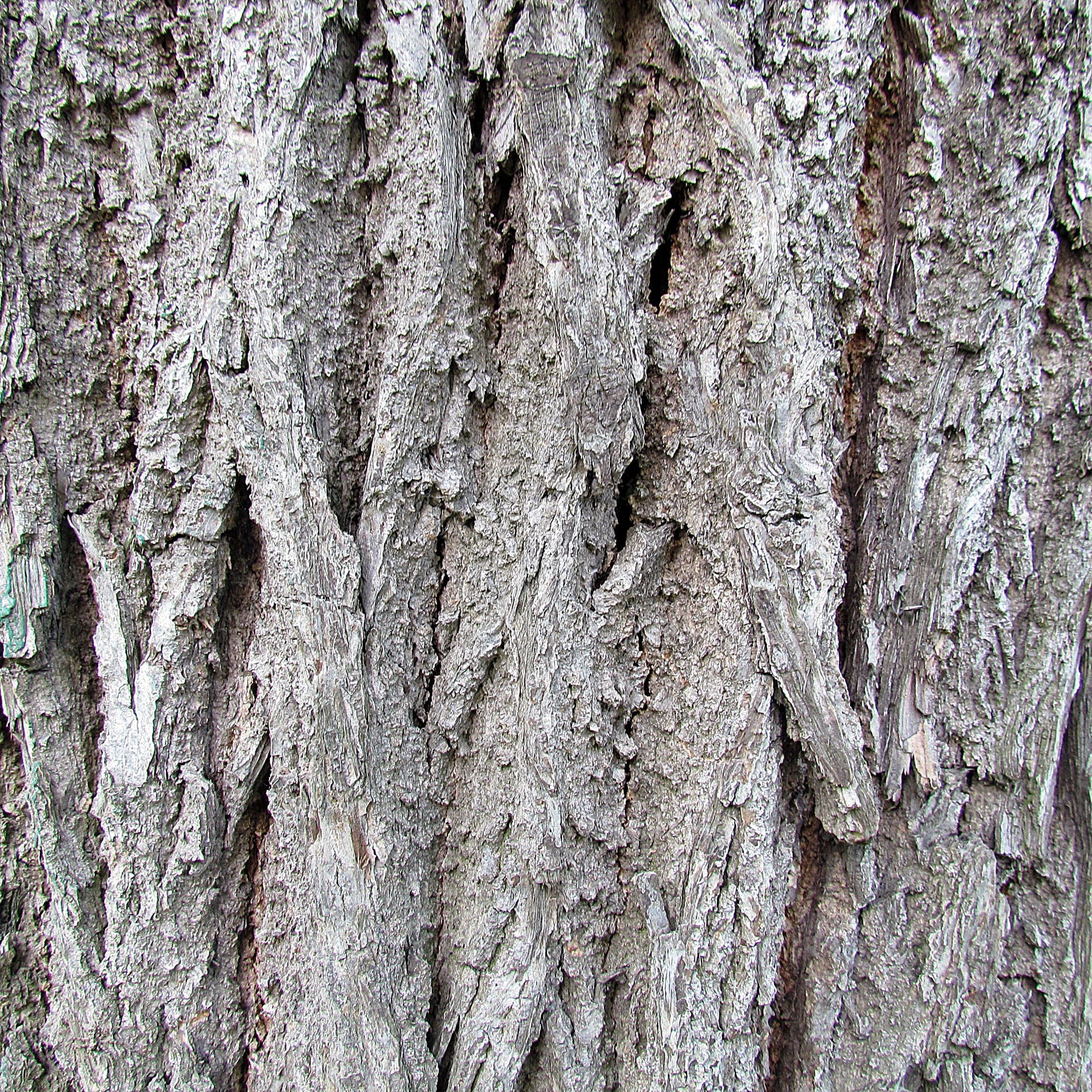
    Black Walnut: Casca
    Casca

    Reading a Black Walnut slab#

    Heartwood runs mid to dark chocolate brown, sometimes with purple or grey undertones when freshly cut. Sapwood is pale cream and, if unsteamed, sharply demarcated.

    Grain is usually straight, which makes plain black walnut easier to machine than figured European walnut. Crotch, burl and curly figure occurs and is priced accordingly.

    Check whether the sapwood has been steamed by looking at the transition: a sharp line means unsteamed, a blurred or muddy gradient means steamed.

    The fading direction#

    Black walnut lightens with light exposure. It does not darken.

    This is the opposite of oak, cherry and most other furniture timbers, and it consistently surprises people. A slab chosen for its deep near black colour on the day it was surfaced will mellow over the following years toward a warmer, lighter brown, and the contrast with the sapwood will soften as it does.

    Plan for the wood the piece will become rather than the wood it is on the bench.

    At the bench#

    At 4,490 N it is softer than European walnut and noticeably easier on tooling than oak or ash. It machines cleanly, turns and carves well, glues reliably and finishes beautifully.

    Straight grained stock gives very little trouble. Figured crotch and burl material tears out and wants light cuts, sharp tooling and a scraper for the final surface.

    Oil finishes suit it particularly well and deepen the colour, though bear the fading in mind: an oil that looks perfect on day one is sitting on wood that will lighten underneath it.

    The juglone issue#

    Black walnut contains juglone and is a documented sensitiser. Skin and respiratory irritation are reported and some woodworkers sensitise over repeated exposure, so extraction and a mask are worth the habit.

    Juglone is toxic to many plants, so shavings should not go into mulch or compost. They must never be used as animal bedding, and walnut shavings are specifically associated with laminitis in horses.

    Durability and stability#

    Decay class 2 makes black walnut genuinely durable, better than European walnut at class 3 and on a par with oak. That is unusual for a furniture hardwood and is part of why it was used for gunstocks and exterior joinery.

    Volumetric shrinkage of 11.0 percent is low for this catalogue, with tangential at 7.5 against radial at 5.0 percent. A comparatively narrow differential means it behaves well in wide flatsawn tops.

    Where Black Walnut is the right answer#

    Fine furniture, wide tabletops, cabinetry, turned and carved work, and any piece where a dark timber is the design intent and consistency across boards matters.

    It is the wrong answer where a European supply chain is required, and where the lightening over time would undermine the design.

    Sourcing and EUDR#

    Not CITES listed and assessed as Least Concern. It is native to eastern North America, so European buyers are generally importing, with the longer documentation chain and higher transport carbon that implies. European grown Juglans nigra exists in small quantities. Where a dark European alternative is acceptable, Juglans regia covers similar ground with a shorter chain.

    +

    It contains juglone and is a documented sensitiser, with skin and respiratory irritation reported and sensitisation developing in some woodworkers over time. Run extraction and wear a mask. Walnut shavings are also toxic to many plants and must never be used as animal bedding, particularly for horses.

    How durable is it?

    +

    Decay class 2, which is genuinely durable and better than most furniture hardwoods, including European walnut at class 3. It has been used for exterior joinery and gunstocks partly for that reason. It is still not a species to put in ground contact.

    Retração ao longo dos anéis de crescimento. É este o movimento das tábuas de corte tangencial e da maioria das pranchas.
    7.5–8.5 %
    Retração volumétricaAlteração total do volume entre o estado verde e a secagem em estufa. Um valor menor indica maior estabilidade.11.0–12.5 %
    Durabilidade natural (EN 350)Norma europeia de resistência natural à deterioração, de 1 (muito durável) a 5 (perecível).Class 2 — Durable

    Fontes

    • The Wood Database(consultado em 2026-05-09)
    • USDA FPL Wood Handbook FPL-GTR-190 (2010)(consultado em 2026-05-09)
    • Meier, E. — WOOD! Identifying and Using Hundreds of Woods Worldwide (2015)(consultado em 2026-05-09)

    Resumo

    Os níveis usam intervalos fixos em todas as espécies apresentadas pela KORENA, permitindo a comparação direta. O valor medido aparece por baixo de cada um.
    DurezaResistência a mossas e desgasteDureza média

    Dureza Janka: 4490 N

    10 % mais macia do que o carvalho-europeu

    PesoPeso da prancha ao levantarMédio

    610 kg/m³

    EstabilidadeGrau de movimento ao longo das estaçõesMédio

    11,8 % de retração volumétrica

    TrabalhoSerrar, aplainar, lixar e colarFácil

    4,0 / 5 de média na bancada

    Uso exteriorResistência natural à deterioração, EN 350Exterior

    EN 350 classe 2

    • Serrar · Muito boaQualidade do corte e desgaste causado nas lâminas.1 = difícil · 5 = excelente
    • Aplainar · Muito boaSuavidade da superfície e tendência para arrancar fibras.1 = difícil · 5 = excelente
    • Lixar · Muito boaRapidez com que fica lisa sem entupir a lixa.1 = difícil · 5 = excelente
    • Tornear · Muito boaQualidade do corte e do acabamento no torno.1 = difícil · 5 = excelente
    • Entalhar · Muito boaNitidez com que conserva os pormenores feitos com goiva.1 = difícil · 5 = excelente
    • Colar · Muito boaFiabilidade das uniões coladas.1 = difícil · 5 = excelente
    • Fixação de parafuso / prego · Muito boaCapacidade de segurar parafusos e pregos sem rachar.1 = difícil · 5 = excelente
    • Curvatura a vapor · BoaCapacidade de formar curvas depois de tratada a vapor.1 = difícil · 5 = excelente
    Adequada a principiantes
    Fácil de trabalhar na bancada e sem dureza excessiva para as ferramentas.

    A ter em conta

    • Pó irritanteUse extração e máscara ao lixar ou maquinar.

    Toque numa etiqueta para ver os detalhes.

    O preço atual da madeira de Black Walnut na Europa, por metro cúbico antes do IVA. Toque num preço para ver os detalhes.

    • Melhores toros em leilãoToros selecionados de alta qualidade vendidos em leilões por proposta, sobretudo a fabricantes de folha e mobiliário. É de toros como estes que se cortam as pranchas.A maioria dos preços situa-se entre 1330 € e 1330 €.Com base em 30 preços de 1 região.Dados mais recentes de 24/09/2026

    Porque custa uma prancha mais do que isto?

    Estes são preços de madeira em bruto. Uma prancha é o melhor corte de um toro, seco durante pelo menos um ano e depois verificado e medido peça a peça. Apenas uma pequena parte de cada toro se transforma numa prancha.

    Fonte: Índice de Madeira KORENA · Dados mais recentes de 24/09/2026

    Ver todos os preços regionais