KORENA
MadeiraFinished piecesMateriaisParquesRevista

Receba notificações

Cada prancha é única. Quando é vendida, desaparece. Enviamos um e-mail quando são anunciadas novas peças: novas chegadas, novas espécies e pranchas adequadas a um projeto.

Alguns e-mails por mês. Sem spam, pode cancelar a qualquer momento.

KORENA, madeiras nobres

Uma peça de cada vez.

Madeiras nobres verificadas, vendidas peça a peça. Cada prancha é fotografada, medida e enviada pelo parque parceiro com um passaporte da madeira.

Comprar

  • Explorar produtos
  • Arquivo de vendas
  • Acompanhar encomenda

Aprender

  • Revista
  • Guias de espécies
  • Glossário
  • Comparar
  • Autores

Ajuda

  • Sobre nós
  • Como funciona
  • Torne-se um parque parceiro
  • Encontrar uma prancha
  • Apoio
  • Modelos de documentos
  • Imprensa

Comprar

  • Termos de venda
  • Direito de livre resolução
  • Devoluções e garantia
  • Envio e entrega

Confiança

  • Política de privacidade
  • Política de cookies
  • Proveniência da madeira e EUDR
  • Acessibilidade

Informação legal

  • Aviso legal / Informação legal
  • Utilização aceitável
  • Propriedade intelectual e conteúdo

© 2026 KORENA. Todos os direitos reservados.

Gerido pela Martial Labs Ltd. (BG, EIK 207453941). KORENA é um nome comercial da Martial Labs Ltd.

Respeitamos a sua privacidade

Usamos cookies essenciais para o funcionamento do site. Com a sua autorização, também usamos cookies para análise, conteúdo personalizado e publicidade. Pode mudar de ideias a qualquer momento na página de preferências de consentimento. Consulte a nossa política de cookies e a política de privacidade.

  1. Início
  2. /
  3. Espécies
  4. /
  5. European Larch

Larix decidua

European Larch

The one European softwood that will sit outside untreated, and the most decorative of the group. Hardest conifer KORENA lists, at the cost of fighting resin at every stage.

  • Cultivada e abatida na Europa.
  • Grupo botânico. As madeiras de coníferas vêm de coníferas; as folhosas vêm de árvores de folha larga.
  • Família botânica a que pertence a espécie.
Receber aviso quando chegarEspécie de referência. Sem peças em stock neste momento.
  • Adequação ao projeto
  • Em stock
  • Aspeto
  • Trabalho
  • Movimento
  • Preço
  • Segurança e origem
  • Perguntas
  • Dados técnicos

É adequada ao seu projeto?

Ótima para

  • Tabletops
  • Exterior cladding
  • Garden furniture
  • Flooring
  • Boat and dock work

Sem European Larch na seleção atual

Espécies semelhantes em stock

Não há European Larch neste momento. Estas espécies servem para os mesmos projetos e têm peças disponíveis.
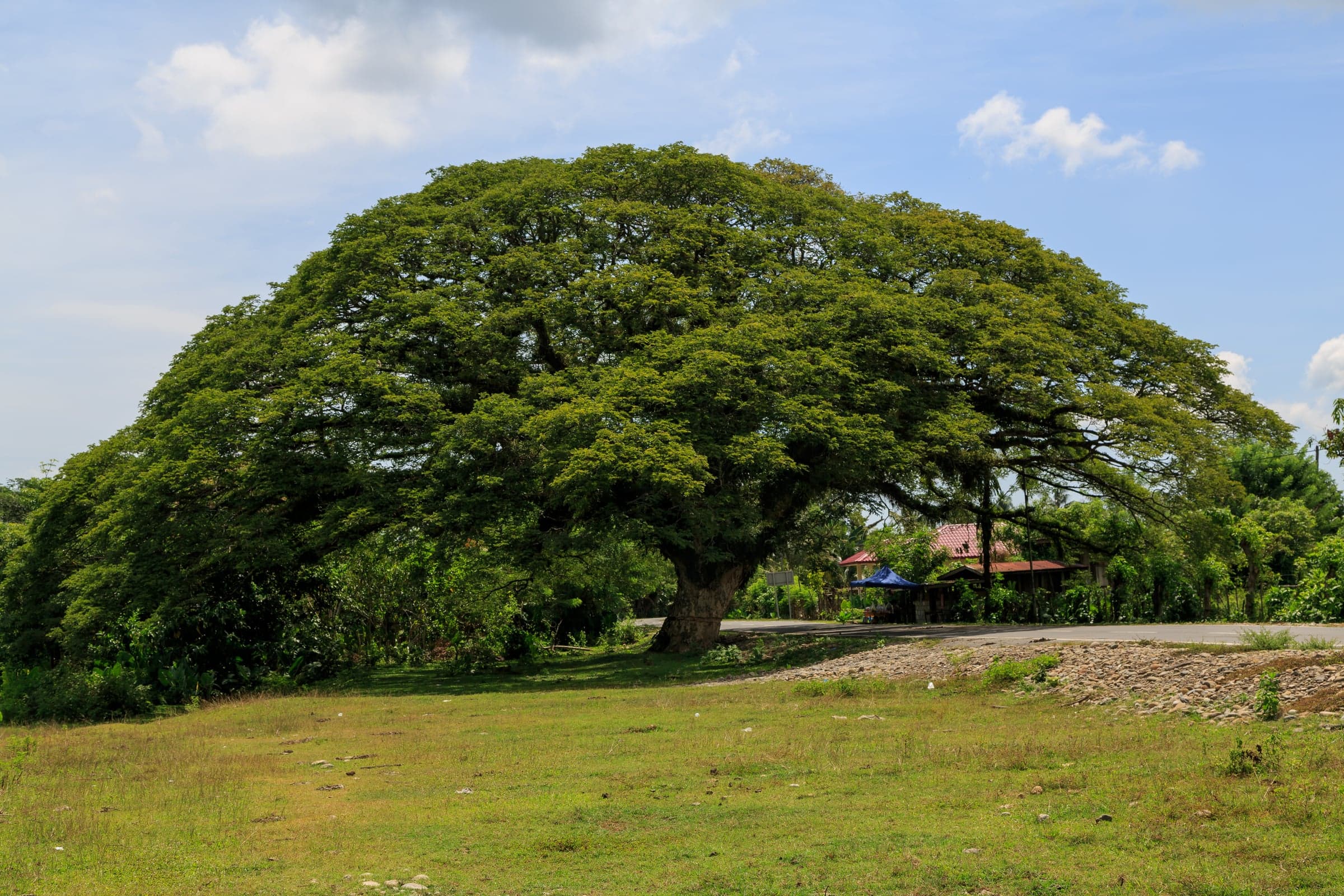
  • Veio de Saman

    Saman

    Samanea saman

    4 peças

  • Veio de European Oak

    European Oak

    Quercus robur

    6 peças

  • Veio de European Walnut

    European Walnut

    Juglans regia

    9 peças

Receba notificações sobre European Larch

Enviamos um e-mail quando chegam à KORENA novas pranchas de European Larch. Cada peça é única, por isso é importante saber cedo.

Alguns e-mails por mês. Sem spam, pode cancelar a qualquer momento.

Aspeto da madeira

Qual é o seu aspeto

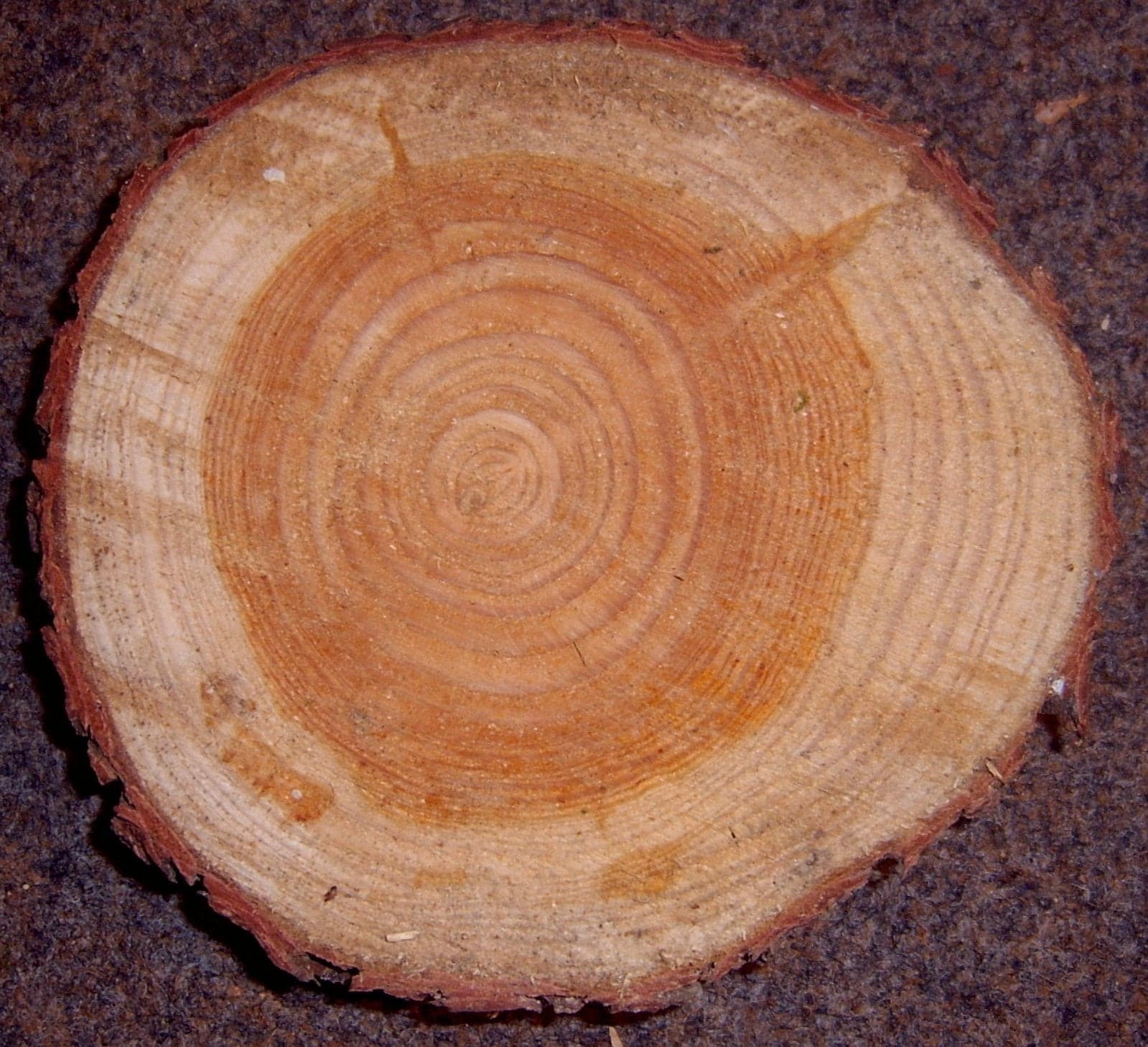
The most visually striking of the European softwoods. Heartwood runs warm honey to a deep russet brown against narrow pale sapwood, and the boundary between the two is sharp and decorative. Growth rings are strongly marked because the latewood bands are dense and dark, which gives flatsawn faces a bold cathedral figure closer to a ring-porous hardwood than to spruce.

  • Honey to russet brown heartwood, deepening with UV exposure
  • Narrow pale cream sapwood in sharp contrast
  • Strongly marked growth rings with dark dense latewood bands
  • Hard for softwood; visible growth rings.

Trabalhar esta madeira

Como se trabalha

Most hand and machine operations give good results, and larch is stiff and strong enough to feel substantial under the tool. The complication is resin. Natural resins gum up saw blades and clog abrasives, and the problem worsens as the wood warms during a cut. Keep blades clean, take breaks in long rips, and expect to clear the sole of a plane more often than usual. The dense latewood bands can also tear out where grain rises.

Acabamento

Resin is again the issue. Wipe the surface with denatured alcohol or acetone before finishing to lift surface resin, or oil finishes may stay tacky in patches. Once clean it takes oil beautifully and the colour deepens to a rich amber. For exterior work, a penetrating oil renewed annually outperforms film finishes, which crack and lift on a wood this dimensionally active outdoors.

Secagem

Slower and more troublesome than spruce or fir. Larch is prone to distortion and to surface checking if dried too fast, and the high resin content means a hot kiln schedule will drive resin to the surface where it sets sticky. Air drying followed by a low temperature kiln is the standard route for slab stock. Expect around 12.5 percent volumetric shrinkage, and note that internal stress from poor drying shows up as spring and bow once the slab is ripped.

Quanto se irá mover?

A madeira incha e contrai-se na largura à medida que o ar fica mais húmido ou mais seco. Estime o movimento sazonal de um tampo de European Larch antes de desenhar as fixações.

Corte
Local onde será usada

Movimento sazonal previsto

cerca de 9,4 mm

Fixe o tampo com fixadores ou suportes com rasgos, não com cola ou parafusos apertados.

Modelo de retração linear: largura × (retração ÷ 28 % de saturação das fibras) × variação sazonal da humidade. Usa uma retração tangencial de 8,2 % para European Larch. É uma estimativa de planeamento, não uma garantia.

Quanto custa

Segurança e origem

  • Cultivada e abatida na Europa.
  • Estado na Lista Vermelha da UICN: a avaliação mundial de conservação desta espécie.
  • Species within the Larix genus have documented cases of skin irritation, hives and skin lesions, though severe reactions remain uncommon. Resin contact is the usual trigger rather than dust alone. Gloves during handling of freshly cut stock and normal extraction during machining are appropriate.

Ler o guia completoNotas detalhadas sobre desenho, alteração da cor, trabalho e estabilidade.+

What European Larch actually is#

Larix decidua is the conifer that drops its needles. That deciduous habit is the visible oddity, but the useful consequence is in the timber: larch lays down dense, resin-rich latewood in a way that no spruce or fir does, and the result is a softwood that behaves in several respects like a light hardwood.

It is the hardest conifer in the KORENA catalogue at 3,290 N on the Janka scale, which puts it above every pine and fir here and roughly level with small-leaved lime. It is the only one rated durable enough to go outdoors untreated. And it is by some distance the most decorative, with a heartwood and sapwood contrast and a ring figure that reward flatsawing.

The trade-off is resin, and resin complicates every stage from ripping to finishing.

Reading a larch slab#

Two things drive the value of a larch slab: ring spacing and the heartwood to sapwood ratio.

Ring spacing is the durability signal. Slow-grown Alpine larch from high altitude puts down rings a millimetre or two apart, with a high proportion of dense dark latewood. That material is genuinely durable outdoors and considerably stiffer. Fast-grown lowland plantation larch can have rings five or six millimetres apart, much less latewood, and measurably worse durability. The two look related but do not perform alike. If the piece is going outside, ring count is the number to ask about.

Perguntas dos compradores

Perguntas dos compradores

Can European Larch be used outdoors untreated?

+

Yes, within limits. It is rated moderately durable, which is the best of the European softwoods KORENA lists and good enough for cladding, decking and garden furniture without preservative. Ground contact is a different matter and will shorten its life considerably. Slow grown Alpine stock with tight rings outperforms fast grown plantation larch noticeably.

Why do my saw blades gum up cutting larch?

+

Natural resin content, which is also what gives larch its durability. The resin softens with the heat of cutting and deposits on the blade. Clean blades with a resin solvent between operations, feed at a steady rate rather than forcing the cut, and clear plane soles regularly. It is a nuisance rather than a real obstacle.

How hard is larch compared to oak?

+

Larch is 3,290 N on the Janka scale against 4,980 N for European oak, so meaningfully softer but by a long way the hardest softwood in this catalogue. It is roughly on a par with small-leaved lime and harder than every pine and fir here. For a tabletop it is a reasonable compromise between weight and durability.

Why is my oil finish staying tacky?

Propriedades mecânicas

Dados técnicos

Valores de referência publicados. Quando as fontes divergem, é apresentado o intervalo e o valor típico é usado nas escalas acima.

Densidade (kg/m³)Massa por metro cúbico com cerca de 12 % de humidade. A madeira mais pesada costuma ser mais dura e resistente.575 kg/m³
Dureza Janka (N)Força necessária para pressionar uma esfera de aço até metade da sua profundidade na madeira. É a medida habitual de resistência a mossas.3,290 N
MOR: módulo de rutura (MPa)Resistência à flexão: a carga com que uma viga parte.90 MPa
MOE: módulo de elasticidade (GPa)Rigidez à flexão: quanto uma prateleira ou um tampo flete sob carga.11.8 GPa
Retração radialRetração perpendicular aos anéis de crescimento, do estado verde à secagem em estufa. É este o movimento das tábuas de corte radial.4.2 %
Retração tangencialRetração ao longo dos anéis de crescimento. É este o movimento das tábuas de corte tangencial e da maioria das pranchas.
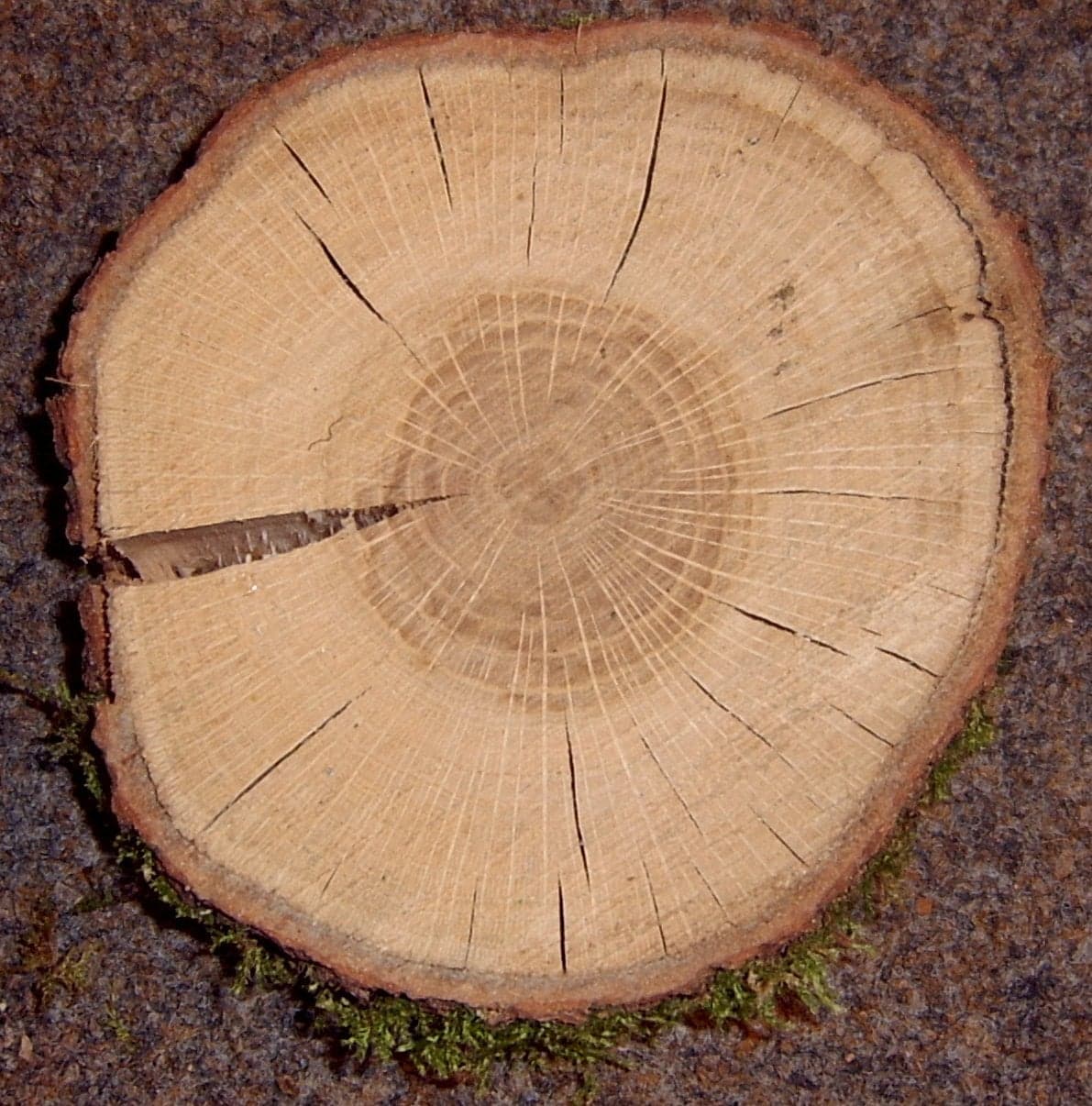
Veio de European Larch

No machine-readable author provided. Lumbar~commonswiki assumed (based on copyright claims)., via Wikimedia Commons

Larix decidua is native to the Alps and Carpathians and has been planted widely across northern and central Europe. Alpine grown stock from high altitude is the most prized, because slow growth produces the tight rings and high resin content that give larch its durability.

  • Not listed in the CITES Appendices and assessed by the IUCN as Least Concern. Alpine larch is slow growing and high altitude stands are managed conservatively, so genuinely tight ringed material is limited and priced accordingly. Plantation larch from lowland northern Europe grows far faster, has wider rings, and is measurably less durable. The distinction matters if the piece is going outdoors.

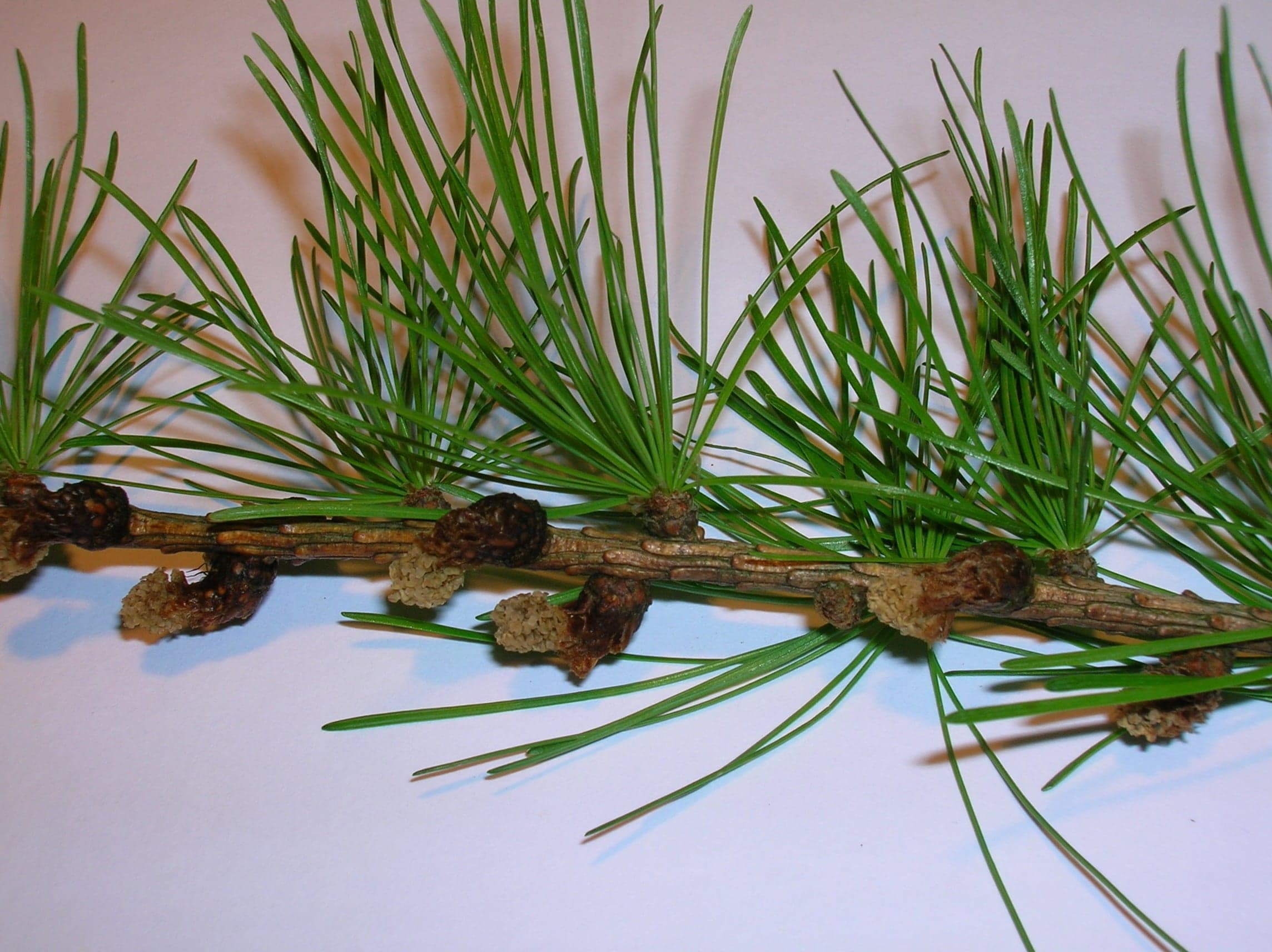
  • European Larch: Folha
    Folha
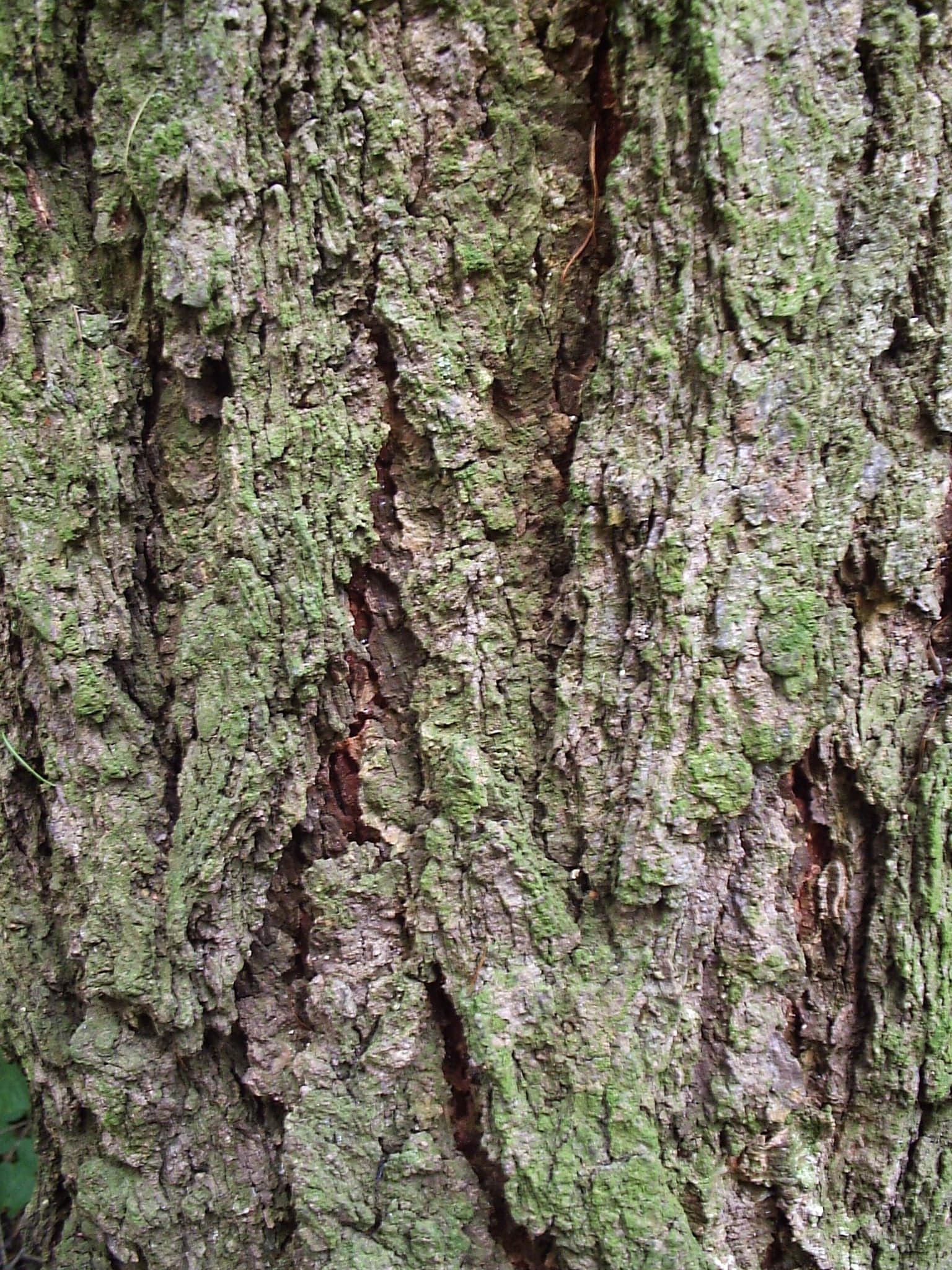
    European Larch: Casca
    Casca

    The sapwood band is narrow and pale, and where it runs along an edge it gives a strong light stripe against the russet heartwood. Some makers treat that as the feature of the board. It is worth knowing that the sapwood carries none of the heartwood durability, so on an exterior piece a sapwood edge is the part that will fail first.

    Look also for resin pockets and for shakes. Larch is more prone than spruce to ring shake, a separation along a growth ring that may not be visible on a rough surface and opens up after machining. On a measured KORENA slab, defects of that size are mapped in the outline.

    At the bench#

    Larch is satisfying to work. It is stiff, it cuts cleanly, and it has enough density to take a crisp edge and hold a sharp arris, which the softer conifers do not.

    Resin is the running battle. It softens with cutting heat and deposits on blades, in gullets and on plane soles. The practical answer is unglamorous: clean blades with a resin solvent between operations, feed steadily rather than forcing, and clear the tool more often than you would with spruce. Abrasives clog quickly and are largely consumable on this species.

    The dense latewood bands introduce the other machining issue. Where grain rises, the hard band can tear out while the soft earlywood either side cuts cleanly, leaving a stepped surface. Light cuts and a scraper handle it. A helical head planer handles it better.

    Gluing is reliable once surfaces are clean, but resin on a jointed face will compromise the bond. Wipe joint faces with acetone before glue-up on anything structural.

    Drying and movement#

    This is where larch demands the most patience. It is prone to distortion and surface checking if dried quickly, and a hot kiln schedule pulls resin to the surface where it sets sticky and interferes with finishing months later.

    Air drying under cover followed by a low temperature kiln finish is the standard route for slab stock, and it is slow. Internal stress from a rushed schedule shows up the moment a slab is ripped, as the two halves spring apart or bow. Ask the yard about the schedule.

    Volumetric shrinkage is around 12.5 percent, slightly lower than spruce, with tangential at 8.2 percent against 4.2 percent radial. Outdoors, that movement is what destroys film finishes, which is why penetrating oils renewed annually outperform varnish on exterior larch.

    Where larch is the right answer#

    Anywhere a European softwood has to face weather. Cladding, decking, garden furniture, dock and boat work: larch is the species in this group that will survive it without preservative treatment, provided you use heartwood and accept that ground contact is still a losing proposition.

    Indoors it makes a genuinely good tabletop, harder than the alternatives here and far more visually interesting. It makes good flooring for the same reasons.

    It is the wrong answer where a pale, quiet surface is wanted, where the finishing schedule cannot accommodate a solvent wipe, or where the budget assumes softwood machining speeds, because everything takes longer on this species.

    Sourcing and EUDR#

    Not CITES listed and assessed as Least Concern. The supply question is not availability but grade. Alpine high altitude stands are managed conservatively and genuinely tight ringed material is limited and priced accordingly, while fast grown plantation larch from lowland northern Europe is abundant and cheap. Both are legitimately European Larch. Only one of them will last outdoors. KORENA listings record the yard and region, so the provenance behind a given slab is visible rather than assumed.

    +

    Surface resin. Wipe the slab down with denatured alcohol or acetone and let it flash off before applying finish. Larch that has been kilned hot will have more resin drawn to the surface, so this step matters more with kiln dried than air dried stock.

    Does larch really go that orange?

    +

    It deepens substantially with light exposure. Freshly machined larch is a fairly pale honey; after a few months of indirect daylight it moves to a warm russet amber, and the contrast with the pale sapwood strengthens rather than fades. If you want the fresh-cut colour held, a UV inhibiting finish slows it, but nothing stops it entirely.

    8.2 %
    Retração volumétricaAlteração total do volume entre o estado verde e a secagem em estufa. Um valor menor indica maior estabilidade.12.5 %
    Durabilidade natural (EN 350)Norma europeia de resistência natural à deterioração, de 1 (muito durável) a 5 (perecível).Class 3 — Moderately durable

    Fontes

    • The Wood Database — European Larch (Larix decidua)(consultado em 2026-08-12)
    • USDA FPL Wood Handbook FPL-GTR-190 (2010)(consultado em 2026-08-12)
    • Meier, E. — WOOD! Identifying and Using Hundreds of Woods Worldwide (2015)(consultado em 2026-08-12)

    A ter em conta

    • Não indicada para exterior sem tratamentoA durabilidade natural é classe 3 de 5 segundo a EN 350. Mantenha-a no interior ou protegida por um acabamento com manutenção.
    • Pó irritanteUse extração e máscara ao lixar ou maquinar.

    Toque numa etiqueta para ver os detalhes.

    Resumo

    Os níveis usam intervalos fixos em todas as espécies apresentadas pela KORENA, permitindo a comparação direta. O valor medido aparece por baixo de cada um.
    DurezaResistência a mossas e desgasteRelativamente macia

    Dureza Janka: 3290 N

    34 % mais macia do que o carvalho-europeu

    PesoPeso da prancha ao levantarMédio

    575 kg/m³

    EstabilidadeGrau de movimento ao longo das estaçõesMédio

    12,5 % de retração volumétrica

    TrabalhoSerrar, aplainar, lixar e colarExigente

    3,4 / 5 de média na bancada

    Uso exteriorResistência natural à deterioração, EN 350Exterior coberto

    EN 350 classe 3

    • Serrar · BoaQualidade do corte e desgaste causado nas lâminas.1 = difícil · 5 = excelente
    • Aplainar · Muito boaSuavidade da superfície e tendência para arrancar fibras.1 = difícil · 5 = excelente
    • Lixar · BoaRapidez com que fica lisa sem entupir a lixa.1 = difícil · 5 = excelente
    • Tornear · Muito boaQualidade do corte e do acabamento no torno.1 = difícil · 5 = excelente
    • Entalhar · BoaNitidez com que conserva os pormenores feitos com goiva.1 = difícil · 5 = excelente
    • Colar · BoaFiabilidade das uniões coladas.1 = difícil · 5 = excelente
    • Fixação de parafuso / prego · Muito boaCapacidade de segurar parafusos e pregos sem rachar.1 = difícil · 5 = excelente
    • Curvatura a vapor · BoaCapacidade de formar curvas depois de tratada a vapor.1 = difícil · 5 = excelente

    O preço atual da madeira de European Larch na Europa, por metro cúbico antes do IVA. Toque num preço para ver os detalhes.

    • Melhores toros em leilãoToros selecionados de alta qualidade vendidos em leilões por proposta, sobretudo a fabricantes de folha e mobiliário. É de toros como estes que se cortam as pranchas.A maioria dos preços situa-se entre 191 € e 301 €.Com base em 49 preços de 2 regiões.Dados mais recentes de 21/09/2026
    • Toros comunsGrandes volumes de madeira redonda corrente vendidos por proprietários florestais e florestas estatais, sobretudo para construção e indústria.A maioria dos preços situa-se entre 47 € e 170 €.Com base em 213 preços de 7 regiões.Dados mais recentes de 24/09/2026

    Melhores toros em leilão por país

    • Áustria · 301 € / m³Regiões: Austria27 preçosDados mais recentes de 21/09/2026
    • Alemanha · 191 € / m³Regiões: Bavaria22 preçosDados mais recentes de 21/09/2026

    Toros comuns por país

    • Itália · 134 € / m³Regiões: Trentino-Alto Adige e Veneto52 preçosDados mais recentes de 30/06/2026
    • França · 131 € / m³Regiões: Grand Est / Alsace6 preçosDados mais recentes de 15/09/2026
    • Roménia · 84 € / m³Regiões: Banat / Crișana, Moldavia (Romania), Transylvania e Wallachia155 preçosDados mais recentes de 24/09/2026

    Porque custa uma prancha mais do que isto?

    Estes são preços de madeira em bruto. Uma prancha é o melhor corte de um toro, seco durante pelo menos um ano e depois verificado e medido peça a peça. Apenas uma pequena parte de cada toro se transforma numa prancha.

    Fonte: Índice de Madeira KORENA · Dados mais recentes de 24/09/2026

    Ver todos os preços regionais