KORENA
MadeiraFinished piecesMateriaisParquesRevista

Receba notificações

Cada prancha é única. Quando é vendida, desaparece. Enviamos um e-mail quando são anunciadas novas peças: novas chegadas, novas espécies e pranchas adequadas a um projeto.

Alguns e-mails por mês. Sem spam, pode cancelar a qualquer momento.

KORENA, madeiras nobres

Uma peça de cada vez.

Madeiras nobres verificadas, vendidas peça a peça. Cada prancha é fotografada, medida e enviada pelo parque parceiro com um passaporte da madeira.

Comprar

  • Explorar produtos
  • Arquivo de vendas
  • Acompanhar encomenda

Aprender

  • Revista
  • Guias de espécies
  • Glossário
  • Comparar
  • Autores

Ajuda

  • Sobre nós
  • Como funciona
  • Torne-se um parque parceiro
  • Encontrar uma prancha
  • Apoio
  • Modelos de documentos
  • Imprensa

Comprar

  • Termos de venda
  • Direito de livre resolução
  • Devoluções e garantia
  • Envio e entrega

Confiança

  • Política de privacidade
  • Política de cookies
  • Proveniência da madeira e EUDR
  • Acessibilidade

Informação legal

  • Aviso legal / Informação legal
  • Utilização aceitável
  • Propriedade intelectual e conteúdo

© 2026 KORENA. Todos os direitos reservados.

Gerido pela Martial Labs Ltd. (BG, EIK 207453941). KORENA é um nome comercial da Martial Labs Ltd.

Respeitamos a sua privacidade

Usamos cookies essenciais para o funcionamento do site. Com a sua autorização, também usamos cookies para análise, conteúdo personalizado e publicidade. Pode mudar de ideias a qualquer momento na página de preferências de consentimento. Consulte a nossa política de cookies e a política de privacidade.

  1. Início
  2. /
  3. Espécies
  4. /
  5. European Pear

Pyrus communis

European Pear

Master-grade carving and cabinet wood with a fine even texture. Slab-size pieces are rare and prized when they appear.

  • Cultivada e abatida na Europa.
  • Grupo botânico. As madeiras de coníferas vêm de coníferas; as folhosas vêm de árvores de folha larga.
  • Família botânica a que pertence a espécie.
Receber aviso quando chegarEspécie de referência. Sem peças em stock neste momento.
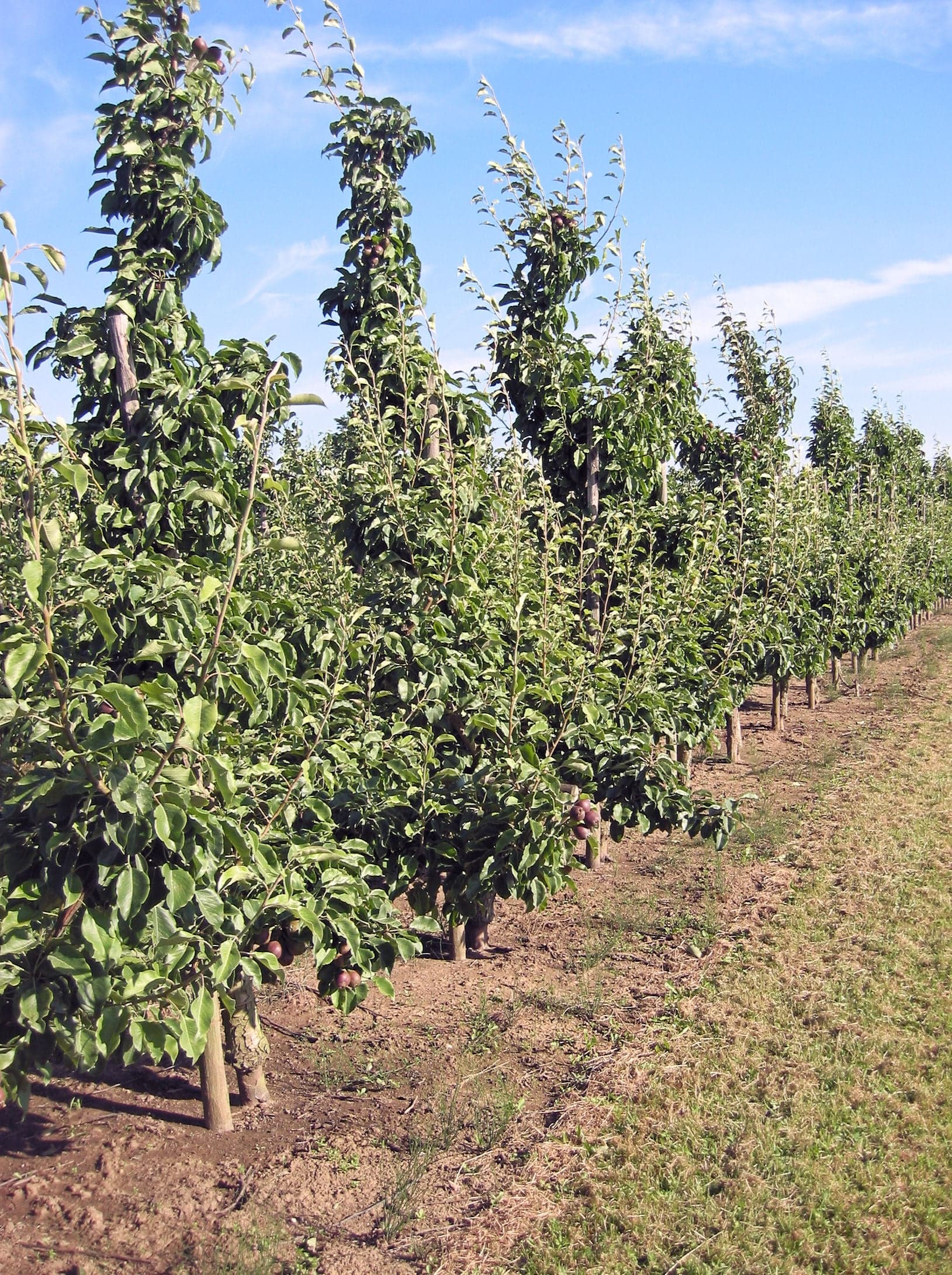
Árvore de European Pear
  • Adequação ao projeto
  • Em stock
  • Aspeto
  • Trabalho
  • Movimento
  • Preço
  • Segurança e origem
  • Perguntas
  • Dados técnicos

É adequada ao seu projeto?

Ótima para

  • Heirloom carving and sculpture
  • Fine cabinetry and case pieces
  • Marquetry and inlay
  • Jewellery boxes and instrument cases
  • Small statement tables and side tables
  • Turned bowls and treen

Sem European Pear na seleção atual

Espécies semelhantes em stock

Não há European Pear neste momento. Estas espécies servem para os mesmos projetos e têm peças disponíveis.
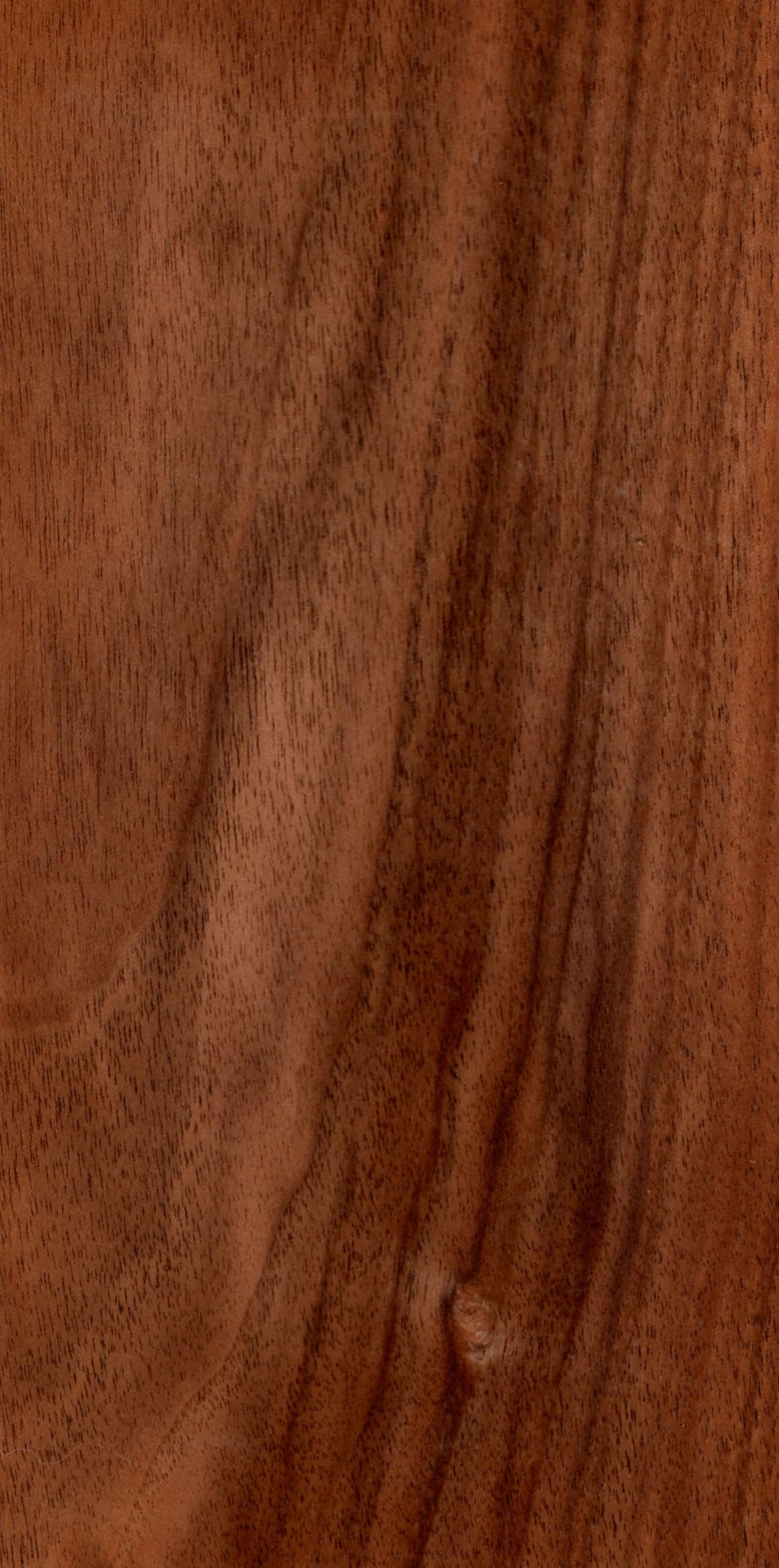

  • Veio de European Walnut

    European Walnut

    Juglans regia

    9 peças

  • Veio de European Oak

    European Oak

    Quercus robur

    6 peças

  • Veio de Saman

    Saman

    Samanea saman

    4 peças

Receba notificações sobre European Pear

Enviamos um e-mail quando chegam à KORENA novas pranchas de European Pear. Cada peça é única, por isso é importante saber cedo.

Alguns e-mails por mês. Sem spam, pode cancelar a qualquer momento.

Aspeto da madeira

Qual é o seu aspeto

Pale pinkish-tan to warm salmon, deepening to a soft russet with age and light. Texture is dense, even, and almost poreless under the hand. Figure is quiet, gentle ribbon and the occasional fine fleck, which is exactly why carvers and marquetry workers prize it. The grain doesn't fight you, and detail holds crisply.

  • Pale pinkish-tan when fresh off the saw
  • Warm salmon to soft russet with age
  • Steamed pear takes a uniform pinkish hue
  • Stains evenly to deep black for ebonised work
  • Subtle ribbon figure; rarely dramatic
  • Mild UV warming, no harsh colour shift
  • Very fine even texture; subtle figure.

Trabalhar esta madeira

Como se trabalha

Carves, turns, and planes superbly, this is a benchmark wood for fine work. Cuts cleanly across the grain without tearing, holds knife-edge detail, and turns to crisp profiles. Sands to a near-polished surface straight off the tool. Glues and screws well. Steam bending is moderate. The low stiffness helps it bend, but it can compress unevenly, so test on offcuts.

Acabamento

Sands to a glass-smooth surface, one of the cleanest finishes you can pull off any European hardwood. Takes oil, wax, and shellac evenly with no blotching. Steaming produces the uniform pinkish tone historically used to imitate ebony when stained black (the piano-key trick). For natural finishes, hard-wax oil holds the warm tone; lacquer can flatten it. Expect mild warming in UV.

Secagem

Honest tradeoff: tangential shrinkage is high (10.5–12%) against modest radial movement, so drying rate matters. Pear that's rushed will check, cup, and case-harden. Air-dry slowly under weight, then finish in a kiln on a gentle schedule. Once stable, it sits well indoors. Quartersawn or rift-sawn stock is the safer cut for wide panels.

Quanto se irá mover?

A madeira incha e contrai-se na largura à medida que o ar fica mais húmido ou mais seco. Estime o movimento sazonal de um tampo de European Pear antes de desenhar as fixações.

Corte
Local onde será usada

Movimento sazonal previsto

cerca de 12,9 mm

Grande. Use fixadores ou suportes com rasgos, deixe folga nas extremidades das travessas e permita que a prancha se aclimatize antes da montagem.

Modelo de retração linear: largura × (retração ÷ 28 % de saturação das fibras) × variação sazonal da humidade. Usa uma retração tangencial de 11,25 % para European Pear. É uma estimativa de planeamento, não uma garantia.

Quanto custa

Segurança e origem

  • Cultivada e abatida na Europa.
  • Estado na Lista Vermelha da UICN: a avaliação mundial de conservação desta espécie.
  • Food-contact safe, pear has a long tradition as kitchen utensil and treen wood. Not a commonly reported dust sensitiser. Standard shop dust extraction is enough.

Ler o guia completoNotas detalhadas sobre desenho, alteração da cor, trabalho e estabilidade.+

What European Pear actually is#

Pyrus communis is the fine detail wood of Europe. Its texture is exceptionally close, even and dense, with essentially no visible grain direction, and at 7,420 N Janka it is one of the hardest species in this catalogue.

That pairing is unusual. Most woods that hold fine detail are soft, like lime. Most woods that are hard have pronounced grain that fights the tool, like oak. Pear is both hard and directionless, so carved detail is crisp and then survives being handled.

It is the traditional wood for woodcut printing blocks, recorders and wind instrument parts, drawing instruments, rulers, set squares and fine inlay, and all of those uses depend on the same property.

The orchard problem#

Pear is a fruit tree. It is grown for pears, and it reaches the timber market when an orchard tree comes to the end of its productive life.

The consequences are structural. Trunks are short and often irregular. Diameters are modest. Clean wide boards are genuinely scarce, and slab sized material is uncommon enough that finding it is the main constraint rather than affording it.

Expect narrow widths, short lengths, and a good deal of character.

Steamed and unsteamed

Perguntas dos compradores

Perguntas dos compradores

Why is pear so highly regarded for carving and instruments?

+

Its texture is exceptionally fine, even and dense, with essentially no visible grain direction, so it cuts equally well in any direction and holds very crisp detail. At 7,420 N Janka it is also hard, which means carved detail survives handling. That combination of fine texture and hardness is rare and is why pear has been the traditional wood for woodcuts, recorders, rulers and instrument parts.

What is steamed pear?

+

Pear that has been steamed during drying, which turns the pale pinkish wood a warm rose brown and evens the colour. It is the standard European commercial treatment and the colour most people associate with the species. Unsteamed pear is paler and more variable. The change is permanent.

Why are pear boards so small?

+

It is an orchard tree, grown for fruit and felled at the end of its productive life rather than for timber. Trunks are short, often irregular, and rarely large. Wide clean pear is genuinely scarce and priced accordingly, and slab sized material is uncommon.

How much does it move?

+

Propriedades mecânicas

Dados técnicos

Valores de referência publicados. Quando as fontes divergem, é apresentado o intervalo e o valor típico é usado nas escalas acima.

Densidade (kg/m³)Massa por metro cúbico com cerca de 12 % de humidade. A madeira mais pesada costuma ser mais dura e resistente.650–740 kg/m³típico: 700 kg/m³
Dureza Janka (N)Força necessária para pressionar uma esfera de aço até metade da sua profundidade na madeira. É a medida habitual de resistência a mossas.6,800–7,800 Ntípico: 7420 N
MOR: módulo de rutura (MPa)Resistência à flexão: a carga com que uma viga parte.75–90 MPa
MOE: módulo de elasticidade (GPa)Rigidez à flexão: quanto uma prateleira ou um tampo flete sob carga.7.0–8.5 GPa
Retração radialRetração perpendicular aos anéis de crescimento, do estado verde à secagem em estufa. É este o movimento das tábuas de corte radial.4.0–5.0 %
Retração tangencial

Rasbak, via Wikimedia Commons

  • Drawing instruments and tool handles
  • Ebonised detail work (piano-key tradition)
  • Pontos fortes

    • Segura para alimentosAdequada para tábuas, taças e superfícies que contactam com alimentos.

    A ter em conta

    • Não indicada para exterior sem tratamentoA durabilidade natural é classe 5 de 5 segundo a EN 350. Mantenha-a no interior ou protegida por um acabamento com manutenção.

    Native across Europe, from orchards and hedgerows. Most pear comes in small sections from old orchard trees, so a true slab is uncommon stock, usually a long-lived garden or estate tree that grew large enough to mill.

  • IUCN Least Concern, no CITES listing. Native European species, often sourced from orchard clearances and estate trees rather than dedicated forestry, which means supply is opportunistic and slabs are scarce. Decay class 5, perishable, so this is strictly interior wood.

  • #

    Most European commercial pear is steamed during drying.

    Steaming turns the pale pinkish natural colour to a warm rose brown and evens out variation. This is the colour most people picture when they think of pear, and it is the standard for instrument and cabinet work.

    Unsteamed pear is paler, closer to a pinkish cream, and more variable between boards. Both are the same species and the difference is permanent, so decide at the outset and buy accordingly.

    The movement problem#

    This is the one number that spoils an otherwise excellent wood.

    Tangential shrinkage of 10.5 percent against radial at 4.0 percent is among the widest differentials in this catalogue, wider than oak, wider than ash. Volumetric shrinkage of 11.5 percent is only moderate, so the total movement is unremarkable, but the distortion is severe because the two axes are so far apart.

    Flatsawn pear cups hard. Quartersawn stock is markedly better behaved and is worth seeking out for anything that must stay flat.

    Given the small sizes the species comes in, most pear ends up in components small enough that this matters less than it would in a wide top. If you do have a pear slab wide enough for a tabletop, that ratio is the thing to design around.

    At the bench#

    Pear works beautifully and it works hard. At 7,420 N it blunts tooling steadily and asks for power, but the fine texture means it cuts cleanly rather than tearing.

    It carves exceptionally, turns exceptionally, and takes a polished surface directly from the tool with very little abrasive work. It glues reliably and holds fine screws with pilot holes.

    It also bends reasonably well and takes a very crisp moulded profile, which is why it appears in period furniture as mouldings and edge details.

    Finishing#

    The fine dense surface takes finish evenly and needs no grain filling. Steamed pear under a clear oil is a warm rose brown that many makers consider among the most attractive surfaces in European furniture.

    It stains poorly and rarely needs to. Pear is often used precisely because its own colour is wanted.

    It is also the traditional substrate for ebonising, taking black stain evenly because there is no open grain to break up the surface, which is how pear was used as a substitute for ebony in period work.

    Where European Pear is the right answer#

    Carving and fine detail work, musical instrument parts, drawing and measuring instruments, inlay and marquetry, small cabinetry, turned work, and mouldings. Also ebonised work.

    It is the wrong answer for anything large, anything outdoors at decay class 5, and anything where a wide flatsawn surface must stay flat.

    Sourcing and EUDR#

    Not CITES listed and assessed as Least Concern. The tree is common across Europe but timber supply is limited by the orchard felling pattern rather than by scarcity of trees. Provenance chains are short and non-standardised, and KORENA records the yard and region on every listing.

    Tangential shrinkage of 10.5 percent against radial at 4.0 percent is a very wide differential, among the widest in this catalogue, so flatsawn pear cups strongly. Volumetric shrinkage of 11.5 percent is only moderate, so the total movement is not extreme but the distortion is. Quartersawn stock is markedly better behaved.

    Can pear be used outdoors?

    +

    No. It is rated decay class 5, perishable, despite being hard and dense. Hardness and durability are unrelated. Pear is an interior wood for fine work, and it is too scarce and valuable to put outside.

    Retração ao longo dos anéis de crescimento. É este o movimento das tábuas de corte tangencial e da maioria das pranchas.
    10.5–12.0 %
    Retração volumétricaAlteração total do volume entre o estado verde e a secagem em estufa. Um valor menor indica maior estabilidade.11.5–13.5 %
    Durabilidade natural (EN 350)Norma europeia de resistência natural à deterioração, de 1 (muito durável) a 5 (perecível).Class 5 — Perishable

    Fontes

    • The Wood Database(consultado em 2026-05-09)
    • USDA FPL Wood Handbook FPL-GTR-190 (2010)(consultado em 2026-05-09)
    • Meier, E. — WOOD! Identifying and Using Hundreds of Woods Worldwide (2015)(consultado em 2026-05-09)

    Resumo

    Os níveis usam intervalos fixos em todas as espécies apresentadas pela KORENA, permitindo a comparação direta. O valor medido aparece por baixo de cada um.
    DurezaResistência a mossas e desgasteMuito dura

    Dureza Janka: 7420 N

    49 % mais dura do que o carvalho-europeu

    PesoPeso da prancha ao levantarPesado

    700 kg/m³

    EstabilidadeGrau de movimento ao longo das estaçõesMédio

    12,5 % de retração volumétrica

    TrabalhoSerrar, aplainar, lixar e colarMuito fácil

    4,6 / 5 de média na bancada

    Uso exteriorResistência natural à deterioração, EN 350Apenas interior

    EN 350 classe 5

    • Serrar · ExcelenteQualidade do corte e desgaste causado nas lâminas.1 = difícil · 5 = excelente
    • Aplainar · Muito boaSuavidade da superfície e tendência para arrancar fibras.1 = difícil · 5 = excelente
    • Lixar · ExcelenteRapidez com que fica lisa sem entupir a lixa.1 = difícil · 5 = excelente
    • Tornear · ExcelenteQualidade do corte e do acabamento no torno.1 = difícil · 5 = excelente
    • Entalhar · ExcelenteNitidez com que conserva os pormenores feitos com goiva.1 = difícil · 5 = excelente
    • Colar · Muito boaFiabilidade das uniões coladas.1 = difícil · 5 = excelente
    • Fixação de parafuso / prego · Muito boaCapacidade de segurar parafusos e pregos sem rachar.1 = difícil · 5 = excelente
    • Curvatura a vapor · BoaCapacidade de formar curvas depois de tratada a vapor.1 = difícil · 5 = excelente

    Ainda não há referência de mercado para European Pear. Cada peça KORENA recebe um preço individual do respetivo parque parceiro.

    Desgasta os gumes
    É muito dura e densa. Mantenha as ferramentas afiadas e faça furos-piloto para todos os parafusos.

    Toque numa etiqueta para ver os detalhes.
