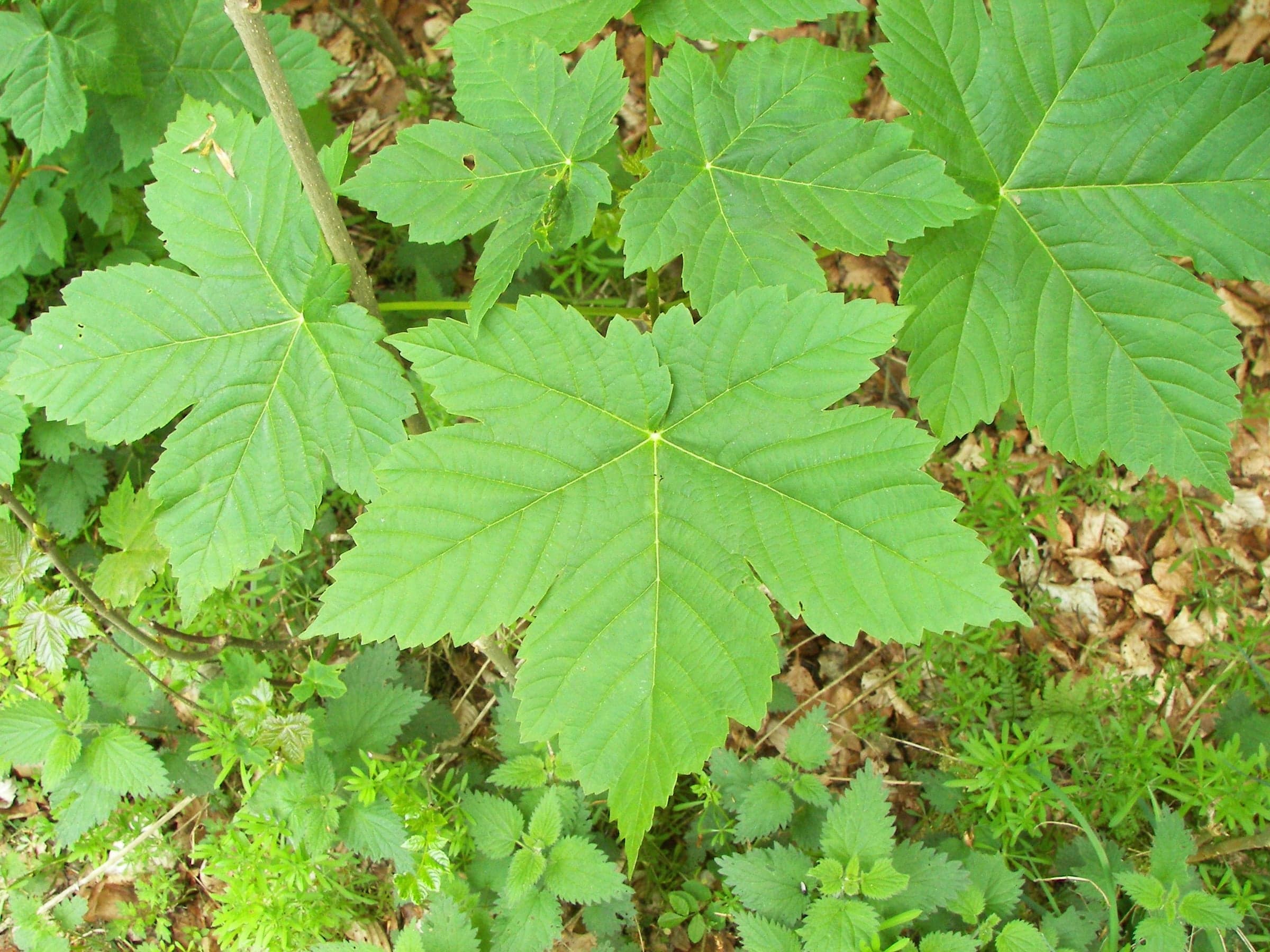
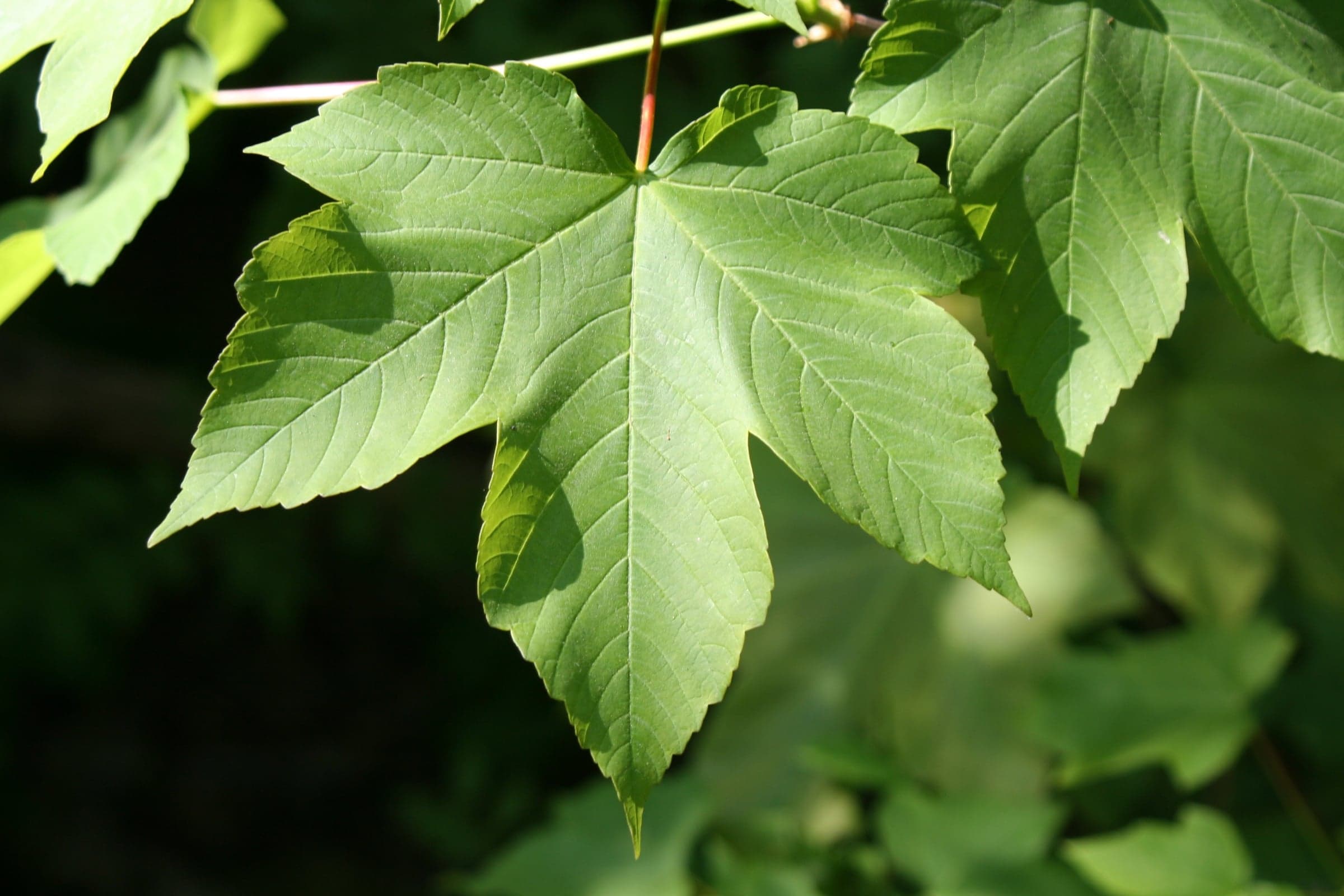
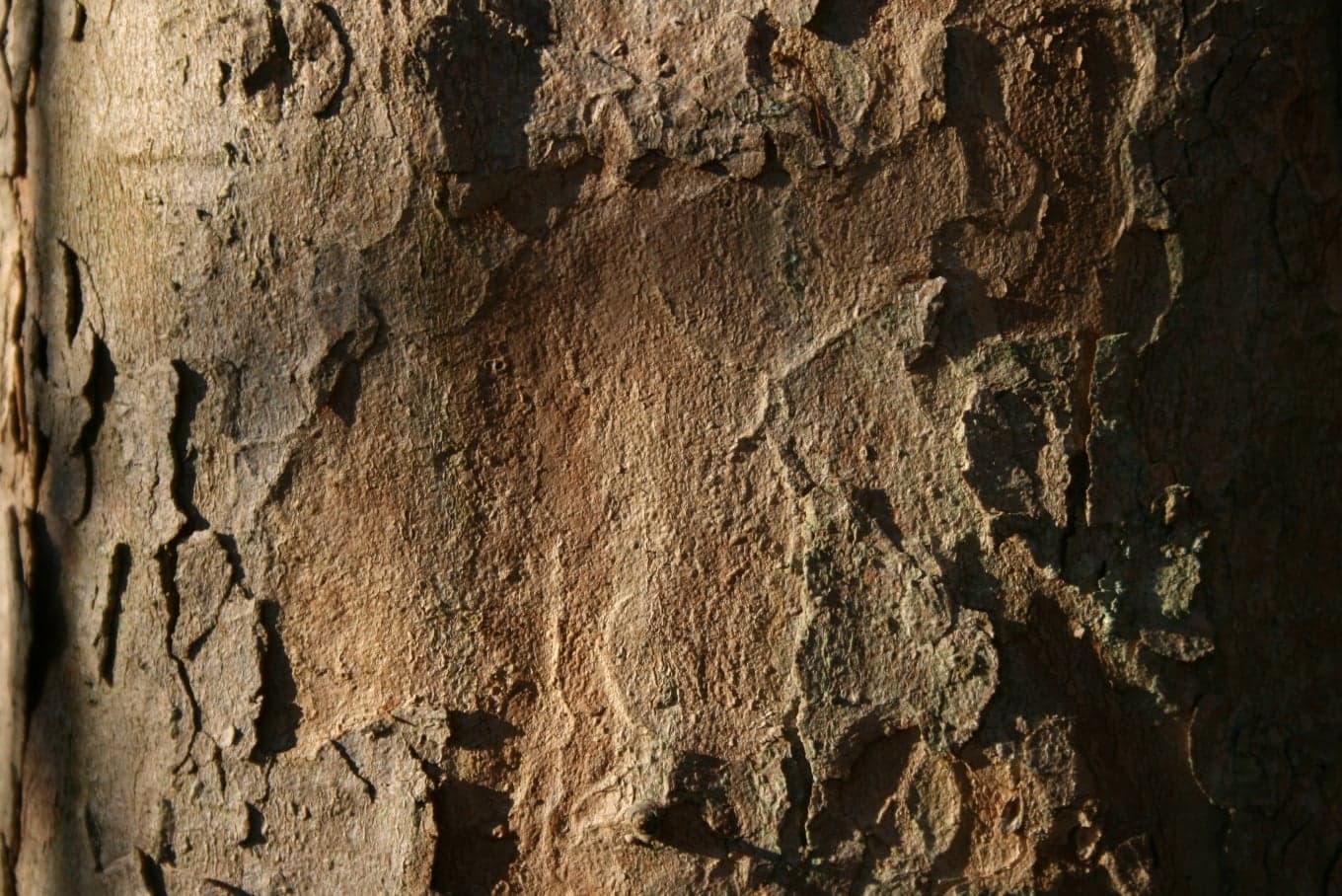
Acer pseudoplatanus
Sycamore Maple
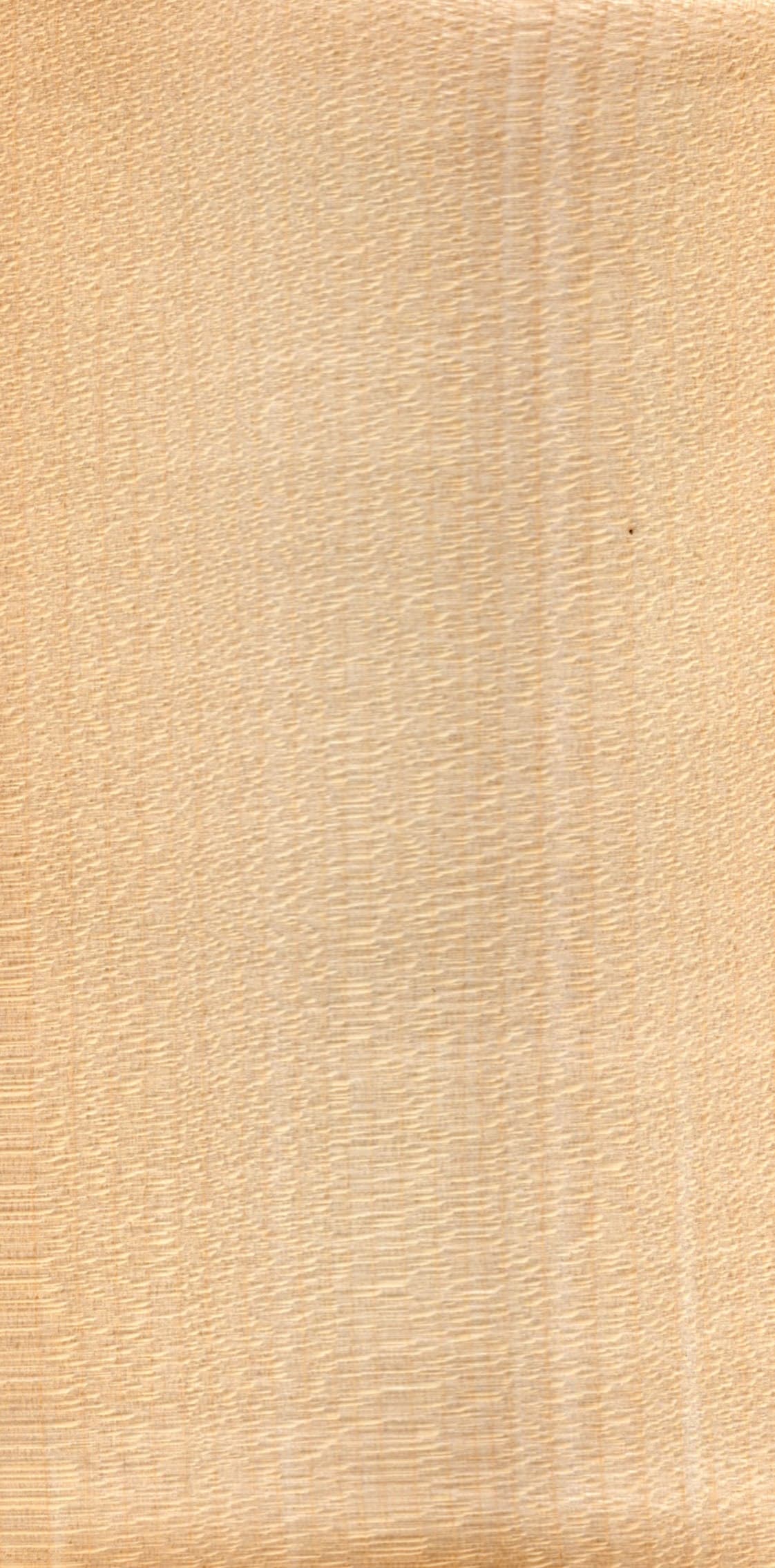
Pale, lustrous European hardwood with a creamy near-white surface. Often quartersawn to bring out ray fleck, and prized in curly form for violin and cello backs.
- Cultivada e abatida na Europa.
- Grupo botânico. As madeiras de coníferas vêm de coníferas; as folhosas vêm de árvores de folha larga.
- Família botânica a que pertence a espécie.
Receber aviso quando chegarEspécie de referência. Sem peças em stock neste momento.
É adequada ao seu projeto?
Ótima para
- Violin, viola and cello backs, sides and necks (fiddleback stock)
- Kitchen worktops, butcher blocks and chopping boards
- Light-toned furniture, cabinetry and shelving
- Turned bowls, treen and tool handles
- Interior joinery, stair parts and panelling
- Marquetry and inlay where a near-white ground is needed
Sem Sycamore Maple na seleção atual
Espécies semelhantes em stock
Não há Sycamore Maple neste momento. Estas espécies servem para os mesmos projetos e têm peças disponíveis.


Receba notificações sobre Sycamore Maple
Enviamos um e-mail quando chegam à KORENA novas pranchas de Sycamore Maple. Cada peça é única, por isso é importante saber cedo.
Aspeto da madeira
Qual é o seu aspeto
Sycamore maple runs creamy white to pale yellow with a fine, even texture and a soft natural sheen. Grain is usually straight, with occasional wavy or interlocked sections. Quartersawn boards show small ray fleck. The most sought-after cut is fiddleback, a tight, rippled curl that catches light across the board and has been used for violin, viola and cello backs since the Cremonese workshops of Stradivari and Guarneri.
- Creamy white to pale yellow when freshly machined
- Soft natural lustre, especially on quartersawn faces
- Small ray fleck on quartersawn boards
- Fiddleback or curly figure in select boards, three-dimensional ripple under light
- Ambers gently toward warm straw under UV exposure
- Pale, lustrous; often quartersawn for ray fleck.
Trabalhar esta madeira
Como se trabalha
Works well across the board. Saws, planes, sands and glues cleanly, and turns excellently, it is a long-standing choice for treen, bowls and tool handles. Curly and fiddleback stock will tear out under straight blades; use sharp tooling, light cuts and a high cutting angle, or sand through grits. Screws and holds fastenings without splitting at sensible pilot sizes.
Acabamento
The pale colour is part of the appeal, so most makers stay with water-based or hardwax oil finishes that keep the surface near-white. Oil-based and polyurethane finishes warm the wood toward straw yellow. Expect a slow ambering shift under UV regardless, pieces stored in shade stay paler for longer. Sands cleanly to a high polish. On figured stock, a thin coat of dilute shellac before the topcoat lifts the chatoyance.
Secagem
Dries fairly quickly but is prone to fungal staining and grey discolouration if left in stick during warm, humid weather. The traditional remedy is to fell in winter and end-rack boards vertically so air moves across both faces. Tangential shrinkage of 7.5–9.0% against radial 4.0–5.5% gives a moderate T/R ratio, so quartersawn stock stays flatter in service. Acclimatise indoors before machining final dimensions.
Quanto se irá mover?
A madeira incha e contrai-se na largura à medida que o ar fica mais húmido ou mais seco. Estime o movimento sazonal de um tampo de Sycamore Maple antes de desenhar as fixações.
Movimento sazonal previsto
cerca de 9,4 mm
Fixe o tampo com fixadores ou suportes com rasgos, não com cola ou parafusos apertados.
Modelo de retração linear: largura × (retração ÷ 28 % de saturação das fibras) × variação sazonal da humidade. Usa uma retração tangencial de 8,25 % para Sycamore Maple. É uma estimativa de planeamento, não uma garantia.
Quanto custa
Segurança e origem
- Cultivada e abatida na Europa.
- Estado na Lista Vermelha da UICN: a avaliação mundial de conservação desta espécie.
Food-contact safe and a classic European choice for butcher blocks, chopping boards and kitchen treen. Maple dust is a known respiratory sensitiser and is listed as a carcinogen in some jurisdictions, extract at the tool and wear a fitted P3 mask when sanding or routing.
Ler o guia completoNotas detalhadas sobre desenho, alteração da cor, trabalho e estabilidade.
What European Sycamore actually is#
Acer pseudoplatanus is a maple, despite the name. It is the whitest timber in this catalogue and the traditional European choice wherever a pale, clean, food-safe surface is wanted.
The naming causes real confusion. European Sycamore is a maple. American sycamore is Platanus occidentalis, a plane tree. London Plane, which KORENA also lists, is Platanus x acerifolia and is the European plane. The three are unrelated and work differently. Buy on the botanical name.
Keeping it white#
The pale colour is the whole point of this species and it is fragile.
Freshly converted sycamore stains easily. If boards are flat stacked and left, fungal staining greys them within weeks. The traditional handling is end rearing, standing the boards on end so air moves freely and moisture drains, and prompt drying after conversion.
A greyed or blue stained sycamore board is not structurally damaged but it has lost the property you were buying.
In use, the threat is the finish. Oil finishes amber pale woods, and sycamore starts whiter than anything else here so it shows the shift most. A clear water based finish or a low yellowing hardwax oil preserves the colour; a standard oil turns it distinctly yellow, permanently.
The figure
Perguntas dos compradores
Perguntas dos compradores
Is European Sycamore the same as American sycamore?
No, and the naming is genuinely confusing. European Sycamore is Acer pseudoplatanus, a maple. American sycamore is Platanus occidentalis, a plane tree, and its European counterpart is London Plane, Platanus x acerifolia, which KORENA also lists. The three are unrelated and behave differently. Check the botanical name.
Why is sycamore used for violin backs?
Its fine even texture, good stiffness and frequent curly figure suit it acoustically and visually, and it has been the traditional back, ribs and neck timber for violins since the Cremonese makers. Figured sycamore with strong flame is still sold specifically as fiddleback for this purpose.
How do I keep it white?
Sycamore is prized for being one of the whitest European timbers and it discolours easily. It must be dried promptly and end reared rather than flat stacked, or fungal staining greys it. In use, avoid oil finishes, which pull it yellow, and use a clear water based finish or a low yellowing hardwax oil instead.
What is rippled or fiddleback sycamore?
Propriedades mecânicas
Dados técnicos
Valores de referência publicados. Quando as fontes divergem, é apresentado o intervalo e o valor típico é usado nas escalas acima.
| Densidade (kg/m³)Massa por metro cúbico com cerca de 12 % de humidade. A madeira mais pesada costuma ser mais dura e resistente. | 570–660 kg/m³típico: 615 kg/m³ |
|---|---|
| Dureza Janka (N)Força necessária para pressionar uma esfera de aço até metade da sua profundidade na madeira. É a medida habitual de resistência a mossas. | 4,400–5,000 Ntípico: 4680 N |
| MOR: módulo de rutura (MPa)Resistência à flexão: a carga com que uma viga parte. | 95–115 MPa |
| MOE: módulo de elasticidade (GPa)Rigidez à flexão: quanto uma prateleira ou um tampo flete sob carga. | 9.5–11.5 GPa |
| Retração radialRetração perpendicular aos anéis de crescimento, do estado verde à secagem em estufa. É este o movimento das tábuas de corte radial. | 4.0–5.5 % |
| Retração tangencial |