Carpinus betulus
Hornbeam
Pale, ruthlessly dense, and famously hard. The wood old joiners reached for when they needed plane bodies, mallet heads, and water-mill cogs that would not give up.
- Cultivada e abatida na Europa.
- Grupo botânico. As madeiras de coníferas vêm de coníferas; as folhosas vêm de árvores de folha larga.
- Família botânica a que pertence a espécie.
Receber aviso quando chegarEspécie de referência. Sem peças em stock neste momento.
É adequada ao seu projeto?
Ótima para
- Plane bodies and mallet heads
- Tool handles and chisel handles
- Turned work, bowls, finials, pepper mills, fine spindles
- Joinery accents, wedges, splines, drawbore pins, dovetail keys
- High-wear surfaces, chopping boards, butcher blocks, jig faces
- Gear teeth, cogs, and replacement parts in restored mills
Sem Hornbeam na seleção atual
Espécies semelhantes em stock
Não há Hornbeam neste momento. Estas espécies servem para os mesmos projetos e têm peças disponíveis.
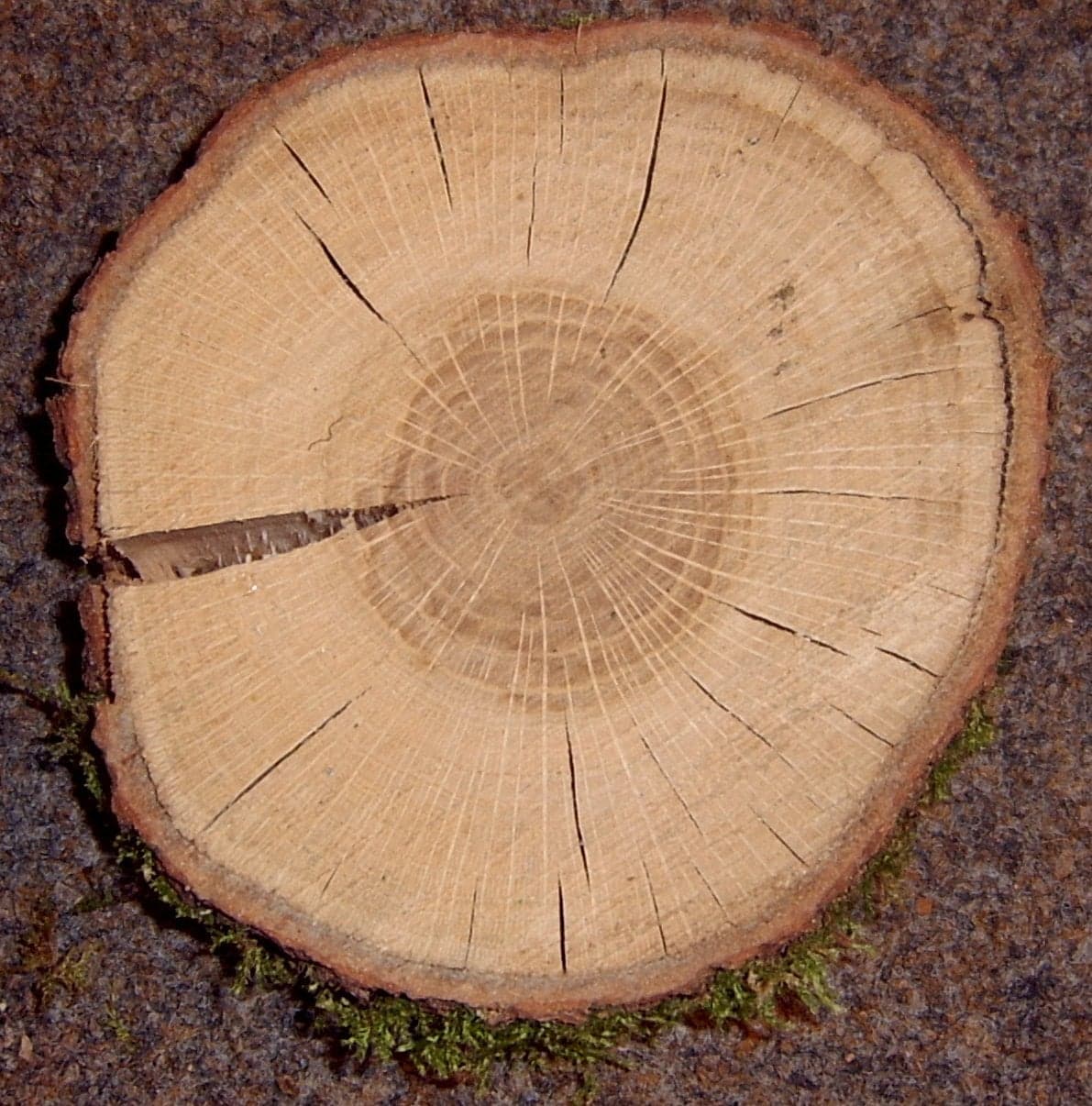
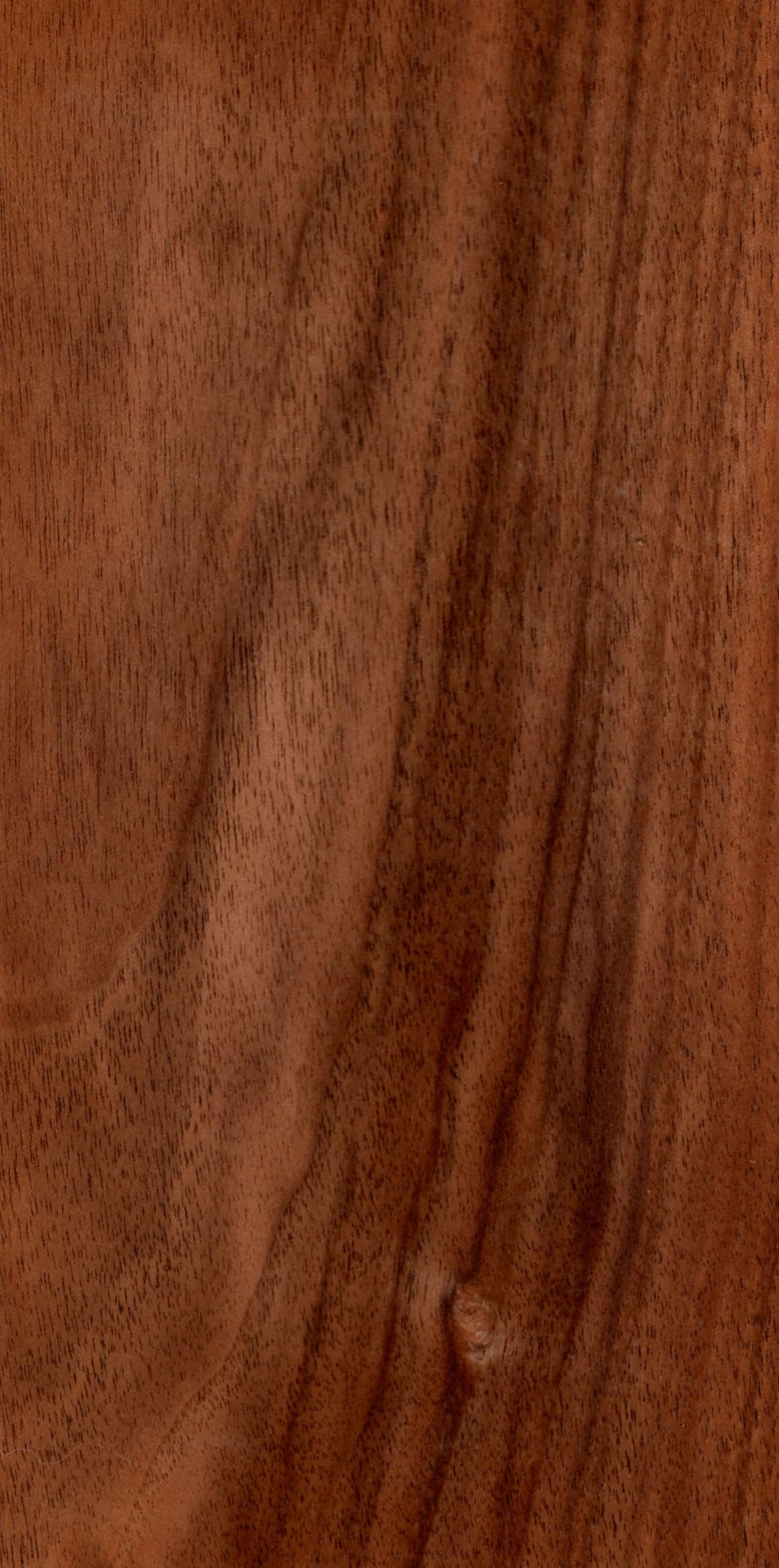
Receba notificações sobre Hornbeam
Enviamos um e-mail quando chegam à KORENA novas pranchas de Hornbeam. Cada peça é única, por isso é importante saber cedo.
Aspeto da madeira
Qual é o seu aspeto
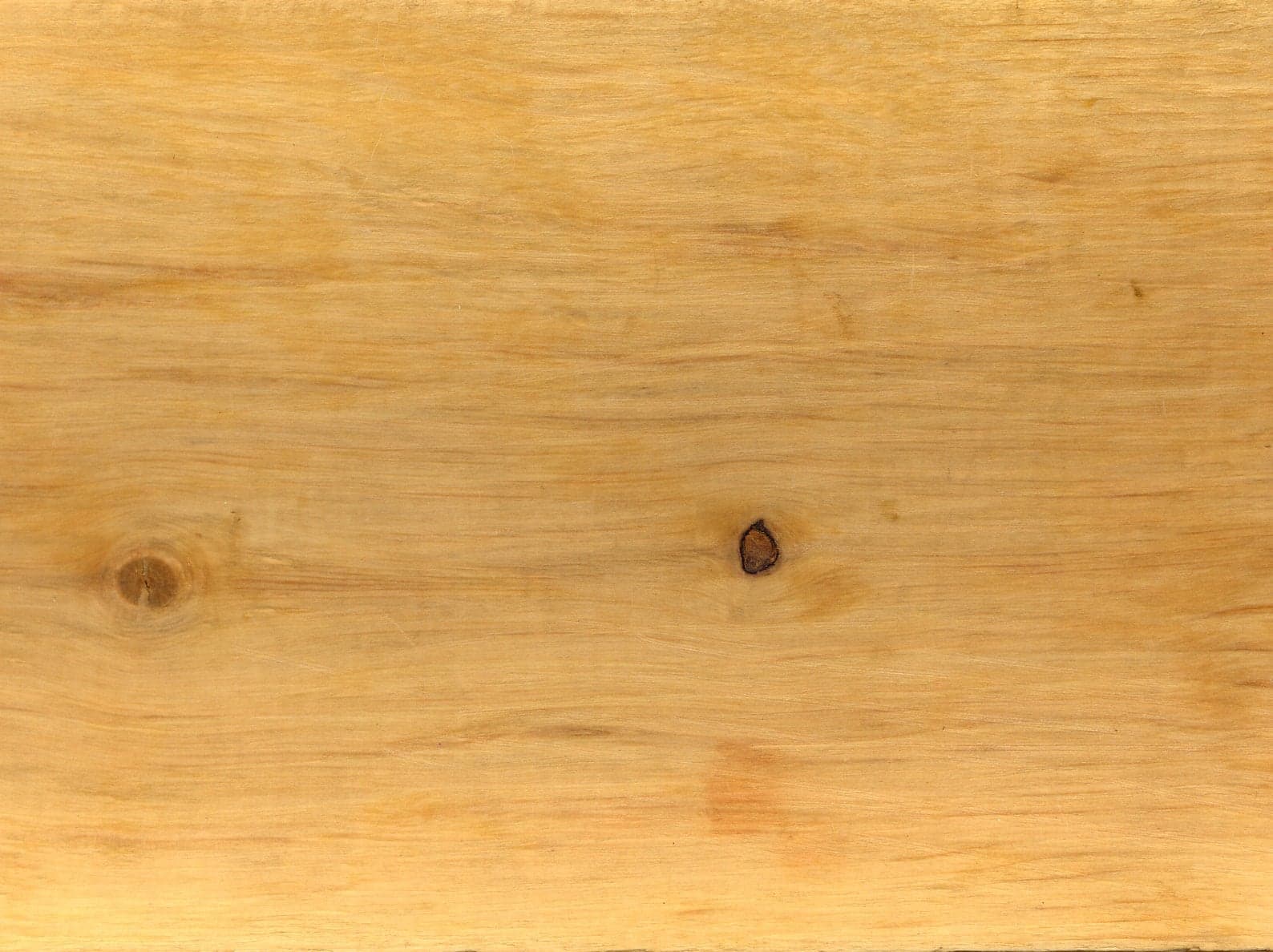
Creamy white to pale straw, sometimes drifting to light grey-brown with age. Grain is irregular and often interlocked; texture is fine and even. Almost no figure, no drama, its character is in the surface itself, which polishes to a hard, near-ceramic feel that softer pale woods cannot match.
- Creamy white to pale straw when fresh
- Drifts to light grey-brown with age and UV
- Occasional grey streaking on slower-grown stock
- Almost figureless, reads as a clean, even pale ground
- Polishes to a hard, near-ceramic surface sheen
- Irregular grain, fine even texture.
Trabalhar esta madeira
Como se trabalha
A specialist wood. Density and interlocked grain blunt edges fast. Expect to sharpen often and feed slowly. Planing tears out unless irons are keen and the cut is light; a scraper or sander often finishes better than a plane. Drilling and routing demand sharp carbide. The reward is on the lathe, where it turns to a fine, crisp surface and holds detail other woods crush. Glues and screws well once pre-bored. Steam-bends reasonably for such a dense species.
Acabamento
Sands to a glassy surface if you stay patient and step through the grits. Takes hard waxes, oils, and lacquers cleanly. Stains can blotch on the interlocked patches. Test first. Burnishes beautifully on the lathe; many turners leave it bare or oil-only.
Secagem
Dries slowly and moves a lot, tangential shrinkage of 11 to 13 percent puts it among the most mobile European hardwoods. Prone to distortion, surface checks, and case-hardening if rushed. Air-dry under weight, then finish in a kiln on a gentle schedule. Acclimatise in the workshop for several weeks before machining, and design for movement in any wider piece.
Quanto se irá mover?
A madeira incha e contrai-se na largura à medida que o ar fica mais húmido ou mais seco. Estime o movimento sazonal de um tampo de Hornbeam antes de desenhar as fixações.
Movimento sazonal previsto
cerca de 13,7 mm
Grande. Use fixadores ou suportes com rasgos, deixe folga nas extremidades das travessas e permita que a prancha se aclimatize antes da montagem.
Modelo de retração linear: largura × (retração ÷ 28 % de saturação das fibras) × variação sazonal da humidade. Usa uma retração tangencial de 12 % para Hornbeam. É uma estimativa de planeamento, não uma garantia.
Quanto custa
Segurança e origem
- Cultivada e abatida na Europa.
- Estado na Lista Vermelha da UICN: a avaliação mundial de conservação desta espécie.
Food-contact safe once finished, which is why it has a long history in kitchen tools and chopping blocks. The dust is a known skin irritant and can sensitise on repeated exposure. Wear long sleeves, run good extraction, and mask up when sanding.
Ler o guia completoNotas detalhadas sobre desenho, alteração da cor, trabalho e estabilidade.
What Hornbeam actually is#
Carpinus betulus is the wear wood. At 735 kg per cubic metre and 7,260 N Janka it is the second hardest measured species in this catalogue, behind only robinia, and it has a fine even texture with no strong grain direction.
That combination, hardness without a pronounced grain to split along, is what made it the traditional wood for things that get hit, rubbed and worn: plane soles, mallet heads, gear teeth in windmill and watermill machinery, butchers blocks, and cogs.
It is not a decorative wood and it was never used as one.
Reading a hornbeam slab#
Colour is pale, near white to light cream, sometimes with grey streaking. Figure is minimal. The texture is fine and even and the surface has a slight natural lustre.
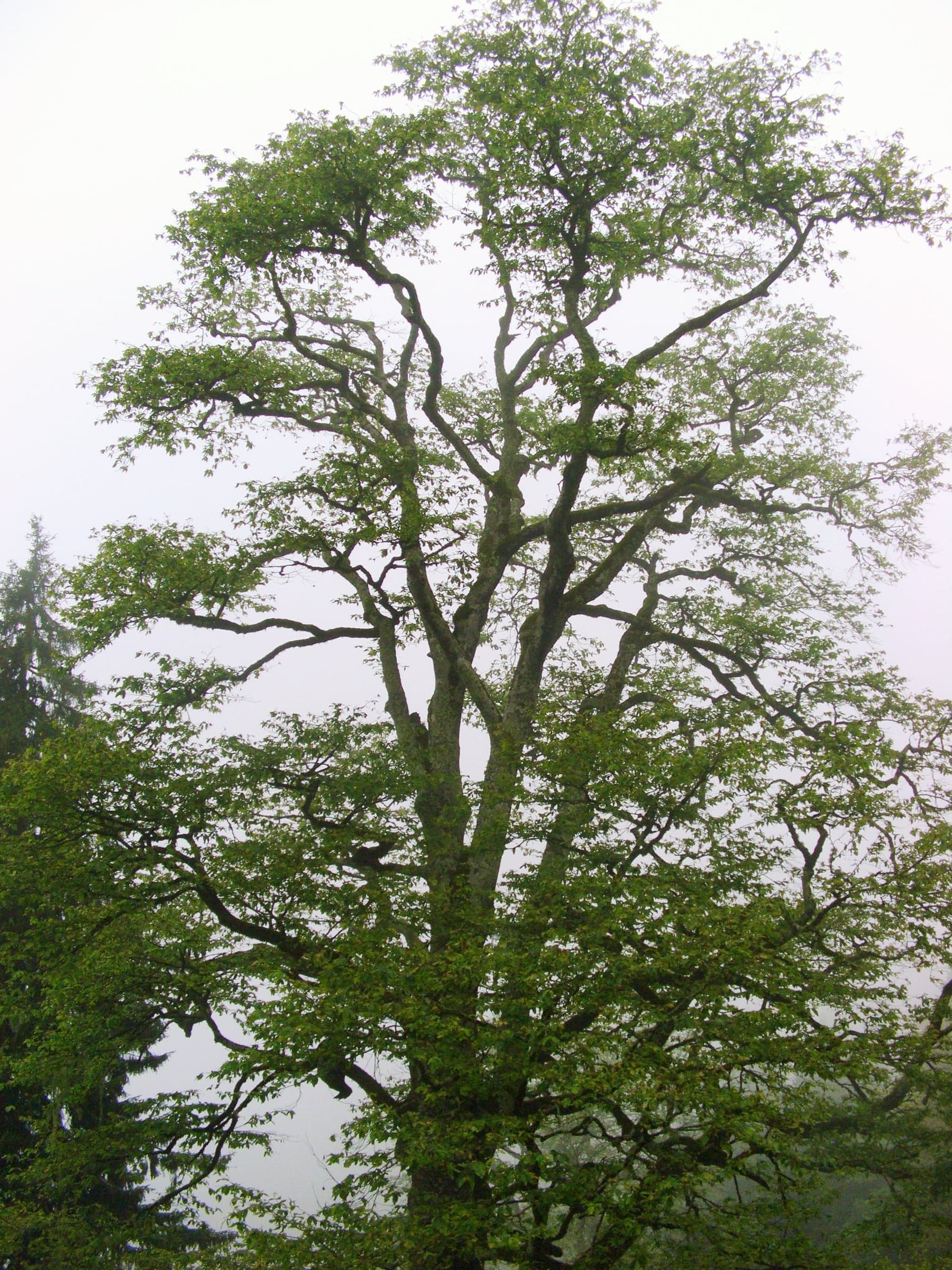
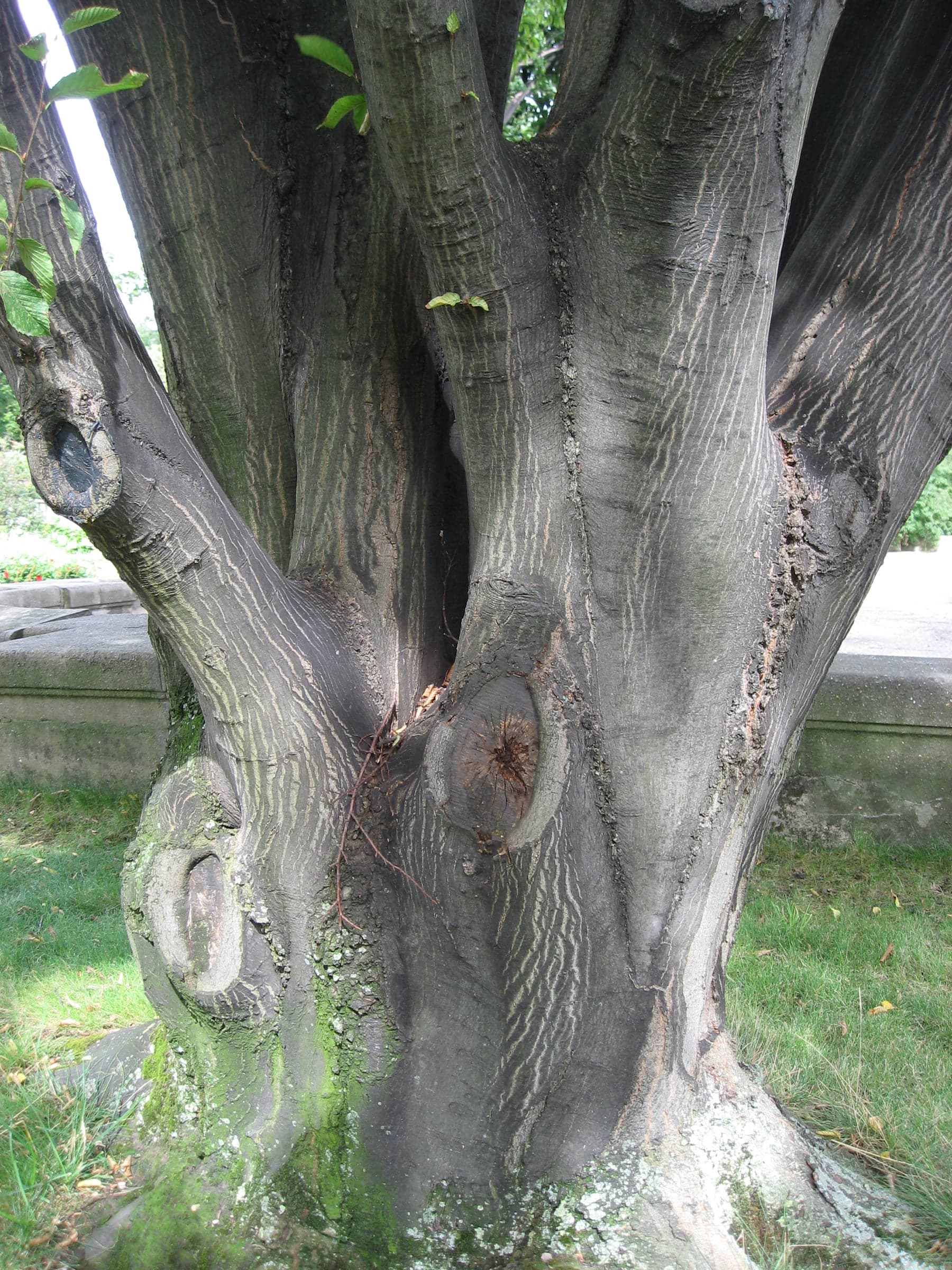
The characteristic feature of the tree is fluting: the trunk grows with pronounced longitudinal ridges rather than round, which is why hornbeam logs look twisted and why converting them to wide clean boards is awkward. Expect irregular widths and a good deal of waste.
Grain is frequently interlocked, following the fluting.
The movement problem#
Perguntas dos compradores
Perguntas dos compradores
Why is Hornbeam used for tool parts and machinery?
It is exceptionally hard at 7,260 N, second only to robinia among measured species here, with a fine even texture and no pronounced grain direction. That combination resists wear without splitting, which is why it was the traditional wood for plane soles, mallet heads, gear teeth in mill machinery, and butchers blocks.
How much does it move?
A great deal. Volumetric shrinkage of 17.0 percent ties with beech for the highest in this catalogue, and tangential shrinkage of 11.0 percent against 5.5 percent radial is a very wide differential. Hornbeam is not a wood for wide solid tops in a variable environment. It is a wood for small dense components.
Is it hard to work?
Yes. The density and interlocked grain blunt tooling quickly and cause tear-out, and it is heavy going by hand. The fine texture that makes it wear so well is the same thing that makes it resist cutting. Sharp carbide tooling and light cuts are the practical answer.
Can it be used outdoors?
No. Despite its hardness it is rated decay class 5, perishable, and it will rot readily if exposed. Hardness and durability are unrelated properties. For exterior work use robinia, oak or sweet chestnut.
Propriedades mecânicas
Dados técnicos
Valores de referência publicados. Quando as fontes divergem, é apresentado o intervalo e o valor típico é usado nas escalas acima.
| Densidade (kg/m³)Massa por metro cúbico com cerca de 12 % de humidade. A madeira mais pesada costuma ser mais dura e resistente. | 700–820 kg/m³típico: 735 kg/m³ |
|---|---|
| Dureza Janka (N)Força necessária para pressionar uma esfera de aço até metade da sua profundidade na madeira. É a medida habitual de resistência a mossas. | 6,900–7,700 Ntípico: 7260 N |
| MOR: módulo de rutura (MPa)Resistência à flexão: a carga com que uma viga parte. | 110–130 MPa |
| MOE: módulo de elasticidade (GPa)Rigidez à flexão: quanto uma prateleira ou um tampo flete sob carga. | 12.0–14.0 GPa |
| Retração radialRetração perpendicular aos anéis de crescimento, do estado verde à secagem em estufa. É este o movimento das tábuas de corte radial. | 5.5–7.0 % |
| Retração tangencial |