KORENA
MadeiraFinished piecesMateriaisParquesRevista

Receba notificações

Cada prancha é única. Quando é vendida, desaparece. Enviamos um e-mail quando são anunciadas novas peças: novas chegadas, novas espécies e pranchas adequadas a um projeto.

Alguns e-mails por mês. Sem spam, pode cancelar a qualquer momento.

KORENA, madeiras nobres

Uma peça de cada vez.

Madeiras nobres verificadas, vendidas peça a peça. Cada prancha é fotografada, medida e enviada pelo parque parceiro com um passaporte da madeira.

Comprar

  • Explorar produtos
  • Arquivo de vendas
  • Acompanhar encomenda

Aprender

  • Revista
  • Guias de espécies
  • Glossário
  • Comparar
  • Autores

Ajuda

  • Sobre nós
  • Como funciona
  • Torne-se um parque parceiro
  • Encontrar uma prancha
  • Apoio
  • Modelos de documentos
  • Imprensa

Comprar

  • Termos de venda
  • Direito de livre resolução
  • Devoluções e garantia
  • Envio e entrega

Confiança

  • Política de privacidade
  • Política de cookies
  • Proveniência da madeira e EUDR
  • Acessibilidade

Informação legal

  • Aviso legal / Informação legal
  • Utilização aceitável
  • Propriedade intelectual e conteúdo

© 2026 KORENA. Todos os direitos reservados.

Gerido pela Martial Labs Ltd. (BG, EIK 207453941). KORENA é um nome comercial da Martial Labs Ltd.

Respeitamos a sua privacidade

Usamos cookies essenciais para o funcionamento do site. Com a sua autorização, também usamos cookies para análise, conteúdo personalizado e publicidade. Pode mudar de ideias a qualquer momento na página de preferências de consentimento. Consulte a nossa política de cookies e a política de privacidade.

  1. Início
  2. /
  3. Espécies
  4. /
  5. Red Oak

Quercus rubra

Red Oak

Harder than European oak and cheaper, with pores open enough to blow air through. An interior wood, and only an interior wood.

  • Cultivada fora da Europa e importada através de parques europeus.
  • Grupo botânico. As madeiras de coníferas vêm de coníferas; as folhosas vêm de árvores de folha larga.
  • Família botânica a que pertence a espécie.
Receber aviso quando chegarEspécie de referência. Sem peças em stock neste momento.
  • Adequação ao projeto
  • Em stock
  • Aspeto
  • Trabalho
  • Movimento
  • Preço
  • Segurança e origem
  • Perguntas
  • Dados técnicos

É adequada ao seu projeto?

Ótima para

  • Interior furniture
  • Flooring
  • Cabinetry
  • Painted and stained joinery
  • Shelving

Sem Red Oak na seleção atual

Espécies semelhantes em stock

Não há Red Oak neste momento. Estas espécies servem para os mesmos projetos e têm peças disponíveis.
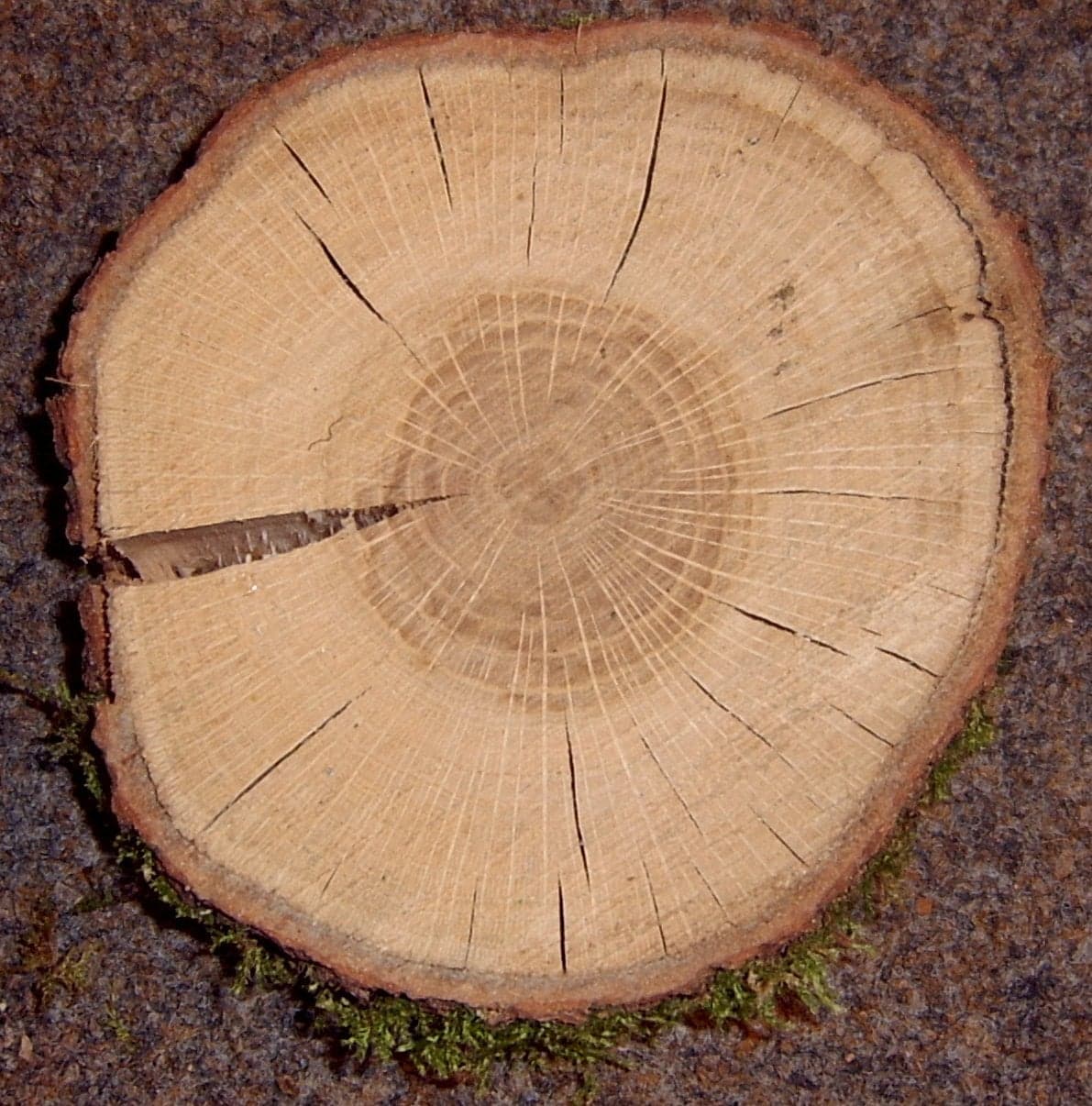
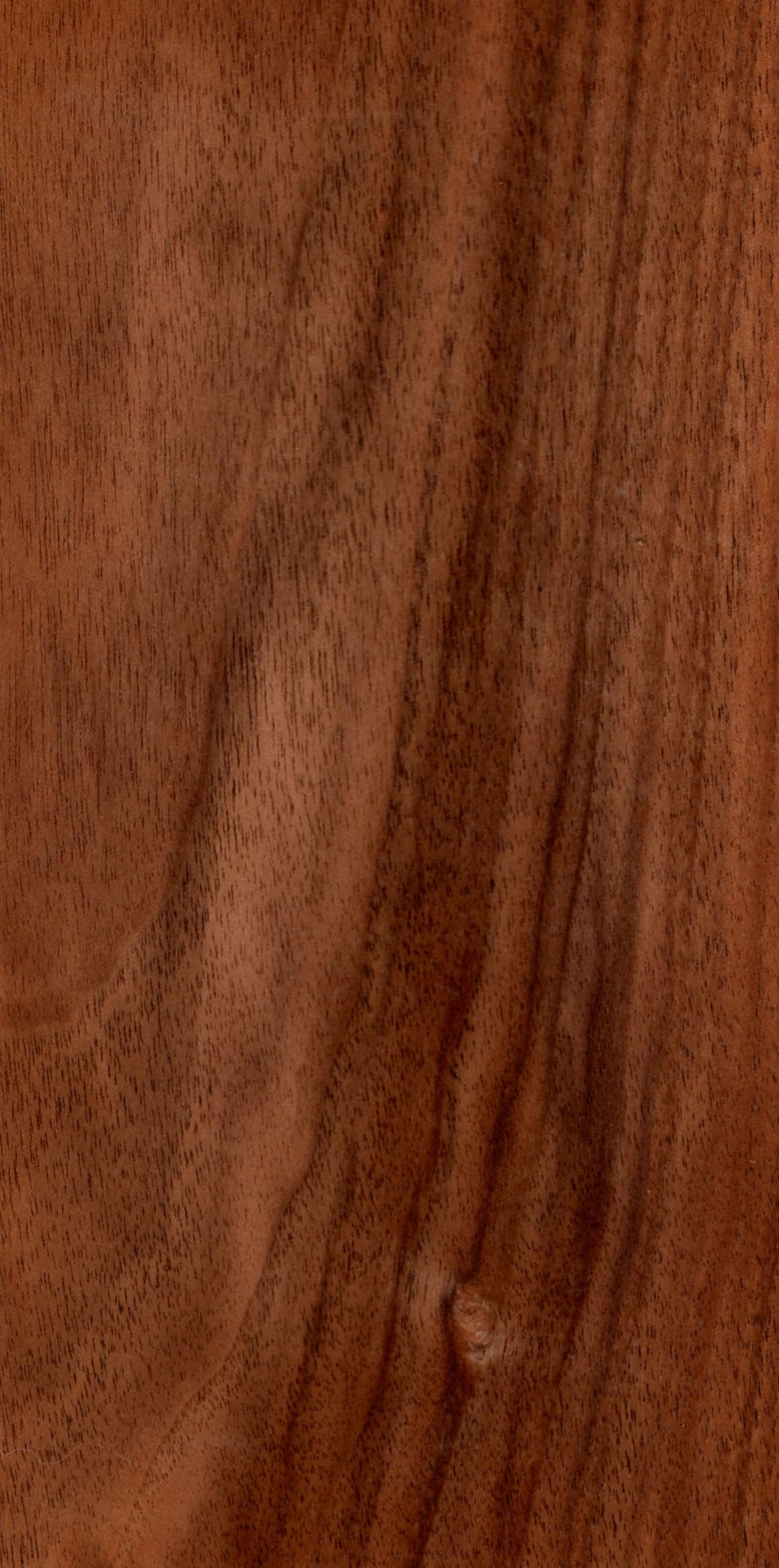
  • Veio de European Oak

    European Oak

    Quercus robur

    6 peças

  • Veio de European Walnut

    European Walnut

    Juglans regia

    9 peças

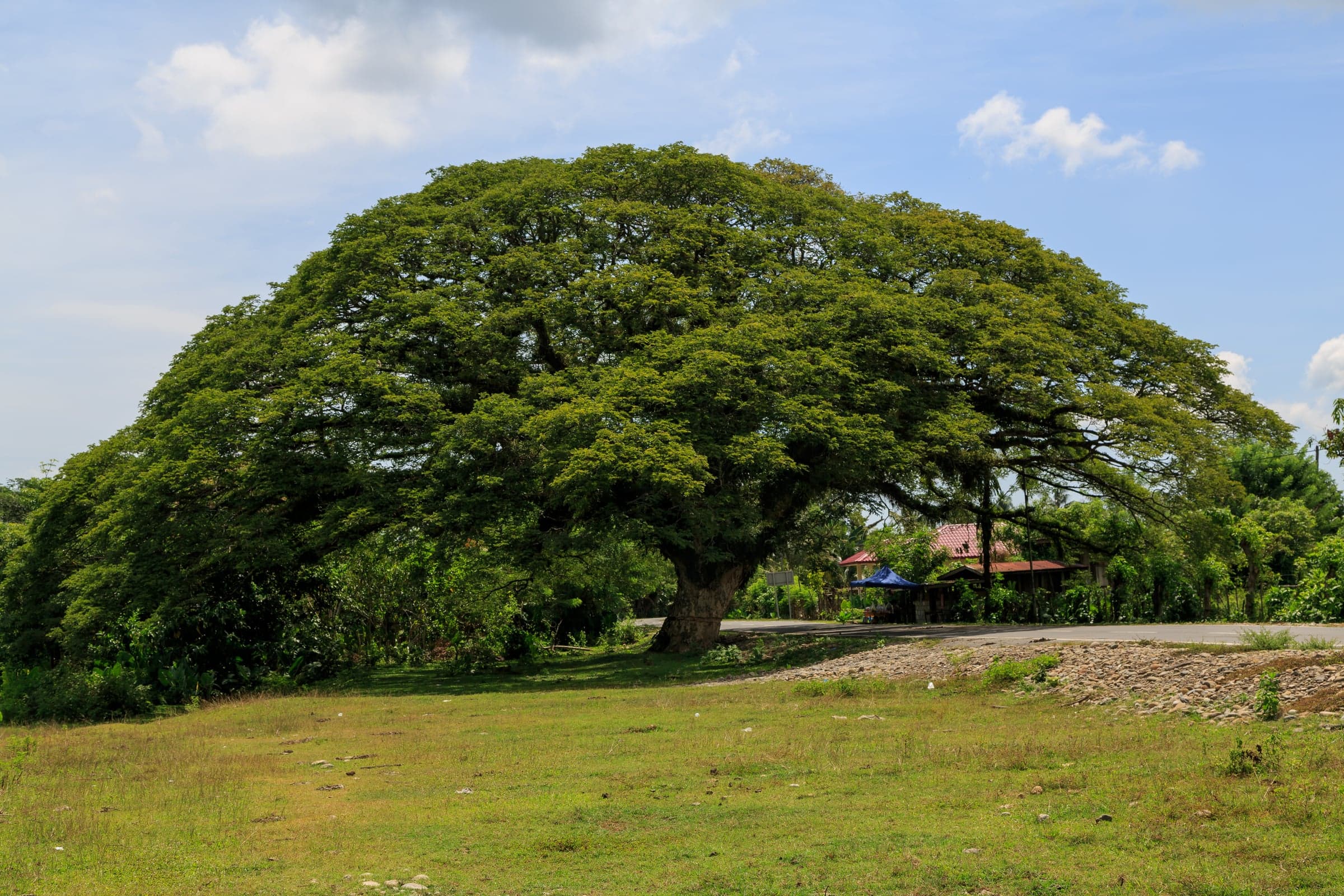
  • Veio de Saman

    Saman

    Samanea saman

    4 peças

Receba notificações sobre Red Oak

Enviamos um e-mail quando chegam à KORENA novas pranchas de Red Oak. Cada peça é única, por isso é importante saber cedo.

Alguns e-mails por mês. Sem spam, pode cancelar a qualquer momento.

Aspeto da madeira

Qual é o seu aspeto

Light to mid brown with a distinct reddish or pinkish cast that separates it clearly from the European oaks. Grain is straight and the texture coarse, with very large open pores in the earlywood. Those pores are the defining practical fact about this wood: they run continuously along the grain and are open enough that the species will not hold liquid, which is why red oak was never used for barrels.

  • Light to mid brown with a reddish or pinkish cast
  • Very large open pores in the earlywood
  • Ray fleck present on quartersawn faces but finer than white oak
  • Straight grain, coarse texture, very large open earlywood pores that run continuously along the grain. Light to mid brown with a distinct reddish cast.

Trabalhar esta madeira

Como se trabalha

Produces good results with hand and machine tools and it glues and finishes well. It blunts cutters moderately as all oaks do. The dimensional stability is described in the cited source as mediocre, so it moves more than its numbers alone suggest. The very large open pores require substantial grain filling for any smooth finish, more than European oak needs.

Acabamento

Takes stain and finish well and is frequently stained to imitate more expensive species, which it does convincingly. The large open pores need heavy grain filling for a smooth surface. The reddish cast can fight a warm stain and go orange, so test on an offcut. Tannins react with iron exactly as in the European oaks, so brass or stainless fittings only.

Secagem

Dries reasonably but shares the oak family requirement for a slow schedule, and it is prone to checking and honeycomb if pushed. Volumetric shrinkage of 13.7 percent with tangential at 8.6 against radial at 4.0 percent gives a wide ratio, so flatsawn boards cup. The cited source specifically notes mediocre dimensional stability in service, which is worth weighing against European oak for anything that must stay flat.

Quanto se irá mover?

A madeira incha e contrai-se na largura à medida que o ar fica mais húmido ou mais seco. Estime o movimento sazonal de um tampo de Red Oak antes de desenhar as fixações.

Corte
Local onde será usada

Movimento sazonal previsto

cerca de 9,8 mm

Fixe o tampo com fixadores ou suportes com rasgos, não com cola ou parafusos apertados.

Modelo de retração linear: largura × (retração ÷ 28 % de saturação das fibras) × variação sazonal da humidade. Usa uma retração tangencial de 8,6 % para Red Oak. É uma estimativa de planeamento, não uma garantia.

Quanto custa

Segurança e origem

  • Cultivada fora da Europa e importada através de parques europeus.
  • Estado na Lista Vermelha da UICN: a avaliação mundial de conservação desta espécie.
  • Oak is a documented sensitiser and reactions usually include eye and skin irritation. Severe reactions are rare. Repeated exposure to oak dust carries elevated nasal cancer risk, so extraction is not optional in a production setting.

Ler o guia completoNotas detalhadas sobre desenho, alteração da cor, trabalho e estabilidade.+

What Red Oak actually is#

Quercus rubra is the most commercially important hardwood in the United States and has been planted across Europe since the eighteenth century. European grown material is now common enough in the EU market that buying it does not necessarily mean importing from North America, which matters for both documentation and carbon.

It is harder than European oak, stiffer than European oak, and cheaper than European oak. It is also, in one specific and consequential way, a fundamentally different material.

The pores, which decide everything#

In white oak and the European oaks, the large earlywood pores are plugged with tyloses, balloon like ingrowths that seal the vessels. In red oak they are not. The pores run open and continuous along the grain.

The old demonstration is to take a short length of red oak, dip one end in soapy water and blow through the other. Bubbles come out. You cannot do that with white oak.

Everything practical about this species follows from that:

It was never used for barrels, because it will not hold liquid. It is rated non-durable to perishable with poor insect resistance, so it has no business outdoors. It is recorded in this catalogue as not food safe, unlike the European oaks, because open pores hold moisture and residue that a closed grain wood does not. And it needs far more grain filler than European oak to reach a smooth finish.

Perguntas dos compradores

Perguntas dos compradores

Why is Red Oak not suitable for outdoor use or barrels?

+

Its earlywood pores are very large and run continuously along the grain, so the wood behaves like a bundle of straws. Liquid passes straight through it, which is why white oak was always the cooperage timber and red oak never was. Combined with a decay rating of non-durable to perishable and poor insect resistance, it should be treated as an interior wood only.

Is Red Oak harder than European Oak?

+

Yes, measurably. It is 5,430 N on the Janka scale against 4,980 N for European oak, and its elastic modulus of 12.14 GPa is higher too. Hardness is not the reason to prefer European oak; durability, stability and colour are.

Is it safe for a cutting board?

+

KORENA records it as not food safe, and that is a deliberate distinction from the European oaks. The very large open pores hold moisture and food residue in a way closed grain species do not, and the wood is rated non-durable. For food contact choose hard maple or a similarly dense closed grain species.

How do I tell it from European Oak?

+

Propriedades mecânicas

Dados técnicos

Valores de referência publicados. Quando as fontes divergem, é apresentado o intervalo e o valor típico é usado nas escalas acima.

Densidade (kg/m³)Massa por metro cúbico com cerca de 12 % de humidade. A madeira mais pesada costuma ser mais dura e resistente.700 kg/m³
Dureza Janka (N)Força necessária para pressionar uma esfera de aço até metade da sua profundidade na madeira. É a medida habitual de resistência a mossas.5,430 N
MOR: módulo de rutura (MPa)Resistência à flexão: a carga com que uma viga parte.99 MPa
MOE: módulo de elasticidade (GPa)Rigidez à flexão: quanto uma prateleira ou um tampo flete sob carga.12.1 GPa
Retração radialRetração perpendicular aos anéis de crescimento, do estado verde à secagem em estufa. É este o movimento das tábuas de corte radial.4.0 %
Retração tangencialRetração ao longo dos anéis de crescimento. É este o movimento das tábuas de corte tangencial e da maioria das pranchas.
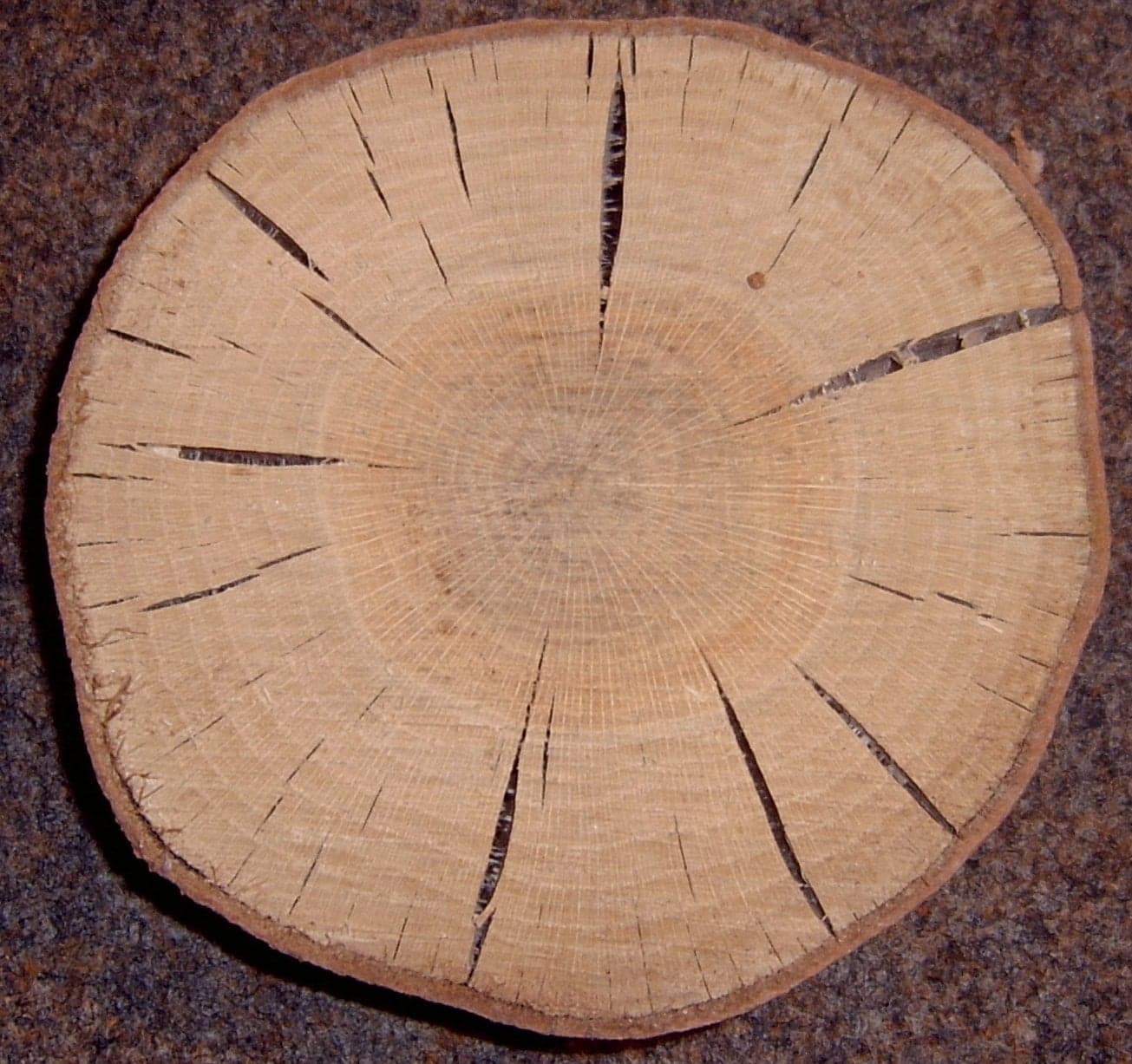
Veio de Red Oak

No machine-readable author provided. Lumbar~commonswiki assumed (based on copyright claims)., via Wikimedia Commons

Quercus rubra is native to eastern North America and is the most commercially important hardwood in the United States. It has also been planted widely across Europe since the eighteenth century and European grown material is increasingly common in the EU market, which shortens the supply chain considerably compared with imported American stock.

  • Not listed in the CITES Appendices and assessed by the IUCN as Least Concern. It is abundant and among the most heavily harvested hardwoods in North America. For EUDR purposes, European grown Quercus rubra offers a considerably shorter and simpler supply chain than imported American material, and it is increasingly available.

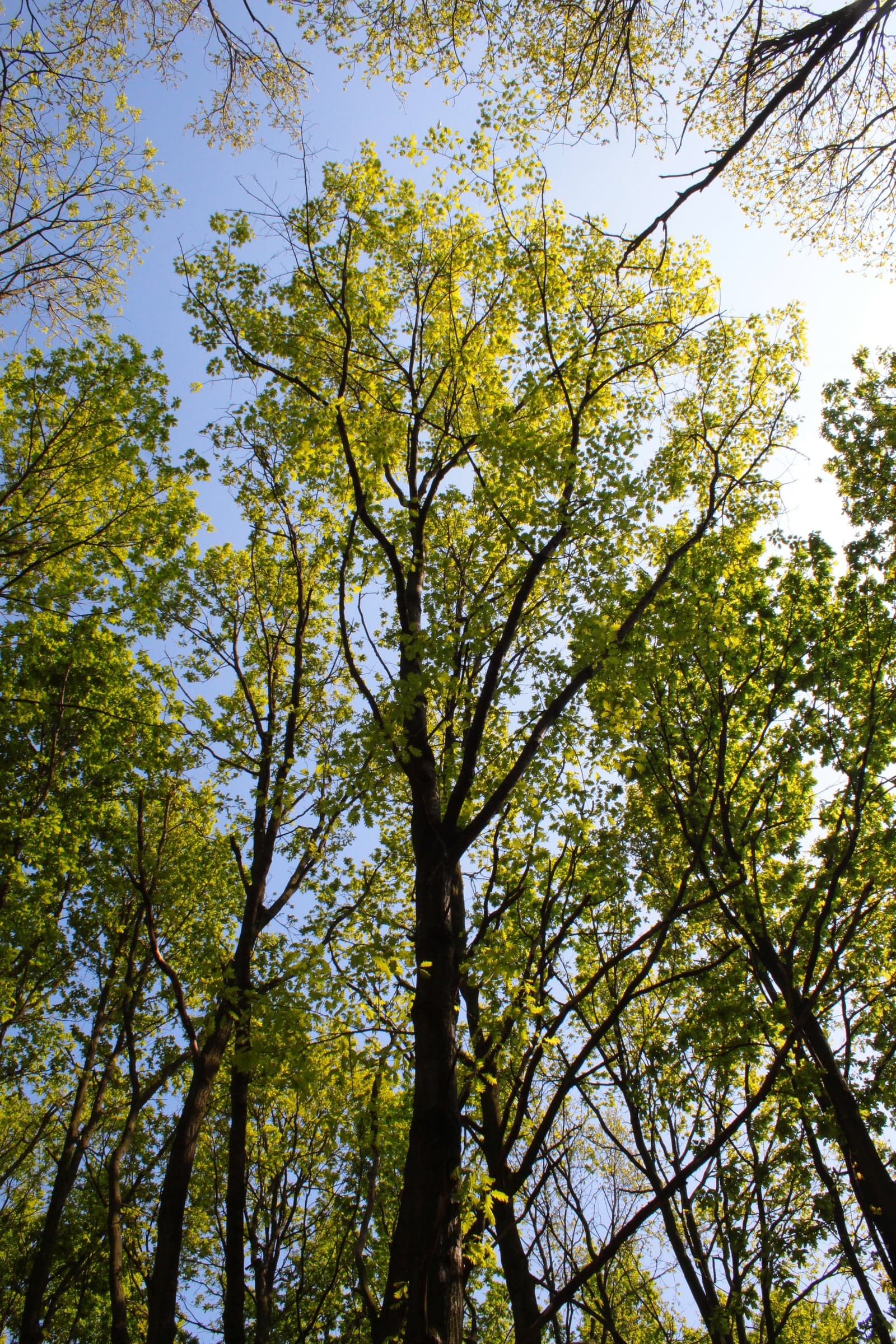
  • Árvore de Red Oak

    Crusier, via Wikimedia Commons

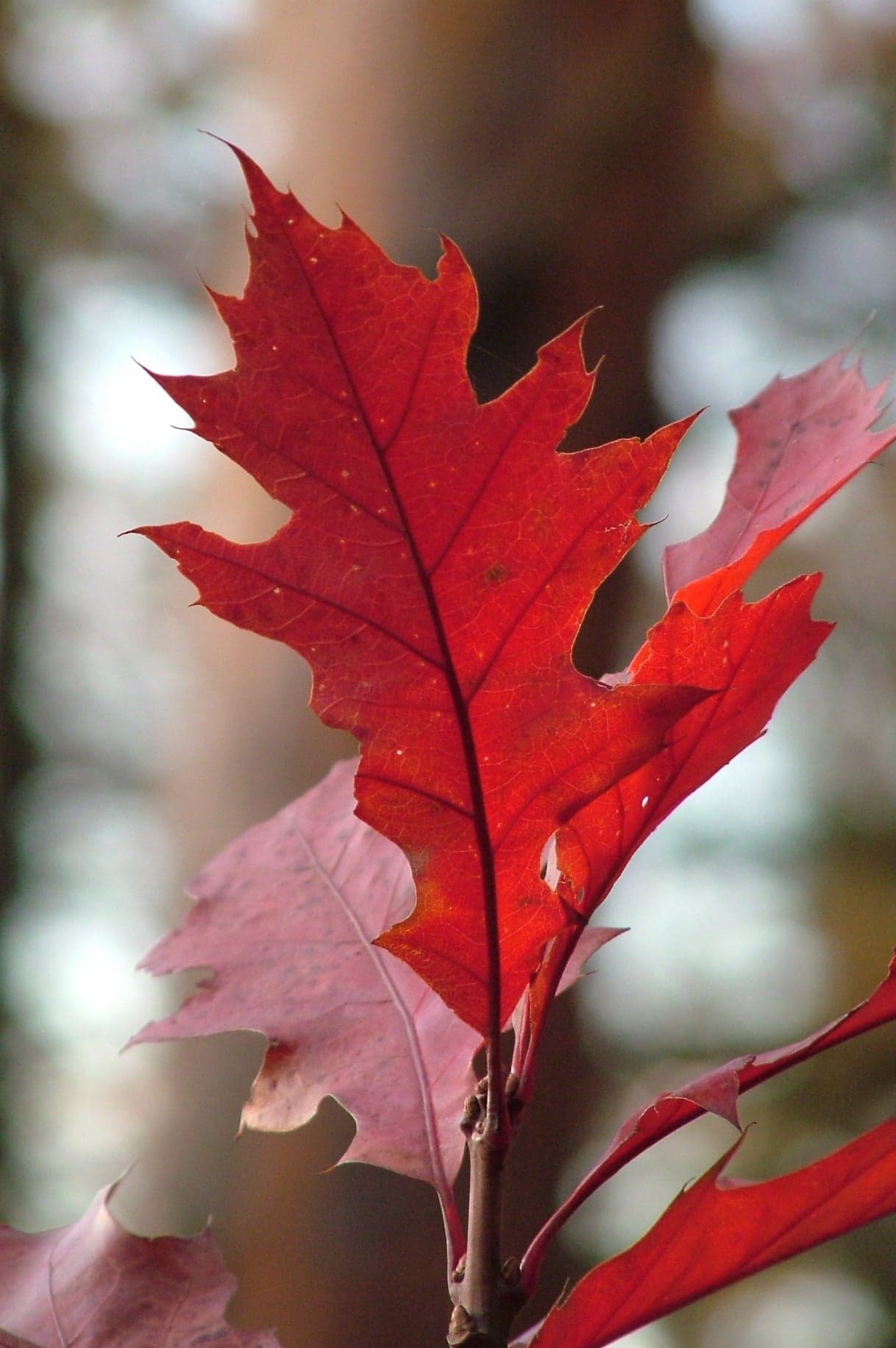
    Red Oak: Folha
    Folha

    None of that makes it a bad wood. It makes it an interior wood, and within that boundary it is an excellent and economical one.

    Reading a Red Oak slab#

    The colour is the quick identifier: a distinct pink or reddish cast through the light to mid brown, clearly different from the tan and olive of European oak.

    The reliable identifier is the end grain under a lens. Open earlywood pores mean red oak; pores plugged with tyloses mean white or European oak. If a supplier's label and the end grain disagree, believe the end grain.

    Ray fleck appears on quartersawn faces but is finer and less dramatic than in white oak or sessile oak. Buyers hoping for bold silvery fleck should look elsewhere.

    At the bench#

    It produces good results with hand and machine tools, glues well, and finishes well. It blunts cutters moderately, like all oaks.

    The cited source describes its dimensional stability as mediocre, and that word is worth taking seriously. Volumetric shrinkage of 13.7 percent is not extreme, but the tangential to radial ratio of 8.6 against 4.0 percent is wide, and red oak has a reputation for moving more in service than its figures predict. For a wide top that must stay flat, European oak quartersawn is the safer specification.

    Grain filling is more work here than on European oak. Those large open pores swallow filler and often need two applications for a genuinely smooth surface. Many makers simply leave the texture, which suits the wood.

    Finishing, and one trap#

    Red oak takes stain and finish readily and is very commonly stained to imitate more expensive species, which it does convincingly.

    The trap is its own colour. The natural pink cast fights warm stains and can push a finish orange, particularly with amber toned oils. Test on an offcut from the same slab before committing, and consider a cooler toned stain to counteract it.

    The tannin and iron reaction applies here as in every oak. Steel screws, steel wool and steel clamp bars all produce blue black staining on contact with damp oak. Use brass or stainless throughout.

    Where Red Oak is the right answer#

    Interior furniture, flooring, cabinetry, shelving and joinery that will be stained or painted. It is hard at 5,430 N, stiff at 12.14 GPa, widely available and inexpensive relative to European oak.

    It is the wrong answer outdoors in any form, for food contact surfaces, for cooperage or anything holding liquid, and for a wide panel where dimensional stability is the governing requirement.

    Sourcing and EUDR#

    Not listed in the CITES Appendices and assessed by the IUCN as Least Concern. The species is abundant and heavily harvested across eastern North America.

    The EUDR consideration is the same one that applies to Douglas Fir in this catalogue: European grown plantation material offers a much shorter and simpler documentation path than imported North American stock, along with lower transport carbon. It is increasingly available. KORENA listings record the partner yard and region, so which one you are buying is visible on the passport.

    Colour is the quick check: red oak carries a distinct pink or red cast where European oak runs tan to olive brown. The reliable check is the end grain. Look at the large earlywood pores with a lens; in red oak they are open, in white and European oak they are plugged with tyloses, which is exactly why one holds liquid and the other does not.

    Is European grown Red Oak different from American?

    +

    It is the same species and the working properties are comparable. The meaningful difference is the supply chain. European grown material has a much shorter and simpler documentation path under EUDR and lower transport carbon than imported American stock, and it is increasingly available in the EU market.

    8.6 %
    Retração volumétricaAlteração total do volume entre o estado verde e a secagem em estufa. Um valor menor indica maior estabilidade.13.7 %
    Durabilidade natural (EN 350)Norma europeia de resistência natural à deterioração, de 1 (muito durável) a 5 (perecível).Class 5 — Perishable

    Fontes

    • The Wood Database — Red Oak (Quercus rubra)(consultado em 2026-08-12)
    • USDA FPL Wood Handbook FPL-GTR-190 (2010)(consultado em 2026-08-12)
    • Meier, E. — WOOD! Identifying and Using Hundreds of Woods Worldwide (2015)(consultado em 2026-08-12)

    Pontos fortes

    • Curva bemClassificação de 4 em 5 para curvatura a vapor. Permite curvas apertadas.

    A ter em conta

    • Não indicada para exterior sem tratamentoA durabilidade natural é classe 5 de 5 segundo a EN 350. Mantenha-a no interior ou protegida por um acabamento com manutenção.
    • Move-se mais do que a maioriaTampos largos precisam de fixadores ou ferragens com rasgos e de espaço para se moverem. Use abaixo a calculadora de movimento.
    • Pó irritanteUse extração e máscara ao lixar ou maquinar.
    • Madeira imprópria para contacto com alimentosEscolha outra espécie para tábuas e utensílios de servir.

    Toque numa etiqueta para ver os detalhes.

    Resumo

    Os níveis usam intervalos fixos em todas as espécies apresentadas pela KORENA, permitindo a comparação direta. O valor medido aparece por baixo de cada um.
    DurezaResistência a mossas e desgasteDureza média

    Dureza Janka: 5430 N

    9 % mais dura do que o carvalho-europeu

    PesoPeso da prancha ao levantarPesado

    700 kg/m³

    EstabilidadeGrau de movimento ao longo das estaçõesMovimento acentuado

    13,7 % de retração volumétrica

    TrabalhoSerrar, aplainar, lixar e colarModerada

    3,9 / 5 de média na bancada

    Uso exteriorResistência natural à deterioração, EN 350Apenas interior

    EN 350 classe 5

    • Serrar · Muito boaQualidade do corte e desgaste causado nas lâminas.1 = difícil · 5 = excelente
    • Aplainar · Muito boaSuavidade da superfície e tendência para arrancar fibras.1 = difícil · 5 = excelente
    • Lixar · Muito boaRapidez com que fica lisa sem entupir a lixa.1 = difícil · 5 = excelente
    • Tornear · Muito boaQualidade do corte e do acabamento no torno.1 = difícil · 5 = excelente
    • Entalhar · BoaNitidez com que conserva os pormenores feitos com goiva.1 = difícil · 5 = excelente
    • Colar · Muito boaFiabilidade das uniões coladas.1 = difícil · 5 = excelente
    • Fixação de parafuso / prego · Muito boaCapacidade de segurar parafusos e pregos sem rachar.1 = difícil · 5 = excelente
    • Curvatura a vapor · Muito boaCapacidade de formar curvas depois de tratada a vapor.1 = difícil · 5 = excelente

    Ainda não há referência de mercado para Red Oak. Cada peça KORENA recebe um preço individual do respetivo parque parceiro.