KORENA
MadeiraFinished piecesMateriaisParquesRevista

Receba notificações

Cada prancha é única. Quando é vendida, desaparece. Enviamos um e-mail quando são anunciadas novas peças: novas chegadas, novas espécies e pranchas adequadas a um projeto.

Alguns e-mails por mês. Sem spam, pode cancelar a qualquer momento.

KORENA, madeiras nobres

Uma peça de cada vez.

Madeiras nobres verificadas, vendidas peça a peça. Cada prancha é fotografada, medida e enviada pelo parque parceiro com um passaporte da madeira.

Comprar

  • Explorar produtos
  • Arquivo de vendas
  • Acompanhar encomenda

Aprender

  • Revista
  • Guias de espécies
  • Glossário
  • Comparar
  • Autores

Ajuda

  • Sobre nós
  • Como funciona
  • Torne-se um parque parceiro
  • Encontrar uma prancha
  • Apoio
  • Modelos de documentos
  • Imprensa

Comprar

  • Termos de venda
  • Direito de livre resolução
  • Devoluções e garantia
  • Envio e entrega

Confiança

  • Política de privacidade
  • Política de cookies
  • Proveniência da madeira e EUDR
  • Acessibilidade

Informação legal

  • Aviso legal / Informação legal
  • Utilização aceitável
  • Propriedade intelectual e conteúdo

© 2026 KORENA. Todos os direitos reservados.

Gerido pela Martial Labs Ltd. (BG, EIK 207453941). KORENA é um nome comercial da Martial Labs Ltd.

Respeitamos a sua privacidade

Usamos cookies essenciais para o funcionamento do site. Com a sua autorização, também usamos cookies para análise, conteúdo personalizado e publicidade. Pode mudar de ideias a qualquer momento na página de preferências de consentimento. Consulte a nossa política de cookies e a política de privacidade.

  1. Início
  2. /
  3. Espécies
  4. /
  5. Scots Pine

Pinus sylvestris

Scots Pine

The most widely distributed pine on earth and the most forgiving wood in this catalogue to build with. Soft, knotty, and it ambers into something far better than it starts as.

  • Cultivada e abatida na Europa.
  • Grupo botânico. As madeiras de coníferas vêm de coníferas; as folhosas vêm de árvores de folha larga.
  • Família botânica a que pertence a espécie.
Receber aviso quando chegarEspécie de referência. Sem peças em stock neste momento.
  • Adequação ao projeto
  • Em stock
  • Aspeto
  • Trabalho
  • Movimento
  • Preço
  • Segurança e origem
  • Perguntas
  • Dados técnicos

É adequada ao seu projeto?

Ótima para

  • Farmhouse tables
  • Painted and waxed furniture
  • Flooring
  • Panelling
  • Carcass and shelving work

Sem Scots Pine na seleção atual

Espécies semelhantes em stock

Não há Scots Pine neste momento. Estas espécies servem para os mesmos projetos e têm peças disponíveis.
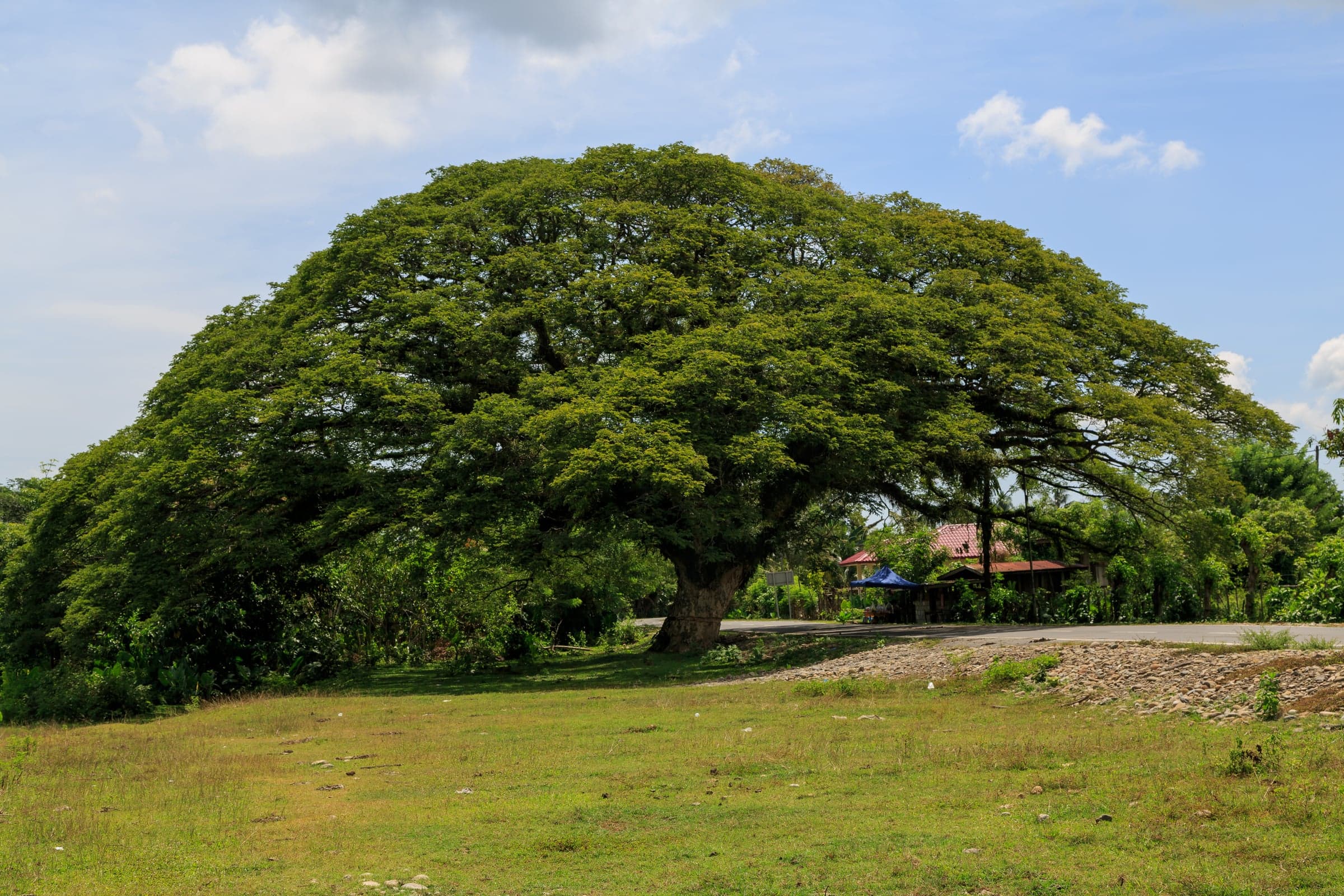
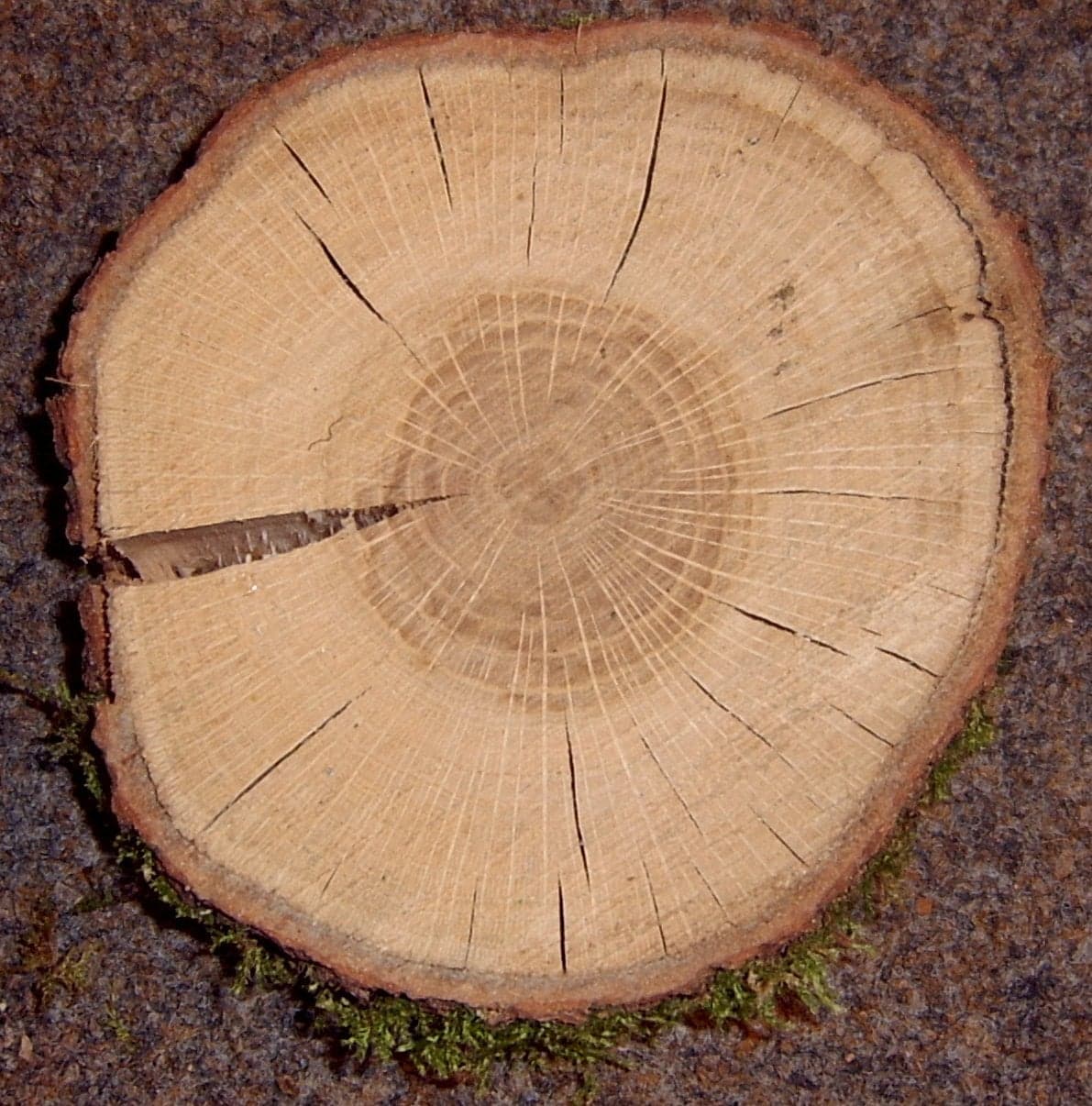
  • Veio de Saman

    Saman

    Samanea saman

    4 peças

  • Veio de European Oak

    European Oak

    Quercus robur

    6 peças

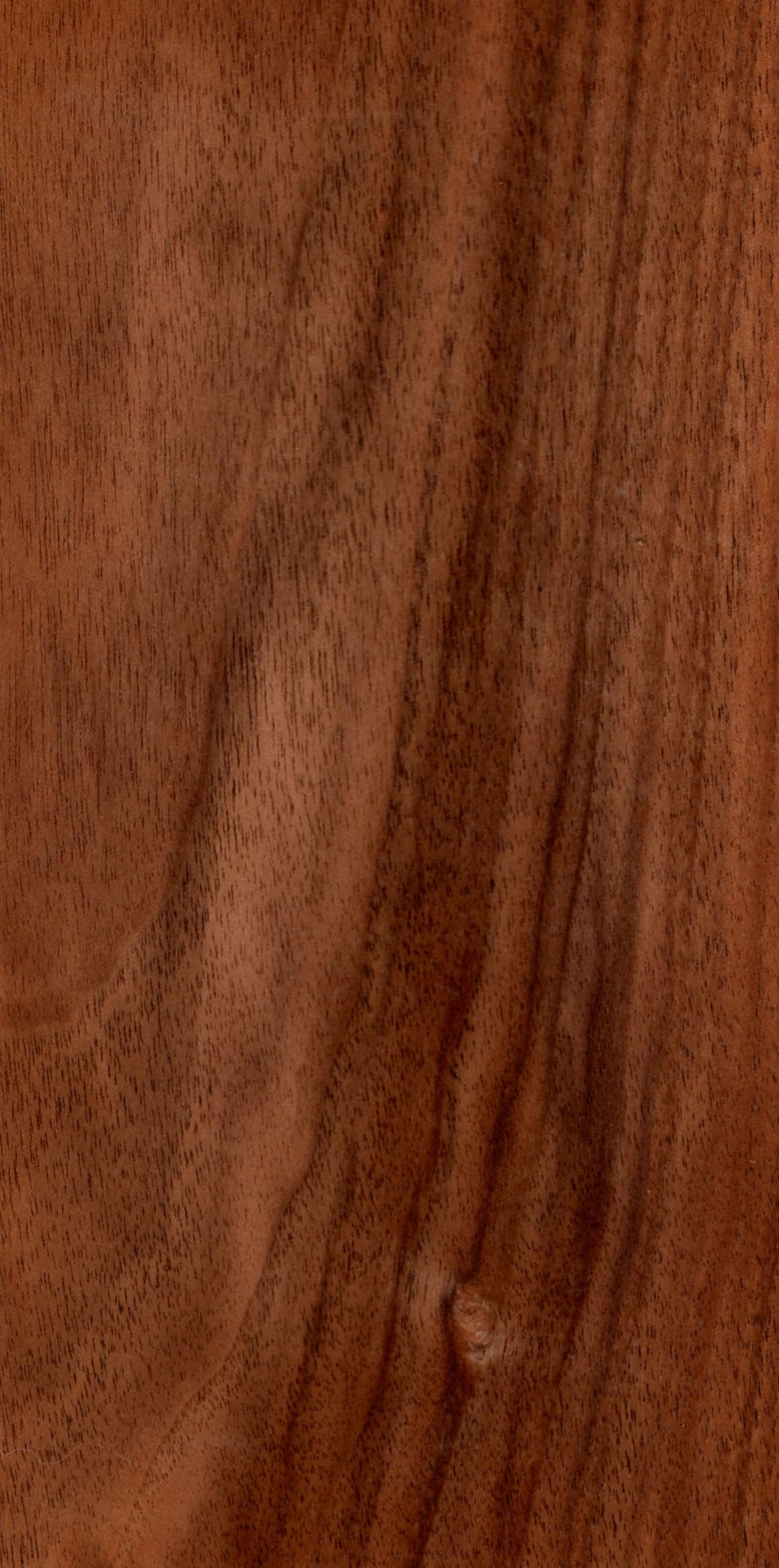
  • Veio de European Walnut

    European Walnut

    Juglans regia

    9 peças

Receba notificações sobre Scots Pine

Enviamos um e-mail quando chegam à KORENA novas pranchas de Scots Pine. Cada peça é única, por isso é importante saber cedo.

Alguns e-mails por mês. Sem spam, pode cancelar a qualquer momento.

Aspeto da madeira

Qual é o seu aspeto

Pale yellow to light reddish brown heartwood that darkens considerably with age and light, against a wide band of near white sapwood. The ring figure is pronounced and the knots are a defining feature rather than an incidental one, since Scots Pine is naturally knotty and much of its character in furniture comes from that. Older slow grown stock develops a deep amber colour that is the reason antique pine looks nothing like new pine.

  • Pale yellow to light reddish brown heartwood
  • Wide near white sapwood band
  • Darkens markedly with age and UV toward deep amber
  • Generally straight; moderate resin.

Trabalhar esta madeira

Como se trabalha

Easy with both hand and machine tools and it glues and finishes well, which together make it one of the most forgiving woods to build in. Resin is present but less troublesome than in larch or maritime pine. Knots are the real machining consideration: they are hard, often loose, and can tear or spit out under a planer. Around large knots, take light cuts and consider hand work.

Acabamento

Takes finish well and takes wax exceptionally, which is the traditional treatment and still the best one for the look most people want from pine. Pigment stains blotch on pine as they do on spruce, so use a conditioner or choose a dye. Resin around knots should be sealed with shellac before painting or it will bleed through the film. The natural ambering with age is substantial and generally considered the point.

Secagem

Dries fairly quickly and easily with a low tendency to distort, one of its practical virtues. Blue stain from fungus develops fast in warm damp conditions on freshly felled logs and unseasoned boards, so stock that has sat before processing may carry grey blue discolouration through the sapwood. It does not weaken the wood. Volumetric shrinkage is around 13.6 percent, on the higher side for this group.

Quanto se irá mover?

A madeira incha e contrai-se na largura à medida que o ar fica mais húmido ou mais seco. Estime o movimento sazonal de um tampo de Scots Pine antes de desenhar as fixações.

Corte
Local onde será usada

Movimento sazonal previsto

cerca de 9,5 mm

Fixe o tampo com fixadores ou suportes com rasgos, não com cola ou parafusos apertados.

Modelo de retração linear: largura × (retração ÷ 28 % de saturação das fibras) × variação sazonal da humidade. Usa uma retração tangencial de 8,3 % para Scots Pine. É uma estimativa de planeamento, não uma garantia.

Quanto custa

Segurança e origem

  • Cultivada e abatida na Europa.
  • Estado na Lista Vermelha da UICN: a avaliação mundial de conservação desta espécie.
  • Working with pine has been reported to cause allergic skin reactions and asthma-like symptoms in some people. Resin contact sensitises some individuals over time. Normal extraction, a P2 mask for extended sanding, and gloves when handling resinous stock are appropriate.

Ler o guia completoNotas detalhadas sobre desenho, alteração da cor, trabalho e estabilidade.+

What Scots Pine actually is#

Pinus sylvestris has the largest natural range of any pine species anywhere, stretching from the west of Scotland and the Iberian mountains across the whole of Eurasia to the Pacific coast. It is sold under several names that confuse buyers comparing quotes: redwood in the British trade, deal in older usage, and simply pine almost everywhere. They are the same species.

Its ubiquity has the same effect on its reputation as spruce suffers from. This is the wood of construction studs and cheap furniture, and that association hides the fact that Scots Pine is one of the most pleasant woods to build in that exists, and that it ages into a colour no finish can imitate.

Reading a Scots Pine slab#

Fresh Scots Pine is pale, a light yellow heartwood against a wide near-white sapwood band. What you are actually buying is what that will become. The species ambers dramatically under light and time, moving to a deep honey brown over years and decades. Stripped antique pine holds a colour that new pine stained to match will never quite reach, because the change is oxidation and resin migration through the whole thickness rather than pigment on the surface.

Knots are the second thing to read, and on this species they are not a defect to be tolerated so much as the material's defining texture. Scots Pine is naturally knotty. The question is whether the knots on a given slab are sound and tight, or loose and ringed with checking. Sound knots are a feature. Loose knots will eventually fall out and need filling or plugging.

Perguntas dos compradores

Perguntas dos compradores

Why does old pine furniture look so different from new pine?

+

Scots Pine ambers dramatically with age and light exposure. A freshly machined board is pale yellow; the same board after decades of daylight and wax is a deep honey brown. That colour is not a stain, it is oxidation and resin change through the wood, which is why stripped antique pine keeps its colour while new pine stained to match does not age the same way.

Is Scots Pine hard enough for flooring?

+

At 2,420 N Janka it is soft for a floor and will dent, which is precisely the look traditional pine flooring has. It has been used for floors across northern Europe for centuries on that understanding. If dents are unacceptable, oak or ash are the right answer; if a floor that records its use is wanted, pine does it honestly.

What causes the grey blue staining in the sapwood?

+

Blue stain fungus, which colonises freshly felled pine in warm damp conditions. It discolours the sapwood without weakening it structurally. Some makers avoid it and some feature it. It is a cosmetic grade issue, and any KORENA listing showing it will show it in the slab photography rather than describing it away.

Propriedades mecânicas

Dados técnicos

Valores de referência publicados. Quando as fontes divergem, é apresentado o intervalo e o valor típico é usado nas escalas acima.

Densidade (kg/m³)Massa por metro cúbico com cerca de 12 % de humidade. A madeira mais pesada costuma ser mais dura e resistente.550 kg/m³
Dureza Janka (N)Força necessária para pressionar uma esfera de aço até metade da sua profundidade na madeira. É a medida habitual de resistência a mossas.2,420 N
MOR: módulo de rutura (MPa)Resistência à flexão: a carga com que uma viga parte.83 MPa
MOE: módulo de elasticidade (GPa)Rigidez à flexão: quanto uma prateleira ou um tampo flete sob carga.10.1 GPa
Retração radialRetração perpendicular aos anéis de crescimento, do estado verde à secagem em estufa. É este o movimento das tábuas de corte radial.5.2 %
Retração tangencialRetração ao longo dos anéis de crescimento. É este o movimento das tábuas de corte tangencial e da maioria das pranchas.
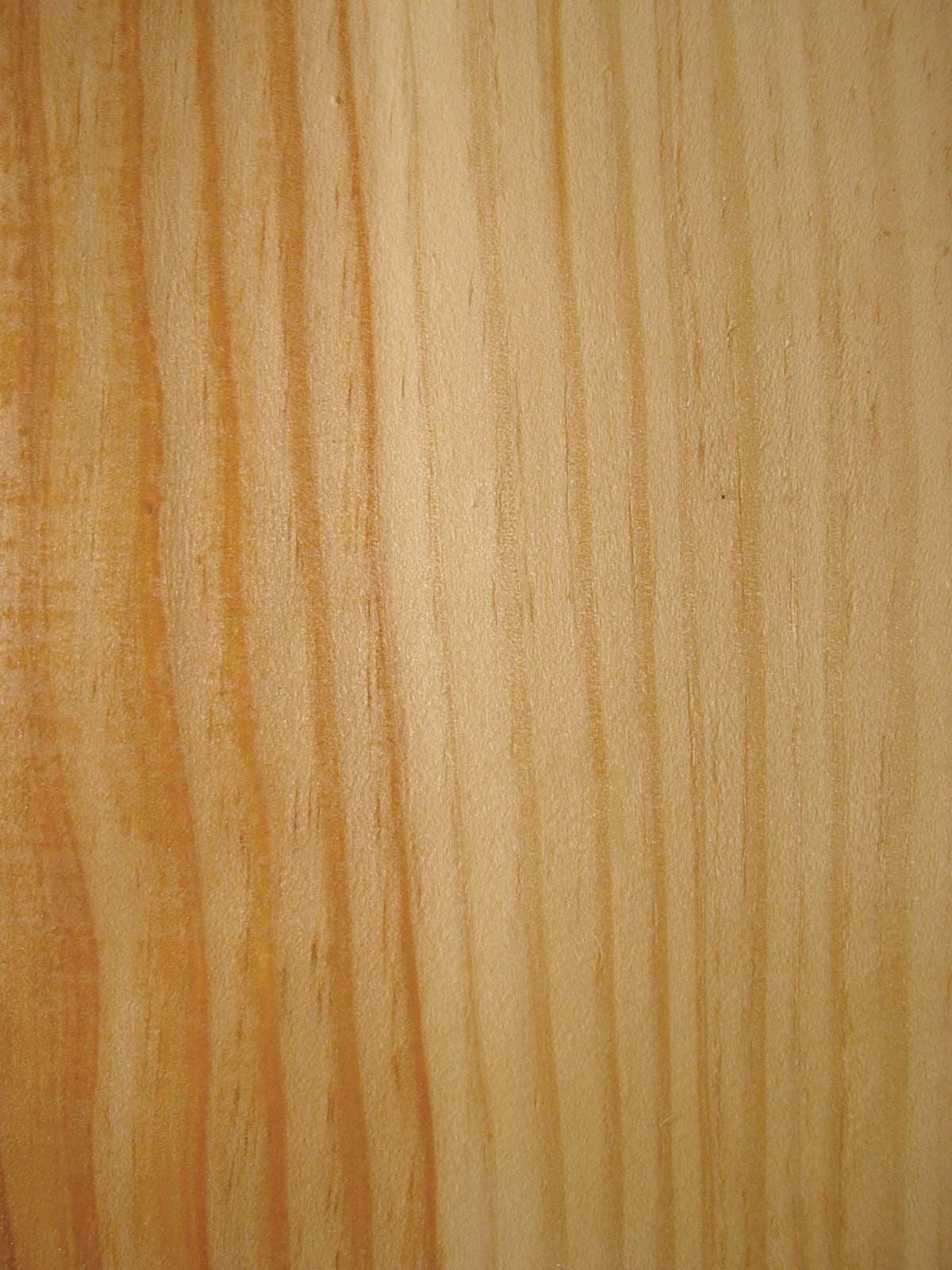
Veio de Scots Pine

Wikimedia Commons contributor, via Wikimedia Commons

Pinus sylvestris has the widest natural range of any pine on earth, running from Scotland and Iberia across Eurasia to the Pacific. European slab stock comes mostly from Scandinavia, the Baltics and Poland, where certified managed forestry is the norm and EUDR documentation is well established.

  • Not listed in the CITES Appendices and assessed by the IUCN as Least Concern. It is among the most abundant and best certified timbers in Europe, with mature FSC and PEFC supply chains through Scandinavia and the Baltics. Of all the species KORENA lists, this is one of the simplest to document for EUDR purposes.

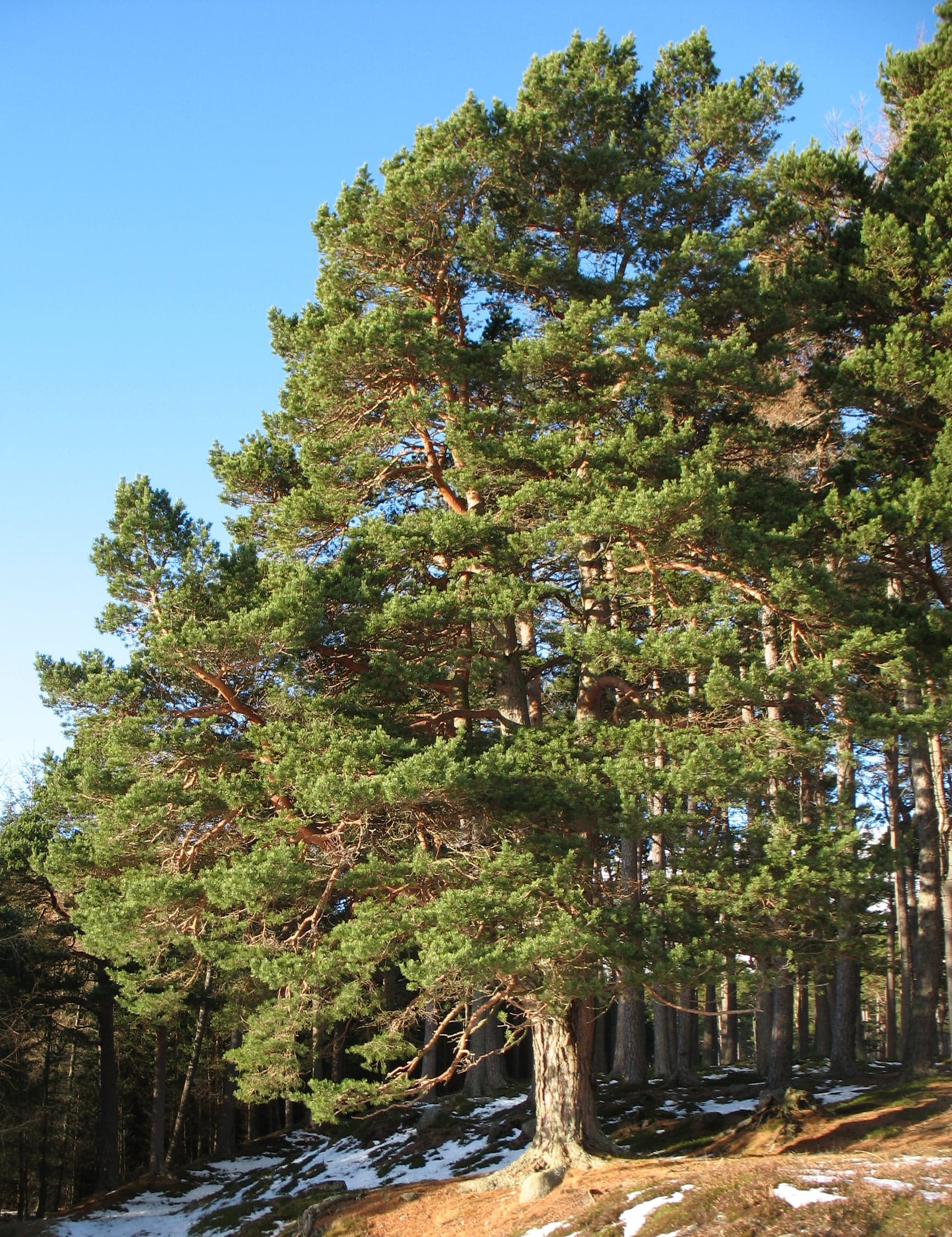
  • Árvore de Scots Pine

    Hello, I am Bruce on Flickr, via Wikimedia Commons

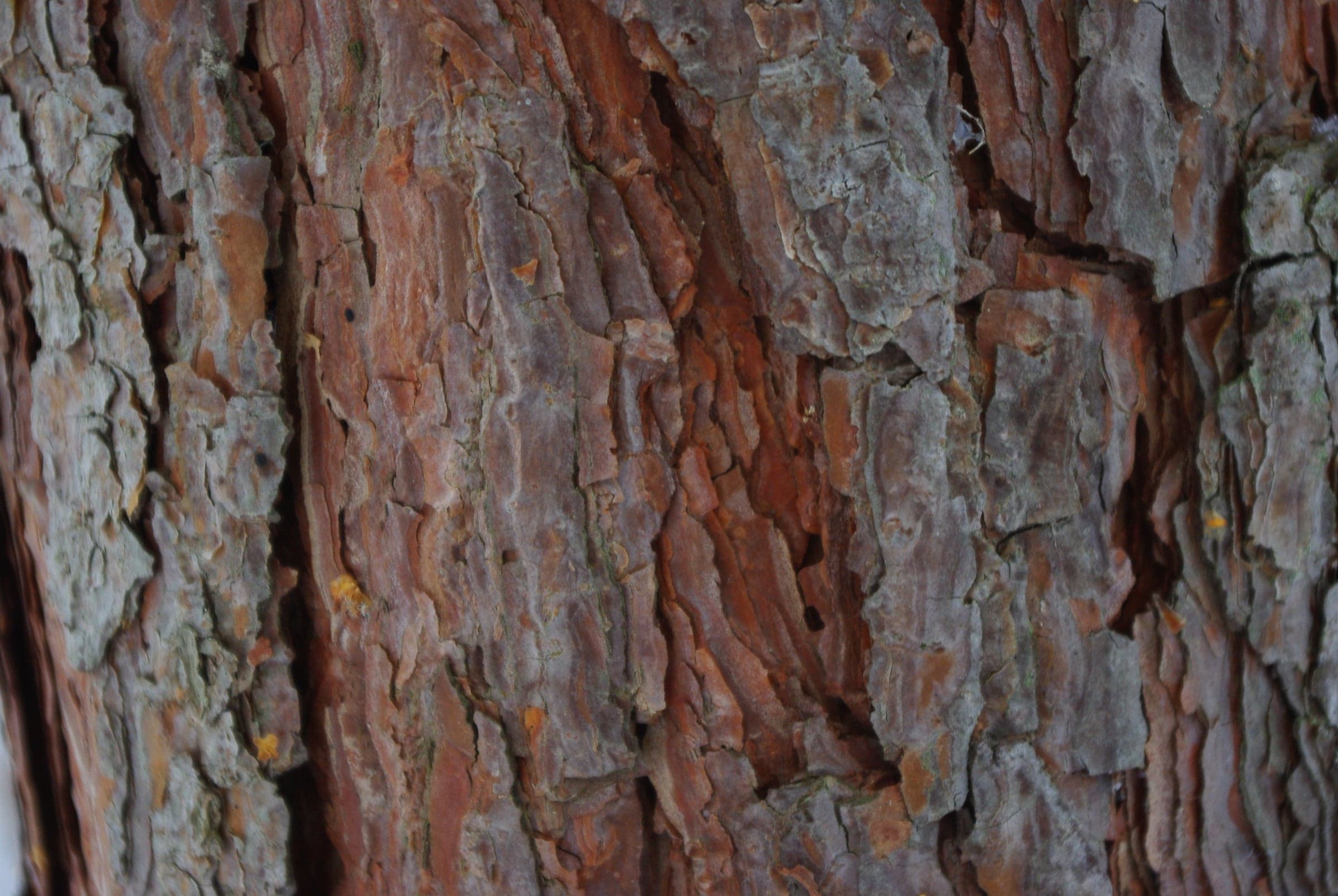
    Scots Pine: Casca
    Casca

    Ring spacing separates slow-grown northern stock, which is denser, more stable and considerably more attractive, from fast-grown material with wide soft bands. Baltic and Scandinavian slabs from higher latitudes tend toward the former.

    Blue stain shows as a grey-blue cast through the sapwood. It is a fungus that colonises freshly felled logs in warm damp conditions and it does not weaken the wood. Whether it is a flaw or a feature depends entirely on the piece.

    At the bench#

    This is the easiest wood in the catalogue to work. It cuts cleanly with hand and machine tools, it glues reliably, it takes fastenings well for a softwood, and it finishes without argument. For a first slab project, or for a maker working without a well equipped shop, it removes most of the ways a build can go wrong.

    The knots are where care is needed. They are much harder than the surrounding wood, frequently contain resin, and can tear out or spit under a planer knife. Take light cuts approaching a large knot, and be prepared to finish that area by hand or with a scraper. A helical cutterhead makes a substantial difference on knotty stock.

    Resin is present but far less troublesome than in larch or maritime pine. Blades will need occasional cleaning rather than constant attention.

    For gluing, ordinary PVA at moderate clamping pressure is sufficient. Avoid crushing the fibres by over-clamping, which starves the joint.

    Drying and movement#

    Scots Pine dries quickly and easily with a low tendency to distort, which is another reason it dominates commodity production. Slab stock in thick sections still benefits from air drying to around 20 percent followed by a controlled kiln finish.

    Volumetric shrinkage at roughly 13.6 percent is on the higher side for this group, with tangential movement at 8.3 percent against 5.2 percent radial. The ratio between the two is better than spruce or fir, which means flatsawn pine cups less aggressively than flatsawn spruce of the same width. It still moves, and a wide top should float rather than be fixed rigidly.

    Finishing, and the one trap#

    Pine takes wax exceptionally well, and wax over bare or lightly oiled pine is the traditional treatment that produces the look most people actually want from this wood. It also takes oils and modern hardwax finishes without difficulty.

    Pigment stains blotch, for the same reason they blotch on spruce: the density difference between earlywood and latewood makes absorption uneven. A conditioner or a dye rather than a pigment stain solves it.

    The trap is paint. Resin in and around knots stays mobile for years and will migrate straight through most primers, appearing as brown rings on a white surface months after the job looked finished. Seal every knot with shellac before priming. This is old advice and it is still the correct advice, because shellac remains the best barrier available for resin bleed.

    Where Scots Pine is the right answer#

    Farmhouse tables, painted and waxed furniture, panelling, carcass work, shelving, and traditional flooring where dents are understood as part of the character rather than a failure. It is the right answer whenever the budget is real, the shop is modest, or the piece is meant to look better in twenty years than it does on day one.

    It is the wrong answer for a surface that must stay unmarked, for exterior use without treatment, and for anything where a stained colour needs to stay exactly as applied.

    Sourcing and EUDR#

    Not CITES listed and assessed as Least Concern. Scots Pine has some of the most mature certified supply chains of any timber in Europe, with well established FSC and PEFC coverage through Scandinavia, the Baltics and Poland. Of everything in the KORENA catalogue, this is among the most straightforward species to document to EUDR standard, which is worth weighing if the paperwork burden on a project matters as much as the material.

    How do I stop resin bleeding through paint around knots?

    +

    Seal the knots with shellac before priming. Resin in and around knots stays mobile and will migrate through most primers and paints, showing as brown rings months later. Shellac is the traditional barrier for exactly this reason and it still works better than modern alternatives.

    Is Scots Pine the same as redwood or deal?

    +

    Yes. Redwood is the British trade name for Pinus sylvestris, and deal is an older term for pine boards of a particular size that came to be used loosely for the species. All three names refer to the same wood, which causes regular confusion when buyers compare quotes.

    8.3 %
    Retração volumétricaAlteração total do volume entre o estado verde e a secagem em estufa. Um valor menor indica maior estabilidade.13.6 %
    Durabilidade natural (EN 350)Norma europeia de resistência natural à deterioração, de 1 (muito durável) a 5 (perecível).Class 4 — Slightly durable

    Fontes

    • The Wood Database — Scots Pine (Pinus sylvestris)(consultado em 2026-08-12)
    • USDA FPL Wood Handbook FPL-GTR-190 (2010)(consultado em 2026-08-12)
    • Meier, E. — WOOD! Identifying and Using Hundreds of Woods Worldwide (2015)(consultado em 2026-08-12)

    Pontos fortes

    • Adequada a principiantesFácil de trabalhar na bancada e sem dureza excessiva para as ferramentas.

    A ter em conta

    • Não indicada para exterior sem tratamentoA durabilidade natural é classe 4 de 5 segundo a EN 350. Mantenha-a no interior ou protegida por um acabamento com manutenção.
    • Move-se mais do que a maioriaTampos largos precisam de fixadores ou ferragens com rasgos e de espaço para se moverem. Use abaixo a calculadora de movimento.
    • Pó irritanteUse extração e máscara ao lixar ou maquinar.

    Toque numa etiqueta para ver os detalhes.

    Resumo

    Os níveis usam intervalos fixos em todas as espécies apresentadas pela KORENA, permitindo a comparação direta. O valor medido aparece por baixo de cada um.
    DurezaResistência a mossas e desgasteMacia

    Dureza Janka: 2420 N

    51 % mais macia do que o carvalho-europeu

    PesoPeso da prancha ao levantarMédio

    550 kg/m³

    EstabilidadeGrau de movimento ao longo das estaçõesMovimento acentuado

    13,6 % de retração volumétrica

    TrabalhoSerrar, aplainar, lixar e colarFácil

    4,0 / 5 de média na bancada

    Uso exteriorResistência natural à deterioração, EN 350Apenas interior

    EN 350 classe 4

    • Serrar · Muito boaQualidade do corte e desgaste causado nas lâminas.1 = difícil · 5 = excelente
    • Aplainar · Muito boaSuavidade da superfície e tendência para arrancar fibras.1 = difícil · 5 = excelente
    • Lixar · Muito boaRapidez com que fica lisa sem entupir a lixa.1 = difícil · 5 = excelente
    • Tornear · Muito boaQualidade do corte e do acabamento no torno.1 = difícil · 5 = excelente
    • Entalhar · BoaNitidez com que conserva os pormenores feitos com goiva.1 = difícil · 5 = excelente
    • Colar · ExcelenteFiabilidade das uniões coladas.1 = difícil · 5 = excelente
    • Fixação de parafuso / prego · Muito boaCapacidade de segurar parafusos e pregos sem rachar.1 = difícil · 5 = excelente
    • Curvatura a vapor · BoaCapacidade de formar curvas depois de tratada a vapor.1 = difícil · 5 = excelente

    O preço atual da madeira de Scots Pine na Europa, por metro cúbico antes do IVA. Toque num preço para ver os detalhes.

    • Melhores toros em leilãoToros selecionados de alta qualidade vendidos em leilões por proposta, sobretudo a fabricantes de folha e mobiliário. É de toros como estes que se cortam as pranchas.A maioria dos preços situa-se entre 108 € e 163 €.Com base em 71 preços de 2 regiões.Dados mais recentes de 21/09/2026
    • Toros comunsGrandes volumes de madeira redonda corrente vendidos por proprietários florestais e florestas estatais, sobretudo para construção e indústria.A maioria dos preços situa-se entre 41 € e 125 €.Com base em 78 preços de 8 regiões.Dados mais recentes de 21/09/2026

    Melhores toros em leilão por país

    • Alemanha · 153 € / m³Regiões: Bavaria44 preçosDados mais recentes de 21/09/2026
    • Áustria · 108 € / m³Regiões: Austria27 preçosDados mais recentes de 21/09/2026

    Toros comuns por país

    • Bulgária · 91 € / m³Regiões: North-West Bulgaria24 preçosDados mais recentes de 24/08/2026
    • Suécia · 71 € / m³Regiões: Sweden Central25 preçosDados mais recentes de 30/06/2026
    • França · 58 € / m³Regiões: Bourgogne-Franche-Comté e Grand Est / Alsace8 preçosDados mais recentes de 15/06/2026

    Porque custa uma prancha mais do que isto?

    Estes são preços de madeira em bruto. Uma prancha é o melhor corte de um toro, seco durante pelo menos um ano e depois verificado e medido peça a peça. Apenas uma pequena parte de cada toro se transforma numa prancha.

    Fonte: Índice de Madeira KORENA · Dados mais recentes de 21/09/2026

    Ver todos os preços regionais
    Finlândia53 €
    Finlândia · 53 € / m³
    Regiões: Southern Finland (Etelä-Suomi)
    3 preços
    Dados mais recentes de 21/09/2026
  • Noruega · 51 € / m³Regiões: Norway (national)3 preçosDados mais recentes de 21/09/2026
  • Roménia · 44 € / m³Regiões: Moldavia (Romania) e Transylvania15 preçosDados mais recentes de 14/09/2026