KORENA
MadeiraFinished piecesMateriaisParquesRevista

Receba notificações

Cada prancha é única. Quando é vendida, desaparece. Enviamos um e-mail quando são anunciadas novas peças: novas chegadas, novas espécies e pranchas adequadas a um projeto.

Alguns e-mails por mês. Sem spam, pode cancelar a qualquer momento.

KORENA, madeiras nobres

Uma peça de cada vez.

Madeiras nobres verificadas, vendidas peça a peça. Cada prancha é fotografada, medida e enviada pelo parque parceiro com um passaporte da madeira.

Comprar

  • Explorar produtos
  • Arquivo de vendas
  • Acompanhar encomenda

Aprender

  • Revista
  • Guias de espécies
  • Glossário
  • Comparar
  • Autores

Ajuda

  • Sobre nós
  • Como funciona
  • Torne-se um parque parceiro
  • Encontrar uma prancha
  • Apoio
  • Modelos de documentos
  • Imprensa

Comprar

  • Termos de venda
  • Direito de livre resolução
  • Devoluções e garantia
  • Envio e entrega

Confiança

  • Política de privacidade
  • Política de cookies
  • Proveniência da madeira e EUDR
  • Acessibilidade

Informação legal

  • Aviso legal / Informação legal
  • Utilização aceitável
  • Propriedade intelectual e conteúdo

© 2026 KORENA. Todos os direitos reservados.

Gerido pela Martial Labs Ltd. (BG, EIK 207453941). KORENA é um nome comercial da Martial Labs Ltd.

Respeitamos a sua privacidade

Usamos cookies essenciais para o funcionamento do site. Com a sua autorização, também usamos cookies para análise, conteúdo personalizado e publicidade. Pode mudar de ideias a qualquer momento na página de preferências de consentimento. Consulte a nossa política de cookies e a política de privacidade.

  1. Início
  2. /
  3. Espécies
  4. /
  5. Silver Fir

Abies alba

Silver Fir

Spruce without the resin. The softest species in the KORENA catalogue, and the best softwood here for a painted finish.

  • Cultivada e abatida na Europa.
  • Grupo botânico. As madeiras de coníferas vêm de coníferas; as folhosas vêm de árvores de folha larga.
  • Família botânica a que pertence a espécie.
Receber aviso quando chegarEspécie de referência. Sem peças em stock neste momento.
  • Adequação ao projeto
  • Em stock
  • Aspeto
  • Trabalho
  • Movimento
  • Preço
  • Segurança e origem
  • Perguntas
  • Dados técnicos

É adequada ao seu projeto?

Ótima para

  • Wall and ceiling panelling
  • Painted furniture
  • Lightweight carcass work
  • Shelving
  • Interior joinery

Sem Silver Fir na seleção atual

Espécies semelhantes em stock

Não há Silver Fir neste momento. Estas espécies servem para os mesmos projetos e têm peças disponíveis.

  • Veio de Saman

    Saman

    Samanea saman

    4 peças

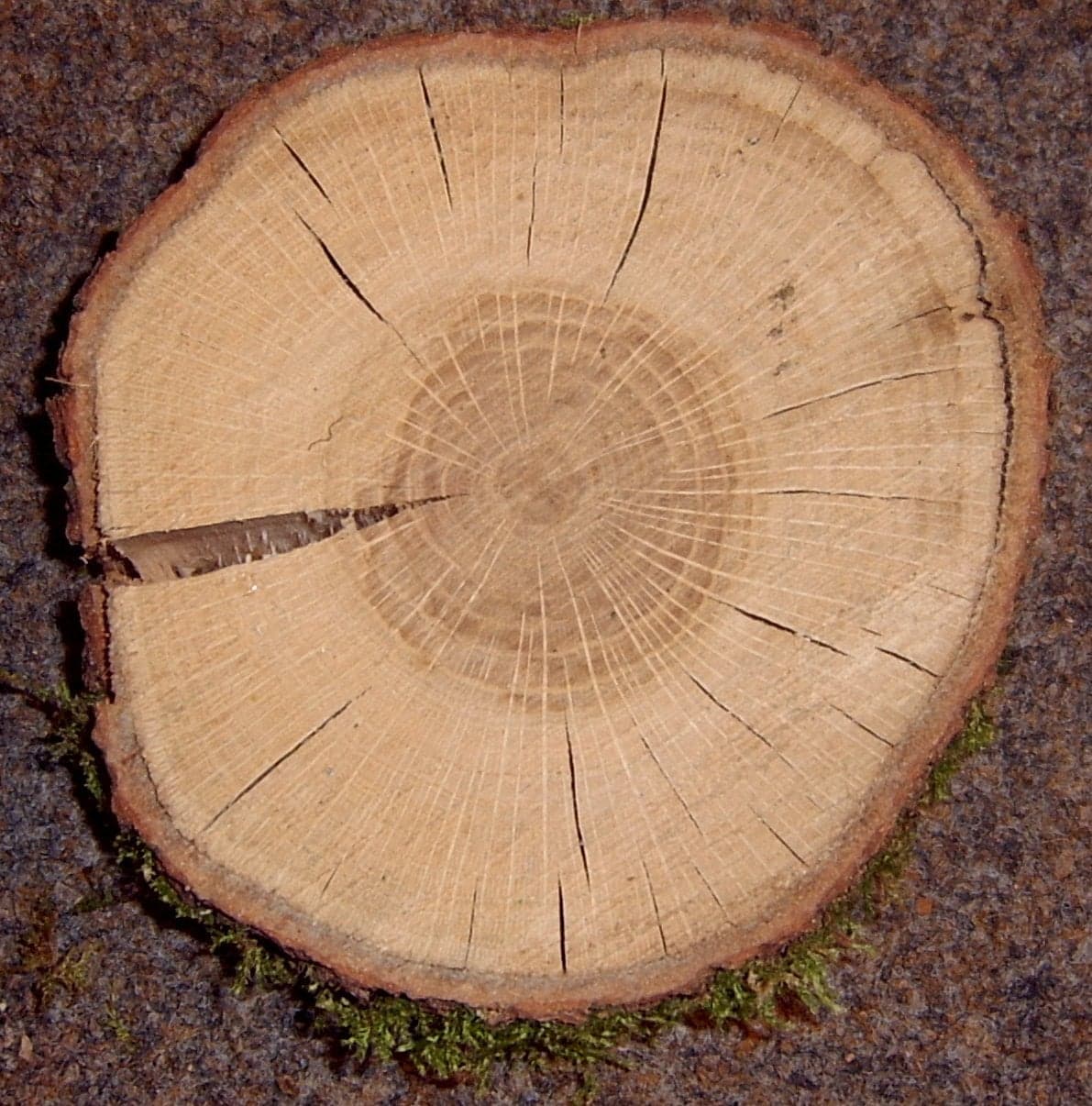
  • Veio de European Oak

    European Oak

    Quercus robur

    6 peças

  • Veio de European Walnut

    European Walnut

    Juglans regia

    9 peças

Receba notificações sobre Silver Fir

Enviamos um e-mail quando chegam à KORENA novas pranchas de Silver Fir. Cada peça é única, por isso é importante saber cedo.

Alguns e-mails por mês. Sem spam, pode cancelar a qualquer momento.

Aspeto da madeira

Qual é o seu aspeto

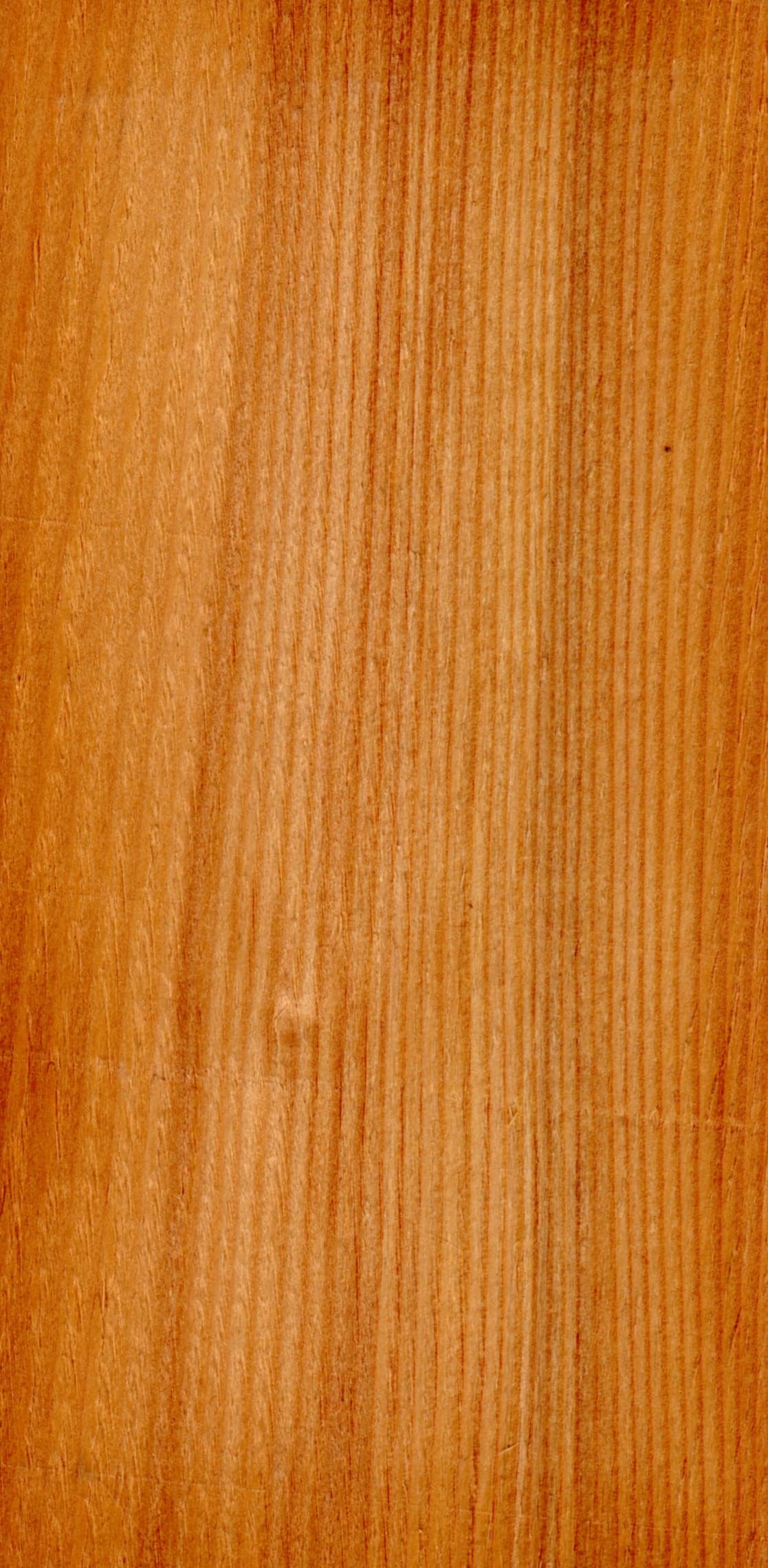
Very close to Norway Spruce in appearance and routinely sold interchangeably with it. Silver Fir is a shade duller and greyer, entirely without the resin pockets that mark spruce, because the species has no resin canals in its wood. Grain is straight, texture fine and even, and the overall impression is flatter and quieter than spruce.

  • Near white to pale grey-brown, duller than spruce
  • No visible heartwood boundary
  • No resin pockets, the clearest way to tell it from spruce
  • Pale, straight grain; almost no resin canals.

Trabalhar esta madeira

Como se trabalha

Generally easy with both hand and machine tools, and it glues, stains and finishes better than spruce because the absence of resin canals makes absorption more even. The same softness caveat applies: sharp cutters are essential or the earlywood crushes and fuzzes. It holds detail poorly under carving tools, so it is not a carving wood despite being soft.

Acabamento

Takes stain and finish noticeably better than spruce, though it is still a softwood with uneven density and a conditioner remains sensible before pigment stain. It is one of the better softwood choices for a painted finish, since the fine even texture needs little grain filling. Clear finishes leave it looking pale and slightly cool.

Secagem

Dries readily and without much degrade, and because there are no resin canals there is no resin bleed to manage, which is a genuine advantage over spruce in thick sections. Wet pockets of bacterially infected wood, sometimes called wetwood, occur in older trees and dry slowly and unevenly. A yard that has kilned the stock properly will have caught these. Movement in service is moderate at around 12.8 percent volumetric.

Quanto se irá mover?

A madeira incha e contrai-se na largura à medida que o ar fica mais húmido ou mais seco. Estime o movimento sazonal de um tampo de Silver Fir antes de desenhar as fixações.

Corte
Local onde será usada

Movimento sazonal previsto

cerca de 9,9 mm

Fixe o tampo com fixadores ou suportes com rasgos, não com cola ou parafusos apertados.

Modelo de retração linear: largura × (retração ÷ 28 % de saturação das fibras) × variação sazonal da humidade. Usa uma retração tangencial de 8,7 % para Silver Fir. É uma estimativa de planeamento, não uma garantia.

Quanto custa

Segurança e origem

  • Cultivada e abatida na Europa.
  • Estado na Lista Vermelha da UICN: a avaliação mundial de conservação desta espécie.
  • Species in the Abies genus have been reported to cause skin irritation, though severe reactions are uncommon. Standard dust extraction and a P2 mask for extended machining cover it.

Ler o guia completoNotas detalhadas sobre desenho, alteração da cor, trabalho e estabilidade.+

What Silver Fir actually is#

Abies alba is the tree most people have looked at without knowing it. It is a major component of central European mountain forest, it is the traditional Christmas tree across much of the continent, and its timber is sold through the trade as whitewood alongside Norway Spruce with little distinction drawn between them. For most construction purposes that conflation is harmless. For slab work it is worth separating, because the one structural difference between the two species changes how the wood behaves.

Silver Fir has no resin canals. Spruce does. Everything that follows from that, the absence of resin pockets, the cleaner behaviour under paint, the more even stain absorption, the lack of bleed in thick sections, is the reason to choose fir over spruce rather than treat them as the same board.

Reading a Silver Fir slab#

Colour range is narrow: near white through to a pale grey-brown, with no heartwood boundary to speak of. Against spruce it reads flatter and cooler, a fraction duller, and without the amber flecking that gives spruce its visual interest.

Because colour gives you so little, judge the slab on ring structure and defects. Tight rings from slow mountain growth mean a denser, stiffer, more stable board. Knots are the usual limiting factor, and fir knots are somewhat less hard and less prone to tear-out than spruce knots, which makes them slightly easier to machine through when you have no choice.

Perguntas dos compradores

Perguntas dos compradores

How do I tell Silver Fir from Norway Spruce?

+

Look for resin pockets. Spruce has resin canals and shows amber pockets and streaks; Silver Fir has none at all, so a clean pale board with no resin marks is almost certainly fir. Fir also reads slightly greyer and duller. The two are close enough that they are frequently sold interchangeably as whitewood.

Is Silver Fir better than spruce for painted work?

+

Yes, generally. The fine even texture needs little grain filling and the absence of resin canals means no bleed-through under paint. Spruce resin pockets can telegraph through a painted finish months later unless sealed with shellac first.

Can I use Silver Fir outdoors?

+

Not untreated. It is rated non-durable to perishable with little resistance to insect attack, which is the lowest durability in this group. European larch or Douglas fir are the appropriate choices for exposure.

Is it hard enough for a desk top?

+

At 1,420 N Janka it is the softest species KORENA lists, softer even than spruce. A desk top in fir will mark under a pen pressed through paper. It works for a light-use surface finished in a refreshable hardwax oil, but for daily writing use a harder species.

Propriedades mecânicas

Dados técnicos

Valores de referência publicados. Quando as fontes divergem, é apresentado o intervalo e o valor típico é usado nas escalas acima.

Densidade (kg/m³)Massa por metro cúbico com cerca de 12 % de humidade. A madeira mais pesada costuma ser mais dura e resistente.415 kg/m³
Dureza Janka (N)Força necessária para pressionar uma esfera de aço até metade da sua profundidade na madeira. É a medida habitual de resistência a mossas.1,420 N
MOR: módulo de rutura (MPa)Resistência à flexão: a carga com que uma viga parte.66 MPa
MOE: módulo de elasticidade (GPa)Rigidez à flexão: quanto uma prateleira ou um tampo flete sob carga.8.3 GPa
Retração radialRetração perpendicular aos anéis de crescimento, do estado verde à secagem em estufa. É este o movimento das tábuas de corte radial.4.0 %
Retração tangencialRetração ao longo dos anéis de crescimento. É este o movimento das tábuas de corte tangencial e da maioria das pranchas.
Veio de Silver Fir

Achim Raschka (talk), via Wikimedia Commons

Abies alba grows through the mountain systems of central and southern Europe, from the Pyrenees across the Alps to the Carpathians and the Balkans. Most slab stock comes from managed mixed forests where it grows alongside beech and spruce, and EU certification coverage is good.

  • Not listed in the CITES Appendices and assessed by the IUCN as Least Concern. Silver Fir declined across parts of its range during the twentieth century from air pollution and heavy browsing pressure, and it is now recovering under managed forestry. Certified supply is readily available.

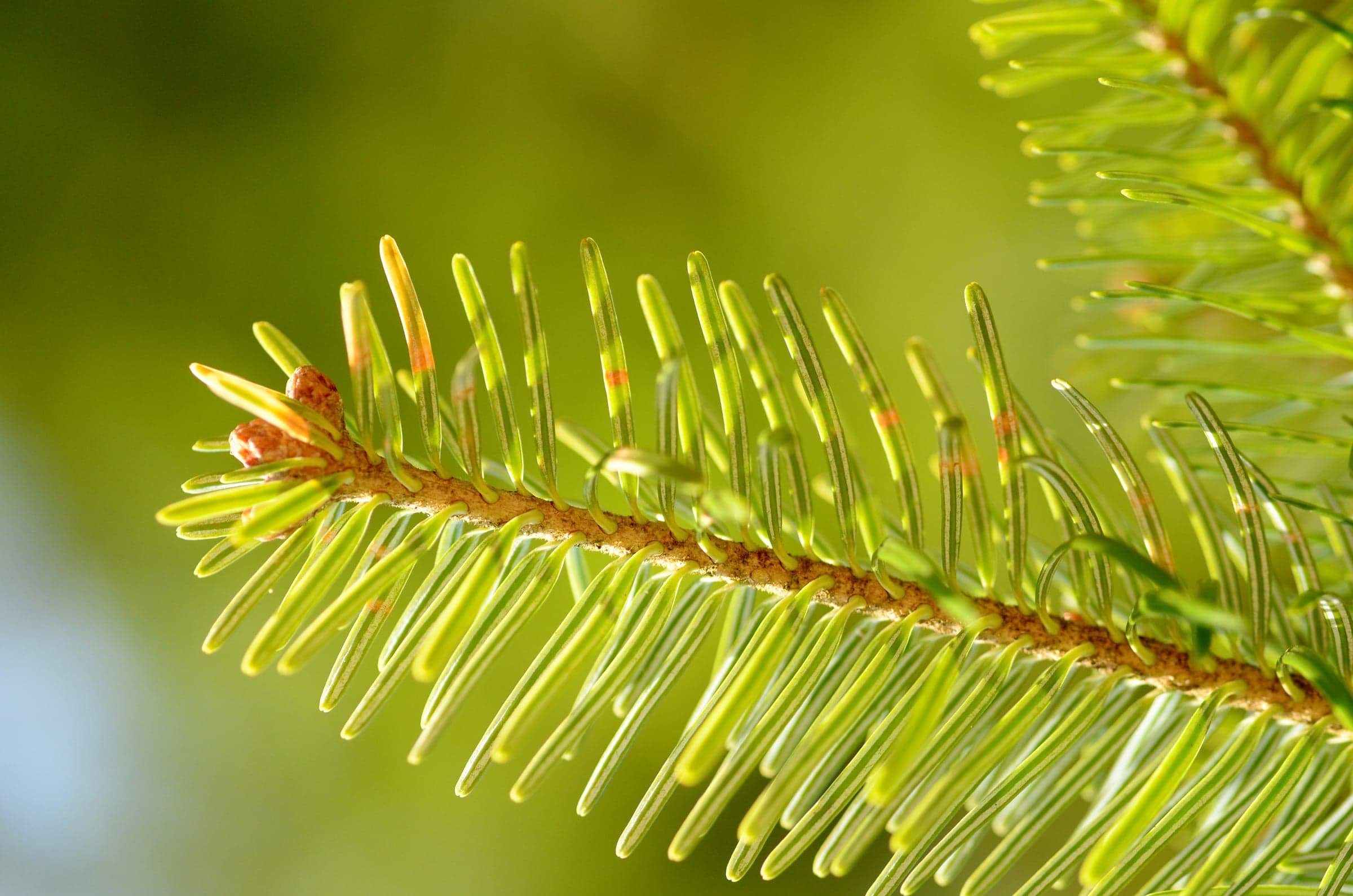
  • Silver Fir: Folha
    Folha
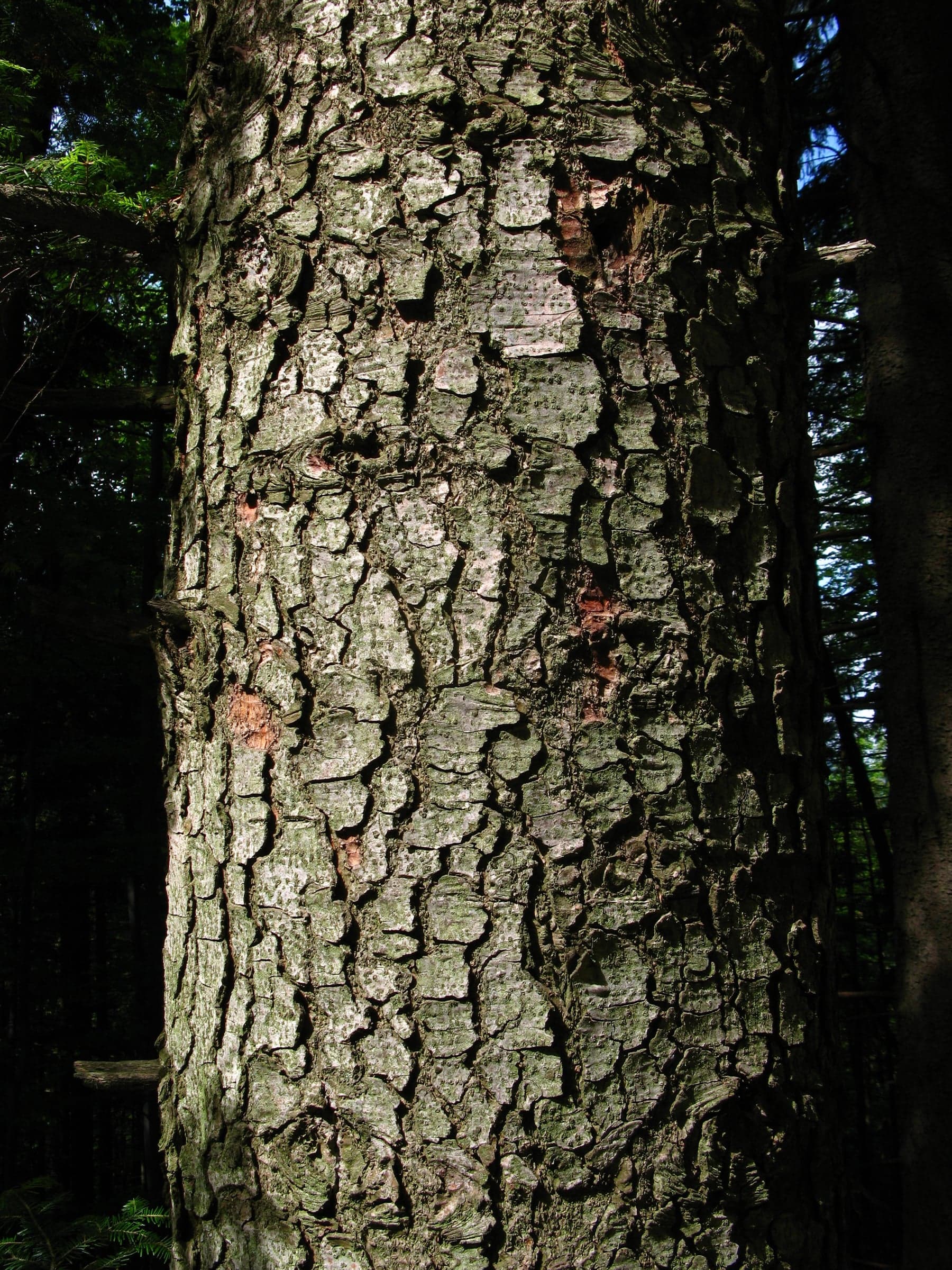
    Silver Fir: Casca
    Casca

    The specific thing to look for is wetwood, a bacterially affected zone carrying abnormally high moisture that occurs in some older trees. It dries slowly and unevenly and can leave a localised darker stain or a collapsed area. Properly dried stock has already revealed any of it. Since every KORENA slab carries a measured moisture value rather than an assurance, an unevenly dried board shows up in the data.

    At the bench#

    Fir works easily with hand and machine tools, and it glues, stains and finishes better than spruce for the reason given above. The softness caveat that governs all of this group still applies, and applies here hardest, because at 1,420 N on the Janka scale Silver Fir is the softest wood KORENA lists.

    Sharp cutters are not optional. A dull plane iron will crush the earlywood rather than cut it, and the crushed fibres lift when finish goes on. Light cuts and a card scraper produce a far better surface than heavy cuts and sandpaper. Stop sanding at 180 grit.

    One thing fir does not do well is hold carved detail. Softness suggests it should be a carving wood, but the fibre is stringy rather than crisp and fine detail tears out at the edges. Small-leaved lime is the species in the KORENA catalogue built for that job.

    Gluing is reliable with moderate clamping pressure. Screws hold adequately with pilot holes and coarse threads, though as with all light softwoods, through-bolts and washers are better wherever the load is real.

    Drying and movement#

    Fir dries readily and without much degrade. The absence of resin canals is a practical advantage in thick sections, because there is no resin to bleed when a slab warms in sunlight or over underfloor heating. Spruce in the same position may weep at the pockets years after finishing.

    Volumetric shrinkage sits around 12.8 percent, close to spruce, with tangential movement at 8.7 percent against 4.0 percent radial. That ratio, better than two to one, means flatsawn boards want to cup as humidity swings. Quartersawn stock is meaningfully more stable and worth paying for in a wide top.

    Let a slab acclimatise in its final room for a couple of weeks before final flattening. This matters more for softwoods than hardwoods because the movement is faster.

    Where Silver Fir is the right answer#

    Painted work is where fir clearly beats the alternatives here. The fine even texture needs almost no grain filling, and with no resin canals there is nothing to telegraph through the paint film later. A painted fir carcass will still look right in ten years, where a painted spruce one may show resin ghosting at the pockets.

    It also suits wall and ceiling panelling, lightweight carcass work, and shelving where the span is short or supported. Its stiffness to weight ratio is decent, but at this density long unsupported shelves will sag.

    It is the wrong answer for any working surface that must resist marking, for anything outdoors, and for carving.

    Sourcing and EUDR#

    Not CITES listed and assessed as Least Concern. Silver Fir declined across parts of its range through the twentieth century under air pollution and heavy deer browsing, and current populations are recovering under active management. Certified supply from Alpine and Carpathian sources is readily available, and the documentation path for EUDR is the same short one that applies to the other managed European conifers in this catalogue.

    What is wetwood and does it matter?

    +

    Wetwood is a bacterially affected zone of abnormally high moisture found in some older firs. It dries slowly and unevenly and can leave localised staining or collapse. Properly kilned stock will have revealed it already. Every KORENA slab carries a measured moisture reading, so a slab that dried unevenly is visible in the data rather than a surprise at the bench.

    8.7 %
    Retração volumétricaAlteração total do volume entre o estado verde e a secagem em estufa. Um valor menor indica maior estabilidade.12.8 %
    Durabilidade natural (EN 350)Norma europeia de resistência natural à deterioração, de 1 (muito durável) a 5 (perecível).Class 5 — Perishable

    Fontes

    • The Wood Database — European Silver Fir (Abies alba)(consultado em 2026-08-12)
    • USDA FPL Wood Handbook FPL-GTR-190 (2010)(consultado em 2026-08-12)
    • Meier, E. — WOOD! Identifying and Using Hundreds of Woods Worldwide (2015)(consultado em 2026-08-12)

    A ter em conta

    • Não indicada para exterior sem tratamentoA durabilidade natural é classe 5 de 5 segundo a EN 350. Mantenha-a no interior ou protegida por um acabamento com manutenção.
    • Pó irritanteUse extração e máscara ao lixar ou maquinar.
    • Fraca para curvatura a vaporFaça curvas laminadas em vez de as moldar a vapor.

    Toque numa etiqueta para ver os detalhes.

    Resumo

    Os níveis usam intervalos fixos em todas as espécies apresentadas pela KORENA, permitindo a comparação direta. O valor medido aparece por baixo de cada um.
    DurezaResistência a mossas e desgasteMacia

    Dureza Janka: 1420 N

    71 % mais macia do que o carvalho-europeu

    PesoPeso da prancha ao levantarMuito leve

    415 kg/m³

    EstabilidadeGrau de movimento ao longo das estaçõesMédio

    12,8 % de retração volumétrica

    TrabalhoSerrar, aplainar, lixar e colarModerada

    3,9 / 5 de média na bancada

    Uso exteriorResistência natural à deterioração, EN 350Apenas interior

    EN 350 classe 5

    • Serrar · Muito boaQualidade do corte e desgaste causado nas lâminas.1 = difícil · 5 = excelente
    • Aplainar · Muito boaSuavidade da superfície e tendência para arrancar fibras.1 = difícil · 5 = excelente
    • Lixar · Muito boaRapidez com que fica lisa sem entupir a lixa.1 = difícil · 5 = excelente
    • Tornear · BoaQualidade do corte e do acabamento no torno.1 = difícil · 5 = excelente
    • Entalhar · BoaNitidez com que conserva os pormenores feitos com goiva.1 = difícil · 5 = excelente
    • Colar · ExcelenteFiabilidade das uniões coladas.1 = difícil · 5 = excelente
    • Fixação de parafuso / prego · Muito boaCapacidade de segurar parafusos e pregos sem rachar.1 = difícil · 5 = excelente
    • Curvatura a vapor · RazoávelCapacidade de formar curvas depois de tratada a vapor.1 = difícil · 5 = excelente

    O preço atual da madeira de Silver Fir na Europa, por metro cúbico antes do IVA. Toque num preço para ver os detalhes.

    • Melhores toros em leilãoToros selecionados de alta qualidade vendidos em leilões por proposta, sobretudo a fabricantes de folha e mobiliário. É de toros como estes que se cortam as pranchas.A maioria dos preços situa-se entre 200 € e 203 €.Com base em 47 preços de 1 região.Dados mais recentes de 24/09/2026
    • Toros comunsGrandes volumes de madeira redonda corrente vendidos por proprietários florestais e florestas estatais, sobretudo para construção e indústria.A maioria dos preços situa-se entre 41 € e 126 €.Com base em 2.598 preços de 7 regiões.Dados mais recentes de 24/09/2026

    Toros comuns por país

    • França · 114 € / m³Regiões: Bourgogne-Franche-Comté e Grand Est / Alsace12 preçosDados mais recentes de 15/09/2026
    • Itália · 85 € / m³Regiões: Veneto27 preçosDados mais recentes de 23/07/2025
    • Roménia · 79 € / m³Regiões: Banat / Crișana, Moldavia (Romania), Transylvania e Wallachia2.559 preçosDados mais recentes de 24/09/2026

    Porque custa uma prancha mais do que isto?

    Estes são preços de madeira em bruto. Uma prancha é o melhor corte de um toro, seco durante pelo menos um ano e depois verificado e medido peça a peça. Apenas uma pequena parte de cada toro se transforma numa prancha.

    Fonte: Índice de Madeira KORENA · Dados mais recentes de 24/09/2026

    Ver todos os preços regionais