KORENA
MadeiraFinished piecesMateriaisParquesRevista

Receba notificações

Cada prancha é única. Quando é vendida, desaparece. Enviamos um e-mail quando são anunciadas novas peças: novas chegadas, novas espécies e pranchas adequadas a um projeto.

Alguns e-mails por mês. Sem spam, pode cancelar a qualquer momento.

KORENA, madeiras nobres

Uma peça de cada vez.

Madeiras nobres verificadas, vendidas peça a peça. Cada prancha é fotografada, medida e enviada pelo parque parceiro com um passaporte da madeira.

Comprar

  • Explorar produtos
  • Arquivo de vendas
  • Acompanhar encomenda

Aprender

  • Revista
  • Guias de espécies
  • Glossário
  • Comparar
  • Autores

Ajuda

  • Sobre nós
  • Como funciona
  • Torne-se um parque parceiro
  • Encontrar uma prancha
  • Apoio
  • Modelos de documentos
  • Imprensa

Comprar

  • Termos de venda
  • Direito de livre resolução
  • Devoluções e garantia
  • Envio e entrega

Confiança

  • Política de privacidade
  • Política de cookies
  • Proveniência da madeira e EUDR
  • Acessibilidade

Informação legal

  • Aviso legal / Informação legal
  • Utilização aceitável
  • Propriedade intelectual e conteúdo

© 2026 KORENA. Todos os direitos reservados.

Gerido pela Martial Labs Ltd. (BG, EIK 207453941). KORENA é um nome comercial da Martial Labs Ltd.

Respeitamos a sua privacidade

Usamos cookies essenciais para o funcionamento do site. Com a sua autorização, também usamos cookies para análise, conteúdo personalizado e publicidade. Pode mudar de ideias a qualquer momento na página de preferências de consentimento. Consulte a nossa política de cookies e a política de privacidade.

  1. Início
  2. /
  3. Espécies
  4. /
  5. White Oak

Quercus alba

White Oak

American white oak (Quercus alba) is a closed-pore hardwood with straight grain, coarse texture, and one of the best steam-bending records of any commercial species.

  • Cultivada fora da Europa e importada através de parques europeus.
  • Grupo botânico. As madeiras de coníferas vêm de coníferas; as folhosas vêm de árvores de folha larga.
  • Família botânica a que pertence a espécie.
Receber aviso quando chegarEspécie de referência. Sem peças em stock neste momento.
  • Adequação ao projeto
  • Em stock
  • Aspeto
  • Trabalho
  • Movimento
  • Preço
  • Segurança e origem
  • Perguntas
  • Dados técnicos

É adequada ao seu projeto?

Ótima para

  • Kitchen islands and worktops where water resistance matters
  • Bar tops and counter tops
  • Steam-bent chair backs, rockers, and curved rails
  • Cooperage-inspired pieces and cask-stave projects
  • Quartersawn panels and doors with visible ray fleck
  • Flooring and stair treads in heavy-traffic interiors

Sem White Oak na seleção atual

Espécies semelhantes em stock

Não há White Oak neste momento. Estas espécies servem para os mesmos projetos e têm peças disponíveis.
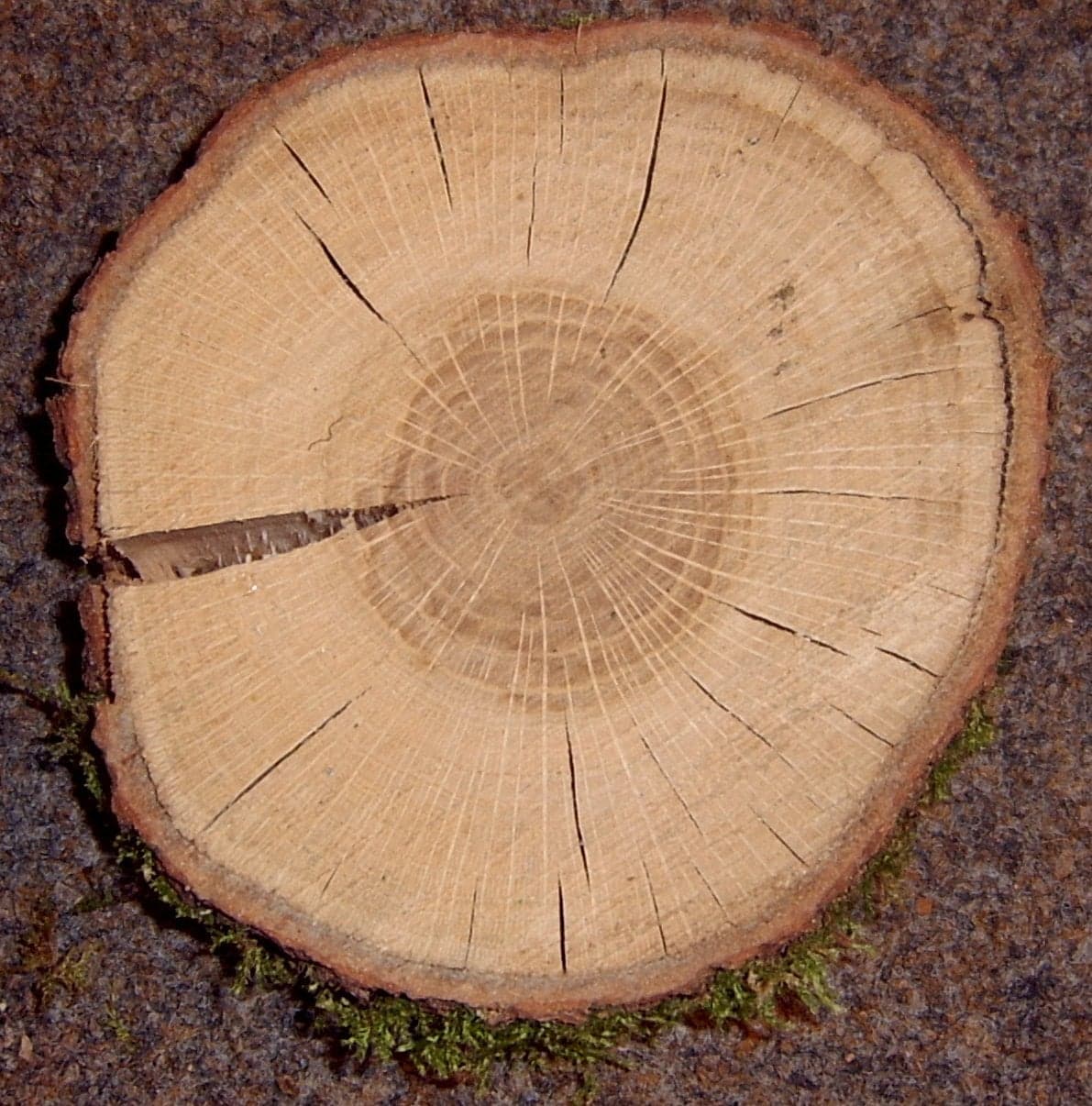
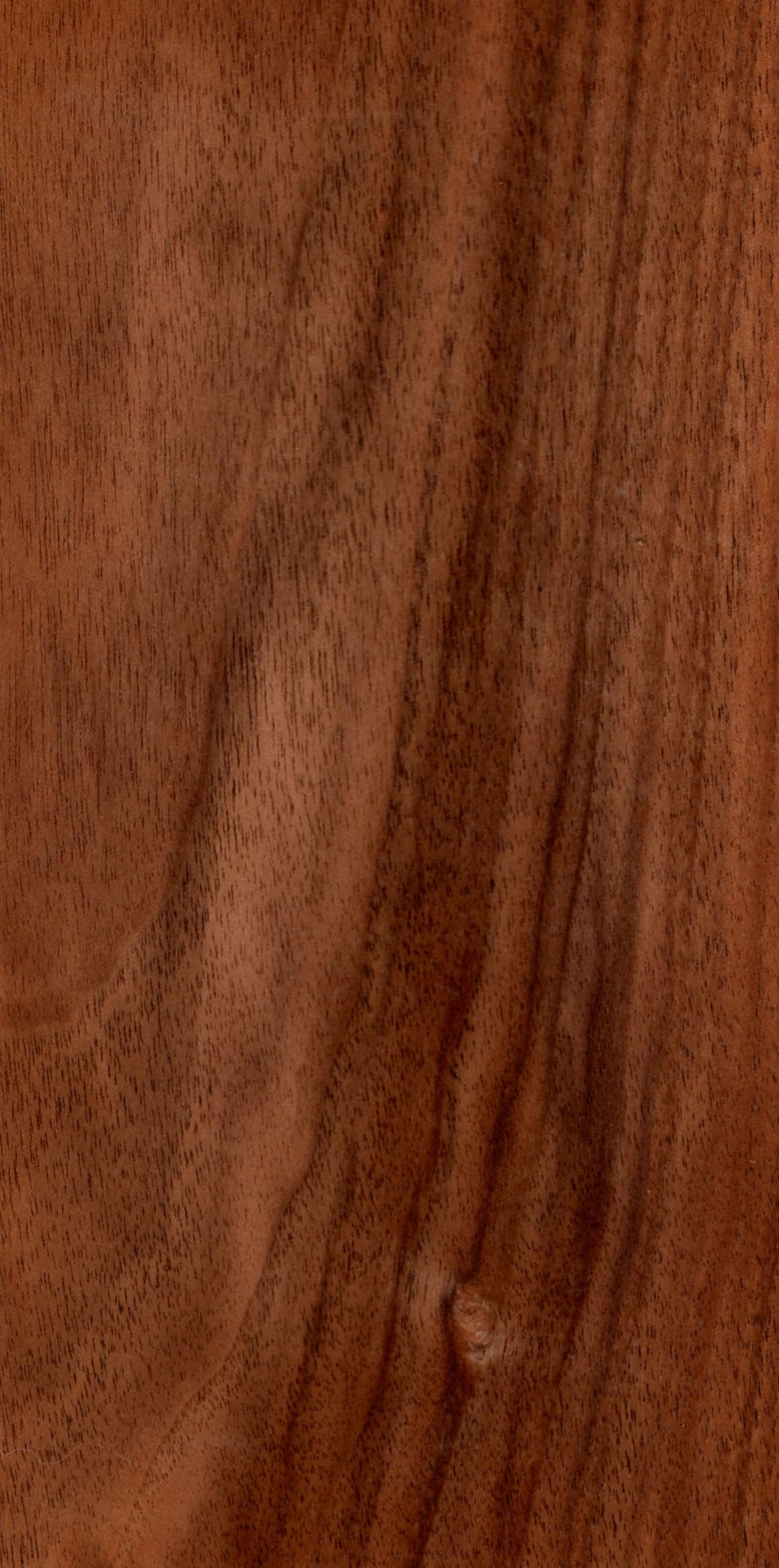
  • Veio de European Oak

    European Oak

    Quercus robur

    6 peças

  • Veio de European Walnut

    European Walnut

    Juglans regia

    9 peças

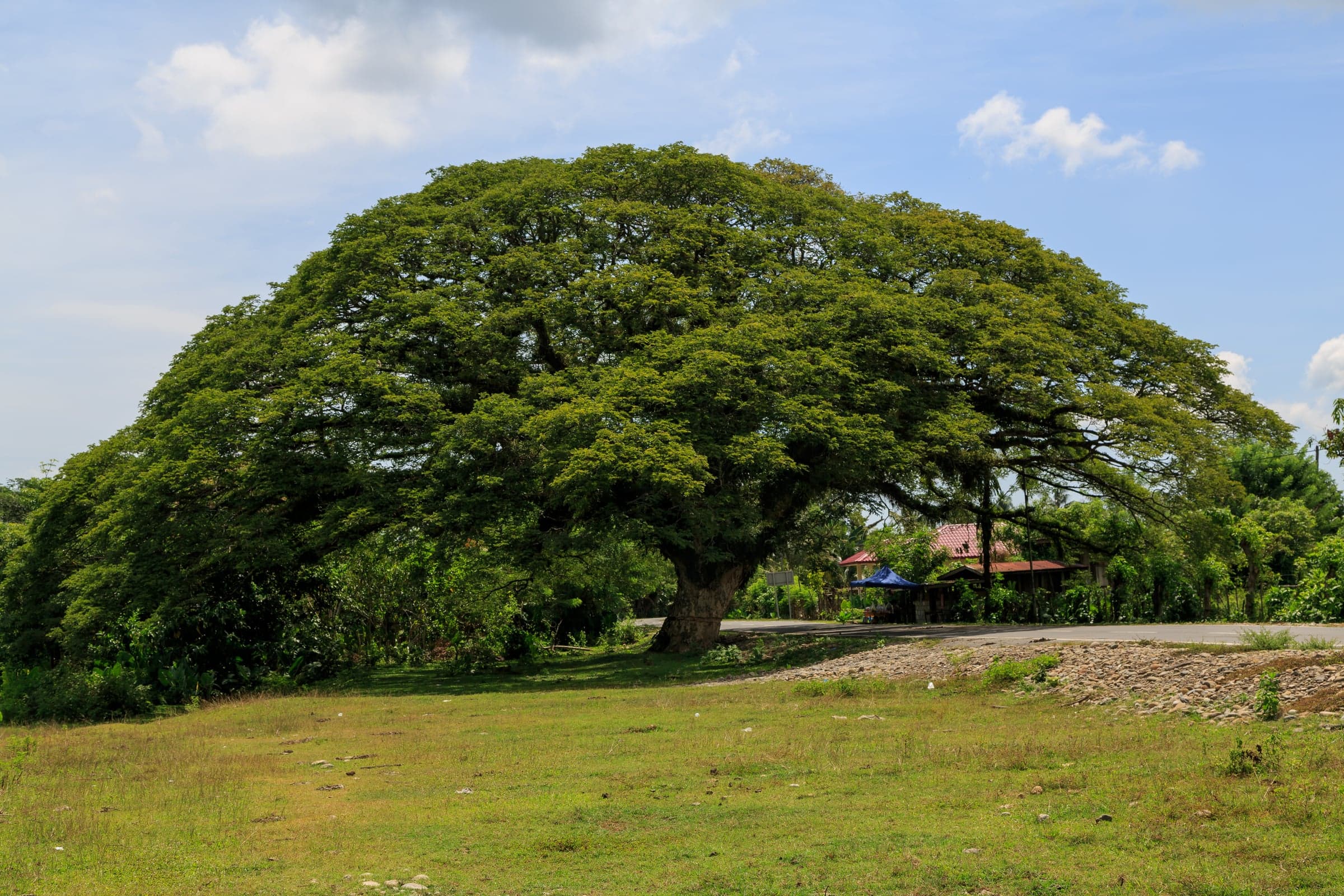
  • Veio de Saman

    Saman

    Samanea saman

    4 peças

Receba notificações sobre White Oak

Enviamos um e-mail quando chegam à KORENA novas pranchas de White Oak. Cada peça é única, por isso é importante saber cedo.

Alguns e-mails por mês. Sem spam, pode cancelar a qualquer momento.

Aspeto da madeira

Qual é o seu aspeto

Light to medium brown heartwood with an olive cast, sometimes drifting toward pale grey-brown. Sapwood is near-white and usually trimmed off furniture stock. Grain is straight with occasional irregular figure around knots. Texture is coarse but even, and the rays are unusually long, quartersawn faces show pronounced ray fleck (silver figure), a defining look in Arts and Crafts and Mission furniture. The single most useful feature is closed pores: tyloses plug the heartwood vessels, which is why white oak holds liquid and resists water ingress where European and red oak do not.

  • Heartwood: light to medium brown, often with an olive or greenish-grey cast
  • Sapwood: pale cream to near-white, sharply demarcated
  • Quartersawn faces: pronounced silver ray fleck
  • Ambers and deepens with UV and oil finishes over the first months
  • Fumes to deep chocolate-brown under ammonia; ebonises black with iron acetate
  • Straight grain, coarse uneven texture.

Trabalhar esta madeira

Como se trabalha

Machines cleanly with sharp tooling, sawing, sanding, gluing, and screwing all rate well. Planing tearout can show up around interlocked grain near knots; back off the cut and skew the blade. Pre-drill for screws near ends and edges to avoid splitting. Steam bending is where white oak earns its reputation: it is one of the most reliable bending species in the world, used historically for boat ribs, Windsor chair backs, and barrel staves. Quartersawn stock bends most predictably.

Acabamento

Takes oils, hardwax oils, water-based lacquers, and solvent finishes well. Reacts strongly with iron, wet steel wool, pipe clamps, or ferrous swarf will leave blue-black stains, so use stainless or brass and wipe spills fast. The same iron reaction is used deliberately for fumed and ebonised looks (ammonia fuming, iron-acetate). Tannin can bleed through pale finishes; seal first if you want a clean white or grey. Pores are tight enough that grain filling is optional for most furniture work.

Secagem

Dries slowly and is prone to honeycomb, surface checking, and ring failure if pushed. Tangential shrinkage runs roughly twice radial, so flatsawn boards cup more than quartersawn. Slabs need patient kiln schedules and good sticker discipline. Once at service moisture (8–10% for interior EU use) it is dimensionally well-behaved, but full equilibration takes weeks for thick stock.

Quanto se irá mover?

A madeira incha e contrai-se na largura à medida que o ar fica mais húmido ou mais seco. Estime o movimento sazonal de um tampo de White Oak antes de desenhar as fixações.

Corte
Local onde será usada

Movimento sazonal previsto

cerca de 12,0 mm

Grande. Use fixadores ou suportes com rasgos, deixe folga nas extremidades das travessas e permita que a prancha se aclimatize antes da montagem.

Modelo de retração linear: largura × (retração ÷ 28 % de saturação das fibras) × variação sazonal da humidade. Usa uma retração tangencial de 10,5 % para White Oak. É uma estimativa de planeamento, não uma garantia.

Quanto custa

Segurança e origem

  • Cultivada fora da Europa e importada através de parques europeus.
  • Estado na Lista Vermelha da UICN: a avaliação mundial de conservação desta espécie.
  • White oak dust is classified by IARC as a Group 1 carcinogen (hardwood dust, sino-nasal risk on long exposure) and can cause respiratory and skin sensitisation. Run extraction at the tool, wear an FFP3 mask for sanding, and keep the shop clean. The wood itself is food-contact safe once cured, it is the classic species for wine and whisky casks, cutting boards, and butcher blocks.

Ler o guia completoNotas detalhadas sobre desenho, alteração da cor, trabalho e estabilidade.+

What makes White Oak different#

Quercus alba looks like oak and works like oak. What separates it from red oak, and from most of this catalogue, is invisible without a lens.

In white oak the large earlywood pores are plugged with tyloses, balloon like ingrowths that grow into and seal the vessels. In red oak they are open. That one anatomical fact decides almost everything practical about the species.

Because the pores are sealed, white oak holds liquid, which is why every wine and whisky barrel is made from it and none are made from red oak. Because water cannot travel freely along the vessels, it resists decay, which is why it has been the traditional boatbuilding and exterior joinery timber of the western world.

Reading a White Oak slab#

Colour runs light to mid brown, often with an olive or greenish cast, against narrow pale sapwood. It reads slightly cooler and more grey than European oak, without the pink of red oak.

The rays are long, considerably longer than in red oak, and on a quartersawn face they produce a dramatic silvery fleck that is the most prized figure the species offers. If you are paying for quartersawn white oak, that fleck is what you are paying for.

To confirm identity, look at the end grain under a lens: pores plugged with tyloses mean white oak, open pores mean red oak. If a label and the end grain disagree, believe the end grain.

Perguntas dos compradores

Perguntas dos compradores

Why is White Oak used for barrels when Red Oak is not?

+

Tyloses. In white oak the large earlywood pores are plugged with balloon like ingrowths that seal the vessels, so the wood holds liquid. In red oak they are open and it does not. That single anatomical difference is why every wine and whisky barrel is white oak, and it is also why white oak is durable outdoors and red oak is not.

How does White Oak compare with European Oak?

+

Harder and denser. White oak is 750 kg per cubic metre and 6,049 N Janka against 675 and 4,980 for Quercus robur, and it is stiffer at 11.5 GPa. It is also more dimensionally active, with volumetric shrinkage of 15.5 percent against 12.5 percent. The figure is broadly similar though white oak tends to have longer rays and a more dramatic quartersawn fleck.

Is it good for outdoor furniture?

+

It is one of the best choices in this catalogue. Decay class 2 plus tyloses blocking the pores gives genuine weather resistance, and it has been the traditional boatbuilding and exterior joinery oak for centuries. Use stainless or brass fixings, because the tannin and iron reaction is worse in wet conditions.

Does it move a lot?

Propriedades mecânicas

Dados técnicos

Valores de referência publicados. Quando as fontes divergem, é apresentado o intervalo e o valor típico é usado nas escalas acima.

Densidade (kg/m³)Massa por metro cúbico com cerca de 12 % de humidade. A madeira mais pesada costuma ser mais dura e resistente.690–790 kg/m³típico: 750 kg/m³
Dureza Janka (N)Força necessária para pressionar uma esfera de aço até metade da sua profundidade na madeira. É a medida habitual de resistência a mossas.5,500–6,500 Ntípico: 6049 N
MOR: módulo de rutura (MPa)Resistência à flexão: a carga com que uma viga parte.100–115 MPa
MOE: módulo de elasticidade (GPa)Rigidez à flexão: quanto uma prateleira ou um tampo flete sob carga.11.5–13.0 GPa
Retração radialRetração perpendicular aos anéis de crescimento, do estado verde à secagem em estufa. É este o movimento das tábuas de corte radial.5.5–6.5 %
Retração tangencial
  • Cutting boards, butcher blocks, and food-contact tableware
  • Outdoor-adjacent furniture under cover (porches, orangeries)
  • Pontos fortes

    • Durável no exteriorClasse 2 de 5 segundo a EN 350: resiste à deterioração no exterior sem tratamento.
    • Segura para alimentosAdequada para tábuas, taças e superfícies que contactam com alimentos.

    Native to eastern North America, not Europe. It reaches the EU through established furniture-grade import channels and is widely stocked alongside European oak. KORENA sources kiln-dried boules and slabs from US mills already supplying European workshops.

  • Quercus alba is IUCN Least Concern with no CITES listing. US hardwood supply is generally well-regulated, and EUDR still applies on import into the EU. Due diligence is in preparation and becomes mandatory for large operators from 30 December 2026; KORENA is building each slab passport to record species, provenance, and supplier documentation. Ask for FSC or PEFC chain-of-custody where the project requires it; not every US mill ships certified by default.

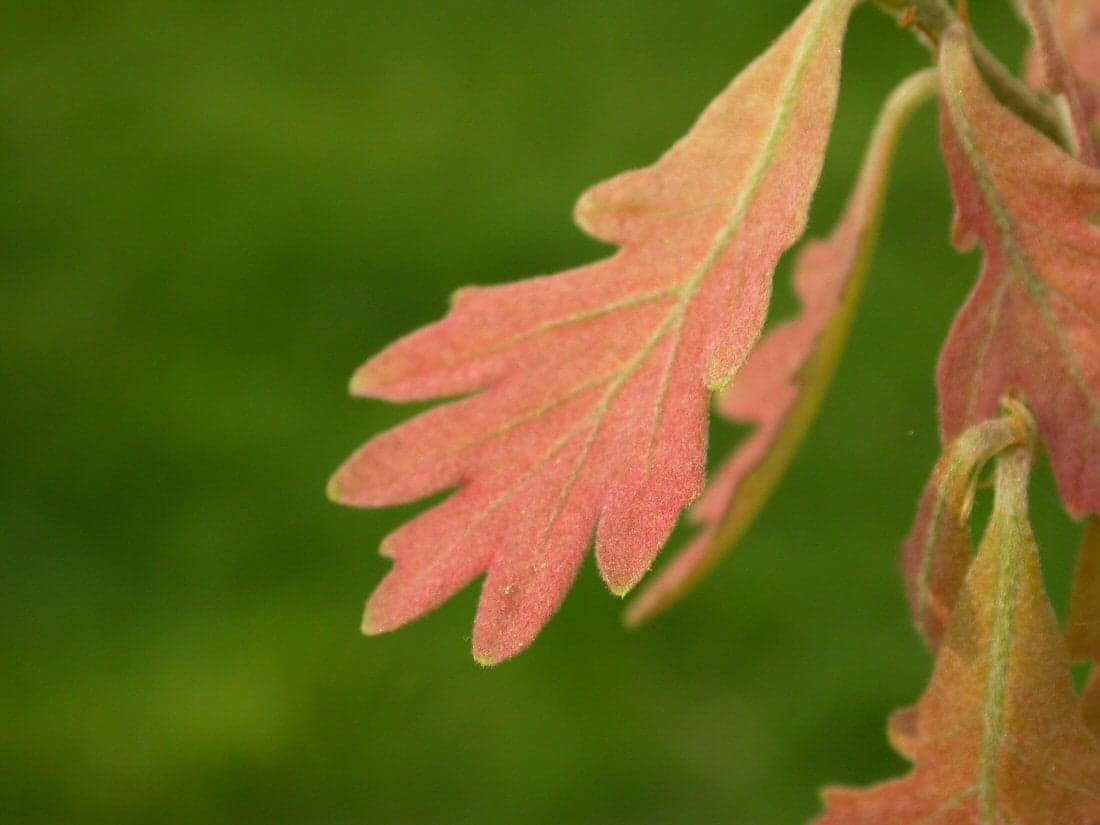
  • White Oak: Folha
    Folha
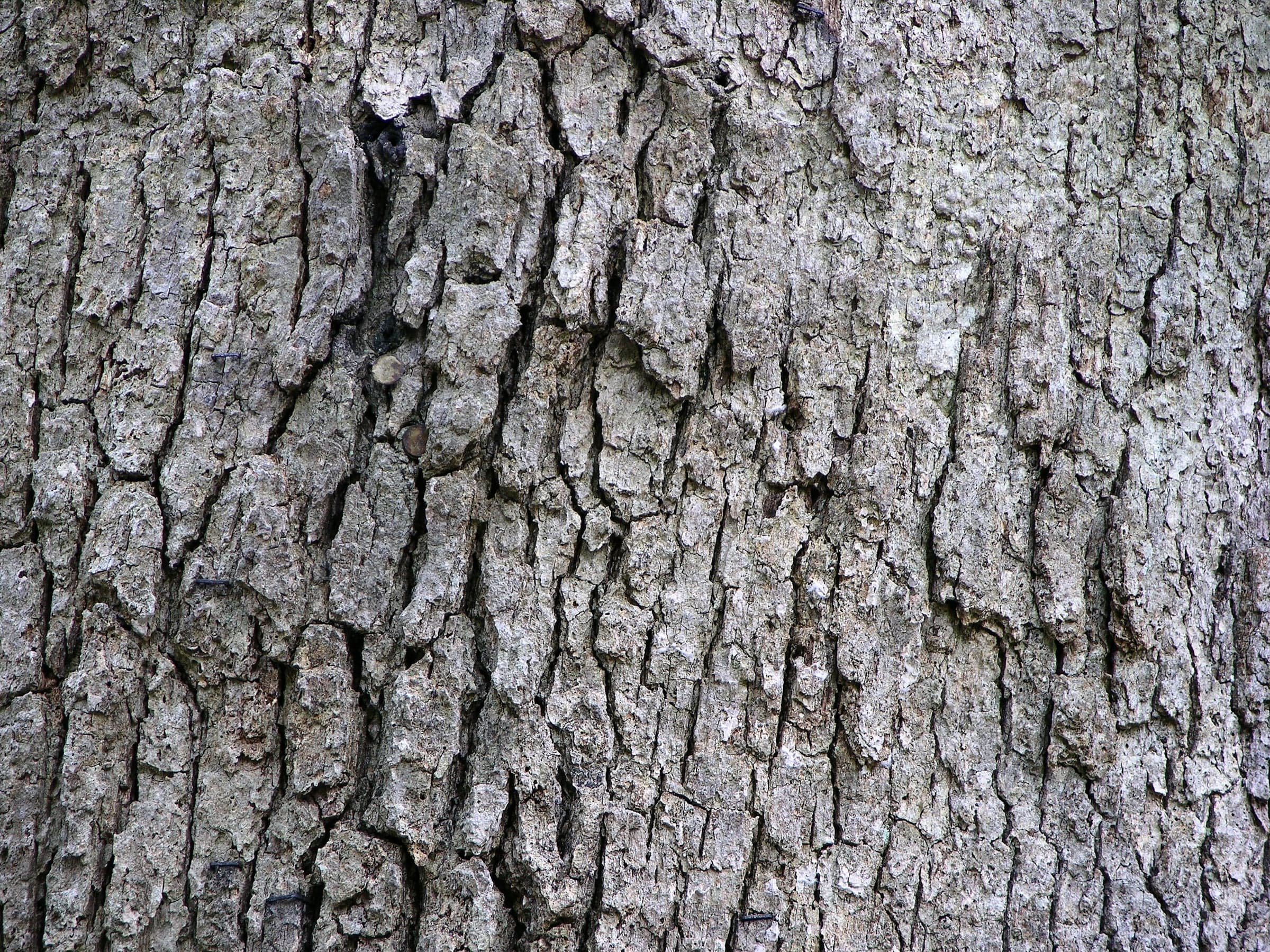
    White Oak: Casca
    Casca

    The movement problem#

    This is the one place white oak is harder work than European oak.

    Volumetric shrinkage of 15.5 percent is high, and the tangential to radial ratio of 10.0 against 5.5 percent is a wide differential. A wide flatsawn white oak top will cup meaningfully between seasons.

    Quartersawn stock roughly halves the across width movement and simultaneously exposes the ray fleck, which is a rare case of the more stable option also being the more beautiful one. For a wide top that must stay flat, quartersawn is the specification rather than an upgrade.

    Slabs need slow drying like all oak, and full acclimatisation in the room before final flattening.

    At the bench#

    It works well with hand and machine tools, glues reliably, takes stain and finish excellently, and steam bends very well.

    At 750 kg per cubic metre and 6,049 N Janka it is denser and harder than European oak, so it asks more of tooling and machines. Expect faster blunting and plan sharpening accordingly.

    The coarse open pores still need filling for a glass smooth surface, tyloses notwithstanding. The tyloses seal the vessels against liquid travel along the grain; they do not fill the surface texture.

    The iron reaction#

    Identical to every other oak. Tannins plus iron gives blue black staining, and it is worse in wet conditions, which matters because this is a species people actually use outdoors.

    Stainless or brass fixings throughout on any exterior white oak. Steel fixings in a garden bench will stain the wood black around every screw within a season.

    Where White Oak is the right answer#

    Exterior joinery, boatbuilding, garden furniture, cooperage, flooring, and interior work where the quartersawn ray fleck is the design intent.

    It is the wrong answer where budget is tight, since it costs more than European oak for properties that overlap heavily, and where a wide flatsawn top has to stay flat without the cost of quartersawing.

    Sourcing and EUDR#

    Not CITES listed and assessed as Least Concern. Quercus alba is native to eastern North America, so European buyers are importing unless they source European grown plantation material. As with Douglas Fir and red oak, the imported chain carries longer documentation under EUDR and higher transport carbon than an equivalent European species. Where the tyloses are not specifically required, European oak at decay class 2 covers most of the same ground with a shorter chain.

    Where quartersawn white oak actually comes from#

    Quartersawn white oak costs more than flatsawn for a simple geometric reason: you get less of it from a log.

    Flatsawing runs the saw straight through, producing the maximum yield of wide boards. Quartersawing cuts radially so the growth rings meet the face at close to ninety degrees, which is what exposes the rays and gives the stability. It produces narrower boards, more offcuts and considerably more handling.

    Rift sawing sits between the two, cutting at an intermediate angle to give straight grain without the ray fleck.

    For a slab buyer the practical point is that a genuinely quartersawn wide slab is close to a contradiction. Width and quartersawing pull against each other, because a radial cut is limited by the radius of the log. A very wide white oak slab is almost certainly flatsawn through the middle, which is where the movement is greatest.

    Reading the sapwood line#

    White oak sapwood is pale, narrow and, unlike the heartwood, has no tyloses and no durability.

    On an interior piece it is cosmetic and sound. On anything exterior, a sapwood edge is the part that will rot first, and leaving it on a garden bench undoes much of the reason for choosing white oak in the first place.

    If the slab is going outside, cut the sapwood off or accept that it is a sacrificial edge.

    +

    More than European oak. Volumetric shrinkage is 15.5 percent with tangential at 10.0 against radial at 5.5 percent, a wide differential. Flatsawn boards cup noticeably. Quartersawn white oak is markedly more stable and is the specification for anything wide that must stay flat, which is also where the ray fleck shows.

    Can I use it for a chopping board?

    +

    It is rated food safe and the tyloses that block its pores make it far more suitable than red oak, which KORENA records as not food safe. It has been used for food storage and cooperage for centuries. A dense closed grain wood such as hard maple is still easier to keep clean for a board in daily use.

    Retração ao longo dos anéis de crescimento. É este o movimento das tábuas de corte tangencial e da maioria das pranchas.
    10.0–11.0 %
    Retração volumétricaAlteração total do volume entre o estado verde e a secagem em estufa. Um valor menor indica maior estabilidade.15.5–17.0 %
    Durabilidade natural (EN 350)Norma europeia de resistência natural à deterioração, de 1 (muito durável) a 5 (perecível).Class 2 — Durable

    Fontes

    • The Wood Database(consultado em 2026-05-09)
    • USDA FPL Wood Handbook FPL-GTR-190 (2010)(consultado em 2026-05-09)
    • Meier, E. — WOOD! Identifying and Using Hundreds of Woods Worldwide (2015)(consultado em 2026-05-09)

    Resumo

    Os níveis usam intervalos fixos em todas as espécies apresentadas pela KORENA, permitindo a comparação direta. O valor medido aparece por baixo de cada um.
    DurezaResistência a mossas e desgasteDura

    Dureza Janka: 6049 N

    21 % mais dura do que o carvalho-europeu

    PesoPeso da prancha ao levantarMuito pesado

    750 kg/m³

    EstabilidadeGrau de movimento ao longo das estaçõesMove-se muito

    16,3 % de retração volumétrica

    TrabalhoSerrar, aplainar, lixar e colarModerada

    3,7 / 5 de média na bancada

    Uso exteriorResistência natural à deterioração, EN 350Exterior

    EN 350 classe 2

    • Serrar · Muito boaQualidade do corte e desgaste causado nas lâminas.1 = difícil · 5 = excelente
    • Aplainar · BoaSuavidade da superfície e tendência para arrancar fibras.1 = difícil · 5 = excelente
    • Lixar · Muito boaRapidez com que fica lisa sem entupir a lixa.1 = difícil · 5 = excelente
    • Tornear · Muito boaQualidade do corte e do acabamento no torno.1 = difícil · 5 = excelente
    • Entalhar · BoaNitidez com que conserva os pormenores feitos com goiva.1 = difícil · 5 = excelente
    • Colar · Muito boaFiabilidade das uniões coladas.1 = difícil · 5 = excelente
    • Fixação de parafuso / prego · Muito boaCapacidade de segurar parafusos e pregos sem rachar.1 = difícil · 5 = excelente
    • Curvatura a vapor · ExcelenteCapacidade de formar curvas depois de tratada a vapor.1 = difícil · 5 = excelente

    Ainda não há referência de mercado para White Oak. Cada peça KORENA recebe um preço individual do respetivo parque parceiro.

    Curva bem
    Classificação de 5 em 5 para curvatura a vapor. Permite curvas apertadas.

    A ter em conta

    • Move-se mais do que a maioriaTampos largos precisam de fixadores ou ferragens com rasgos e de espaço para se moverem. Use abaixo a calculadora de movimento.
    • Pó irritanteUse extração e máscara ao lixar ou maquinar.

    Toque numa etiqueta para ver os detalhes.