KORENA
DrevoFinished piecesMateriálPartnerské skladyMagazín

Dostávajte upozornenia

Každá fošňa je jedinečná. Keď sa predá, ďalšia rovnaká už nebude. Pri zaradení nových kusov vám pošleme e-mail: nové prírastky, nové dreviny a dosky vybrané podľa zadania projektu.

Niekoľko e-mailov mesačne. Žiadny spam, odber môžete kedykoľvek zrušiť.

KORENA, prémiové tvrdé drevo

Jeden kus za druhým.

Overené prémiové tvrdé drevo predávané po jednotlivých kusoch. Každú fošňu fotografujeme, meriame a odosielame z partnerského skladu s pasom dreva.

Obchod

  • Prezerať produkty
  • Archív predaných fošní
  • Sledovať objednávku

Informácie

  • Magazín
  • Sprievodcovia druhmi
  • Slovník
  • Porovnanie
  • Autori

Pomoc

  • O nás
  • Ako to funguje
  • Stať sa partnerským skladom
  • Nájsť fošňu
  • Podpora
  • Vzory dokumentov
  • Pre médiá

Nákup

  • Podmienky predaja
  • Právo na odstúpenie
  • Vrátenie a záruka
  • Preprava a doručenie

Dôvera

  • Zásady ochrany súkromia
  • Zásady používania súborov cookie
  • Pôvod dreva a EUDR
  • Prístupnosť

Tiráž

  • Právne informácie / Tiráž
  • Prijateľné používanie
  • Duševné vlastníctvo a obsah

© 2026 KORENA. Všetky práva vyhradené.

Prevádzkovateľom je Martial Labs Ltd. (BG, EIK 207453941). KORENA je obchodný názov spoločnosti Martial Labs Ltd.

Rešpektujeme vaše súkromie

Používame nevyhnutné súbory cookie, aby stránka fungovala. S vaším súhlasom by sme používali aj súbory cookie na analytiku, prispôsobenie obsahu a reklamu. Svoje rozhodnutie môžete kedykoľvek zmeniť na stránke nastavení súhlasu. Pozrite si naše zásady používania súborov cookie a zásady ochrany súkromia.

  1. Domov
  2. /
  3. Dreviny
  4. /
  5. Aleppo Pine

Pinus halepensis

Aleppo Pine

The pine of dry Mediterranean coasts. Irregular, resinous and awkward to machine, with the lowest measured shrinkage of anything KORENA lists.

  • Pestované a vyťažené v Európe.
  • Botanická skupina. Ihličnaté dreviny sú ihličnany, listnaté dreviny sú širokolisté stromy.
  • Botanická čeľaď, do ktorej drevina patrí.
Upozorniť ma, keď pribudneReferenčná drevina. Momentálne nie je skladom žiadny kus.
  • Vhodnosť na projekt
  • Skladom
  • Vzhľad
  • Opracovanie
  • Pohyb dreva
  • Cena
  • Bezpečnosť a pôvod
  • Otázky
  • Technické údaje

Hodí sa na váš projekt?

Výborné na

  • Rustic furniture
  • Panelling
  • Carcass work
  • Shelving
  • Decorative slabs

Silné stránky

  • Veľmi stabilnéMalý sezónny pohyb. Vhodné na široké dosky a presné spoje.

Pozor

  • Prach dráždiPri brúsení alebo obrábaní používajte odsávanie a noste masku.

Ťuknutím na štítok zobrazíte podrobnosti.

Drevina Aleppo Pine nie je v aktuálnej ponuke

Podobné dreviny skladom

Drevina Aleppo Pine momentálne nie je dostupná. Tieto dreviny sa hodia na rovnaké projekty a sú z nich dostupné kusy.

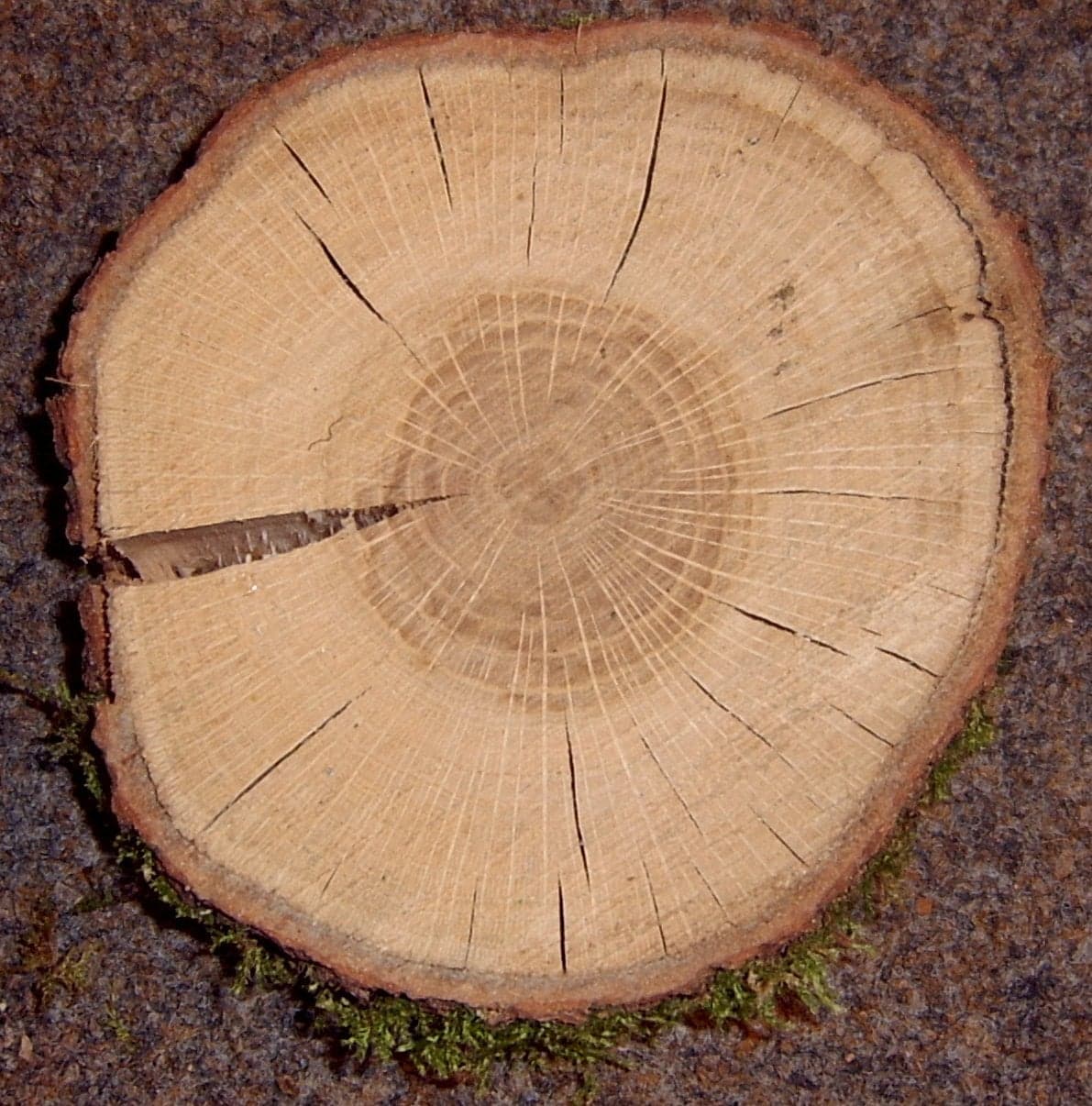
  • Kresba dreva European Oak

    European Oak

    Quercus robur

    6 kusov

  • Kresba dreva European Walnut

    European Walnut

    Juglans regia

    9 kusov

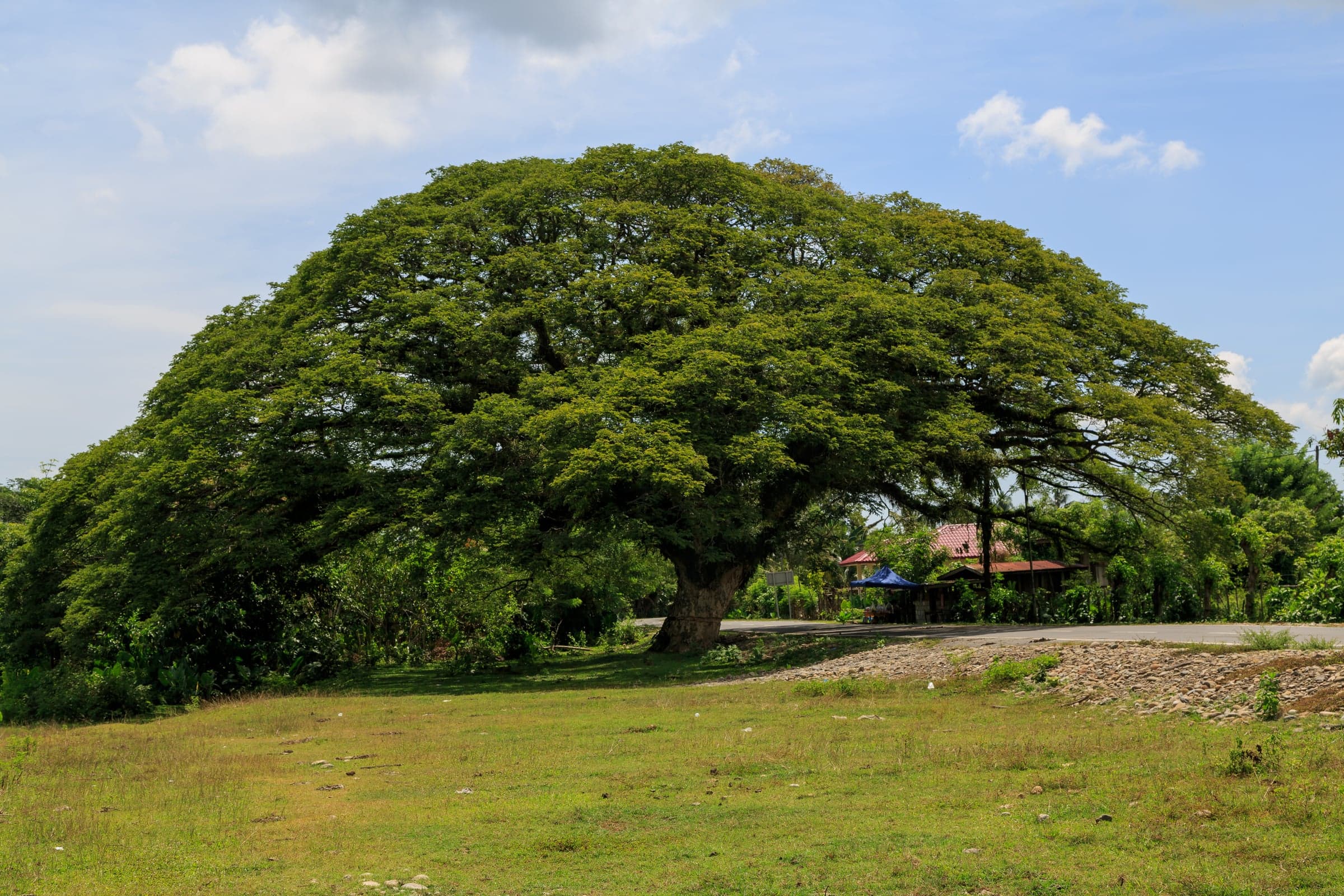
  • Kresba dreva Saman

    Saman

    Samanea saman

    4 kusy

Upozorniť na drevinu Aleppo Pine

Keď na KORENA pribudnú nové fošne z dreviny Aleppo Pine, pošleme vám e-mail. Každý kus je jedinečný, preto sa oplatí vedieť o ňom včas.

Niekoľko e-mailov mesačne. Žiadny spam, odber môžete kedykoľvek zrušiť.

Vzhľad dreva

Ako vyzerá

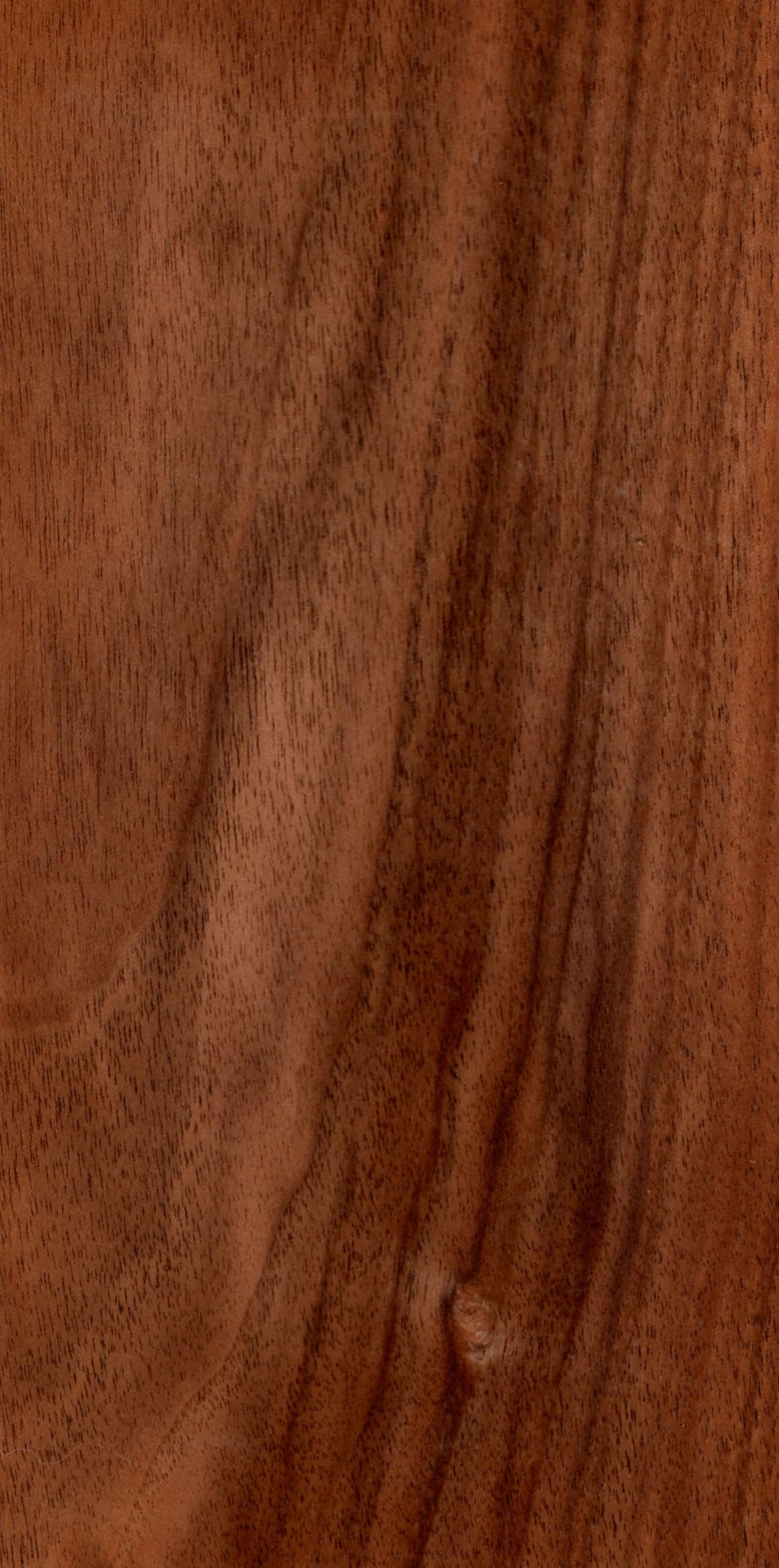
Pale yellow to light brown, often with an orange tint in the heartwood, against wide pale sapwood. Growth is fast and irregular where conditions are dry, so ring width varies noticeably within a single board and the grain is frequently wavy rather than straight. Knots are common. It reads as a rougher, more variable wood than the northern pines.

  • Pale yellow to light brown with an orange tint
  • Wide and irregular growth rings reflecting drought driven growth
  • Frequently wavy grain rather than straight
  • Straight grain with irregular ring width from drought-driven growth; frequently wavy. Coarse texture, pale yellow to light brown with an orange tint against wide pale sapwood.

Opracovanie

Opracovanie

  • Pílenie · DobráAko čisto sa reže a ako veľmi opotrebúva pílové listy.1 = náročné · 5 = výborné

Resinous and variable. The wavy and irregular grain typical of drought grown stock causes tear-out where the grain direction reverses, which it does often. Light cuts, sharp tooling and a scraper for the final surface are the practical answer. Resin loads blades and abrasives as it does in the other Mediterranean pines. It glues acceptably once surfaces are clean of resin.

Povrchová úprava

Wipe with denatured alcohol or acetone before finishing to lift surface resin. Pigment stains blotch, as in all the pines, so a dye or a clear finish is safer. Seal knots with shellac before painting. The orange tint in the heartwood deepens with light exposure.

Sušenie

Prone to distortion because the grain is irregular and ring width uneven, so expect more spring and bow on ripping than in a northern pine. Measured shrinkage from the cited study is comparatively low at around 8.3 percent volumetric, with radial at 3.8 and tangential at 4.8 percent, and the unusually narrow gap between those two figures suggests good dimensional behaviour once dry. Those values come from Algerian material and regional variation in this species is wide.

Ako veľmi bude pracovať?

Drevo sa so zmenou vlhkosti vzduchu naprieč šírkou rozťahuje a zosycha. Pred návrhom spojov odhadnite sezónny pohyb dosky z dreviny Aleppo Pine.

Rez
Kde sa bude používať

Očakávaný sezónny pohyb

približne 5,4 mm

Dosku upevnite príchytkami alebo drážkovanými konzolami, nie lepidlom či pevne utiahnutými skrutkami.

Model lineárneho zosychania: šírka × (zosychanie ÷ 28 % nasýtenie vlákien) × sezónna zmena vlhkosti. Pre drevinu Aleppo Pine používa 4,76 % tangenciálne zosychanie. Ide o plánovací odhad, nie záruku.

Koľko stojí

Pre drevinu Aleppo Pine zatiaľ nemáme referenčnú trhovú cenu. Každý kus KORENA oceňuje jeho partnerský sklad samostatne.

Bezpečnosť a pôvod

  • Pestované a vyťažené v Európe.
  • Working with pine has been reported to cause allergic skin reactions and asthma-like symptoms in some people. This species is resinous, so skin contact sensitisation over repeated exposure is a realistic risk. Gloves and good extraction are appropriate.

  • Pinus halepensis is the characteristic pine of the Mediterranean basin, growing from Spain and southern France across Italy, Greece and the Balkans to North Africa and the Levant. It tolerates drought and poor limestone soils better than any other pine here, which is why it dominates dry coastal landscapes and is planted heavily for erosion control.

  • Not listed in the CITES Appendices. Aleppo Pine is abundant across the Mediterranean and widely planted for erosion control on degraded land, so supply is not constrained. Fire is the dominant pressure on these forests, and large burn events regularly push salvage material into regional markets. The species is fire adapted and regenerates readily, but salvage stock should be identified as such.

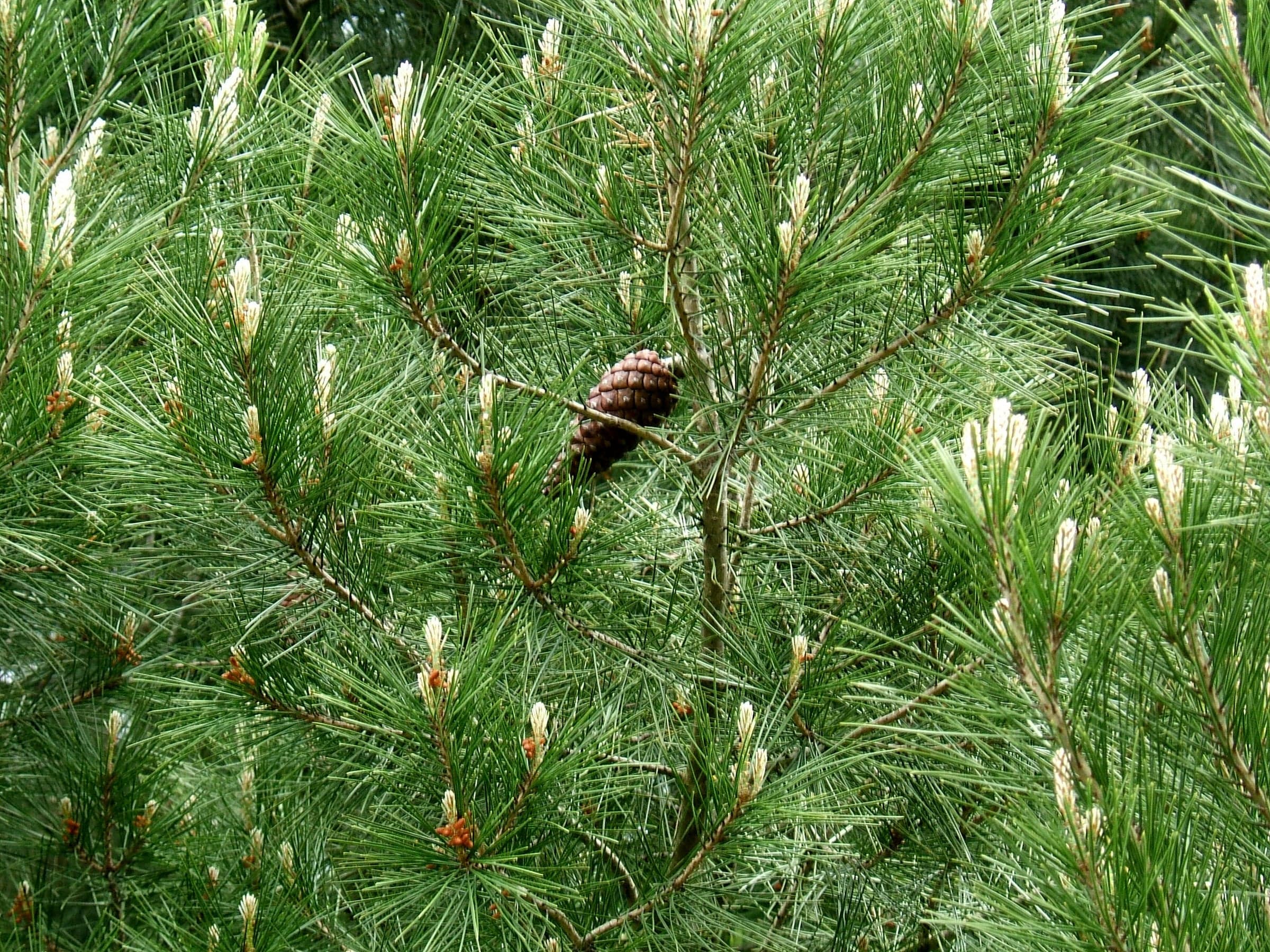
Aleppo Pine: List
List
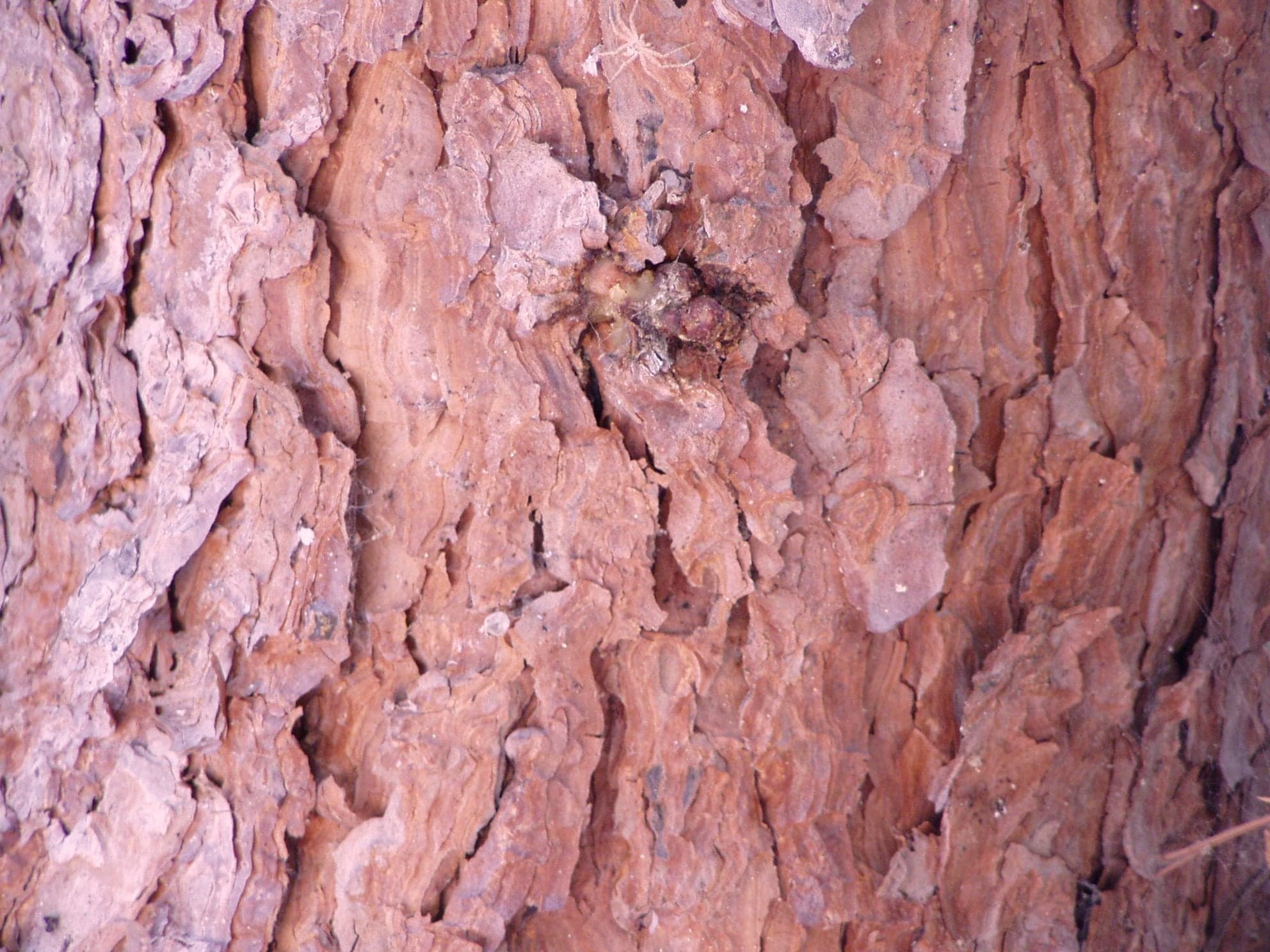
Aleppo Pine: Kôra
Kôra
Prečítať celý sprievodcaPodrobné poznámky o kresbe, zmene farby, opracovaní a stabilite.+

What Aleppo Pine actually is#

Pinus halepensis is the pine you have seen on every dry Mediterranean hillside, from Spain and southern France across Italy, Greece and the Balkans to North Africa and the Levant. It tolerates drought and thin limestone soils better than any other pine in this catalogue, which is why it dominates degraded coastal landscapes and is planted heavily for erosion control.

That toughness in the field translates into an awkward timber. Growing under water stress produces irregular ring width, frequently wavy grain, and a lot of knots. It is a rougher and more variable wood than the northern pines, and it should be chosen for what it looks like rather than in spite of it.

What the numbers do and do not cover#

This species has partial data, and the gaps are worth explaining.

Density is listed at 540 kg per cubic metre, which sits between Maritime Pine at 500 and Scots Pine at 550. Modulus of rupture and shrinkage are also listed. All of these come from a single peer-reviewed study of Algerian material, cited on the species record.

There is no Janka hardness value and no elastic modulus. The general reference works do not publish a Janka figure for this species, and the study that measured stiffness did so under EN 310, a panel testing standard whose results are not comparable to the clear-wood values published for the other species here. Presenting 17.5 GPa next to Scots Pine at 10.08 GPa would imply a stiffness ranking that the test basis does not support, so the field is left empty rather than filled misleadingly.

There is also no durability rating, which matters practically: it means there is no sourced basis for recommending this wood outdoors.

The shrinkage figure is the interesting one#

The cited study measured volumetric shrinkage at around 8.3 percent, radial at 3.8 percent and tangential at 4.8 percent. That volumetric figure is the lowest in the entire KORENA catalogue, well below Maritime Pine at 14.4 percent.

More important than the headline number is the gap between radial and tangential. Cupping in a flatsawn board is driven by the difference between those two, and most species here run a ratio close to two to one. Aleppo Pine at 3.8 against 4.8 is far closer to one to one, which predicts unusually good behaviour across a wide flatsawn face.

Two caveats. The values come from Algerian material and this species varies widely across a very large range. And low shrinkage does not compensate for irregular grain, which causes its own distortion on drying regardless of how little the wood shrinks overall.

At the bench#

Expect tear-out. The wavy and irregular grain reverses direction within a single pass more often than in a northern pine, and a heavy cut will lift fibres wherever it does.

The working method that suits this wood is light cuts, sharp tooling, and a final surface produced with a card scraper or a high angle plane rather than by machining flat in one go. A helical cutterhead earns its cost here.

Resin loads blades and abrasives at roughly the level of Maritime Pine, which is to say constantly. Clean blades between operations and treat sandpaper as consumable. Wipe joint faces with acetone before glue-up, because resin on a jointed surface will compromise the bond.

Finishing#

Solvent wipe first, as with the other resinous Mediterranean pines: denatured alcohol or acetone, allowed to flash off, before any oil goes on. Skipping it produces patchy curing that only becomes visible after the work is finished.

Pigment stains blotch, so use a dye or leave it clear. Seal every knot with shellac before a painted finish. The orange tint in the heartwood deepens with light exposure.

Where Aleppo Pine is the right answer#

Rustic furniture, panelling, carcass work, shelving and decorative slabs where the irregular figure and knot pattern are wanted, and where the excellent flatsawn stability is useful.

It is the wrong answer for fine work, for anything requiring a calculated load path given the missing stiffness data, and for exterior use, where no durability rating exists to support the decision.

Sourcing and EUDR#

Not listed in the CITES Appendices. Supply is not constrained: the species is abundant across the Mediterranean and planted extensively on degraded land. Fire is the dominant pressure on these forests, and large burn events regularly push salvage volumes into regional markets. Aleppo Pine is fire adapted and regenerates readily, so salvage material is legitimate, but it should be identified rather than discovered. KORENA listings record the originating yard and region.
Otázky kupujúcich

Otázky kupujúcich

Why is there no Janka hardness listed for Aleppo Pine?

+

KORENA publishes a figure only where a cited source supports it. The general reference works do not carry a Janka value for Pinus halepensis, and the one peer-reviewed dataset available covers density, bending strength and shrinkage but not hardness. Rather than borrow a number from another Mediterranean pine, the field is left empty. Density is listed at 540 kg per cubic metre, which places it between Maritime Pine and Scots Pine.

How stable is it?

+

Better than its rough appearance suggests. The cited study measured volumetric shrinkage at around 8.3 percent, the lowest figure in this catalogue, with radial at 3.8 and tangential at 4.8 percent. That narrow gap between radial and tangential is what governs cupping, and it is unusually favourable. The caveat is that these values come from Algerian material and this species varies widely across its range.

Why does it tear out so much when I plane it?

+

Drought driven growth produces irregular ring width and frequently wavy grain, so the grain direction reverses within a single pass more often than in a northern pine. Take light cuts, keep tooling sharp, and produce the final surface with a scraper or a high angle plane rather than trying to machine it flat in one go.

Is the bending strength figure really that high?

+

The cited study reports 116.4 MPa modulus of rupture for clear wood specimens under DIN 52186, which is higher than Scots Pine at 83.3 MPa and worth treating with appropriate care. It was measured on defect free samples of Algerian material, and the same paper notes that defects reduce mechanical properties by roughly 11 to 15 percent. Real boards have knots.

Can it be used outdoors?

+

No durability rating is established for this species in the sources KORENA cites, so there is no honest basis for recommending it outdoors. Mediterranean pines generally are not durable untreated. European Larch is the species in this catalogue with a sourced durability rating suitable for exterior use.

Mechanické vlastnosti

Technické údaje

Zverejnené referenčné hodnoty. Ak sa zdroje nezhodujú, uvádza sa rozsah a v stupniciach vyššie sa používa typická hodnota.

Hustota (kg/m³)Hmotnosť kubického metra pri vlhkosti približne 12 %. Ťažšie drevo býva tvrdšie a pevnejšie.500–580 kg/m³typická hodnota 540 kg/m³
MOR: modul pevnosti v ohybe (MPa)Pevnosť v ohybe: zaťaženie, pri ktorom sa nosník zlomí.116 MPa
Radiálne zosychanieZosychanie naprieč letokruhmi od čerstvého po úplne vysušené drevo. Takto pracujú radiálne rezané dosky.3.8 %
Tangenciálne zosychanieZosychanie pozdĺž letokruhov. Takto pracujú tangenciálne rezané dosky a väčšina fošní.4.8 %
Objemové zosychanieCelková zmena objemu od čerstvého po úplne vysušené drevo. Nižšia hodnota znamená vyššiu stabilitu.8.3 %

Zdroje

  • Bourahla et al. — The physicomechanical and thermal properties of Algerian Aleppo pine (Pinus halepensis) wood, iForest 15: 106-111 (2022). Clear-wood specimens; density per NF B51-005, bending per DIN-52186, shrinkage per NF B51-006.(prístup 2026-08-12)

Stručný prehľad

Úrovne používajú rovnaké pevné pásma pri všetkých drevinách v ponuke KORENA, takže sa dajú priamo porovnať. Nameraná hodnota je uvedená pod každou úrovňou.
HmotnosťAká ťažká je fošňa pri dvíhaníĽahké

540 kg/m³

StabilitaAko málo sezónne pracujeVeľmi stabilné

Objemové zosychanie 8,3 %

OpracovaniePílenie, hobľovanie, brúsenie a lepenieNáročnejšie

Priemerné dielenské hodnotenie 3,1 / 5

Hobľovanie · Dobrá
Aký hladký povrch zostáva po hobľovaní a ako veľmi sa vytrhávajú vlákna.
1 = náročné · 5 = výborné
  • Brúsenie · PriemernáAko rýchlo sa vybrúsi dohladka bez upchávania brúsneho papiera.1 = náročné · 5 = výborné
  • Sústruženie · DobráAko sa reže a dokončuje na sústruhu.1 = náročné · 5 = výborné
  • Rezbárske opracovanie · DobráAko ostro zachováva detaily pri práci dlátom.1 = náročné · 5 = výborné
  • Lepenie · Veľmi dobráAko spoľahlivo držia lepené spoje.1 = náročné · 5 = výborné
  • Držanie skrutiek / klincov · Veľmi dobráAko dobre drží skrutky a klince bez praskania.1 = náročné · 5 = výborné
  • Ohýbanie parou · DobráAko dobre sa ohýba po naparení.1 = náročné · 5 = výborné