KORENA
DrevoFinished piecesMateriálPartnerské skladyMagazín

Dostávajte upozornenia

Každá fošňa je jedinečná. Keď sa predá, ďalšia rovnaká už nebude. Pri zaradení nových kusov vám pošleme e-mail: nové prírastky, nové dreviny a dosky vybrané podľa zadania projektu.

Niekoľko e-mailov mesačne. Žiadny spam, odber môžete kedykoľvek zrušiť.

KORENA, prémiové tvrdé drevo

Jeden kus za druhým.

Overené prémiové tvrdé drevo predávané po jednotlivých kusoch. Každú fošňu fotografujeme, meriame a odosielame z partnerského skladu s pasom dreva.

Obchod

  • Prezerať produkty
  • Archív predaných fošní
  • Sledovať objednávku

Informácie

  • Magazín
  • Sprievodcovia druhmi
  • Slovník
  • Porovnanie
  • Autori

Pomoc

  • O nás
  • Ako to funguje
  • Stať sa partnerským skladom
  • Nájsť fošňu
  • Podpora
  • Vzory dokumentov
  • Pre médiá

Nákup

  • Podmienky predaja
  • Právo na odstúpenie
  • Vrátenie a záruka
  • Preprava a doručenie

Dôvera

  • Zásady ochrany súkromia
  • Zásady používania súborov cookie
  • Pôvod dreva a EUDR
  • Prístupnosť

Tiráž

  • Právne informácie / Tiráž
  • Prijateľné používanie
  • Duševné vlastníctvo a obsah

© 2026 KORENA. Všetky práva vyhradené.

Prevádzkovateľom je Martial Labs Ltd. (BG, EIK 207453941). KORENA je obchodný názov spoločnosti Martial Labs Ltd.

Rešpektujeme vaše súkromie

Používame nevyhnutné súbory cookie, aby stránka fungovala. S vaším súhlasom by sme používali aj súbory cookie na analytiku, prispôsobenie obsahu a reklamu. Svoje rozhodnutie môžete kedykoľvek zmeniť na stránke nastavení súhlasu. Pozrite si naše zásady používania súborov cookie a zásady ochrany súkromia.

  1. Domov
  2. /
  3. Dreviny
  4. /
  5. European Yew

Taxus baccata

European Yew

Rare, culturally significant, and exceptionally durable. Dramatic orange-red heartwood against cream sapwood, and the wood of the English longbow.

  • Pestované a vyťažené v Európe.
  • Botanická skupina. Ihličnaté dreviny sú ihličnany, listnaté dreviny sú širokolisté stromy.
  • Botanická čeľaď, do ktorej drevina patrí.
Upozorniť ma, keď pribudneReferenčná drevina. Momentálne nie je skladom žiadny kus.
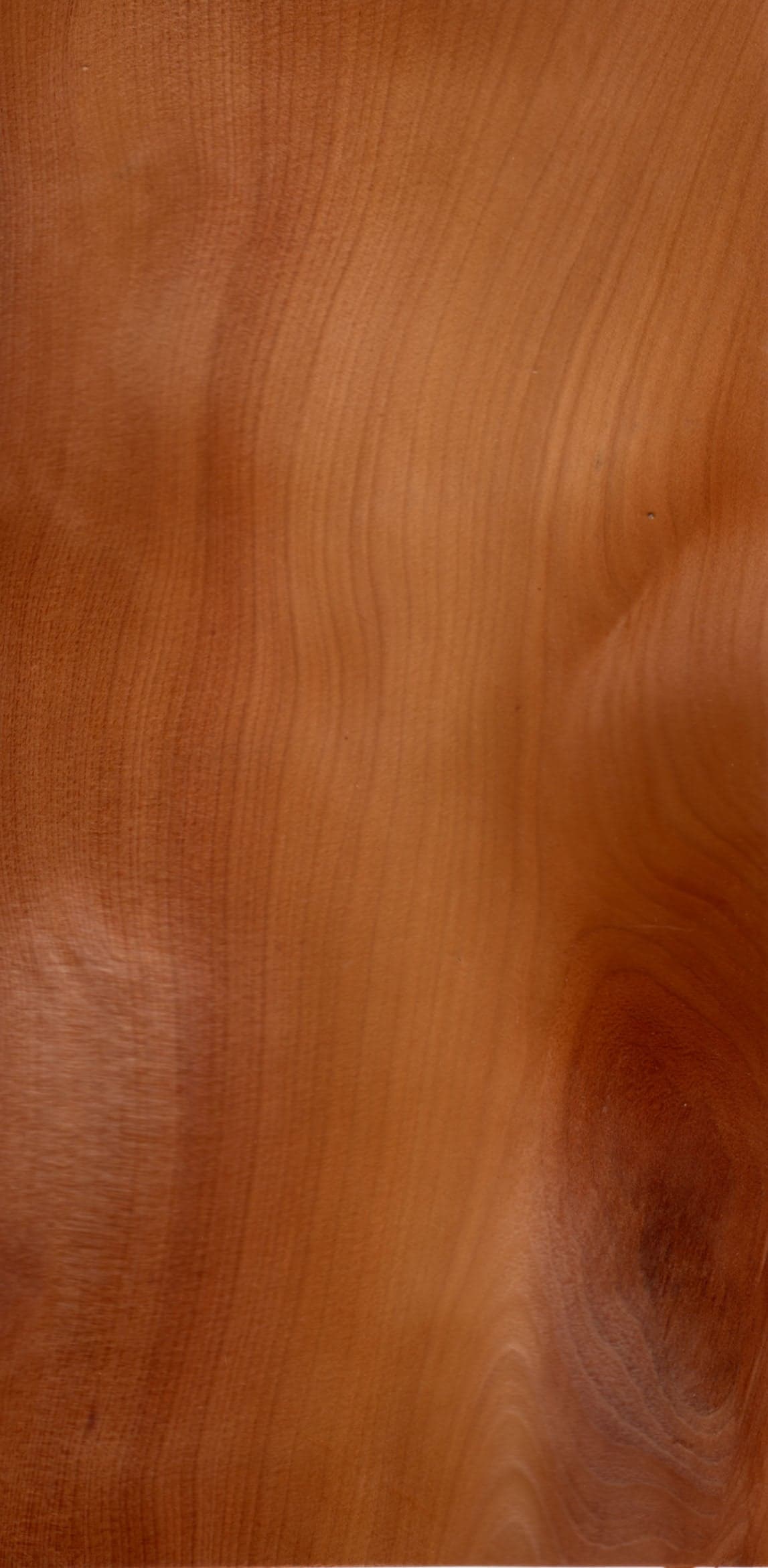
Kresba dreva European Yew
  • Vhodnosť na projekt
  • Skladom
  • Vzhľad
  • Opracovanie
  • Pohyb dreva
  • Cena
  • Bezpečnosť a pôvod
  • Otázky
  • Technické údaje

Hodí sa na váš projekt?

Výborné na

  • Turned bowls, vessels, and spindles (a traditional turner's wood)
  • Longbows and traditional archery stock
  • Decorative wall panels and feature surfaces
  • Cabinet accents, drawer fronts, and inlay
  • Small statement furniture, side tables, stools, lamp bases
  • Carved and sculptural pieces

Drevina European Yew nie je v aktuálnej ponuke

Podobné dreviny skladom

Drevina European Yew momentálne nie je dostupná. Tieto dreviny sa hodia na rovnaké projekty a sú z nich dostupné kusy.
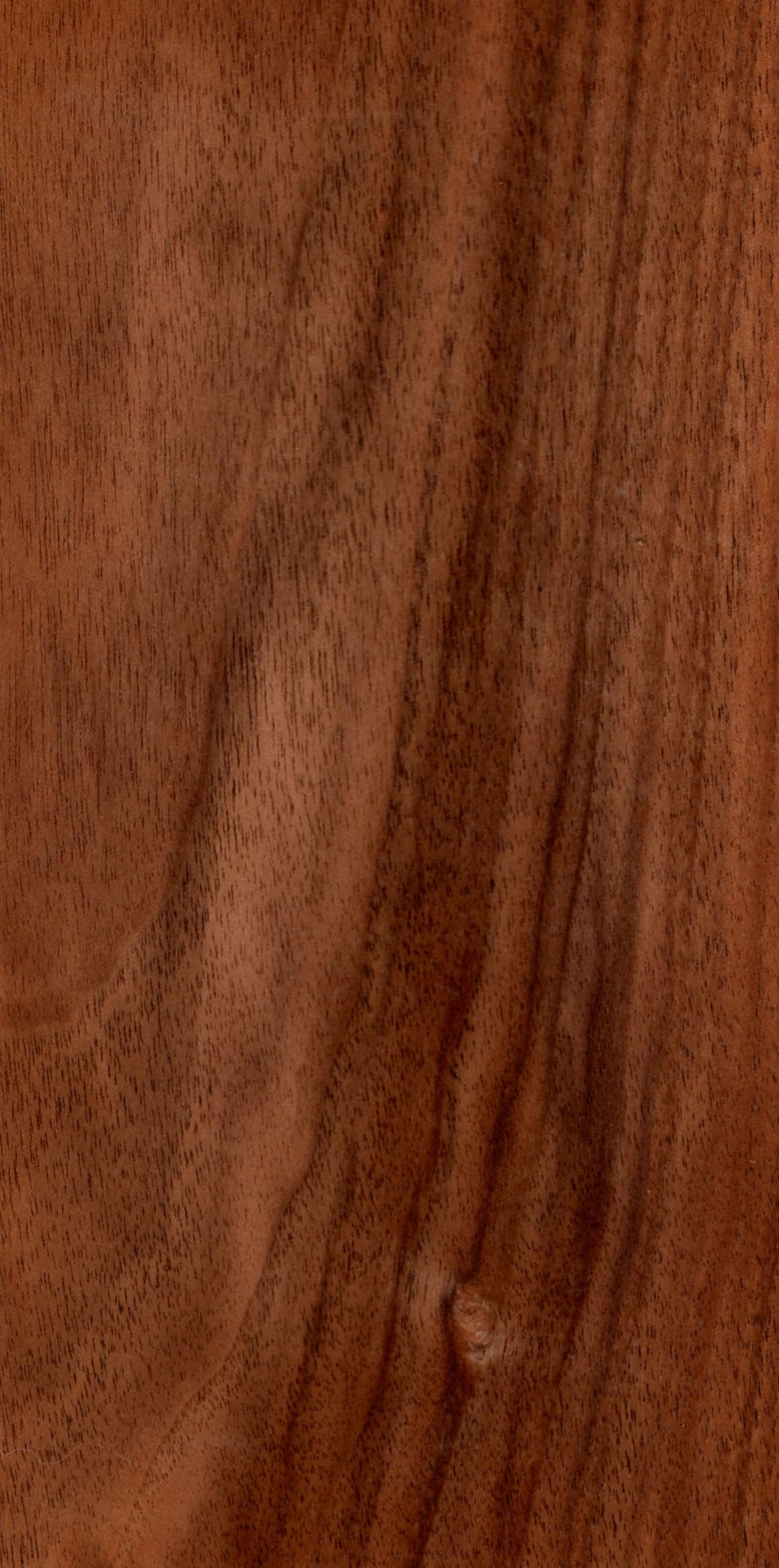
  • Kresba dreva European Walnut

    European Walnut

    Juglans regia

    9 kusov

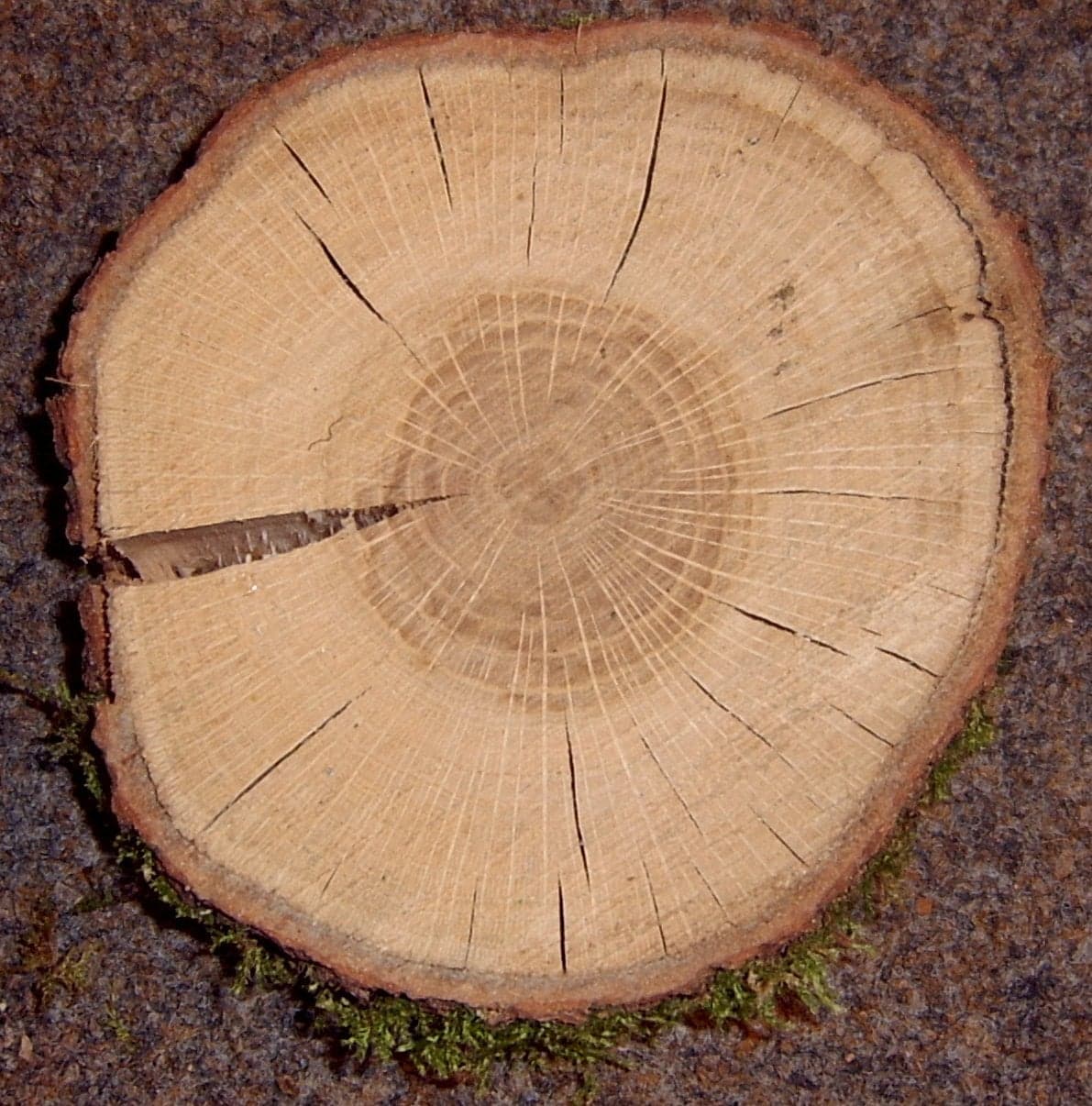
  • Kresba dreva European Oak

    European Oak

    Quercus robur

    6 kusov

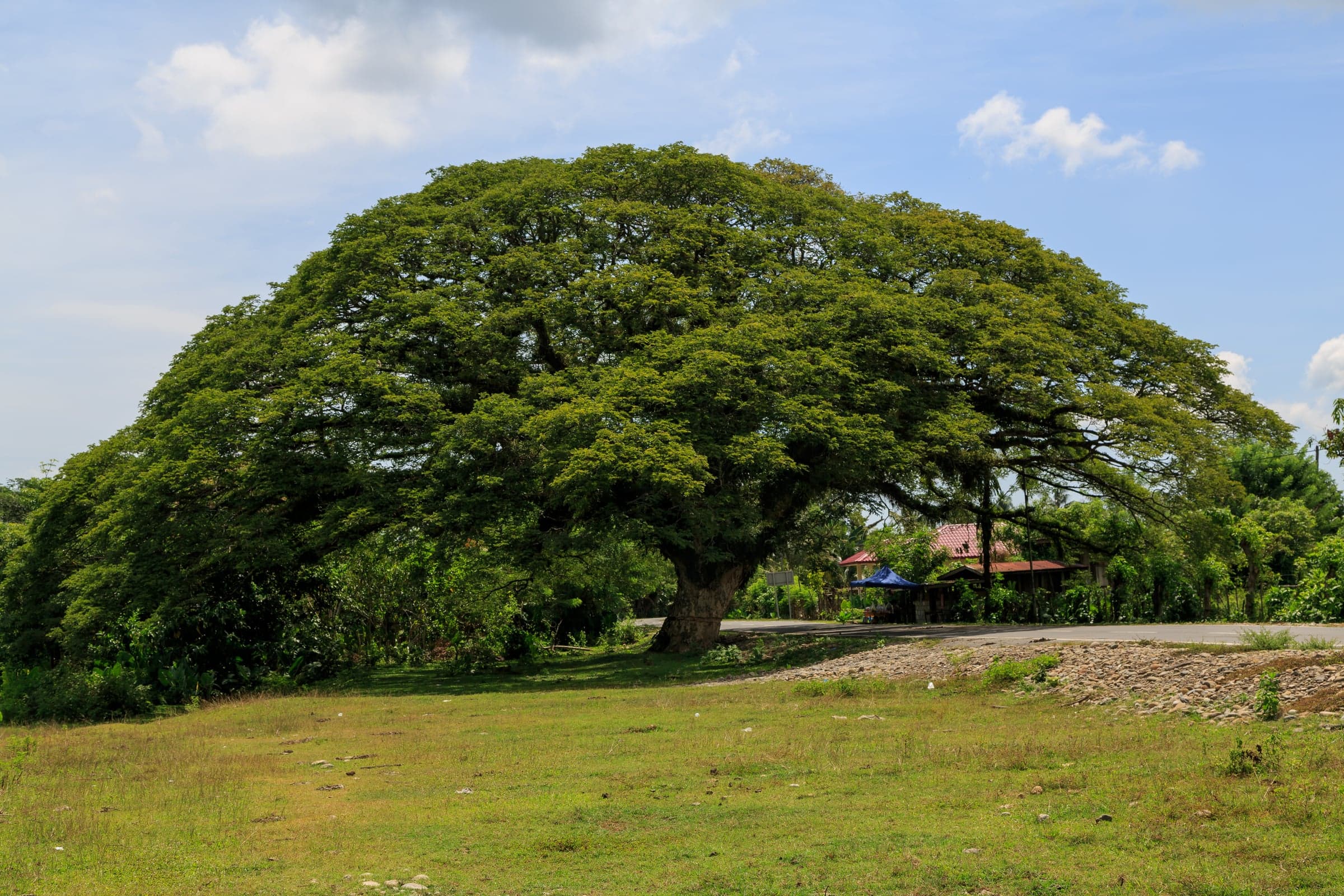
  • Kresba dreva Saman

    Saman

    Samanea saman

    4 kusy

Upozorniť na drevinu European Yew

Keď na KORENA pribudnú nové fošne z dreviny European Yew, pošleme vám e-mail. Každý kus je jedinečný, preto sa oplatí vedieť o ňom včas.

Niekoľko e-mailov mesačne. Žiadny spam, odber môžete kedykoľvek zrušiť.

Vzhľad dreva

Ako vyzerá

Sharp two-tone contrast: warm orange-red to honey-brown heartwood beside pale cream sapwood. Grain is generally straight but often irregular around frequent pin knots and burl figure. Texture is fine and even, with a natural lustre that deepens under oil. Boards are typically narrow and full of incident, sweeping sapwood lines, knot clusters, and occasional burl pockets are the norm, not the exception.

  • Heartwood: warm orange-red to honey-brown, ambering over time
  • Sapwood: pale cream to near-white, sharply defined against the heart
  • Frequent pin knots and burl figure, often clustered
  • Natural lustre that deepens under oil and wax
  • Strong two-tone contrast that softens but never disappears with age
  • Generally straight, often irregular; fine even texture.

Opracovanie

Opracovanie

Turns superbly, one of the great turning woods, prized for centuries. Saws and sands cleanly. Planing is the catch: interlocked grain around knots tears easily, so take light passes with a sharp, high-angle iron or scrape. Holds detail well in carving. Glues and screws without fuss. Steam-bends well, which is why it became the longbow wood.

Povrchová úprava

Takes oil and wax beautifully, a thin oil coat ignites the orange-red heartwood without muddying the cream sapwood. Sands to a near-polished surface straight off the belt. Watch for resin pockets that can bleed under film finishes; seal first with shellac if you plan to lacquer. The colour darkens and ambers over time; UV-stable topcoats slow the shift but won't stop it.

Sušenie

Dries slowly but with very little movement once stable, shrinkage is among the lowest of any European species. End-checks and surface checks are the main risks during initial drying; slabs from fallen trees often arrive with existing checks that should be stabilised before milling final thickness.

Ako veľmi bude pracovať?

Drevo sa so zmenou vlhkosti vzduchu naprieč šírkou rozťahuje a zosycha. Pred návrhom spojov odhadnite sezónny pohyb dosky z dreviny European Yew.

Rez
Kde sa bude používať

Očakávaný sezónny pohyb

približne 6,1 mm

Dosku upevnite príchytkami alebo drážkovanými konzolami, nie lepidlom či pevne utiahnutými skrutkami.

Model lineárneho zosychania: šírka × (zosychanie ÷ 28 % nasýtenie vlákien) × sezónna zmena vlhkosti. Pre drevinu European Yew používa 5,3 % tangenciálne zosychanie. Ide o plánovací odhad, nie záruku.

Koľko stojí

Bezpečnosť a pôvod

  • Pestované a vyťažené v Európe.
  • Stav v Červenom zozname IUCN: globálne posúdenie ohrozenia tejto dreviny.
  • Yew is toxic. Taxine alkaloids are present throughout the tree, needles, bark, and seeds are dangerous, and the wood itself is a documented sensitiser. Heavy dust exposure has been linked to cardiac and CNS effects. Wear a fitted respirator, run extraction, and keep offcuts away from animals and children. NOT food-safe. Do not use for cutting boards, chopping blocks, utensils, serving boards, or any surface in contact with food or drink. Treat it as a decorative and structural wood only.

Prečítať celý sprievodcaPodrobné poznámky o kresbe, zmene farby, opracovaní a stabilite.+

What European Yew actually is#

Taxus baccata is a conifer that behaves like nothing else. At 6,760 N Janka it is harder than oak, ash or hard maple. At decay class 1 it is the most durable species in this catalogue alongside robinia. And it carries a colour that no other European timber approaches: vivid orange-red to purple-brown heartwood against narrow cream sapwood.

KORENA lists it as a hardwood on the basis of how it works and performs, though botanically it is a softwood. Treating it as a softwood at the bench would give you entirely the wrong expectations.

It is also poisonous, which governs a good deal of how it should be handled.

The toxicity, which is not a footnote#

Almost every part of the yew tree contains taxine alkaloids, which are cardiotoxic. The dust is a documented irritant and sensitiser, and the wood is recorded here as not food safe.

The practical rules are simple and worth following without exception. Run extraction and wear a mask when machining. Never use yew for chopping boards, food contact surfaces, drinking vessels or utensils. Keep shavings and offcuts away from animals, for which yew ingestion is frequently fatal, and never put them in bedding, mulch or compost.

None of this makes yew unsafe to own or to use in furniture. Finished, sealed yew is not a hazard. The risk is in the dust and the offcuts.

Otázky kupujúcich

Otázky kupujúcich

Is yew poisonous to work with?

+

Yes, and this needs taking seriously. Almost every part of the tree contains taxine alkaloids, which are cardiotoxic. The dust is a documented irritant and sensitiser, and yew is recorded here as not food safe. Run extraction, wear a mask, never use it for food contact or drinking vessels, and keep shavings away from animals, for which yew is often fatal.

Why is yew so expensive?

+

Slow growth, small sizes and high wastage. Yew grows very slowly, trunks are often hollow or fluted rather than round, and the proportion of clean usable timber from a log is low. Add high demand from turners and furniture makers for its colour and figure, and prices stay well above other European species.

How durable is it really?

+

Decay class 1, very durable, the highest rating in this catalogue alongside robinia. Yew heartwood is exceptionally resistant to rot and insect attack, which is why yew fence posts and structures survive for generations and why it was used for water pipes and boat parts.

Is it a softwood or a hardwood?

+

Botanically yew is a conifer and therefore a softwood, but it behaves nothing like one. At 6,760 N Janka it is harder than oak, ash or maple, and it is denser and more durable than most hardwoods here. KORENA classifies it as hardwood in the catalogue on the basis of how it works and performs rather than its botany.

Mechanické vlastnosti

Technické údaje

Zverejnené referenčné hodnoty. Ak sa zdroje nezhodujú, uvádza sa rozsah a v stupniciach vyššie sa používa typická hodnota.

Hustota (kg/m³)Hmotnosť kubického metra pri vlhkosti približne 12 %. Ťažšie drevo býva tvrdšie a pevnejšie.580–720 kg/m³typická hodnota 675 kg/m³
Tvrdosť podľa Janku (N)Sila potrebná na zatlačenie oceľovej guľôčky do polovice jej priemeru do dreva. Štandardná miera odolnosti proti preliačeniu.6,300–7,100 Ntypická hodnota 6 760 N
MOR: modul pevnosti v ohybe (MPa)Pevnosť v ohybe: zaťaženie, pri ktorom sa nosník zlomí.90–115 MPa
MOE: modul pružnosti (GPa)Tuhosť v ohybe: ako veľmi sa polica alebo doska prehne pod zaťažením.9.5–11.0 GPa
Radiálne zosychanieZosychanie naprieč letokruhmi od čerstvého po úplne vysušené drevo. Takto pracujú radiálne rezané dosky.3.0–4.0 %

Achim Raschka (talk), via Wikimedia Commons

  • Veneers and book-matched panels
  • Silné stránky

    • Odolné v exteriériTrieda 1 z 5 podľa EN 350: bez ošetrenia odoláva rozkladu v exteriéri.
    • Veľmi stabilnéMalý sezónny pohyb. Vhodné na široké dosky a presné spoje.

    Native across Europe, but standing yew is scarce. Ancient churchyard and estate yews are protected; commercial slabs come almost entirely from felled or fallen estate trees. Expect small, character-heavy boards rather than long clean stock.

  • IUCN Least Concern and not CITES-listed, but slow-grown and culturally protected across much of Europe. Most marketplace yew is salvage from estate fellings, storm-fall, or managed thinning of younger plantation stock. Ask about provenance, a clean DDS matters more here than with faster-growing species.

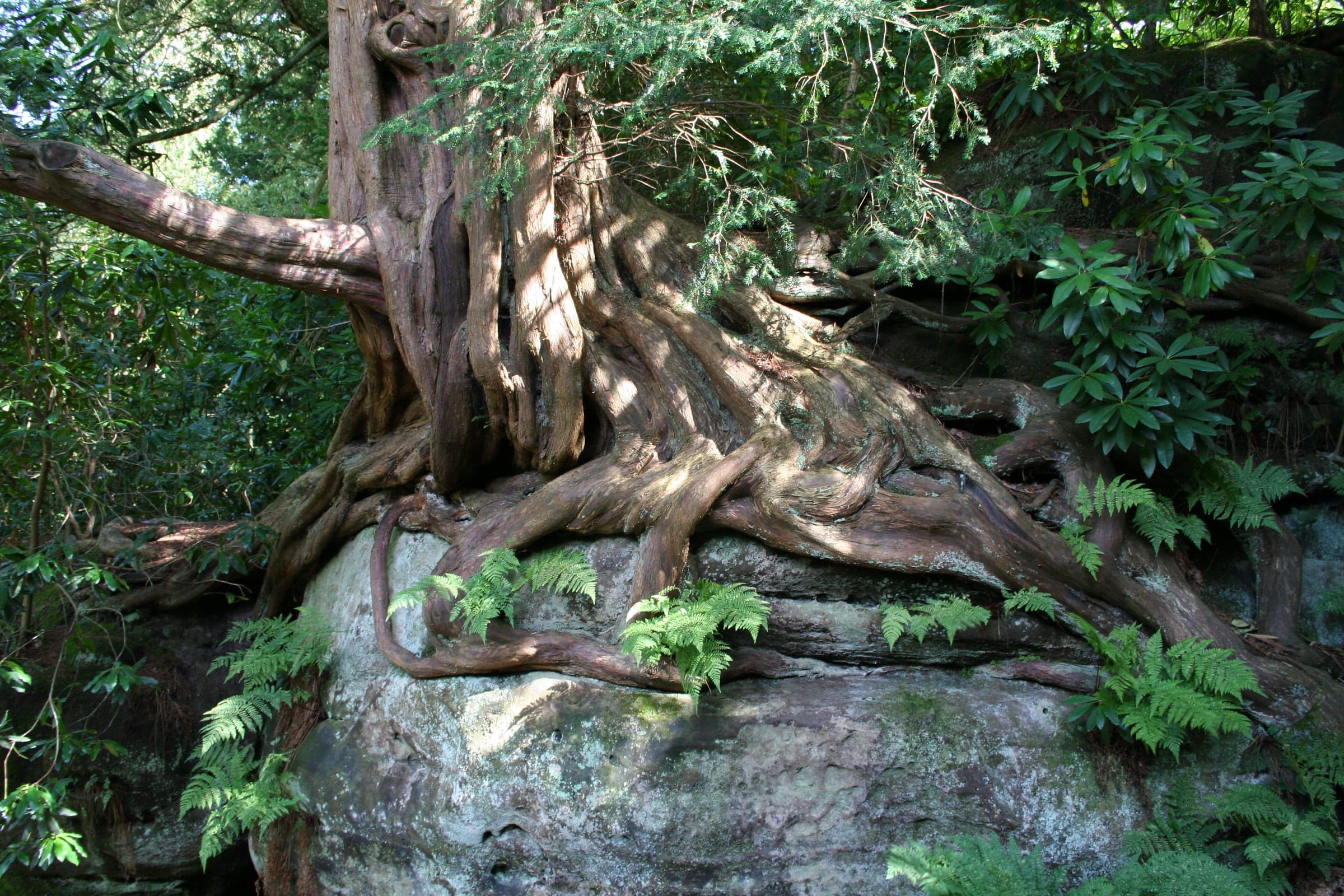
  • Strom European Yew

    Marco Schmidt [1], via Wikimedia Commons

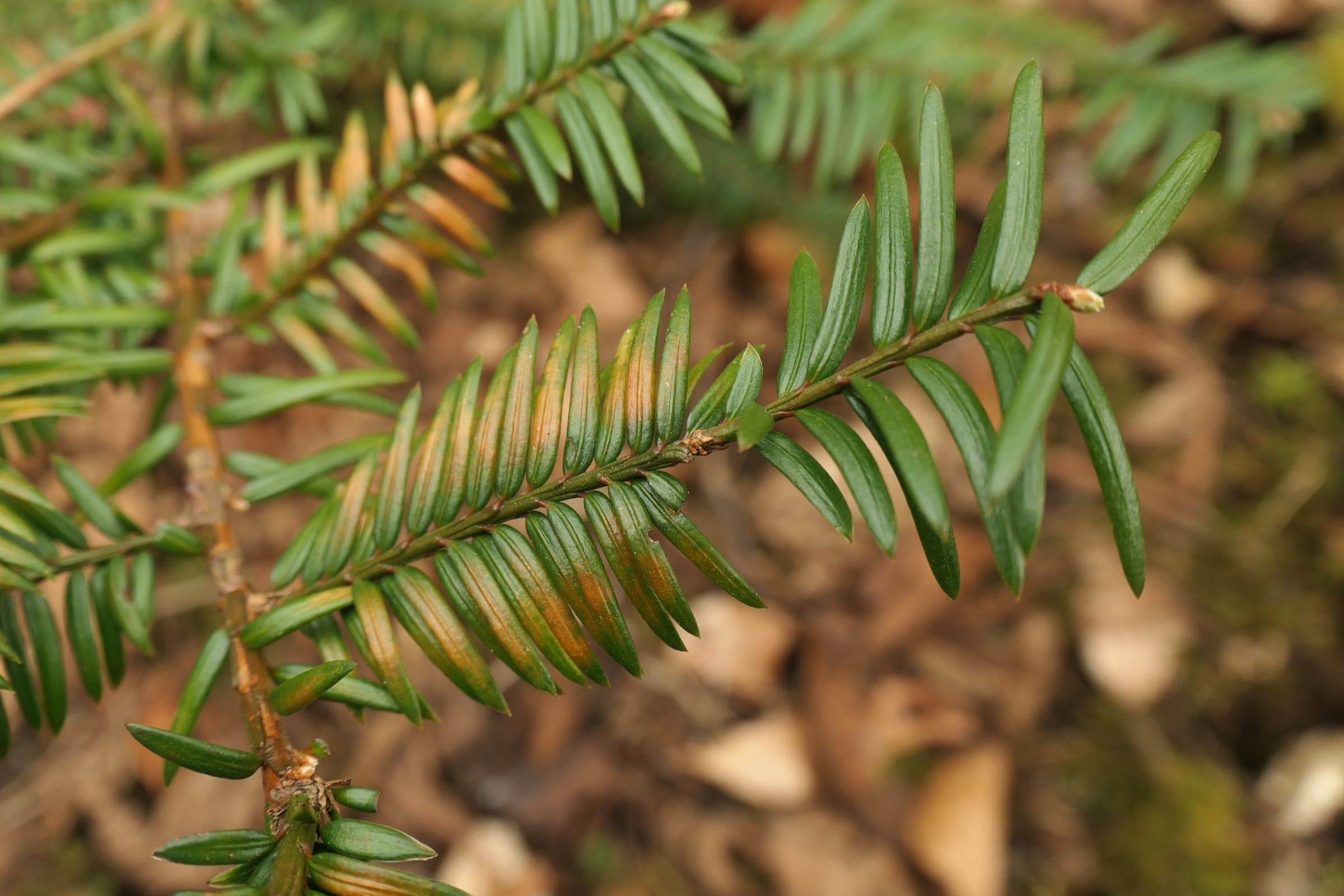
    European Yew: List
    List
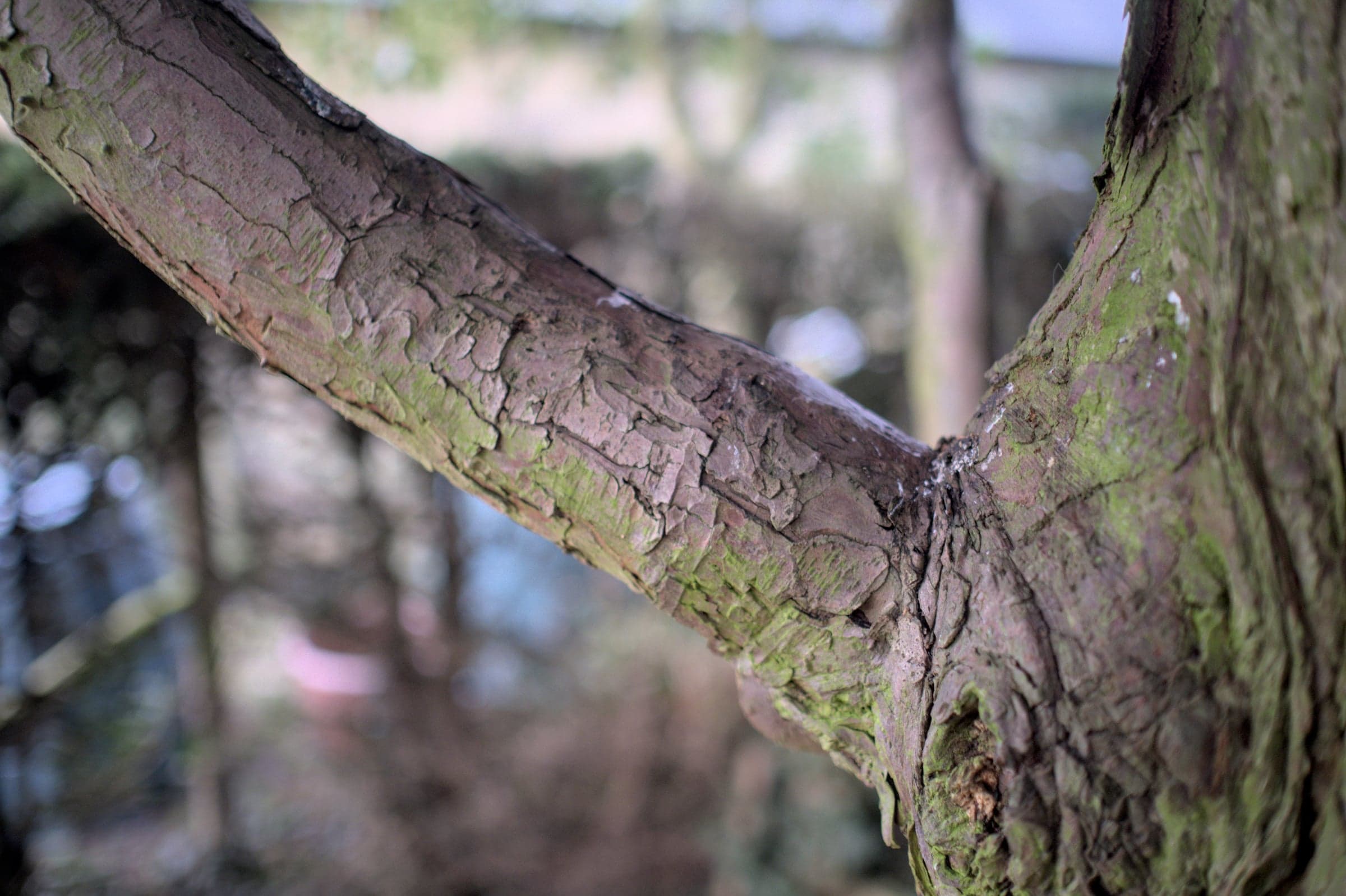
    European Yew: Kôra
    Kôra

    Reading a yew slab#

    The contrast is the point. Heartwood runs orange-red through to purple-brown, sometimes almost violet when freshly cut, against sapwood that is nearly white. On a live edge slab that pale band is usually left in place, and it is the defining feature.

    Yew is rarely plain. Expect frequent knots, wavy and interlocked grain, and pippy or burr sections. Trunks are often hollow or deeply fluted rather than round, so boards are irregular and wide clean lengths are genuinely scarce.

    That irregularity is most of the appeal and most of the price.

    At the bench#

    Yew works well for its hardness but the grain will fight you. Knots are frequent and hard, wavy grain reverses direction, and burr sections tear out readily.

    Light cuts, very sharp tooling, and a scraper or high angle plane for the final surface. On burr and pippy material, hand finishing is normal.

    It turns superbly, which is why yew is a favourite among bowl turners, and it takes a fine polished surface directly from the tool. It glues and finishes well, and oil finishes intensify the orange dramatically.

    The colour deepens and mellows with light exposure toward a richer red brown.

    Stability#

    Volumetric shrinkage of 7.8 percent is the second lowest in this catalogue after Saman, with tangential at 4.8 percent against radial at 3.0 percent. Both the total and the differential are low.

    That means yew is dimensionally very well behaved, which combined with its durability explains why it survives in structures and objects for centuries. Drying is slow given the density and irregular form, but the dried wood is stable.

    Where European Yew is the right answer#

    Turned work above all, plus fine furniture, decorative slabs, veneer and any piece where the colour carries the design. Its durability and stability also suit exterior work where the cost is justified, and it was historically used for gate posts, water pipes and boat parts.

    The longbow association is real: yew's combination of compressive strength in the heartwood and tensile strength in the sapwood is what made the English longbow work, with the two layers doing different jobs.

    It is the wrong answer for food contact, for large matched volumes, and for anyone unwilling to manage the dust properly.

    Sourcing and EUDR#

    Not CITES listed and assessed as Least Concern, though slow growth and small sizes mean supply is limited and much of it comes from garden, churchyard and estate felling rather than forestry. Provenance documentation deserves attention here, and KORENA records the yard and region on every listing.

    The sapwood, and why it stays#

    On almost every species in this catalogue, sapwood is the part you cut off. On yew it is usually the part you keep.

    Yew sapwood is narrow, near white, and sits in sharp contrast against orange-red heartwood. On a turned bowl or a slab edge that pale band is the single most striking feature the wood offers, and removing it removes most of the visual reason for choosing yew.

    It is also structurally interesting. Yew sapwood is elastic and strong in tension while the heartwood is strong in compression, and the English longbow exploited exactly that: the bow was cut so the sapwood formed the back and the heartwood the belly, giving a natural composite that no single layer could match.

    The one caution is durability. The decay class 1 rating applies to the heartwood. Yew sapwood is not durable, so on any exterior piece it is a sacrificial edge rather than a protected one.

    Hollow trunks and what they mean for slabs#

    Mature yew very commonly grows hollow, and old trees are often little more than a shell of living wood around an open centre.

    For the tree this is normal and not a sign of ill health. For the timber buyer it means yields are low, boards are irregular, and a wide clean yew slab is genuinely rare.

    It also means much yew comes to market in short, wide, irregular pieces rather than long boards, which suits turning, boxes and small slabs better than furniture in long lengths.

    What makes the figure so distinctive?

    +

    The sharp contrast between narrow cream sapwood and vivid orange-red to purple-brown heartwood, combined with frequent knots, wavy grain and pippy or burr sections. Yew is rarely plain. That irregularity is part of the appeal and part of why clean straight lengths are so scarce.

    Tangenciálne zosychanieZosychanie pozdĺž letokruhov. Takto pracujú tangenciálne rezané dosky a väčšina fošní.
    4.8–5.8 %
    Objemové zosychanieCelková zmena objemu od čerstvého po úplne vysušené drevo. Nižšia hodnota znamená vyššiu stabilitu.7.8–8.8 %
    Prirodzená trvanlivosť (EN 350)Európska norma prirodzenej odolnosti proti rozkladu od 1 (veľmi trvanlivé) po 5 (netrvanlivé).Class 1 — Very durable

    Zdroje

    • The Wood Database(prístup 2026-05-09)
    • USDA FPL Wood Handbook FPL-GTR-190 (2010)(prístup 2026-05-09)
    • Meier, E. — WOOD! Identifying and Using Hundreds of Woods Worldwide (2015)(prístup 2026-05-09)

    Stručný prehľad

    Úrovne používajú rovnaké pevné pásma pri všetkých drevinách v ponuke KORENA, takže sa dajú priamo porovnať. Nameraná hodnota je uvedená pod každou úrovňou.
    TvrdosťOdolnosť proti preliačeniu a opotrebovaniuTvrdé

    Tvrdosť podľa Janku 6 760 N

    O 36 % tvrdšie než európsky dub

    HmotnosťAká ťažká je fošňa pri dvíhaníŤažké

    675 kg/m³

    StabilitaAko málo sezónne pracujeVeľmi stabilné

    Objemové zosychanie 8,3 %

    OpracovaniePílenie, hobľovanie, brúsenie a lepenieJednoduché

    Priemerné dielenské hodnotenie 4,0 / 5

    Použitie v exteriériPrirodzená odolnosť proti rozkladu podľa EN 350Exteriér, dlhá životnosť

    Trieda 1 podľa EN 350

    • Pílenie · Veľmi dobráAko čisto sa reže a ako veľmi opotrebúva pílové listy.1 = náročné · 5 = výborné
    • Hobľovanie · DobráAký hladký povrch zostáva po hobľovaní a ako veľmi sa vytrhávajú vlákna.1 = náročné · 5 = výborné
    • Brúsenie · Veľmi dobráAko rýchlo sa vybrúsi dohladka bez upchávania brúsneho papiera.1 = náročné · 5 = výborné
    • Sústruženie · VýbornáAko sa reže a dokončuje na sústruhu.1 = náročné · 5 = výborné
    • Rezbárske opracovanie · Veľmi dobráAko ostro zachováva detaily pri práci dlátom.1 = náročné · 5 = výborné
    • Lepenie · Veľmi dobráAko spoľahlivo držia lepené spoje.1 = náročné · 5 = výborné
    • Držanie skrutiek / klincov · Veľmi dobráAko dobre drží skrutky a klince bez praskania.1 = náročné · 5 = výborné
    • Ohýbanie parou · Veľmi dobráAko dobre sa ohýba po naparení.1 = náročné · 5 = výborné

    Pre drevinu European Yew zatiaľ nemáme referenčnú trhovú cenu. Každý kus KORENA oceňuje jeho partnerský sklad samostatne.

    Dobre sa ohýba
    Pri ohýbaní parou má hodnotenie 4 z 5. Dá sa ohýbať do malých polomerov.
  • Vhodné pre začiatočníkovDobre sa opracúva a nie je také tvrdé, aby nadmerne opotrebovalo nástroje.
  • Pozor

    • Prach dráždiPri brúsení alebo obrábaní používajte odsávanie a noste masku.
    • Nie je vhodné na styk s potravinamiNa dosky a servírovací riad vyberte inú drevinu.

    Ťuknutím na štítok zobrazíte podrobnosti.