KORENA
DrevoNábytokDielňaPartneriMagazín

Pozrite si nové fošne medzi prvými

Pošleme vám e-mail, keď pribudne nové drevo.

Niekoľko e-mailov mesačne. Žiadny spam, odber môžete kedykoľvek zrušiť.

KORENA

Nakupujte na KORENA masívne drevo, ručne vyrábaný nábytok, náradie a nátery na drevo.

Obchod

  • Prezerať produkty
  • Archív predaných fošní
  • Sledovať objednávku

Informácie

  • Magazín
  • Sprievodcovia druhmi
  • Slovník
  • Rastlinné pasy a zóny škodcov
  • Porovnanie
  • Autori

Pomoc

  • O nás
  • Ako to funguje
  • Začať predávaťNové
  • Nájsť fošňu
  • Podpora
  • Vzory dokumentov
  • Pre médiá

Nákup

  • Podmienky predaja
  • Právo na odstúpenie
  • Vrátenie a záruka
  • Preprava a doručenie

Dôvera

  • Zásady ochrany súkromia
  • Zásady používania súborov cookie
  • Pôvod dreva a EUDR
  • Prístupnosť

Tiráž

  • Právne informácie / Tiráž
  • Prijateľné používanie
  • Duševné vlastníctvo a obsah

© 2026 KORENA. Všetky práva vyhradené.

Prevádzkovateľom je Martial Labs Ltd. (BG, EIK 207453941). KORENA je obchodný názov spoločnosti Martial Labs Ltd.

Rešpektujeme vaše súkromie

Používame nevyhnutné súbory cookie, aby stránka fungovala. S vaším súhlasom by sme používali aj súbory cookie na analytiku, prispôsobenie obsahu a reklamu. Svoje rozhodnutie môžete kedykoľvek zmeniť na stránke nastavení súhlasu. Pozrite si naše zásady používania súborov cookie a zásady ochrany súkromia.

  1. Domov
  2. /
  3. Dreviny
  4. /
  5. Európska hruška

Pyrus communis

Európska hruška

Master-grade carving and cabinet wood with a fine even texture. Slab-size pieces are rare and prized when they appear.

  • This species is recorded as commercially grown in Europe. This does not establish where an individual piece was harvested; check its origin details.
  • Botanická skupina. Ihličnaté dreviny sú ihličnany, listnaté dreviny sú širokolisté stromy.
  • Botanická čeľaď, do ktorej drevina patrí.
Upozorniť ma, keď pribudneReferenčná drevina. Momentálne nie je skladom žiadny kus.
  • Vhodnosť na projekt
  • Skladom
  • Vzhľad
  • Opracovanie
  • Pohyb dreva
  • Cena
  • Bezpečnosť a pôvod
  • Otázky
  • Technické údaje

Hodí sa na váš projekt?

Výborné na

  • Heirloom carving and sculpture
  • Fine cabinetry and case pieces
  • Marquetry and inlay
  • Jewellery boxes and instrument cases
  • Small statement tables and side tables
  • Turned bowls and treen

Drevina Európska hruška nie je v aktuálnej ponuke

Podobné dreviny skladom

Drevina Európska hruška momentálne nie je dostupná. Tieto dreviny sa hodia na rovnaké projekty a sú z nich dostupné kusy.
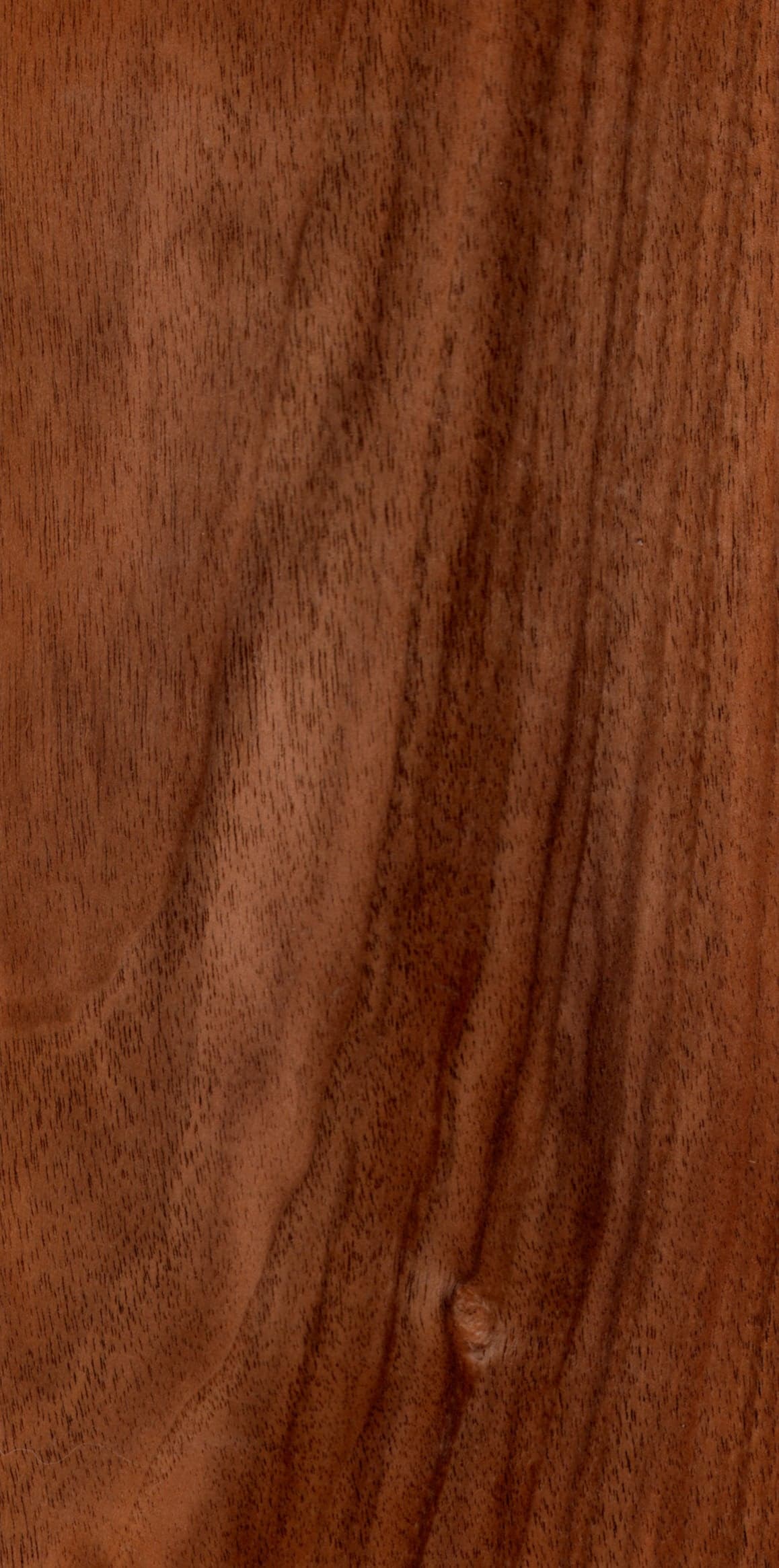
  • Kresba dreva Orech vlašský

    Orech vlašský

    Juglans regia

    12 kusov

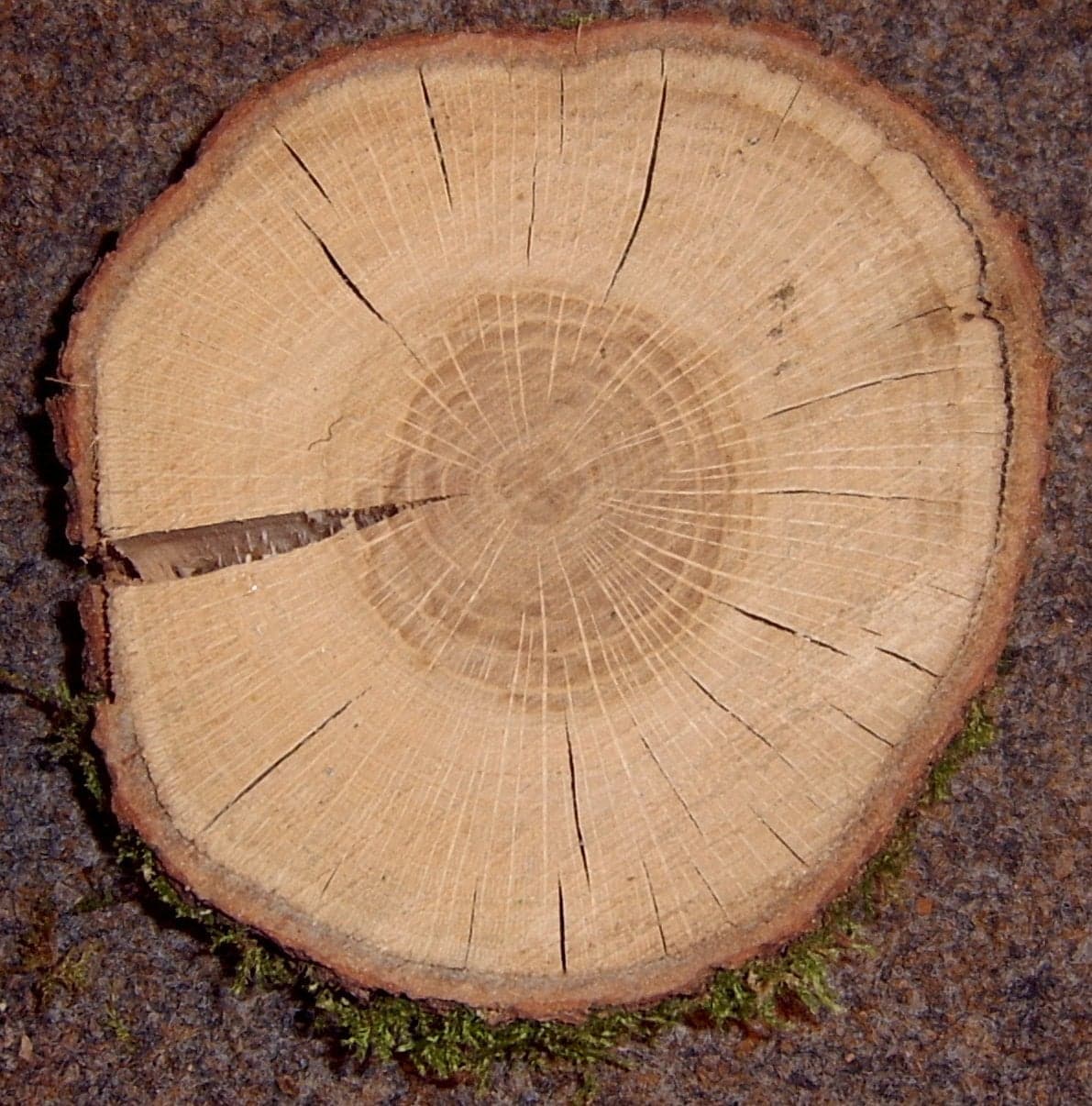
  • Kresba dreva Dub letný

    Dub letný

    Quercus robur

    6 kusov

  • Kresba dreva Saman

    Saman

    Samanea saman

    4 kusy

Upozorniť na drevinu Európska hruška

Keď na KORENA pribudnú nové fošne z dreviny Európska hruška, pošleme vám e-mail. Každý kus je jedinečný, preto sa oplatí vedieť o ňom včas.

Niekoľko e-mailov mesačne. Žiadny spam, odber môžete kedykoľvek zrušiť.

Vzhľad dreva

Ako vyzerá

Pale pinkish-tan to warm salmon, deepening to a soft russet with age and light. Texture is dense, even, and almost poreless under the hand. Figure is quiet, gentle ribbon and the occasional fine fleck, which is exactly why carvers and marquetry workers prize it. The grain doesn't fight you, and detail holds crisply.

  • Pale pinkish-tan when fresh off the saw
  • Warm salmon to soft russet with age
  • Steamed pear takes a uniform pinkish hue
  • Stains evenly to deep black for ebonised work
  • Subtle ribbon figure; rarely dramatic
  • Mild UV warming, no harsh colour shift
  • Veľmi jemná, rovnomerná štruktúra; decentná kresba dreva.

Opracovanie

Opracovanie

Carves, turns, and planes superbly, this is a benchmark wood for fine work. Cuts cleanly across the grain without tearing, holds knife-edge detail, and turns to crisp profiles. Sands to a near-polished surface straight off the tool. Glues and screws well. Steam bending is moderate. The low stiffness helps it bend, but it can compress unevenly, so test on offcuts.

Povrchová úprava

Sands to a glass-smooth surface, one of the cleanest finishes you can pull off any European hardwood. Takes oil, wax, and shellac evenly with no blotching. Steaming produces the uniform pinkish tone historically used to imitate ebony when stained black (the piano-key trick). For natural finishes, hard-wax oil holds the warm tone; lacquer can flatten it. Expect mild warming in UV.

Sušenie

Honest tradeoff: tangential shrinkage is high (10.5–12%) against modest radial movement, so drying rate matters. Pear that's rushed will check, cup, and case-harden. Air-dry slowly under weight, then finish in a kiln on a gentle schedule. Once stable, it sits well indoors. Quartersawn or rift-sawn stock is the safer cut for wide panels.

Ako veľmi bude pracovať?

Drevo sa so zmenou vlhkosti vzduchu naprieč šírkou rozťahuje a zosycha. Pred návrhom spojov odhadnite sezónny pohyb dosky z dreviny Európska hruška.

Rez
Kde sa bude používať

Očakávaný sezónny pohyb

približne 12,9 mm

Veľký. Použite príchytky alebo drážkované konzoly, na koncoch priečnych líšt nechajte vôľu a pred zostavením nechajte fošňu aklimatizovať.

Model lineárneho zosychania: šírka × (zosychanie ÷ 28 % nasýtenie vlákien) × sezónna zmena vlhkosti. Pre drevinu Európska hruška používa 11,25 % tangenciálne zosychanie. Ide o plánovací odhad, nie záruku.

Koľko stojí

Bezpečnosť a pôvod

  • This species is recorded as commercially grown in Europe. This does not establish where an individual piece was harvested; check its origin details.
  • Stav v Červenom zozname IUCN: globálne posúdenie ohrozenia tejto dreviny.
  • Food-contact safe, pear has a long tradition as kitchen utensil and treen wood. Not a commonly reported dust sensitiser. Standard shop dust extraction is enough.

Prečítať celý sprievodcaPodrobné poznámky o kresbe, zmene farby, opracovaní a stabilite.+

What European Pear actually is#

Pyrus communis is the fine detail wood of Europe. Its texture is exceptionally close, even and dense, with essentially no visible grain direction, and at 7,420 N Janka it is one of the hardest species in this catalogue.

That pairing is unusual. Most woods that hold fine detail are soft, like lime. Most woods that are hard have pronounced grain that fights the tool, like oak. Pear is both hard and directionless, so carved detail is crisp and then survives being handled.

It is the traditional wood for woodcut printing blocks, recorders and wind instrument parts, drawing instruments, rulers, set squares and fine inlay, and all of those uses depend on the same property.

The orchard problem#

Pear is a fruit tree. It is grown for pears, and it reaches the timber market when an orchard tree comes to the end of its productive life.

The consequences are structural. Trunks are short and often irregular. Diameters are modest. Clean wide boards are genuinely scarce, and slab sized material is uncommon enough that finding it is the main constraint rather than affording it.

Expect narrow widths, short lengths, and a good deal of character.

Steamed and unsteamed

Otázky kupujúcich

Otázky kupujúcich

Why is pear so highly regarded for carving and instruments?

+

Its texture is exceptionally fine, even and dense, with essentially no visible grain direction, so it cuts equally well in any direction and holds very crisp detail. At 7,420 N Janka it is also hard, which means carved detail survives handling. That combination of fine texture and hardness is rare and is why pear has been the traditional wood for woodcuts, recorders, rulers and instrument parts.

What is steamed pear?

+

Pear that has been steamed during drying, which turns the pale pinkish wood a warm rose brown and evens the colour. It is the standard European commercial treatment and the colour most people associate with the species. Unsteamed pear is paler and more variable. The change is permanent.

Why are pear boards so small?

+

It is an orchard tree, grown for fruit and felled at the end of its productive life rather than for timber. Trunks are short, often irregular, and rarely large. Wide clean pear is genuinely scarce and priced accordingly, and slab sized material is uncommon.

How much does it move?

+

Mechanické vlastnosti

Technické údaje

Zverejnené referenčné hodnoty. Ak sa zdroje nezhodujú, uvádza sa rozsah a v stupniciach vyššie sa používa typická hodnota.

Hustota (kg/m³)Hmotnosť kubického metra pri vlhkosti približne 12 %. Ťažšie drevo býva tvrdšie a pevnejšie.650–740 kg/m³typická hodnota 700 kg/m³
Tvrdosť podľa Janku (N)Sila potrebná na zatlačenie oceľovej guľôčky do polovice jej priemeru do dreva. Štandardná miera odolnosti proti preliačeniu.6,800–7,800 Ntypická hodnota 7 420 N
MOR: modul pevnosti v ohybe (MPa)Pevnosť v ohybe: zaťaženie, pri ktorom sa nosník zlomí.75–90 MPa
MOE: modul pružnosti (GPa)Tuhosť v ohybe: ako veľmi sa polica alebo doska prehne pod zaťažením.7.0–8.5 GPa
Radiálne zosychanieZosychanie naprieč letokruhmi od čerstvého po úplne vysušené drevo. Takto pracujú radiálne rezané dosky.4.0–5.0 %
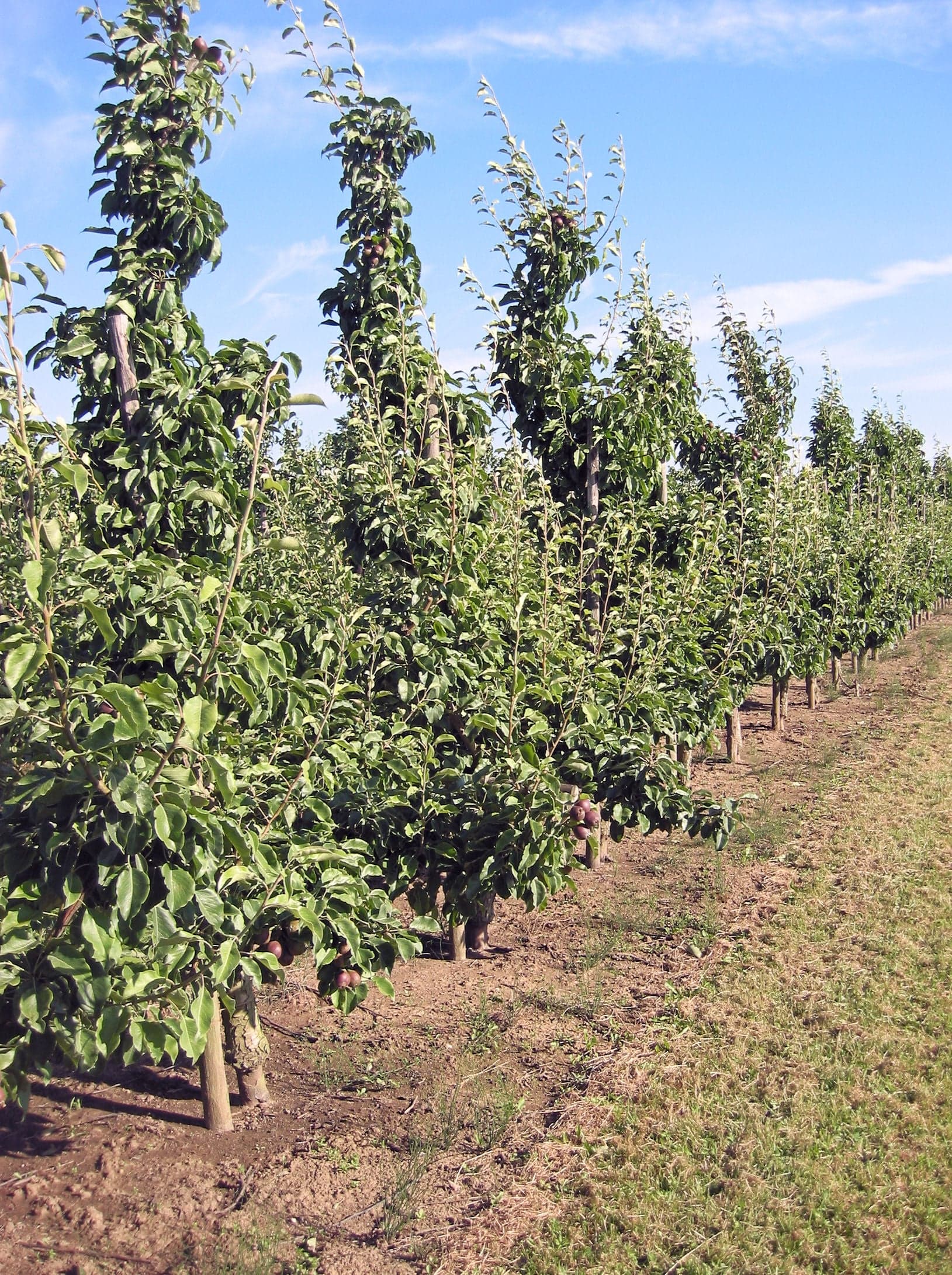
Strom Európska hruška

Rasbak, via Wikimedia Commons

  • Drawing instruments and tool handles
  • Ebonised detail work (piano-key tradition)
  • Silné stránky

    • Vhodné na styk s potravinamiVhodné na dosky, misy a povrchy, ktoré prichádzajú do styku s potravinami.

    Pozor

    • Nie je vhodné do exteriéru bez ošetreniaPrirodzená trvanlivosť je trieda 5 z 5 podľa EN 350. Používajte ho v interiéri alebo pod pravidelne udržiavanou povrchovou úpravou.

    Native across Europe, from orchards and hedgerows. Most pear comes in small sections from old orchard trees, so a true slab is uncommon stock, usually a long-lived garden or estate tree that grew large enough to mill.

  • IUCN Least Concern, no CITES listing. Native European species, often sourced from orchard clearances and estate trees rather than dedicated forestry, which means supply is opportunistic and slabs are scarce. Decay class 5, perishable, so this is strictly interior wood.

  • #

    Most European commercial pear is steamed during drying.

    Steaming turns the pale pinkish natural colour to a warm rose brown and evens out variation. This is the colour most people picture when they think of pear, and it is the standard for instrument and cabinet work.

    Unsteamed pear is paler, closer to a pinkish cream, and more variable between boards. Both are the same species and the difference is permanent, so decide at the outset and buy accordingly.

    The movement problem#

    This is the one number that spoils an otherwise excellent wood.

    Tangential shrinkage of 10.5 percent against radial at 4.0 percent is among the widest differentials in this catalogue, wider than oak, wider than ash. Volumetric shrinkage of 11.5 percent is only moderate, so the total movement is unremarkable, but the distortion is severe because the two axes are so far apart.

    Flatsawn pear cups hard. Quartersawn stock is markedly better behaved and is worth seeking out for anything that must stay flat.

    Given the small sizes the species comes in, most pear ends up in components small enough that this matters less than it would in a wide top. If you do have a pear slab wide enough for a tabletop, that ratio is the thing to design around.

    At the bench#

    Pear works beautifully and it works hard. At 7,420 N it blunts tooling steadily and asks for power, but the fine texture means it cuts cleanly rather than tearing.

    It carves exceptionally, turns exceptionally, and takes a polished surface directly from the tool with very little abrasive work. It glues reliably and holds fine screws with pilot holes.

    It also bends reasonably well and takes a very crisp moulded profile, which is why it appears in period furniture as mouldings and edge details.

    Finishing#

    The fine dense surface takes finish evenly and needs no grain filling. Steamed pear under a clear oil is a warm rose brown that many makers consider among the most attractive surfaces in European furniture.

    It stains poorly and rarely needs to. Pear is often used precisely because its own colour is wanted.

    It is also the traditional substrate for ebonising, taking black stain evenly because there is no open grain to break up the surface, which is how pear was used as a substitute for ebony in period work.

    Where European Pear is the right answer#

    Carving and fine detail work, musical instrument parts, drawing and measuring instruments, inlay and marquetry, small cabinetry, turned work, and mouldings. Also ebonised work.

    It is the wrong answer for anything large, anything outdoors at decay class 5, and anything where a wide flatsawn surface must stay flat.

    Sourcing and EUDR#

    Not CITES listed and assessed as Least Concern. The tree is common across Europe but timber supply is limited by the orchard felling pattern rather than by scarcity of trees. Provenance chains are short and non-standardised, and KORENA records the yard and region on every listing.

    Tangential shrinkage of 10.5 percent against radial at 4.0 percent is a very wide differential, among the widest in this catalogue, so flatsawn pear cups strongly. Volumetric shrinkage of 11.5 percent is only moderate, so the total movement is not extreme but the distortion is. Quartersawn stock is markedly better behaved.

    Can pear be used outdoors?

    +

    No. It is rated decay class 5, perishable, despite being hard and dense. Hardness and durability are unrelated. Pear is an interior wood for fine work, and it is too scarce and valuable to put outside.

    Tangenciálne zosychanieZosychanie pozdĺž letokruhov. Takto pracujú tangenciálne rezané dosky a väčšina fošní.
    10.5–12.0 %
    Objemové zosychanieCelková zmena objemu od čerstvého po úplne vysušené drevo. Nižšia hodnota znamená vyššiu stabilitu.11.5–13.5 %
    Prirodzená trvanlivosť (EN 350)Európska norma prirodzenej odolnosti proti rozkladu od 1 (veľmi trvanlivé) po 5 (netrvanlivé).Class 5 — Perishable

    Zdroje

    • The Wood Database(prístup 2026-05-09)
    • USDA FPL Wood Handbook FPL-GTR-190 (2010)(prístup 2026-05-09)
    • Meier, E. — WOOD! Identifying and Using Hundreds of Woods Worldwide (2015)(prístup 2026-05-09)

    Stručný prehľad

    Úrovne používajú rovnaké pevné pásma pri všetkých drevinách v ponuke KORENA, takže sa dajú priamo porovnať. Nameraná hodnota je uvedená pod každou úrovňou.
    TvrdosťOdolnosť proti preliačeniu a opotrebovaniuVeľmi tvrdé

    Tvrdosť podľa Janku 7 420 N

    O 49 % tvrdšie než európsky dub

    HmotnosťAká ťažká je fošňa pri dvíhaníŤažké

    700 kg/m³

    StabilitaAko málo sezónne pracujePriemerné

    Objemové zosychanie 12,5 %

    OpracovaniePílenie, hobľovanie, brúsenie a lepenieVeľmi jednoduché

    Priemerné dielenské hodnotenie 4,6 / 5

    Použitie v exteriériPrirodzená odolnosť proti rozkladu podľa EN 350Iba interiér

    Trieda 5 podľa EN 350

    • Pílenie · VýbornáAko čisto sa reže a ako veľmi opotrebúva pílové listy.1 = náročné · 5 = výborné
    • Hobľovanie · Veľmi dobráAký hladký povrch zostáva po hobľovaní a ako veľmi sa vytrhávajú vlákna.1 = náročné · 5 = výborné
    • Brúsenie · VýbornáAko rýchlo sa vybrúsi dohladka bez upchávania brúsneho papiera.1 = náročné · 5 = výborné
    • Sústruženie · VýbornáAko sa reže a dokončuje na sústruhu.1 = náročné · 5 = výborné
    • Rezbárske opracovanie · VýbornáAko ostro zachováva detaily pri práci dlátom.1 = náročné · 5 = výborné
    • Lepenie · Veľmi dobráAko spoľahlivo držia lepené spoje.1 = náročné · 5 = výborné
    • Držanie skrutiek / klincov · Veľmi dobráAko dobre drží skrutky a klince bez praskania.1 = náročné · 5 = výborné
    • Ohýbanie parou · DobráAko dobre sa ohýba po naparení.1 = náročné · 5 = výborné

    Pre drevinu Európska hruška zatiaľ nemáme referenčnú trhovú cenu. Každý kus KORENA oceňuje jeho partnerský sklad samostatne.

    Tupí ostria
    Je veľmi tvrdé a husté. Nástroje udržiavajte ostré a pre každú skrutku predvŕtajte otvor.

    Ťuknutím na štítok zobrazíte podrobnosti.