KORENA
DrevoFinished piecesMateriálPartnerské skladyMagazín

Dostávajte upozornenia

Každá fošňa je jedinečná. Keď sa predá, ďalšia rovnaká už nebude. Pri zaradení nových kusov vám pošleme e-mail: nové prírastky, nové dreviny a dosky vybrané podľa zadania projektu.

Niekoľko e-mailov mesačne. Žiadny spam, odber môžete kedykoľvek zrušiť.

KORENA, prémiové tvrdé drevo

Jeden kus za druhým.

Overené prémiové tvrdé drevo predávané po jednotlivých kusoch. Každú fošňu fotografujeme, meriame a odosielame z partnerského skladu s pasom dreva.

Obchod

  • Prezerať produkty
  • Archív predaných fošní
  • Sledovať objednávku

Informácie

  • Magazín
  • Sprievodcovia druhmi
  • Slovník
  • Porovnanie
  • Autori

Pomoc

  • O nás
  • Ako to funguje
  • Stať sa partnerským skladom
  • Nájsť fošňu
  • Podpora
  • Vzory dokumentov
  • Pre médiá

Nákup

  • Podmienky predaja
  • Právo na odstúpenie
  • Vrátenie a záruka
  • Preprava a doručenie

Dôvera

  • Zásady ochrany súkromia
  • Zásady používania súborov cookie
  • Pôvod dreva a EUDR
  • Prístupnosť

Tiráž

  • Právne informácie / Tiráž
  • Prijateľné používanie
  • Duševné vlastníctvo a obsah

© 2026 KORENA. Všetky práva vyhradené.

Prevádzkovateľom je Martial Labs Ltd. (BG, EIK 207453941). KORENA je obchodný názov spoločnosti Martial Labs Ltd.

Rešpektujeme vaše súkromie

Používame nevyhnutné súbory cookie, aby stránka fungovala. S vaším súhlasom by sme používali aj súbory cookie na analytiku, prispôsobenie obsahu a reklamu. Svoje rozhodnutie môžete kedykoľvek zmeniť na stránke nastavení súhlasu. Pozrite si naše zásady používania súborov cookie a zásady ochrany súkromia.

  1. Domov
  2. /
  3. Dreviny
  4. /
  5. Hornbeam

Carpinus betulus

Hornbeam

Pale, ruthlessly dense, and famously hard. The wood old joiners reached for when they needed plane bodies, mallet heads, and water-mill cogs that would not give up.

  • Pestované a vyťažené v Európe.
  • Botanická skupina. Ihličnaté dreviny sú ihličnany, listnaté dreviny sú širokolisté stromy.
  • Botanická čeľaď, do ktorej drevina patrí.
Upozorniť ma, keď pribudneReferenčná drevina. Momentálne nie je skladom žiadny kus.
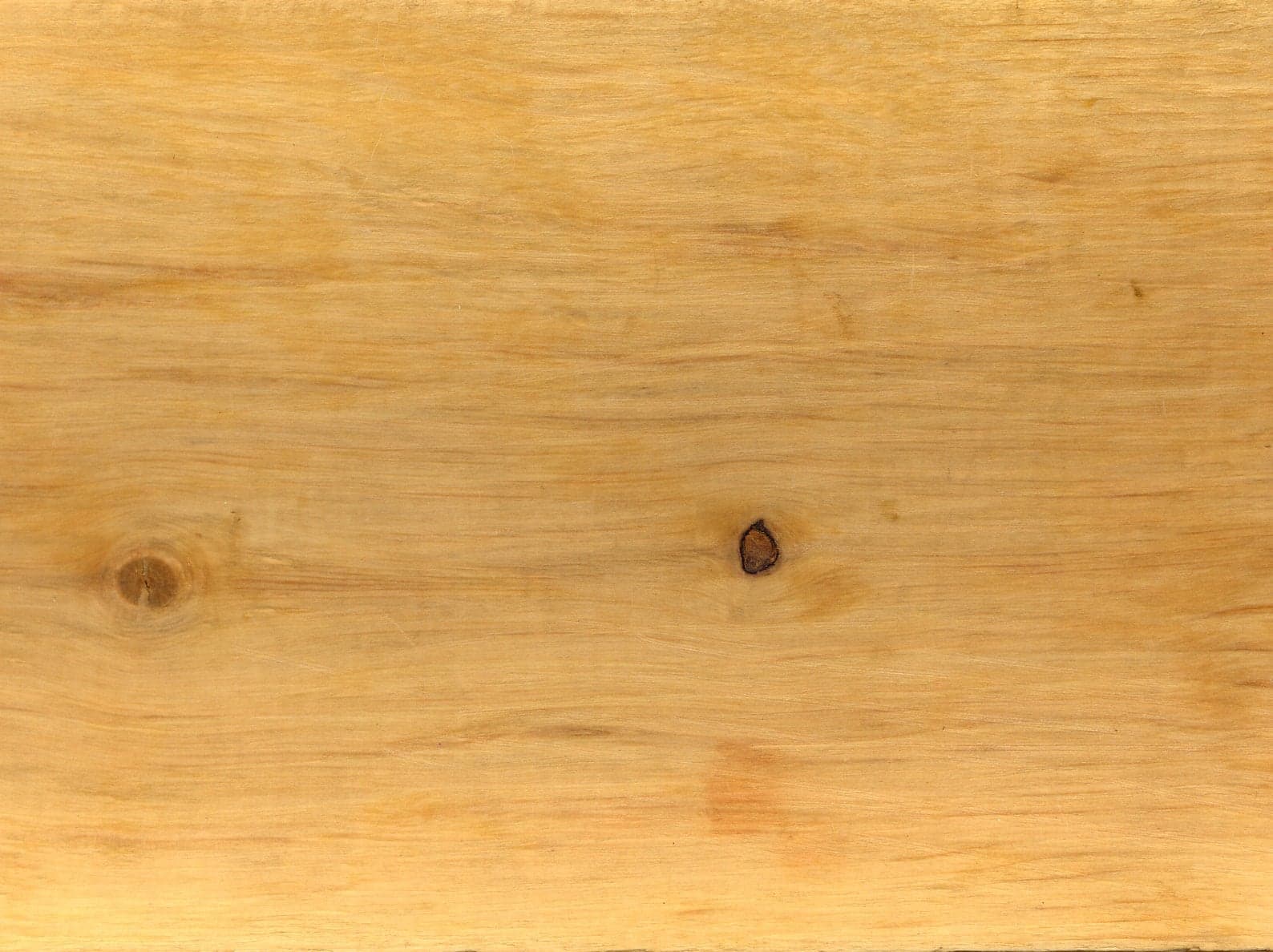
Kresba dreva Hornbeam
  • Vhodnosť na projekt
  • Skladom
  • Vzhľad
  • Opracovanie
  • Pohyb dreva
  • Cena
  • Bezpečnosť a pôvod
  • Otázky
  • Technické údaje

Hodí sa na váš projekt?

Výborné na

  • Plane bodies and mallet heads
  • Tool handles and chisel handles
  • Turned work, bowls, finials, pepper mills, fine spindles
  • Joinery accents, wedges, splines, drawbore pins, dovetail keys
  • High-wear surfaces, chopping boards, butcher blocks, jig faces
  • Gear teeth, cogs, and replacement parts in restored mills

Drevina Hornbeam nie je v aktuálnej ponuke

Podobné dreviny skladom

Drevina Hornbeam momentálne nie je dostupná. Tieto dreviny sa hodia na rovnaké projekty a sú z nich dostupné kusy.
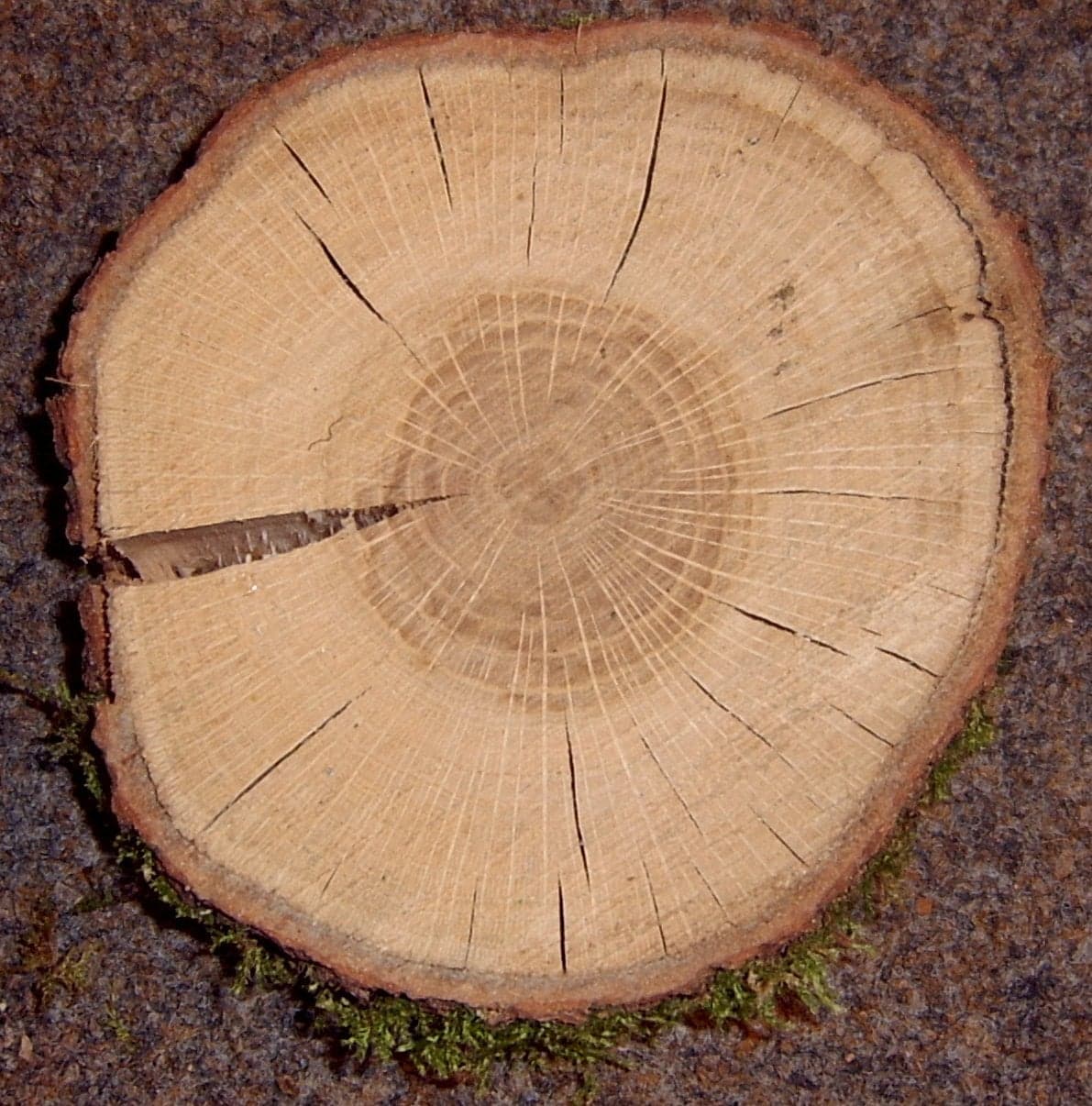
  • Kresba dreva European Oak

    European Oak

    Quercus robur

    6 kusov

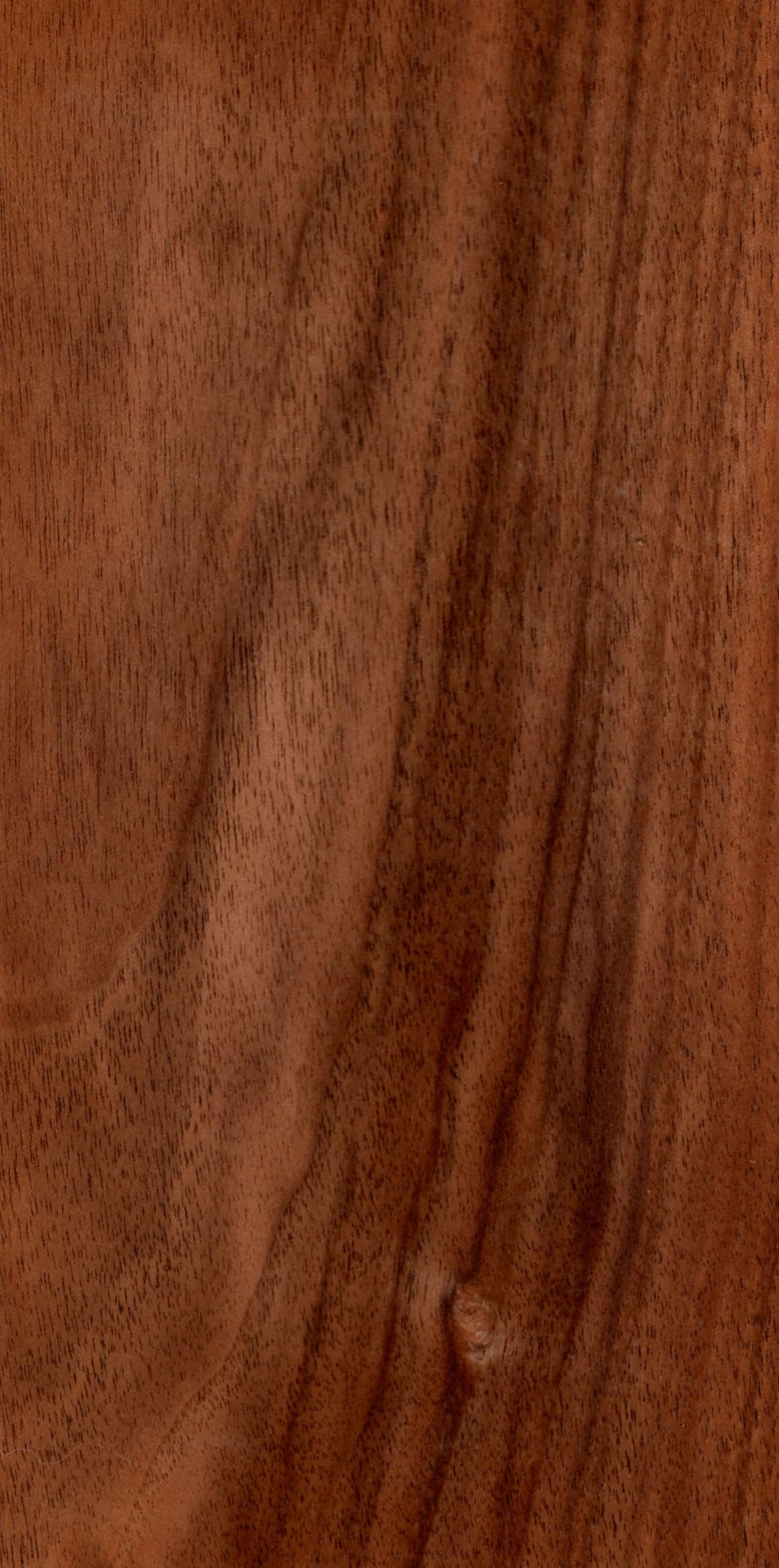
  • Kresba dreva European Walnut

    European Walnut

    Juglans regia

    9 kusov

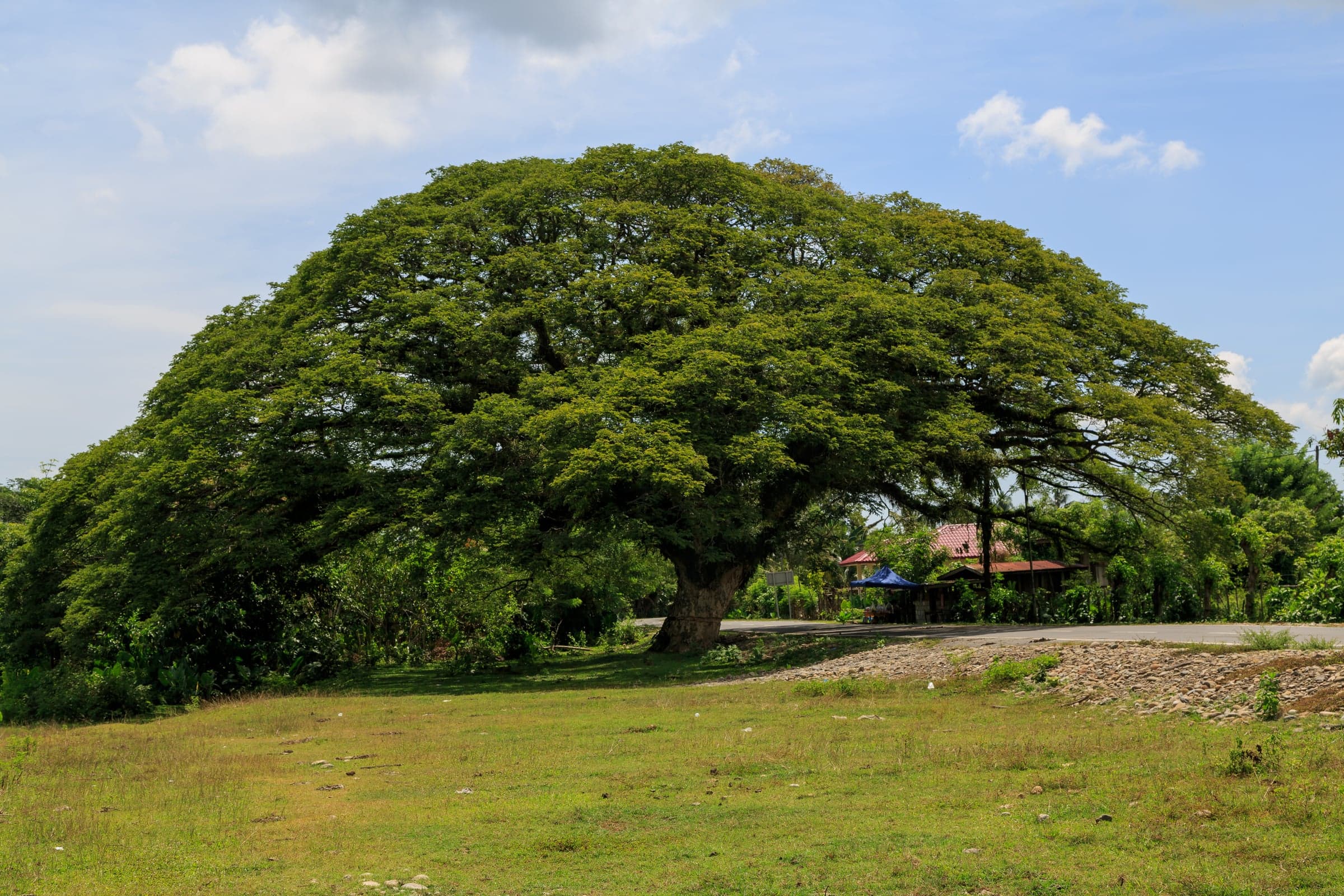
  • Kresba dreva Saman

    Saman

    Samanea saman

    4 kusy

Upozorniť na drevinu Hornbeam

Keď na KORENA pribudnú nové fošne z dreviny Hornbeam, pošleme vám e-mail. Každý kus je jedinečný, preto sa oplatí vedieť o ňom včas.

Niekoľko e-mailov mesačne. Žiadny spam, odber môžete kedykoľvek zrušiť.

Vzhľad dreva

Ako vyzerá

Creamy white to pale straw, sometimes drifting to light grey-brown with age. Grain is irregular and often interlocked; texture is fine and even. Almost no figure, no drama, its character is in the surface itself, which polishes to a hard, near-ceramic feel that softer pale woods cannot match.

  • Creamy white to pale straw when fresh
  • Drifts to light grey-brown with age and UV
  • Occasional grey streaking on slower-grown stock
  • Almost figureless, reads as a clean, even pale ground
  • Polishes to a hard, near-ceramic surface sheen
  • Irregular grain, fine even texture.

Opracovanie

Opracovanie

A specialist wood. Density and interlocked grain blunt edges fast. Expect to sharpen often and feed slowly. Planing tears out unless irons are keen and the cut is light; a scraper or sander often finishes better than a plane. Drilling and routing demand sharp carbide. The reward is on the lathe, where it turns to a fine, crisp surface and holds detail other woods crush. Glues and screws well once pre-bored. Steam-bends reasonably for such a dense species.

Povrchová úprava

Sands to a glassy surface if you stay patient and step through the grits. Takes hard waxes, oils, and lacquers cleanly. Stains can blotch on the interlocked patches. Test first. Burnishes beautifully on the lathe; many turners leave it bare or oil-only.

Sušenie

Dries slowly and moves a lot, tangential shrinkage of 11 to 13 percent puts it among the most mobile European hardwoods. Prone to distortion, surface checks, and case-hardening if rushed. Air-dry under weight, then finish in a kiln on a gentle schedule. Acclimatise in the workshop for several weeks before machining, and design for movement in any wider piece.

Ako veľmi bude pracovať?

Drevo sa so zmenou vlhkosti vzduchu naprieč šírkou rozťahuje a zosycha. Pred návrhom spojov odhadnite sezónny pohyb dosky z dreviny Hornbeam.

Rez
Kde sa bude používať

Očakávaný sezónny pohyb

približne 13,7 mm

Veľký. Použite príchytky alebo drážkované konzoly, na koncoch priečnych líšt nechajte vôľu a pred zostavením nechajte fošňu aklimatizovať.

Model lineárneho zosychania: šírka × (zosychanie ÷ 28 % nasýtenie vlákien) × sezónna zmena vlhkosti. Pre drevinu Hornbeam používa 12 % tangenciálne zosychanie. Ide o plánovací odhad, nie záruku.

Koľko stojí

Bezpečnosť a pôvod

  • Pestované a vyťažené v Európe.
  • Stav v Červenom zozname IUCN: globálne posúdenie ohrozenia tejto dreviny.
  • Food-contact safe once finished, which is why it has a long history in kitchen tools and chopping blocks. The dust is a known skin irritant and can sensitise on repeated exposure. Wear long sleeves, run good extraction, and mask up when sanding.

Prečítať celý sprievodcaPodrobné poznámky o kresbe, zmene farby, opracovaní a stabilite.+

What Hornbeam actually is#

Carpinus betulus is the wear wood. At 735 kg per cubic metre and 7,260 N Janka it is the second hardest measured species in this catalogue, behind only robinia, and it has a fine even texture with no strong grain direction.

That combination, hardness without a pronounced grain to split along, is what made it the traditional wood for things that get hit, rubbed and worn: plane soles, mallet heads, gear teeth in windmill and watermill machinery, butchers blocks, and cogs.

It is not a decorative wood and it was never used as one.

Reading a hornbeam slab#

Colour is pale, near white to light cream, sometimes with grey streaking. Figure is minimal. The texture is fine and even and the surface has a slight natural lustre.

The characteristic feature of the tree is fluting: the trunk grows with pronounced longitudinal ridges rather than round, which is why hornbeam logs look twisted and why converting them to wide clean boards is awkward. Expect irregular widths and a good deal of waste.

Grain is frequently interlocked, following the fluting.

The movement problem#

Otázky kupujúcich

Otázky kupujúcich

Why is Hornbeam used for tool parts and machinery?

+

It is exceptionally hard at 7,260 N, second only to robinia among measured species here, with a fine even texture and no pronounced grain direction. That combination resists wear without splitting, which is why it was the traditional wood for plane soles, mallet heads, gear teeth in mill machinery, and butchers blocks.

How much does it move?

+

A great deal. Volumetric shrinkage of 17.0 percent ties with beech for the highest in this catalogue, and tangential shrinkage of 11.0 percent against 5.5 percent radial is a very wide differential. Hornbeam is not a wood for wide solid tops in a variable environment. It is a wood for small dense components.

Is it hard to work?

+

Yes. The density and interlocked grain blunt tooling quickly and cause tear-out, and it is heavy going by hand. The fine texture that makes it wear so well is the same thing that makes it resist cutting. Sharp carbide tooling and light cuts are the practical answer.

Can it be used outdoors?

+

No. Despite its hardness it is rated decay class 5, perishable, and it will rot readily if exposed. Hardness and durability are unrelated properties. For exterior work use robinia, oak or sweet chestnut.

Mechanické vlastnosti

Technické údaje

Zverejnené referenčné hodnoty. Ak sa zdroje nezhodujú, uvádza sa rozsah a v stupniciach vyššie sa používa typická hodnota.

Hustota (kg/m³)Hmotnosť kubického metra pri vlhkosti približne 12 %. Ťažšie drevo býva tvrdšie a pevnejšie.700–820 kg/m³typická hodnota 735 kg/m³
Tvrdosť podľa Janku (N)Sila potrebná na zatlačenie oceľovej guľôčky do polovice jej priemeru do dreva. Štandardná miera odolnosti proti preliačeniu.6,900–7,700 Ntypická hodnota 7 260 N
MOR: modul pevnosti v ohybe (MPa)Pevnosť v ohybe: zaťaženie, pri ktorom sa nosník zlomí.110–130 MPa
MOE: modul pružnosti (GPa)Tuhosť v ohybe: ako veľmi sa polica alebo doska prehne pod zaťažením.12.0–14.0 GPa
Radiálne zosychanieZosychanie naprieč letokruhmi od čerstvého po úplne vysušené drevo. Takto pracujú radiálne rezané dosky.5.5–7.0 %

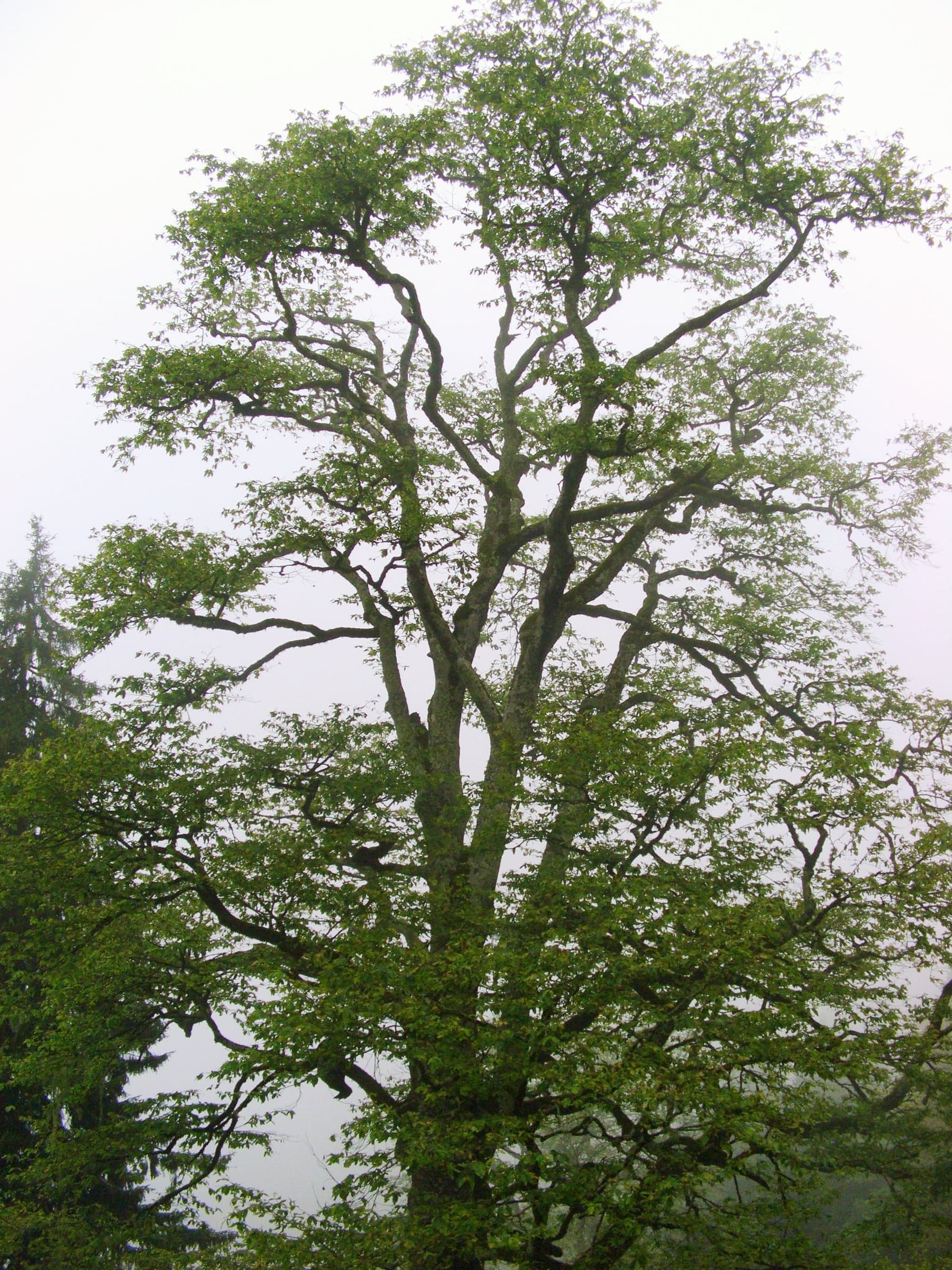
Beentree, via Wikimedia Commons

  • Piano and harpsichord action parts
  • Inlay and contrast bandings against dark woods
  • Silné stránky

    • Vhodné na styk s potravinamiVhodné na dosky, misy a povrchy, ktoré prichádzajú do styku s potravinami.
    • Dobre sa ohýbaPri ohýbaní parou má hodnotenie 4 z 5. Dá sa ohýbať do malých polomerov.

    Pozor

    Native to central and eastern Europe. Slow-growing, often coppiced, and recognisable in the forest by its fluted, muscle-like trunk, the reason for the folk names ironwood and musclewood.

  • Native, abundant across central and eastern European forests, and listed Least Concern by the IUCN with no CITES restriction. Often a by-product of broadleaf woodland and hedgerow management, so volumes are smaller and more local than oak or beech but the supply is genuinely sustainable.

  • Strom Hornbeam

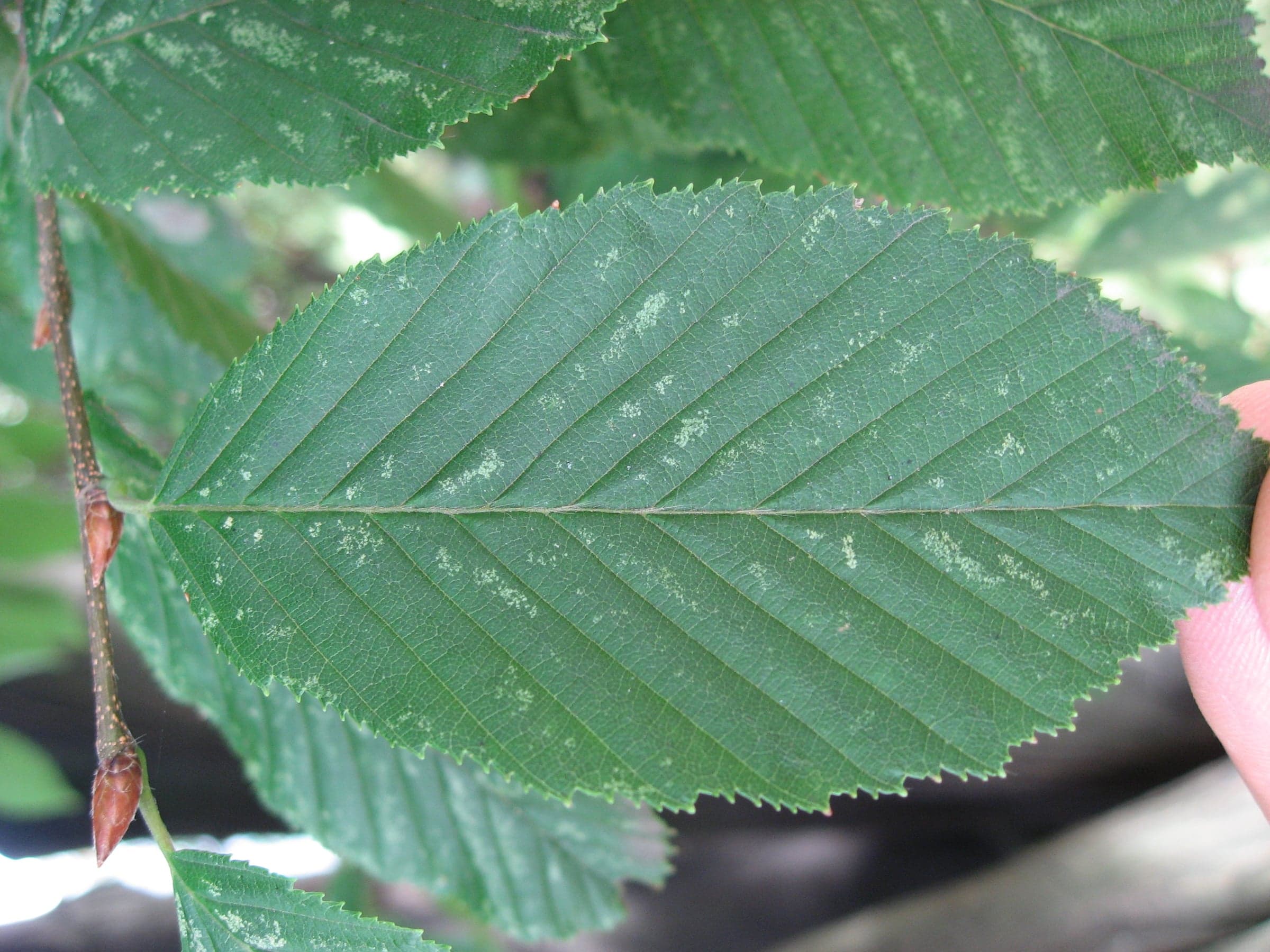
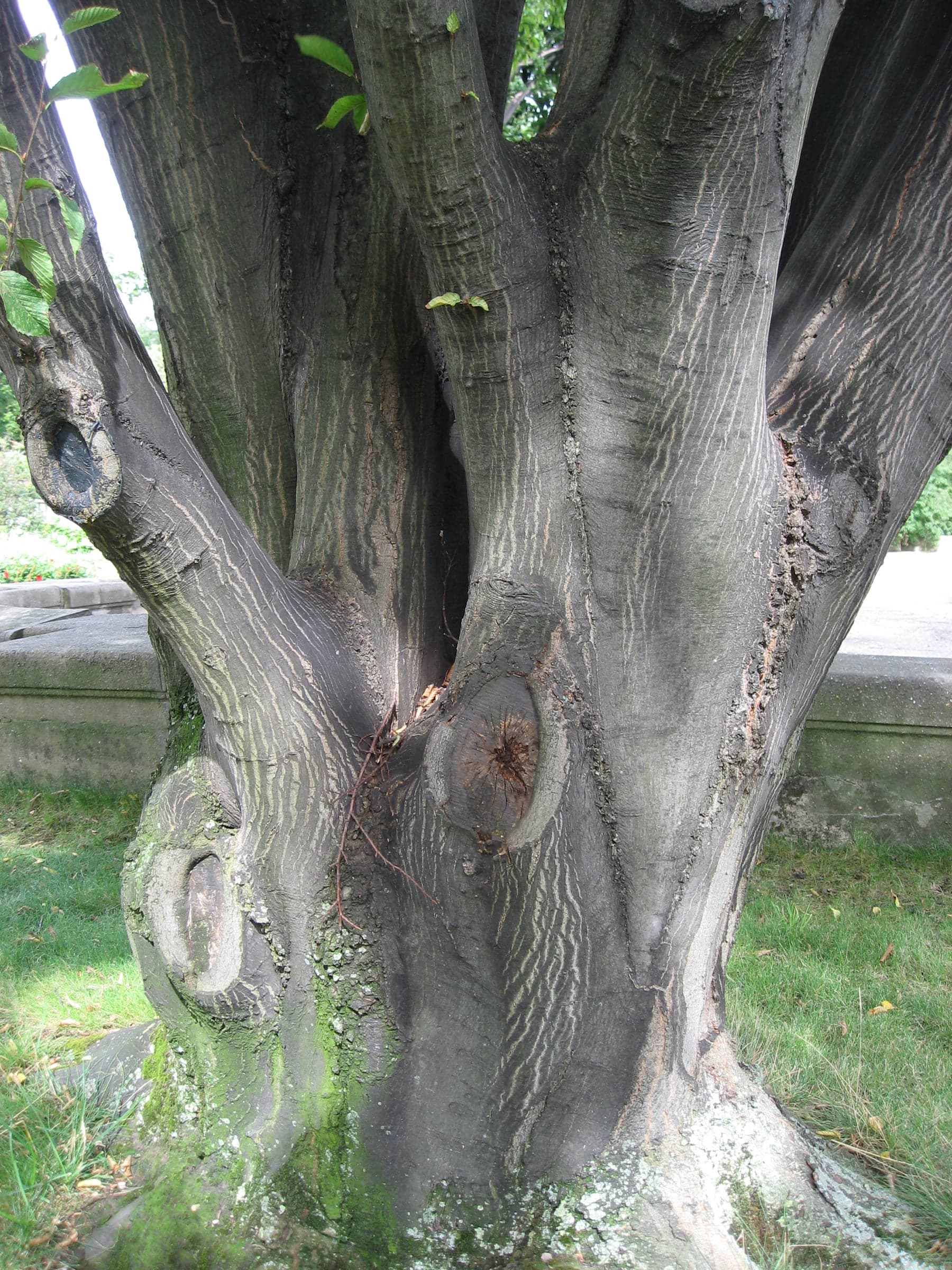
    Dr. Zeynel Cebeci, via Wikimedia Commons

    Hornbeam: List
    List
    Hornbeam: Kôra
    Kôra

    Hornbeam ties with beech for the highest volumetric shrinkage in this catalogue at 17.0 percent, and its tangential to radial differential of 11.0 against 5.5 percent is very wide.

    This is a wood that reacts strongly to humidity. A wide solid hornbeam top in a room with underfloor heating will not stay flat.

    That is entirely consistent with its traditional applications. Plane soles, mallet heads and gear teeth are small dense components where movement is restrained by geometry or simply does not matter at that scale. Nobody historically made wide hornbeam tabletops, and the reason was not fashion.

    If you are buying a hornbeam slab, buy it for a workbench top, a butchers block, or small components, and let it float rather than fixing it.

    At the bench#

    Hornbeam is hard work. The density blunts tooling quickly, the interlocked grain tears out, and hand tools make slow progress.

    The fine texture that gives such good wear resistance is exactly what resists cutting. Sharp carbide tooling, light cuts, and a scraper or high angle plane for the final surface are the practical approach.

    It turns very well and holds crisp detail, and it takes a burnished finish straight off the tool. It glues reliably. Pilot every fastening.

    The durability trap#

    Hornbeam is decay class 5, perishable, despite being one of the hardest woods here.

    This catches people out repeatedly, and it is the same trap ash sets. Hardness and decay resistance are unrelated: one is about cell wall structure, the other about extractive chemistry. Hornbeam has excellent structure and essentially no protective extractives.

    Untreated hornbeam outdoors will rot. For exterior work use robinia at decay class 1, oak at 2, or sweet chestnut at 2.

    Kitchen and workshop use#

    It is rated food safe and is the traditional European butchers block timber. The fine dense texture resists knife scarring and cleans well, which is the whole reason it was chosen for that job.

    In the workshop it makes excellent bench tops, vice jaws, mallet heads and plane soles. A hornbeam bench top takes decades of abuse.

    Where Hornbeam is the right answer#

    Butchers blocks, workbench tops, tool parts, mallets, plane soles, gear and machine components, and turned work where wear resistance matters.

    It is the wrong answer for wide decorative tops, for anything outdoors, and where your tooling or your patience is limited.

    Sourcing and EUDR#

    Not CITES listed and assessed as Least Concern. Common across central Europe and widely grown as hedging and coppice. Timber sized material is less common than the tree's abundance suggests because of the fluted trunk form, so wide clean slabs carry a premium relative to the species' status.

    Telling hornbeam from beech#

    These two get confused constantly. Both are pale, dense, fine textured European hardwoods sold for similar workshop uses, and a machined board of either looks much like the other.

    The reliable difference is in the rays. Beech has broad, conspicuous rays that show clearly on a quartersawn face as distinct flecks and on the end grain as obvious lines. Hornbeam has fine, inconspicuous rays and shows no comparable fleck.

    Weight is the second check. Hornbeam is denser at 735 kg per cubic metre against beech at 710, and noticeably harder at 7,260 N against 6,460 N. In the hand the difference is subtle; under a plane it is not.

    The third is the trunk. Hornbeam grows with pronounced longitudinal fluting, so the log is ridged rather than round. Beech logs are round and regular.

    What the fluting costs you#

    That fluted trunk form is the reason hornbeam is expensive relative to how common the tree is.

    Converting a fluted log to square edged boards throws away a great deal of material, and the deeper the fluting the worse the yield. Wide clean hornbeam boards are correspondingly scarce.

    For slab work, the fluting is sometimes an asset rather than a loss. A slab cut to follow the natural ridged outline keeps a wavy live edge that is characteristic of the species and impossible to fake.

    Is it suitable for a chopping block?

    +

    It is rated food safe and it is the traditional European butchers block timber, chosen for exactly that use because the fine dense texture resists knife scarring and cleans well. The movement caveat applies in a kitchen, so keep it oiled and away from standing water.

    Tangenciálne zosychanieZosychanie pozdĺž letokruhov. Takto pracujú tangenciálne rezané dosky a väčšina fošní.
    11.0–13.0 %
    Objemové zosychanieCelková zmena objemu od čerstvého po úplne vysušené drevo. Nižšia hodnota znamená vyššiu stabilitu.17.0–19.0 %
    Prirodzená trvanlivosť (EN 350)Európska norma prirodzenej odolnosti proti rozkladu od 1 (veľmi trvanlivé) po 5 (netrvanlivé).Class 5 — Perishable

    Zdroje

    • The Wood Database(prístup 2026-05-09)
    • USDA FPL Wood Handbook FPL-GTR-190 (2010)(prístup 2026-05-09)
    • Meier, E. — WOOD! Identifying and Using Hundreds of Woods Worldwide (2015)(prístup 2026-05-09)

    Stručný prehľad

    Úrovne používajú rovnaké pevné pásma pri všetkých drevinách v ponuke KORENA, takže sa dajú priamo porovnať. Nameraná hodnota je uvedená pod každou úrovňou.
    TvrdosťOdolnosť proti preliačeniu a opotrebovaniuVeľmi tvrdé

    Tvrdosť podľa Janku 7 260 N

    O 46 % tvrdšie než európsky dub

    HmotnosťAká ťažká je fošňa pri dvíhaníVeľmi ťažké

    735 kg/m³

    StabilitaAko málo sezónne pracujeVeľmi pracuje

    Objemové zosychanie 18,0 %

    OpracovaniePílenie, hobľovanie, brúsenie a lepenieStredné

    Priemerné dielenské hodnotenie 3,6 / 5

    Použitie v exteriériPrirodzená odolnosť proti rozkladu podľa EN 350Iba interiér

    Trieda 5 podľa EN 350

    • Pílenie · DobráAko čisto sa reže a ako veľmi opotrebúva pílové listy.1 = náročné · 5 = výborné
    • Hobľovanie · DobráAký hladký povrch zostáva po hobľovaní a ako veľmi sa vytrhávajú vlákna.1 = náročné · 5 = výborné
    • Brúsenie · DobráAko rýchlo sa vybrúsi dohladka bez upchávania brúsneho papiera.1 = náročné · 5 = výborné
    • Sústruženie · VýbornáAko sa reže a dokončuje na sústruhu.1 = náročné · 5 = výborné
    • Rezbárske opracovanie · DobráAko ostro zachováva detaily pri práci dlátom.1 = náročné · 5 = výborné
    • Lepenie · Veľmi dobráAko spoľahlivo držia lepené spoje.1 = náročné · 5 = výborné
    • Držanie skrutiek / klincov · Veľmi dobráAko dobre drží skrutky a klince bez praskania.1 = náročné · 5 = výborné
    • Ohýbanie parou · Veľmi dobráAko dobre sa ohýba po naparení.1 = náročné · 5 = výborné

    Aktuálne ceny dreva Hornbeam v Európe za kubický meter bez DPH. Ťuknutím na cenu zobrazíte podrobnosti.

    • Najlepšia guľatina na aukciiVybraná guľatina vysokej kvality predávaná na aukciách, najmä výrobcom dýh a nábytku. Z takejto guľatiny sa režú fošne.Väčšina cien je medzi 92 € a 108 €.Vychádza z 55 cien z 2 regiónov.Najnovšie údaje 24. 9. 2026
    • Bežná guľatinaVeľké objemy štandardnej guľatiny od vlastníkov lesov a štátnych lesov, najmä pre stavebníctvo a priemysel.Väčšina cien je medzi 30 € a 114 €.Vychádza z 1 255 cien z 7 regiónov.Najnovšie údaje 24. 9. 2026

    Najlepšia guľatina na aukcii podľa krajiny

    • Nemecko · 108 € / m³Regióny: Bavaria25 cienNajnovšie údaje 24. 9. 2026
    • Rakúsko · 92 € / m³Regióny: Austria30 cienNajnovšie údaje 24. 9. 2026

    Bežná guľatina podľa krajiny

    • Rumunsko · 82 € / m³Regióny: Banat / Crișana, Moldavia (Romania), Transylvania a Wallachia1 225 cienNajnovšie údaje 24. 9. 2026
    • Francúzsko · 64 € / m³Regióny: Grand Est / Alsace6 cienNajnovšie údaje 15. 9. 2026
    • Bulharsko · 50 € / m³Regióny: North-West Bulgaria a South-East Bulgaria24 cienNajnovšie údaje 21. 9. 2026

    Prečo stojí fošňa viac?

    Toto sú ceny surového dreva. Fošňa je najlepší rez z guľatiny, suší sa rok alebo dlhšie a potom sa každý kus samostatne kontroluje a meria. Na fošňu sa premení iba malá časť každej guľatiny.

    Zdroj: KORENA Timber Index · Najnovšie údaje 24. 9. 2026

    Zobraziť všetky regionálne ceny
    Nie je vhodné do exteriéru bez ošetrenia
    Prirodzená trvanlivosť je trieda 5 z 5 podľa EN 350. Používajte ho v interiéri alebo pod pravidelne udržiavanou povrchovou úpravou.
  • Pracuje viac než väčšina drevínŠiroké dosky potrebujú príchytky alebo drážkované spoje a priestor na pohyb. Použite kalkulačku pohybu nižšie.
  • Prach dráždiPri brúsení alebo obrábaní používajte odsávanie a noste masku.
  • Tupí ostriaJe veľmi tvrdé a husté. Nástroje udržiavajte ostré a pre každú skrutku predvŕtajte otvor.
  • Ťuknutím na štítok zobrazíte podrobnosti.