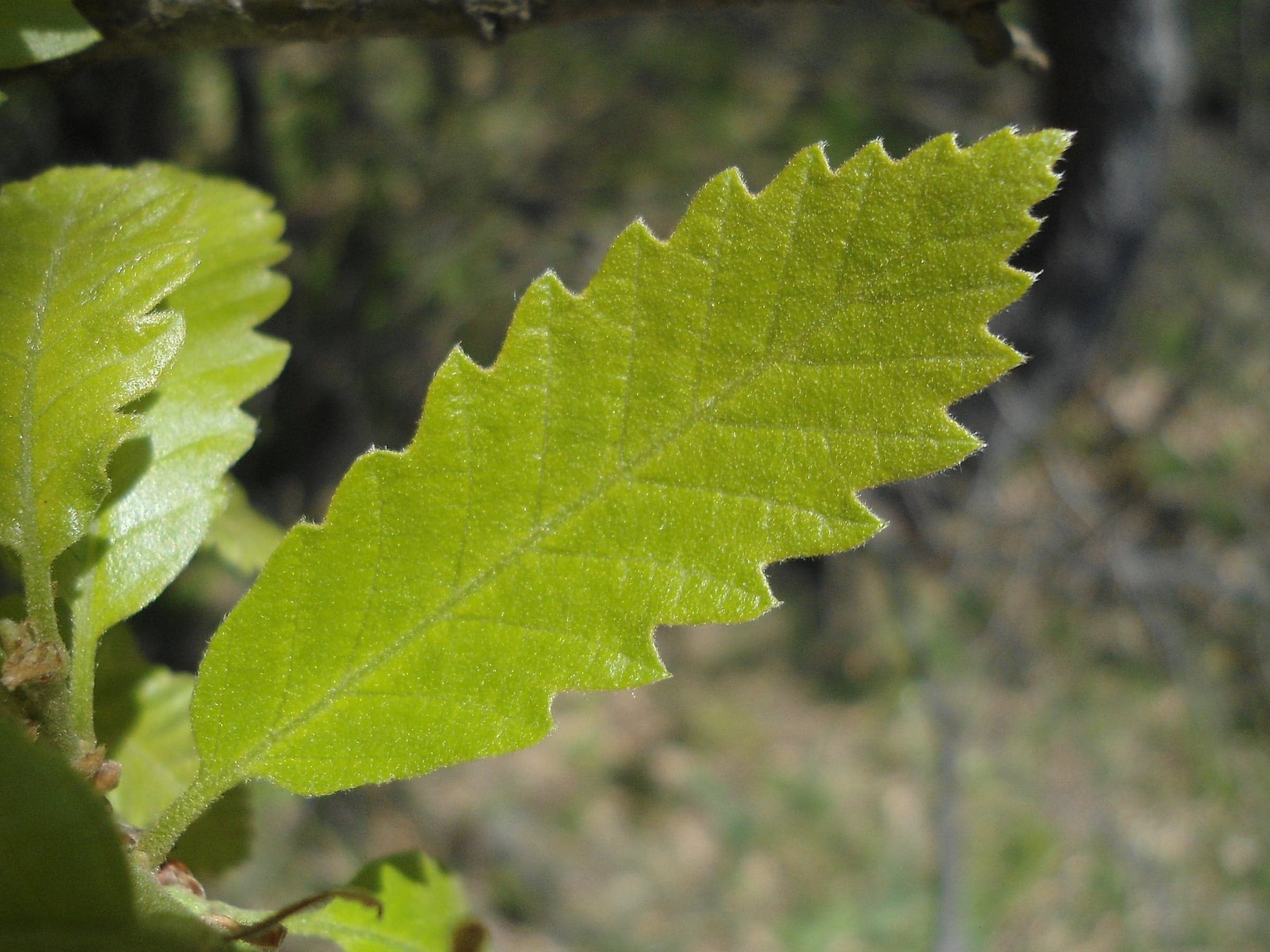
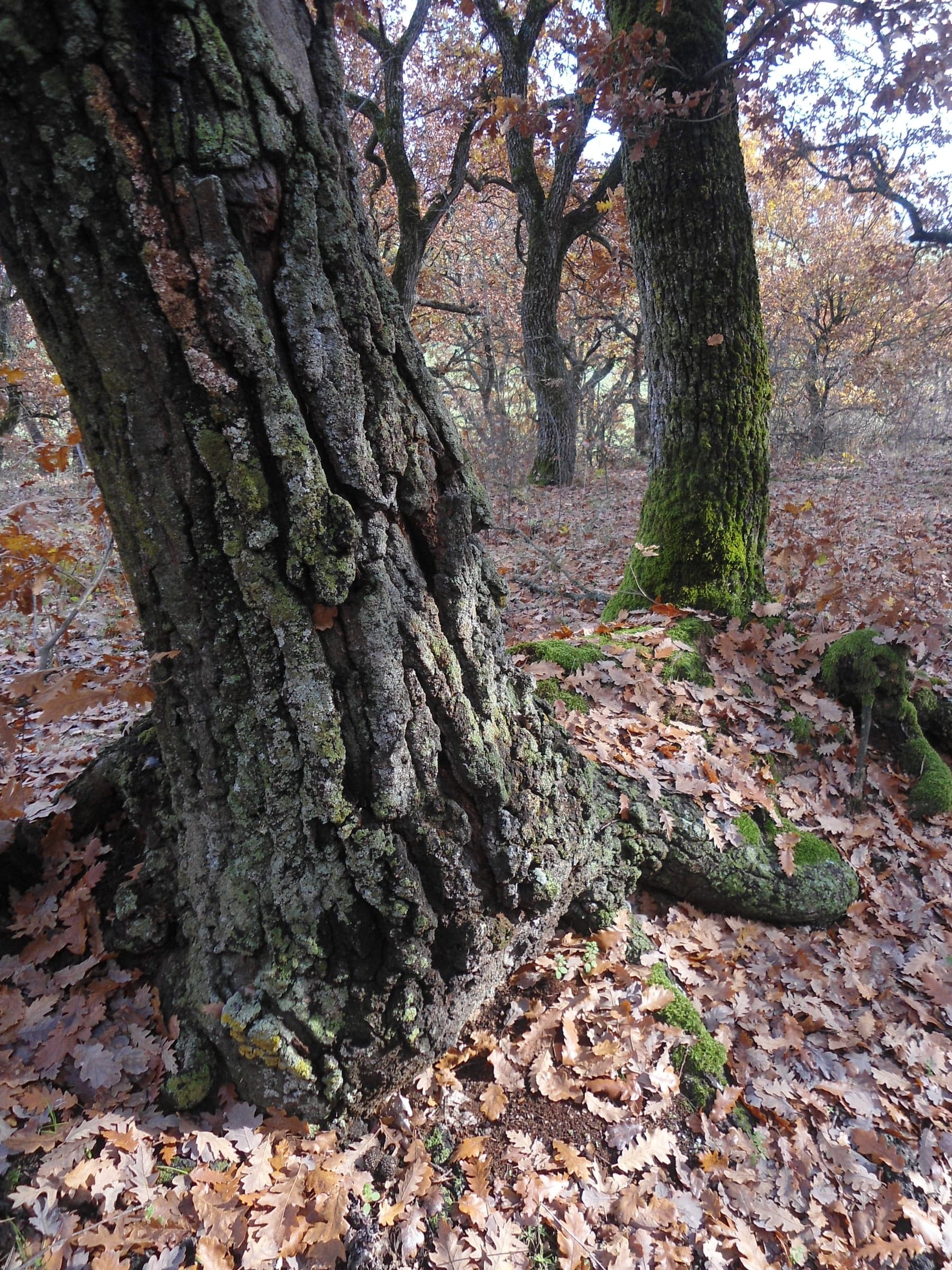
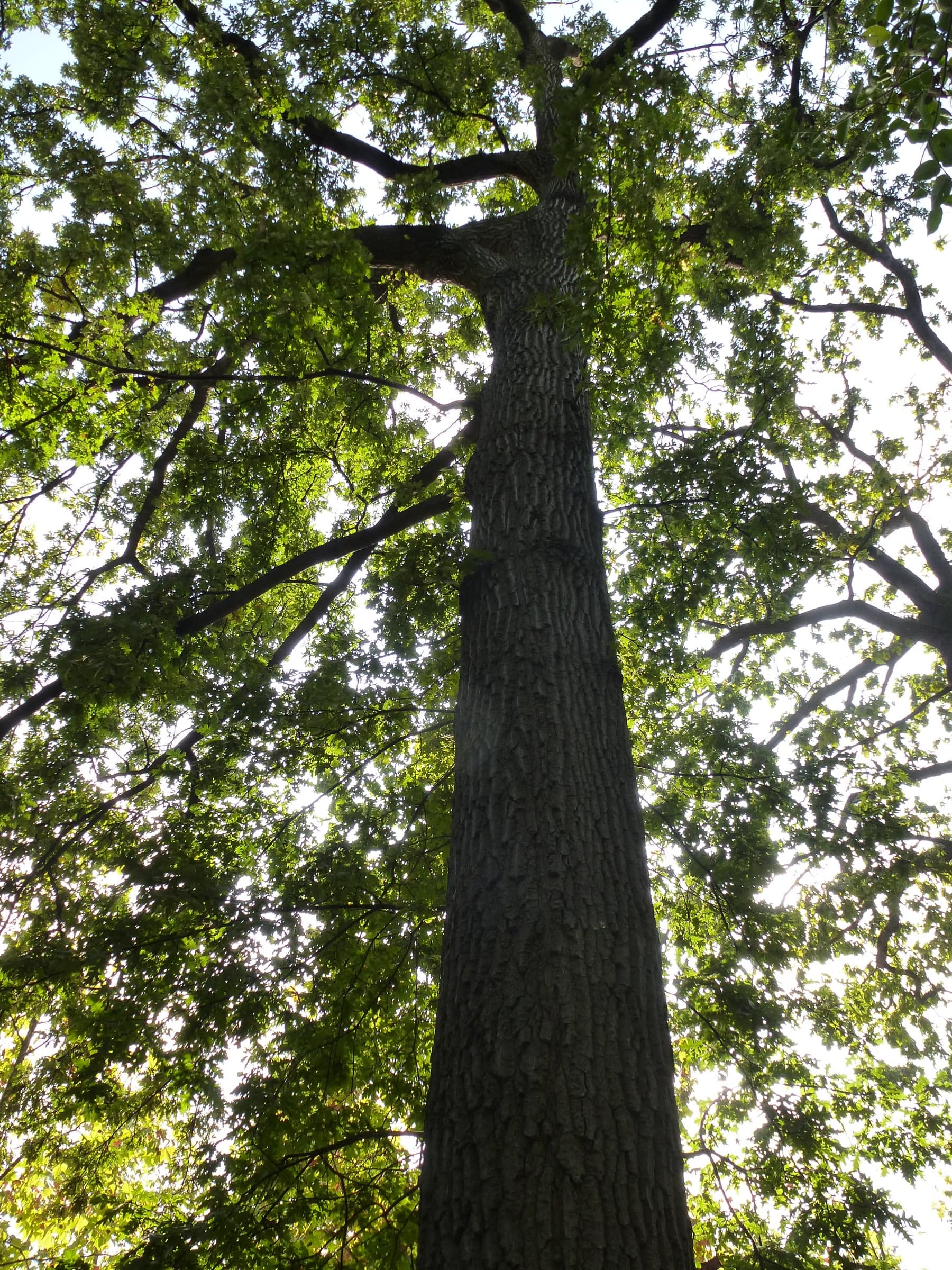
Quercus cerris
Turkey Oak
Harder than European oak and considerably cheaper, for one reason: it is difficult to dry. Buy it already stable and it is a bargain.
- Pestované a vyťažené v Európe.
- Botanická skupina. Ihličnaté dreviny sú ihličnany, listnaté dreviny sú širokolisté stromy.
- Botanická čeľaď, do ktorej drevina patrí.
Upozorniť ma, keď pribudneReferenčná drevina. Momentálne nie je skladom žiadny kus.
Hodí sa na váš projekt?
Výborné na
- Rustic tabletops
- Flooring
- Interior joinery
- Cladding under cover
- Decorative slabs
Drevina Turkey Oak nie je v aktuálnej ponuke
Podobné dreviny skladom
Drevina Turkey Oak momentálne nie je dostupná. Tieto dreviny sa hodia na rovnaké projekty a sú z nich dostupné kusy.
Upozorniť na drevinu Turkey Oak
Keď na KORENA pribudnú nové fošne z dreviny Turkey Oak, pošleme vám e-mail. Každý kus je jedinečný, preto sa oplatí vedieť o ňom včas.
Vzhľad dreva
Ako vyzerá
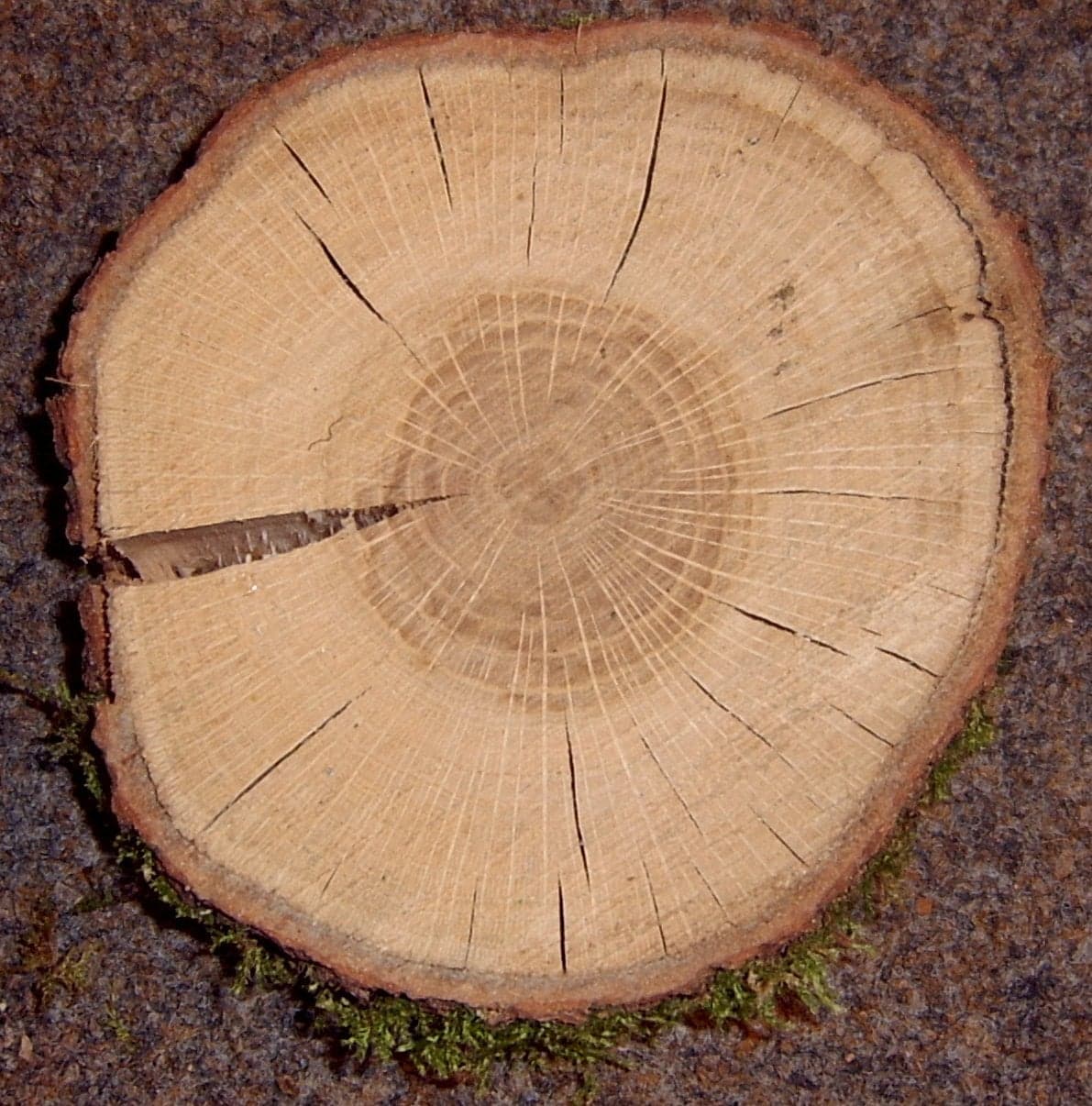
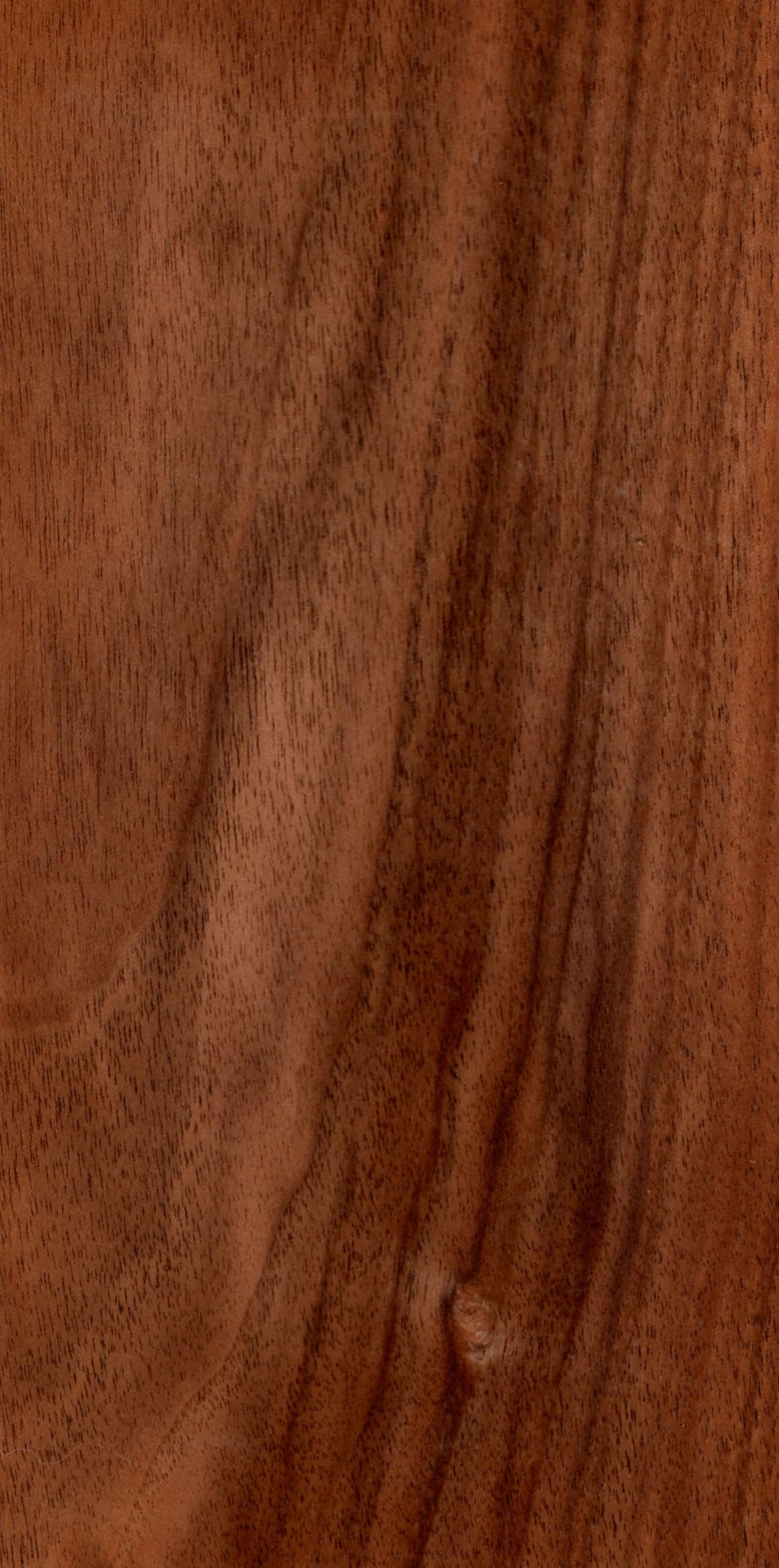
Denser and harder than either European oak, with a coarser and more open texture. Colour is a light to mid brown, generally plainer and less olive than Quercus robur, with wide rays that produce a bold but less silvery fleck on quartersawn faces. Its reputation in the trade is poor, earned by a strong tendency to check and distort in drying rather than by any weakness in the finished wood.
- Light to mid brown, plainer than European oak
- Coarse open texture with very wide rays
- Bold but less silvery ray fleck on quartersawn faces
- Straight grain, coarse open texture with very wide rays. Light to mid brown, plainer than European oak, with a bold but less silvery quartersawn fleck.
Opracovanie
Opracovanie
Works similarly to the American oaks according to the source cited here. It is harder and denser than Quercus robur, so it blunts cutters faster and demands more power in the cut, but it machines cleanly once dry and stable. The very wide rays can lift on a quartersawn face if the cut is heavy. Grain filler is needed for a smooth finish given the coarse open pores.
Povrchová úprava
Takes stain and finish much as other oaks do, and the plainer colour actually accepts stain more evenly than the olive cast of European oak. The coarse open pores need filling for a smooth surface. The same tannin and iron reaction applies as in every oak, so brass or stainless fittings only and no steel wool.
Sušenie
This is the species specific problem and the reason Turkey Oak is cheap. It is markedly prone to checking, honeycombing and severe distortion during drying, considerably worse than Quercus robur or petraea, and volumetric shrinkage at 16 percent is the highest of any hardwood KORENA lists. Tangential shrinkage of 10 percent against 6 percent radial compounds it. Slowly air dried stock that has already stabilised is the only version of this timber worth buying.
Ako veľmi bude pracovať?
Drevo sa so zmenou vlhkosti vzduchu naprieč šírkou rozťahuje a zosycha. Pred návrhom spojov odhadnite sezónny pohyb dosky z dreviny Turkey Oak.
Očakávaný sezónny pohyb
približne 11,4 mm
Dosku upevnite príchytkami alebo drážkovanými konzolami, nie lepidlom či pevne utiahnutými skrutkami.
Model lineárneho zosychania: šírka × (zosychanie ÷ 28 % nasýtenie vlákien) × sezónna zmena vlhkosti. Pre drevinu Turkey Oak používa 10 % tangenciálne zosychanie. Ide o plánovací odhad, nie záruku.
Koľko stojí
Bezpečnosť a pôvod
- Pestované a vyťažené v Európe.
Oak is a documented sensitiser, with reactions typically including eye and skin irritation and asthma-like symptoms. Repeated exposure to oak dust carries elevated nasal cancer risk, so extraction is not optional in a production setting.
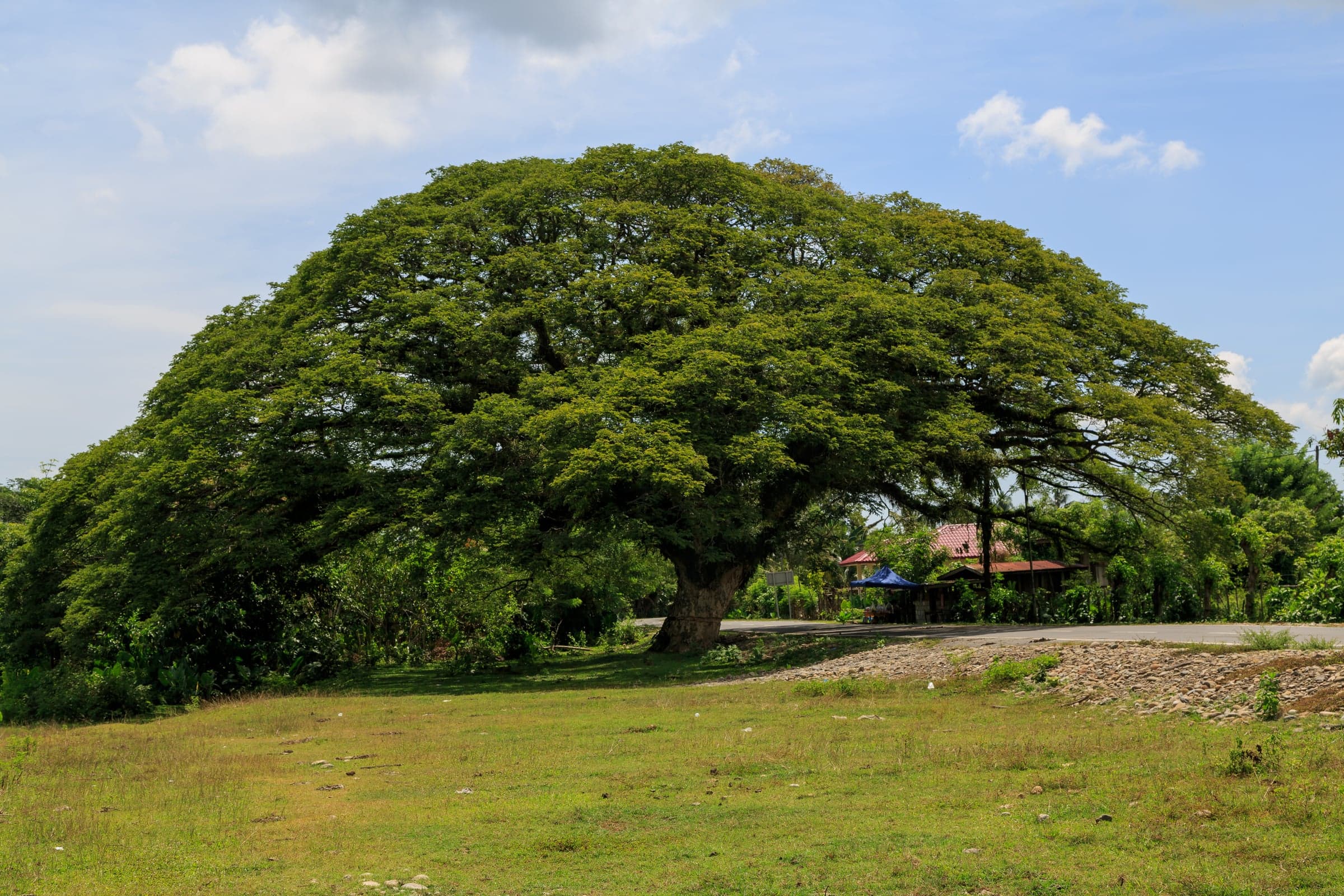
Quercus cerris is the oak of southeastern Europe and Asia Minor, dominant through the Balkans, Hungary, Italy and Turkey. It grows fast on poor dry soils where the northern oaks struggle, and it has been planted widely outside its range. Balkan sourced material is common and inexpensive in the EU market.
Prečítať celý sprievodcaPodrobné poznámky o kresbe, zmene farby, opracovaní a stabilite.
What Turkey Oak actually is#
Quercus cerris is the oak of southeastern Europe and Asia Minor. It dominates through the Balkans, Hungary, Italy and Turkey, growing fast on poor dry soils where the northern oaks struggle, and it has been planted well outside that range.
It has a poor reputation in the trade, and that reputation is worth understanding precisely, because it is only half deserved. The finished wood is not inferior. At 720 kg per cubic metre it is denser than European oak, and its modulus of rupture of 114.3 MPa is well above the 97.1 MPa of sessile oak. The problem is entirely in getting it from log to stable board.
The drying problem, which is the whole story#
Turkey Oak checks, honeycombs and distorts during drying far more readily than Quercus robur or petraea.
The numbers explain why. Volumetric shrinkage is 16 percent, the highest of any hardwood in this catalogue. Tangential shrinkage of 10 percent against 6 percent radial gives a ratio that guarantees flatsawn boards will cup hard. Combine high total movement with a wide differential and a fast schedule, and the wood tears itself apart.
A significant proportion of what is cut degrades before it becomes usable timber, and the price of the survivors carries that loss. That is why Turkey Oak is cheap.
The practical consequence for a buyer is simple and important: the risk lives in the drying, not in the service life. A slab that has already been slowly dried and has stabilised is a hard, dense, durable board at a fraction of European oak money. A slab that was rushed is firewood that has not finished failing yet.
Otázky kupujúcich
Otázky kupujúcich
Why is Turkey Oak so much cheaper than European Oak?
Not because the finished wood is weaker. It is denser and harder than Quercus robur. The discount reflects how badly it behaves in drying: it checks, honeycombs and distorts far more readily, and volumetric shrinkage at 16 percent is the highest of any hardwood in this catalogue. A large proportion of what is cut degrades before it is usable, and the price carries that loss.
Is the Janka figure reliable?
It is published as an estimate derived from specific gravity rather than a measured test, and KORENA records it that way in the source note on the species record. Treat 5,340 N as indicative. It places Turkey Oak above European oak at 4,980 N, which matches its higher density of 720 kg per cubic metre, but it is not a laboratory measurement.
Can I use it for a tabletop?
Yes, provided the slab is already properly dried and stable. Buy air dried stock that has had time to settle rather than freshly kilned material, check the measured moisture value on the listing, and let it acclimatise in the room before flattening. Once through drying it is a hard, durable surface. The risk is entirely in the drying, not the service life.
How does the figure compare with European Oak?
Mechanické vlastnosti
Technické údaje
Zverejnené referenčné hodnoty. Ak sa zdroje nezhodujú, uvádza sa rozsah a v stupniciach vyššie sa používa typická hodnota.
| Hustota (kg/m³)Hmotnosť kubického metra pri vlhkosti približne 12 %. Ťažšie drevo býva tvrdšie a pevnejšie. | 720 kg/m³ |
|---|---|
| Tvrdosť podľa Janku (N)Sila potrebná na zatlačenie oceľovej guľôčky do polovice jej priemeru do dreva. Štandardná miera odolnosti proti preliačeniu. | 5,340 N |
| MOR: modul pevnosti v ohybe (MPa)Pevnosť v ohybe: zaťaženie, pri ktorom sa nosník zlomí. | 114 MPa |
| MOE: modul pružnosti (GPa)Tuhosť v ohybe: ako veľmi sa polica alebo doska prehne pod zaťažením. | 10.8 GPa |
| Radiálne zosychanieZosychanie naprieč letokruhmi od čerstvého po úplne vysušené drevo. Takto pracujú radiálne rezané dosky. | 6.0 % |
| Tangenciálne zosychanieZosychanie pozdĺž letokruhov. Takto pracujú tangenciálne rezané dosky a väčšina fošní. |