KORENA
LesFinished piecesMaterialSkladiščaDnevnik

Prejemajte obvestila

Vsaka deska je edinstvena. Ko je prodana, je ni več. Ko objavimo nove kose, vam pošljemo e-poštno sporočilo: novi prihodi, nove vrste lesa in deske, ki ustrezajo opisu projekta.

Nekaj e-poštnih sporočil na mesec. Brez neželene pošte, odjavite se lahko kadar koli.

KORENA, vrhunski trdi les

Kos za kosom.

Preverjen vrhunski trdi les, naprodaj kos za kosom. Vsaka deska je fotografirana, izmerjena in iz partnerskega skladišča odpremljena s potnim listom lesa.

Trgovina

  • Oglejte si izdelke
  • Arhiv prodanih desk
  • Sledi naročilu

Vsebine

  • Revija
  • Vodniki po vrstah lesa
  • Slovar
  • Primerjava
  • Avtorji

Pomoč

  • O nas
  • Kako deluje
  • Postanite partnersko skladišče
  • Poiščite desko
  • Podpora
  • Predloge dokumentov
  • Za medije

Nakup

  • Prodajni pogoji
  • Pravica do odstopa
  • Vračila in garancija
  • Odprema in dostava

Zaupanje

  • Pravilnik o zasebnosti
  • Pravilnik o piškotkih
  • Poreklo lesa in EUDR
  • Dostopnost

Kolofon

  • Pravno obvestilo / Kolofon
  • Sprejemljiva uporaba
  • Intelektualna lastnina in vsebina

© 2026 KORENA. Vse pravice pridržane.

Upravlja Martial Labs Ltd. (BG, EIK 207453941). KORENA je trgovsko ime družbe Martial Labs Ltd.

Spoštujemo vašo zasebnost

Nujne piškotke uporabljamo za delovanje spletnega mesta. Z vašim dovoljenjem bi uporabljali tudi piškotke za analitiko, prilagojeno vsebino in oglase. Svojo odločitev lahko kadar koli spremenite na strani nastavitve soglasja. Oglejte si naš pravilnik o piškotkih in pravilnik o zasebnosti.

  1. Domov
  2. /
  3. Vrste
  4. /
  5. Black Pine

Pinus nigra

Black Pine

A pale timber from a dark tree. Works like Scots Pine, stays lighter with age, and moves less than any pine here.

  • Gojeno in posekano v Evropi.
  • Botanična skupina. Iglavci so golosemenke, listavci pa širokolistna drevesa.
  • Botanična družina, ki ji vrsta pripada.
Obvestite me ob prihoduReferenčna vrsta. Trenutno ni kosov na zalogi.
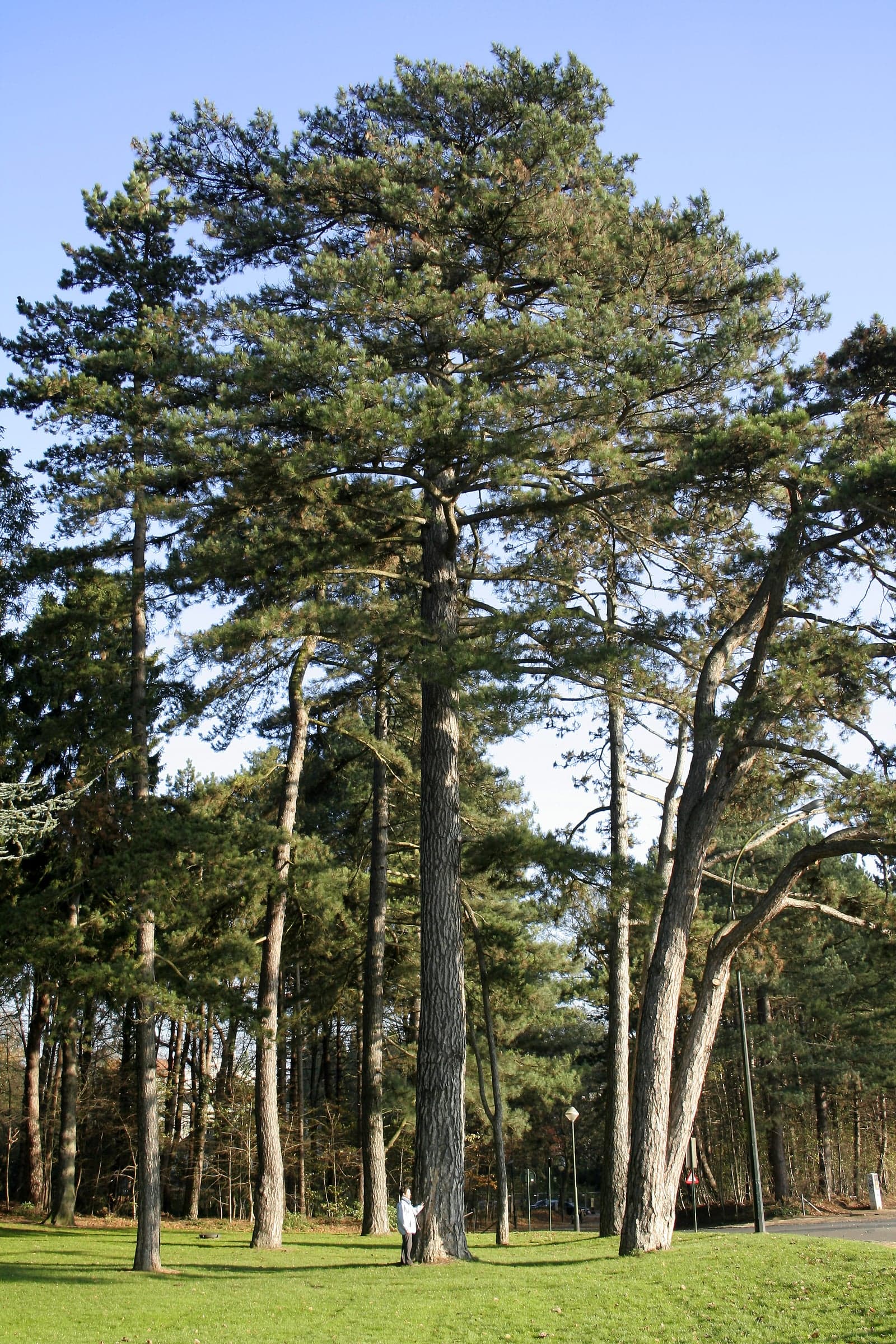
Drevo Black Pine
  • Primernost za projekt
  • Na zalogi
  • Videz
  • Obdelava
  • Delovanje lesa
  • Cena
  • Varnost in nabava
  • Vprašanja
  • Tehnični podatki

Je primeren za vaš projekt?

Odličen za

  • Painted furniture
  • Panelling
  • Carcass work
  • Shelving
  • Interior joinery

V trenutni ponudbi ni lesa Black Pine

Podobne vrste na zalogi

Lesa Black Pine trenutno ni. Te vrste so primerne za enake projekte in imajo razpoložljive kose.
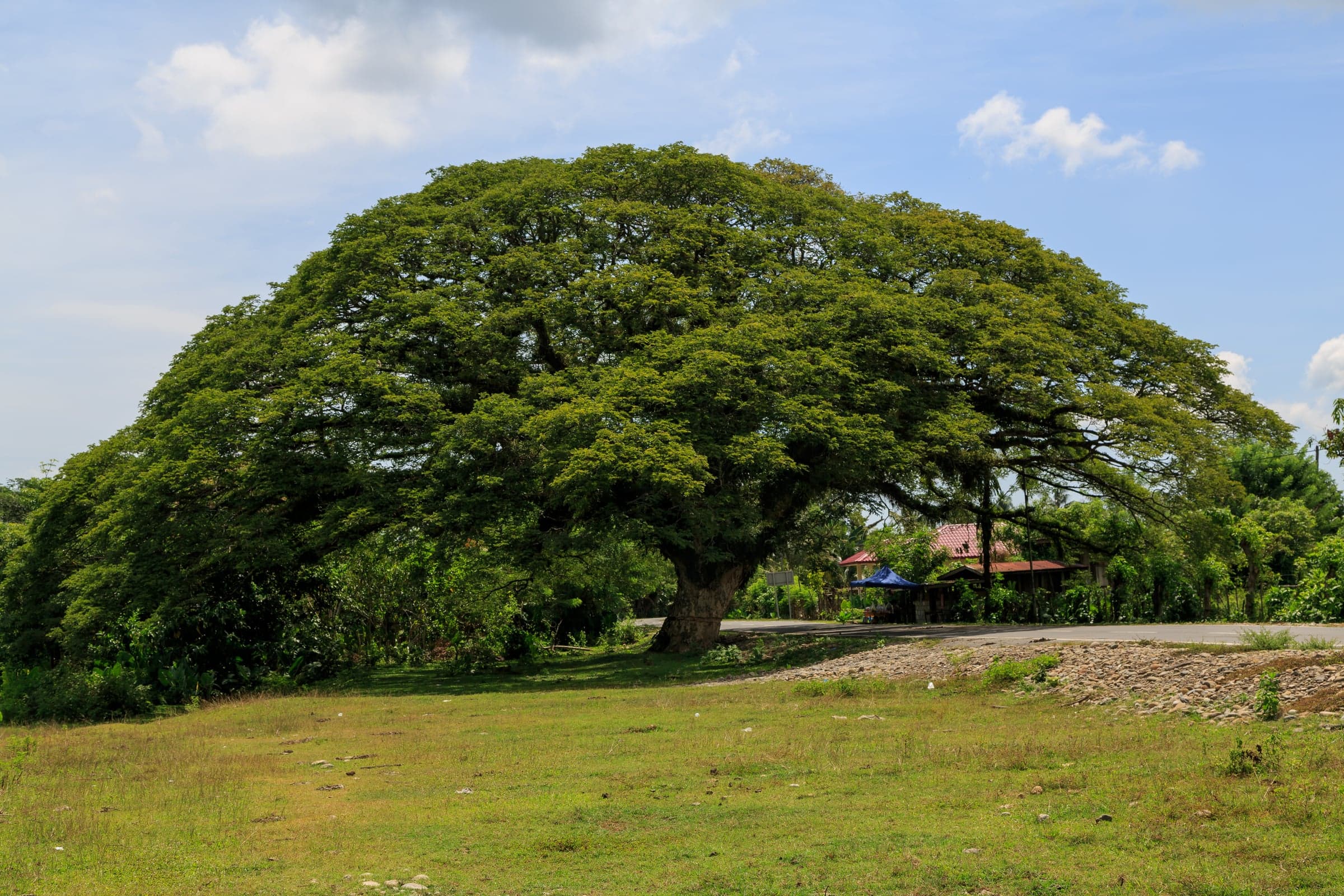
  • Tekstura lesa Saman

    Saman

    Samanea saman

    4 kosi

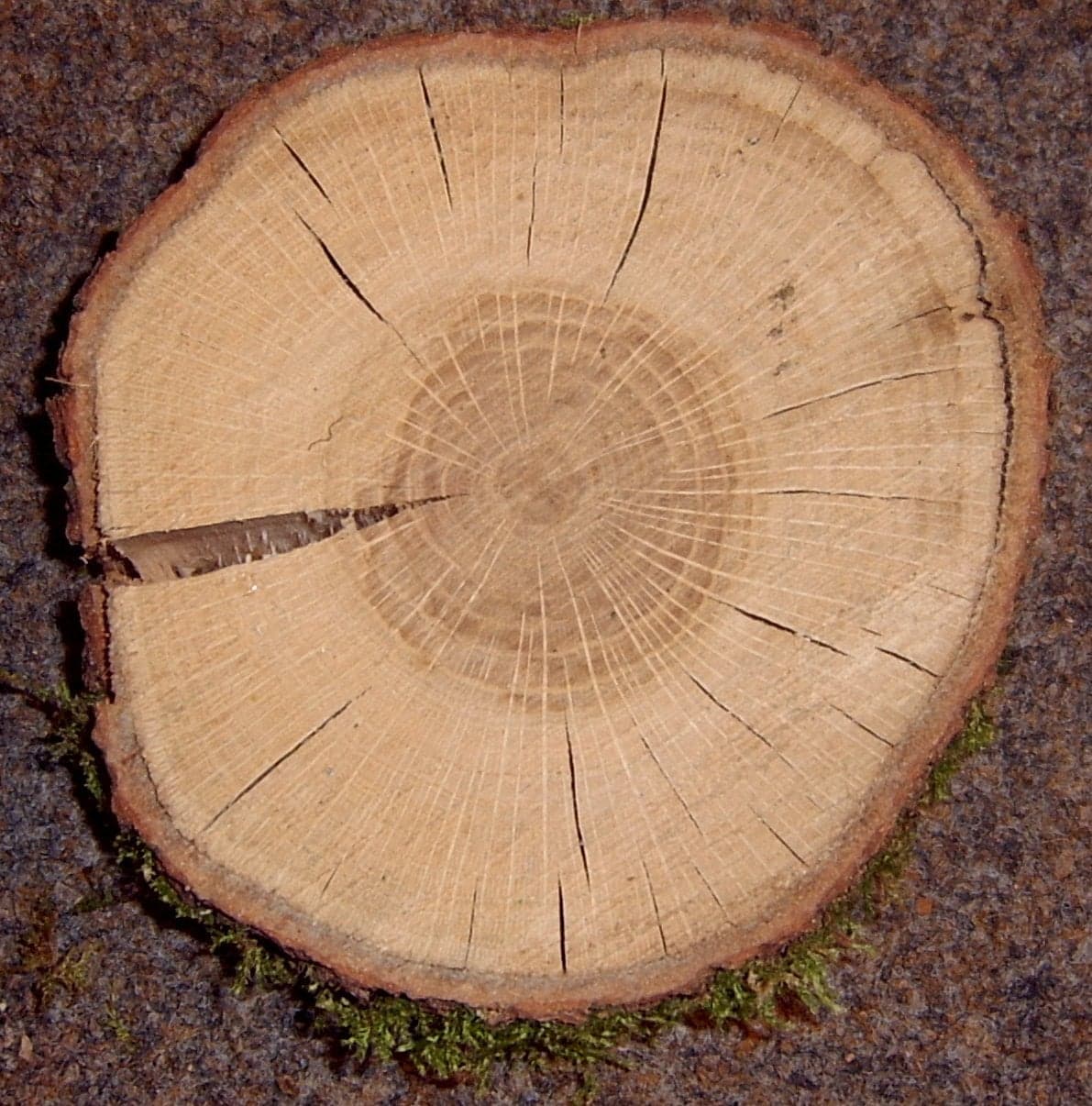
  • Tekstura lesa European Oak

    European Oak

    Quercus robur

    6 kosov

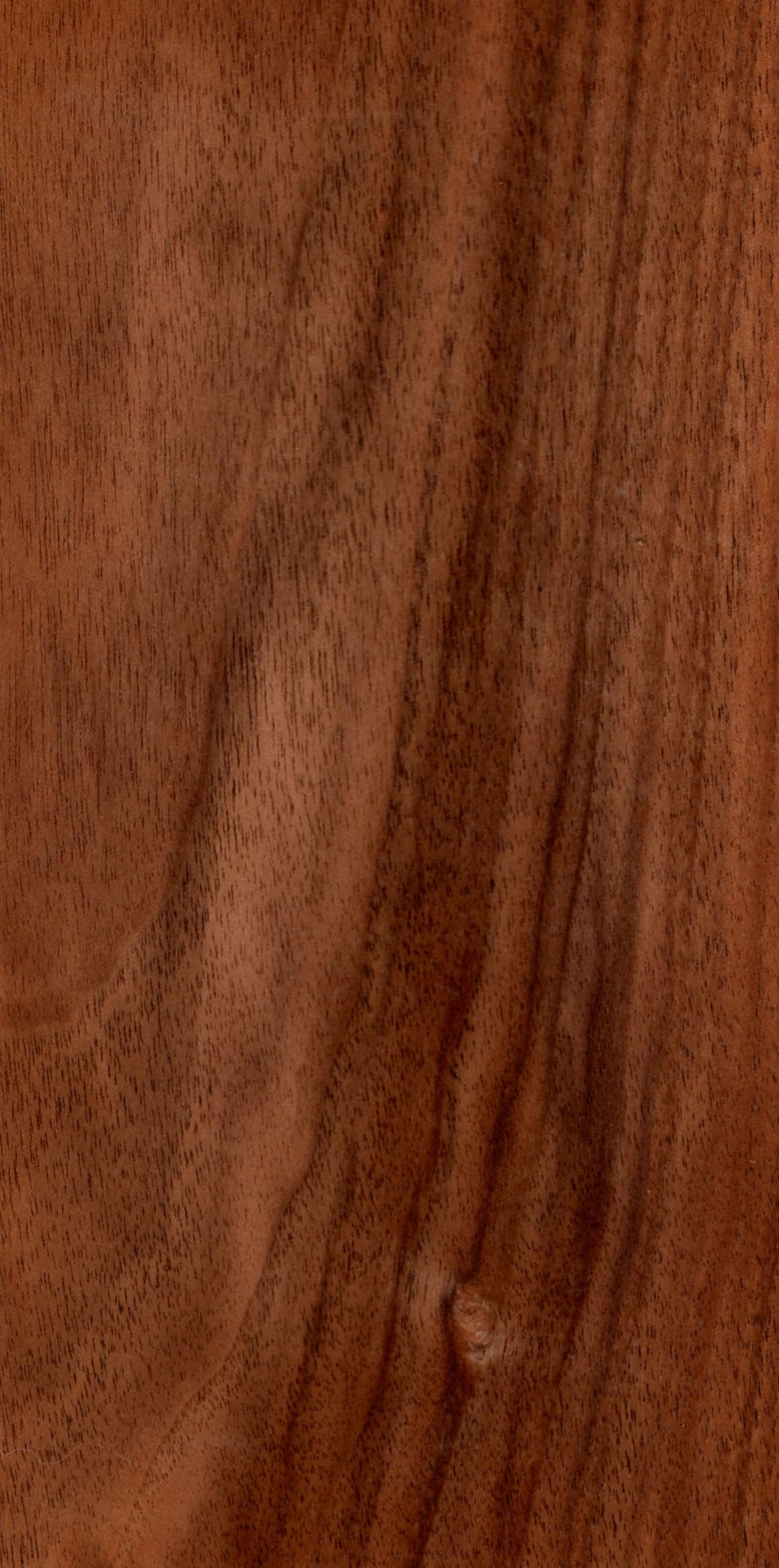
  • Tekstura lesa European Walnut

    European Walnut

    Juglans regia

    9 kosov

Prejemajte obvestila o lesu Black Pine

Pošljemo vam e-pošto, ko v KORENA prispejo novi plohi iz lesa Black Pine. Vsak kos je edinstven, zato je zgodnje obvestilo pomembno.

Nekaj e-poštnih sporočil na mesec. Brez neželene pošte, odjavite se lahko kadar koli.

Videz lesa

Kako je videti

Pale yellow to light brown heartwood against wide pale sapwood, closely resembling Scots Pine but generally a shade paler and with tighter, more regular growth rings. Knots tend to be smaller and more evenly distributed than in Scots Pine, which gives a calmer overall surface. The name refers to the dark bark and foliage of the tree, not to the timber, which regularly surprises buyers.

  • Pale yellow to light brown, slightly paler than Scots Pine
  • Wide pale sapwood with modest heartwood contrast
  • Ambers with age, though less dramatically than Scots Pine
  • Straight, regular grain with tighter and more even rings than Scots Pine. Pale yellow to light brown, with smaller and more evenly distributed knots.

Obdelava

Obdelava

Easy with both hand and machine tools, and it glues and finishes well. It behaves almost identically to Scots Pine at the bench, which makes it an easy substitution. Resin is present and blades will need periodic cleaning. Its slightly lower density than Scots Pine means edges bruise a little more readily, so sharp tools and light finishing cuts matter.

Končna obdelava

Takes finish well and takes wax as well as Scots Pine does. The same blotching caution applies to pigment stains, so use a conditioner or a dye. Seal knots with shellac before painting to stop resin bleeding through the film. Because it ambers less than Scots Pine, it holds a pale finished colour more faithfully over time, which is useful when a design depends on staying light.

Sušenje

Dries without much difficulty and with a low tendency to distort. Volumetric shrinkage is around 11.4 percent, the second lowest in this group after Douglas Fir, and the tangential to radial ratio at 7.3 against 4.1 percent is comparatively favourable. Properly dried Black Pine is more dimensionally stable in service than Scots Pine, which is its quiet advantage.

Koliko bo deloval?

Les se prečno širi in krči, ko zrak postaja bolj vlažen ali suh. Pred načrtovanjem pritrdil ocenite sezonsko delovanje mizne plošče iz lesa Black Pine.

Rez
Kje bo izdelek

Pričakovano sezonsko delovanje

približno 8,3 mm

Mizno ploščo pritrdite s sponami ali nosilci z utori, ne z lepilom ali trdno privitimi vijaki.

Model linearnega krčenja: širina × (krčenje ÷ 28 % nasičenosti vlaken) × sezonska sprememba vlažnosti. Za les Black Pine uporablja 7,3 % tangencialnega krčenja. To je ocena za načrtovanje, ne jamstvo.

Koliko stane

Varnost in nabava

  • Gojeno in posekano v Evropi.
  • Status na Rdečem seznamu IUCN: svetovna ocena ogroženosti te vrste.
  • Working with pine has been reported to cause allergic skin reactions and asthma-like symptoms in some people. Normal extraction, a P2 mask during extended sanding, and gloves when handling resinous stock are appropriate.

Preberite celoten vodnikPodrobni zapiski o teksturi, spreminjanju barve, obdelavi in stabilnosti.+

What Black Pine actually is#

Pinus nigra is named for the tree, not the wood. The bark is dark and the foliage almost black-green, and buyers ordering by name regularly expect something like walnut and receive a pale yellow board. The timber is light, close in appearance to Scots Pine, and frequently a shade paler still.

The species grows across southern Europe and Asia Minor in several regional subspecies, from Spain and Corsica through the Alps and Balkans into Turkey, and it has been planted far outside that range as a tough reforestation species tolerant of poor soil and drought. Slab stock reaching the EU market is usually Balkan or Austrian grown.

Why it is worth choosing over Scots Pine#

These two are genuinely close substitutes, so the case for Black Pine rests on two measurable differences.

The first is stability. Volumetric shrinkage is around 11.4 percent against 13.6 percent for Scots Pine, and the tangential to radial ratio at 7.3 against 4.1 percent is more favourable. In practice that means a flatsawn Black Pine panel cups less across a humidity swing than the equivalent Scots Pine or spruce board. For a wide panel or a door, that is the difference that matters.

The second is colour stability. Scots Pine ambers dramatically, which is its charm in a farmhouse table and a problem in a design that needs to stay pale. Black Pine ambers noticeably less. If a piece is specified light and must still read light in a decade, this is the better pine.

Vprašanja kupcev

Vprašanja kupcev

Why is it called Black Pine when the wood is pale?

+

The name describes the tree, not the timber. Pinus nigra has notably dark bark and very dark green foliage, which is what earned it the name. The wood itself is pale yellow to light brown and is often slightly lighter than Scots Pine, which regularly catches out buyers ordering by name alone.

How does it compare with Scots Pine?

+

Very closely at the bench, and the two are reasonable substitutes. Black Pine is a little harder at 2,920 N against 2,420 N Janka, slightly lower in density at 475 kg per cubic metre, and noticeably more dimensionally stable with volumetric shrinkage of 11.4 percent against 13.6 percent. It also ambers less with age, so it holds a pale finish better.

Is it stable enough for a wide panel?

+

It is one of the better softwood choices here for that. Its volumetric shrinkage of 11.4 percent is second only to Douglas Fir in this group, and the tangential to radial ratio is comparatively favourable, so flatsawn boards cup less than the equivalent in spruce or Scots Pine. A wide top should still float on slotted fasteners.

Can it be used outdoors?

+

Mehanske lastnosti

Tehnični podatki

Objavljene referenčne vrednosti. Kjer se viri ne ujemajo, je prikazan razpon, za zgornje lestvice pa je uporabljena običajna vrednost.

Gostota (kg/m³)Masa na kubični meter pri približno 12 % vlažnosti. Težji les je navadno trši in močnejši.475 kg/m³
Trdota po Janki (N)Sila, potrebna, da se jeklena kroglica do polovice vtisne v les. Standardno merilo odpornosti proti udrtinam.2,920 N
MOR: upogibna trdnost (MPa)Upogibna trdnost: obremenitev, pri kateri se nosilec zlomi.64 MPa
MOE: modul elastičnosti (GPa)Upogibna togost: koliko se polica ali mizna plošča povesi pod obremenitvijo.10.8 GPa
Radialno krčenjeKrčenje prečno na letnice od svežega do popolnoma suhega lesa. Tako delujejo radialno rezane deske.4.1 %
Tangencialno krčenjeKrčenje vzdolž letnic. Tako delujejo tangencialno rezane deske in večina plohov.7.3 %

Jean-Pol GRANDMONT, via Wikimedia Commons

Pinus nigra grows across southern Europe and Asia Minor in several regional subspecies, from Spain and Corsica through the Alps and Balkans to Turkey. It has also been planted widely outside that range as a hardy reforestation species. Slab stock reaching KORENA is usually Balkan or Austrian grown.

  • Not listed in the CITES Appendices and assessed by the IUCN as Least Concern. It is widely planted for reforestation and erosion control across southern Europe, so supply is stable and certification coverage is reasonable. Balkan sourced material is common in the EU market and documentation is generally straightforward.

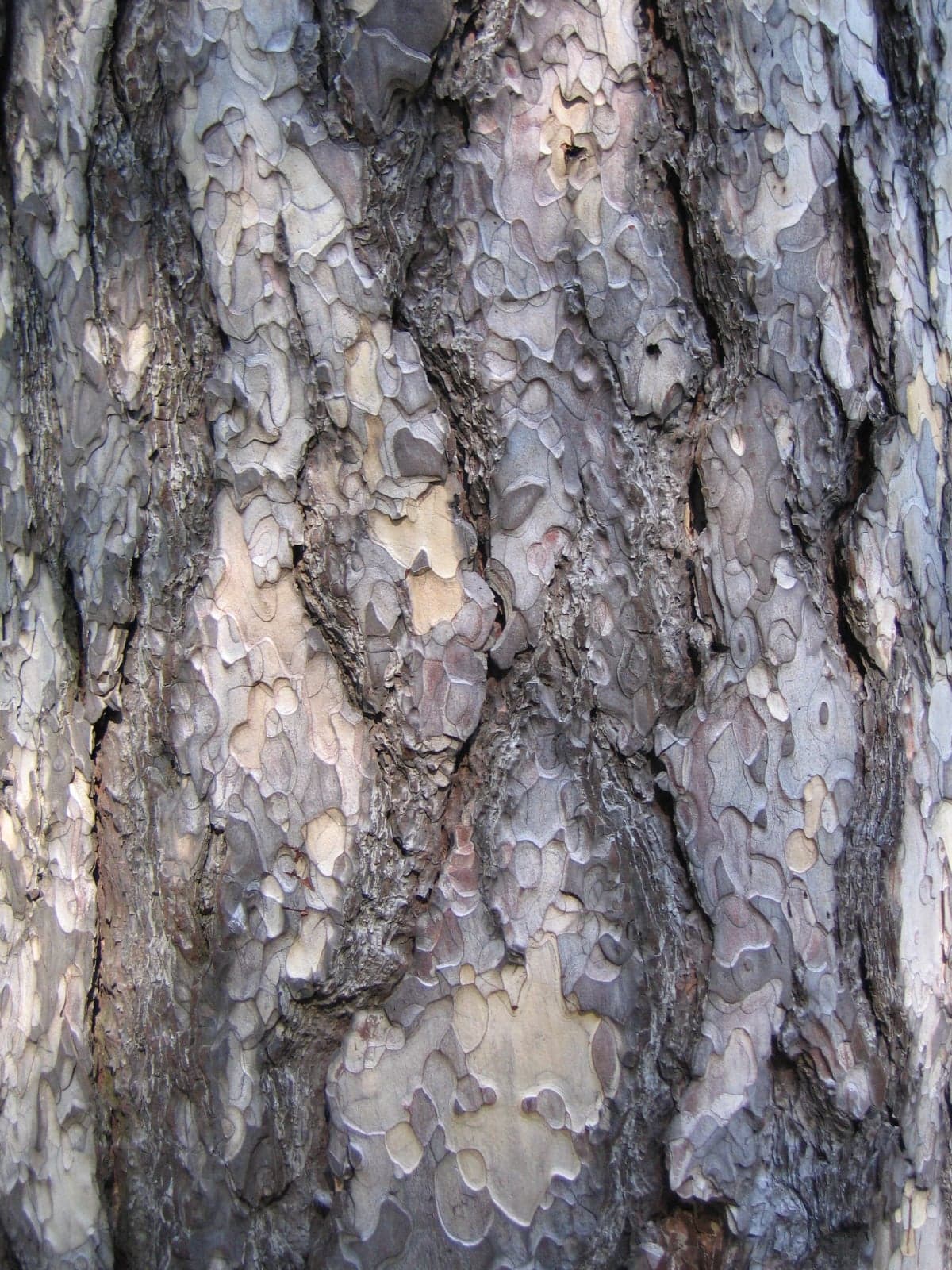
  • Black Pine: Lubje
    Lubje

    It is also slightly harder, at 2,920 N against 2,420 N on the Janka scale, though both are soft enough that the difference rarely decides anything.

    Reading a Black Pine slab#

    Colour range is narrow: pale yellow to light brown heartwood against a wide band of pale sapwood, with modest contrast between them. As with the other pale conifers, structure carries more information than colour.

    The knots are the pleasant surprise. Black Pine tends to produce smaller and more evenly distributed knots than Scots Pine, which gives a calmer, more regular surface across a wide slab. Fewer large knots also means fewer of the weak points that move independently of the board around them.

    Ring spacing follows the usual rule. Tighter rings from slower growth mean a denser, stiffer, more stable board.

    At the bench#

    If you have worked Scots Pine you already know how this behaves. It cuts cleanly with hand and machine tools, glues reliably, and finishes without argument.

    Its density is slightly lower than Scots Pine at 475 kg per cubic metre, and the practical consequence is that arrises bruise a little more easily. Sharp tools and light finishing cuts are worth the discipline, and a card scraper produces a better surface than aggressive sanding.

    Resin is present at roughly the level of Scots Pine, which is to say noticeable but manageable. Blades want periodic cleaning rather than constant attention.

    Knots remain the one place to slow down. They are hard and resinous, and a planer knife meeting one at speed can tear or spit it out.

    Finishing#

    It takes oil, wax and clear finishes readily, and wax over bare timber gives the same honest result it gives on Scots Pine.

    Two cautions carry over unchanged from the other pines. Pigment stains blotch because of the density difference between earlywood and latewood, so use a conditioner or switch to a dye. And every knot must be sealed with shellac before priming for a painted finish, because resin stays mobile for years and will migrate through ordinary primer to appear as brown rings long after the work looked finished.

    Where Black Pine is the right answer#

    Painted furniture, panelling, carcass work, shelving and interior joinery, particularly where a wide flat panel has to stay flat, or where the finished colour needs to stay pale rather than warming into honey.

    It is the wrong answer outdoors without treatment, since it is rated moderately durable to non-durable, and it is the wrong answer where the deep amber of aged Scots Pine is actually the effect being sought.

    Sourcing and EUDR#

    Not CITES listed and assessed as Least Concern. Black Pine is planted extensively for reforestation and erosion control across southern Europe, so supply is stable rather than scarce and certification coverage through Balkan and Austrian sources is reasonable. Documentation for EUDR purposes is generally straightforward, and KORENA listings record the originating yard and region on the passport.

    Not untreated. The heartwood is rated moderately durable to non-durable, similar to Scots Pine, so exterior use requires preservative treatment or a maintained finish. European Larch is the species in this group to reach for when the piece is exposed.

    Are the knots a problem?

    +

    Less so than in Scots Pine. Black Pine knots tend to be smaller and more evenly spread, which gives a calmer surface and fewer large weak points. They are still hard and resinous, so approach them with light cuts and seal them with shellac before any painted finish.

    Prostorninsko krčenjeSkupna sprememba prostornine od svežega do popolnoma suhega lesa. Nižja vrednost pomeni večjo stabilnost.11.4 %
    Naravna trajnost (EN 350)Evropski standard naravne odpornosti proti trohnenju, od 1 (zelo trajno) do 5 (netrajno).Class 4 — Slightly durable

    Viri

    • The Wood Database — Austrian Pine (Pinus nigra)(dostopano 2026-08-12)
    • USDA FPL Wood Handbook FPL-GTR-190 (2010)(dostopano 2026-08-12)
    • Meier, E. — WOOD! Identifying and Using Hundreds of Woods Worldwide (2015)(dostopano 2026-08-12)

    Prednosti

    • Zelo stabilenMajhno sezonsko delovanje. Dober za široke mizne plošče in tesne spoje.
    • Primeren za začetnikePreprost za delo na delovni mizi in ne tako trd, da bi močno obrabljal orodje.

    Pozor

    • Ni za neobdelano zunanjo uporaboNaravna trajnost je po EN 350 razred 4 od 5. Les uporabljajte v notranjosti ali ga zaščitite z vzdrževanim premazom.
    • Prah dražiMed brušenjem ali strojno obdelavo vključite odsesavanje in nosite masko.

    Za podrobnosti se dotaknite oznake.

    Na kratko

    Stopnje uporabljajo enake razpone za vse vrste, ki jih navaja KORENA, zato jih lahko neposredno primerjate. Pod vsako je izmerjena vrednost.
    TrdotaOdpornost proti udrtinam in obrabiPrecej mehek

    Trdota po Janki 2920 N

    41 % mehkejši od evropskega hrasta

    TežaKako težko je dvigniti plohLahek

    475 kg/m³

    StabilnostKako malo se spreminja z letnimi časiStabilen

    11,4 % prostorninskega krčenja

    ObdelavaŽaganje, skobljanje, brušenje, lepljenjePreprosta

    4,0/5, povprečje obdelave

    Zunanja uporabaNaravna odpornost proti trohnenju, EN 350Samo v notranjosti

    EN 350, razred 4

    • Žaganje · Zelo dobroKako čist je rez in koliko les obrablja rezila.1 = težavno · 5 = odlično
    • Skobljanje · Zelo dobroKako gladka ostane površina in koliko se les trga.1 = težavno · 5 = odlično
    • Brušenje · Zelo dobroKako hitro se gladko obrusi, ne da bi zamašil brusni papir.1 = težavno · 5 = odlično
    • Struženje · Zelo dobroKako se reže in končno obdela na stružnici.1 = težavno · 5 = odlično
    • Rezbarjenje · DobroKako ostre podrobnosti ohrani pri delu z dletom.1 = težavno · 5 = odlično
    • Lepljenje · OdličnoKako zanesljivo držijo lepljeni spoji.1 = težavno · 5 = odlično
    • Oprijem vijakov/žebljev · Zelo dobroKako dobro drži vijake in žeblje, ne da bi razpokal.1 = težavno · 5 = odlično
    • Parno krivljenje · DobroKako dobro po parjenju sprejme krivine.1 = težavno · 5 = odlično

    Trenutne prodajne cene za les Black Pine po Evropi na kubični meter brez DDV. Za podrobnosti se dotaknite poljubne cene.

    • Najboljši hlodi na dražbiIzbrani visokokakovostni hlodi, prodani na licitacijah zaprtega tipa, večinoma izdelovalcem furnirja in pohištva. Iz takšnih hlodov se režejo plohi.Večina cen je med 180 € in 180 €.Na podlagi 25 cen iz 1 regije.Najnovejši podatki: 24. sep. 2026
    • Običajni hlodiVelike količine standardnega okroglega lesa, ki ga prodajajo lastniki gozdov in državne gozdarske službe, večinoma za gradbeništvo in industrijo.Večina cen je med 36 € in 77 €.Na podlagi 34 cen iz 3 regij.Najnovejši podatki: 23. sep. 2026

    Običajni hlodi po državah

    • Francija · 77 € / m³Regije: Bourgogne-Franche-Comté4 ceneNajnovejši podatki: 31. dec. 2025
    • Bolgarija · 47 € / m³Regije: North-West Bulgaria in South-East Bulgaria30 cenNajnovejši podatki: 23. sep. 2026

    Zakaj ploh stane več?

    To so cene surovega lesa. Ploh je najboljši izrez hloda, sušen najmanj eno leto ter nato pregledan in izmerjen kos za kosom. Samo majhen del posameznega hloda postane ploh.

    Vir: KORENA Timber Index · Najnovejši podatki: 24. sep. 2026

    Prikaži vse regionalne cene