KORENA
LesFinished piecesMaterialSkladiščaDnevnik

Prejemajte obvestila

Vsaka deska je edinstvena. Ko je prodana, je ni več. Ko objavimo nove kose, vam pošljemo e-poštno sporočilo: novi prihodi, nove vrste lesa in deske, ki ustrezajo opisu projekta.

Nekaj e-poštnih sporočil na mesec. Brez neželene pošte, odjavite se lahko kadar koli.

KORENA, vrhunski trdi les

Kos za kosom.

Preverjen vrhunski trdi les, naprodaj kos za kosom. Vsaka deska je fotografirana, izmerjena in iz partnerskega skladišča odpremljena s potnim listom lesa.

Trgovina

  • Oglejte si izdelke
  • Arhiv prodanih desk
  • Sledi naročilu

Vsebine

  • Revija
  • Vodniki po vrstah lesa
  • Slovar
  • Primerjava
  • Avtorji

Pomoč

  • O nas
  • Kako deluje
  • Postanite partnersko skladišče
  • Poiščite desko
  • Podpora
  • Predloge dokumentov
  • Za medije

Nakup

  • Prodajni pogoji
  • Pravica do odstopa
  • Vračila in garancija
  • Odprema in dostava

Zaupanje

  • Pravilnik o zasebnosti
  • Pravilnik o piškotkih
  • Poreklo lesa in EUDR
  • Dostopnost

Kolofon

  • Pravno obvestilo / Kolofon
  • Sprejemljiva uporaba
  • Intelektualna lastnina in vsebina

© 2026 KORENA. Vse pravice pridržane.

Upravlja Martial Labs Ltd. (BG, EIK 207453941). KORENA je trgovsko ime družbe Martial Labs Ltd.

Spoštujemo vašo zasebnost

Nujne piškotke uporabljamo za delovanje spletnega mesta. Z vašim dovoljenjem bi uporabljali tudi piškotke za analitiko, prilagojeno vsebino in oglase. Svojo odločitev lahko kadar koli spremenite na strani nastavitve soglasja. Oglejte si naš pravilnik o piškotkih in pravilnik o zasebnosti.

  1. Domov
  2. /
  3. Vrste
  4. /
  5. European Cherry

Prunus avium

European Cherry

A refined cabinet wood with fine, even grain that ages from pinkish-tan to a deep reddish-brown.

  • Gojeno in posekano v Evropi.
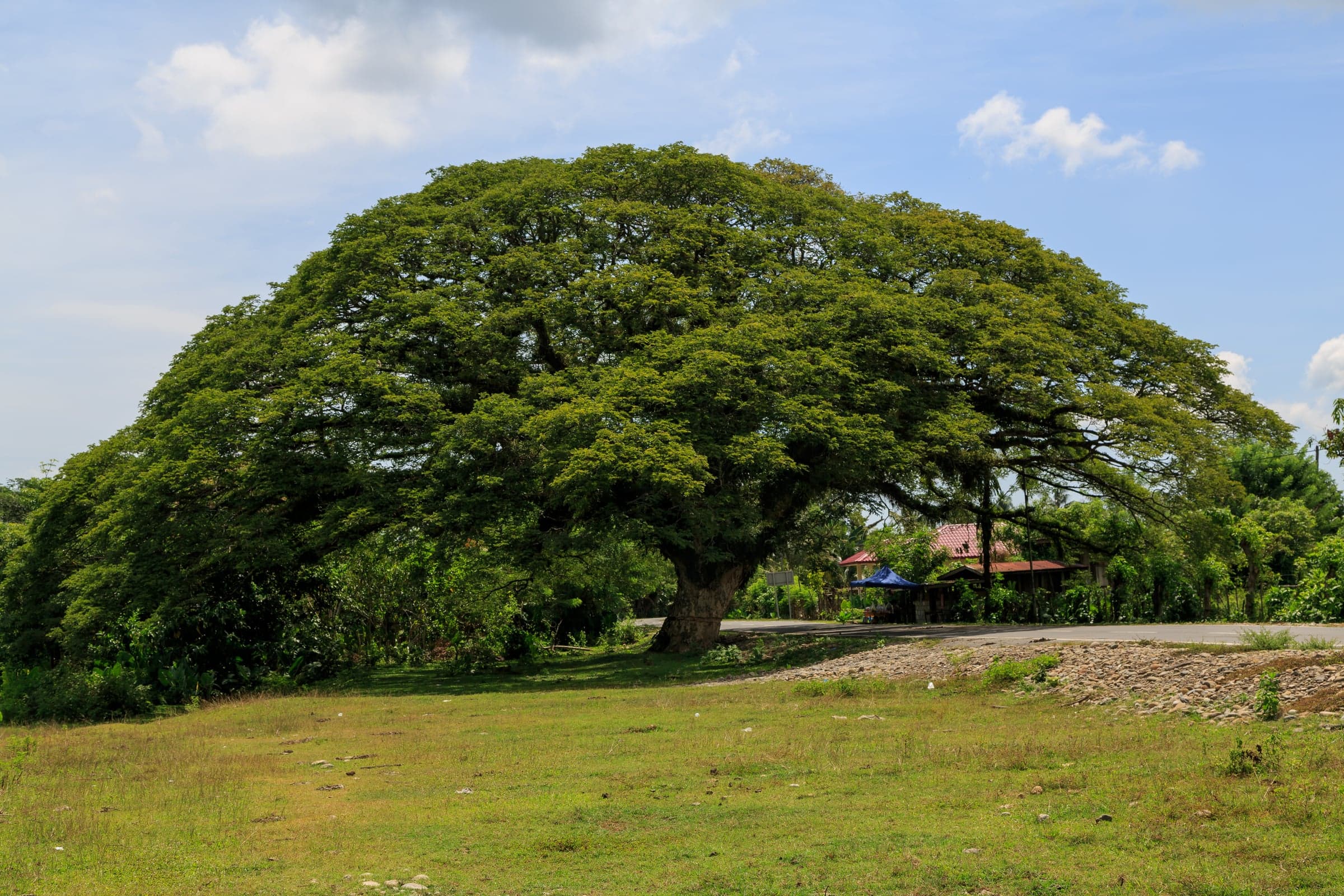
  • Botanična skupina. Iglavci so golosemenke, listavci pa širokolistna drevesa.
  • Botanična družina, ki ji vrsta pripada.
Obvestite me ob prihoduReferenčna vrsta. Trenutno ni kosov na zalogi.
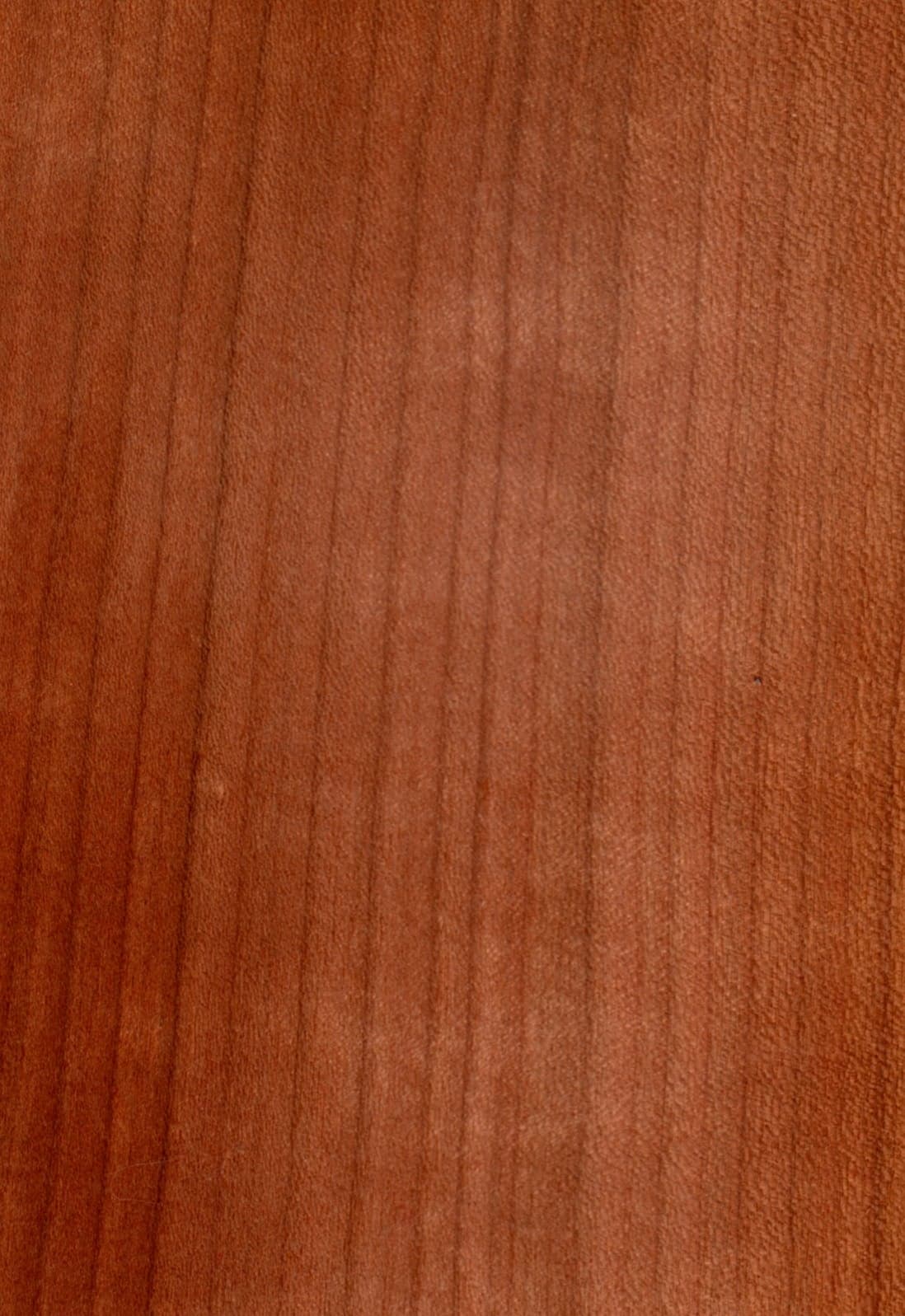
Tekstura lesa European Cherry
  • Primernost za projekt
  • Na zalogi
  • Videz
  • Obdelava
  • Delovanje lesa
  • Cena
  • Varnost in nabava
  • Vprašanja
  • Tehnični podatki

Je primeren za vaš projekt?

Odličen za

  • Fine cabinetry and built-ins
  • Dining and occasional tables
  • Chairs and bench seats
  • Boxes, trays, and small casework
  • Turned bowls and handles
  • Interior architectural joinery
  • Musical instrument parts

V trenutni ponudbi ni lesa European Cherry

Podobne vrste na zalogi

Lesa European Cherry trenutno ni. Te vrste so primerne za enake projekte in imajo razpoložljive kose.
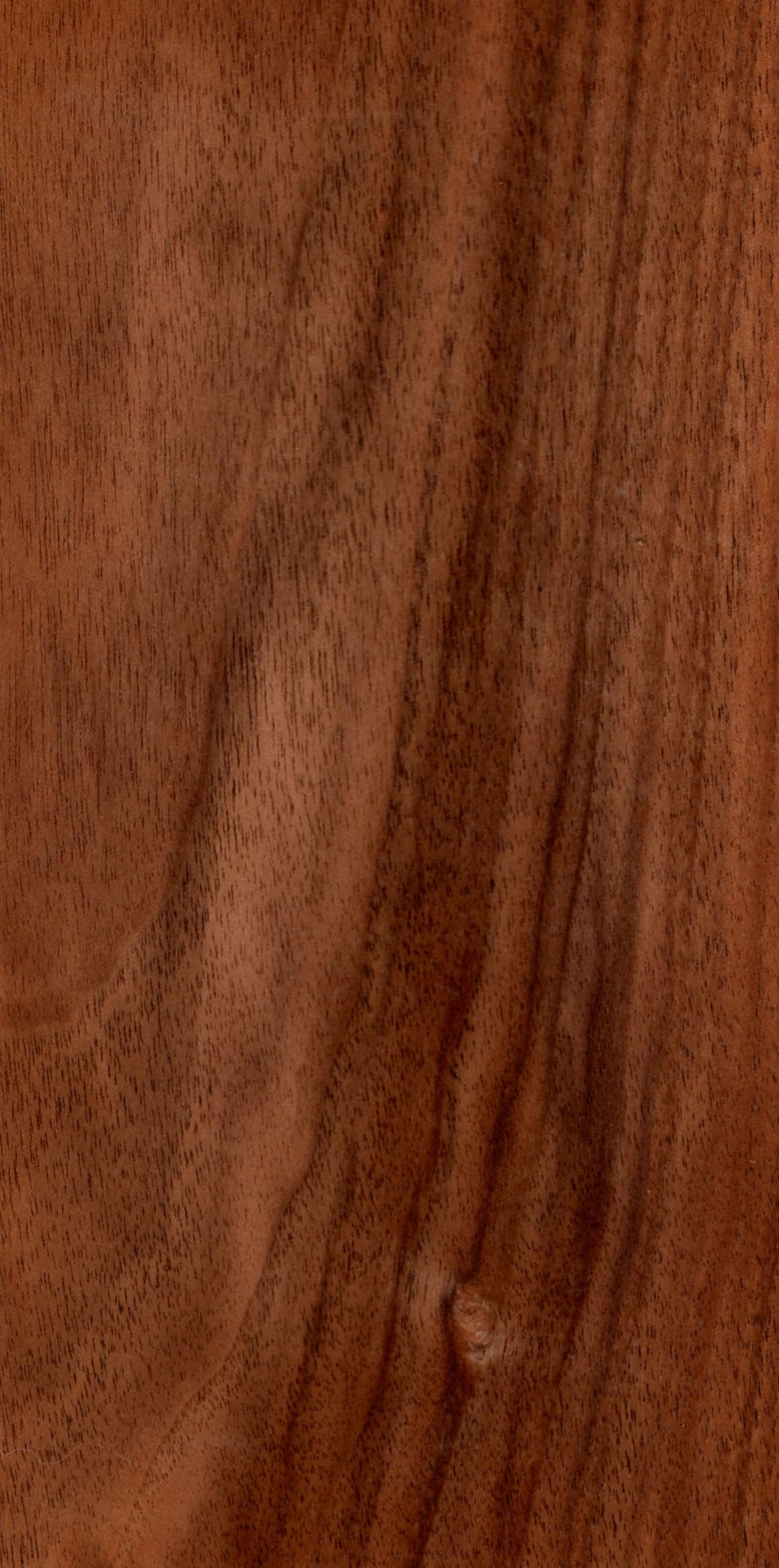
  • Tekstura lesa European Walnut

    European Walnut

    Juglans regia

    9 kosov

  • Tekstura lesa European Oak

    European Oak

    Quercus robur

    6 kosov

  • Tekstura lesa Saman

    Saman

    Samanea saman

    4 kosi

Prejemajte obvestila o lesu European Cherry

Pošljemo vam e-pošto, ko v KORENA prispejo novi plohi iz lesa European Cherry. Vsak kos je edinstven, zato je zgodnje obvestilo pomembno.

Nekaj e-poštnih sporočil na mesec. Brez neželene pošte, odjavite se lahko kadar koli.

Videz lesa

Kako je videti

Fine, straight grain with a smooth, even texture. Heartwood opens pinkish-tan to warm salmon, with a paler cream sapwood that is usually distinct. Figure is generally quiet, occasional gum streaks, small pin knots, and the odd ribbon or curl. The headline trait is its colour shift: under light and over a few months, the wood deepens through honey to a rich reddish-brown, and continues to mature for years. Boards stored unevenly will tan unevenly, so rotate stock during storage.

  • Fresh heartwood: pinkish-tan to warm salmon
  • Pale cream sapwood, usually distinct from heartwood
  • Ages through honey to deep reddish-brown over months and years
  • Light exposure drives the colour shift, uneven storage gives uneven tan
  • Occasional gum streaks and small pin knots
  • Quiet figure overall, with the odd ribbon or curl
  • Fine, straight grain.

Obdelava

Obdelava

Easy to work with hand and machine tools. Planes and sands cleanly with sharp edges; gum pockets can clog cutters, so check stock before milling. Glues and screws well. Steam-bending is moderate, workable for gentle curves, less reliable for tight radii. Turns and carves predictably.

Končna obdelava

Sands to a glassy surface at 180–220 grit. Takes oil, hardwax, shellac, and water-based finishes cleanly. A thin seal coat of dewaxed shellac or sanding sealer evens out any blotch on flat-sawn faces before topcoats. Avoid heavy stains, they fight the wood's own colour development. For commissions, expose offcuts to daylight alongside the finished piece so clients can see how the colour will move.

Sušenje

Dries fairly quickly but is prone to warp, cup, and surface checking if rushed. Sticker carefully and weight the top of the stack. End-seal green stock. Once at EMC, it is stable in service with moderate tangential movement.

Koliko bo deloval?

Les se prečno širi in krči, ko zrak postaja bolj vlažen ali suh. Pred načrtovanjem pritrdil ocenite sezonsko delovanje mizne plošče iz lesa European Cherry.

Rez
Kje bo izdelek

Pričakovano sezonsko delovanje

približno 9,1 mm

Mizno ploščo pritrdite s sponami ali nosilci z utori, ne z lepilom ali trdno privitimi vijaki.

Model linearnega krčenja: širina × (krčenje ÷ 28 % nasičenosti vlaken) × sezonska sprememba vlažnosti. Za les European Cherry uporablja 8 % tangencialnega krčenja. To je ocena za načrtovanje, ne jamstvo.

Koliko stane

Varnost in nabava

  • Gojeno in posekano v Evropi.
  • Status na Rdečem seznamu IUCN: svetovna ocena ogroženosti te vrste.
  • Not commonly flagged as a dust sensitiser, and considered food-contact safe once finished appropriately. Standard fine-dust extraction and a mask are still sensible at the sander.

Preberite celoten vodnikPodrobni zapiski o teksturi, spreminjanju barve, obdelavi in stabilnosti.+

What European Cherry actually is#

Prunus avium is bought for a colour it does not yet have.

Fresh cherry is a pale pinkish tan, unremarkable and easily mistaken for a lesser wood. Within six months of light exposure it deepens substantially, and within a year it reaches the rich reddish brown that people actually mean when they say cherry. The change continues, more slowly, for years.

This single behaviour governs almost every decision about buying, finishing and using the species.

Working with the darkening rather than against it#

Three practical consequences follow.

First, do not choose a slab on its current colour. What you see on the bench is a stage, not the result. Two boards that look different today may match in a year, and two that match today may not.

Second, uneven light exposure prints permanently. A rug on a cherry floor, a lamp base on a cherry table, a stack of books left in one place: each leaves a lighter patch as the surrounding wood darkens around it. The patch does eventually even out if the object is moved, but it takes months. The sensible approach is to let a new piece darken evenly for the first few months before putting anything on it permanently.

Third, a UV inhibiting finish slows the process but does not stop it, and it will not preserve the pale fresh colour indefinitely. If you want pale, choose a different species.

Vprašanja kupcev

Vprašanja kupcev

How much does cherry darken?

+

A great deal, and quickly. Fresh cherry is pale pinkish tan and within a year of light exposure it deepens to a rich reddish brown. Most of the change happens in the first six months. This is why cherry furniture looks nothing like cherry lumber, and why buying on the freshly machined colour misleads.

Why does my cherry have patchy colour after finishing?

+

Two causes. Cherry blotches badly under pigment stain because of its fine uneven density, so use a dye, a gel stain or a washcoat. The other is uneven light exposure: anything covering part of a surface, a rug, a lamp base, a stack of books, will leave a permanently lighter patch as the rest darkens around it. Let a piece darken evenly before placing objects on it.

How is European Cherry different from American Black Cherry?

+

European cherry, Prunus avium, is harder at 5,120 N against 4,226 N and slightly denser. American black cherry, Prunus serotina, is available in larger and more consistent sizes because it is grown as a forestry species. Colour and figure are similar and both darken dramatically. European cherry tends to have more gum pockets.

What are the small dark flecks in the wood?

Mehanske lastnosti

Tehnični podatki

Objavljene referenčne vrednosti. Kjer se viri ne ujemajo, je prikazan razpon, za zgornje lestvice pa je uporabljena običajna vrednost.

Gostota (kg/m³)Masa na kubični meter pri približno 12 % vlažnosti. Težji les je navadno trši in močnejši.550–650 kg/m³običajno 600 kg/m³
Trdota po Janki (N)Sila, potrebna, da se jeklena kroglica do polovice vtisne v les. Standardno merilo odpornosti proti udrtinam.4,700–5,500 Nobičajno 5120 N
MOR: upogibna trdnost (MPa)Upogibna trdnost: obremenitev, pri kateri se nosilec zlomi.95–110 MPa
MOE: modul elastičnosti (GPa)Upogibna togost: koliko se polica ali mizna plošča povesi pod obremenitvijo.9.5–11.0 GPa
Radialno krčenjeKrčenje prečno na letnice od svežega do popolnoma suhega lesa. Tako delujejo radialno rezane deske.4.5–5.5 %
Tangencialno krčenje

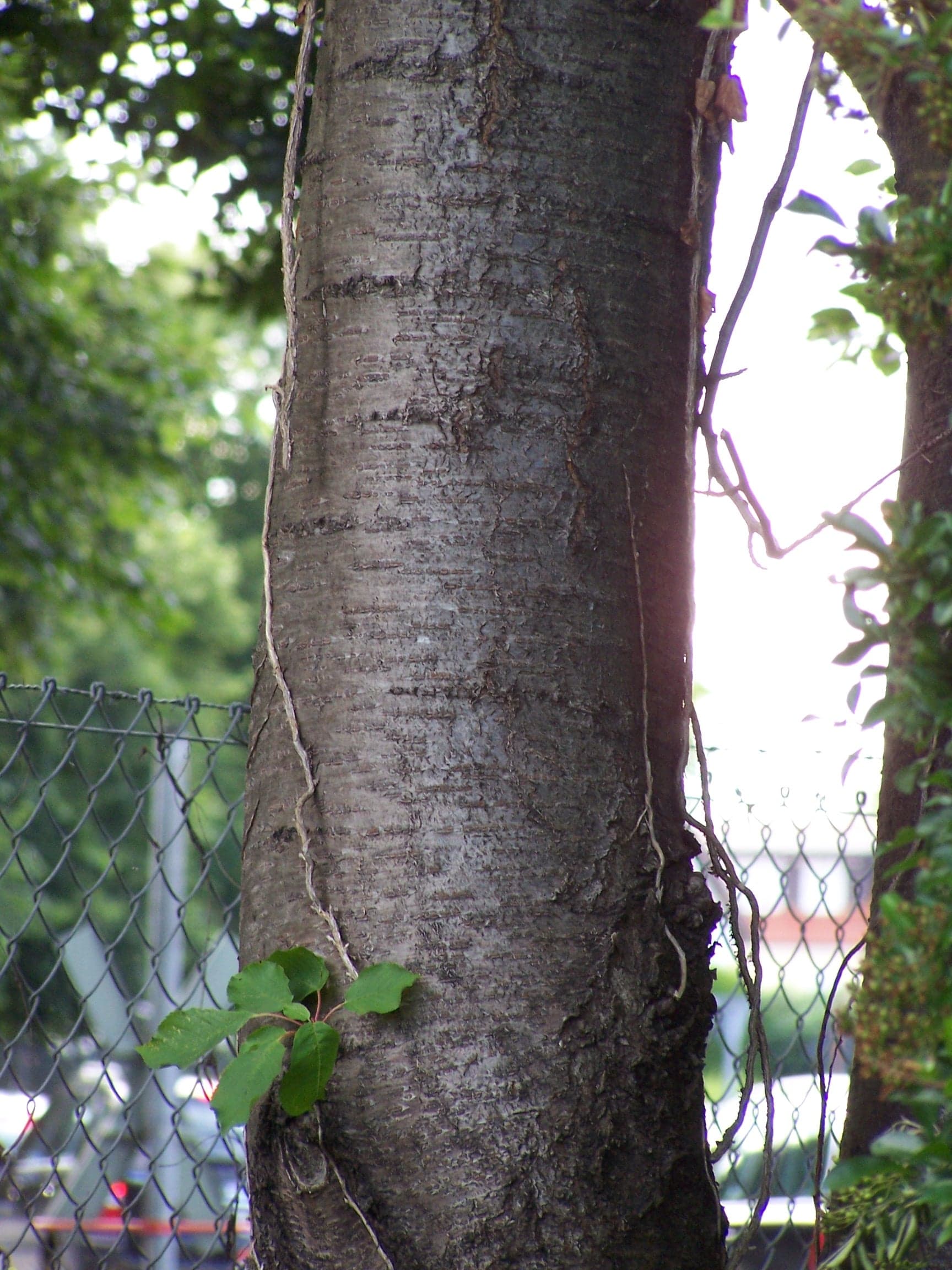
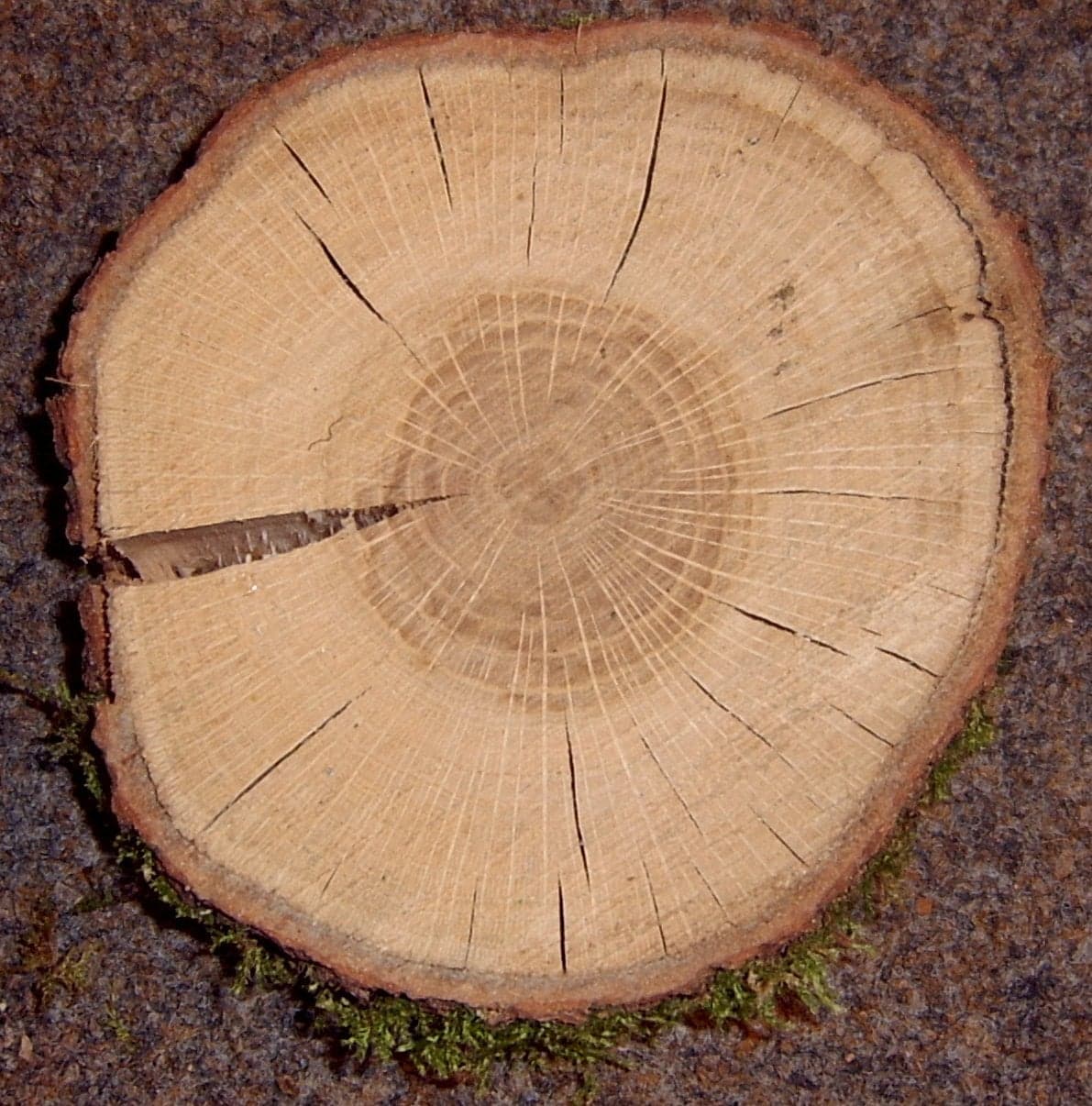
Achim Raschka (talk), via Wikimedia Commons

Prednosti

  • Varen za živilaPrimeren za deske, sklede in površine, ki se dotikajo živil.
  • Primeren za začetnikePreprost za delo na delovni mizi in ne tako trd, da bi močno obrabljal orodje.

Pozor

Native across Europe and into western Asia. Grown in mixed hardwood forests from the UK and France through Germany, Austria, Italy, and the Balkans. Most commercial stock comes from central European yards, often from orchard thinnings or managed woodlots.

  • Native European hardwood, IUCN Least Concern, no CITES listing. Often sourced from small woodlots and orchard clearance, so volumes per parcel can be modest. Decay class 3, moderately durable, means it is an interior wood; not for ground contact or unprotected exterior use. Ask for FSC or PEFC chain-of-custody where the project requires it.

  • European Cherry: Lubje
    Lubje

    Reading a cherry slab#

    Colour runs pale pinkish tan when fresh, deepening to reddish brown. Sapwood is narrow and pale cream, and it does not darken at the same rate as the heartwood, so contrast changes over time.

    The grain is fine, close and usually straight, with a satiny lustre that is characteristic of the species.

    Gum pockets are the thing to look for: small resin filled cavities that occur in all Prunus species and are more frequent in European cherry than in American. They are not structural defects and many makers consider them part of the character. Larger ones can be filled.

    At the bench#

    Cherry is one of the most pleasant woods in this catalogue to work. At 5,120 N it is moderately hard, it cuts cleanly, it turns and carves well, it glues reliably and it takes fastenings securely.

    The fine close grain holds crisp detail and sands to an excellent surface.

    The one difficulty is burning. Cherry scorches easily under a router bit or a dull saw blade, and the burn marks are dark and stubborn on a wood this pale. Sharp tooling, appropriate feed rates and light final passes avoid it.

    The finishing trap#

    Cherry blotches badly under pigment stain. The fine uneven density makes absorption patchy, and the result is a mottled surface that looks like a mistake because it is one.

    Use a dye, a gel stain that sits on the surface, or seal with a thin washcoat first. Test on an offcut every time.

    The better answer is usually to skip stain entirely. Cherry is going to arrive at a rich reddish brown by itself, and staining it to get there early tends to produce a muddier colour than patience would.

    Movement#

    Volumetric shrinkage of 11.5 percent is moderate, with tangential at 7.5 percent against radial at 4.5 percent. That differential is reasonable and cherry behaves acceptably in wide boards.

    Decay class 3 makes it moderately durable, adequate for protected exterior joinery but not for exposure.

    Where European Cherry is the right answer#

    Fine furniture, tabletops, cabinetry, turned and carved work, and interior joinery where warmth is the design intent. It is one of the most rewarding species here for a piece intended to be lived with for decades, because it genuinely improves.

    It is the wrong answer where a stable pale colour is needed, and wrong outdoors.

    Sourcing and EUDR#

    Not CITES listed and assessed as Least Concern. Common across Europe and often felled from orchards and gardens as well as forestry, so sizes are variable and provenance chains are shorter and less standardised than for a commodity species.

    Orchard cherry against forest cherry#

    Prunus avium reaches the timber market from two quite different places, and the wood differs accordingly.

    Forest grown cherry, drawn up among other trees, produces straighter trunks with fewer low branches, longer clean lengths and more uniform colour. It is the better material for matched furniture components.

    Orchard cherry, grown in the open for fruit and felled at the end of its productive life, branches low and spreads. Trunks are shorter and more irregular, knots are more frequent, and figure is more variable. It also produces more gum pockets.

    Neither is better in the abstract. For a run of matched drawer fronts, forest grown is far easier to work with. For a single characterful slab, the orchard tree usually has more to look at.

    Steaming, and whether you want it#

    Some European cherry is steamed during drying, which deepens and evens the colour toward a more uniform reddish brown and reduces the contrast with the sapwood.

    Unsteamed cherry starts paler and develops its colour naturally through light exposure, which produces a more luminous result over time but requires patience and even exposure.

    For a piece intended to be lived with, unsteamed and patient is generally the better outcome. For a commission that has to look finished on delivery, steamed stock gets there sooner.

    +

    Gum pockets, small resin filled cavities that are characteristic of Prunus species and more common in European cherry than American. They are not a structural defect and many makers regard them as part of the character. Larger ones can be filled. On a measured KORENA slab, any pocket large enough to matter appears in the defect outline.

    Can cherry be used outdoors?

    +

    Not really. At decay class 3 it is moderately durable, which is adequate for protected exterior joinery under a maintained finish but not for exposure or ground contact. It is also far too valuable a furniture timber to put outside.

    Krčenje vzdolž letnic. Tako delujejo tangencialno rezane deske in večina plohov.
    7.5–8.5 %
    Prostorninsko krčenjeSkupna sprememba prostornine od svežega do popolnoma suhega lesa. Nižja vrednost pomeni večjo stabilnost.11.5–13.0 %
    Naravna trajnost (EN 350)Evropski standard naravne odpornosti proti trohnenju, od 1 (zelo trajno) do 5 (netrajno).Class 3 — Moderately durable

    Viri

    • The Wood Database(dostopano 2026-05-09)
    • USDA FPL Wood Handbook FPL-GTR-190 (2010)(dostopano 2026-05-09)
    • Meier, E. — WOOD! Identifying and Using Hundreds of Woods Worldwide (2015)(dostopano 2026-05-09)

    Na kratko

    Stopnje uporabljajo enake razpone za vse vrste, ki jih navaja KORENA, zato jih lahko neposredno primerjate. Pod vsako je izmerjena vrednost.
    TrdotaOdpornost proti udrtinam in obrabiSrednje trd

    Trdota po Janki 5120 N

    3 % trši od evropskega hrasta

    TežaKako težko je dvigniti plohSrednje težek

    600 kg/m³

    StabilnostKako malo se spreminja z letnimi časiPovprečen

    12,3 % prostorninskega krčenja

    ObdelavaŽaganje, skobljanje, brušenje, lepljenjePreprosta

    4,0/5, povprečje obdelave

    Zunanja uporabaNaravna odpornost proti trohnenju, EN 350Pokrit zunanji prostor

    EN 350, razred 3

    • Žaganje · Zelo dobroKako čist je rez in koliko les obrablja rezila.1 = težavno · 5 = odlično
    • Skobljanje · Zelo dobroKako gladka ostane površina in koliko se les trga.1 = težavno · 5 = odlično
    • Brušenje · Zelo dobroKako hitro se gladko obrusi, ne da bi zamašil brusni papir.1 = težavno · 5 = odlično
    • Struženje · Zelo dobroKako se reže in končno obdela na stružnici.1 = težavno · 5 = odlično
    • Rezbarjenje · Zelo dobroKako ostre podrobnosti ohrani pri delu z dletom.1 = težavno · 5 = odlično
    • Lepljenje · Zelo dobroKako zanesljivo držijo lepljeni spoji.1 = težavno · 5 = odlično
    • Oprijem vijakov/žebljev · Zelo dobroKako dobro drži vijake in žeblje, ne da bi razpokal.1 = težavno · 5 = odlično
    • Parno krivljenje · DobroKako dobro po parjenju sprejme krivine.1 = težavno · 5 = odlično

    Trenutne prodajne cene za les European Cherry po Evropi na kubični meter brez DDV. Za podrobnosti se dotaknite poljubne cene.

    • Najboljši hlodi na dražbiIzbrani visokokakovostni hlodi, prodani na licitacijah zaprtega tipa, večinoma izdelovalcem furnirja in pohištva. Iz takšnih hlodov se režejo plohi.Večina cen je med 319 € in 408 €.Na podlagi 55 cen iz 2 regij.Najnovejši podatki: 24. sep. 2026

    Najboljši hlodi na dražbi po državah

    • Nemčija · 408 € / m³Regije: Bavaria25 cenNajnovejši podatki: 24. sep. 2026
    • Avstrija · 319 € / m³Regije: Austria30 cenNajnovejši podatki: 24. sep. 2026

    Zakaj ploh stane več?

    To so cene surovega lesa. Ploh je najboljši izrez hloda, sušen najmanj eno leto ter nato pregledan in izmerjen kos za kosom. Samo majhen del posameznega hloda postane ploh.

    Vir: KORENA Timber Index · Najnovejši podatki: 24. sep. 2026

    Prikaži vse regionalne cene
    Ni za neobdelano zunanjo uporabo
    Naravna trajnost je po EN 350 razred 3 od 5. Les uporabljajte v notranjosti ali ga zaščitite z vzdrževanim premazom.

    Za podrobnosti se dotaknite oznake.