KORENA
LesFinished piecesMaterialSkladiščaDnevnik

Prejemajte obvestila

Vsaka deska je edinstvena. Ko je prodana, je ni več. Ko objavimo nove kose, vam pošljemo e-poštno sporočilo: novi prihodi, nove vrste lesa in deske, ki ustrezajo opisu projekta.

Nekaj e-poštnih sporočil na mesec. Brez neželene pošte, odjavite se lahko kadar koli.

KORENA, vrhunski trdi les

Kos za kosom.

Preverjen vrhunski trdi les, naprodaj kos za kosom. Vsaka deska je fotografirana, izmerjena in iz partnerskega skladišča odpremljena s potnim listom lesa.

Trgovina

  • Oglejte si izdelke
  • Arhiv prodanih desk
  • Sledi naročilu

Vsebine

  • Revija
  • Vodniki po vrstah lesa
  • Slovar
  • Primerjava
  • Avtorji

Pomoč

  • O nas
  • Kako deluje
  • Postanite partnersko skladišče
  • Poiščite desko
  • Podpora
  • Predloge dokumentov
  • Za medije

Nakup

  • Prodajni pogoji
  • Pravica do odstopa
  • Vračila in garancija
  • Odprema in dostava

Zaupanje

  • Pravilnik o zasebnosti
  • Pravilnik o piškotkih
  • Poreklo lesa in EUDR
  • Dostopnost

Kolofon

  • Pravno obvestilo / Kolofon
  • Sprejemljiva uporaba
  • Intelektualna lastnina in vsebina

© 2026 KORENA. Vse pravice pridržane.

Upravlja Martial Labs Ltd. (BG, EIK 207453941). KORENA je trgovsko ime družbe Martial Labs Ltd.

Spoštujemo vašo zasebnost

Nujne piškotke uporabljamo za delovanje spletnega mesta. Z vašim dovoljenjem bi uporabljali tudi piškotke za analitiko, prilagojeno vsebino in oglase. Svojo odločitev lahko kadar koli spremenite na strani nastavitve soglasja. Oglejte si naš pravilnik o piškotkih in pravilnik o zasebnosti.

  1. Domov
  2. /
  3. Vrste
  4. /
  5. European Pear

Pyrus communis

European Pear

Master-grade carving and cabinet wood with a fine even texture. Slab-size pieces are rare and prized when they appear.

  • Gojeno in posekano v Evropi.
  • Botanična skupina. Iglavci so golosemenke, listavci pa širokolistna drevesa.
  • Botanična družina, ki ji vrsta pripada.
Obvestite me ob prihoduReferenčna vrsta. Trenutno ni kosov na zalogi.
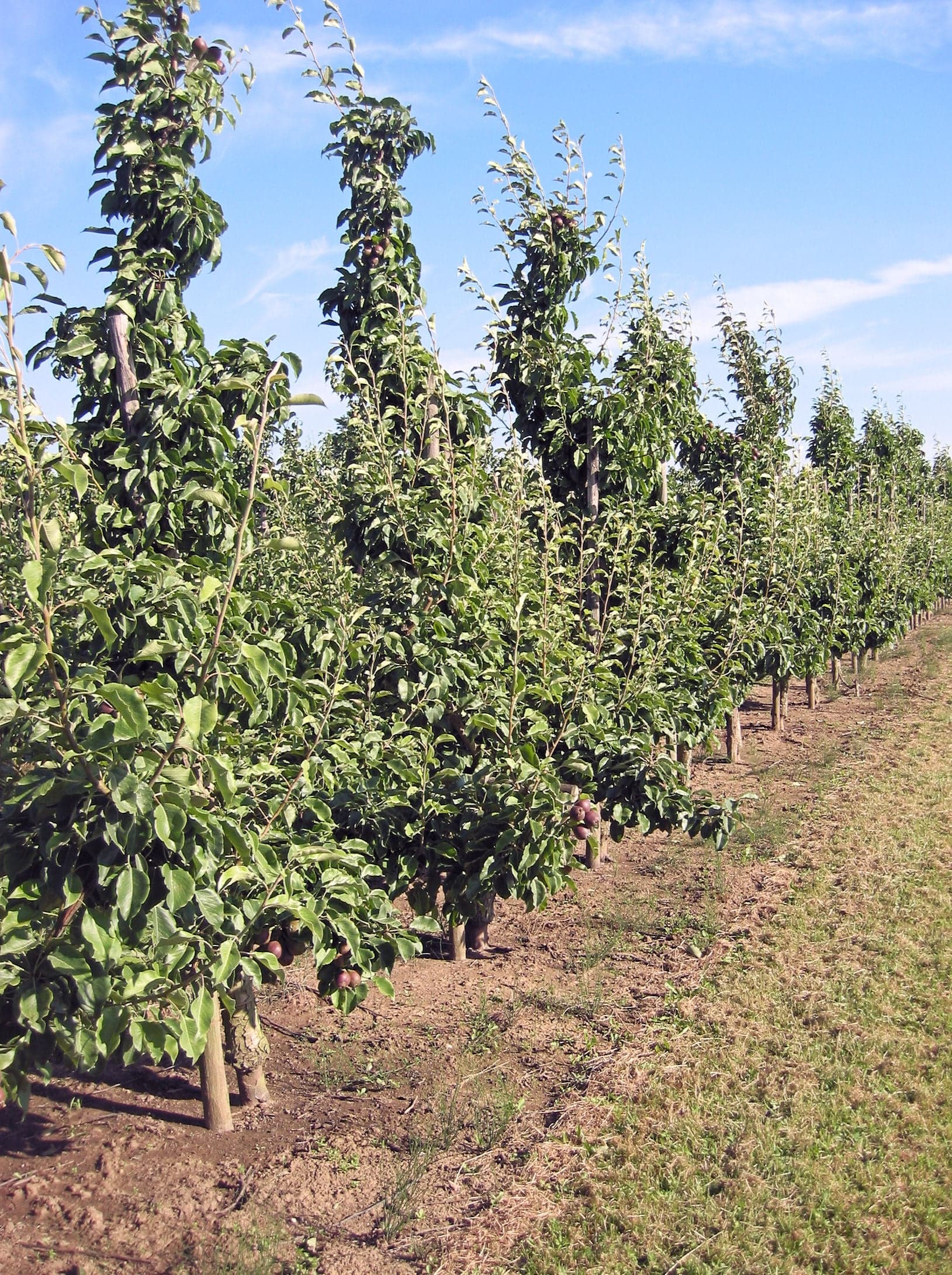
Drevo European Pear
  • Primernost za projekt
  • Na zalogi
  • Videz
  • Obdelava
  • Delovanje lesa
  • Cena
  • Varnost in nabava
  • Vprašanja
  • Tehnični podatki

Je primeren za vaš projekt?

Odličen za

  • Heirloom carving and sculpture
  • Fine cabinetry and case pieces
  • Marquetry and inlay
  • Jewellery boxes and instrument cases
  • Small statement tables and side tables
  • Turned bowls and treen

V trenutni ponudbi ni lesa European Pear

Podobne vrste na zalogi

Lesa European Pear trenutno ni. Te vrste so primerne za enake projekte in imajo razpoložljive kose.
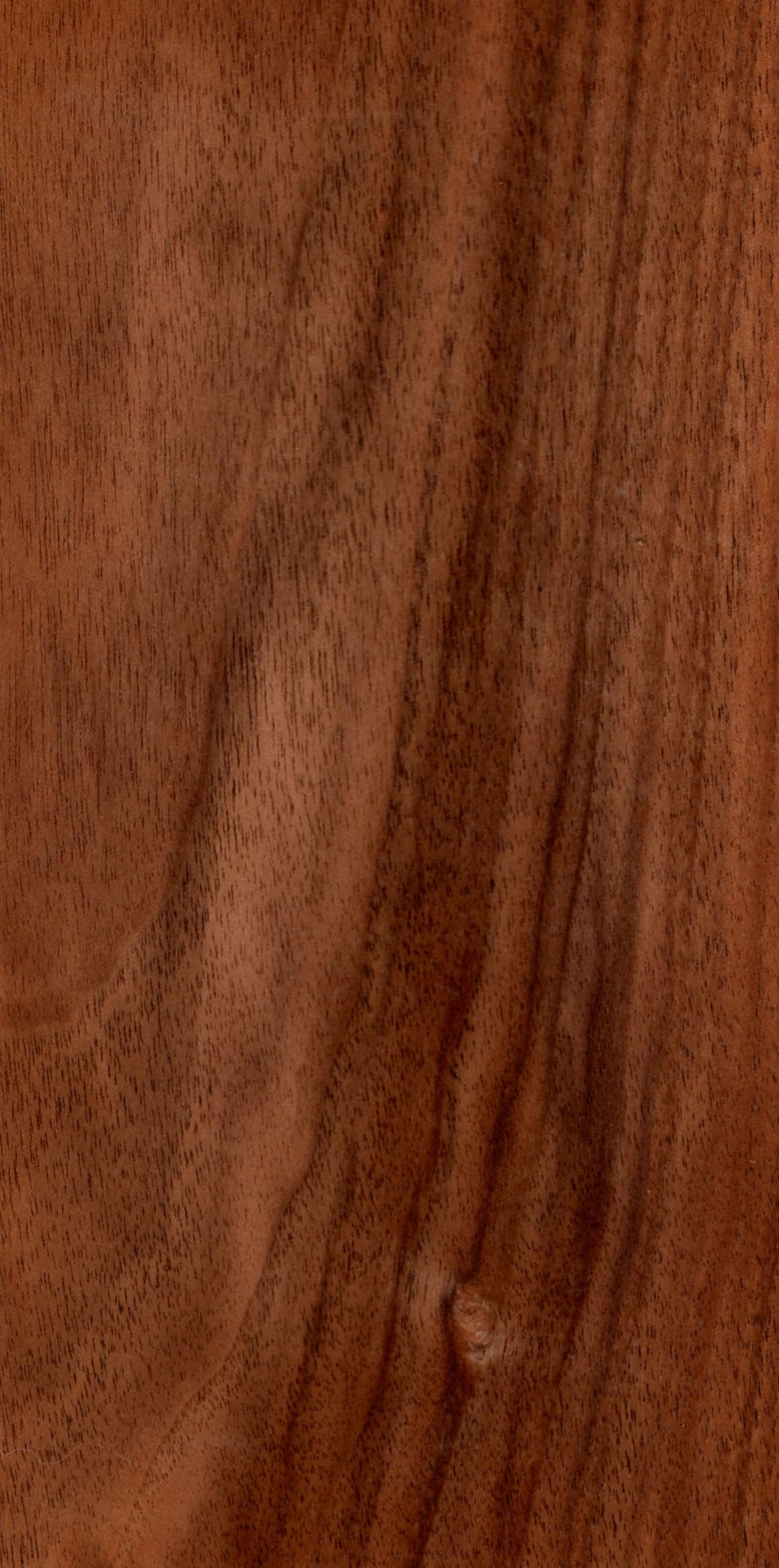
  • Tekstura lesa European Walnut

    European Walnut

    Juglans regia

    9 kosov

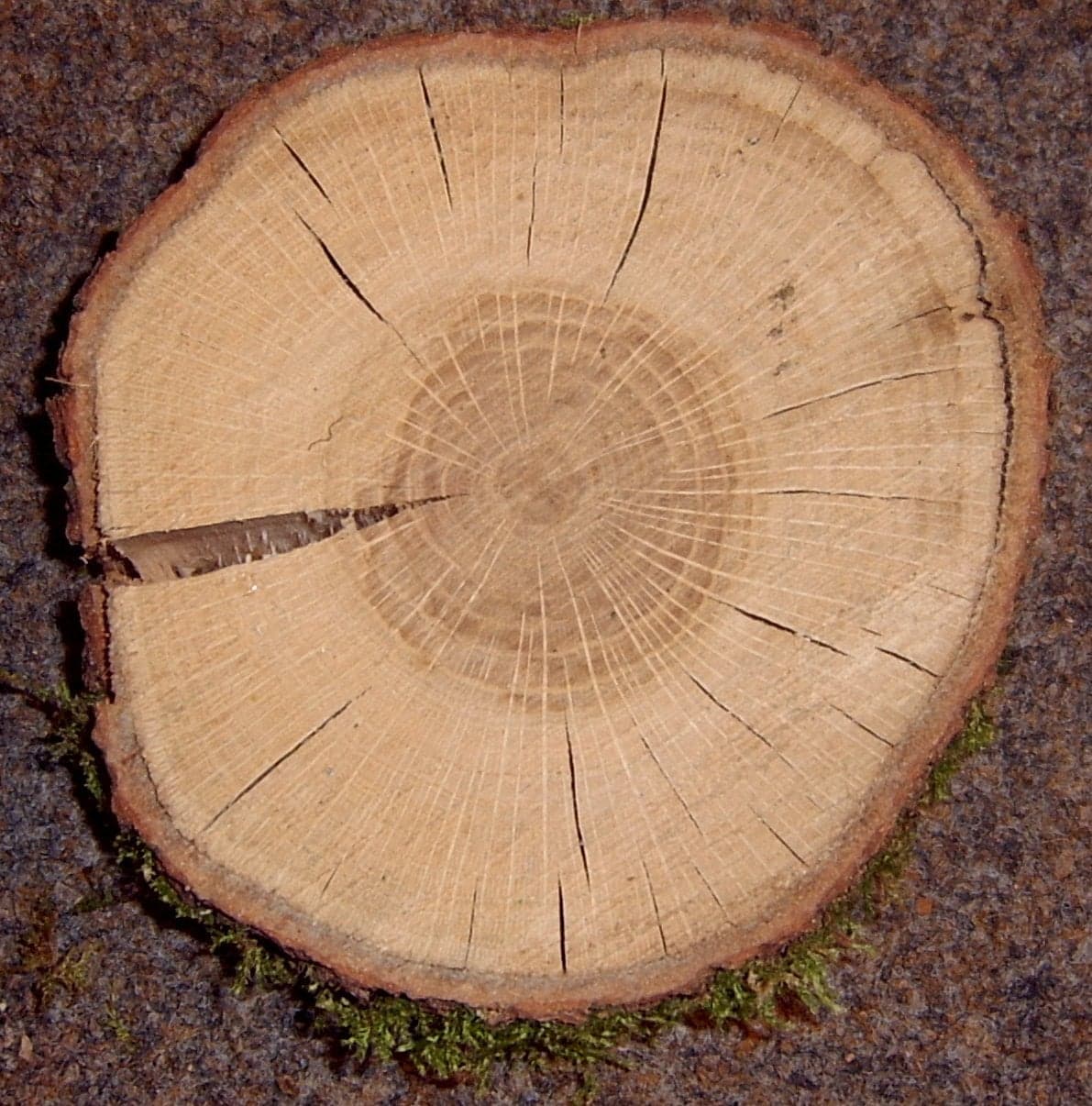
  • Tekstura lesa European Oak

    European Oak

    Quercus robur

    6 kosov

  • Tekstura lesa Saman

    Saman

    Samanea saman

    4 kosi

Prejemajte obvestila o lesu European Pear

Pošljemo vam e-pošto, ko v KORENA prispejo novi plohi iz lesa European Pear. Vsak kos je edinstven, zato je zgodnje obvestilo pomembno.

Nekaj e-poštnih sporočil na mesec. Brez neželene pošte, odjavite se lahko kadar koli.

Videz lesa

Kako je videti

Pale pinkish-tan to warm salmon, deepening to a soft russet with age and light. Texture is dense, even, and almost poreless under the hand. Figure is quiet, gentle ribbon and the occasional fine fleck, which is exactly why carvers and marquetry workers prize it. The grain doesn't fight you, and detail holds crisply.

  • Pale pinkish-tan when fresh off the saw
  • Warm salmon to soft russet with age
  • Steamed pear takes a uniform pinkish hue
  • Stains evenly to deep black for ebonised work
  • Subtle ribbon figure; rarely dramatic
  • Mild UV warming, no harsh colour shift
  • Very fine even texture; subtle figure.

Obdelava

Obdelava

Carves, turns, and planes superbly, this is a benchmark wood for fine work. Cuts cleanly across the grain without tearing, holds knife-edge detail, and turns to crisp profiles. Sands to a near-polished surface straight off the tool. Glues and screws well. Steam bending is moderate. The low stiffness helps it bend, but it can compress unevenly, so test on offcuts.

Končna obdelava

Sands to a glass-smooth surface, one of the cleanest finishes you can pull off any European hardwood. Takes oil, wax, and shellac evenly with no blotching. Steaming produces the uniform pinkish tone historically used to imitate ebony when stained black (the piano-key trick). For natural finishes, hard-wax oil holds the warm tone; lacquer can flatten it. Expect mild warming in UV.

Sušenje

Honest tradeoff: tangential shrinkage is high (10.5–12%) against modest radial movement, so drying rate matters. Pear that's rushed will check, cup, and case-harden. Air-dry slowly under weight, then finish in a kiln on a gentle schedule. Once stable, it sits well indoors. Quartersawn or rift-sawn stock is the safer cut for wide panels.

Koliko bo deloval?

Les se prečno širi in krči, ko zrak postaja bolj vlažen ali suh. Pred načrtovanjem pritrdil ocenite sezonsko delovanje mizne plošče iz lesa European Pear.

Rez
Kje bo izdelek

Pričakovano sezonsko delovanje

približno 12,9 mm

Veliko. Uporabite spone ali nosilce z utori, na koncih prečnih letev pustite prostor in ploh pred sestavljanjem aklimatizirajte.

Model linearnega krčenja: širina × (krčenje ÷ 28 % nasičenosti vlaken) × sezonska sprememba vlažnosti. Za les European Pear uporablja 11,25 % tangencialnega krčenja. To je ocena za načrtovanje, ne jamstvo.

Koliko stane

Varnost in nabava

  • Gojeno in posekano v Evropi.
  • Status na Rdečem seznamu IUCN: svetovna ocena ogroženosti te vrste.
  • Food-contact safe, pear has a long tradition as kitchen utensil and treen wood. Not a commonly reported dust sensitiser. Standard shop dust extraction is enough.

Preberite celoten vodnikPodrobni zapiski o teksturi, spreminjanju barve, obdelavi in stabilnosti.+

What European Pear actually is#

Pyrus communis is the fine detail wood of Europe. Its texture is exceptionally close, even and dense, with essentially no visible grain direction, and at 7,420 N Janka it is one of the hardest species in this catalogue.

That pairing is unusual. Most woods that hold fine detail are soft, like lime. Most woods that are hard have pronounced grain that fights the tool, like oak. Pear is both hard and directionless, so carved detail is crisp and then survives being handled.

It is the traditional wood for woodcut printing blocks, recorders and wind instrument parts, drawing instruments, rulers, set squares and fine inlay, and all of those uses depend on the same property.

The orchard problem#

Pear is a fruit tree. It is grown for pears, and it reaches the timber market when an orchard tree comes to the end of its productive life.

The consequences are structural. Trunks are short and often irregular. Diameters are modest. Clean wide boards are genuinely scarce, and slab sized material is uncommon enough that finding it is the main constraint rather than affording it.

Expect narrow widths, short lengths, and a good deal of character.

Steamed and unsteamed

Vprašanja kupcev

Vprašanja kupcev

Why is pear so highly regarded for carving and instruments?

+

Its texture is exceptionally fine, even and dense, with essentially no visible grain direction, so it cuts equally well in any direction and holds very crisp detail. At 7,420 N Janka it is also hard, which means carved detail survives handling. That combination of fine texture and hardness is rare and is why pear has been the traditional wood for woodcuts, recorders, rulers and instrument parts.

What is steamed pear?

+

Pear that has been steamed during drying, which turns the pale pinkish wood a warm rose brown and evens the colour. It is the standard European commercial treatment and the colour most people associate with the species. Unsteamed pear is paler and more variable. The change is permanent.

Why are pear boards so small?

+

It is an orchard tree, grown for fruit and felled at the end of its productive life rather than for timber. Trunks are short, often irregular, and rarely large. Wide clean pear is genuinely scarce and priced accordingly, and slab sized material is uncommon.

How much does it move?

+

Mehanske lastnosti

Tehnični podatki

Objavljene referenčne vrednosti. Kjer se viri ne ujemajo, je prikazan razpon, za zgornje lestvice pa je uporabljena običajna vrednost.

Gostota (kg/m³)Masa na kubični meter pri približno 12 % vlažnosti. Težji les je navadno trši in močnejši.650–740 kg/m³običajno 700 kg/m³
Trdota po Janki (N)Sila, potrebna, da se jeklena kroglica do polovice vtisne v les. Standardno merilo odpornosti proti udrtinam.6,800–7,800 Nobičajno 7420 N
MOR: upogibna trdnost (MPa)Upogibna trdnost: obremenitev, pri kateri se nosilec zlomi.75–90 MPa
MOE: modul elastičnosti (GPa)Upogibna togost: koliko se polica ali mizna plošča povesi pod obremenitvijo.7.0–8.5 GPa
Radialno krčenjeKrčenje prečno na letnice od svežega do popolnoma suhega lesa. Tako delujejo radialno rezane deske.4.0–5.0 %
Tangencialno krčenje

Rasbak, via Wikimedia Commons

  • Drawing instruments and tool handles
  • Ebonised detail work (piano-key tradition)
  • Prednosti

    • Varen za živilaPrimeren za deske, sklede in površine, ki se dotikajo živil.

    Pozor

    • Ni za neobdelano zunanjo uporaboNaravna trajnost je po EN 350 razred 5 od 5. Les uporabljajte v notranjosti ali ga zaščitite z vzdrževanim premazom.

    Native across Europe, from orchards and hedgerows. Most pear comes in small sections from old orchard trees, so a true slab is uncommon stock, usually a long-lived garden or estate tree that grew large enough to mill.

  • IUCN Least Concern, no CITES listing. Native European species, often sourced from orchard clearances and estate trees rather than dedicated forestry, which means supply is opportunistic and slabs are scarce. Decay class 5, perishable, so this is strictly interior wood.

  • #

    Most European commercial pear is steamed during drying.

    Steaming turns the pale pinkish natural colour to a warm rose brown and evens out variation. This is the colour most people picture when they think of pear, and it is the standard for instrument and cabinet work.

    Unsteamed pear is paler, closer to a pinkish cream, and more variable between boards. Both are the same species and the difference is permanent, so decide at the outset and buy accordingly.

    The movement problem#

    This is the one number that spoils an otherwise excellent wood.

    Tangential shrinkage of 10.5 percent against radial at 4.0 percent is among the widest differentials in this catalogue, wider than oak, wider than ash. Volumetric shrinkage of 11.5 percent is only moderate, so the total movement is unremarkable, but the distortion is severe because the two axes are so far apart.

    Flatsawn pear cups hard. Quartersawn stock is markedly better behaved and is worth seeking out for anything that must stay flat.

    Given the small sizes the species comes in, most pear ends up in components small enough that this matters less than it would in a wide top. If you do have a pear slab wide enough for a tabletop, that ratio is the thing to design around.

    At the bench#

    Pear works beautifully and it works hard. At 7,420 N it blunts tooling steadily and asks for power, but the fine texture means it cuts cleanly rather than tearing.

    It carves exceptionally, turns exceptionally, and takes a polished surface directly from the tool with very little abrasive work. It glues reliably and holds fine screws with pilot holes.

    It also bends reasonably well and takes a very crisp moulded profile, which is why it appears in period furniture as mouldings and edge details.

    Finishing#

    The fine dense surface takes finish evenly and needs no grain filling. Steamed pear under a clear oil is a warm rose brown that many makers consider among the most attractive surfaces in European furniture.

    It stains poorly and rarely needs to. Pear is often used precisely because its own colour is wanted.

    It is also the traditional substrate for ebonising, taking black stain evenly because there is no open grain to break up the surface, which is how pear was used as a substitute for ebony in period work.

    Where European Pear is the right answer#

    Carving and fine detail work, musical instrument parts, drawing and measuring instruments, inlay and marquetry, small cabinetry, turned work, and mouldings. Also ebonised work.

    It is the wrong answer for anything large, anything outdoors at decay class 5, and anything where a wide flatsawn surface must stay flat.

    Sourcing and EUDR#

    Not CITES listed and assessed as Least Concern. The tree is common across Europe but timber supply is limited by the orchard felling pattern rather than by scarcity of trees. Provenance chains are short and non-standardised, and KORENA records the yard and region on every listing.

    Tangential shrinkage of 10.5 percent against radial at 4.0 percent is a very wide differential, among the widest in this catalogue, so flatsawn pear cups strongly. Volumetric shrinkage of 11.5 percent is only moderate, so the total movement is not extreme but the distortion is. Quartersawn stock is markedly better behaved.

    Can pear be used outdoors?

    +

    No. It is rated decay class 5, perishable, despite being hard and dense. Hardness and durability are unrelated. Pear is an interior wood for fine work, and it is too scarce and valuable to put outside.

    Krčenje vzdolž letnic. Tako delujejo tangencialno rezane deske in večina plohov.
    10.5–12.0 %
    Prostorninsko krčenjeSkupna sprememba prostornine od svežega do popolnoma suhega lesa. Nižja vrednost pomeni večjo stabilnost.11.5–13.5 %
    Naravna trajnost (EN 350)Evropski standard naravne odpornosti proti trohnenju, od 1 (zelo trajno) do 5 (netrajno).Class 5 — Perishable

    Viri

    • The Wood Database(dostopano 2026-05-09)
    • USDA FPL Wood Handbook FPL-GTR-190 (2010)(dostopano 2026-05-09)
    • Meier, E. — WOOD! Identifying and Using Hundreds of Woods Worldwide (2015)(dostopano 2026-05-09)

    Na kratko

    Stopnje uporabljajo enake razpone za vse vrste, ki jih navaja KORENA, zato jih lahko neposredno primerjate. Pod vsako je izmerjena vrednost.
    TrdotaOdpornost proti udrtinam in obrabiZelo trd

    Trdota po Janki 7420 N

    49 % trši od evropskega hrasta

    TežaKako težko je dvigniti plohTežek

    700 kg/m³

    StabilnostKako malo se spreminja z letnimi časiPovprečen

    12,5 % prostorninskega krčenja

    ObdelavaŽaganje, skobljanje, brušenje, lepljenjeZelo preprosta

    4,6/5, povprečje obdelave

    Zunanja uporabaNaravna odpornost proti trohnenju, EN 350Samo v notranjosti

    EN 350, razred 5

    • Žaganje · OdličnoKako čist je rez in koliko les obrablja rezila.1 = težavno · 5 = odlično
    • Skobljanje · Zelo dobroKako gladka ostane površina in koliko se les trga.1 = težavno · 5 = odlično
    • Brušenje · OdličnoKako hitro se gladko obrusi, ne da bi zamašil brusni papir.1 = težavno · 5 = odlično
    • Struženje · OdličnoKako se reže in končno obdela na stružnici.1 = težavno · 5 = odlično
    • Rezbarjenje · OdličnoKako ostre podrobnosti ohrani pri delu z dletom.1 = težavno · 5 = odlično
    • Lepljenje · Zelo dobroKako zanesljivo držijo lepljeni spoji.1 = težavno · 5 = odlično
    • Oprijem vijakov/žebljev · Zelo dobroKako dobro drži vijake in žeblje, ne da bi razpokal.1 = težavno · 5 = odlično
    • Parno krivljenje · DobroKako dobro po parjenju sprejme krivine.1 = težavno · 5 = odlično

    Za les European Pear še ni tržne referenčne cene. Vsak kos KORENA posebej oceni njegovo partnersko skladišče.

    Zahteven za rezila
    Les je zelo trd in gost. Orodje naj bo ostro, za vsak vijak pa izvrtajte vodilno luknjo.

    Za podrobnosti se dotaknite oznake.