KORENA
LesFinished piecesMaterialSkladiščaDnevnik

Prejemajte obvestila

Vsaka deska je edinstvena. Ko je prodana, je ni več. Ko objavimo nove kose, vam pošljemo e-poštno sporočilo: novi prihodi, nove vrste lesa in deske, ki ustrezajo opisu projekta.

Nekaj e-poštnih sporočil na mesec. Brez neželene pošte, odjavite se lahko kadar koli.

KORENA, vrhunski trdi les

Kos za kosom.

Preverjen vrhunski trdi les, naprodaj kos za kosom. Vsaka deska je fotografirana, izmerjena in iz partnerskega skladišča odpremljena s potnim listom lesa.

Trgovina

  • Oglejte si izdelke
  • Arhiv prodanih desk
  • Sledi naročilu

Vsebine

  • Revija
  • Vodniki po vrstah lesa
  • Slovar
  • Primerjava
  • Avtorji

Pomoč

  • O nas
  • Kako deluje
  • Postanite partnersko skladišče
  • Poiščite desko
  • Podpora
  • Predloge dokumentov
  • Za medije

Nakup

  • Prodajni pogoji
  • Pravica do odstopa
  • Vračila in garancija
  • Odprema in dostava

Zaupanje

  • Pravilnik o zasebnosti
  • Pravilnik o piškotkih
  • Poreklo lesa in EUDR
  • Dostopnost

Kolofon

  • Pravno obvestilo / Kolofon
  • Sprejemljiva uporaba
  • Intelektualna lastnina in vsebina

© 2026 KORENA. Vse pravice pridržane.

Upravlja Martial Labs Ltd. (BG, EIK 207453941). KORENA je trgovsko ime družbe Martial Labs Ltd.

Spoštujemo vašo zasebnost

Nujne piškotke uporabljamo za delovanje spletnega mesta. Z vašim dovoljenjem bi uporabljali tudi piškotke za analitiko, prilagojeno vsebino in oglase. Svojo odločitev lahko kadar koli spremenite na strani nastavitve soglasja. Oglejte si naš pravilnik o piškotkih in pravilnik o zasebnosti.

  1. Domov
  2. /
  3. Vrste
  4. /
  5. Hornbeam

Carpinus betulus

Hornbeam

Pale, ruthlessly dense, and famously hard. The wood old joiners reached for when they needed plane bodies, mallet heads, and water-mill cogs that would not give up.

  • Gojeno in posekano v Evropi.
  • Botanična skupina. Iglavci so golosemenke, listavci pa širokolistna drevesa.
  • Botanična družina, ki ji vrsta pripada.
Obvestite me ob prihoduReferenčna vrsta. Trenutno ni kosov na zalogi.
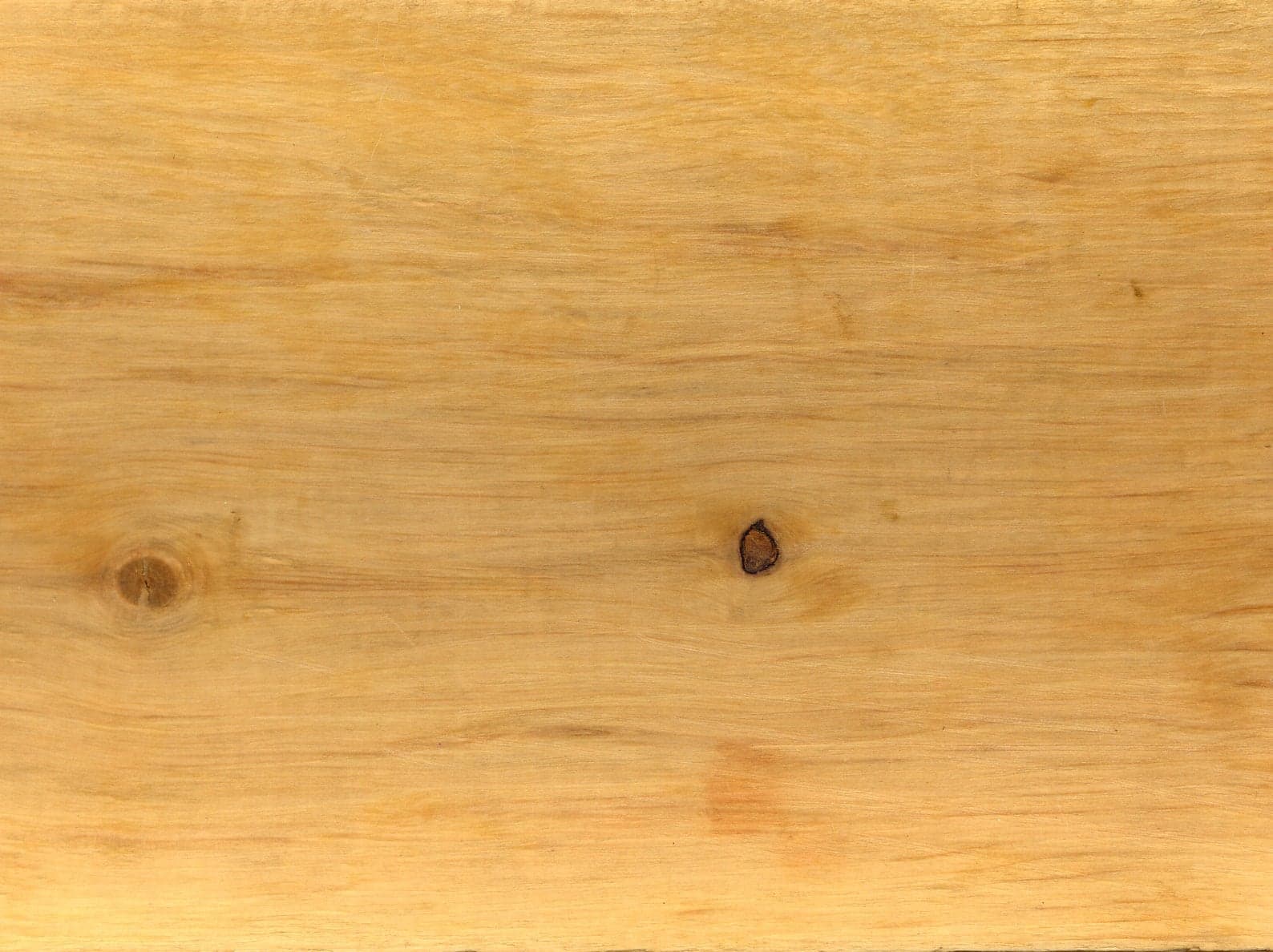
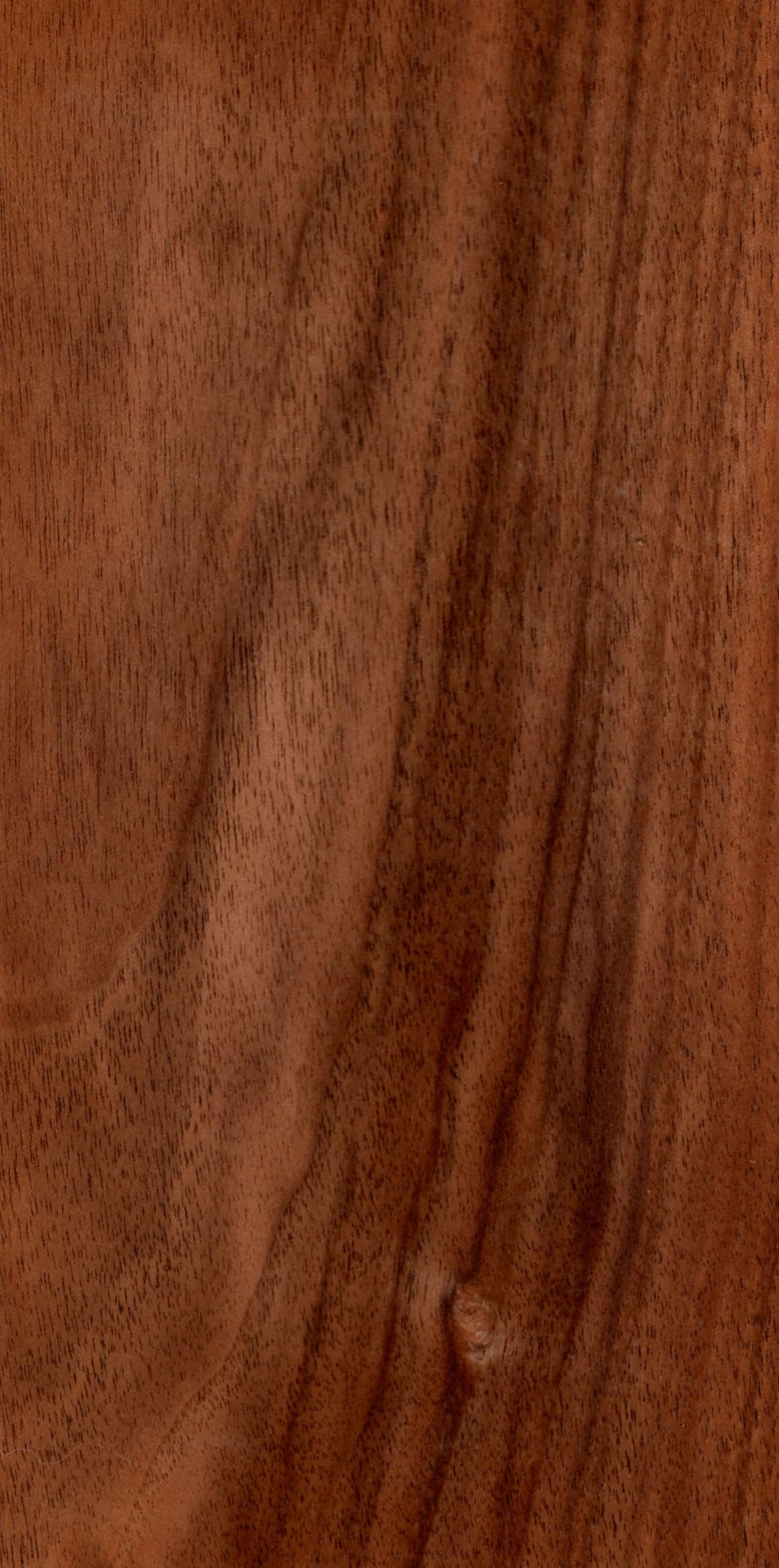
Tekstura lesa Hornbeam
  • Primernost za projekt
  • Na zalogi
  • Videz
  • Obdelava
  • Delovanje lesa
  • Cena
  • Varnost in nabava
  • Vprašanja
  • Tehnični podatki

Je primeren za vaš projekt?

Odličen za

  • Plane bodies and mallet heads
  • Tool handles and chisel handles
  • Turned work, bowls, finials, pepper mills, fine spindles
  • Joinery accents, wedges, splines, drawbore pins, dovetail keys
  • High-wear surfaces, chopping boards, butcher blocks, jig faces
  • Gear teeth, cogs, and replacement parts in restored mills

V trenutni ponudbi ni lesa Hornbeam

Podobne vrste na zalogi

Lesa Hornbeam trenutno ni. Te vrste so primerne za enake projekte in imajo razpoložljive kose.
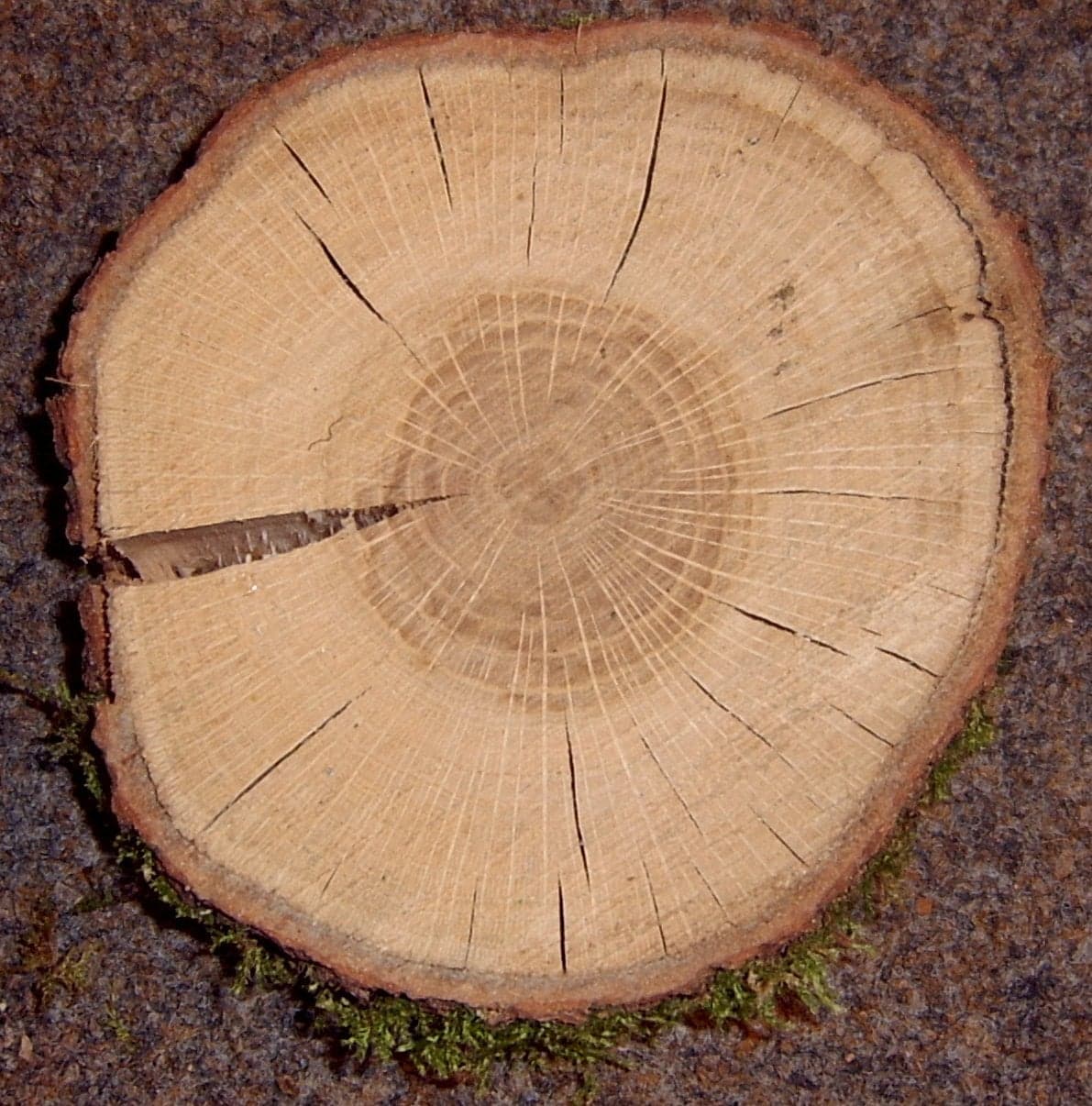
  • Tekstura lesa European Oak

    European Oak

    Quercus robur

    6 kosov

  • Tekstura lesa European Walnut

    European Walnut

    Juglans regia

    9 kosov

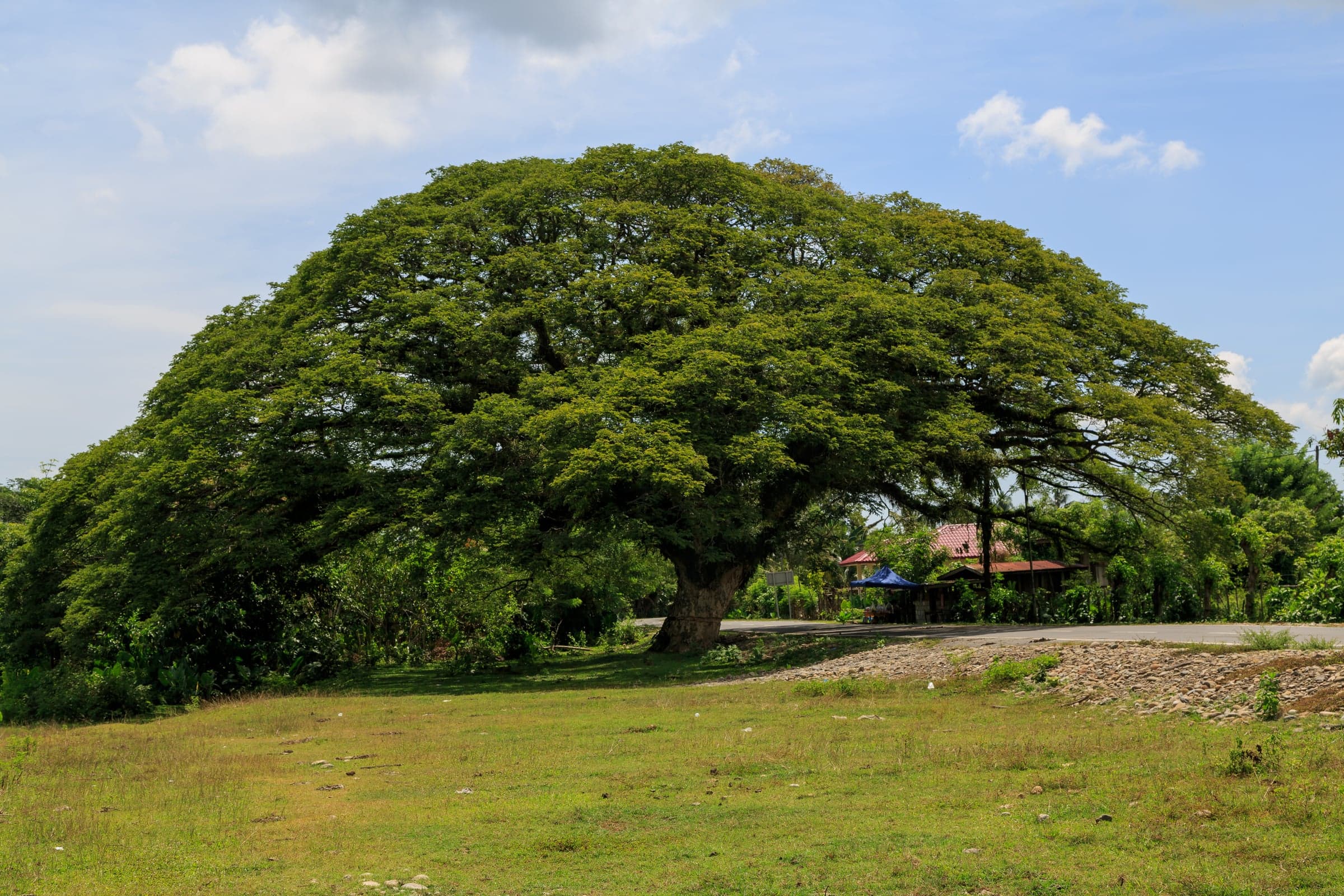
  • Tekstura lesa Saman

    Saman

    Samanea saman

    4 kosi

Prejemajte obvestila o lesu Hornbeam

Pošljemo vam e-pošto, ko v KORENA prispejo novi plohi iz lesa Hornbeam. Vsak kos je edinstven, zato je zgodnje obvestilo pomembno.

Nekaj e-poštnih sporočil na mesec. Brez neželene pošte, odjavite se lahko kadar koli.

Videz lesa

Kako je videti

Creamy white to pale straw, sometimes drifting to light grey-brown with age. Grain is irregular and often interlocked; texture is fine and even. Almost no figure, no drama, its character is in the surface itself, which polishes to a hard, near-ceramic feel that softer pale woods cannot match.

  • Creamy white to pale straw when fresh
  • Drifts to light grey-brown with age and UV
  • Occasional grey streaking on slower-grown stock
  • Almost figureless, reads as a clean, even pale ground
  • Polishes to a hard, near-ceramic surface sheen
  • Irregular grain, fine even texture.

Obdelava

Obdelava

A specialist wood. Density and interlocked grain blunt edges fast. Expect to sharpen often and feed slowly. Planing tears out unless irons are keen and the cut is light; a scraper or sander often finishes better than a plane. Drilling and routing demand sharp carbide. The reward is on the lathe, where it turns to a fine, crisp surface and holds detail other woods crush. Glues and screws well once pre-bored. Steam-bends reasonably for such a dense species.

Končna obdelava

Sands to a glassy surface if you stay patient and step through the grits. Takes hard waxes, oils, and lacquers cleanly. Stains can blotch on the interlocked patches. Test first. Burnishes beautifully on the lathe; many turners leave it bare or oil-only.

Sušenje

Dries slowly and moves a lot, tangential shrinkage of 11 to 13 percent puts it among the most mobile European hardwoods. Prone to distortion, surface checks, and case-hardening if rushed. Air-dry under weight, then finish in a kiln on a gentle schedule. Acclimatise in the workshop for several weeks before machining, and design for movement in any wider piece.

Koliko bo deloval?

Les se prečno širi in krči, ko zrak postaja bolj vlažen ali suh. Pred načrtovanjem pritrdil ocenite sezonsko delovanje mizne plošče iz lesa Hornbeam.

Rez
Kje bo izdelek

Pričakovano sezonsko delovanje

približno 13,7 mm

Veliko. Uporabite spone ali nosilce z utori, na koncih prečnih letev pustite prostor in ploh pred sestavljanjem aklimatizirajte.

Model linearnega krčenja: širina × (krčenje ÷ 28 % nasičenosti vlaken) × sezonska sprememba vlažnosti. Za les Hornbeam uporablja 12 % tangencialnega krčenja. To je ocena za načrtovanje, ne jamstvo.

Koliko stane

Varnost in nabava

  • Gojeno in posekano v Evropi.
  • Status na Rdečem seznamu IUCN: svetovna ocena ogroženosti te vrste.
  • Food-contact safe once finished, which is why it has a long history in kitchen tools and chopping blocks. The dust is a known skin irritant and can sensitise on repeated exposure. Wear long sleeves, run good extraction, and mask up when sanding.

Preberite celoten vodnikPodrobni zapiski o teksturi, spreminjanju barve, obdelavi in stabilnosti.+

What Hornbeam actually is#

Carpinus betulus is the wear wood. At 735 kg per cubic metre and 7,260 N Janka it is the second hardest measured species in this catalogue, behind only robinia, and it has a fine even texture with no strong grain direction.

That combination, hardness without a pronounced grain to split along, is what made it the traditional wood for things that get hit, rubbed and worn: plane soles, mallet heads, gear teeth in windmill and watermill machinery, butchers blocks, and cogs.

It is not a decorative wood and it was never used as one.

Reading a hornbeam slab#

Colour is pale, near white to light cream, sometimes with grey streaking. Figure is minimal. The texture is fine and even and the surface has a slight natural lustre.

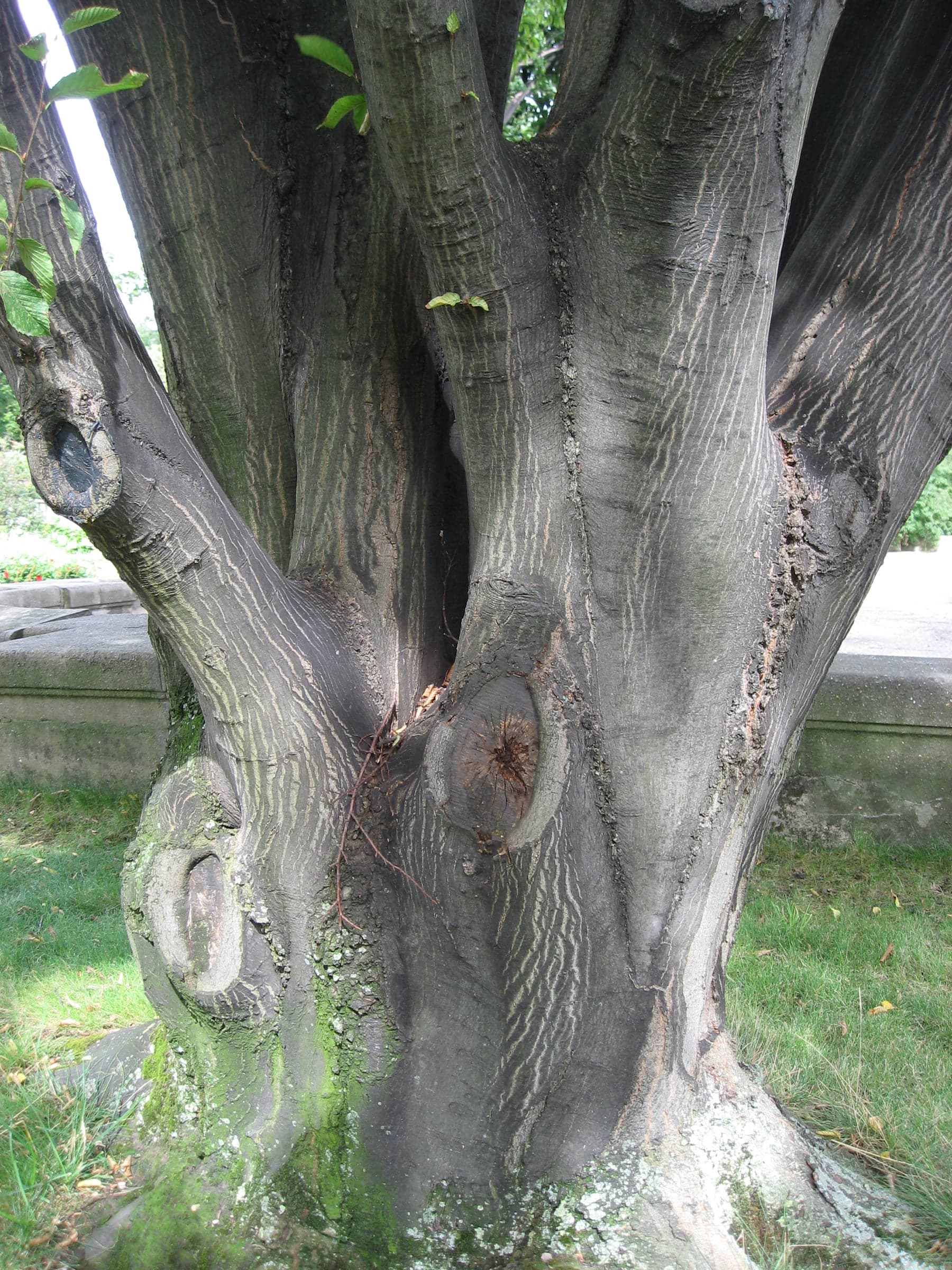
The characteristic feature of the tree is fluting: the trunk grows with pronounced longitudinal ridges rather than round, which is why hornbeam logs look twisted and why converting them to wide clean boards is awkward. Expect irregular widths and a good deal of waste.

Grain is frequently interlocked, following the fluting.

The movement problem#

Vprašanja kupcev

Vprašanja kupcev

Why is Hornbeam used for tool parts and machinery?

+

It is exceptionally hard at 7,260 N, second only to robinia among measured species here, with a fine even texture and no pronounced grain direction. That combination resists wear without splitting, which is why it was the traditional wood for plane soles, mallet heads, gear teeth in mill machinery, and butchers blocks.

How much does it move?

+

A great deal. Volumetric shrinkage of 17.0 percent ties with beech for the highest in this catalogue, and tangential shrinkage of 11.0 percent against 5.5 percent radial is a very wide differential. Hornbeam is not a wood for wide solid tops in a variable environment. It is a wood for small dense components.

Is it hard to work?

+

Yes. The density and interlocked grain blunt tooling quickly and cause tear-out, and it is heavy going by hand. The fine texture that makes it wear so well is the same thing that makes it resist cutting. Sharp carbide tooling and light cuts are the practical answer.

Can it be used outdoors?

+

No. Despite its hardness it is rated decay class 5, perishable, and it will rot readily if exposed. Hardness and durability are unrelated properties. For exterior work use robinia, oak or sweet chestnut.

Mehanske lastnosti

Tehnični podatki

Objavljene referenčne vrednosti. Kjer se viri ne ujemajo, je prikazan razpon, za zgornje lestvice pa je uporabljena običajna vrednost.

Gostota (kg/m³)Masa na kubični meter pri približno 12 % vlažnosti. Težji les je navadno trši in močnejši.700–820 kg/m³običajno 735 kg/m³
Trdota po Janki (N)Sila, potrebna, da se jeklena kroglica do polovice vtisne v les. Standardno merilo odpornosti proti udrtinam.6,900–7,700 Nobičajno 7260 N
MOR: upogibna trdnost (MPa)Upogibna trdnost: obremenitev, pri kateri se nosilec zlomi.110–130 MPa
MOE: modul elastičnosti (GPa)Upogibna togost: koliko se polica ali mizna plošča povesi pod obremenitvijo.12.0–14.0 GPa
Radialno krčenjeKrčenje prečno na letnice od svežega do popolnoma suhega lesa. Tako delujejo radialno rezane deske.5.5–7.0 %
Tangencialno krčenje

Beentree, via Wikimedia Commons

  • Piano and harpsichord action parts
  • Inlay and contrast bandings against dark woods
  • Prednosti

    • Varen za živilaPrimeren za deske, sklede in površine, ki se dotikajo živil.
    • Dobro se kriviOcena 4 od 5 za parno krivljenje. Primeren za ostre krivine.

    Pozor

    Native to central and eastern Europe. Slow-growing, often coppiced, and recognisable in the forest by its fluted, muscle-like trunk, the reason for the folk names ironwood and musclewood.

  • Native, abundant across central and eastern European forests, and listed Least Concern by the IUCN with no CITES restriction. Often a by-product of broadleaf woodland and hedgerow management, so volumes are smaller and more local than oak or beech but the supply is genuinely sustainable.

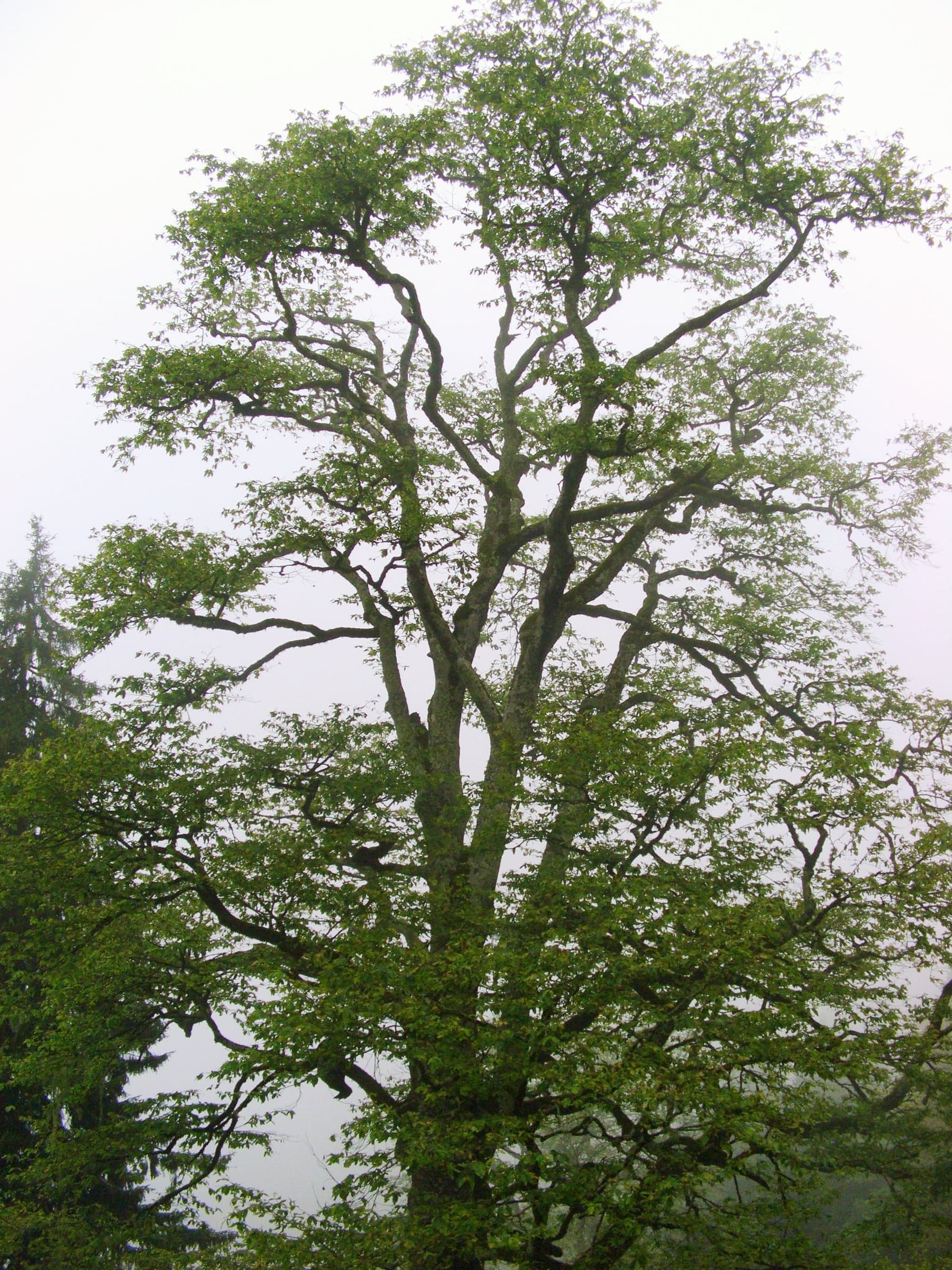
  • Drevo Hornbeam

    Dr. Zeynel Cebeci, via Wikimedia Commons

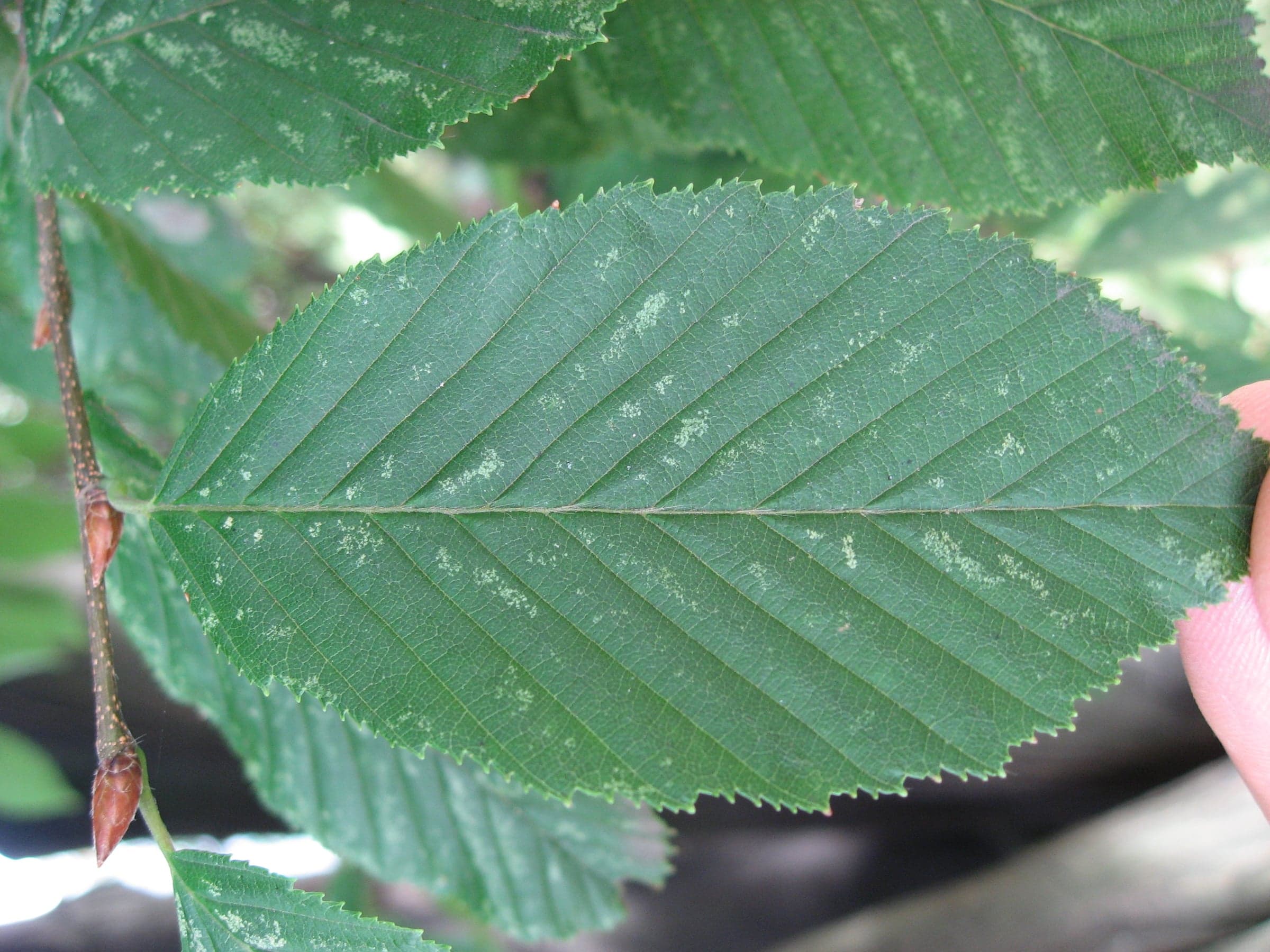
    Hornbeam: List
    List
    Hornbeam: Lubje
    Lubje

    Hornbeam ties with beech for the highest volumetric shrinkage in this catalogue at 17.0 percent, and its tangential to radial differential of 11.0 against 5.5 percent is very wide.

    This is a wood that reacts strongly to humidity. A wide solid hornbeam top in a room with underfloor heating will not stay flat.

    That is entirely consistent with its traditional applications. Plane soles, mallet heads and gear teeth are small dense components where movement is restrained by geometry or simply does not matter at that scale. Nobody historically made wide hornbeam tabletops, and the reason was not fashion.

    If you are buying a hornbeam slab, buy it for a workbench top, a butchers block, or small components, and let it float rather than fixing it.

    At the bench#

    Hornbeam is hard work. The density blunts tooling quickly, the interlocked grain tears out, and hand tools make slow progress.

    The fine texture that gives such good wear resistance is exactly what resists cutting. Sharp carbide tooling, light cuts, and a scraper or high angle plane for the final surface are the practical approach.

    It turns very well and holds crisp detail, and it takes a burnished finish straight off the tool. It glues reliably. Pilot every fastening.

    The durability trap#

    Hornbeam is decay class 5, perishable, despite being one of the hardest woods here.

    This catches people out repeatedly, and it is the same trap ash sets. Hardness and decay resistance are unrelated: one is about cell wall structure, the other about extractive chemistry. Hornbeam has excellent structure and essentially no protective extractives.

    Untreated hornbeam outdoors will rot. For exterior work use robinia at decay class 1, oak at 2, or sweet chestnut at 2.

    Kitchen and workshop use#

    It is rated food safe and is the traditional European butchers block timber. The fine dense texture resists knife scarring and cleans well, which is the whole reason it was chosen for that job.

    In the workshop it makes excellent bench tops, vice jaws, mallet heads and plane soles. A hornbeam bench top takes decades of abuse.

    Where Hornbeam is the right answer#

    Butchers blocks, workbench tops, tool parts, mallets, plane soles, gear and machine components, and turned work where wear resistance matters.

    It is the wrong answer for wide decorative tops, for anything outdoors, and where your tooling or your patience is limited.

    Sourcing and EUDR#

    Not CITES listed and assessed as Least Concern. Common across central Europe and widely grown as hedging and coppice. Timber sized material is less common than the tree's abundance suggests because of the fluted trunk form, so wide clean slabs carry a premium relative to the species' status.

    Telling hornbeam from beech#

    These two get confused constantly. Both are pale, dense, fine textured European hardwoods sold for similar workshop uses, and a machined board of either looks much like the other.

    The reliable difference is in the rays. Beech has broad, conspicuous rays that show clearly on a quartersawn face as distinct flecks and on the end grain as obvious lines. Hornbeam has fine, inconspicuous rays and shows no comparable fleck.

    Weight is the second check. Hornbeam is denser at 735 kg per cubic metre against beech at 710, and noticeably harder at 7,260 N against 6,460 N. In the hand the difference is subtle; under a plane it is not.

    The third is the trunk. Hornbeam grows with pronounced longitudinal fluting, so the log is ridged rather than round. Beech logs are round and regular.

    What the fluting costs you#

    That fluted trunk form is the reason hornbeam is expensive relative to how common the tree is.

    Converting a fluted log to square edged boards throws away a great deal of material, and the deeper the fluting the worse the yield. Wide clean hornbeam boards are correspondingly scarce.

    For slab work, the fluting is sometimes an asset rather than a loss. A slab cut to follow the natural ridged outline keeps a wavy live edge that is characteristic of the species and impossible to fake.

    Is it suitable for a chopping block?

    +

    It is rated food safe and it is the traditional European butchers block timber, chosen for exactly that use because the fine dense texture resists knife scarring and cleans well. The movement caveat applies in a kitchen, so keep it oiled and away from standing water.

    Krčenje vzdolž letnic. Tako delujejo tangencialno rezane deske in večina plohov.
    11.0–13.0 %
    Prostorninsko krčenjeSkupna sprememba prostornine od svežega do popolnoma suhega lesa. Nižja vrednost pomeni večjo stabilnost.17.0–19.0 %
    Naravna trajnost (EN 350)Evropski standard naravne odpornosti proti trohnenju, od 1 (zelo trajno) do 5 (netrajno).Class 5 — Perishable

    Viri

    • The Wood Database(dostopano 2026-05-09)
    • USDA FPL Wood Handbook FPL-GTR-190 (2010)(dostopano 2026-05-09)
    • Meier, E. — WOOD! Identifying and Using Hundreds of Woods Worldwide (2015)(dostopano 2026-05-09)

    Na kratko

    Stopnje uporabljajo enake razpone za vse vrste, ki jih navaja KORENA, zato jih lahko neposredno primerjate. Pod vsako je izmerjena vrednost.
    TrdotaOdpornost proti udrtinam in obrabiZelo trd

    Trdota po Janki 7260 N

    46 % trši od evropskega hrasta

    TežaKako težko je dvigniti plohZelo težek

    735 kg/m³

    StabilnostKako malo se spreminja z letnimi časiMočno deluje

    18,0 % prostorninskega krčenja

    ObdelavaŽaganje, skobljanje, brušenje, lepljenjeZmerna

    3,6/5, povprečje obdelave

    Zunanja uporabaNaravna odpornost proti trohnenju, EN 350Samo v notranjosti

    EN 350, razred 5

    • Žaganje · DobroKako čist je rez in koliko les obrablja rezila.1 = težavno · 5 = odlično
    • Skobljanje · DobroKako gladka ostane površina in koliko se les trga.1 = težavno · 5 = odlično
    • Brušenje · DobroKako hitro se gladko obrusi, ne da bi zamašil brusni papir.1 = težavno · 5 = odlično
    • Struženje · OdličnoKako se reže in končno obdela na stružnici.1 = težavno · 5 = odlično
    • Rezbarjenje · DobroKako ostre podrobnosti ohrani pri delu z dletom.1 = težavno · 5 = odlično
    • Lepljenje · Zelo dobroKako zanesljivo držijo lepljeni spoji.1 = težavno · 5 = odlično
    • Oprijem vijakov/žebljev · Zelo dobroKako dobro drži vijake in žeblje, ne da bi razpokal.1 = težavno · 5 = odlično
    • Parno krivljenje · Zelo dobroKako dobro po parjenju sprejme krivine.1 = težavno · 5 = odlično

    Trenutne prodajne cene za les Hornbeam po Evropi na kubični meter brez DDV. Za podrobnosti se dotaknite poljubne cene.

    • Najboljši hlodi na dražbiIzbrani visokokakovostni hlodi, prodani na licitacijah zaprtega tipa, večinoma izdelovalcem furnirja in pohištva. Iz takšnih hlodov se režejo plohi.Večina cen je med 92 € in 108 €.Na podlagi 55 cen iz 2 regij.Najnovejši podatki: 24. sep. 2026
    • Običajni hlodiVelike količine standardnega okroglega lesa, ki ga prodajajo lastniki gozdov in državne gozdarske službe, večinoma za gradbeništvo in industrijo.Večina cen je med 30 € in 114 €.Na podlagi 1255 cen iz 7 regij.Najnovejši podatki: 24. sep. 2026

    Najboljši hlodi na dražbi po državah

    • Nemčija · 108 € / m³Regije: Bavaria25 cenNajnovejši podatki: 24. sep. 2026
    • Avstrija · 92 € / m³Regije: Austria30 cenNajnovejši podatki: 24. sep. 2026

    Običajni hlodi po državah

    • Romunija · 82 € / m³Regije: Banat / Crișana, Moldavia (Romania), Transylvania in Wallachia1225 cenNajnovejši podatki: 24. sep. 2026
    • Francija · 64 € / m³Regije: Grand Est / Alsace6 cenNajnovejši podatki: 15. sep. 2026
    • Bolgarija · 50 € / m³Regije: North-West Bulgaria in South-East Bulgaria24 cenNajnovejši podatki: 21. sep. 2026

    Zakaj ploh stane več?

    To so cene surovega lesa. Ploh je najboljši izrez hloda, sušen najmanj eno leto ter nato pregledan in izmerjen kos za kosom. Samo majhen del posameznega hloda postane ploh.

    Vir: KORENA Timber Index · Najnovejši podatki: 24. sep. 2026

    Prikaži vse regionalne cene
    Ni za neobdelano zunanjo uporabo
    Naravna trajnost je po EN 350 razred 5 od 5. Les uporabljajte v notranjosti ali ga zaščitite z vzdrževanim premazom.
  • Deluje bolj kot večina vrstŠiroke mizne plošče potrebujejo spone ali pritrdila z utori in dovolj prostora za premikanje. Uporabite spodnji kalkulator delovanja lesa.
  • Prah dražiMed brušenjem ali strojno obdelavo vključite odsesavanje in nosite masko.
  • Zahteven za rezilaLes je zelo trd in gost. Orodje naj bo ostro, za vsak vijak pa izvrtajte vodilno luknjo.
  • Za podrobnosti se dotaknite oznake.