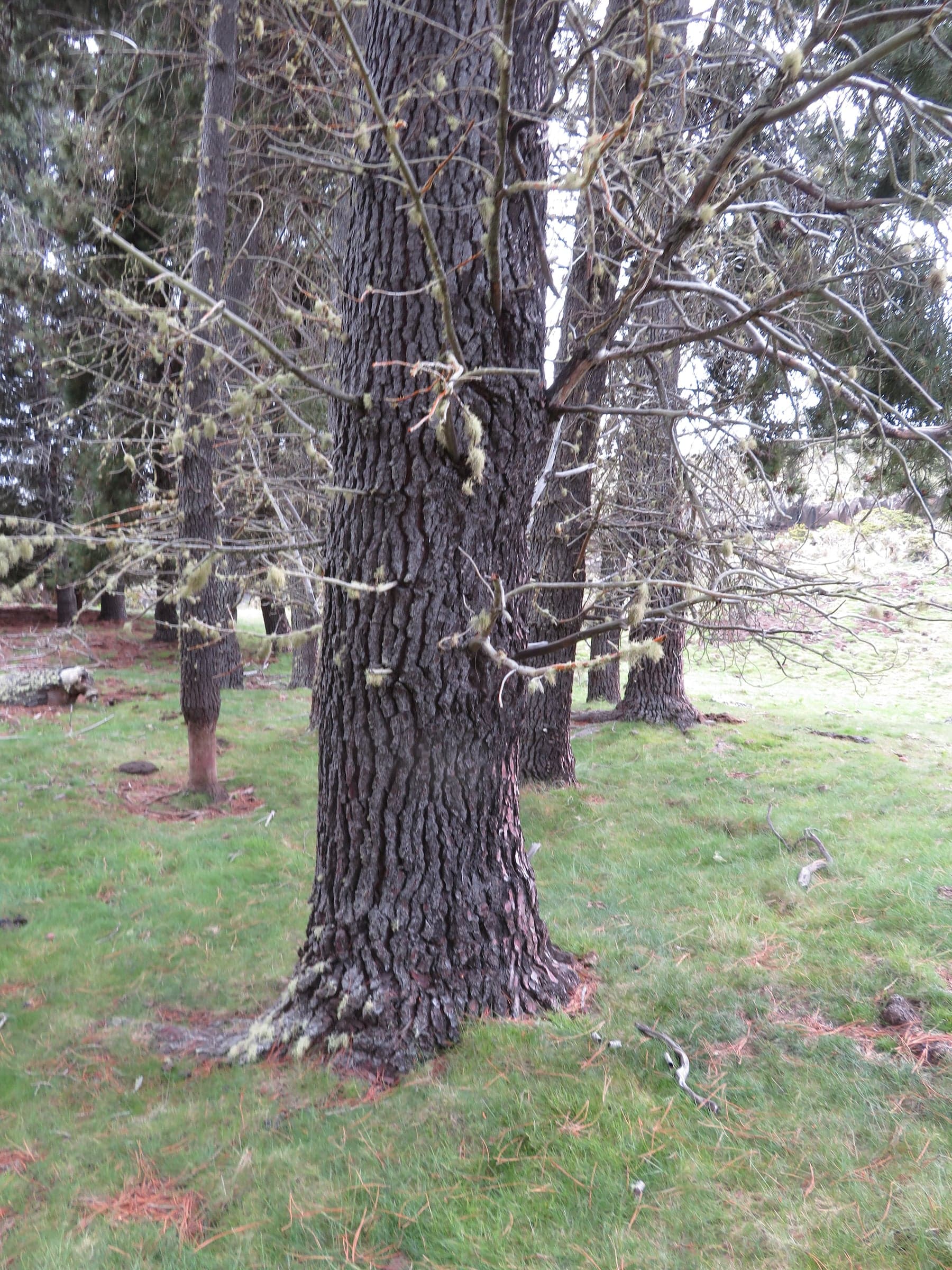
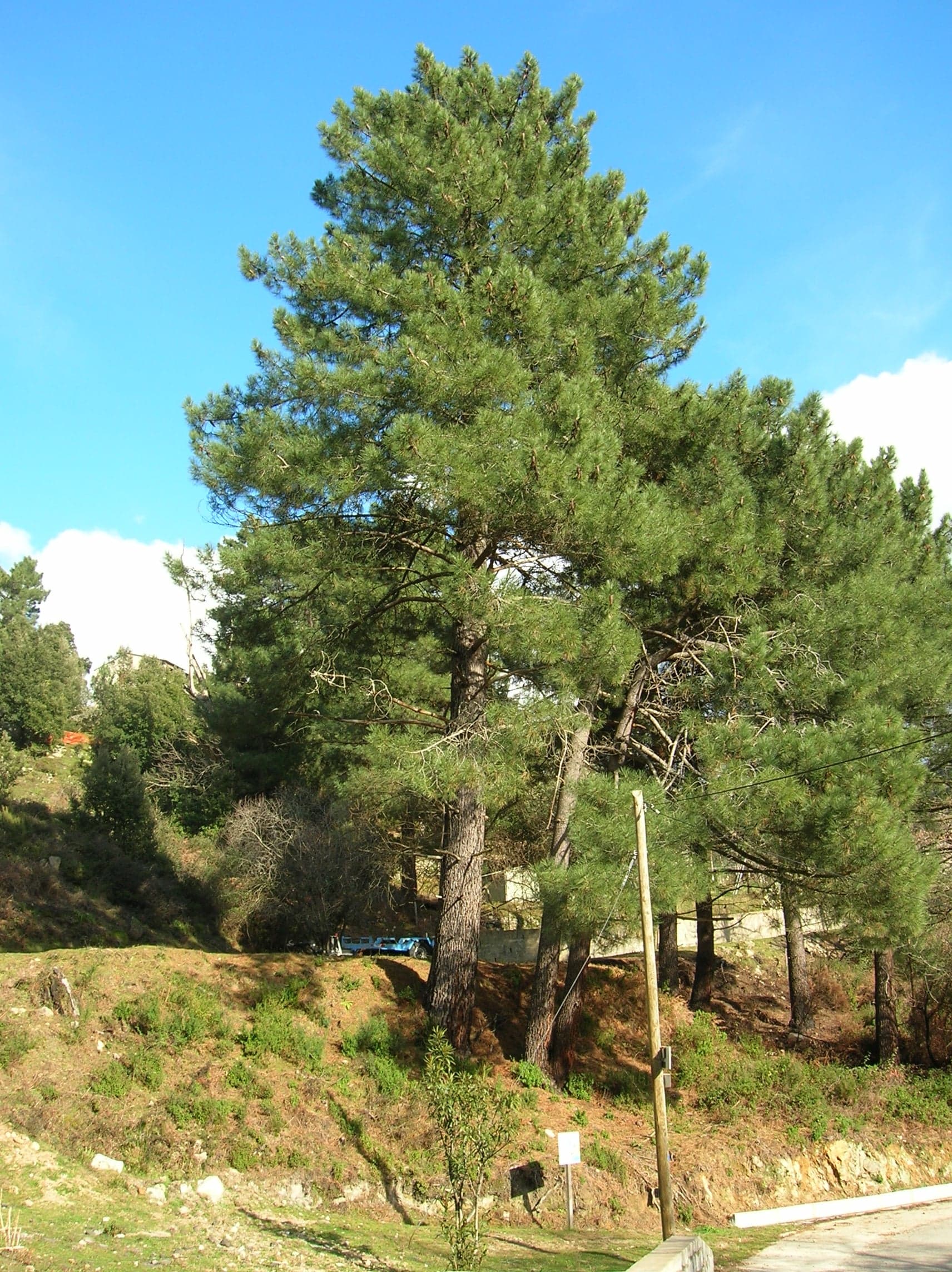
Pinus pinaster
Maritime Pine
The pine of the Atlantic coast and the Landes. The most resinous and least stable wood KORENA lists, with a bold coarse figure that suits rustic work.
- Gojeno in posekano v Evropi.
- Botanična skupina. Iglavci so golosemenke, listavci pa širokolistna drevesa.
- Botanična družina, ki ji vrsta pripada.
Obvestite me ob prihoduReferenčna vrsta. Trenutno ni kosov na zalogi.
Je primeren za vaš projekt?
Odličen za
- Rustic tabletops
- Panelling
- Carcass work
- Painted furniture
- Shelving
V trenutni ponudbi ni lesa Maritime Pine
Podobne vrste na zalogi
Lesa Maritime Pine trenutno ni. Te vrste so primerne za enake projekte in imajo razpoložljive kose.
Prejemajte obvestila o lesu Maritime Pine
Pošljemo vam e-pošto, ko v KORENA prispejo novi plohi iz lesa Maritime Pine. Vsak kos je edinstven, zato je zgodnje obvestilo pomembno.
Videz lesa
Kako je videti
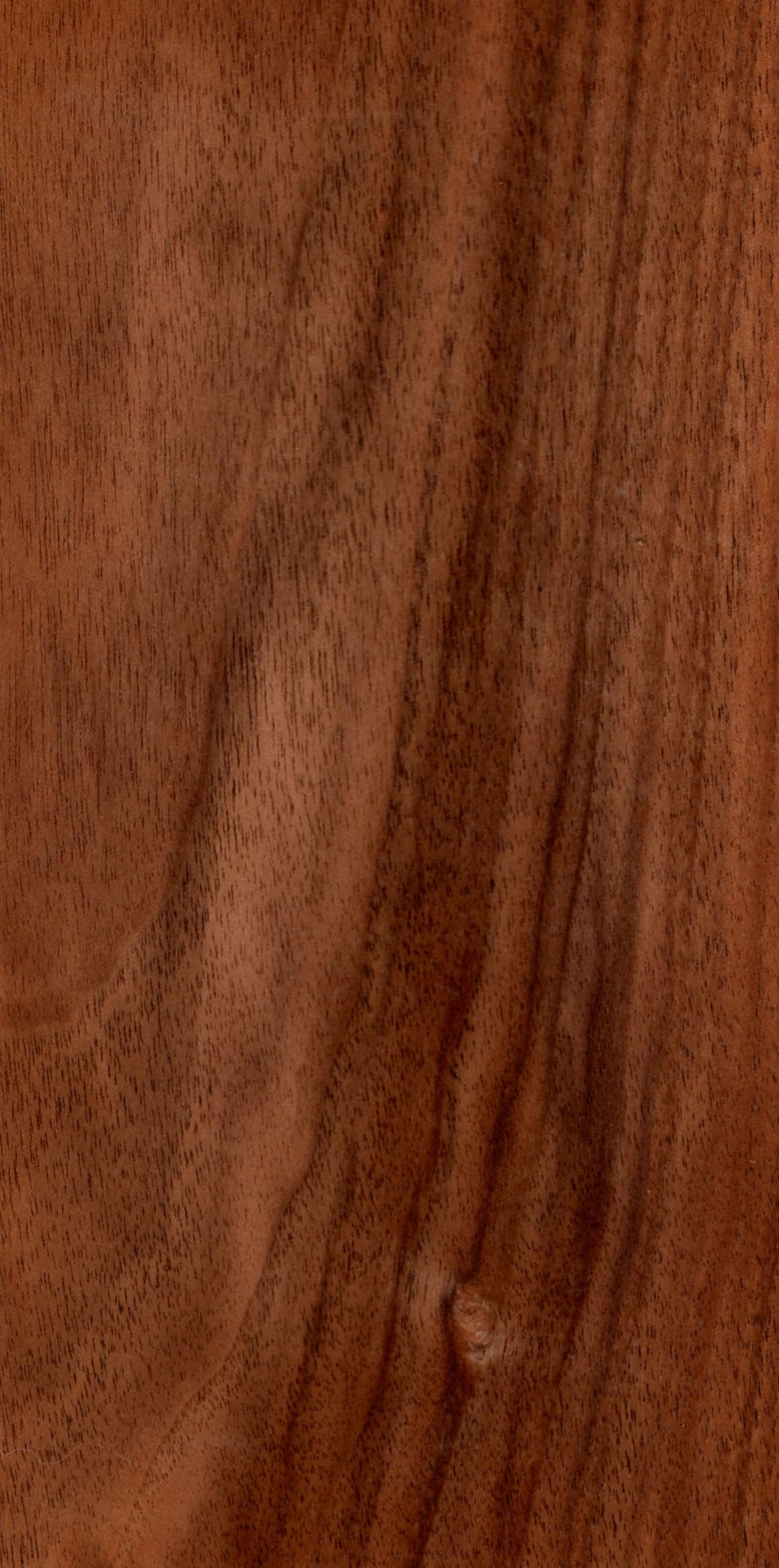
Pale yellow to reddish brown heartwood against wide pale sapwood, with very wide growth rings reflecting fast coastal growth. The ring contrast is strong, giving a bold and slightly coarse figure. It is the most resinous species KORENA lists, which is both its historical value, as the tree was tapped for turpentine for centuries, and its main working difficulty.
- Pale yellow to reddish brown heartwood
- Wide pale sapwood band
- Wide growth rings with strong earlywood to latewood contrast
- Straight grain with very wide rings and extreme earlywood to latewood contrast, giving a bold coarse figure. Pale yellow to reddish brown, highly resinous.
Obdelava
Obdelava
Works fairly well with most tools, but the resin gums up tools and clogs sandpaper more than in any other species here. Abrasives should be treated as consumable. The wide, soft earlywood bands between hard latewood bands mean the surface can wash out under sanding, leaving a rippled face, so scraping is preferable to heavy abrasive work. Sharp cutters are essential.
Končna obdelava
Wipe down with denatured alcohol or acetone before finishing to lift surface resin, otherwise oil finishes may stay tacky in patches. Once clean it takes oil and wax well. Pigment stains blotch severely because of the extreme density contrast between earlywood and latewood, so a dye or a clear finish is much safer. Seal knots with shellac before any painted finish.
Sušenje
Dries reasonably quickly but is prone to distortion given the wide rings and often spiral grain of fast grown coastal stock. A hot kiln schedule drives resin to the surface where it sets sticky and interferes with finishing later. Air drying followed by a low temperature kiln finish is the sensible route. Volumetric shrinkage at around 14.4 percent is the highest of any species KORENA lists, so movement in service is substantial.
Koliko bo deloval?
Les se prečno širi in krči, ko zrak postaja bolj vlažen ali suh. Pred načrtovanjem pritrdil ocenite sezonsko delovanje mizne plošče iz lesa Maritime Pine.
Pričakovano sezonsko delovanje
približno 10,3 mm
Mizno ploščo pritrdite s sponami ali nosilci z utori, ne z lepilom ali trdno privitimi vijaki.
Model linearnega krčenja: širina × (krčenje ÷ 28 % nasičenosti vlaken) × sezonska sprememba vlažnosti. Za les Maritime Pine uporablja 9 % tangencialnega krčenja. To je ocena za načrtovanje, ne jamstvo.
Koliko stane
Varnost in nabava
- Gojeno in posekano v Evropi.
- Status na Rdečem seznamu IUCN: svetovna ocena ogroženosti te vrste.
Working with pine has been reported to cause allergic skin reactions and asthma-like symptoms in some people. Because this species carries more resin than the others here, skin contact sensitisation is a more realistic risk over repeated exposure. Gloves when handling and good extraction while machining are worth the habit.
Preberite celoten vodnikPodrobni zapiski o teksturi, spreminjanju barve, obdelavi in stabilnosti.
What Maritime Pine actually is#
Pinus pinaster is the pine of the western Mediterranean and the Atlantic seaboard of Iberia and France. The Landes forest in southwest France, planted on former dunes and marsh from the nineteenth century onward, is the largest planted pine forest in western Europe and the principal commercial source of this timber.
For centuries the tree was more valuable standing than felled, because it was tapped for resin to produce turpentine and rosin. That history is the single most useful fact about the wood, because the resin that made it commercially important is also what makes it the most demanding species in this catalogue to machine and finish.
Reading a Maritime Pine slab#
Fast coastal growth produces very wide growth rings, and the contrast between the soft pale earlywood and the hard dark latewood is extreme. The result is a bold, coarse figure with a lot of visual movement, quite different from the fine even texture of spruce or fir.
That coarseness is the honest character of the wood and suits rustic work well. It does not suit a design asking for a quiet, uniform surface.
Colour runs pale yellow to reddish brown in the heartwood against a wide pale sapwood band. Spiral grain is common in fast grown coastal stock and is worth checking for, because it is the main cause of the distortion this species is prone to.
Vprašanja kupcev
Vprašanja kupcev
Why is Maritime Pine so much stickier to work than other pines?
It carries more resin than any other species KORENA lists, which is why it was tapped commercially for turpentine and rosin for centuries. The resin softens with cutting heat and deposits on blades, in saw gullets and across abrasives. Clean blades with a resin solvent between operations and expect sandpaper to load quickly.
How much will it move?
More than anything else in this catalogue. Volumetric shrinkage is around 14.4 percent, the highest figure KORENA lists, with tangential movement at 9.0 percent against 4.5 percent radial. A wide flatsawn top will change noticeably between seasons, so it must float on slotted fasteners and should acclimatise in its final room before flattening.
Why does the surface look rippled after sanding?
The earlywood bands are much softer than the latewood bands and abrasives cut them away faster, leaving a washboard surface. This is worse in Maritime Pine than other pines because the rings are wide and the contrast extreme. Use a card scraper or a sharp plane for the final surface rather than sanding it flat.
Is it strong enough for a table?
Mehanske lastnosti
Tehnični podatki
Objavljene referenčne vrednosti. Kjer se viri ne ujemajo, je prikazan razpon, za zgornje lestvice pa je uporabljena običajna vrednost.
| Gostota (kg/m³)Masa na kubični meter pri približno 12 % vlažnosti. Težji les je navadno trši in močnejši. | 500 kg/m³ |
|---|---|
| Trdota po Janki (N)Sila, potrebna, da se jeklena kroglica do polovice vtisne v les. Standardno merilo odpornosti proti udrtinam. | 1,740 N |
| MOR: upogibna trdnost (MPa)Upogibna trdnost: obremenitev, pri kateri se nosilec zlomi. | 73 MPa |
| MOE: modul elastičnosti (GPa)Upogibna togost: koliko se polica ali mizna plošča povesi pod obremenitvijo. | 8.5 GPa |
| Radialno krčenjeKrčenje prečno na letnice od svežega do popolnoma suhega lesa. Tako delujejo radialno rezane deske. | 4.5 % |
| Tangencialno krčenjeKrčenje vzdolž letnic. Tako delujejo tangencialno rezane deske in večina plohov. | 9.0 % |