KORENA
LesFinished piecesMaterialSkladiščaDnevnik

Prejemajte obvestila

Vsaka deska je edinstvena. Ko je prodana, je ni več. Ko objavimo nove kose, vam pošljemo e-poštno sporočilo: novi prihodi, nove vrste lesa in deske, ki ustrezajo opisu projekta.

Nekaj e-poštnih sporočil na mesec. Brez neželene pošte, odjavite se lahko kadar koli.

KORENA, vrhunski trdi les

Kos za kosom.

Preverjen vrhunski trdi les, naprodaj kos za kosom. Vsaka deska je fotografirana, izmerjena in iz partnerskega skladišča odpremljena s potnim listom lesa.

Trgovina

  • Oglejte si izdelke
  • Arhiv prodanih desk
  • Sledi naročilu

Vsebine

  • Revija
  • Vodniki po vrstah lesa
  • Slovar
  • Primerjava
  • Avtorji

Pomoč

  • O nas
  • Kako deluje
  • Postanite partnersko skladišče
  • Poiščite desko
  • Podpora
  • Predloge dokumentov
  • Za medije

Nakup

  • Prodajni pogoji
  • Pravica do odstopa
  • Vračila in garancija
  • Odprema in dostava

Zaupanje

  • Pravilnik o zasebnosti
  • Pravilnik o piškotkih
  • Poreklo lesa in EUDR
  • Dostopnost

Kolofon

  • Pravno obvestilo / Kolofon
  • Sprejemljiva uporaba
  • Intelektualna lastnina in vsebina

© 2026 KORENA. Vse pravice pridržane.

Upravlja Martial Labs Ltd. (BG, EIK 207453941). KORENA je trgovsko ime družbe Martial Labs Ltd.

Spoštujemo vašo zasebnost

Nujne piškotke uporabljamo za delovanje spletnega mesta. Z vašim dovoljenjem bi uporabljali tudi piškotke za analitiko, prilagojeno vsebino in oglase. Svojo odločitev lahko kadar koli spremenite na strani nastavitve soglasja. Oglejte si naš pravilnik o piškotkih in pravilnik o zasebnosti.

  1. Domov
  2. /
  3. Vrste
  4. /
  5. Norway Spruce

Picea abies

Norway Spruce

The most abundant conifer in Europe and the lightest slab material KORENA lists. Pale, even, easy at the bench, and soft enough that you should choose it deliberately.

  • Gojeno in posekano v Evropi.
  • Botanična skupina. Iglavci so golosemenke, listavci pa širokolistna drevesa.
  • Botanična družina, ki ji vrsta pripada.
Obvestite me ob prihoduReferenčna vrsta. Trenutno ni kosov na zalogi.
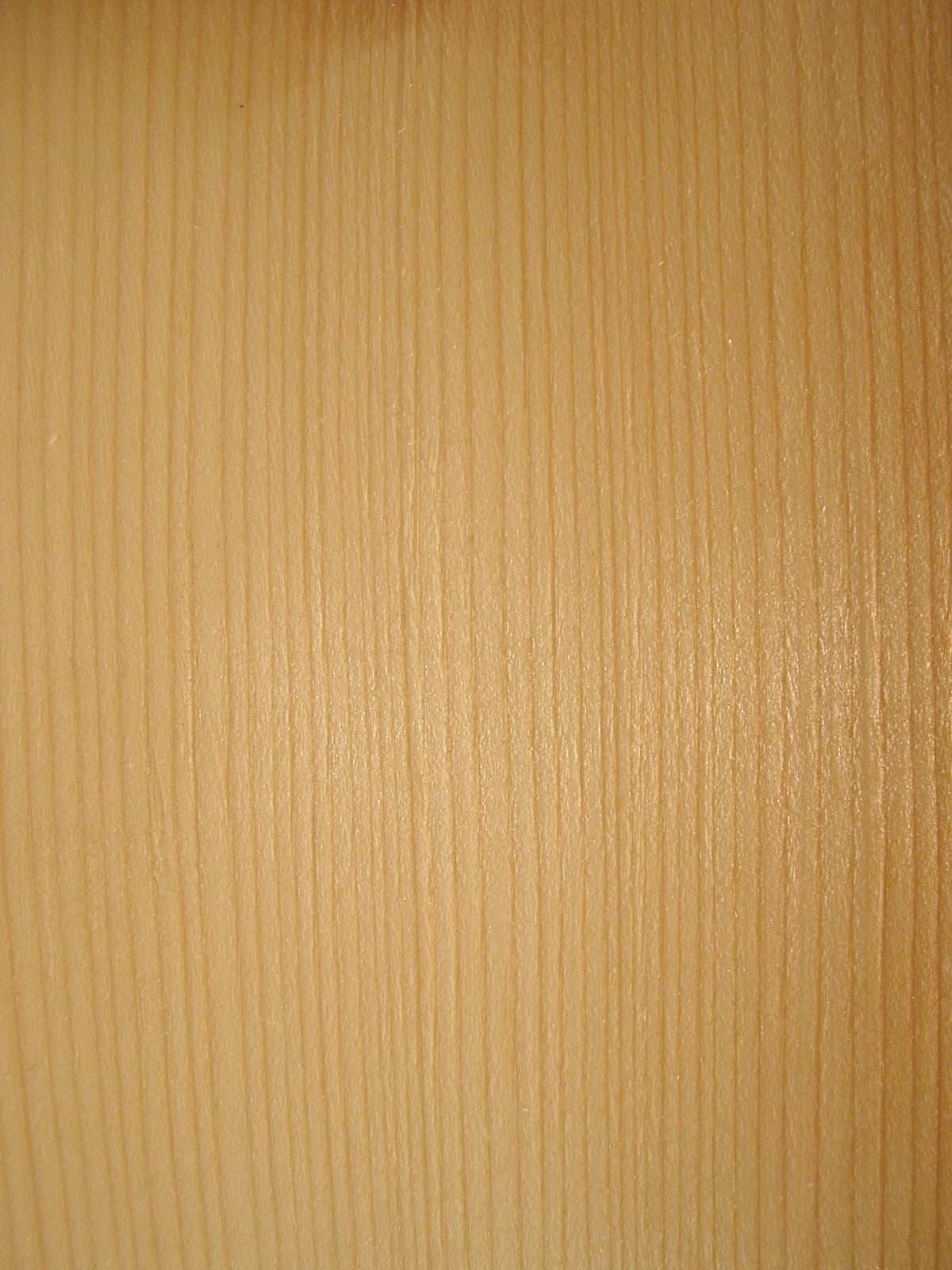
Tekstura lesa Norway Spruce
  • Primernost za projekt
  • Na zalogi
  • Videz
  • Obdelava
  • Delovanje lesa
  • Cena
  • Varnost in nabava
  • Vprašanja
  • Tehnični podatki

Je primeren za vaš projekt?

Odličen za

  • Lightweight tabletops
  • Wall panelling
  • Shelving
  • Instrument soundboards
  • Interior joinery

V trenutni ponudbi ni lesa Norway Spruce

Podobne vrste na zalogi

Lesa Norway Spruce trenutno ni. Te vrste so primerne za enake projekte in imajo razpoložljive kose.
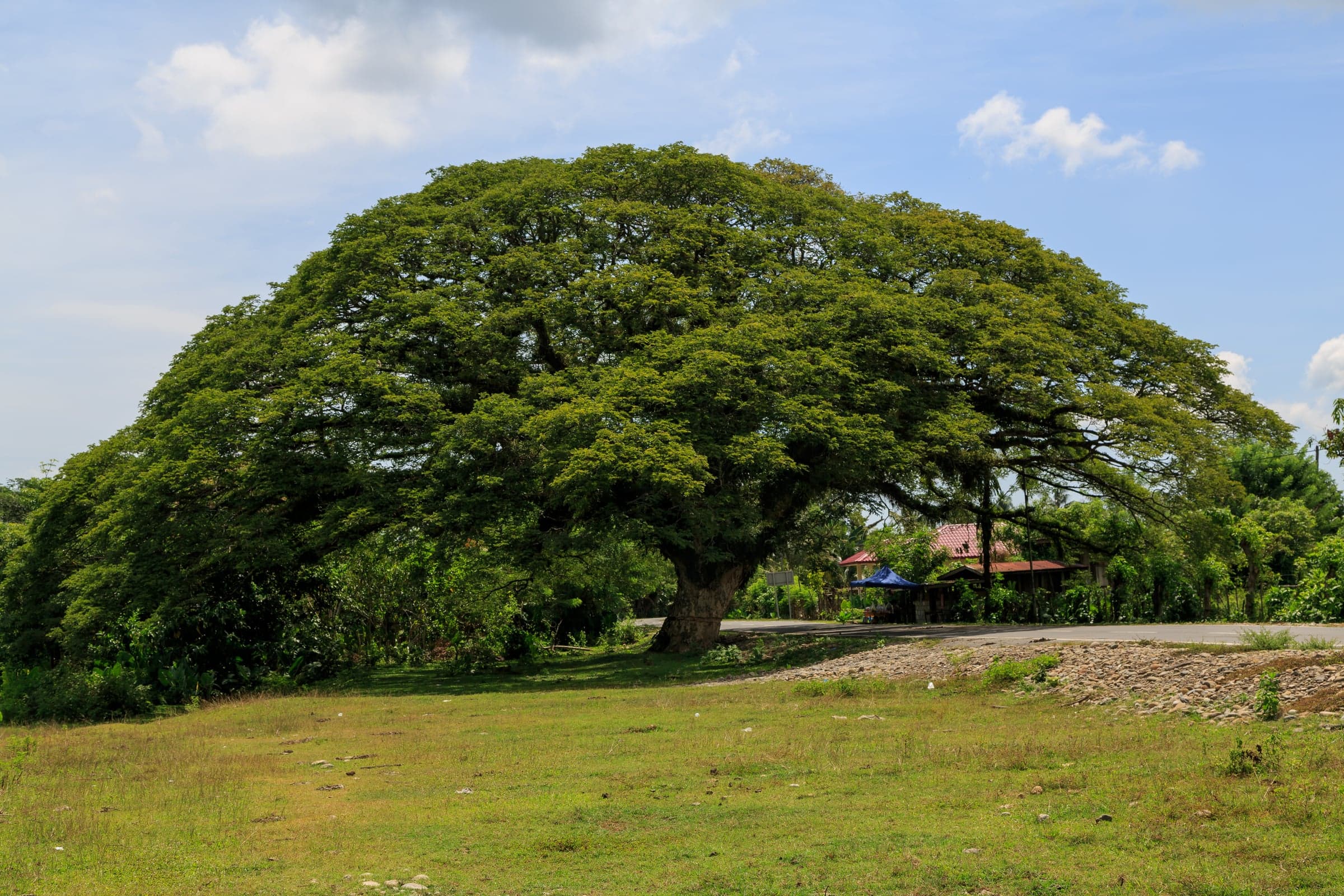
  • Tekstura lesa Saman

    Saman

    Samanea saman

    4 kosi

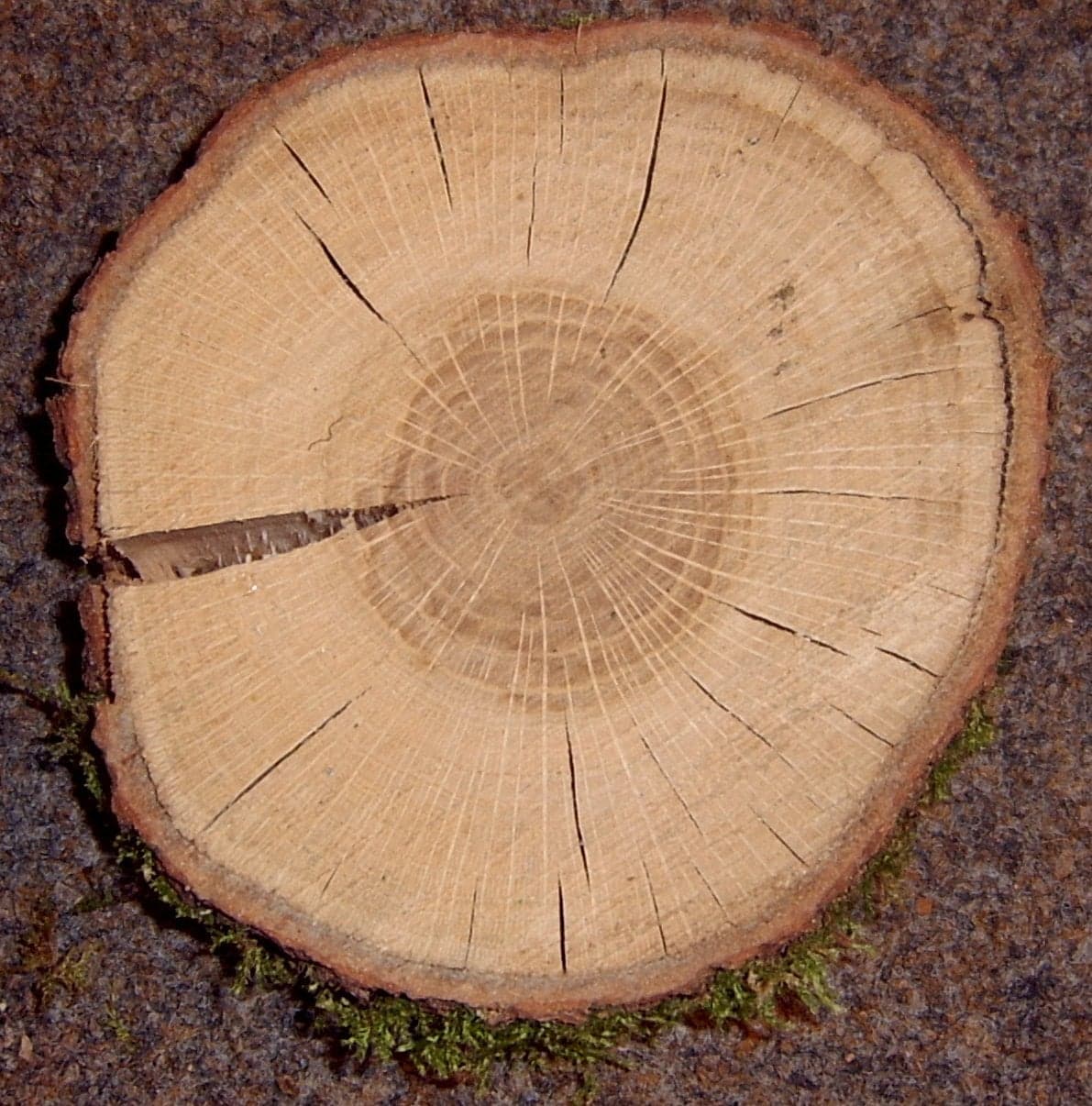
  • Tekstura lesa European Oak

    European Oak

    Quercus robur

    6 kosov

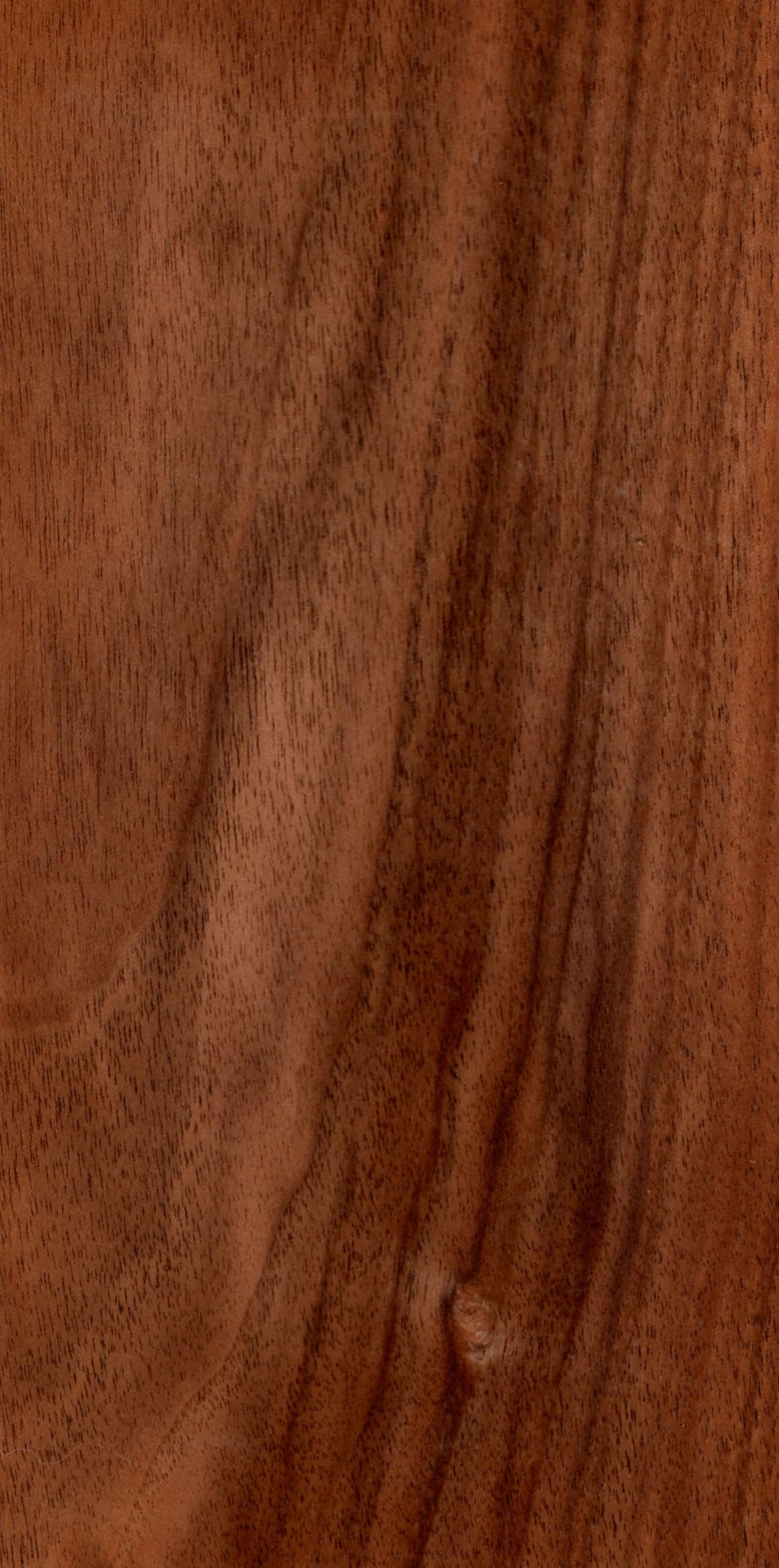
  • Tekstura lesa European Walnut

    European Walnut

    Juglans regia

    9 kosov

Prejemajte obvestila o lesu Norway Spruce

Pošljemo vam e-pošto, ko v KORENA prispejo novi plohi iz lesa Norway Spruce. Vsak kos je edinstven, zato je zgodnje obvestilo pomembno.

Nekaj e-poštnih sporočil na mesec. Brez neželene pošte, odjavite se lahko kadar koli.

Videz lesa

Kako je videti

Pale cream to light yellow throughout, with almost no colour separation between heartwood and sapwood. The grain is straight and the texture fine and even. What makes a spruce slab worth looking at is rarely colour and almost always structure: tight annual rings, resin pockets that read as amber flecks, and the occasional cluster of small sound knots that a maker can either feature or cut around.

  • Cream to pale yellow, darkening slightly with age and UV
  • Little to no heartwood and sapwood contrast
  • Resin pockets show as translucent amber marks
  • Straight grain, even texture; resin canals.

Obdelava

Obdelava

Easy in every operation as long as you stay away from knots. Spruce is soft enough that sharp tools matter more than powerful ones: dull cutters crush the earlywood rather than slicing it, leaving a fuzzy surface that no amount of sanding fully recovers. Knots are hard, resinous and prone to tearing out, so plan cuts around them rather than through them. It glues reliably and takes screws well if you pilot near edges.

Končna obdelava

The one genuine difficulty with spruce. Its uneven density between earlywood and latewood makes it absorb stain unevenly, so pigment stains blotch badly. Use a conditioner first, or skip stain entirely. Clear oils, hardwax oils and water-based lacquers all sit well and keep the pale colour. If you want warmth, a single coat of shellac before the topcoat evens absorption without muddying the grain.

Sušenje

Dries quickly and with relatively little degrade, which is one reason it dominates European construction timber. Slab stock still needs patience: at 50 mm and above, resin pockets can bleed if the kiln schedule runs hot, and case hardening shows up as cupping once you machine the first face. Air drying followed by a gentle kiln finish gives the cleanest result. Expect movement in service to be modest, since volumetric shrinkage is around 12.9 percent.

Koliko bo deloval?

Les se prečno širi in krči, ko zrak postaja bolj vlažen ali suh. Pred načrtovanjem pritrdil ocenite sezonsko delovanje mizne plošče iz lesa Norway Spruce.

Rez
Kje bo izdelek

Pričakovano sezonsko delovanje

približno 9,4 mm

Mizno ploščo pritrdite s sponami ali nosilci z utori, ne z lepilom ali trdno privitimi vijaki.

Model linearnega krčenja: širina × (krčenje ÷ 28 % nasičenosti vlaken) × sezonska sprememba vlažnosti. Za les Norway Spruce uporablja 8,2 % tangencialnega krčenja. To je ocena za načrtovanje, ne jamstvo.

Koliko stane

Varnost in nabava

  • Gojeno in posekano v Evropi.
  • Status na Rdečem seznamu IUCN: svetovna ocena ogroženosti te vrste.
  • Spruce dust has been reported to cause skin irritation and asthma-like respiratory effects, which puts it in the same bracket as most softwood dust. Extraction at the machine and a P2 mask during extended sanding are sensible. No specific toxicity beyond that is documented.

Preberite celoten vodnikPodrobni zapiski o teksturi, spreminjanju barve, obdelavi in stabilnosti.+

What Norway Spruce actually is#

Picea abies is the default European conifer. It covers more forest area than any other species on the continent and supplies most of the structural timber used in EU construction. That ubiquity works against it when people shop for slabs, because a wood you can buy as a stud is easy to dismiss as a wood you cannot build furniture from. The dismissal is half right. Spruce is genuinely soft, and a spruce tabletop will carry the record of everything set down on it. What the reputation misses is that spruce is also stiff for its weight, dimensionally reasonable once dried, and capable of a pale, quiet surface that no hardwood can imitate.

Reading a spruce slab#

Colour tells you very little. Spruce runs cream to pale yellow with effectively no heartwood boundary, so unlike walnut or oak you cannot judge a board by its tonal range. Structure is what matters.

Look first at ring spacing. Slow-grown Alpine spruce with rings a millimetre or two apart is denser, stiffer and considerably more stable than fast-grown lowland stock with rings five millimetres apart. The difference in service is real: the tight-ringed board stays flatter and dents less.

Look next at the knots. Spruce knots are hard, resinous, and much darker than the surrounding wood. Small sound knots are a design feature and hold fine. Large knots, and especially knot clusters near an edge, are weak points that will move independently of the board around them.

Vprašanja kupcev

Vprašanja kupcev

Is Norway Spruce hard enough for a dining table?

+

It sits at 1,680 N on the Janka scale, which is soft for a tabletop that will see daily use. It works if you accept dents as part of the character, or if the top is protected by a hardwax oil that is easy to refresh. For a surface that must stay unmarked, European oak at 4,980 N or ash are better matched.

Why does my spruce slab look blotchy after staining?

+

Spruce has a large density difference between the pale earlywood and the darker latewood, so pigment lodges unevenly. Apply a wood conditioner or a thin shellac washcoat before staining, or leave it unstained and use a clear oil. Testing on an offcut from the same slab is the only reliable check, because blotching varies board to board.

What are the amber marks in the surface?

+

Resin pockets, which are normal in spruce and not a defect in the structural sense. They can weep slightly if the slab is warmed by sunlight or underfloor heating. Sealing with shellac before the topcoat locks them down. On a measured KORENA slab any pocket large enough to matter is mapped in the defect outline.

Is spruce suitable for outdoor use?

Mehanske lastnosti

Tehnični podatki

Objavljene referenčne vrednosti. Kjer se viri ne ujemajo, je prikazan razpon, za zgornje lestvice pa je uporabljena običajna vrednost.

Gostota (kg/m³)Masa na kubični meter pri približno 12 % vlažnosti. Težji les je navadno trši in močnejši.405 kg/m³
Trdota po Janki (N)Sila, potrebna, da se jeklena kroglica do polovice vtisne v les. Standardno merilo odpornosti proti udrtinam.1,680 N
MOR: upogibna trdnost (MPa)Upogibna trdnost: obremenitev, pri kateri se nosilec zlomi.63 MPa
MOE: modul elastičnosti (GPa)Upogibna togost: koliko se polica ali mizna plošča povesi pod obremenitvijo.9.7 GPa
Radialno krčenjeKrčenje prečno na letnice od svežega do popolnoma suhega lesa. Tako delujejo radialno rezane deske.3.9 %
Tangencialno krčenjeKrčenje vzdolž letnic. Tako delujejo tangencialno rezane deske in večina plohov.8.2 %

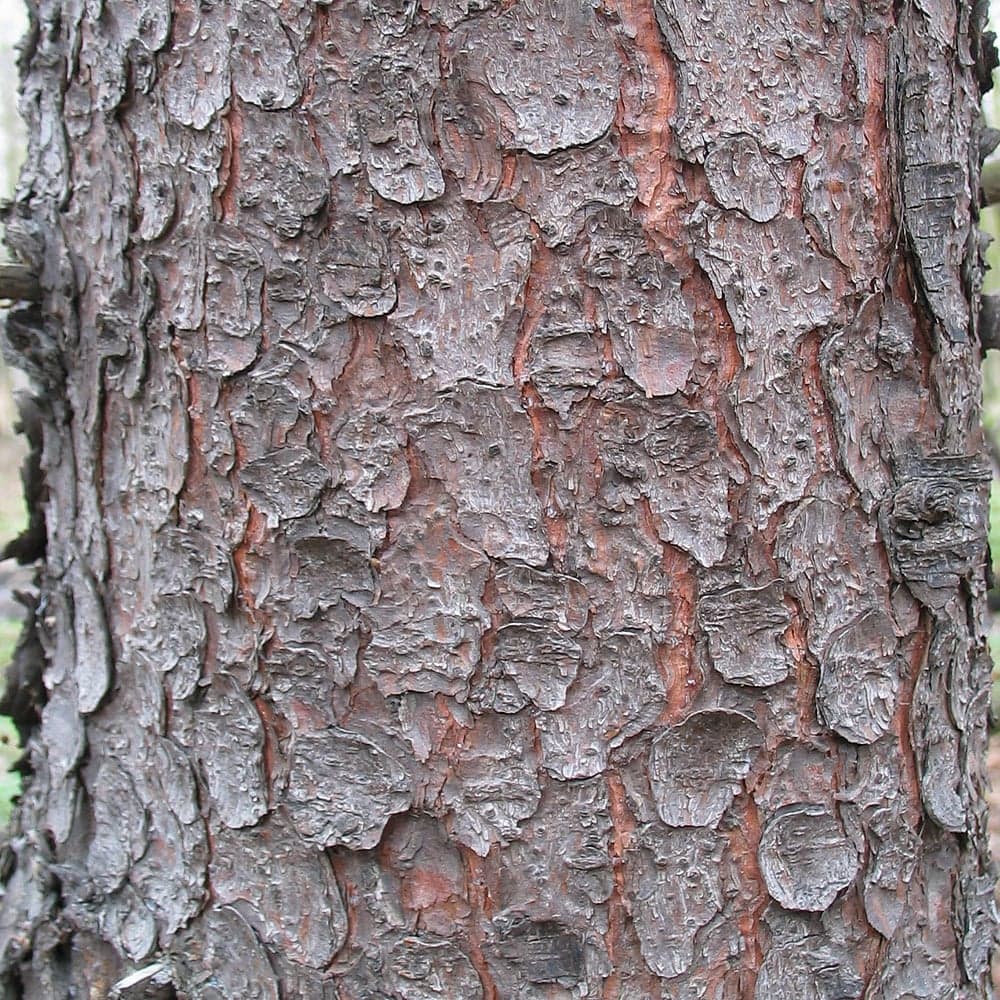
Wikimedia Commons contributor, via Wikimedia Commons

Picea abies covers the largest natural range of any European conifer, running from the Alps and Carpathians north through Scandinavia and east into Russia. Slab-grade stock reaching KORENA is nearly always from managed Alpine or Carpathian forests where FSC or PEFC certification is standard, which keeps EUDR documentation straightforward.

  • Not listed in the CITES Appendices and assessed by the IUCN as Least Concern. Supply across the EU is abundant and well certified, though bark beetle damage in central Europe has pushed large volumes of salvage timber into the market in recent years. Salvage stock is legitimate and often excellent value, but it should be declared as such because staining from blue fungus is common in it.

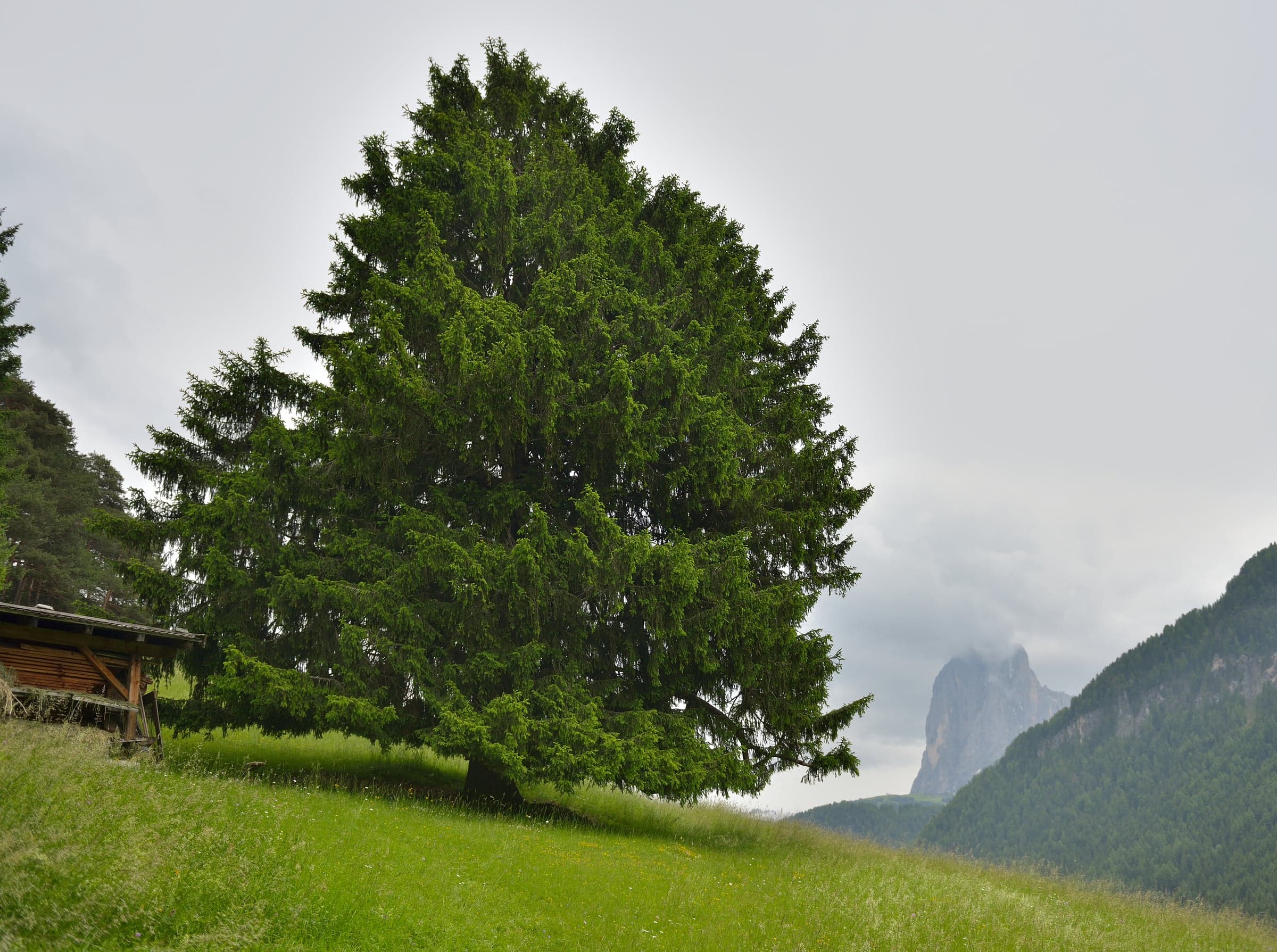
  • Drevo Norway Spruce

    This Photo was taken by Wolfgang Moroder. Feel free to use my photos, but please mention me as the author a..., via Wikimedia Commons

    Norway Spruce: Lubje
    Lubje

    Finally, look for resin pockets and blue stain. Pockets read as amber streaks and are harmless once sealed. Blue stain is a grey-blue discolouration caused by fungus, common in salvage timber from bark beetle damage, and it does not weaken the wood. It changes the look completely, which is either the point or a problem depending on the piece.

    At the bench#

    Spruce rewards sharp tools and punishes dull ones more than almost anything else KORENA lists. Because the earlywood is so much softer than the latewood, a blunt cutter compresses the soft bands instead of severing them. The surface that comes off looks acceptable until finish goes on, at which point the crushed fibres swell and the whole face turns fuzzy.

    Plane with a freshly honed iron and a tight mouth, take light cuts, and finish with a card scraper rather than aggressive sanding. If you must sand, stop at 180 grit. Going finer burnishes the latewood and makes the blotching problem worse.

    Glue-up is straightforward. Spruce takes PVA and polyurethane adhesives reliably, and its low density means clamping pressure should be moderate. Over-clamping starves the joint by crushing the fibres either side of it.

    Screws hold acceptably but not brilliantly. Pilot everything within 50 mm of an end grain edge, and prefer a coarse thread. For anything load bearing, through-bolts with washers distribute the load far better than screws into the face.

    Drying and movement#

    Spruce dries fast and relatively cleanly, which is exactly why it dominates commodity timber. Slabs behave differently from boards. At 50 mm and thicker, an aggressive kiln schedule drives moisture out of the surface much faster than the core can follow, and the result is case hardening: the slab looks flat until you machine one face, then cups as the internal stress releases.

    The safest route for slab stock is air drying under cover to roughly 20 percent, then a slow kiln finish to bring it to 8 to 10 percent for interior use. Ask the yard which schedule was used. On KORENA listings the drying method and measured moisture are recorded on the passport, so you are not guessing.

    In service, expect meaningful seasonal movement. Tangential shrinkage is around 8.2 percent against 3.9 percent radial, so a wide flatsawn top will want to cup toward the bark face as humidity drops. Quartersawn stock moves roughly half as much across its width and is worth seeking out for anything that must stay flat.

    Where spruce is the right answer#

    Spruce earns its place when weight matters, when the budget will not carry oak, or when the design wants a pale surface that stays pale. A three metre bench top in oak is a two person lift; in spruce one person can move it. Wall panelling in spruce reflects light in a way that darker species cannot. And for anything that will be painted, spending on a hardwood is money burnt.

    It is the wrong answer for a heavily used dining surface, for anything outdoors without treatment, and for a piece where a rich stained colour is the goal.

    Sourcing and EUDR#

    Supply is abundant and certification is the norm across Alpine and Carpathian sources, which makes the due diligence path short. One current wrinkle is worth knowing: bark beetle outbreaks across central Europe have pushed large volumes of salvage timber into the market. Salvage stock is entirely legitimate, often good value, and frequently carries blue stain. It should be declared rather than discovered, and any KORENA listing that is salvage says so.

    +

    Not without treatment. The heartwood is rated slightly resistant to non-resistant to decay, so untreated spruce outdoors will fail within a few seasons. European larch or Douglas fir are the better choices from this group when moisture exposure is part of the brief.

    How much will a spruce tabletop move through the year?

    +

    Volumetric shrinkage is around 12.9 percent with tangential movement roughly twice radial, so a wide flatsawn top will change noticeably between a humid summer and a heated winter. Allow the top to float on slotted fasteners rather than fixing it rigidly, and let the slab acclimatise in the room for two weeks before final flattening.

    Prostorninsko krčenjeSkupna sprememba prostornine od svežega do popolnoma suhega lesa. Nižja vrednost pomeni večjo stabilnost.12.9 %
    Naravna trajnost (EN 350)Evropski standard naravne odpornosti proti trohnenju, od 1 (zelo trajno) do 5 (netrajno).Class 4 — Slightly durable

    Viri

    • The Wood Database — Norway Spruce (Picea abies)(dostopano 2026-08-12)
    • USDA FPL Wood Handbook FPL-GTR-190 (2010)(dostopano 2026-08-12)
    • Meier, E. — WOOD! Identifying and Using Hundreds of Woods Worldwide (2015)(dostopano 2026-08-12)

    Pozor

    • Ni za neobdelano zunanjo uporaboNaravna trajnost je po EN 350 razred 4 od 5. Les uporabljajte v notranjosti ali ga zaščitite z vzdrževanim premazom.
    • Prah dražiMed brušenjem ali strojno obdelavo vključite odsesavanje in nosite masko.

    Za podrobnosti se dotaknite oznake.

    Na kratko

    Stopnje uporabljajo enake razpone za vse vrste, ki jih navaja KORENA, zato jih lahko neposredno primerjate. Pod vsako je izmerjena vrednost.
    TrdotaOdpornost proti udrtinam in obrabiMehek

    Trdota po Janki 1680 N

    66 % mehkejši od evropskega hrasta

    TežaKako težko je dvigniti plohZelo lahek

    405 kg/m³

    StabilnostKako malo se spreminja z letnimi časiPovprečen

    12,9 % prostorninskega krčenja

    ObdelavaŽaganje, skobljanje, brušenje, lepljenjeZmerna

    3,7/5, povprečje obdelave

    Zunanja uporabaNaravna odpornost proti trohnenju, EN 350Samo v notranjosti

    EN 350, razred 4

    • Žaganje · Zelo dobroKako čist je rez in koliko les obrablja rezila.1 = težavno · 5 = odlično
    • Skobljanje · Zelo dobroKako gladka ostane površina in koliko se les trga.1 = težavno · 5 = odlično
    • Brušenje · Zelo dobroKako hitro se gladko obrusi, ne da bi zamašil brusni papir.1 = težavno · 5 = odlično
    • Struženje · DobroKako se reže in končno obdela na stružnici.1 = težavno · 5 = odlično
    • Rezbarjenje · DobroKako ostre podrobnosti ohrani pri delu z dletom.1 = težavno · 5 = odlično
    • Lepljenje · Zelo dobroKako zanesljivo držijo lepljeni spoji.1 = težavno · 5 = odlično
    • Oprijem vijakov/žebljev · Zelo dobroKako dobro drži vijake in žeblje, ne da bi razpokal.1 = težavno · 5 = odlično
    • Parno krivljenje · DobroKako dobro po parjenju sprejme krivine.1 = težavno · 5 = odlično

    Trenutne prodajne cene za les Norway Spruce po Evropi na kubični meter brez DDV. Za podrobnosti se dotaknite poljubne cene.

    • Najboljši hlodi na dražbiIzbrani visokokakovostni hlodi, prodani na licitacijah zaprtega tipa, večinoma izdelovalcem furnirja in pohištva. Iz takšnih hlodov se režejo plohi.Večina cen je med 172 € in 313 €.Na podlagi 50 cen iz 1 regije.Najnovejši podatki: 24. sep. 2026
    • Običajni hlodiVelike količine standardnega okroglega lesa, ki ga prodajajo lastniki gozdov in državne gozdarske službe, večinoma za gradbeništvo in industrijo.Večina cen je med 22 € in 175 €.Na podlagi 9577 cen iz 12 regij.Najnovejši podatki: 24. sep. 2026

    Običajni hlodi po državah

    • Francija · 120 € / m³Regije: Bourgogne-Franche-Comté in Grand Est / Alsace12 cenNajnovejši podatki: 15. sep. 2026
    • Švedska · 90 € / m³Regije: Sweden Central25 cenNajnovejši podatki: 30. jun. 2026
    • Romunija · 79 € / m³Regije: Banat / Crișana, Dobrogea, Moldavia (Romania), Transylvania in Wallachia9302 ceniNajnovejši podatki: 24. sep. 2026

    Zakaj ploh stane več?

    To so cene surovega lesa. Ploh je najboljši izrez hloda, sušen najmanj eno leto ter nato pregledan in izmerjen kos za kosom. Samo majhen del posameznega hloda postane ploh.

    Vir: KORENA Timber Index · Najnovejši podatki: 24. sep. 2026

    Prikaži vse regionalne cene
    Italija75 €
    Italija · 75 € / m³
    Regije: Trentino-Alto Adige in Veneto
    232 cen
    Najnovejši podatki: 10. sep. 2026
  • Finska · 59 € / m³Regije: Southern Finland (Etelä-Suomi)3 ceneNajnovejši podatki: 21. sep. 2026
  • Norveška · 54 € / m³Regije: Norway (national)3 ceneNajnovejši podatki: 21. sep. 2026