KORENA
LesFinished piecesMaterialSkladiščaDnevnik

Prejemajte obvestila

Vsaka deska je edinstvena. Ko je prodana, je ni več. Ko objavimo nove kose, vam pošljemo e-poštno sporočilo: novi prihodi, nove vrste lesa in deske, ki ustrezajo opisu projekta.

Nekaj e-poštnih sporočil na mesec. Brez neželene pošte, odjavite se lahko kadar koli.

KORENA, vrhunski trdi les

Kos za kosom.

Preverjen vrhunski trdi les, naprodaj kos za kosom. Vsaka deska je fotografirana, izmerjena in iz partnerskega skladišča odpremljena s potnim listom lesa.

Trgovina

  • Oglejte si izdelke
  • Arhiv prodanih desk
  • Sledi naročilu

Vsebine

  • Revija
  • Vodniki po vrstah lesa
  • Slovar
  • Primerjava
  • Avtorji

Pomoč

  • O nas
  • Kako deluje
  • Postanite partnersko skladišče
  • Poiščite desko
  • Podpora
  • Predloge dokumentov
  • Za medije

Nakup

  • Prodajni pogoji
  • Pravica do odstopa
  • Vračila in garancija
  • Odprema in dostava

Zaupanje

  • Pravilnik o zasebnosti
  • Pravilnik o piškotkih
  • Poreklo lesa in EUDR
  • Dostopnost

Kolofon

  • Pravno obvestilo / Kolofon
  • Sprejemljiva uporaba
  • Intelektualna lastnina in vsebina

© 2026 KORENA. Vse pravice pridržane.

Upravlja Martial Labs Ltd. (BG, EIK 207453941). KORENA je trgovsko ime družbe Martial Labs Ltd.

Spoštujemo vašo zasebnost

Nujne piškotke uporabljamo za delovanje spletnega mesta. Z vašim dovoljenjem bi uporabljali tudi piškotke za analitiko, prilagojeno vsebino in oglase. Svojo odločitev lahko kadar koli spremenite na strani nastavitve soglasja. Oglejte si naš pravilnik o piškotkih in pravilnik o zasebnosti.

  1. Domov
  2. /
  3. Vrste
  4. /
  5. Sweet Chestnut

Castanea sativa

Sweet Chestnut

A lighter, softer cousin of oak. Tannin-rich heartwood gives it real durability outdoors, but those same tannins react with iron, so fixings need to be stainless or brass.

  • Gojeno in posekano v Evropi.
  • Botanična skupina. Iglavci so golosemenke, listavci pa širokolistna drevesa.
  • Botanična družina, ki ji vrsta pripada.
Obvestite me ob prihoduReferenčna vrsta. Trenutno ni kosov na zalogi.
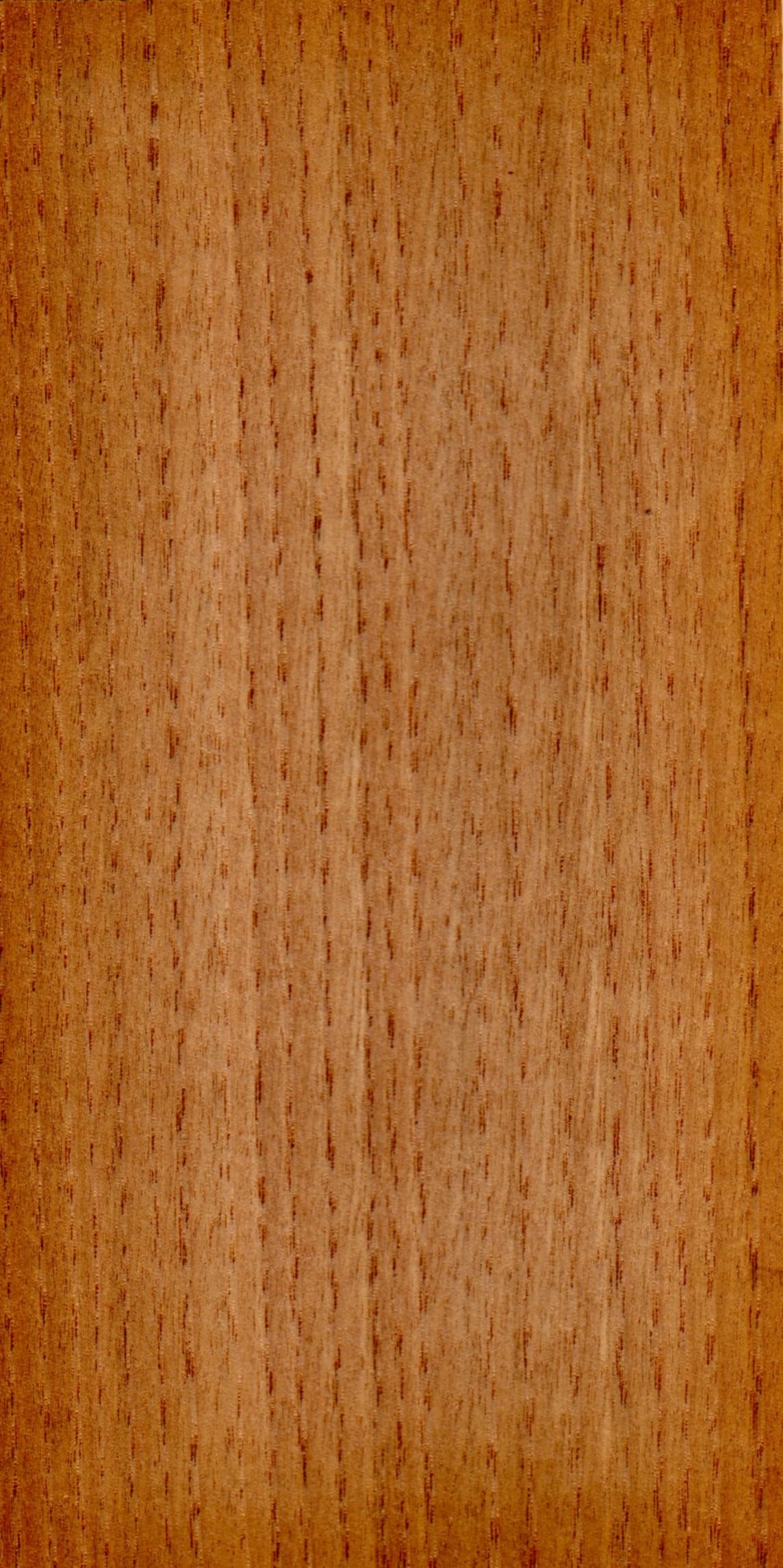
Tekstura lesa Sweet Chestnut
  • Primernost za projekt
  • Na zalogi
  • Videz
  • Obdelava
  • Delovanje lesa
  • Cena
  • Varnost in nabava
  • Vprašanja
  • Tehnični podatki

Je primeren za vaš projekt?

Odličen za

  • External cladding and rainscreens
  • Interior wall and ceiling panelling
  • Barn-style and rustic furniture frames
  • Garden furniture and pergolas
  • Coopered tanks, vats, and planters
  • Beams and exposed structural framing

V trenutni ponudbi ni lesa Sweet Chestnut

Podobne vrste na zalogi

Lesa Sweet Chestnut trenutno ni. Te vrste so primerne za enake projekte in imajo razpoložljive kose.
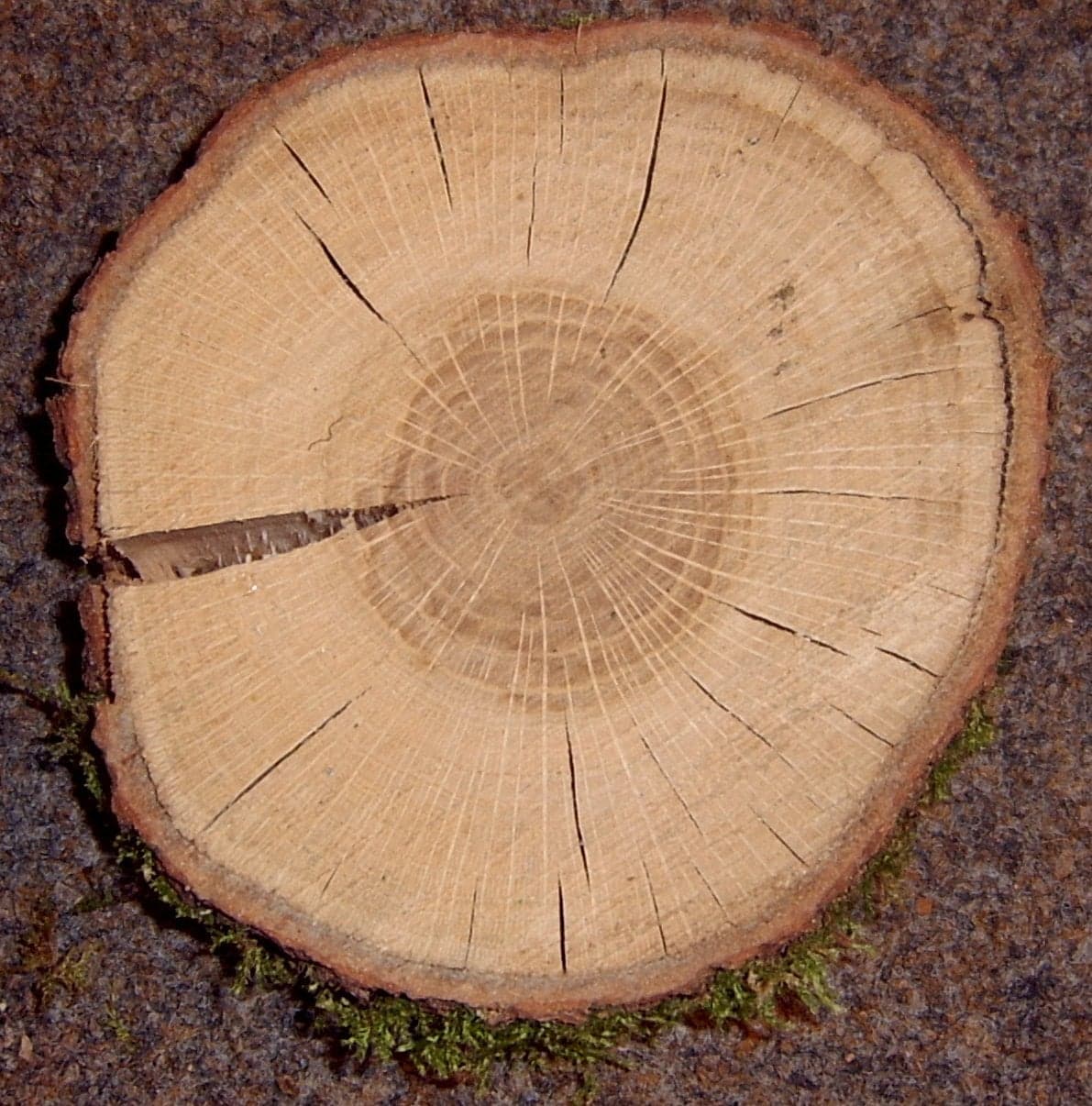
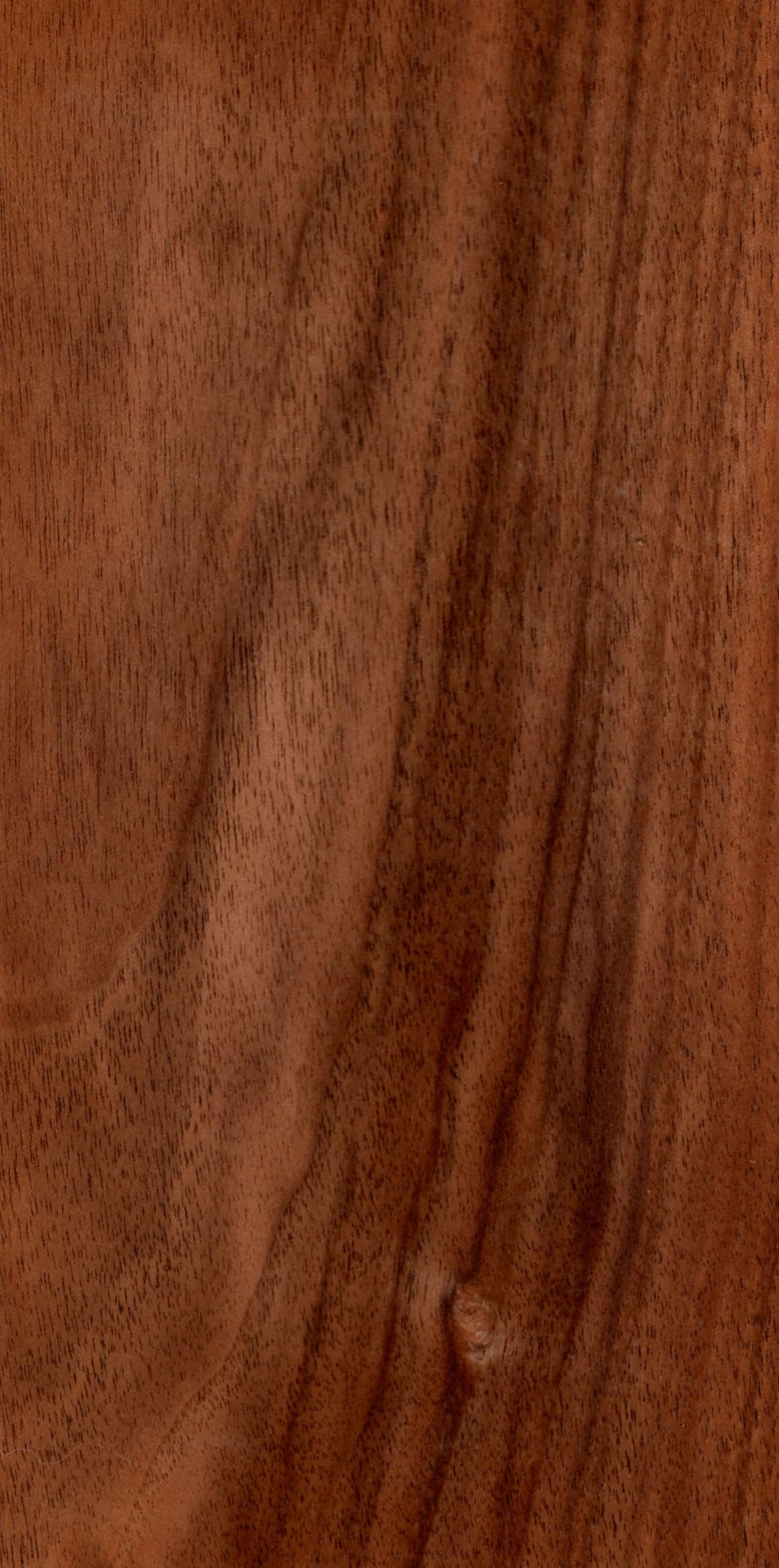
  • Tekstura lesa European Oak

    European Oak

    Quercus robur

    6 kosov

  • Tekstura lesa European Walnut

    European Walnut

    Juglans regia

    9 kosov

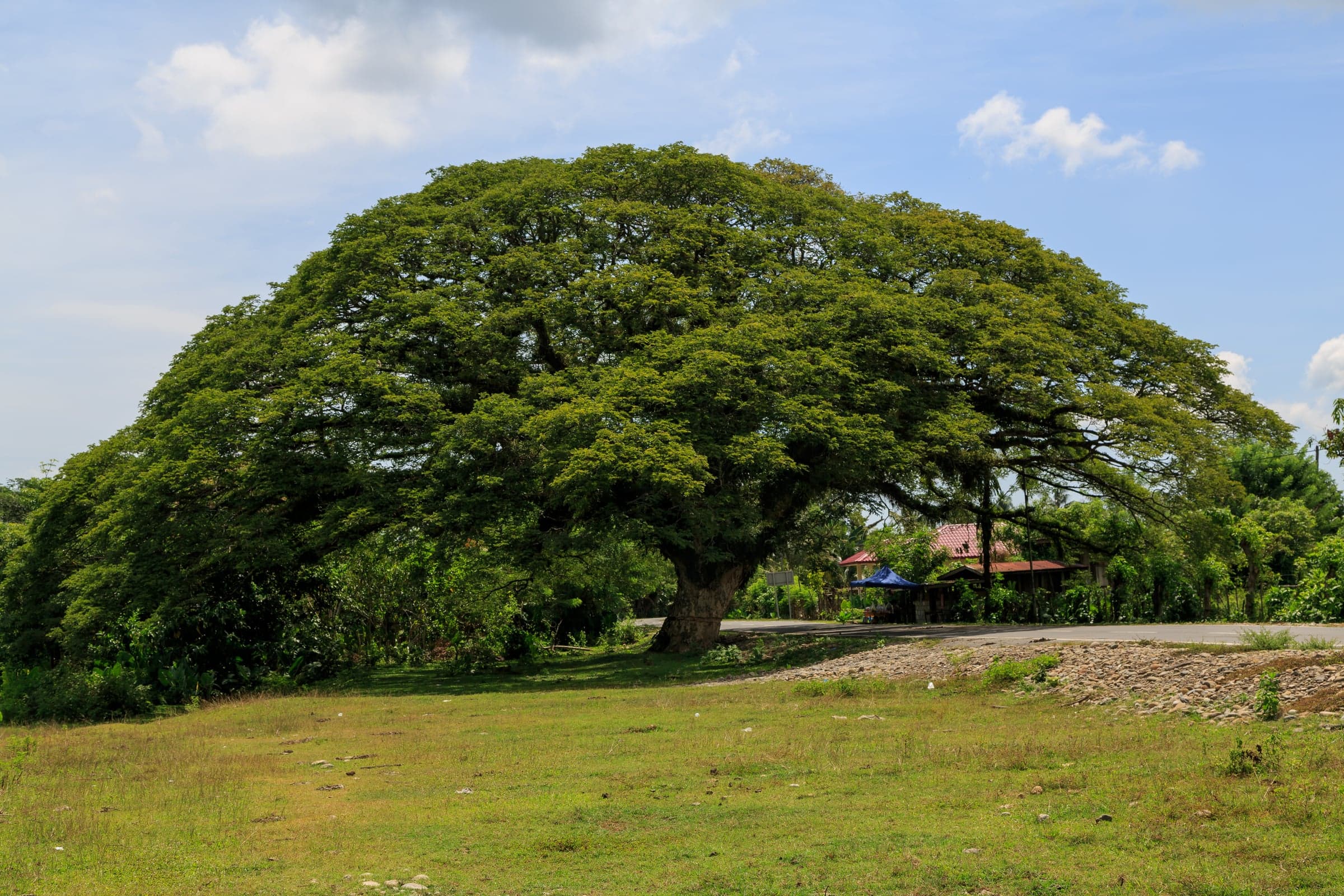
  • Tekstura lesa Saman

    Saman

    Samanea saman

    4 kosi

Prejemajte obvestila o lesu Sweet Chestnut

Pošljemo vam e-pošto, ko v KORENA prispejo novi plohi iz lesa Sweet Chestnut. Vsak kos je edinstven, zato je zgodnje obvestilo pomembno.

Nekaj e-poštnih sporočil na mesec. Brez neželene pošte, odjavite se lahko kadar koli.

Videz lesa

Kako je videti

Straight-grained and coarse-textured, with prominent ring-porous figure that reads as oak at a glance. Heartwood is a warm honey-brown that ambers with age; sapwood is a narrow pale band. Lacks oak's strong medullary rays, so quartersawn faces are calmer and less flecked.

  • Heartwood: warm honey to mid-brown, ambers with age
  • Sapwood: narrow, pale cream to light straw
  • Fumed: deep chocolate to near-black with ammonia
  • Oiled: pulls warmer and slightly redder than oak
  • Weathered outdoors: silver-grey patina within 1–2 seasons
  • Straight grain, coarse texture; resembles oak.

Obdelava

Obdelava

Saws and planes well with sharp tooling. Softer than oak, so it dents more easily but is also kinder on edges. Splits readily when screwed near ends or edges, pre-drill and countersink. Glues and steam-bends predictably. Turning is workable but the coarse grain can tear on end-grain cuts.

Končna obdelava

Takes oil, hardwax, and water-based finishes cleanly. Open pores benefit from a grain filler if you want a glass-flat surface, or leave them open for a tactile, oak-like read. Fuming with ammonia darkens it deeply thanks to the high tannin content. Test stains on offcuts, tannins can pull cool tones grey.

Sušenje

Dries slowly and is prone to ring shake and honeycomb if pushed. Air-dry to around 25–30% MC before kilning, then run a gentle schedule. Movement in service is moderate, tangential shrinkage near 7% means wide boards want room to move in panels and tabletops.

Koliko bo deloval?

Les se prečno širi in krči, ko zrak postaja bolj vlažen ali suh. Pred načrtovanjem pritrdil ocenite sezonsko delovanje mizne plošče iz lesa Sweet Chestnut.

Rez
Kje bo izdelek

Pričakovano sezonsko delovanje

približno 7,7 mm

Mizno ploščo pritrdite s sponami ali nosilci z utori, ne z lepilom ali trdno privitimi vijaki.

Model linearnega krčenja: širina × (krčenje ÷ 28 % nasičenosti vlaken) × sezonska sprememba vlažnosti. Za les Sweet Chestnut uporablja 6,75 % tangencialnega krčenja. To je ocena za načrtovanje, ne jamstvo.

Koliko stane

Varnost in nabava

  • Gojeno in posekano v Evropi.
  • Status na Rdečem seznamu IUCN: svetovna ocena ogroženosti te vrste.
  • Dust is a reported skin and respiratory sensitiser, extract at source and wear a fitted mask when sanding or routing. Heartwood is rated food-contact safe once finished. Critical detail: chestnut tannins react with iron and produce black staining wherever the two meet in the presence of moisture. Use stainless steel or brass fixings, and keep iron tooling off damp stock.

Preberite celoten vodnikPodrobni zapiski o teksturi, spreminjanju barve, obdelavi in stabilnosti.+

What Sweet Chestnut actually is#

Castanea sativa is often sold as the light alternative to oak, and for appearance and durability that description holds. It is ring porous with a similar grain pattern, it carries a similar warm brown colour, and at decay class 2 it is genuinely durable outdoors.

Where the comparison breaks down is hardness. At 3,010 N Janka chestnut is the softest hardwood in this catalogue apart from black poplar, softer than Scots Pine and less than two thirds as hard as oak. Anyone expecting oak-like wear resistance from an oak-like appearance will be disappointed.

The other difference is visible: chestnut lacks oak's prominent rays, so a quartersawn chestnut board shows no ray fleck.

Ring shake, which is the thing to inspect for#

Chestnut is notably prone to ring shake, a separation along a growth ring inside the log.

The problem is that it frequently does not show on a rough sawn face. A board looks sound, gets machined, and the shake opens into a crescent shaped split that follows the ring and effectively ruins it.

This is the main reason chestnut yields far less usable timber than the abundance of the tree suggests, and it is the main reason to look carefully rather than quickly at a chestnut slab. Check end grain for any ring separation, and look along the length in raking light for a crescent line.

Vprašanja kupcev

Vprašanja kupcev

How is Sweet Chestnut different from oak?

+

It looks similar and is durable like oak, but it is much lighter and softer at 590 kg per cubic metre and 3,010 N Janka against 675 and 4,980 for European oak. Chestnut also lacks the prominent rays, so it has no ray fleck on quartersawn faces. It is often described as oak without the weight, which is fair for appearance and durability but not for hardness.

What is ring shake and why does it matter in chestnut?

+

A separation along a growth ring inside the log, which chestnut is particularly prone to. It may be invisible on a rough sawn surface and open up after machining, effectively ruining a board. It is the main reason chestnut yields less usable timber than its abundance suggests, and the main thing to inspect for when buying.

Can it be used outdoors?

+

Yes. At decay class 2 it is durable, and its high tannin content gives real resistance to rot. Chestnut has been the traditional European timber for fencing, cladding, shingles and outdoor structures for centuries, and coppiced chestnut fence posts are still a standard product.

Does it stain black like oak?

+

Mehanske lastnosti

Tehnični podatki

Objavljene referenčne vrednosti. Kjer se viri ne ujemajo, je prikazan razpon, za zgornje lestvice pa je uporabljena običajna vrednost.

Gostota (kg/m³)Masa na kubični meter pri približno 12 % vlažnosti. Težji les je navadno trši in močnejši.540–650 kg/m³običajno 590 kg/m³
Trdota po Janki (N)Sila, potrebna, da se jeklena kroglica do polovice vtisne v les. Standardno merilo odpornosti proti udrtinam.2,700–3,300 Nobičajno 3010 N
MOR: upogibna trdnost (MPa)Upogibna trdnost: obremenitev, pri kateri se nosilec zlomi.70–85 MPa
MOE: modul elastičnosti (GPa)Upogibna togost: koliko se polica ali mizna plošča povesi pod obremenitvijo.8.0–10.0 GPa
Radialno krčenjeKrčenje prečno na letnice od svežega do popolnoma suhega lesa. Tako delujejo radialno rezane deske.3.5–4.5 %
Tangencialno krčenje

Achim Raschka (talk), via Wikimedia Commons

  • Doors, gates, and shutters
  • Flooring in lower-traffic rooms
  • Prednosti

    • Trajen na prostemEN 350, razred 2 od 5: brez obdelave je odporen proti trohnenju na prostem.
    • Varen za živilaPrimeren za deske, sklede in površine, ki se dotikajo živil.

    Native across southern and Mediterranean Europe, with long-managed coppice woodlands in France, Italy, and the Iberian peninsula. Also grown in the UK and parts of central Europe. KORENA sources mainly from European coppice and standard-tree harvests.

  • Native European species, IUCN Least Concern, no CITES restrictions. Much of the European supply comes from coppice systems, short-rotation, low-input, and a working part of rural land management in France and Italy. Ask for FSC or PEFC chain-of-custody where it matters to your client. KORENA records the certification it holds on the slab passport.

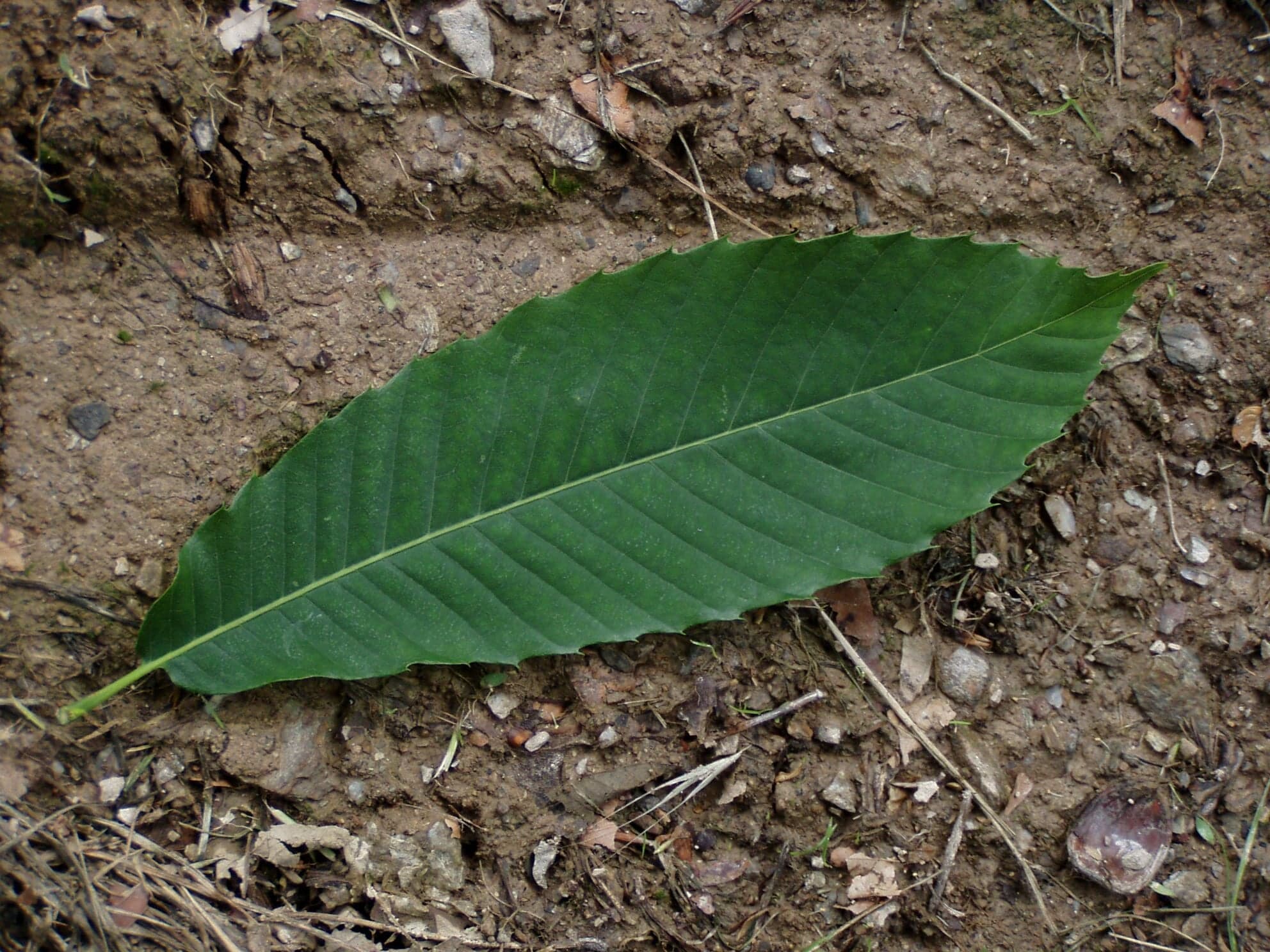
  • Sweet Chestnut: List
    List
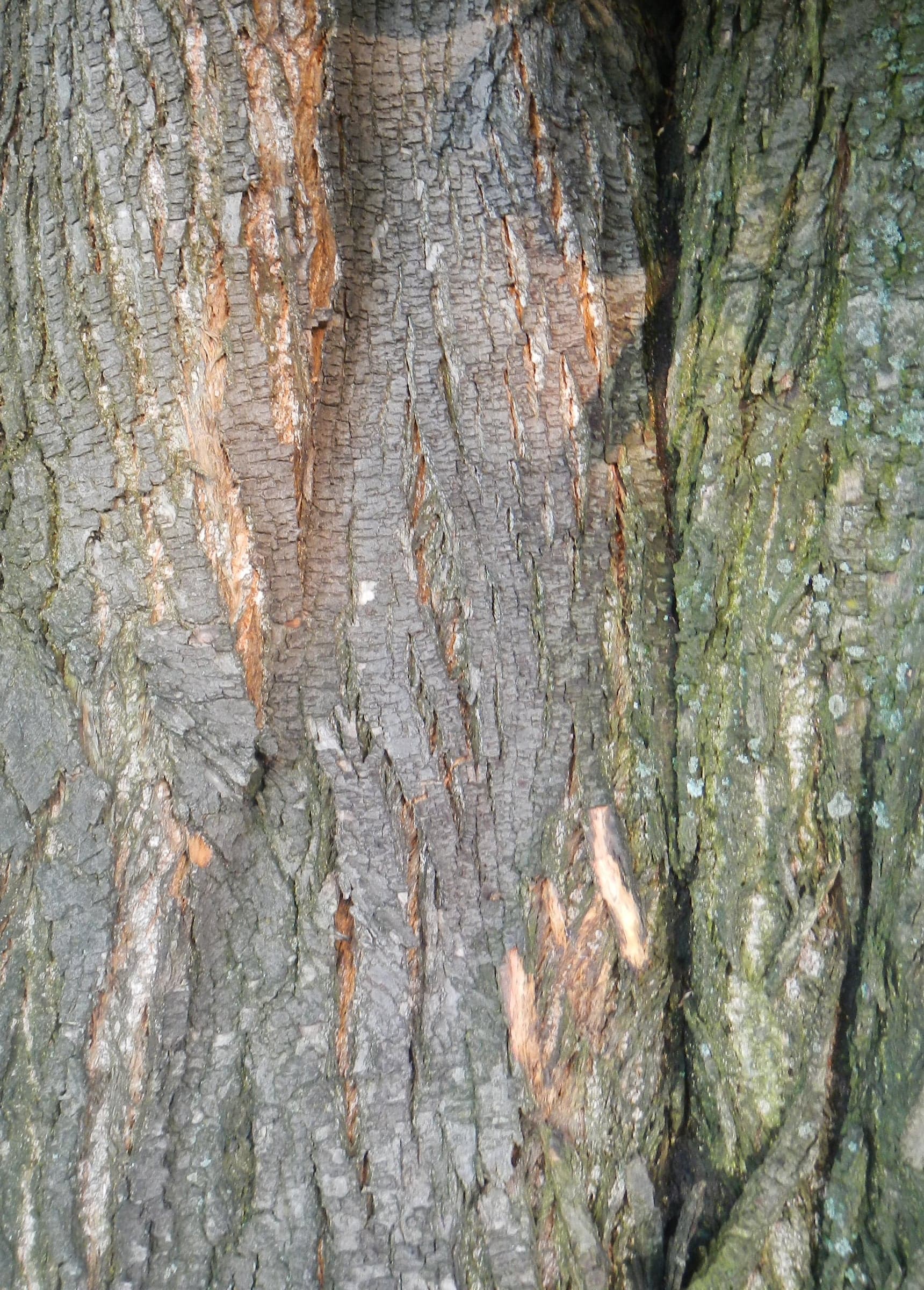
    Sweet Chestnut: Lubje
    Lubje

    On a measured KORENA slab, a shake large enough to matter appears in the defect outline rather than being discovered at the bench.

    Durability and tannin#

    Chestnut is very high in tannins, and that is where its durability comes from. At decay class 2 it is a genuine exterior timber and has been used across Europe for fencing, cladding, shingles, gates and outdoor structures for centuries. Coppiced chestnut fence posts remain a standard product precisely because they last without treatment.

    The same tannins make the iron reaction worse than in oak. Contact with steel produces blue black staining quickly, particularly when damp. Use stainless or brass fixings on any chestnut and treat it as non-negotiable on exterior work.

    At the bench#

    Chestnut is easy to work, considerably easier than oak. It cuts cleanly, blunts tooling only moderately, glues well and takes finish readily.

    Its softness is the working consideration. Arrises bruise, edges dent, and clamps mark the surface if you do not pad them.

    The open pores need filling for a smooth surface, as in oak.

    Movement#

    Volumetric shrinkage of 12.0 percent is moderate, with tangential at 6.0 percent against radial at 3.5 percent. That differential is narrower than oak's, so chestnut behaves reasonably well in a wide flatsawn board.

    It dries readily, though drying is where existing ring shake tends to open up.

    Where Sweet Chestnut is the right answer#

    Exterior cladding, fencing, gates, garden structures, shingles and outdoor furniture, where its durability and light weight both count. Indoors it suits panelling, light furniture and any piece where an oak look is wanted at a fraction of the weight.

    It is the wrong answer for a hard wearing work surface, and wrong wherever ring shake risk cannot be inspected for before committing.

    Sourcing and EUDR#

    Not CITES listed and assessed as Least Concern. Abundant across southern and western Europe with long established coppice management in France, Italy and the Iberian peninsula. Supply is straightforward and documentation simple.

    Coppice, and why chestnut comes in the sizes it does#

    Sweet chestnut has been coppiced across Europe for centuries. The tree is cut close to the ground and allowed to regrow multiple stems, which are harvested on a cycle of roughly fifteen to twenty years for poles, fencing and stakes.

    That management history shapes what reaches the market. A great deal of chestnut is small diameter coppice material, excellent for its traditional uses and useless for slabs. Timber sized chestnut comes from maiden trees grown on a longer rotation, and it is much less common.

    The practical effect is that wide chestnut slabs are scarcer than the abundance of the species suggests, and they command a premium relative to how cheap chestnut fencing is. If a quote for chestnut slabs looks similar to a quote for chestnut posts, something is wrong with the description.

    Chestnut against oak in the yard#

    Side by side, the two are easy to confuse at a glance and easy to separate on a second look.

    Chestnut has no visible rays. Oak has prominent rays that show as fleck on the quarter and as fine lines on the face. That is the reliable test, and it works on a rough sawn surface.

    Chestnut is also noticeably lighter in the hand at 590 kg per cubic metre against 675, and softer under a thumbnail at 3,010 N against 4,980. If a board looks like oak and feels light, check the rays.

    Yes, and more readily. Chestnut is very high in tannins, so contact with iron produces blue black staining quickly, particularly in damp conditions. Use stainless or brass fixings on any chestnut, and especially on exterior work.

    Is it strong enough for a tabletop?

    +

    At 3,010 N it is the softest hardwood in this catalogue apart from black poplar, softer than Scots Pine. A chestnut tabletop will dent. It suits a piece where that patina is acceptable, and where the light weight and oak-like appearance are the attraction.

    Krčenje vzdolž letnic. Tako delujejo tangencialno rezane deske in večina plohov.
    6.0–7.5 %
    Prostorninsko krčenjeSkupna sprememba prostornine od svežega do popolnoma suhega lesa. Nižja vrednost pomeni večjo stabilnost.12.0–13.5 %
    Naravna trajnost (EN 350)Evropski standard naravne odpornosti proti trohnenju, od 1 (zelo trajno) do 5 (netrajno).Class 2 — Durable

    Viri

    • The Wood Database(dostopano 2026-05-09)
    • USDA FPL Wood Handbook FPL-GTR-190 (2010)(dostopano 2026-05-09)
    • Meier, E. — WOOD! Identifying and Using Hundreds of Woods Worldwide (2015)(dostopano 2026-05-09)

    Na kratko

    Stopnje uporabljajo enake razpone za vse vrste, ki jih navaja KORENA, zato jih lahko neposredno primerjate. Pod vsako je izmerjena vrednost.
    TrdotaOdpornost proti udrtinam in obrabiPrecej mehek

    Trdota po Janki 3010 N

    40 % mehkejši od evropskega hrasta

    TežaKako težko je dvigniti plohSrednje težek

    590 kg/m³

    StabilnostKako malo se spreminja z letnimi časiPovprečen

    12,8 % prostorninskega krčenja

    ObdelavaŽaganje, skobljanje, brušenje, lepljenjeZmerna

    3,9/5, povprečje obdelave

    Zunanja uporabaNaravna odpornost proti trohnenju, EN 350Na prostem

    EN 350, razred 2

    • Žaganje · OdličnoKako čist je rez in koliko les obrablja rezila.1 = težavno · 5 = odlično
    • Skobljanje · Zelo dobroKako gladka ostane površina in koliko se les trga.1 = težavno · 5 = odlično
    • Brušenje · Zelo dobroKako hitro se gladko obrusi, ne da bi zamašil brusni papir.1 = težavno · 5 = odlično
    • Struženje · DobroKako se reže in končno obdela na stružnici.1 = težavno · 5 = odlično
    • Rezbarjenje · Zelo dobroKako ostre podrobnosti ohrani pri delu z dletom.1 = težavno · 5 = odlično
    • Lepljenje · Zelo dobroKako zanesljivo držijo lepljeni spoji.1 = težavno · 5 = odlično
    • Oprijem vijakov/žebljev · DobroKako dobro drži vijake in žeblje, ne da bi razpokal.1 = težavno · 5 = odlično
    • Parno krivljenje · Zelo dobroKako dobro po parjenju sprejme krivine.1 = težavno · 5 = odlično

    Trenutne prodajne cene za les Sweet Chestnut po Evropi na kubični meter brez DDV. Za podrobnosti se dotaknite poljubne cene.

    • Običajni hlodiVelike količine standardnega okroglega lesa, ki ga prodajajo lastniki gozdov in državne gozdarske službe, večinoma za gradbeništvo in industrijo.Večina cen je med 44 € in 165 €.Na podlagi 25 cen iz 4 regij.Najnovejši podatki: 24. sep. 2026

    Običajni hlodi po državah

    • Romunija · 105 € / m³Regije: Wallachia11 cenNajnovejši podatki: 24. sep. 2026
    • Francija · 105 € / m³Regije: Bourgogne-Franche-Comté in Grand Est / Alsace10 cenNajnovejši podatki: 15. sep. 2026
    • Bolgarija · 44 € / m³Regije: North-West Bulgaria4 ceneNajnovejši podatki: 24. sep. 2026

    Zakaj ploh stane več?

    To so cene surovega lesa. Ploh je najboljši izrez hloda, sušen najmanj eno leto ter nato pregledan in izmerjen kos za kosom. Samo majhen del posameznega hloda postane ploh.

    Vir: KORENA Timber Index · Najnovejši podatki: 24. sep. 2026

    Prikaži vse regionalne cene
    Dobro se krivi
    Ocena 4 od 5 za parno krivljenje. Primeren za ostre krivine.

    Pozor

    • Prah dražiMed brušenjem ali strojno obdelavo vključite odsesavanje in nosite masko.

    Za podrobnosti se dotaknite oznake.