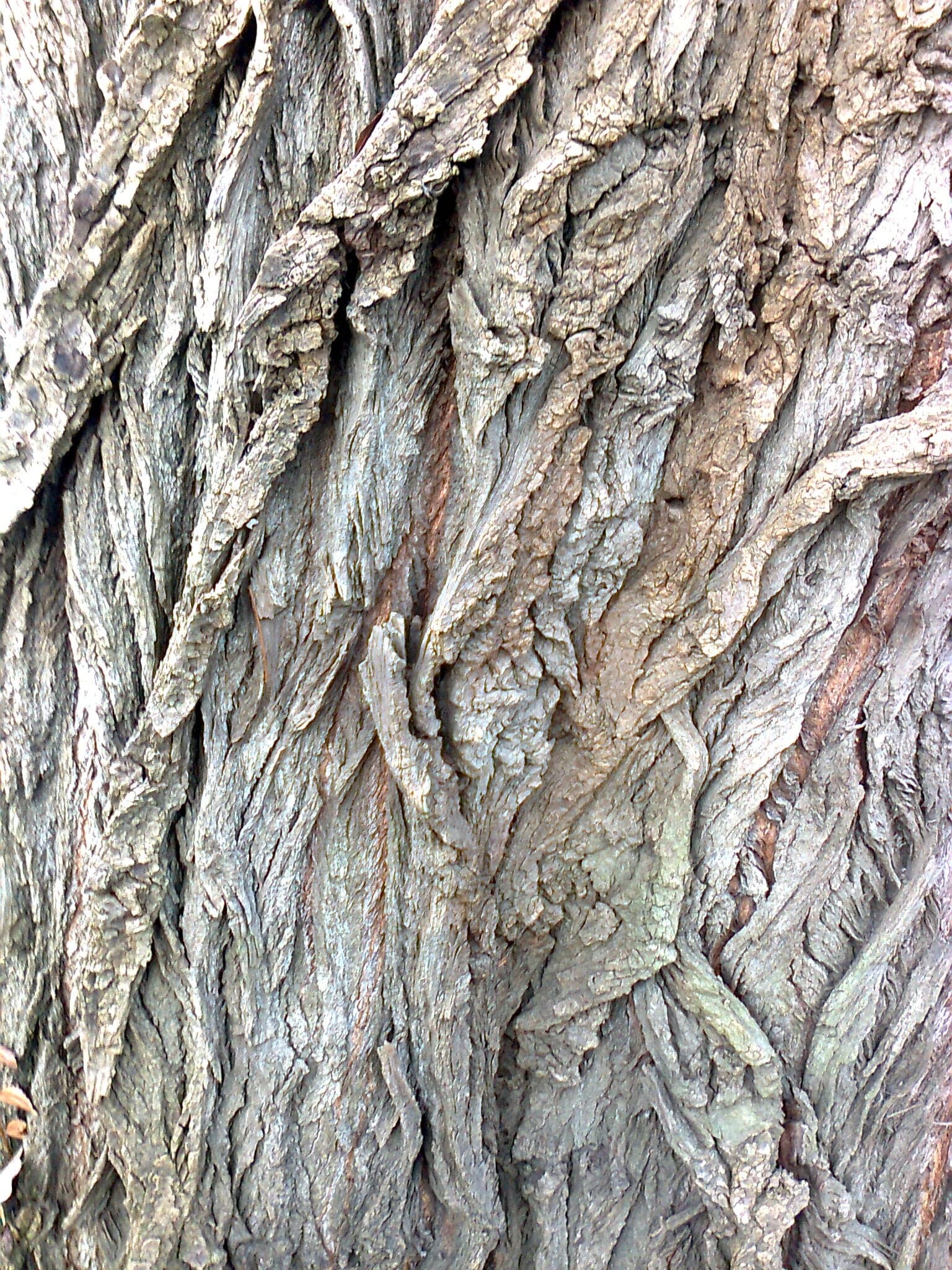
Populus nigra
Black Poplar
The lightest hardwood KORENA lists, and the one most often blamed for a fault that belongs to the blade.
- Fásta agus lománaithe san Eoraip.
- Grúpa luibheolaíoch. Is buaircínigh iad bogadhmaid; is crainn leathanduilleacha iad crua-adhmaid.
- Fine luibheolaíoch an speicis.
Faigh fógra nuair a thagann séSpeiceas tagartha. Níl píosaí i stoc faoi láthair.
An oireann sé do do thionscadal?
Iontach do
- Painted furniture
- Drawer sides and carcass interiors
- Lightweight panels
- Sculpture and carving blanks
- Plywood core
Níl Black Poplar san eisiúint reatha
Speicis chomhchosúla i stoc
Níl Black Poplar againn anois. Oireann na speicis seo do na tionscadail chéanna agus tá píosaí ar fáil.
Faigh fógra faoi Black Poplar
Seolaimid ríomhphost chugat nuair a thagann leaca úra Black Poplar chuig KORENA. Tá gach píosa uathúil, mar sin is fiú fógra luath.
Cuma an adhmaid
An chuma atá air
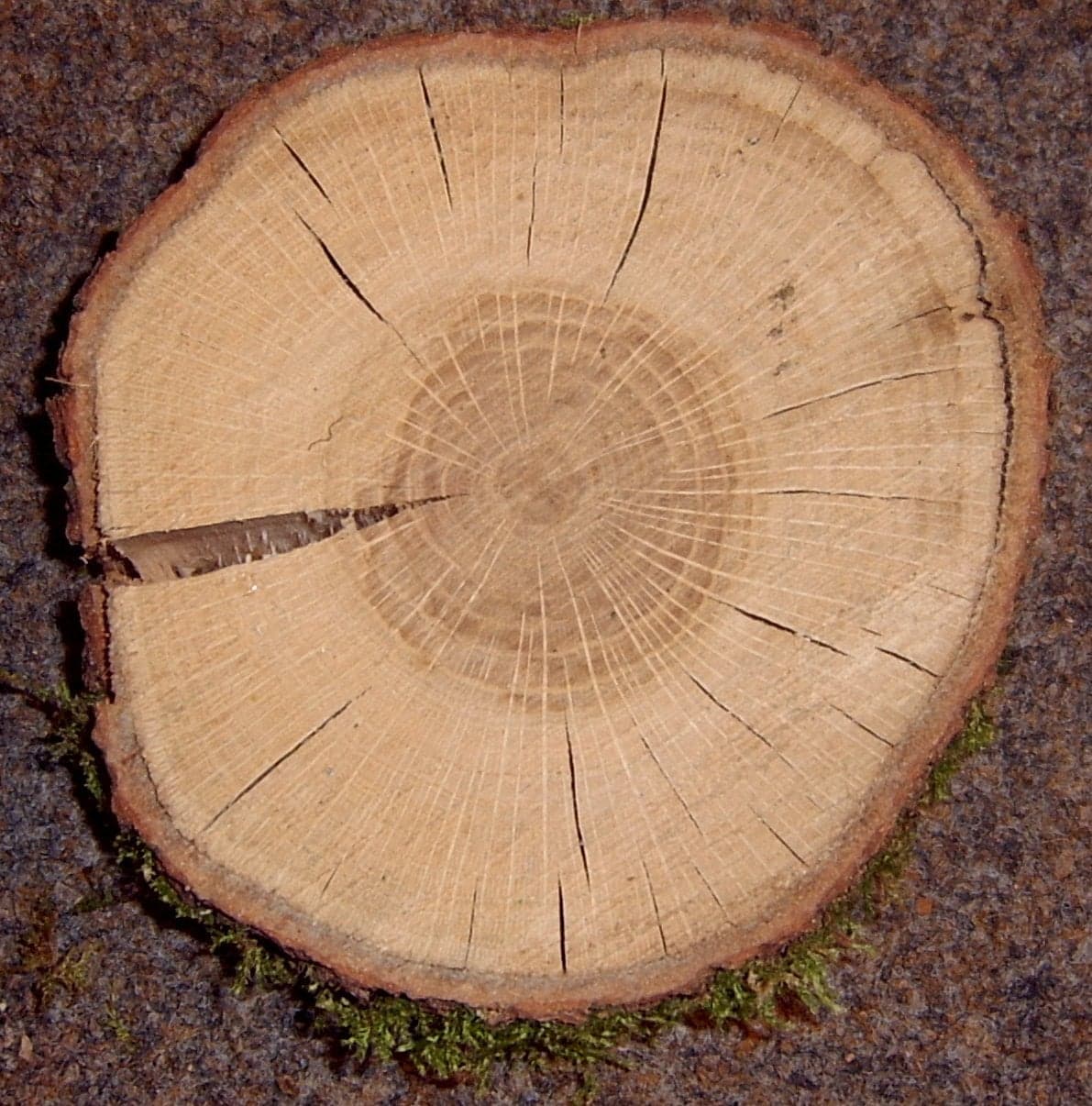
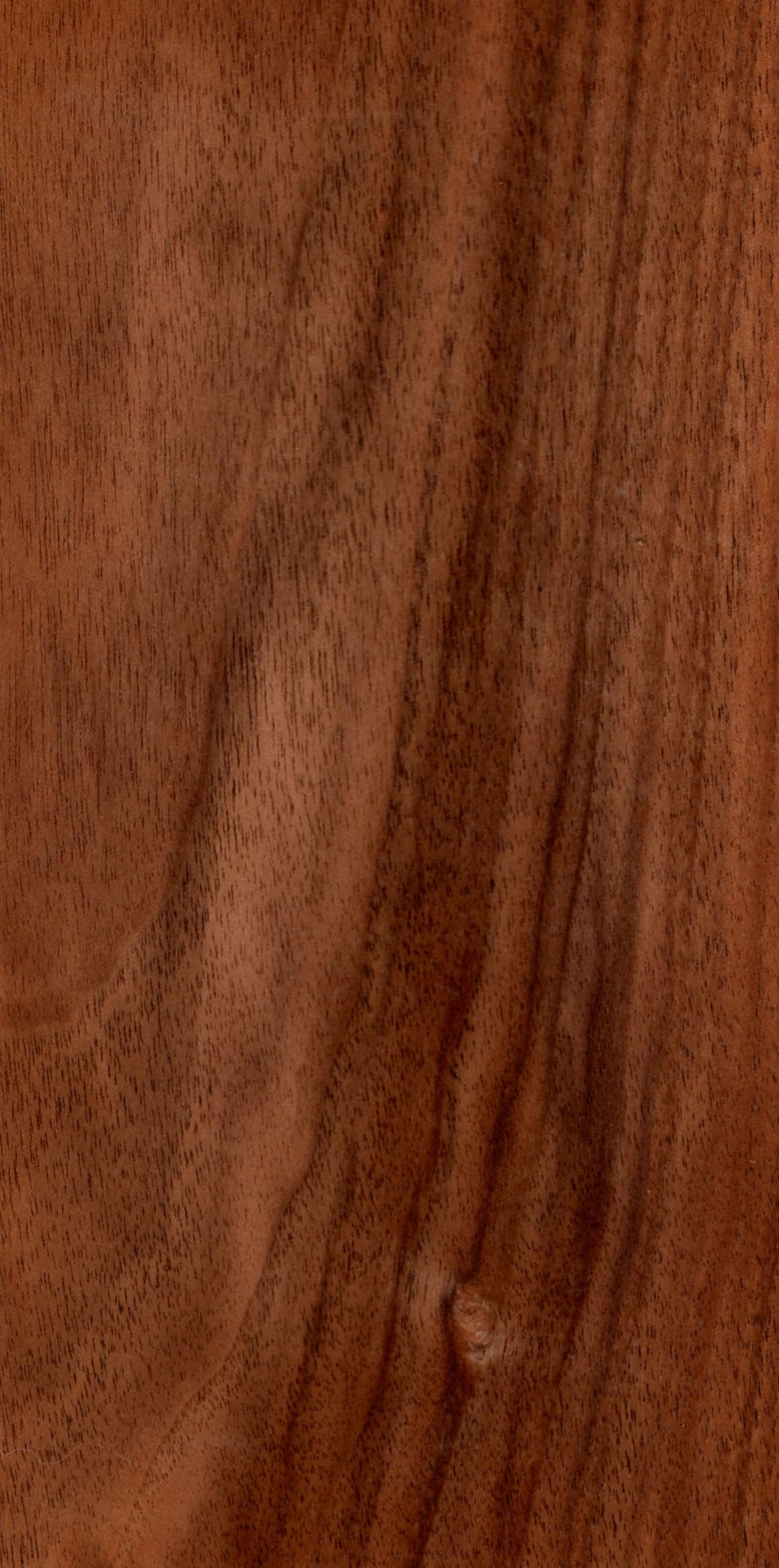
Very pale, creamy white to light grey brown, sometimes with a faint greenish cast in the heartwood, and almost no figure. The texture is fine and even but the wood is notably soft and light at 385 kg per cubic metre, the lightest hardwood KORENA lists. It has a woolly quality under a dull blade that gives it an undeserved reputation for being difficult.
- Creamy white to light grey brown
- Occasional faint greenish cast in the heartwood
- Fine even texture with very little figure
- Straight grain, fine even texture, very little figure. Creamy white to light grey-brown, occasionally with a faint greenish cast in the heartwood.
Ag obair leis
Ag obair leis
Easy to work with hand and machine tools, with one specific requirement: sharp cutters are necessary when planing to avoid fuzzy surfaces. This is the whole difficulty with poplar. The fibres are long and soft, and a dull blade drags rather than severs them, leaving a woolly face that sanding only makes worse. With a keen edge and a light cut it machines cleanly. It glues well and takes fastenings adequately for its density.
Bailchríoch
Its natural role is under paint, and it takes paint very well given the fine even texture and absence of resin. Under a clear finish the pale colour with its occasional greenish cast is unusual rather than attractive to most eyes. Pigment stains blotch, so use a conditioner or a dye. Because the wood is soft, a hardwax oil or a film finish adds useful surface protection.
Stálú
Dries readily and without much degrade, and it is dimensionally reasonable once dry, with volumetric shrinkage of 12.3 percent. The tangential to radial ratio of 9.3 against 4.0 percent is wide, so flatsawn boards will cup. Wet poplar is notably heavy and can carry very high green moisture content, so drying takes longer than the modest final density suggests.
Cé mhéad a bhogfaidh sé?
Atann agus crapann adhmad trasna a leithid de réir mar a éiríonn an t-aer níos taise nó níos tirime. Meas gluaiseacht shéasúrach barr Black Poplar sula ndearann tú na feistis.
Gluaiseacht shéasúrach mheasta
thart ar 10.6 mm
Ceangail an barr le cnaipí nó lúibíní sliotánacha, ní le gliú ná scriúnna teanna.
Samhail líneach craptha: leithead × (crapadh ÷ 28 % sáithiú snáithíní) × luascadh séasúrach cion taise. Úsáidtear crapadh tadhlaíoch 9.3 % do Black Poplar. Meastachán pleanála, ní ráthaíocht.
An costas
Sábháilteacht agus foinsiú
- Fásta agus lománaithe san Eoraip.
Besides the standard health risks associated with any wood dust, no further health reactions are associated with Black Poplar in the source cited here. It is among the less irritating woods in this catalogue to machine.
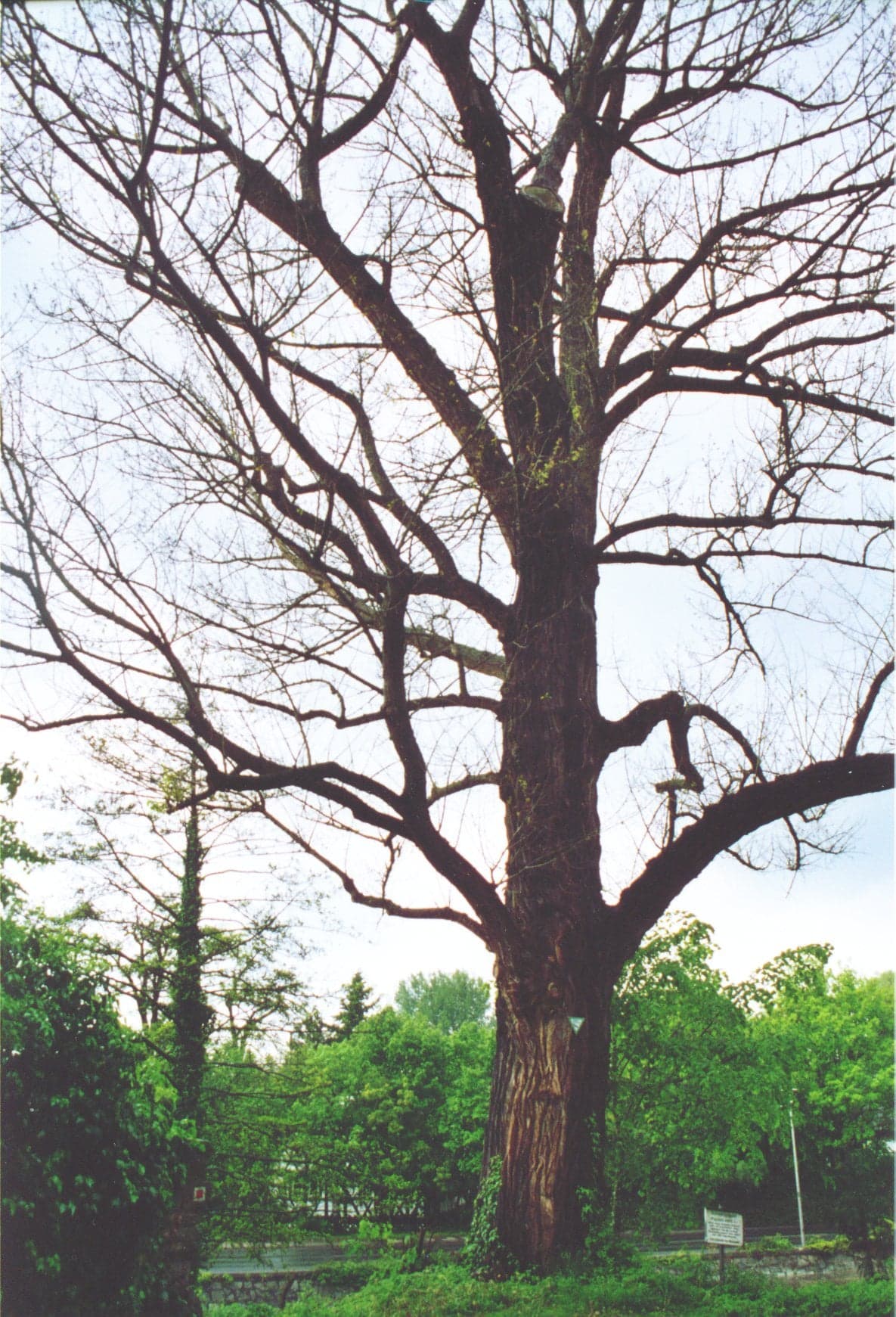
Populus nigra is a floodplain tree, native along river systems across Europe, North Africa and western Asia. Its natural riverside habitat has been heavily reduced by flood control and river engineering, and the wild population is now one of the more threatened tree populations in Europe, though hybrid poplars planted for timber are abundant and unrelated to that concern.
Léigh an treoir iomlánNótaí mionsonraithe ar phatrún, athrú datha, oibriú agus cobhsaíocht.
What Black Poplar actually is#
Populus nigra is a floodplain tree. Its natural home is the riverbank, across Europe, North Africa and western Asia, in the shifting wet ground that flood control and river engineering have largely eliminated over the last century.
That has produced an unusual situation. The wild population of Black Poplar is one of the more threatened tree populations in Europe and the subject of active restoration work, while poplar timber itself is cheap and abundant, because the commercial trade runs largely on planted hybrid poplars. The two facts sit oddly together and are worth keeping separate when you read about the species.
The fuzzy surface problem, which is not the wood's fault#
Poplar has a reputation for machining badly. It plane fuzzy, people say, and the surface goes woolly no matter what you do.
The cited source puts it precisely: sharp cutters are necessary when planing to avoid fuzzy surfaces. That is the entire difficulty.
Poplar fibres are long and soft. A blade with any dullness at all drags them instead of severing them, and they lift into a woolly nap. Sanding the result makes it worse, because abrasive tears more fibre rather than cutting it. So the maker sands harder, gets a worse surface, and concludes the wood is the problem.
With a freshly honed iron, a tight mouth and a light cut, poplar machines perfectly cleanly. A card scraper produces an excellent final surface. This is a wood that is unusually honest about the state of your tooling.
Ceisteanna ceannaitheoirí
Ceisteanna ceannaitheoirí
Why does poplar go fuzzy when I plane it?
The fibres are long and soft, so a dull blade drags them rather than cutting them, leaving a woolly surface. Sanding makes it worse by tearing more fibre. The fix is a freshly honed iron, a tight mouth and a light cut, or a card scraper for the final surface. With a sharp edge poplar machines perfectly cleanly, and its reputation for being difficult is really a reputation for punishing blunt tools.
Is it strong enough to build with?
For its weight, yes, but it is the softest and lightest hardwood in this catalogue at 385 kg per cubic metre and 2,020 N Janka, softer than Scots Pine. It suits drawer sides, carcass interiors, lightweight panels and anything that will be painted. It is not a work surface and it is not a structural timber.
Is Black Poplar endangered?
The wild riverside population is genuinely threatened across Europe, having declined severely through flood control and river engineering, and it is the subject of active restoration programmes. The commercial timber trade is largely supplied by abundant hybrid poplars, which are a separate matter. It is not CITES listed and the cited source reports no IUCN assessment. Provenance is worth checking more carefully here than for most European species.
Airíonna meicniúla
Sonraí teicniúla
Luachanna tagartha foilsithe. Nuair nach n-aontaíonn foinsí, taispeántar an raon agus úsáidtear an luach tipiciúil do na scálaí thuas.
| Dlús (kg/m³)Mais in aghaidh an mhéadair chiúbaigh ag cion taise thart ar 12 %. Bíonn adhmad níos troime níos crua agus níos láidre de ghnáth. | 385 kg/m³ |
|---|---|
| Cruas Janka (N)An fórsa chun liathróid chruach a bhrú leath bealaigh isteach san adhmad. Gnáththomhas ar fhriotaíocht in aghaidh eangaithe. | 2,020 N |
| MOR: modal réabtha (MPa)Neart lúbtha: an t-ualach ag a mbriseann bíoma. | 64 MPa |
| MOE: modal leaisteachais (GPa)Righneas lúbtha: a mhéid a lúbann seilf nó barr faoi ualach. | 7.2 GPa |
| Crapadh gathachCrapadh trasna na bhfáinní fáis, ó úr go stálaithe in áith. Bogann cláir ghearrtha ina gceathrúna mar seo. | 4.0 % |
| Crapadh tadhlaíochCrapadh feadh na bhfáinní fáis. Bogann cláir réghearrtha agus formhór na leac mar seo. | 9.3 % |