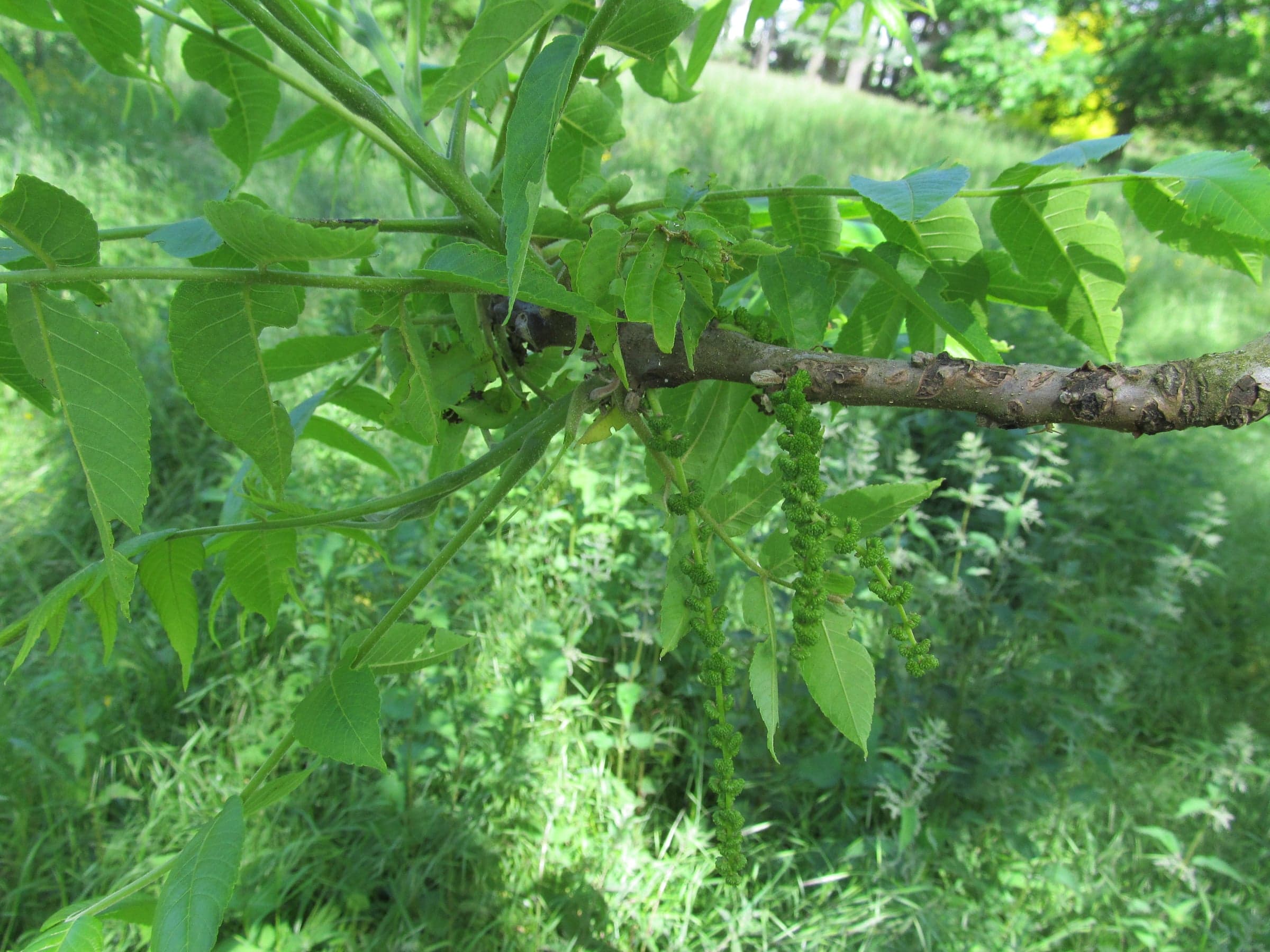
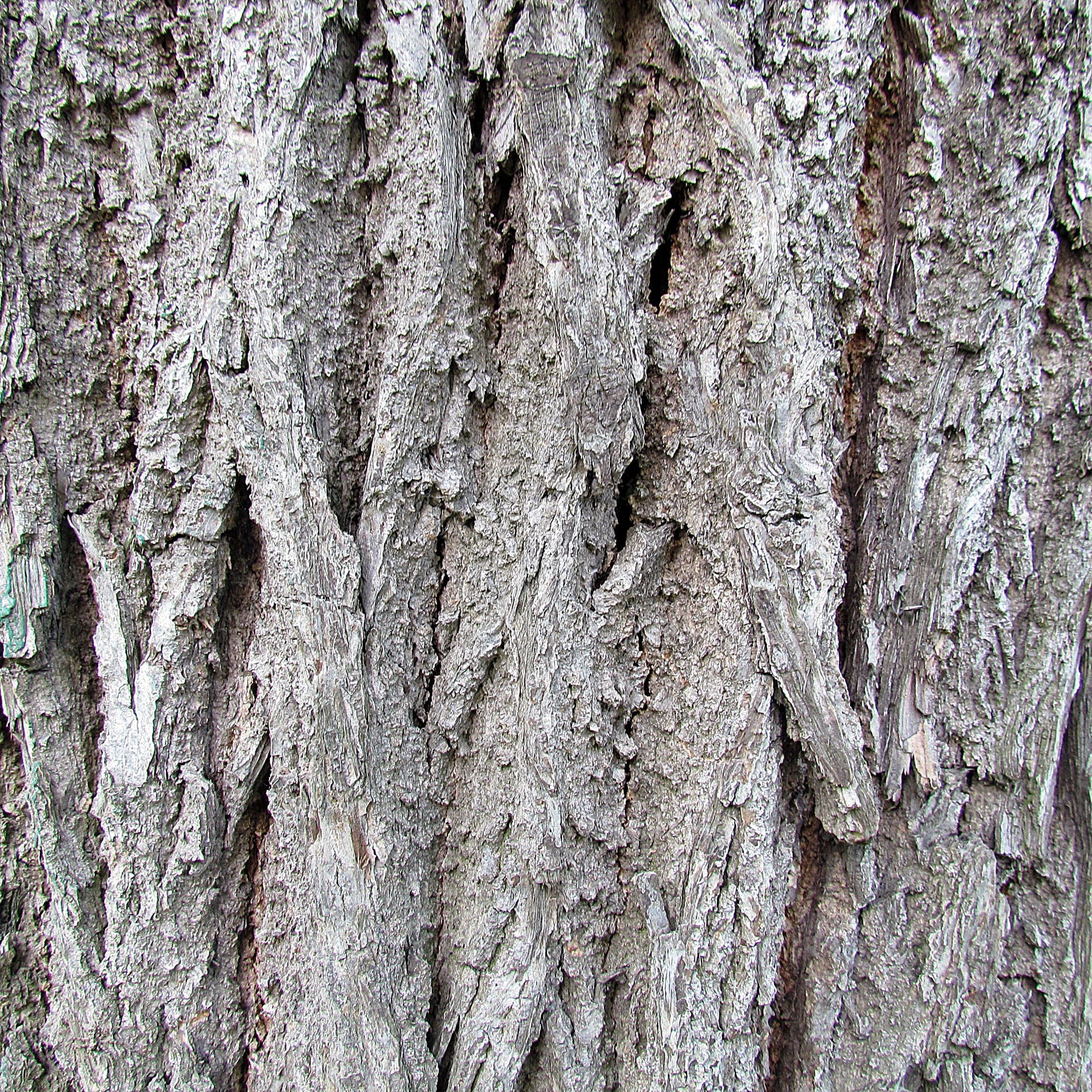
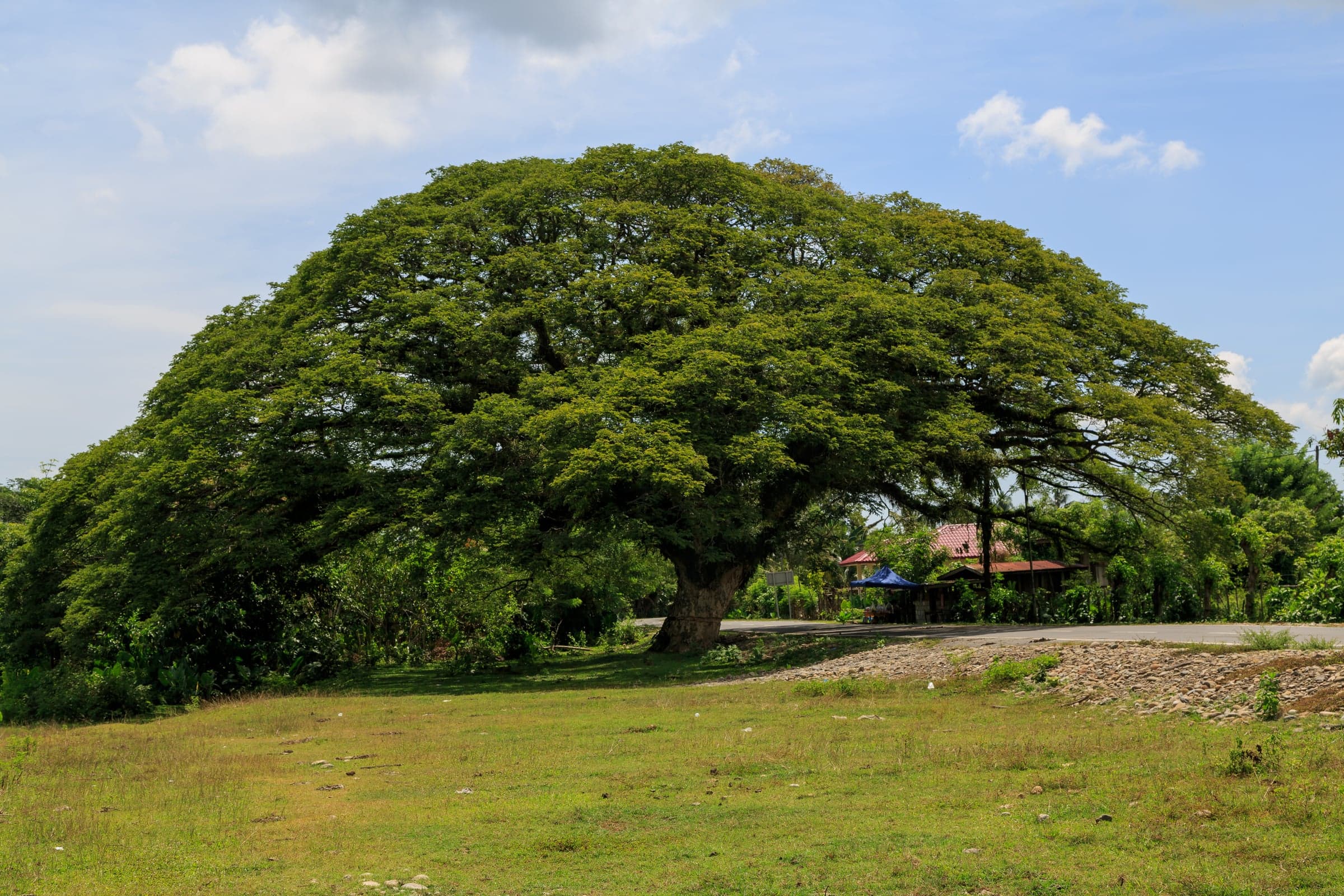
Juglans nigra
Black Walnut
American Black Walnut is the chocolate-brown hardwood that built mid-century furniture. Imported into European yards as kiln-dried slabs, it works cleanly and finishes to a deep, warm tone that ages well.
- Fásta lasmuigh den Eoraip agus allmhairithe trí chlóis adhmaid Eorpacha.
- Grúpa luibheolaíoch. Is buaircínigh iad bogadhmaid; is crainn leathanduilleacha iad crua-adhmaid.
- Fine luibheolaíoch an speicis.
Faigh fógra nuair a thagann séSpeiceas tagartha. Níl píosaí i stoc faoi láthair.
An oireann sé do do thionscadal?
Iontach do
- Live-edge dining and conference tables
- Mid-century-style casework and credenzas
- Dark-toned kitchen islands and breakfast bars
- Desks and writing tables with figured tops
- Gunstocks, knife scales and high-end tool handles
- Turned bowls and hollow forms
Níl Black Walnut san eisiúint reatha
Speicis chomhchosúla i stoc
Níl Black Walnut againn anois. Oireann na speicis seo do na tionscadail chéanna agus tá píosaí ar fáil.
Faigh fógra faoi Black Walnut
Seolaimid ríomhphost chugat nuair a thagann leaca úra Black Walnut chuig KORENA. Tá gach píosa uathúil, mar sin is fiú fógra luath.
Cuma an adhmaid
An chuma atá air
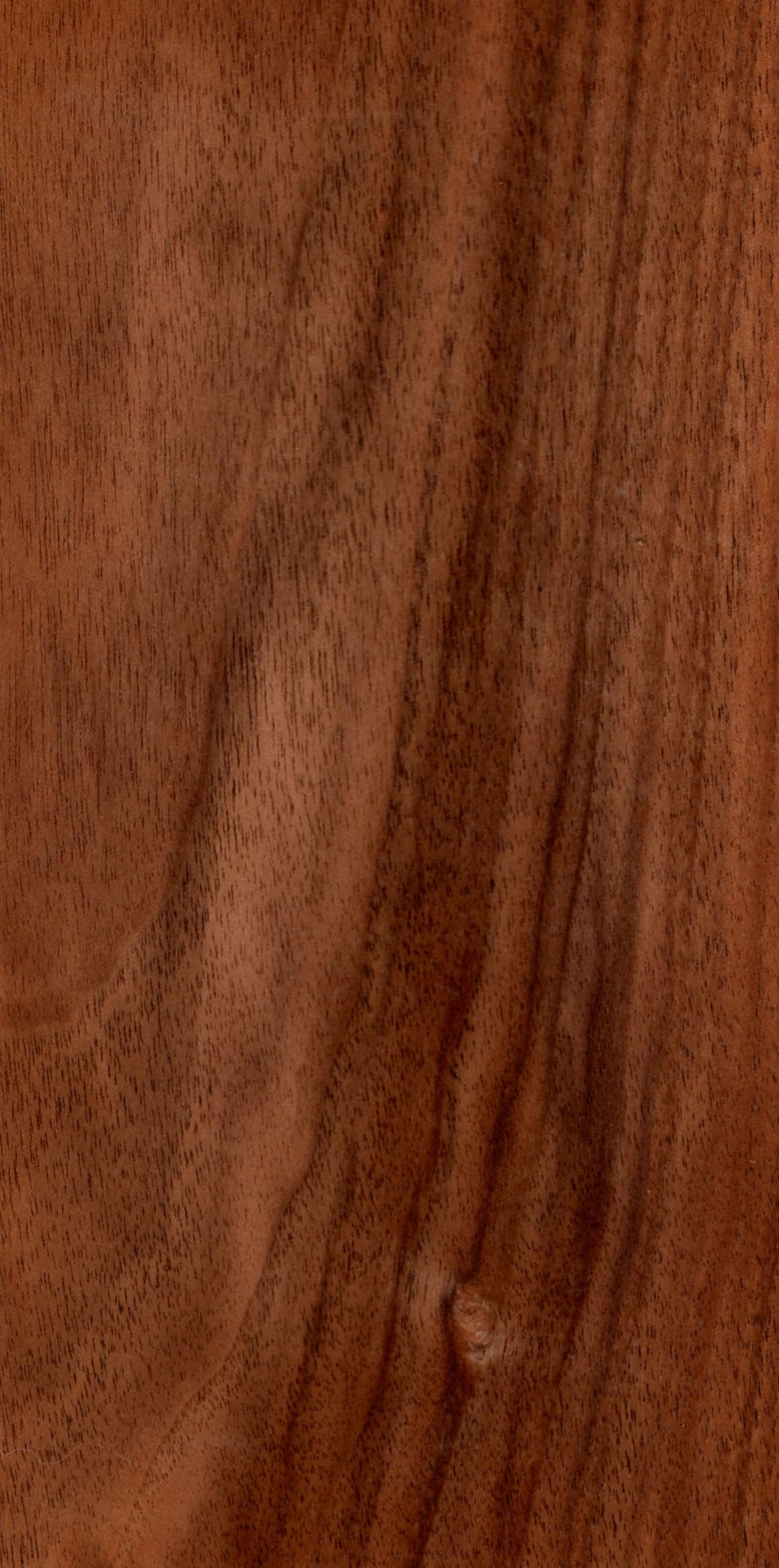
Heartwood ranges from chocolate brown to a purplish or greyish brown, often with darker streaks. Sapwood is pale cream, usually steamed at the mill to even out the contrast, but you'll still see some on wide slabs. Grain is generally straight, though figured boards (curl, crotch, burl) turn up regularly and command a premium. Medium, even texture takes detail well.
- Chocolate to purplish-brown heartwood
- Pale cream sapwood, often steamed for uniformity
- Darker streaks and figure on wider boards
- Lightens slightly under UV over the first year
- Deepens and warms under oil finishes
- Generally straight; can be irregular or wavy. Medium texture.
Ag obair leis
Ag obair leis
Easy across the board. Sawing, planing, sanding, turning and carving all rate 4 out of 5. Glues and screws without complaint. Steam bending is the one weak spot (3/5), workable for gentle curves, not the species you'd choose for tight bentwood seating. Sharp tooling keeps the surface clean; dull blades will burnish rather than tear.
Bailchríoch
Finishes beautifully with very little fuss. Hard wax oil and Danish oil deepen the brown without muddying the grain; a thin shellac seal coat helps if you're spraying lacquer over oily patches. Sanded to 180–220 it feels silky in the hand. Black walnut lightens slightly with UV exposure over the first year, the opposite of cherry, so a UV-inhibiting topcoat helps on pieces near windows.
Stálú
Slabs arrive kiln-dried to roughly 8–10% MC. Movement in service is moderate, radial 5.0–6.0%, tangential 7.5–8.5%, so wide tops still want a breathable build (breadboard ends, slot-screwed cleats, or fixed-and-floating fasteners). Acclimatise to your shop for two to three weeks before final flattening.
Cé mhéad a bhogfaidh sé?
Atann agus crapann adhmad trasna a leithid de réir mar a éiríonn an t-aer níos taise nó níos tirime. Meas gluaiseacht shéasúrach barr Black Walnut sula ndearann tú na feistis.
Gluaiseacht shéasúrach mheasta
thart ar 9.1 mm
Ceangail an barr le cnaipí nó lúibíní sliotánacha, ní le gliú ná scriúnna teanna.
Samhail líneach craptha: leithead × (crapadh ÷ 28 % sáithiú snáithíní) × luascadh séasúrach cion taise. Úsáidtear crapadh tadhlaíoch 8 % do Black Walnut. Meastachán pleanála, ní ráthaíocht.
An costas
Sábháilteacht agus foinsiú
- Fásta lasmuigh den Eoraip agus allmhairithe trí chlóis adhmaid Eorpacha.
- Stádas Liosta Dearg IUCN: measúnú domhanda caomhnaithe an speicis seo.
Walnut dust contains juglone and is a known respiratory and skin sensitiser. Run a dust extractor at the source and wear a P3/FFP3 mask when sanding. Juglone-laden offcuts and shavings are toxic to horses and to some plants (tomatoes, apples), so don't compost or use as bedding. Cured finished surfaces are food-contact safe.
Léigh an treoir iomlánNótaí mionsonraithe ar phatrún, athrú datha, oibriú agus cobhsaíocht.
What Black Walnut actually is#
Juglans nigra is the darkest wood in this catalogue and the North American counterpart to European walnut. Where Juglans regia is a lighter grey brown full of streaking, black walnut is a deeper, more uniform chocolate.
The other significant difference is commercial rather than botanical. Black walnut is grown as a forestry species across eastern North America, so it comes in larger, straighter, more consistent sizes than European walnut, much of which is salvaged from orchards and gardens. If you need matched material across several wide boards, black walnut is the easier species to source.
The steaming question, which matters more than most people realise#
A large proportion of commercial black walnut is steamed during kiln drying.
Steaming drives colour out of the dark heartwood and into the pale sapwood. The result is a board that reads more uniformly brown, with the sapwood muddied to a dull tan rather than staying cream. For a factory producing matched furniture components, that uniformity is the point.
For a live edge slab it is usually the opposite of what you want. The sharp contrast between pale cream sapwood and near black heartwood is one of the most striking features this species offers, and steaming destroys it.
Unsteamed black walnut keeps that contrast. It is worth asking which you are being offered, because the difference is permanent and not visible from a description alone.
Ceisteanna ceannaitheoirí
Ceisteanna ceannaitheoirí
How is Black Walnut different from European Walnut?
Black walnut, Juglans nigra, is darker and more uniformly chocolate brown, where European walnut runs lighter grey brown with more streaking and marbling. Black walnut is slightly softer at 4,490 N against 5,410 N but slightly stiffer at 11.0 GPa. Black walnut also comes in larger, more consistent sizes because it is grown as a forestry species rather than an orchard tree.
Is Black Walnut steamed, and does it matter?
Much commercial American black walnut is steamed during drying, which drives colour from the dark heartwood into the pale sapwood and makes the board look more uniformly brown. Unsteamed walnut keeps a sharp contrast between cream sapwood and dark heartwood. For a live edge slab where the sapwood line is a feature, unsteamed is usually what you want, and it is worth asking.
Does Black Walnut fade?
Yes. Like European walnut it lightens with light exposure rather than darkening, mellowing from deep chocolate toward a warmer, lighter brown. This is the opposite of what oak and cherry do. A UV inhibiting finish slows it without stopping it.
Is walnut dust dangerous?
Airíonna meicniúla
Sonraí teicniúla
Luachanna tagartha foilsithe. Nuair nach n-aontaíonn foinsí, taispeántar an raon agus úsáidtear an luach tipiciúil do na scálaí thuas.
| Dlús (kg/m³)Mais in aghaidh an mhéadair chiúbaigh ag cion taise thart ar 12 %. Bíonn adhmad níos troime níos crua agus níos láidre de ghnáth. | 560–660 kg/m³tipiciúil 610 kg/m³ |
|---|---|
| Cruas Janka (N)An fórsa chun liathróid chruach a bhrú leath bealaigh isteach san adhmad. Gnáththomhas ar fhriotaíocht in aghaidh eangaithe. | 4,100–4,900 Ntipiciúil 4,490 N |
| MOR: modal réabtha (MPa)Neart lúbtha: an t-ualach ag a mbriseann bíoma. | 100–110 MPa |
| MOE: modal leaisteachais (GPa)Righneas lúbtha: a mhéid a lúbann seilf nó barr faoi ualach. | 11.0–12.0 GPa |
| Crapadh gathachCrapadh trasna na bhfáinní fáis, ó úr go stálaithe in áith. Bogann cláir ghearrtha ina gceathrúna mar seo. | 5.0–6.0 % |
| Crapadh tadhlaíoch |