KORENA
AdhmadTroscánCeardlannComhpháirtitheIris

Bí ar na chéad daoine a fheiceann an t-adhmad nua

Faigh ríomhphost nuair a thagann adhmad nua isteach.

Cúpla ríomhphost sa mhí. Gan turscar, díliostáil am ar bith.

KORENA

Ceannaigh adhmad soladach, troscán lámhdhéanta, uirlisí agus bailchríocha adhmaid ar KORENA.

Siopa

  • Brabhsáil táirgí
  • Cartlann na n-earraí díolta
  • Rianaigh ordú

Foghlaim

  • Iris
  • Treoracha speiceas
  • Gluais
  • Pasanna plandaí agus criosanna lotnaidí
  • Déan comparáid
  • Údair

Cabhair

  • Maidir linn
  • Conas a oibríonn sé
  • Bí i do dhíoltóirNua
  • Faigh leac adhmaid
  • Tacaíocht
  • Teimpléid doiciméad
  • Preas

Ceannach

  • Téarmaí díola
  • An ceart chun tarraingt siar
  • Tuairisceáin agus ráthaíocht dhlíthiúil
  • Seoladh agus seachadadh

Muinín

  • Beartas príobháideachais
  • Beartas fianán
  • Bunáitíocht adhmaid agus EUDR
  • Inrochtaineacht

Fógra dlíthiúil

  • Fógra dlíthiúil
  • Úsáid inghlactha
  • Maoin intleachtúil agus ábhar

© 2026 KORENA. Gach ceart ar cosaint.

Á oibriú ag Martial Labs Ltd. (BG, EIK 207453941). Is ainm trádála de chuid Martial Labs Ltd. é KORENA.

Tá meas againn ar do phríobháideachas

Úsáidimid fianáin riachtanacha chun go n-oibreoidh an suíomh. Le do chead d'úsáidfimis fianáin freisin le haghaidh anailísíochta, ábhar pearsantaithe agus fógraí. Is féidir leat d'intinn a athrú am ar bith ar an leathanach sainroghanna toilithe. Féach ar ár mbeartas fianán agus ár mbeartas príobháideachais.

  1. Baile
  2. /
  3. Speicis
  4. /
  5. Dair na Tuirce

Quercus cerris

Dair na Tuirce

Harder than European oak and considerably cheaper, for one reason: it is difficult to dry. Buy it already stable and it is a bargain.

  • This species is recorded as commercially grown in Europe. This does not establish where an individual piece was harvested; check its origin details.
  • Grúpa luibheolaíoch. Is buaircínigh iad bogadhmaid; is crainn leathanduilleacha iad crua-adhmaid.
  • Fine luibheolaíoch an speicis.
Faigh fógra nuair a thagann séSpeiceas tagartha. Níl píosaí i stoc faoi láthair.
  • Oiriúnacht tionscadail
  • I stoc
  • Cuma
  • Oibriú
  • Gluaiseacht
  • Praghas
  • Sábháilteacht agus foinsiú
  • Ceisteanna
  • Sonraí teicniúla

An oireann sé do do thionscadal?

Iontach do

  • Rustic tabletops
  • Flooring
  • Interior joinery
  • Cladding under cover
  • Decorative slabs

Níl Dair na Tuirce san eisiúint reatha

Speicis chomhchosúla i stoc

Níl Dair na Tuirce againn anois. Oireann na speicis seo do na tionscadail chéanna agus tá píosaí ar fáil.
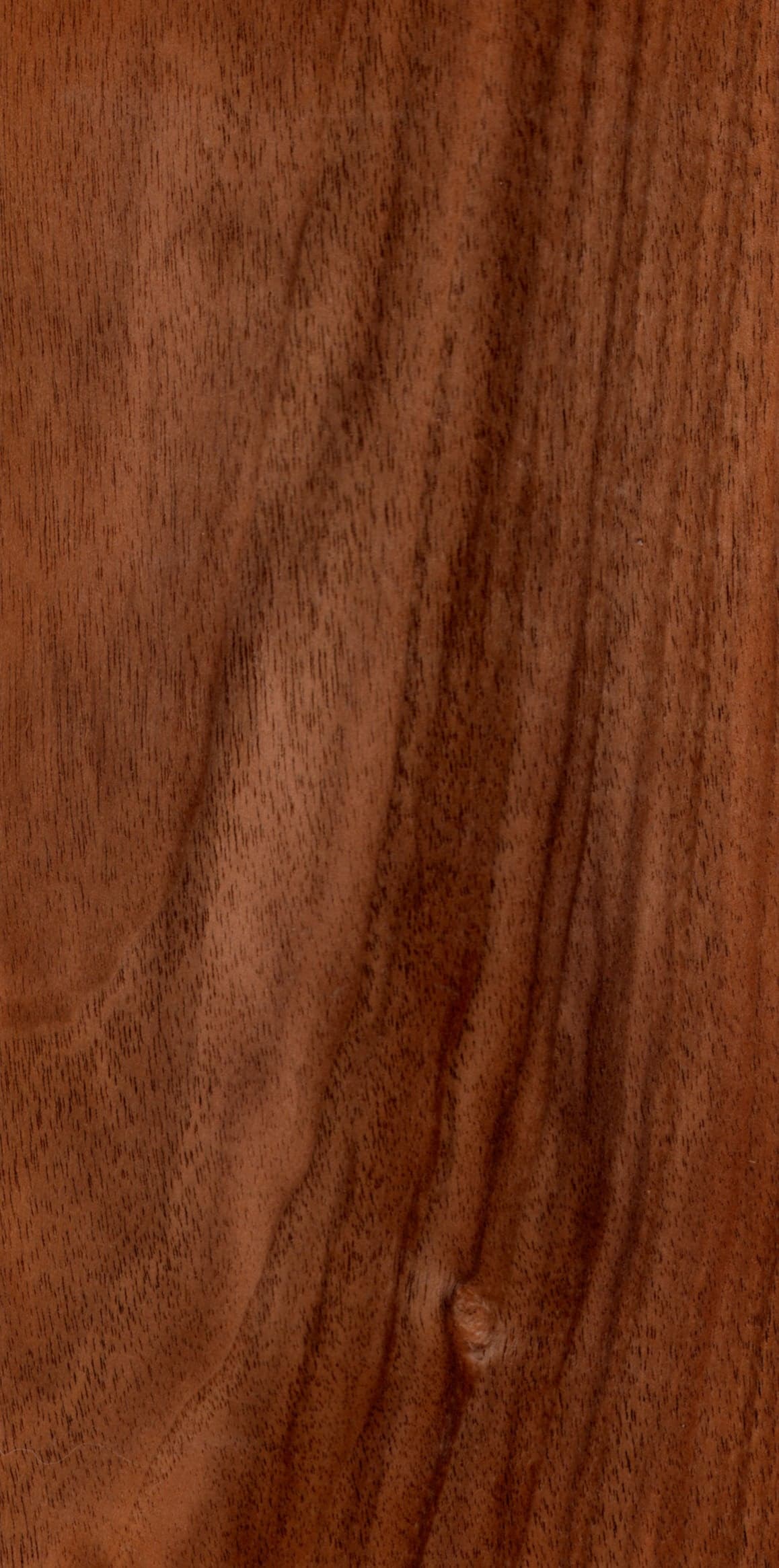
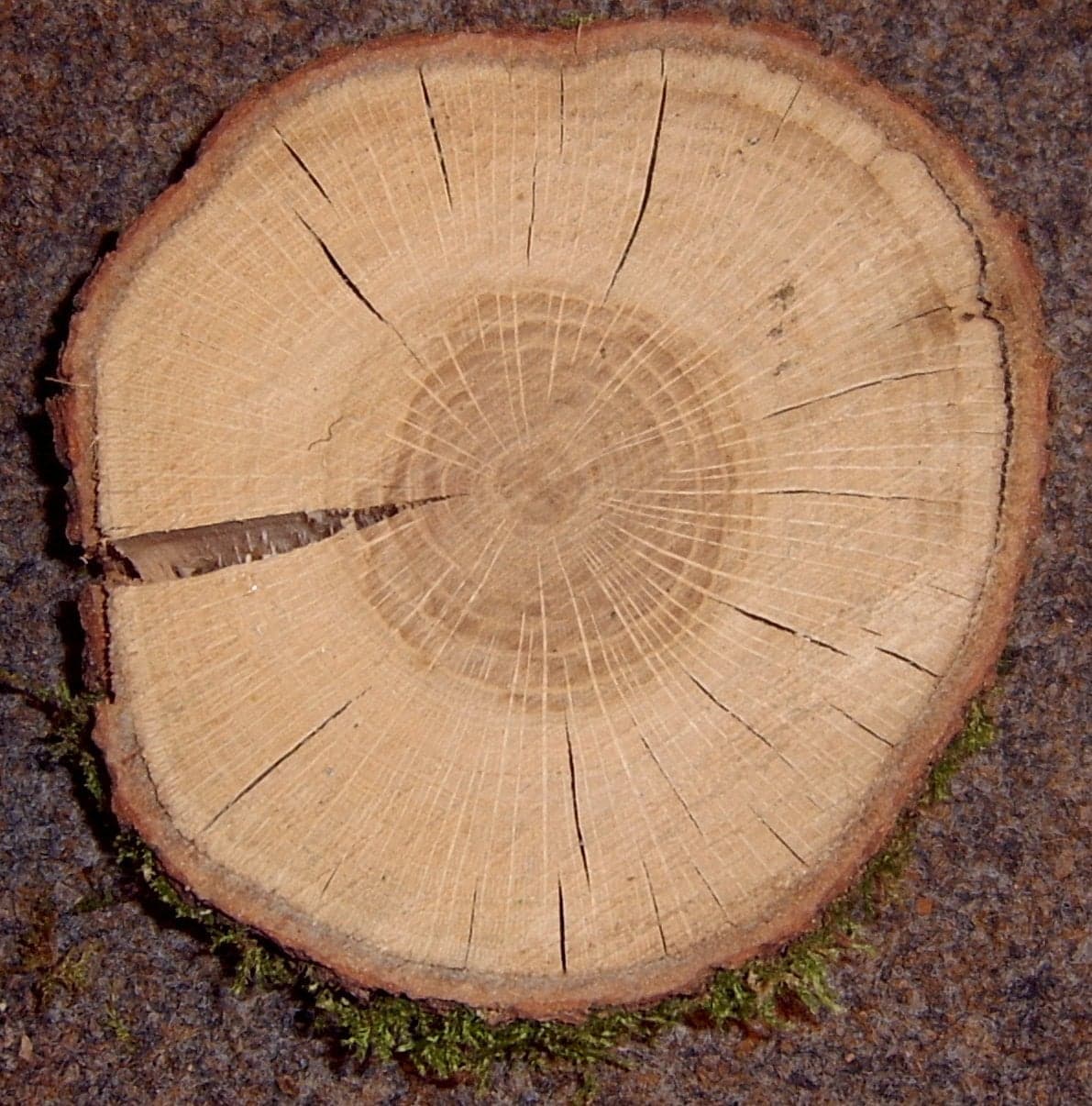
  • Snáithe Gallchnó Eorpach

    Gallchnó Eorpach

    Juglans regia

    12 píosa

  • Snáithe Dair Eorpach

    Dair Eorpach

    Quercus robur

    6 phíosa

  • Snáithe Saman

    Saman

    Samanea saman

    4 phíosa

Faigh fógra faoi Dair na Tuirce

Seolaimid ríomhphost chugat nuair a thagann leaca úra Dair na Tuirce chuig KORENA. Tá gach píosa uathúil, mar sin is fiú fógra luath.

Cúpla ríomhphost sa mhí. Gan turscar, díliostáil am ar bith.

Cuma an adhmaid

An chuma atá air

Denser and harder than either European oak, with a coarser and more open texture. Colour is a light to mid brown, generally plainer and less olive than Quercus robur, with wide rays that produce a bold but less silvery fleck on quartersawn faces. Its reputation in the trade is poor, earned by a strong tendency to check and distort in drying rather than by any weakness in the finished wood.

  • Light to mid brown, plainer than European oak
  • Coarse open texture with very wide rays
  • Bold but less silvery ray fleck on quartersawn faces
  • Snáithín díreach, uigeacht gharbh oscailte agus gathanna an-leathana. Donn éadrom go meándonn, cuma níos simplí uirthi ná ar dhair Eorpach, agus fleascanna suntasacha ach nach bhfuil chomh hairgeadúil céanna le feiceáil i ngearradh ceathrúsháfa.

Ag obair leis

Ag obair leis

Works similarly to the American oaks according to the source cited here. It is harder and denser than Quercus robur, so it blunts cutters faster and demands more power in the cut, but it machines cleanly once dry and stable. The very wide rays can lift on a quartersawn face if the cut is heavy. Grain filler is needed for a smooth finish given the coarse open pores.

Bailchríoch

Takes stain and finish much as other oaks do, and the plainer colour actually accepts stain more evenly than the olive cast of European oak. The coarse open pores need filling for a smooth surface. The same tannin and iron reaction applies as in every oak, so brass or stainless fittings only and no steel wool.

Stálú

This is the species specific problem and the reason Turkey Oak is cheap. It is markedly prone to checking, honeycombing and severe distortion during drying, considerably worse than Quercus robur or petraea, and volumetric shrinkage at 16 percent is the highest of any hardwood KORENA lists. Tangential shrinkage of 10 percent against 6 percent radial compounds it. Slowly air dried stock that has already stabilised is the only version of this timber worth buying.

Cé mhéad a bhogfaidh sé?

Atann agus crapann adhmad trasna a leithid de réir mar a éiríonn an t-aer níos taise nó níos tirime. Meas gluaiseacht shéasúrach barr Dair na Tuirce sula ndearann tú na feistis.

Gearradh
An áit ina mbeidh sé

Gluaiseacht shéasúrach mheasta

thart ar 11.4 mm

Ceangail an barr le cnaipí nó lúibíní sliotánacha, ní le gliú ná scriúnna teanna.

Samhail líneach craptha: leithead × (crapadh ÷ 28 % sáithiú snáithíní) × luascadh séasúrach cion taise. Úsáidtear crapadh tadhlaíoch 10 % do Dair na Tuirce. Meastachán pleanála, ní ráthaíocht.

An costas

Sábháilteacht agus foinsiú

  • This species is recorded as commercially grown in Europe. This does not establish where an individual piece was harvested; check its origin details.
  • Oak is a documented sensitiser, with reactions typically including eye and skin irritation and asthma-like symptoms. Repeated exposure to oak dust carries elevated nasal cancer risk, so extraction is not optional in a production setting.

  • Quercus cerris is the oak of southeastern Europe and Asia Minor, dominant through the Balkans, Hungary, Italy and Turkey. It grows fast on poor dry soils where the northern oaks struggle, and it has been planted widely outside its range. Balkan sourced material is common and inexpensive in the EU market.

Léigh an treoir iomlánNótaí mionsonraithe ar phatrún, athrú datha, oibriú agus cobhsaíocht.+

What Turkey Oak actually is#

Quercus cerris is the oak of southeastern Europe and Asia Minor. It dominates through the Balkans, Hungary, Italy and Turkey, growing fast on poor dry soils where the northern oaks struggle, and it has been planted well outside that range.

It has a poor reputation in the trade, and that reputation is worth understanding precisely, because it is only half deserved. The finished wood is not inferior. At 720 kg per cubic metre it is denser than European oak, and its modulus of rupture of 114.3 MPa is well above the 97.1 MPa of sessile oak. The problem is entirely in getting it from log to stable board.

The drying problem, which is the whole story#

Turkey Oak checks, honeycombs and distorts during drying far more readily than Quercus robur or petraea.

The numbers explain why. Volumetric shrinkage is 16 percent, the highest of any hardwood in this catalogue. Tangential shrinkage of 10 percent against 6 percent radial gives a ratio that guarantees flatsawn boards will cup hard. Combine high total movement with a wide differential and a fast schedule, and the wood tears itself apart.

A significant proportion of what is cut degrades before it becomes usable timber, and the price of the survivors carries that loss. That is why Turkey Oak is cheap.

The practical consequence for a buyer is simple and important: the risk lives in the drying, not in the service life. A slab that has already been slowly dried and has stabilised is a hard, dense, durable board at a fraction of European oak money. A slab that was rushed is firewood that has not finished failing yet.

Ceisteanna ceannaitheoirí

Ceisteanna ceannaitheoirí

Why is Turkey Oak so much cheaper than European Oak?

+

Not because the finished wood is weaker. It is denser and harder than Quercus robur. The discount reflects how badly it behaves in drying: it checks, honeycombs and distorts far more readily, and volumetric shrinkage at 16 percent is the highest of any hardwood in this catalogue. A large proportion of what is cut degrades before it is usable, and the price carries that loss.

Is the Janka figure reliable?

+

It is published as an estimate derived from specific gravity rather than a measured test, and KORENA records it that way in the source note on the species record. Treat 5,340 N as indicative. It places Turkey Oak above European oak at 4,980 N, which matches its higher density of 720 kg per cubic metre, but it is not a laboratory measurement.

Can I use it for a tabletop?

+

Yes, provided the slab is already properly dried and stable. Buy air dried stock that has had time to settle rather than freshly kilned material, check the measured moisture value on the listing, and let it acclimatise in the room before flattening. Once through drying it is a hard, durable surface. The risk is entirely in the drying, not the service life.

Airíonna meicniúla

Sonraí teicniúla

Luachanna tagartha foilsithe. Nuair nach n-aontaíonn foinsí, taispeántar an raon agus úsáidtear an luach tipiciúil do na scálaí thuas.

Dlús (kg/m³)Mais in aghaidh an mhéadair chiúbaigh ag cion taise thart ar 12 %. Bíonn adhmad níos troime níos crua agus níos láidre de ghnáth.720 kg/m³
Cruas Janka (N)An fórsa chun liathróid chruach a bhrú leath bealaigh isteach san adhmad. Gnáththomhas ar fhriotaíocht in aghaidh eangaithe.5,340 N
MOR: modal réabtha (MPa)Neart lúbtha: an t-ualach ag a mbriseann bíoma.114 MPa
MOE: modal leaisteachais (GPa)Righneas lúbtha: a mhéid a lúbann seilf nó barr faoi ualach.10.8 GPa
Crapadh gathachCrapadh trasna na bhfáinní fáis, ó úr go stálaithe in áith. Bogann cláir ghearrtha ina gceathrúna mar seo.6.0 %
Crapadh tadhlaíochCrapadh feadh na bhfáinní fáis. Bogann cláir réghearrtha agus formhór na leac mar seo.10.0 %
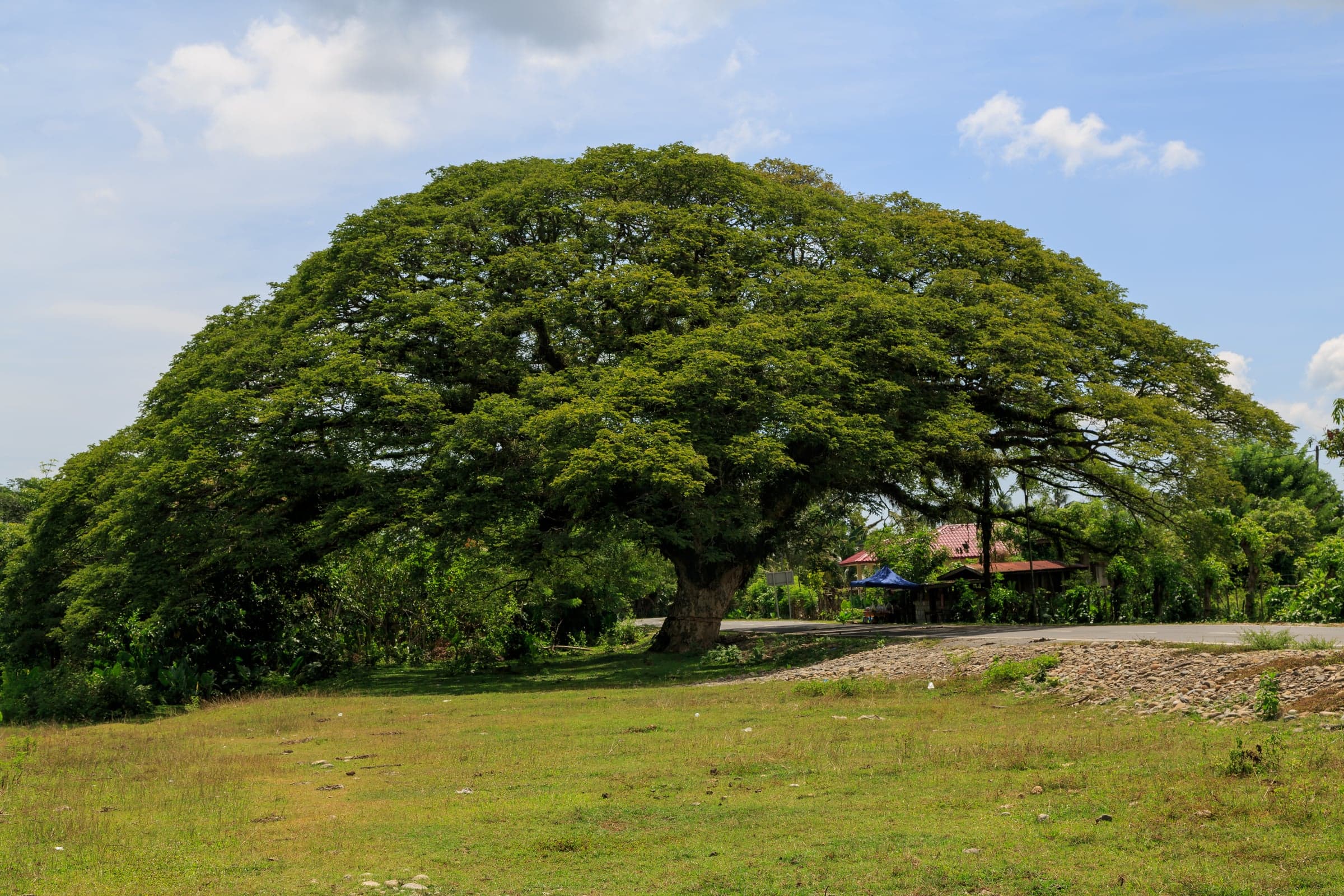
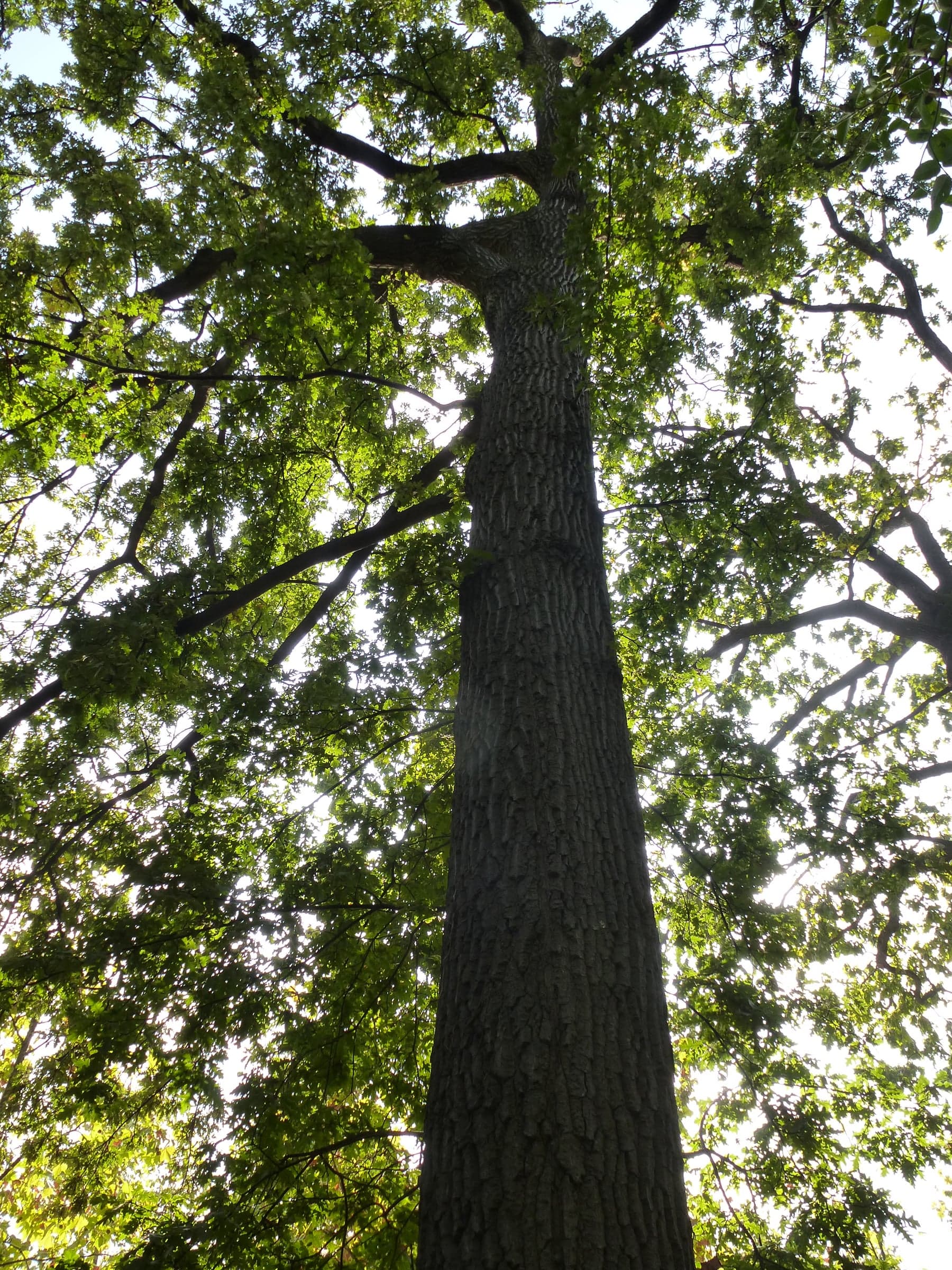
Crann Dair na Tuirce

Salix, via Wikimedia Commons

Not listed in the CITES Appendices, and reported by the source KORENA cites as not assessed on the IUCN Red List, so no IUCN status is shown rather than one being assumed. It is abundant and fast growing across southeastern Europe and is often treated as a low value species, which makes it both inexpensive and easy to source with documentation.

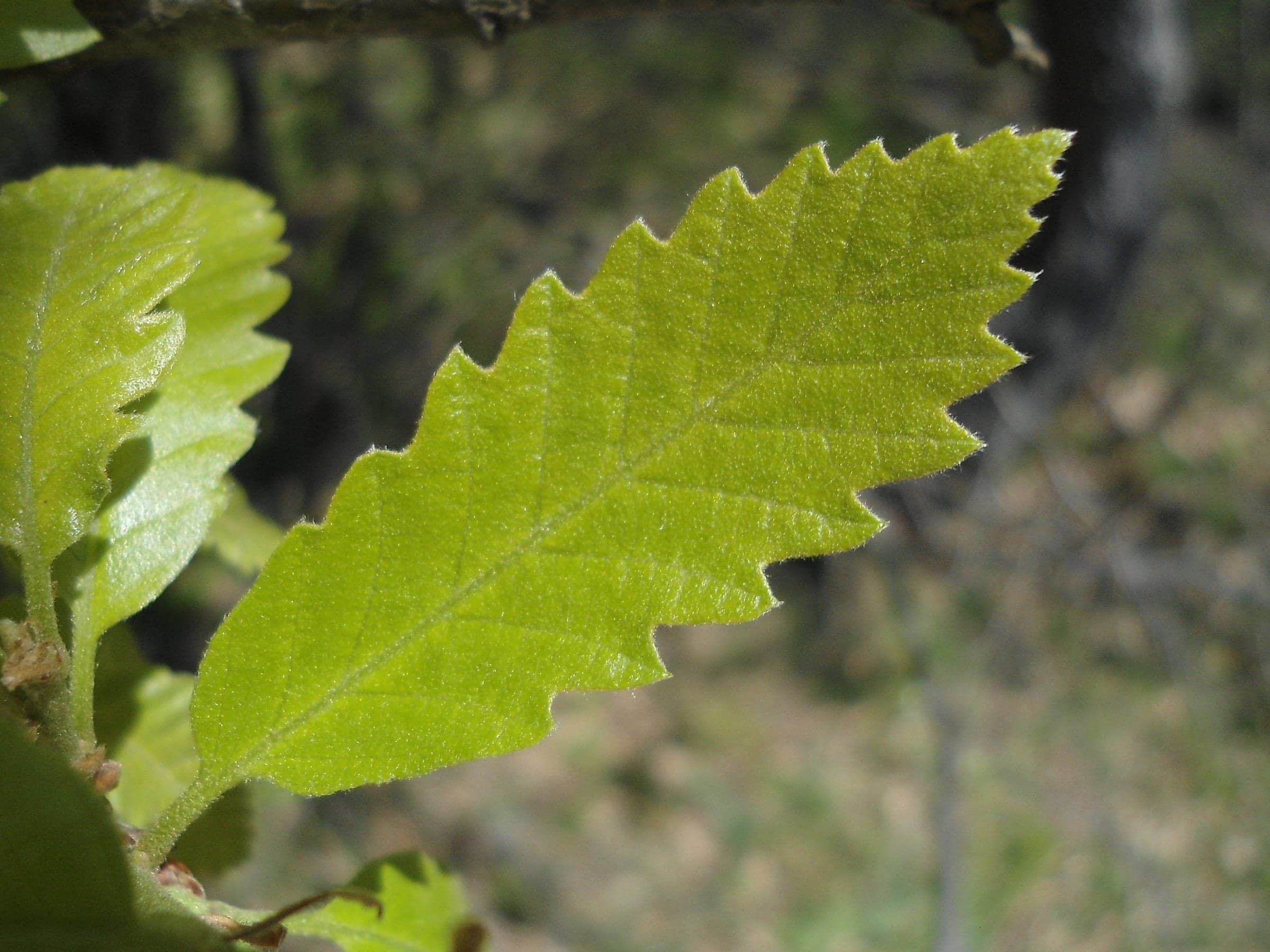
Dair na Tuirce: Duilleog
Duilleog
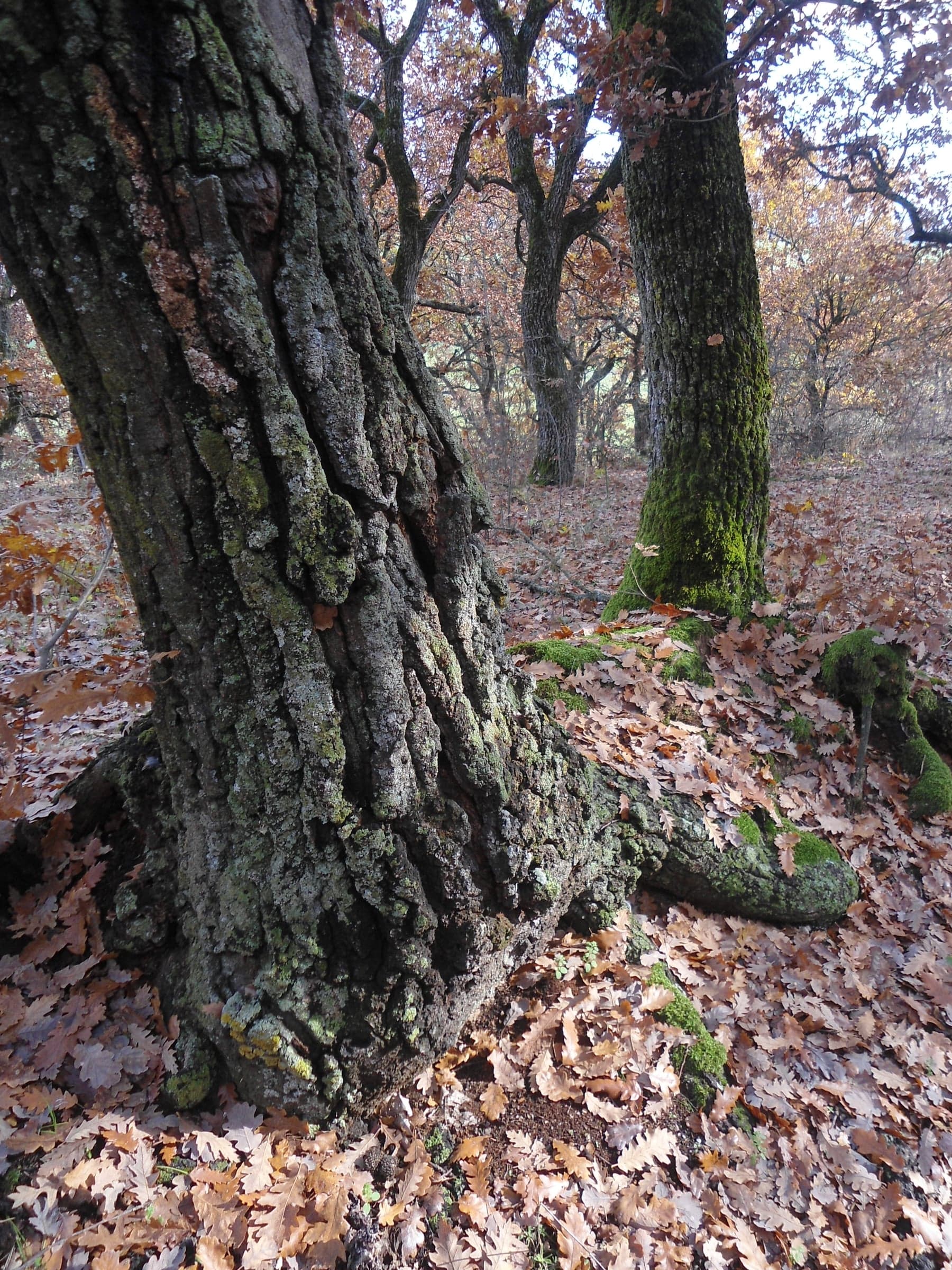
Dair na Tuirce: Coirt
Coirt

So buy stable stock. Prefer air dried material that has had time to settle over freshly kilned. Check the measured moisture value on the listing rather than trusting a description, and let the slab acclimatise in its final room before flattening.

Reading a Turkey Oak slab#

Colour is a light to mid brown, plainer and straighter than European oak, without the olive cast of robur. Texture is coarse and the pores are large and open.

The rays are very wide, wider than in the other oaks here, and on a quartersawn face they produce a bold fleck. It reads differently from the fine silvery ribbon of sessile oak: larger, more assertive, less lustrous. Whether that is better is a matter of taste, but they are not the same figure and one will not pass for the other.

Inspect the end grain for honeycomb, look along the length for cupping and twist, and check for surface checks. On this species those defects are common enough that they should be assumed present until ruled out.

At the bench#

The cited source describes it as working similarly to the American oaks. It is harder and denser than European oak, so it blunts cutters faster and asks more of a machine, but a dry stable board machines cleanly.

The very wide rays can lift on a quartersawn face under a heavy cut. Lighter passes and sharp tooling handle it.

As with all oak, the coarse open pores need a grain filler if a smooth surface is the goal, and the tannin content means iron contact produces blue black staining. Brass or stainless fittings only, no steel wool, and no steel clamp bars left on damp work.

A note on the hardness figure#

The Janka value shown for this species, 5,340 N, is published as an estimate derived from specific gravity rather than a measured laboratory test, and KORENA records that qualification in the source note on the species record rather than presenting the number bare.

Treat it as indicative. It places Turkey Oak above European oak, which is consistent with its higher density, but it is not the same class of evidence as a measured value.

Finishing#

It takes stain and finish much as other oaks do, and the plainer, less olive colour actually accepts stain more evenly than European oak, which can go muddy under a warm tone.

Grain filler for a smooth surface, standard oak finishing otherwise.

Where Turkey Oak is the right answer#

Rustic tabletops, flooring, interior joinery, cladding under cover, and decorative slabs where a hard dense oak is wanted and the budget will not carry European oak. At decay class 2 it is durable, so protected exterior use is reasonable.

It is the wrong answer if you are buying unseasoned or freshly kilned stock, if the project cannot absorb the risk of movement, or if the classic silvery quartersawn fleck of European oak is specifically what the design calls for.

Sourcing and EUDR#

Not listed in the CITES Appendices, and reported by the cited source as not assessed on the IUCN Red List, so no IUCN status is displayed rather than one being inferred.

It is abundant and fast growing across southeastern Europe and is often treated as a low value species locally, which makes it both inexpensive and straightforward to source with proper documentation. Balkan sourced material is common in the EU market, and KORENA listings record the originating yard and region.

How does the figure compare with European Oak?

+

Plainer overall. The colour is a straighter light to mid brown without the olive cast of Quercus robur, and while the rays are very wide, the quartersawn fleck reads bolder but less silvery. If you want the classic silvery ray fleck, sessile oak delivers it better.

Does it stain black on contact with iron?

+

Yes, exactly as every oak does. Tannins react with iron to form a blue black stain. Use brass or stainless fittings, keep steel wool away, and do not leave steel clamp bars in contact with a damp glue-up.

Crapadh toirtmhéadrachAthrú iomlán toirte ó úr go stálaithe in áith. Ciallaíonn níos ísle níos cobhsaí.16.0 %
Marthanacht nádúrtha (EN 350)Caighdeán Eorpach ar fhriotaíocht nádúrtha in aghaidh lobhaidh, ó 1 (an-mharthanach) go 5 (somheata).Class 2 — Durable

Foinsí

  • The Wood Database — Turkey Oak (Quercus cerris). Janka value published as estimated from specific gravity, not measured.(rochtain 2026-08-12)
  • Meier, E. — WOOD! Identifying and Using Hundreds of Woods Worldwide (2015)(rochtain 2026-08-12)

Láidreachtaí

  • Marthanach amuighAicme EN 350 2 as 5: seasann sé in aghaidh lobhaidh amuigh gan chóireáil.
  • Sábháilte do bhiaOiriúnach do chláir, babhlaí agus dromchlaí a theagmhaíonn le bia.

Bí cúramach

  • Bogann sé níos mó ná formhórTeastaíonn cnaipí nó feistis sliotánacha agus spás gluaiseachta ó bharraí leathana. Úsáid an t-áireamhán gluaiseachta thíos.
  • Greannaíonn an deannachÚsáid eastóscadh agus caith masc agus tú ag greanáil nó ag meaisíniú.

Tapáil lipéad chun na sonraí a fháil.

Sracfhéachaint

Úsáideann na leibhéil bandaí seasta do gach speiceas a liostaíonn KORENA, mar sin is féidir iad a chur i gcomparáid go díreach. Tá an luach tomhaiste faoi gach ceann.
CruasFriotaíocht in aghaidh eangaithe agus caithimhMeánchrua

Cruas Janka: 5,340 N

7 % níos crua ná dair

MeáchanCé chomh trom is atá leac adhmaid le hardúAn-trom

720 kg/m³

CobhsaíochtA laghad a bhogann sé leis na séasúirBogann go mór

Crapadh toirtmhéadrach 16.0 %

OibriúSábhadh, plánáil, greanáil, gliúáilMeasartha

Meán binse 3.7 / 5

Úsáid lasmuighFriotaíocht nádúrtha in aghaidh lobhaidh, EN 350Lasmuigh

Aicme EN 350 2

  • Sábhadh · An-mhaithCé chomh glan a ghearrann sé agus cé chomh crua is atá sé ar lanna.1 = deacair · 5 = ar fheabhas
  • Plánáil · MaithCé chomh mín a fhágann sé an dromchla agus a mhéid a stróiceann sé.1 = deacair · 5 = ar fheabhas
  • Greanáil · An-mhaithCé chomh tapa a ghreanáiltear mín é gan an páipéar a thachtadh.1 = deacair · 5 = ar fheabhas
  • Deileadóireacht · An-mhaithConas a ghearrann agus a chríochnaíonn sé ar an deil.1 = deacair · 5 = ar fheabhas
  • Snoíodóireacht · MaithCé chomh géar a choinníonn sé mionsonraí faoin ngúiste.1 = deacair · 5 = ar fheabhas
  • Gliúáil · An-mhaithCé chomh hiontaofa a choinníonn ailt ghliúáilte.1 = deacair · 5 = ar fheabhas
  • Greim scriú / tairne · An-mhaithCé chomh maith a choinníonn sé scriúnna agus tairní gan scoilteadh.1 = deacair · 5 = ar fheabhas
  • Lúbadh gaile · MaithCé chomh maith a ghlacann sé cuair tar éis galaithe.1 = deacair · 5 = ar fheabhas

An praghas ar adhmad Dair na Tuirce ar fud na hEorpa faoi láthair, in aghaidh an mhéadair chiúbaigh roimh CBL. Tapáil aon phraghas le haghaidh sonraí.

  • GnáthlomáinCainníochtaí móra de ghnáthadhmad cruinn a dhíolann úinéirí foraoiseachta agus foraoiseacht stáit, don tógáil agus don tionsclaíocht den chuid is mó.Tá formhór na bpraghsanna idir €31 agus €112.Bunaithe ar 42,405 praghas ó 7 réigiún.Sonraí is déanaí 14 Samh 2026

Gnáthlomáin de réir tíre

  • an Rómáin · €78 / m³Réigiúin: Banat / Crișana, Dobrogea, Moldavia (Romania), Transylvania agus Wallachia42,115 praghasSonraí is déanaí 14 Samh 2026
  • an Bhulgáir · €55 / m³Réigiúin: North-West Bulgaria agus South-East Bulgaria290 praghasSonraí is déanaí 14 Samh 2026

Cén fáth a gcosnaíonn leac adhmaid níos mó ná seo?

Is praghsanna ar adhmad amh iad seo. Is í leac adhmaid an gearradh is fearr as lomán, stálaithe ar feadh bliana nó níos mó, ansin seiceáilte agus tomhaiste píosa ar phíosa. Ní dhéantar leac adhmaid ach as cuid bheag de gach lomán.

Foinse: Innéacs Adhmaid KORENA · Sonraí is déanaí 14 Samh 2026

Féach ar gach praghas réigiúnach