KORENA
AdhmadFinished piecesSoláthairtíClóis adhmaidIris

Faigh fógra

Tá gach leac adhmaid uathúil. Nuair a dhíoltar í, tá sí imithe. Seolaimid ríomhphost chugat nuair a liostaítear píosaí nua: earraí úra, speicis nua agus cláir a mheaitseálann le hachoimre tionscadail.

Cúpla ríomhphost sa mhí. Gan turscar, díliostáil am ar bith.

KORENA, crua-adhmad den scoth

Píosa amháin ag an am.

Crua-adhmad den scoth atá fíoraithe, á dhíol píosa ar phíosa. Tógtar grianghraif agus tomhais de gach leac adhmaid agus seoltar í ón gclós adhmaid comhpháirtíochta le pas adhmaid.

Siopa

  • Brabhsáil táirgí
  • Cartlann na n-earraí díolta
  • Rianaigh ordú

Foghlaim

  • Iris
  • Treoracha speiceas
  • Gluais
  • Déan comparáid
  • Údair

Cabhair

  • Maidir linn
  • Conas a oibríonn sé
  • Bí i do chlós adhmaid comhpháirtíochta
  • Faigh leac adhmaid
  • Tacaíocht
  • Teimpléid doiciméad
  • Preas

Ceannach

  • Téarmaí díola
  • An ceart chun tarraingt siar
  • Tuairisceáin agus ráthaíocht dhlíthiúil
  • Seoladh agus seachadadh

Muinín

  • Beartas príobháideachais
  • Beartas fianán
  • Bunáitíocht adhmaid agus EUDR
  • Inrochtaineacht

Fógra dlíthiúil

  • Fógra dlíthiúil
  • Úsáid inghlactha
  • Maoin intleachtúil agus ábhar

© 2026 KORENA. Gach ceart ar cosaint.

Á oibriú ag Martial Labs Ltd. (BG, EIK 207453941). Is ainm trádála de chuid Martial Labs Ltd. é KORENA.

Tá meas againn ar do phríobháideachas

Úsáidimid fianáin riachtanacha chun go n-oibreoidh an suíomh. Le do chead d'úsáidfimis fianáin freisin le haghaidh anailísíochta, ábhar pearsantaithe agus fógraí. Is féidir leat d'intinn a athrú am ar bith ar an leathanach sainroghanna toilithe. Féach ar ár mbeartas fianán agus ár mbeartas príobháideachais.

  1. Baile
  2. /
  3. Speicis
  4. /
  5. English Elm

Ulmus procera

English Elm

Rare salvaged hardwood with interlocked grain, wild figure, and exceptional steam-bending behaviour. Hard-won material with genuine craft heritage.

  • Fásta agus lománaithe san Eoraip.
  • Grúpa luibheolaíoch. Is buaircínigh iad bogadhmaid; is crainn leathanduilleacha iad crua-adhmaid.
  • Fine luibheolaíoch an speicis.
Faigh fógra nuair a thagann séSpeiceas tagartha. Níl píosaí i stoc faoi láthair.
  • Oiriúnacht tionscadail
  • I stoc
  • Cuma
  • Oibriú
  • Gluaiseacht
  • Praghas
  • Sábháilteacht agus foinsiú
  • Ceisteanna
  • Sonraí teicniúla

An oireann sé do do thionscadal?

Iontach do

  • Live-edge dining and conference tables where wild figure is the point
  • Windsor and stick chairs, seats, bows, and steam-bent components
  • Curved joinery and laminated bent forms
  • Chopping boards and food-contact serving pieces
  • Decorative interior cladding and feature panels
  • Turned bowls and hollow forms

Níl English Elm san eisiúint reatha

Speicis chomhchosúla i stoc

Níl English Elm againn anois. Oireann na speicis seo do na tionscadail chéanna agus tá píosaí ar fáil.
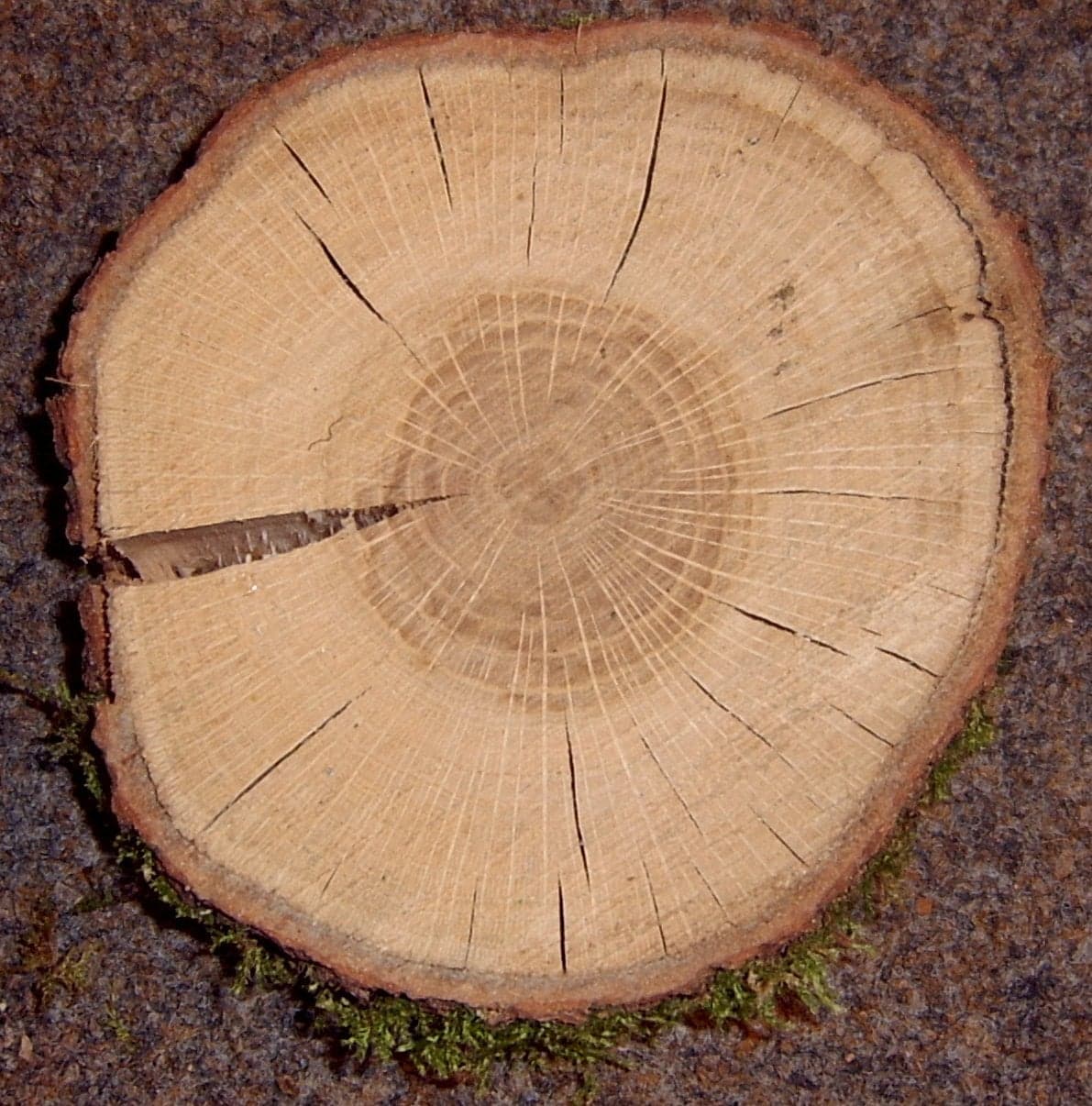
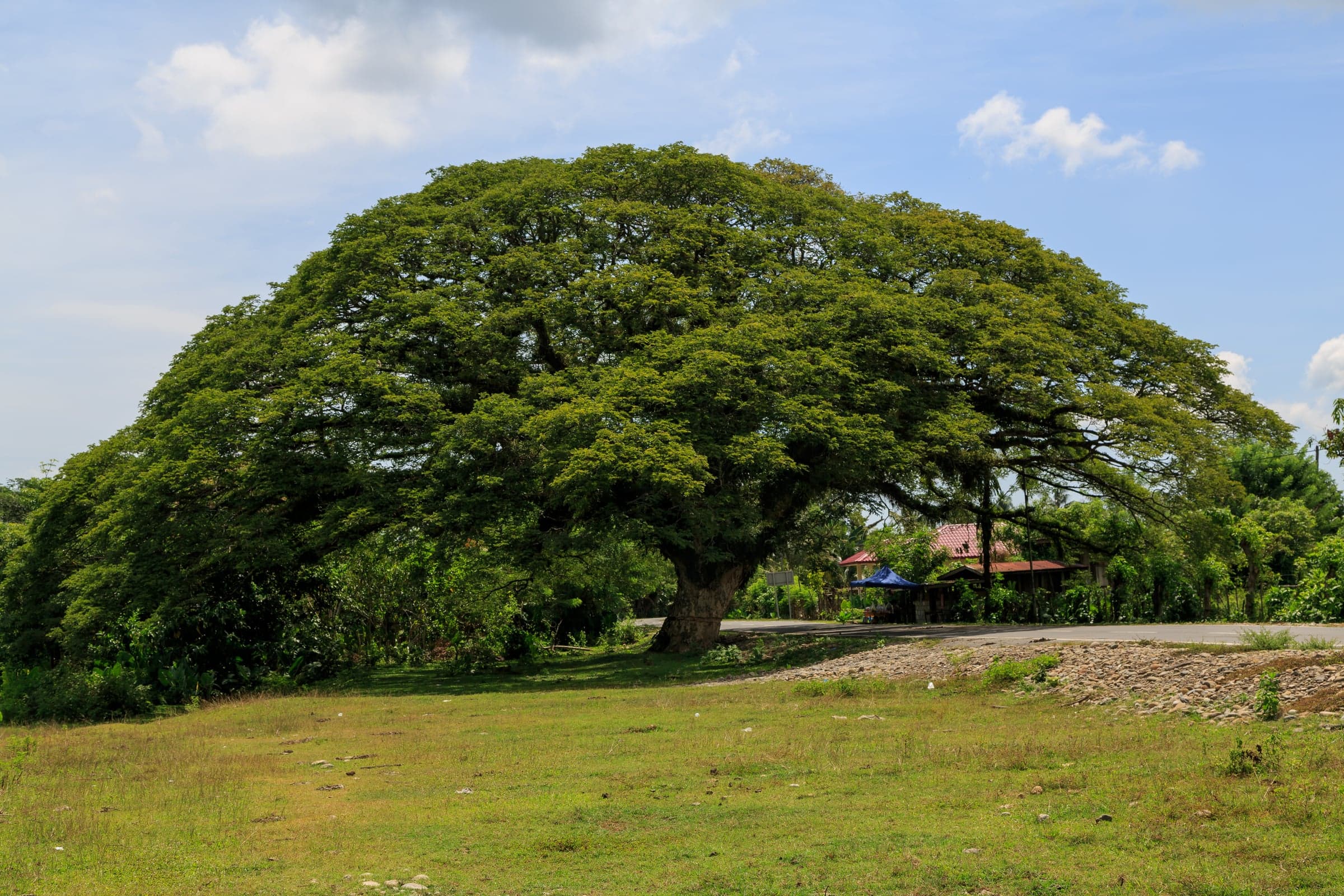
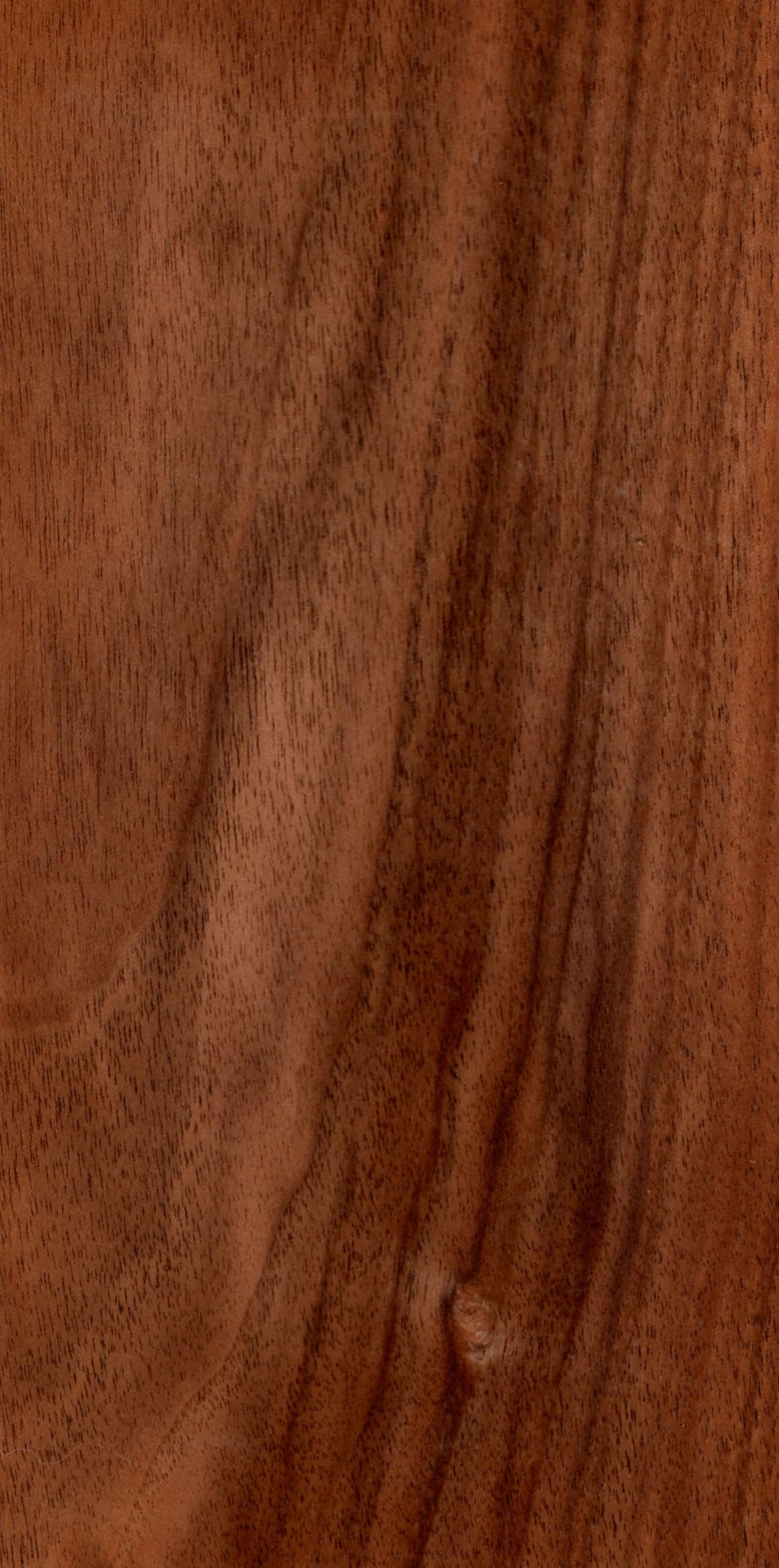
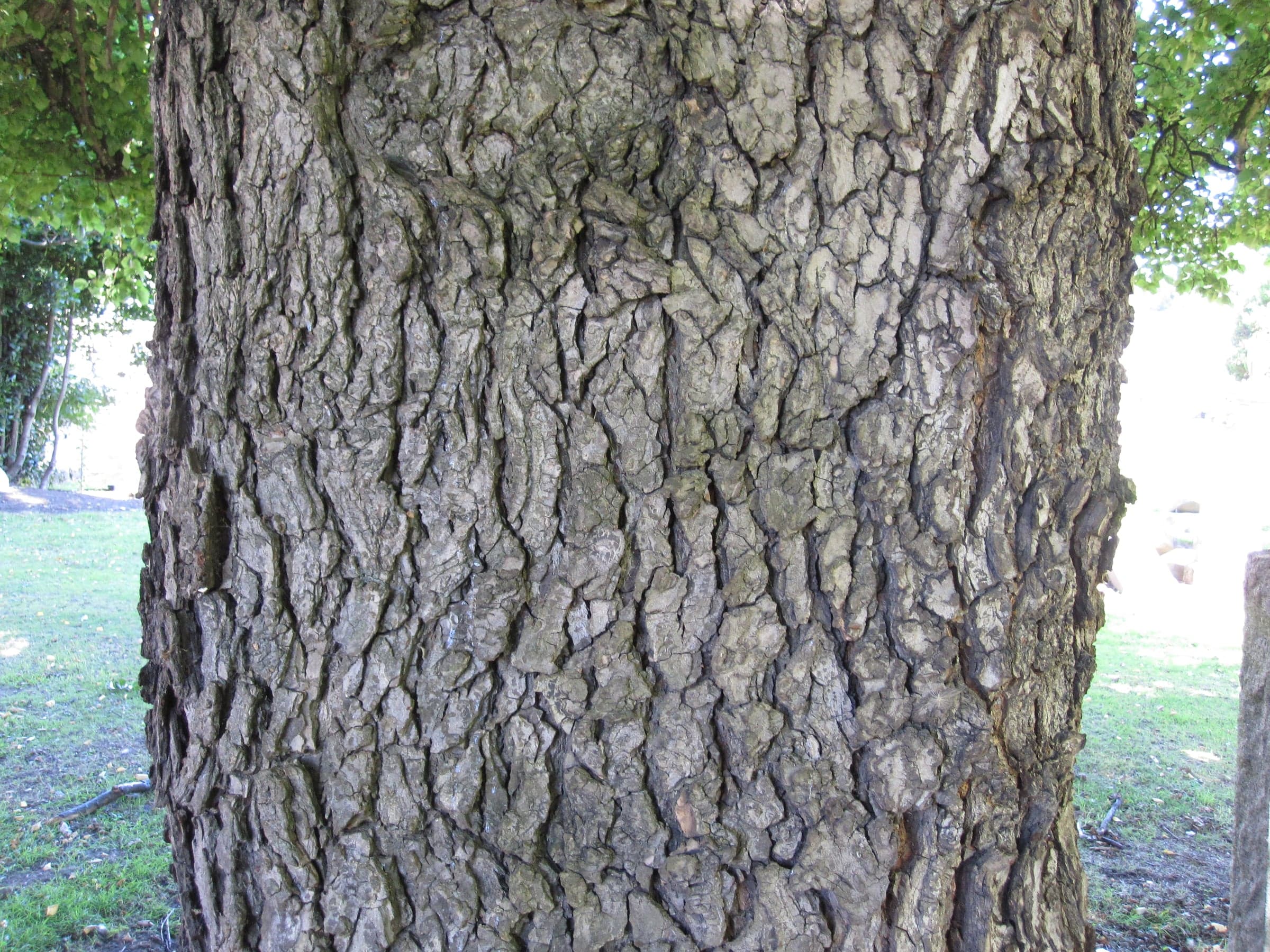
  • Snáithe European Oak

    European Oak

    Quercus robur

    6 phíosa

  • Snáithe Saman

    Saman

    Samanea saman

    4 phíosa

  • Snáithe European Walnut

    European Walnut

    Juglans regia

    9 bpíosa

Faigh fógra faoi English Elm

Seolaimid ríomhphost chugat nuair a thagann leaca úra English Elm chuig KORENA. Tá gach píosa uathúil, mar sin is fiú fógra luath.

Cúpla ríomhphost sa mhí. Gan turscar, díliostáil am ar bith.

Cuma an adhmaid

An chuma atá air

Heartwood ranges from light reddish-brown to a warmer chocolate tone, often with darker streaks and a greenish or olive cast in some boards. Sapwood is paler and clearly distinct. The grain is interlocked rather than straight, which produces a wild, partridge-like figure on flat-sawn faces and a ribbon stripe on quartered cuts. Texture is coarse and open-pored. Burr and crotch sections show some of the most dramatic figure of any European hardwood.

  • Reddish-brown to warm chocolate heartwood
  • Occasional olive or greenish cast
  • Pale, clearly distinct sapwood
  • Darker streaks and mineral lines common
  • Burr sections show dense, swirling figure
  • Interlocked grain, coarse texture.

Ag obair leis

Ag obair leis

Interlocked grain is the defining challenge. Plane with very sharp blades, take light cuts, and reduce cutter angles where possible, a 20 degree bevel-up plane or a high-angle bench plane (50–55 degrees) controls tearout well. Finish with a card scraper rather than fighting the planer. Sawing and routing are reasonable with sharp tooling, but expect to climb-cut on figured sections. Turning is enjoyable. Glue-up and screwing are straightforward. Steam-bending is where elm is unmatched: Windsor-chair seats and bow-backs are traditionally elm for good reason, and tight radii hold without splitting.

Bailchríoch

The open, coarse pores benefit from grain filler if you want a glass-smooth surface; left unfilled, the texture reads as honest and tactile. Hard-wax oils and natural oils warm the colour and bring out the figure without flattening it. Water-based finishes keep the tone cooler and more contemporary. Sand methodically through the grits, interlocked grain can leave fine scratches if you skip steps. Test your finish on offcuts, as colour shift can be noticeable.

Stálú

Elm has a reputation for being awkward to dry. Tangential movement is high relative to radial, and boards can twist, cup, or distort if rushed or poorly stickered. Slow, careful drying with consistent stickering and weight on the stack pays off. Once stable at service moisture content, it behaves well in interior conditions. Acclimatise boards in the workshop before final dimensioning.

Cé mhéad a bhogfaidh sé?

Atann agus crapann adhmad trasna a leithid de réir mar a éiríonn an t-aer níos taise nó níos tirime. Meas gluaiseacht shéasúrach barr English Elm sula ndearann tú na feistis.

Gearradh
An áit ina mbeidh sé

Gluaiseacht shéasúrach mheasta

thart ar 9.1 mm

Ceangail an barr le cnaipí nó lúibíní sliotánacha, ní le gliú ná scriúnna teanna.

Samhail líneach craptha: leithead × (crapadh ÷ 28 % sáithiú snáithíní) × luascadh séasúrach cion taise. Úsáidtear crapadh tadhlaíoch 8 % do English Elm. Meastachán pleanála, ní ráthaíocht.

An costas

Sábháilteacht agus foinsiú

  • Fásta agus lománaithe san Eoraip.
  • Stádas Liosta Dearg IUCN: measúnú domhanda caomhnaithe an speicis seo.
  • Elm dust is a known sensitiser and can cause respiratory and skin irritation with repeated exposure. All hardwood dust is classified IARC Group 1 (carcinogenic to humans), so use proper extraction at the source, an FFP3 mask for sanding and routing, and keep workshop surfaces clean. The wood itself is safe for food-contact applications such as chopping boards and serving pieces once finished with a food-safe oil.

Léigh an treoir iomlánNótaí mionsonraithe ar phatrún, athrú datha, oibriú agus cobhsaíocht.+

What English Elm actually is#

Ulmus procera is defined by one structural property: its grain interlocks. Fibres run in alternating directions rather than parallel, layer by layer through the wood.

That single fact explains both why elm is prized and why it is difficult.

It is prized because interlocked grain resists splitting almost completely. A Windsor chair seat is bored with a dozen mortices close together and then has legs and a back driven into them; in almost any other timber it would split between the holes. Elm does not. The same property made it the traditional timber for wheel hubs, which take spokes radially under load, and for chopping blocks that are struck repeatedly.

It is difficult because the same reversing grain tears out under a plane, every few millimetres, in both directions.

The availability situation#

Dutch elm disease killed most mature elms across Europe from the 1960s onward, and the effect on supply was severe enough that a generation of makers stopped specifying it.

The IUCN lists Ulmus procera as Data Deficient, meaning there is insufficient information for a formal assessment rather than that the species is secure.

Elm has not disappeared. It regenerates vigorously from root suckers, and those regrowth trees reach modest size before the disease reaches them again. Standing dead timber and salvage continue to come to market.

Ceisteanna ceannaitheoirí

Ceisteanna ceannaitheoirí

Is elm still available after Dutch elm disease?

+

Yes, but the supply picture is unusual. Dutch elm disease killed most mature elms across Europe from the 1960s onward, and the IUCN lists Ulmus procera as Data Deficient. Trees still regenerate from suckers and reach modest size before the disease takes them again, and standing dead and salvaged timber continues to reach the market. Supply is real but irregular, and large clean boards are scarce.

Why is elm used for chair seats?

+

Interlocked grain. Elm fibres run in alternating directions, which makes the wood extremely resistant to splitting. That is exactly what a Windsor chair seat needs, because it is bored with many mortices close together and any other wood would split between them. The same property makes elm the traditional wood for wheel hubs and chopping blocks.

Is elm hard to plane?

+

Yes. The interlocked grain that stops it splitting also makes it tear out badly, because the grain direction reverses every few millimetres. Light cuts, very sharp tooling and a high angle plane or scraper for the final surface are essential. A helical cutterhead makes a large difference.

Can elm be used outdoors?

Airíonna meicniúla

Sonraí teicniúla

Luachanna tagartha foilsithe. Nuair nach n-aontaíonn foinsí, taispeántar an raon agus úsáidtear an luach tipiciúil do na scálaí thuas.

Dlús (kg/m³)Mais in aghaidh an mhéadair chiúbaigh ag cion taise thart ar 12 %. Bíonn adhmad níos troime níos crua agus níos láidre de ghnáth.500–620 kg/m³tipiciúil 560 kg/m³
Cruas Janka (N)An fórsa chun liathróid chruach a bhrú leath bealaigh isteach san adhmad. Gnáththomhas ar fhriotaíocht in aghaidh eangaithe.3,300–4,000 Ntipiciúil 3,680 N
MOR: modal réabtha (MPa)Neart lúbtha: an t-ualach ag a mbriseann bíoma.65–85 MPa
MOE: modal leaisteachais (GPa)Righneas lúbtha: a mhéid a lúbann seilf nó barr faoi ualach.7.0–9.0 GPa
Crapadh gathachCrapadh trasna na bhfáinní fáis, ó úr go stálaithe in áith. Bogann cláir ghearrtha ina gceathrúna mar seo.4.0–5.0 %
Crapadh tadhlaíoch
  • Coffin boards and traditional wheel hubs (heritage uses)
  • Láidreachtaí

    • Sábháilte do bhiaOiriúnach do chláir, babhlaí agus dromchlaí a theagmhaíonn le bia.
    • Lúbann go maithRátáil 5 as 5 do lúbadh gaile. Glacann sé cuair theanna.

    Bí cúramach

    Native across Europe, with English Elm long associated with British hedgerow landscapes. Standing populations were decimated by Dutch elm disease from the 1960s onward, and most material on the market today comes from salvaged trunks, standing-dead recovery, or estate fellings. Each board carries the history of a tree that survived, or the story of one being put to good use after disease took it.

  • Native to Europe, but wild populations have been heavily reduced by Dutch elm disease since the 1960s and the IUCN currently lists status as Data Deficient. Standing healthy material is genuinely rare. Most slabs on the market come from salvage, standing-dead recovery, storm-felled trees, or estate fellings, which makes elm one of the more circular hardwoods to specify, but also means supply is irregular and piece-by-piece. No CITES restrictions apply. EUDR due diligence is in preparation and becomes mandatory for large operators from 30 December 2026, and KORENA is building each slab passport to carry its provenance.

  • English Elm: Coirt
    Coirt

    What this means practically: elm is available but irregular, sizes are modest, and large clean boards are genuinely scarce. Buy when you see the right piece rather than expecting to order it.

    Reading an elm slab#

    Elm is busy. It is ring porous with strong contrast between earlywood and latewood, and the grain is frequently wild and swirling, particularly near crotches.

    Colour runs light to mid reddish brown with paler sapwood.

    Burr elm, from burls and root crowns, is among the most decorative surfaces available from any European species, dense with swirling eyes and irregular figure. It is priced accordingly.

    Even plain elm reads considerably busier than oak, which is either the attraction or the objection.

    At the bench#

    Plan for tear-out. The interlocked grain reverses direction continuously, so no single planing direction works across a whole board.

    The answer is light cuts, very sharp tooling, and a high angle plane or a card scraper for the final surface. A helical cutterhead earns its cost on this species more than on almost any other here. On burr elm, hand finishing is normal.

    At 3,680 N it is soft, softer than oak by a good margin, so it is easy on tooling in terms of blunting even while being awkward in terms of grain.

    It glues and screws well, and the split resistance means it takes fastenings close to edges better than most.

    The durability oddity#

    Elm has one of the strangest durability profiles in this catalogue.

    In ordinary exposure it is decay class 5, perishable. It rots quickly in the wetting and drying cycle of normal outdoor use.

    Permanently waterlogged, it is exceptionally durable. Elm was the standard timber for water pipes, lock gates, pile foundations and harbour works for centuries, and elm piles under medieval structures survive today.

    Permanently wet works. Permanently dry works. The cycle between them does not.

    Movement#

    Volumetric shrinkage of 12.0 percent is moderate, with tangential at 7.0 percent against radial at 4.0 percent, a reasonable differential.

    Elm dries with a marked tendency to distort, though, driven by the interlocked grain rather than by the shrinkage figures. Weighting and careful stickering matter.

    Where English Elm is the right answer#

    Chair seats and any component bored with multiple close mortices, chopping blocks, turned work, and decorative slabs and panels where the bold figure or burr is the design intent. Also anything permanently submerged.

    It is the wrong answer for ordinary exterior use, for a quiet uniform surface, and where a large matched volume is needed.

    Sourcing and EUDR#

    Not CITES listed. Listed by the IUCN as Data Deficient, which KORENA displays as-is rather than interpreting. Supply is irregular and often comes from salvage and disease felling rather than managed forestry, so the chain behind a given slab is short and non-standardised. The yard and region are recorded on every listing.

    +

    Elm has an unusual durability profile. It is rated decay class 5 in normal exposure, but it is exceptionally durable when permanently waterlogged, which is why it was used for water pipes, lock gates and pile foundations for centuries. Permanently wet or permanently dry both work; the wetting and drying cycle of ordinary outdoor use does not.

    What does the figure look like?

    +

    Bold and irregular. Elm is ring porous with strong growth ring contrast and often wild, swirling grain, particularly near crotches and burrs. Burr elm is among the most decorative surfaces available from any European species. Plain elm still reads far busier than oak.

    Crapadh feadh na bhfáinní fáis. Bogann cláir réghearrtha agus formhór na leac mar seo.
    7.0–9.0 %
    Crapadh toirtmhéadrachAthrú iomlán toirte ó úr go stálaithe in áith. Ciallaíonn níos ísle níos cobhsaí.12.0–14.0 %
    Marthanacht nádúrtha (EN 350)Caighdeán Eorpach ar fhriotaíocht nádúrtha in aghaidh lobhaidh, ó 1 (an-mharthanach) go 5 (somheata).Class 5 — Perishable

    Foinsí

    • The Wood Database(rochtain 2026-05-09)
    • USDA FPL Wood Handbook FPL-GTR-190 (2010)(rochtain 2026-05-09)
    • Meier, E. — WOOD! Identifying and Using Hundreds of Woods Worldwide (2015)(rochtain 2026-05-09)

    Sracfhéachaint

    Úsáideann na leibhéil bandaí seasta do gach speiceas a liostaíonn KORENA, mar sin is féidir iad a chur i gcomparáid go díreach. Tá an luach tomhaiste faoi gach ceann.
    CruasFriotaíocht in aghaidh eangaithe agus caithimhMeasartha bog

    Cruas Janka: 3,680 N

    26 % níos boige ná dair

    MeáchanCé chomh trom is atá leac adhmaid le hardúMeánach

    560 kg/m³

    CobhsaíochtA laghad a bhogann sé leis na séasúirMeánach

    Crapadh toirtmhéadrach 13.0 %

    OibriúSábhadh, plánáil, greanáil, gliúáilDúshlánach

    Meán binse 3.4 / 5

    Úsáid lasmuighFriotaíocht nádúrtha in aghaidh lobhaidh, EN 350Laistigh amháin

    Aicme EN 350 5

    • Sábhadh · MaithCé chomh glan a ghearrann sé agus cé chomh crua is atá sé ar lanna.1 = deacair · 5 = ar fheabhas
    • Plánáil · MaithCé chomh mín a fhágann sé an dromchla agus a mhéid a stróiceann sé.1 = deacair · 5 = ar fheabhas
    • Greanáil · MaithCé chomh tapa a ghreanáiltear mín é gan an páipéar a thachtadh.1 = deacair · 5 = ar fheabhas
    • Deileadóireacht · An-mhaithConas a ghearrann agus a chríochnaíonn sé ar an deil.1 = deacair · 5 = ar fheabhas
    • Snoíodóireacht · MaithCé chomh géar a choinníonn sé mionsonraí faoin ngúiste.1 = deacair · 5 = ar fheabhas
    • Gliúáil · An-mhaithCé chomh hiontaofa a choinníonn ailt ghliúáilte.1 = deacair · 5 = ar fheabhas
    • Greim scriú / tairne · An-mhaithCé chomh maith a choinníonn sé scriúnna agus tairní gan scoilteadh.1 = deacair · 5 = ar fheabhas
    • Lúbadh gaile · Ar fheabhasCé chomh maith a ghlacann sé cuair tar éis galaithe.1 = deacair · 5 = ar fheabhas
    Ní le húsáid amuigh gan chóireáil
    Is é a mharthanacht nádúrtha aicme EN 350 5 as 5. Coinnigh laistigh nó faoi bhailchríoch chothabháilte é.
  • Greannaíonn an deannachÚsáid eastóscadh agus caith masc agus tú ag greanáil nó ag meaisíniú.
  • Tapáil lipéad chun na sonraí a fháil.

    An praghas ar adhmad English Elm ar fud na hEorpa faoi láthair, in aghaidh an mhéadair chiúbaigh roimh CBL. Tapáil aon phraghas le haghaidh sonraí.

    • Na lomáin is fearr ar ceantLomáin roghnaithe ardghráid a dhíoltar ag ceantanna tairisceana, le déantóirí veiníre agus troscáin den chuid is mó. Gearrtar leaca adhmaid as lomáin dá leithéid.Tá formhór na bpraghsanna idir €244 agus €830.Bunaithe ar 71 praghas ó 2 réigiún.Sonraí is déanaí 21 MFómh 2026
    • GnáthlomáinCainníochtaí móra de ghnáthadhmad cruinn a dhíolann úinéirí foraoiseachta agus foraoiseacht stáit, don tógáil agus don tionsclaíocht den chuid is mó.Tá formhór na bpraghsanna idir €34 agus €89.Bunaithe ar 43 praghas ó 2 réigiún.Sonraí is déanaí 24 MFómh 2026

    Na lomáin is fearr ar ceant de réir tíre

    • an Ostair · €830 / m³Réigiúin: Austria27 praghasSonraí is déanaí 21 MFómh 2026
    • an Ghearmáin · €336 / m³Réigiúin: Bavaria44 praghasSonraí is déanaí 21 MFómh 2026

    Cén fáth a gcosnaíonn leac adhmaid níos mó ná seo?

    Is praghsanna ar adhmad amh iad seo. Is í leac adhmaid an gearradh is fearr as lomán, stálaithe ar feadh bliana nó níos mó, ansin seiceáilte agus tomhaiste píosa ar phíosa. Ní dhéantar leac adhmaid ach as cuid bheag de gach lomán.

    Foinse: Innéacs Adhmaid KORENA · Sonraí is déanaí 24 MFómh 2026

    Féach ar gach praghas réigiúnach