KORENA
AdhmadFinished piecesSoláthairtíClóis adhmaidIris

Faigh fógra

Tá gach leac adhmaid uathúil. Nuair a dhíoltar í, tá sí imithe. Seolaimid ríomhphost chugat nuair a liostaítear píosaí nua: earraí úra, speicis nua agus cláir a mheaitseálann le hachoimre tionscadail.

Cúpla ríomhphost sa mhí. Gan turscar, díliostáil am ar bith.

KORENA, crua-adhmad den scoth

Píosa amháin ag an am.

Crua-adhmad den scoth atá fíoraithe, á dhíol píosa ar phíosa. Tógtar grianghraif agus tomhais de gach leac adhmaid agus seoltar í ón gclós adhmaid comhpháirtíochta le pas adhmaid.

Siopa

  • Brabhsáil táirgí
  • Cartlann na n-earraí díolta
  • Rianaigh ordú

Foghlaim

  • Iris
  • Treoracha speiceas
  • Gluais
  • Déan comparáid
  • Údair

Cabhair

  • Maidir linn
  • Conas a oibríonn sé
  • Bí i do chlós adhmaid comhpháirtíochta
  • Faigh leac adhmaid
  • Tacaíocht
  • Teimpléid doiciméad
  • Preas

Ceannach

  • Téarmaí díola
  • An ceart chun tarraingt siar
  • Tuairisceáin agus ráthaíocht dhlíthiúil
  • Seoladh agus seachadadh

Muinín

  • Beartas príobháideachais
  • Beartas fianán
  • Bunáitíocht adhmaid agus EUDR
  • Inrochtaineacht

Fógra dlíthiúil

  • Fógra dlíthiúil
  • Úsáid inghlactha
  • Maoin intleachtúil agus ábhar

© 2026 KORENA. Gach ceart ar cosaint.

Á oibriú ag Martial Labs Ltd. (BG, EIK 207453941). Is ainm trádála de chuid Martial Labs Ltd. é KORENA.

Tá meas againn ar do phríobháideachas

Úsáidimid fianáin riachtanacha chun go n-oibreoidh an suíomh. Le do chead d'úsáidfimis fianáin freisin le haghaidh anailísíochta, ábhar pearsantaithe agus fógraí. Is féidir leat d'intinn a athrú am ar bith ar an leathanach sainroghanna toilithe. Féach ar ár mbeartas fianán agus ár mbeartas príobháideachais.

  1. Baile
  2. /
  3. Speicis
  4. /
  5. European Pear

Pyrus communis

European Pear

Master-grade carving and cabinet wood with a fine even texture. Slab-size pieces are rare and prized when they appear.

  • Fásta agus lománaithe san Eoraip.
  • Grúpa luibheolaíoch. Is buaircínigh iad bogadhmaid; is crainn leathanduilleacha iad crua-adhmaid.
  • Fine luibheolaíoch an speicis.
Faigh fógra nuair a thagann séSpeiceas tagartha. Níl píosaí i stoc faoi láthair.
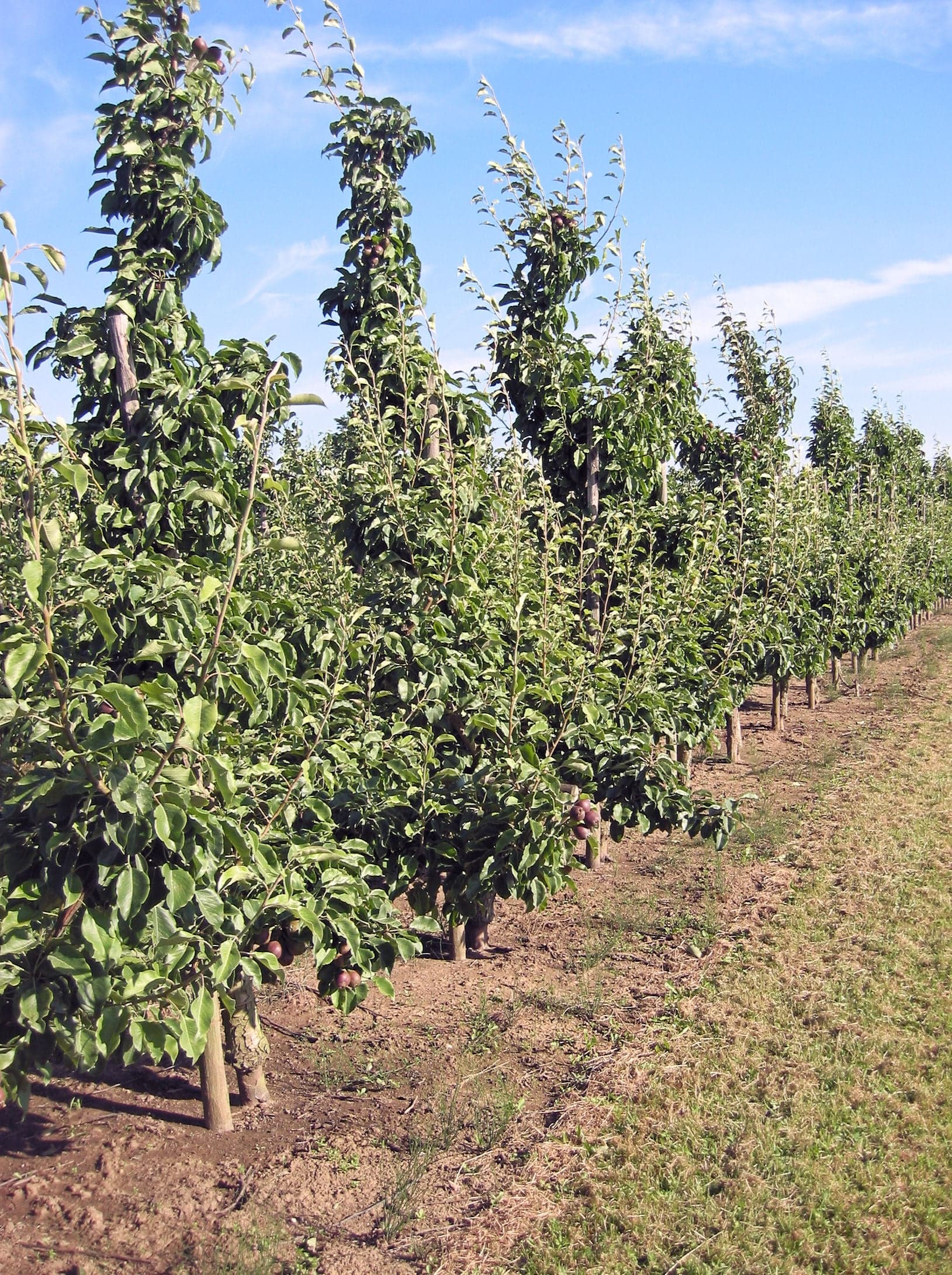
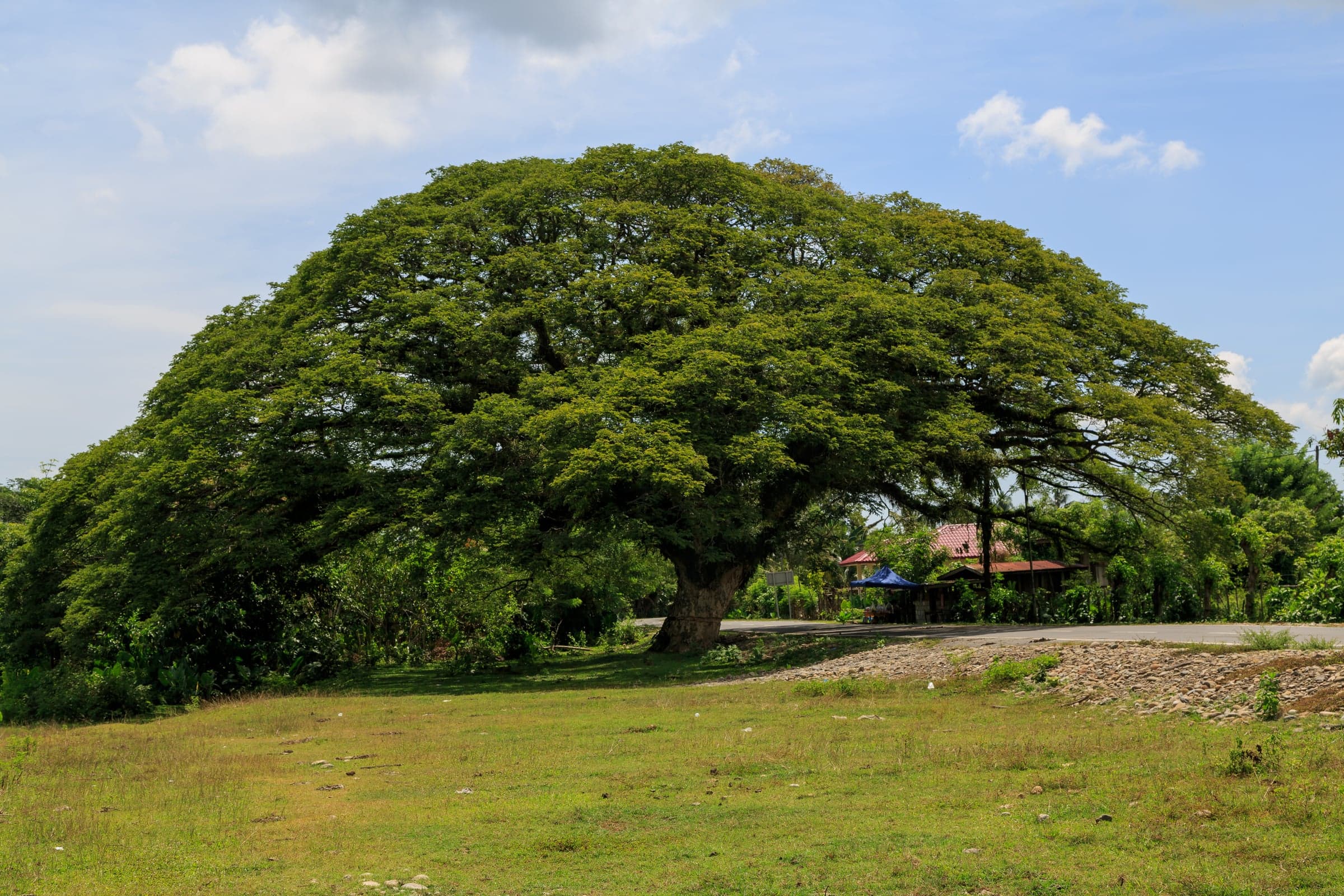
Crann European Pear
  • Oiriúnacht tionscadail
  • I stoc
  • Cuma
  • Oibriú
  • Gluaiseacht
  • Praghas
  • Sábháilteacht agus foinsiú
  • Ceisteanna
  • Sonraí teicniúla

An oireann sé do do thionscadal?

Iontach do

  • Heirloom carving and sculpture
  • Fine cabinetry and case pieces
  • Marquetry and inlay
  • Jewellery boxes and instrument cases
  • Small statement tables and side tables
  • Turned bowls and treen

Níl European Pear san eisiúint reatha

Speicis chomhchosúla i stoc

Níl European Pear againn anois. Oireann na speicis seo do na tionscadail chéanna agus tá píosaí ar fáil.
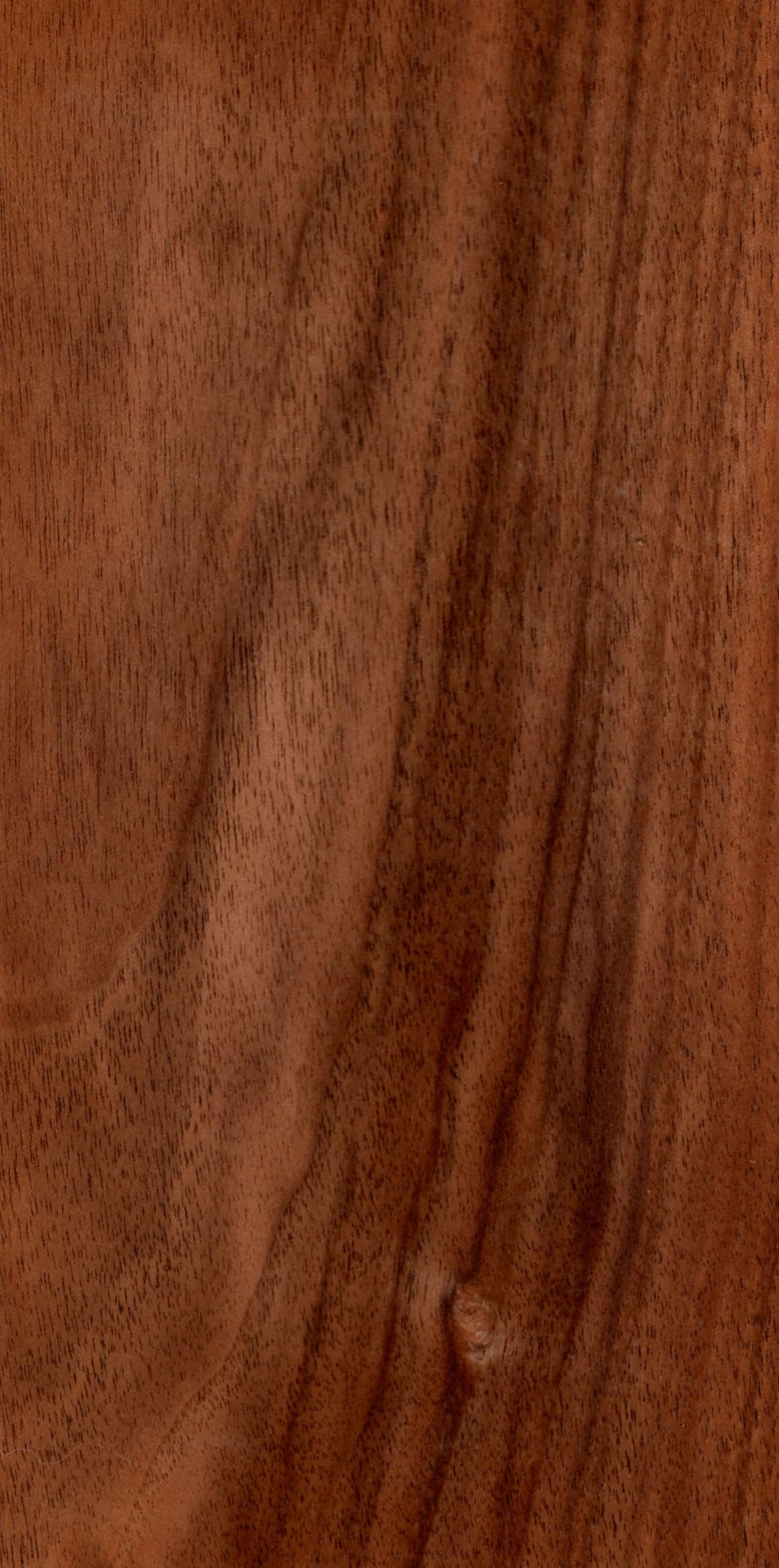
  • Snáithe European Walnut

    European Walnut

    Juglans regia

    9 bpíosa

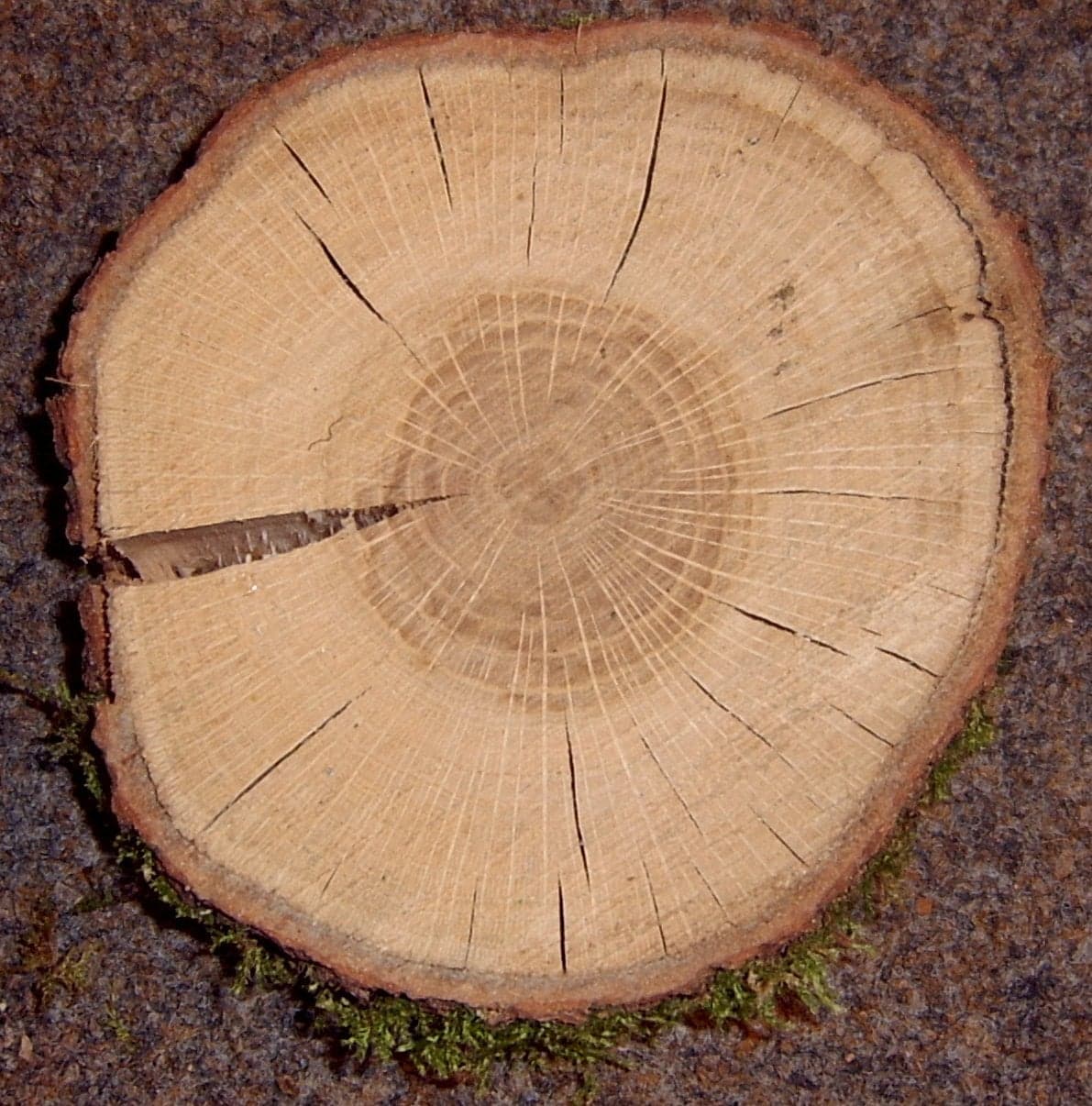
  • Snáithe European Oak

    European Oak

    Quercus robur

    6 phíosa

  • Snáithe Saman

    Saman

    Samanea saman

    4 phíosa

Faigh fógra faoi European Pear

Seolaimid ríomhphost chugat nuair a thagann leaca úra European Pear chuig KORENA. Tá gach píosa uathúil, mar sin is fiú fógra luath.

Cúpla ríomhphost sa mhí. Gan turscar, díliostáil am ar bith.

Cuma an adhmaid

An chuma atá air

Pale pinkish-tan to warm salmon, deepening to a soft russet with age and light. Texture is dense, even, and almost poreless under the hand. Figure is quiet, gentle ribbon and the occasional fine fleck, which is exactly why carvers and marquetry workers prize it. The grain doesn't fight you, and detail holds crisply.

  • Pale pinkish-tan when fresh off the saw
  • Warm salmon to soft russet with age
  • Steamed pear takes a uniform pinkish hue
  • Stains evenly to deep black for ebonised work
  • Subtle ribbon figure; rarely dramatic
  • Mild UV warming, no harsh colour shift
  • Very fine even texture; subtle figure.

Ag obair leis

Ag obair leis

Carves, turns, and planes superbly, this is a benchmark wood for fine work. Cuts cleanly across the grain without tearing, holds knife-edge detail, and turns to crisp profiles. Sands to a near-polished surface straight off the tool. Glues and screws well. Steam bending is moderate. The low stiffness helps it bend, but it can compress unevenly, so test on offcuts.

Bailchríoch

Sands to a glass-smooth surface, one of the cleanest finishes you can pull off any European hardwood. Takes oil, wax, and shellac evenly with no blotching. Steaming produces the uniform pinkish tone historically used to imitate ebony when stained black (the piano-key trick). For natural finishes, hard-wax oil holds the warm tone; lacquer can flatten it. Expect mild warming in UV.

Stálú

Honest tradeoff: tangential shrinkage is high (10.5–12%) against modest radial movement, so drying rate matters. Pear that's rushed will check, cup, and case-harden. Air-dry slowly under weight, then finish in a kiln on a gentle schedule. Once stable, it sits well indoors. Quartersawn or rift-sawn stock is the safer cut for wide panels.

Cé mhéad a bhogfaidh sé?

Atann agus crapann adhmad trasna a leithid de réir mar a éiríonn an t-aer níos taise nó níos tirime. Meas gluaiseacht shéasúrach barr European Pear sula ndearann tú na feistis.

Gearradh
An áit ina mbeidh sé

Gluaiseacht shéasúrach mheasta

thart ar 12.9 mm

Mór. Úsáid cnaipí nó lúibíní sliotánacha, fág spás ag foircinn cláir aráin agus lig don leac adhmaid dul i dtaithí ar an timpeallacht roimh chóimeáil.

Samhail líneach craptha: leithead × (crapadh ÷ 28 % sáithiú snáithíní) × luascadh séasúrach cion taise. Úsáidtear crapadh tadhlaíoch 11.25 % do European Pear. Meastachán pleanála, ní ráthaíocht.

An costas

Sábháilteacht agus foinsiú

  • Fásta agus lománaithe san Eoraip.
  • Stádas Liosta Dearg IUCN: measúnú domhanda caomhnaithe an speicis seo.
  • Food-contact safe, pear has a long tradition as kitchen utensil and treen wood. Not a commonly reported dust sensitiser. Standard shop dust extraction is enough.

Léigh an treoir iomlánNótaí mionsonraithe ar phatrún, athrú datha, oibriú agus cobhsaíocht.+

What European Pear actually is#

Pyrus communis is the fine detail wood of Europe. Its texture is exceptionally close, even and dense, with essentially no visible grain direction, and at 7,420 N Janka it is one of the hardest species in this catalogue.

That pairing is unusual. Most woods that hold fine detail are soft, like lime. Most woods that are hard have pronounced grain that fights the tool, like oak. Pear is both hard and directionless, so carved detail is crisp and then survives being handled.

It is the traditional wood for woodcut printing blocks, recorders and wind instrument parts, drawing instruments, rulers, set squares and fine inlay, and all of those uses depend on the same property.

The orchard problem#

Pear is a fruit tree. It is grown for pears, and it reaches the timber market when an orchard tree comes to the end of its productive life.

The consequences are structural. Trunks are short and often irregular. Diameters are modest. Clean wide boards are genuinely scarce, and slab sized material is uncommon enough that finding it is the main constraint rather than affording it.

Expect narrow widths, short lengths, and a good deal of character.

Steamed and unsteamed

Ceisteanna ceannaitheoirí

Ceisteanna ceannaitheoirí

Why is pear so highly regarded for carving and instruments?

+

Its texture is exceptionally fine, even and dense, with essentially no visible grain direction, so it cuts equally well in any direction and holds very crisp detail. At 7,420 N Janka it is also hard, which means carved detail survives handling. That combination of fine texture and hardness is rare and is why pear has been the traditional wood for woodcuts, recorders, rulers and instrument parts.

What is steamed pear?

+

Pear that has been steamed during drying, which turns the pale pinkish wood a warm rose brown and evens the colour. It is the standard European commercial treatment and the colour most people associate with the species. Unsteamed pear is paler and more variable. The change is permanent.

Why are pear boards so small?

+

It is an orchard tree, grown for fruit and felled at the end of its productive life rather than for timber. Trunks are short, often irregular, and rarely large. Wide clean pear is genuinely scarce and priced accordingly, and slab sized material is uncommon.

How much does it move?

+

Airíonna meicniúla

Sonraí teicniúla

Luachanna tagartha foilsithe. Nuair nach n-aontaíonn foinsí, taispeántar an raon agus úsáidtear an luach tipiciúil do na scálaí thuas.

Dlús (kg/m³)Mais in aghaidh an mhéadair chiúbaigh ag cion taise thart ar 12 %. Bíonn adhmad níos troime níos crua agus níos láidre de ghnáth.650–740 kg/m³tipiciúil 700 kg/m³
Cruas Janka (N)An fórsa chun liathróid chruach a bhrú leath bealaigh isteach san adhmad. Gnáththomhas ar fhriotaíocht in aghaidh eangaithe.6,800–7,800 Ntipiciúil 7,420 N
MOR: modal réabtha (MPa)Neart lúbtha: an t-ualach ag a mbriseann bíoma.75–90 MPa
MOE: modal leaisteachais (GPa)Righneas lúbtha: a mhéid a lúbann seilf nó barr faoi ualach.7.0–8.5 GPa
Crapadh gathachCrapadh trasna na bhfáinní fáis, ó úr go stálaithe in áith. Bogann cláir ghearrtha ina gceathrúna mar seo.4.0–5.0 %
Crapadh tadhlaíoch

Rasbak, via Wikimedia Commons

  • Drawing instruments and tool handles
  • Ebonised detail work (piano-key tradition)
  • Láidreachtaí

    • Sábháilte do bhiaOiriúnach do chláir, babhlaí agus dromchlaí a theagmhaíonn le bia.

    Bí cúramach

    • Ní le húsáid amuigh gan chóireáilIs é a mharthanacht nádúrtha aicme EN 350 5 as 5. Coinnigh laistigh nó faoi bhailchríoch chothabháilte é.

    Native across Europe, from orchards and hedgerows. Most pear comes in small sections from old orchard trees, so a true slab is uncommon stock, usually a long-lived garden or estate tree that grew large enough to mill.

  • IUCN Least Concern, no CITES listing. Native European species, often sourced from orchard clearances and estate trees rather than dedicated forestry, which means supply is opportunistic and slabs are scarce. Decay class 5, perishable, so this is strictly interior wood.

  • #

    Most European commercial pear is steamed during drying.

    Steaming turns the pale pinkish natural colour to a warm rose brown and evens out variation. This is the colour most people picture when they think of pear, and it is the standard for instrument and cabinet work.

    Unsteamed pear is paler, closer to a pinkish cream, and more variable between boards. Both are the same species and the difference is permanent, so decide at the outset and buy accordingly.

    The movement problem#

    This is the one number that spoils an otherwise excellent wood.

    Tangential shrinkage of 10.5 percent against radial at 4.0 percent is among the widest differentials in this catalogue, wider than oak, wider than ash. Volumetric shrinkage of 11.5 percent is only moderate, so the total movement is unremarkable, but the distortion is severe because the two axes are so far apart.

    Flatsawn pear cups hard. Quartersawn stock is markedly better behaved and is worth seeking out for anything that must stay flat.

    Given the small sizes the species comes in, most pear ends up in components small enough that this matters less than it would in a wide top. If you do have a pear slab wide enough for a tabletop, that ratio is the thing to design around.

    At the bench#

    Pear works beautifully and it works hard. At 7,420 N it blunts tooling steadily and asks for power, but the fine texture means it cuts cleanly rather than tearing.

    It carves exceptionally, turns exceptionally, and takes a polished surface directly from the tool with very little abrasive work. It glues reliably and holds fine screws with pilot holes.

    It also bends reasonably well and takes a very crisp moulded profile, which is why it appears in period furniture as mouldings and edge details.

    Finishing#

    The fine dense surface takes finish evenly and needs no grain filling. Steamed pear under a clear oil is a warm rose brown that many makers consider among the most attractive surfaces in European furniture.

    It stains poorly and rarely needs to. Pear is often used precisely because its own colour is wanted.

    It is also the traditional substrate for ebonising, taking black stain evenly because there is no open grain to break up the surface, which is how pear was used as a substitute for ebony in period work.

    Where European Pear is the right answer#

    Carving and fine detail work, musical instrument parts, drawing and measuring instruments, inlay and marquetry, small cabinetry, turned work, and mouldings. Also ebonised work.

    It is the wrong answer for anything large, anything outdoors at decay class 5, and anything where a wide flatsawn surface must stay flat.

    Sourcing and EUDR#

    Not CITES listed and assessed as Least Concern. The tree is common across Europe but timber supply is limited by the orchard felling pattern rather than by scarcity of trees. Provenance chains are short and non-standardised, and KORENA records the yard and region on every listing.

    Tangential shrinkage of 10.5 percent against radial at 4.0 percent is a very wide differential, among the widest in this catalogue, so flatsawn pear cups strongly. Volumetric shrinkage of 11.5 percent is only moderate, so the total movement is not extreme but the distortion is. Quartersawn stock is markedly better behaved.

    Can pear be used outdoors?

    +

    No. It is rated decay class 5, perishable, despite being hard and dense. Hardness and durability are unrelated. Pear is an interior wood for fine work, and it is too scarce and valuable to put outside.

    Crapadh feadh na bhfáinní fáis. Bogann cláir réghearrtha agus formhór na leac mar seo.
    10.5–12.0 %
    Crapadh toirtmhéadrachAthrú iomlán toirte ó úr go stálaithe in áith. Ciallaíonn níos ísle níos cobhsaí.11.5–13.5 %
    Marthanacht nádúrtha (EN 350)Caighdeán Eorpach ar fhriotaíocht nádúrtha in aghaidh lobhaidh, ó 1 (an-mharthanach) go 5 (somheata).Class 5 — Perishable

    Foinsí

    • The Wood Database(rochtain 2026-05-09)
    • USDA FPL Wood Handbook FPL-GTR-190 (2010)(rochtain 2026-05-09)
    • Meier, E. — WOOD! Identifying and Using Hundreds of Woods Worldwide (2015)(rochtain 2026-05-09)

    Sracfhéachaint

    Úsáideann na leibhéil bandaí seasta do gach speiceas a liostaíonn KORENA, mar sin is féidir iad a chur i gcomparáid go díreach. Tá an luach tomhaiste faoi gach ceann.
    CruasFriotaíocht in aghaidh eangaithe agus caithimhAn-chrua

    Cruas Janka: 7,420 N

    49 % níos crua ná dair

    MeáchanCé chomh trom is atá leac adhmaid le hardúTrom

    700 kg/m³

    CobhsaíochtA laghad a bhogann sé leis na séasúirMeánach

    Crapadh toirtmhéadrach 12.5 %

    OibriúSábhadh, plánáil, greanáil, gliúáilAn-éasca

    Meán binse 4.6 / 5

    Úsáid lasmuighFriotaíocht nádúrtha in aghaidh lobhaidh, EN 350Laistigh amháin

    Aicme EN 350 5

    • Sábhadh · Ar fheabhasCé chomh glan a ghearrann sé agus cé chomh crua is atá sé ar lanna.1 = deacair · 5 = ar fheabhas
    • Plánáil · An-mhaithCé chomh mín a fhágann sé an dromchla agus a mhéid a stróiceann sé.1 = deacair · 5 = ar fheabhas
    • Greanáil · Ar fheabhasCé chomh tapa a ghreanáiltear mín é gan an páipéar a thachtadh.1 = deacair · 5 = ar fheabhas
    • Deileadóireacht · Ar fheabhasConas a ghearrann agus a chríochnaíonn sé ar an deil.1 = deacair · 5 = ar fheabhas
    • Snoíodóireacht · Ar fheabhasCé chomh géar a choinníonn sé mionsonraí faoin ngúiste.1 = deacair · 5 = ar fheabhas
    • Gliúáil · An-mhaithCé chomh hiontaofa a choinníonn ailt ghliúáilte.1 = deacair · 5 = ar fheabhas
    • Greim scriú / tairne · An-mhaithCé chomh maith a choinníonn sé scriúnna agus tairní gan scoilteadh.1 = deacair · 5 = ar fheabhas
    • Lúbadh gaile · MaithCé chomh maith a ghlacann sé cuair tar éis galaithe.1 = deacair · 5 = ar fheabhas

    Níl tagairt mhargaidh do European Pear fós. Cuireann a chlós adhmaid comhpháirtíochta praghas ar gach píosa KORENA ar leith.

    Crua ar fhaobhair
    An-chrua agus dlúth. Coinnigh uirlisí géar agus druileáil poill phíolótacha do gach scriú.

    Tapáil lipéad chun na sonraí a fháil.