KORENA
AdhmadFinished piecesSoláthairtíClóis adhmaidIris

Faigh fógra

Tá gach leac adhmaid uathúil. Nuair a dhíoltar í, tá sí imithe. Seolaimid ríomhphost chugat nuair a liostaítear píosaí nua: earraí úra, speicis nua agus cláir a mheaitseálann le hachoimre tionscadail.

Cúpla ríomhphost sa mhí. Gan turscar, díliostáil am ar bith.

KORENA, crua-adhmad den scoth

Píosa amháin ag an am.

Crua-adhmad den scoth atá fíoraithe, á dhíol píosa ar phíosa. Tógtar grianghraif agus tomhais de gach leac adhmaid agus seoltar í ón gclós adhmaid comhpháirtíochta le pas adhmaid.

Siopa

  • Brabhsáil táirgí
  • Cartlann na n-earraí díolta
  • Rianaigh ordú

Foghlaim

  • Iris
  • Treoracha speiceas
  • Gluais
  • Déan comparáid
  • Údair

Cabhair

  • Maidir linn
  • Conas a oibríonn sé
  • Bí i do chlós adhmaid comhpháirtíochta
  • Faigh leac adhmaid
  • Tacaíocht
  • Teimpléid doiciméad
  • Preas

Ceannach

  • Téarmaí díola
  • An ceart chun tarraingt siar
  • Tuairisceáin agus ráthaíocht dhlíthiúil
  • Seoladh agus seachadadh

Muinín

  • Beartas príobháideachais
  • Beartas fianán
  • Bunáitíocht adhmaid agus EUDR
  • Inrochtaineacht

Fógra dlíthiúil

  • Fógra dlíthiúil
  • Úsáid inghlactha
  • Maoin intleachtúil agus ábhar

© 2026 KORENA. Gach ceart ar cosaint.

Á oibriú ag Martial Labs Ltd. (BG, EIK 207453941). Is ainm trádála de chuid Martial Labs Ltd. é KORENA.

Tá meas againn ar do phríobháideachas

Úsáidimid fianáin riachtanacha chun go n-oibreoidh an suíomh. Le do chead d'úsáidfimis fianáin freisin le haghaidh anailísíochta, ábhar pearsantaithe agus fógraí. Is féidir leat d'intinn a athrú am ar bith ar an leathanach sainroghanna toilithe. Féach ar ár mbeartas fianán agus ár mbeartas príobháideachais.

  1. Baile
  2. /
  3. Speicis
  4. /
  5. Sycamore Maple

Acer pseudoplatanus

Sycamore Maple

Pale, lustrous European hardwood with a creamy near-white surface. Often quartersawn to bring out ray fleck, and prized in curly form for violin and cello backs.

  • Fásta agus lománaithe san Eoraip.
  • Grúpa luibheolaíoch. Is buaircínigh iad bogadhmaid; is crainn leathanduilleacha iad crua-adhmaid.
  • Fine luibheolaíoch an speicis.
Faigh fógra nuair a thagann séSpeiceas tagartha. Níl píosaí i stoc faoi láthair.
  • Oiriúnacht tionscadail
  • I stoc
  • Cuma
  • Oibriú
  • Gluaiseacht
  • Praghas
  • Sábháilteacht agus foinsiú
  • Ceisteanna
  • Sonraí teicniúla

An oireann sé do do thionscadal?

Iontach do

  • Violin, viola and cello backs, sides and necks (fiddleback stock)
  • Kitchen worktops, butcher blocks and chopping boards
  • Light-toned furniture, cabinetry and shelving
  • Turned bowls, treen and tool handles
  • Interior joinery, stair parts and panelling
  • Marquetry and inlay where a near-white ground is needed

Níl Sycamore Maple san eisiúint reatha

Speicis chomhchosúla i stoc

Níl Sycamore Maple againn anois. Oireann na speicis seo do na tionscadail chéanna agus tá píosaí ar fáil.
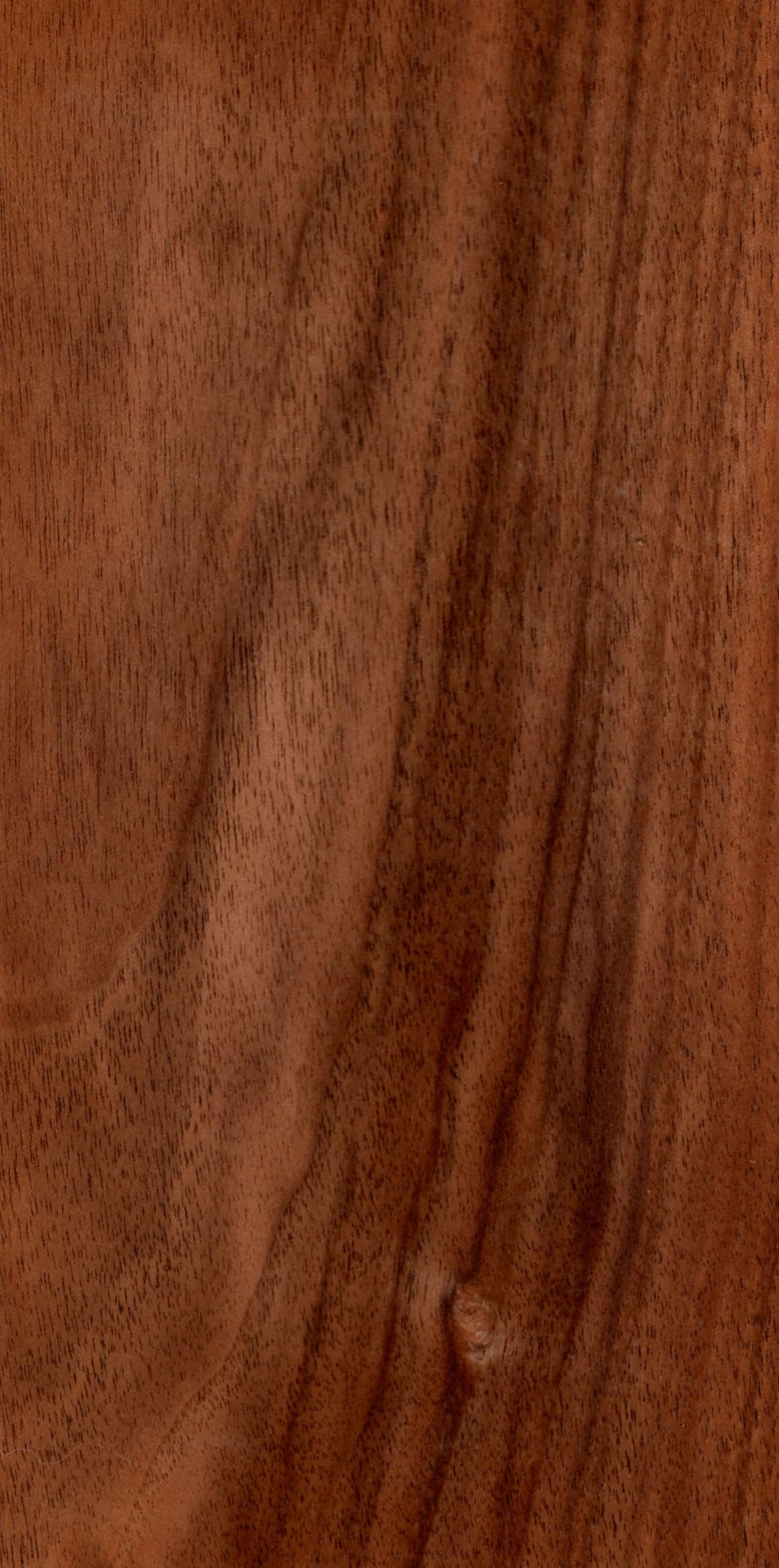
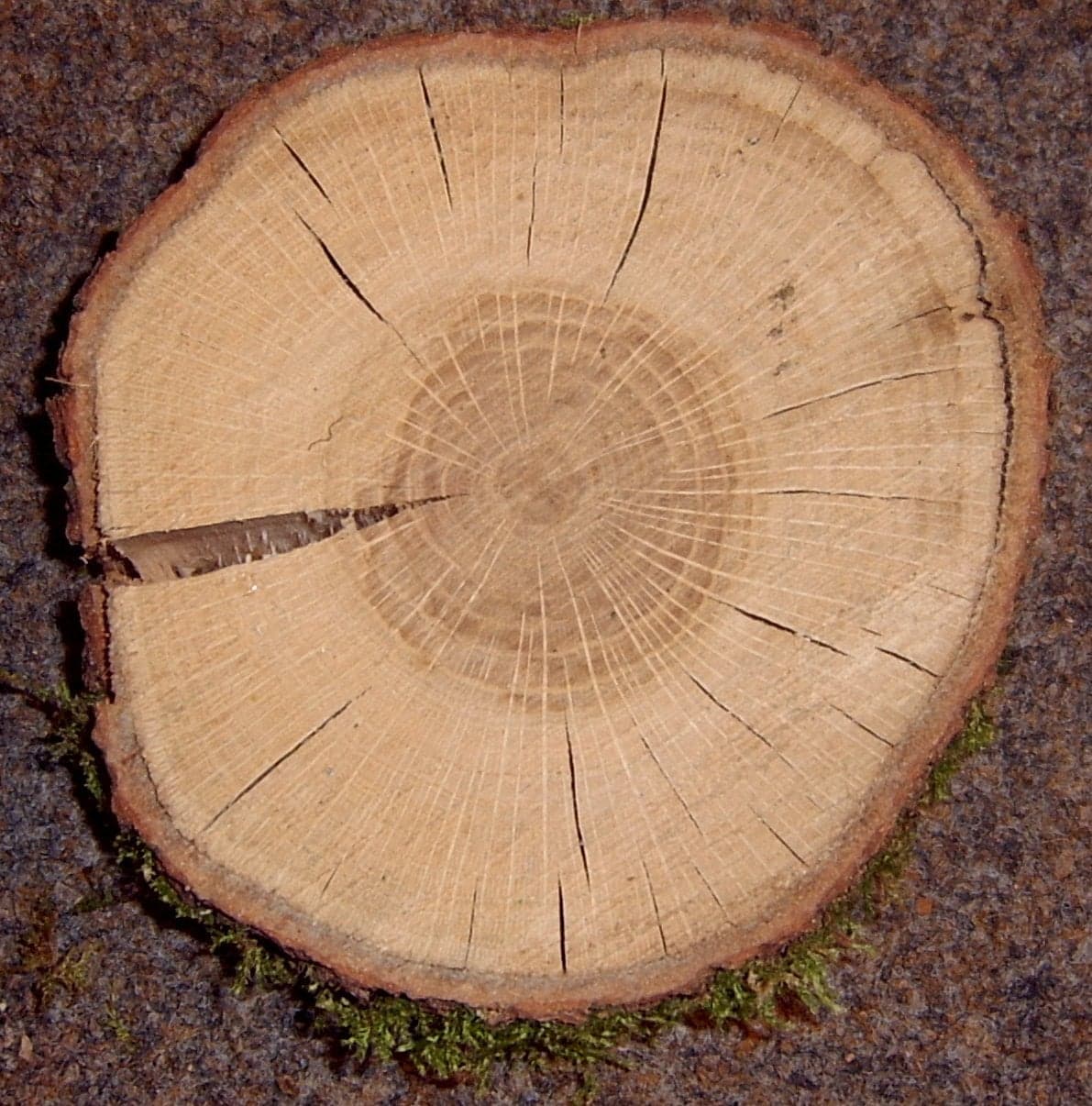
  • Snáithe European Walnut

    European Walnut

    Juglans regia

    9 bpíosa

  • Snáithe European Oak

    European Oak

    Quercus robur

    6 phíosa

  • Snáithe Saman

    Saman

    Samanea saman

    4 phíosa

Faigh fógra faoi Sycamore Maple

Seolaimid ríomhphost chugat nuair a thagann leaca úra Sycamore Maple chuig KORENA. Tá gach píosa uathúil, mar sin is fiú fógra luath.

Cúpla ríomhphost sa mhí. Gan turscar, díliostáil am ar bith.

Cuma an adhmaid

An chuma atá air

Sycamore maple runs creamy white to pale yellow with a fine, even texture and a soft natural sheen. Grain is usually straight, with occasional wavy or interlocked sections. Quartersawn boards show small ray fleck. The most sought-after cut is fiddleback, a tight, rippled curl that catches light across the board and has been used for violin, viola and cello backs since the Cremonese workshops of Stradivari and Guarneri.

  • Creamy white to pale yellow when freshly machined
  • Soft natural lustre, especially on quartersawn faces
  • Small ray fleck on quartersawn boards
  • Fiddleback or curly figure in select boards, three-dimensional ripple under light
  • Ambers gently toward warm straw under UV exposure
  • Pale, lustrous; often quartersawn for ray fleck.

Ag obair leis

Ag obair leis

Works well across the board. Saws, planes, sands and glues cleanly, and turns excellently, it is a long-standing choice for treen, bowls and tool handles. Curly and fiddleback stock will tear out under straight blades; use sharp tooling, light cuts and a high cutting angle, or sand through grits. Screws and holds fastenings without splitting at sensible pilot sizes.

Bailchríoch

The pale colour is part of the appeal, so most makers stay with water-based or hardwax oil finishes that keep the surface near-white. Oil-based and polyurethane finishes warm the wood toward straw yellow. Expect a slow ambering shift under UV regardless, pieces stored in shade stay paler for longer. Sands cleanly to a high polish. On figured stock, a thin coat of dilute shellac before the topcoat lifts the chatoyance.

Stálú

Dries fairly quickly but is prone to fungal staining and grey discolouration if left in stick during warm, humid weather. The traditional remedy is to fell in winter and end-rack boards vertically so air moves across both faces. Tangential shrinkage of 7.5–9.0% against radial 4.0–5.5% gives a moderate T/R ratio, so quartersawn stock stays flatter in service. Acclimatise indoors before machining final dimensions.

Cé mhéad a bhogfaidh sé?

Atann agus crapann adhmad trasna a leithid de réir mar a éiríonn an t-aer níos taise nó níos tirime. Meas gluaiseacht shéasúrach barr Sycamore Maple sula ndearann tú na feistis.

Gearradh
An áit ina mbeidh sé

Gluaiseacht shéasúrach mheasta

thart ar 9.4 mm

Ceangail an barr le cnaipí nó lúibíní sliotánacha, ní le gliú ná scriúnna teanna.

Samhail líneach craptha: leithead × (crapadh ÷ 28 % sáithiú snáithíní) × luascadh séasúrach cion taise. Úsáidtear crapadh tadhlaíoch 8.25 % do Sycamore Maple. Meastachán pleanála, ní ráthaíocht.

An costas

Sábháilteacht agus foinsiú

  • Fásta agus lománaithe san Eoraip.
  • Stádas Liosta Dearg IUCN: measúnú domhanda caomhnaithe an speicis seo.
  • Food-contact safe and a classic European choice for butcher blocks, chopping boards and kitchen treen. Maple dust is a known respiratory sensitiser and is listed as a carcinogen in some jurisdictions, extract at the tool and wear a fitted P3 mask when sanding or routing.

Léigh an treoir iomlánNótaí mionsonraithe ar phatrún, athrú datha, oibriú agus cobhsaíocht.+

What European Sycamore actually is#

Acer pseudoplatanus is a maple, despite the name. It is the whitest timber in this catalogue and the traditional European choice wherever a pale, clean, food-safe surface is wanted.

The naming causes real confusion. European Sycamore is a maple. American sycamore is Platanus occidentalis, a plane tree. London Plane, which KORENA also lists, is Platanus x acerifolia and is the European plane. The three are unrelated and work differently. Buy on the botanical name.

Keeping it white#

The pale colour is the whole point of this species and it is fragile.

Freshly converted sycamore stains easily. If boards are flat stacked and left, fungal staining greys them within weeks. The traditional handling is end rearing, standing the boards on end so air moves freely and moisture drains, and prompt drying after conversion.

A greyed or blue stained sycamore board is not structurally damaged but it has lost the property you were buying.

In use, the threat is the finish. Oil finishes amber pale woods, and sycamore starts whiter than anything else here so it shows the shift most. A clear water based finish or a low yellowing hardwax oil preserves the colour; a standard oil turns it distinctly yellow, permanently.

The figure

Ceisteanna ceannaitheoirí

Ceisteanna ceannaitheoirí

Is European Sycamore the same as American sycamore?

+

No, and the naming is genuinely confusing. European Sycamore is Acer pseudoplatanus, a maple. American sycamore is Platanus occidentalis, a plane tree, and its European counterpart is London Plane, Platanus x acerifolia, which KORENA also lists. The three are unrelated and behave differently. Check the botanical name.

Why is sycamore used for violin backs?

+

Its fine even texture, good stiffness and frequent curly figure suit it acoustically and visually, and it has been the traditional back, ribs and neck timber for violins since the Cremonese makers. Figured sycamore with strong flame is still sold specifically as fiddleback for this purpose.

How do I keep it white?

+

Sycamore is prized for being one of the whitest European timbers and it discolours easily. It must be dried promptly and end reared rather than flat stacked, or fungal staining greys it. In use, avoid oil finishes, which pull it yellow, and use a clear water based finish or a low yellowing hardwax oil instead.

What is rippled or fiddleback sycamore?

+

Airíonna meicniúla

Sonraí teicniúla

Luachanna tagartha foilsithe. Nuair nach n-aontaíonn foinsí, taispeántar an raon agus úsáidtear an luach tipiciúil do na scálaí thuas.

Dlús (kg/m³)Mais in aghaidh an mhéadair chiúbaigh ag cion taise thart ar 12 %. Bíonn adhmad níos troime níos crua agus níos láidre de ghnáth.570–660 kg/m³tipiciúil 615 kg/m³
Cruas Janka (N)An fórsa chun liathróid chruach a bhrú leath bealaigh isteach san adhmad. Gnáththomhas ar fhriotaíocht in aghaidh eangaithe.4,400–5,000 Ntipiciúil 4,680 N
MOR: modal réabtha (MPa)Neart lúbtha: an t-ualach ag a mbriseann bíoma.95–115 MPa
MOE: modal leaisteachais (GPa)Righneas lúbtha: a mhéid a lúbann seilf nó barr faoi ualach.9.5–11.5 GPa
Crapadh gathachCrapadh trasna na bhfáinní fáis, ó úr go stálaithe in áith. Bogann cláir ghearrtha ina gceathrúna mar seo.4.0–5.5 %
Crapadh tadhlaíoch
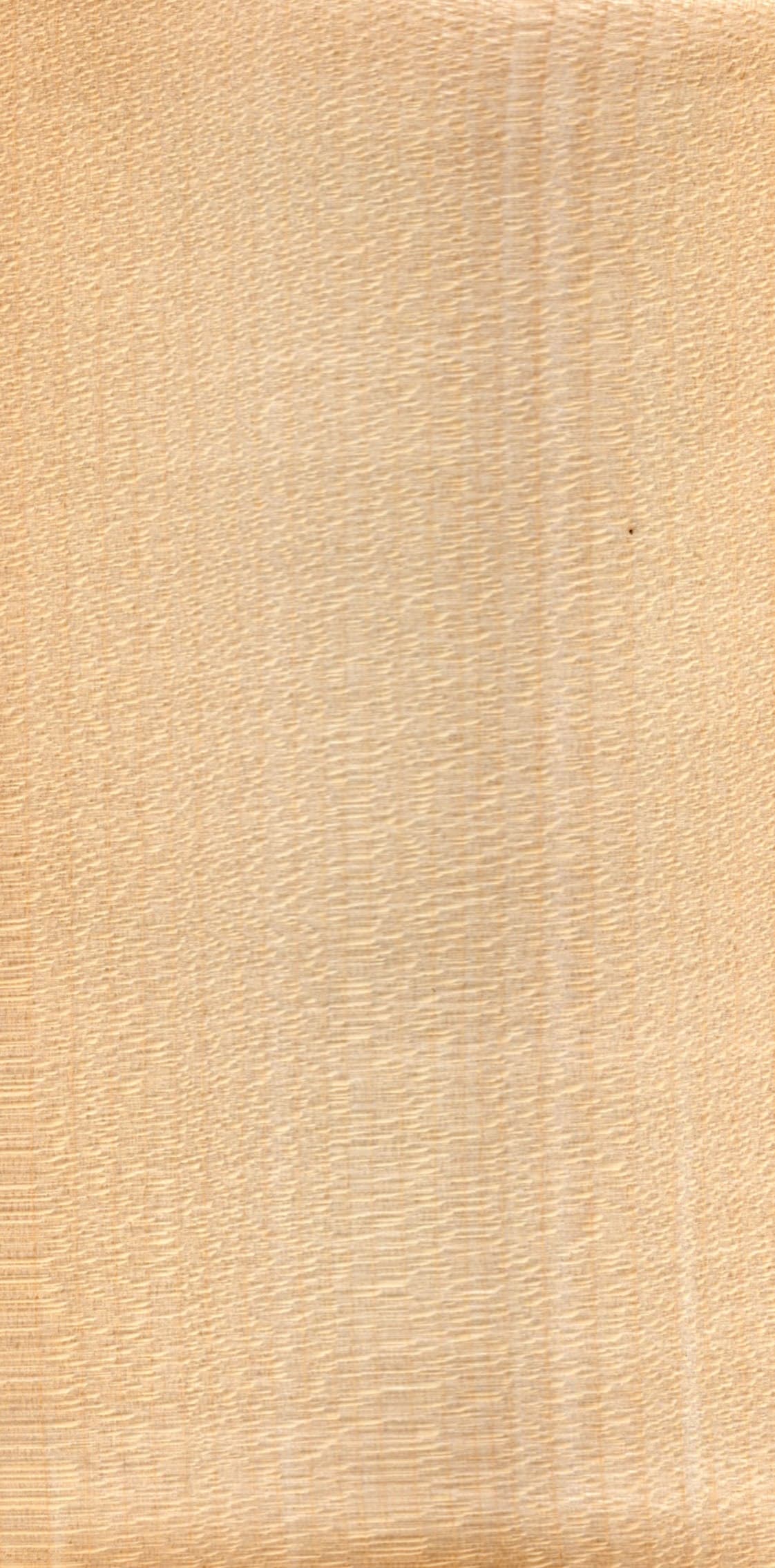
Snáithe Sycamore Maple

Achim Raschka (talk), via Wikimedia Commons

Láidreachtaí

  • Sábháilte do bhiaOiriúnach do chláir, babhlaí agus dromchlaí a theagmhaíonn le bia.
  • Lúbann go maithRátáil 4 as 5 do lúbadh gaile. Glacann sé cuair theanna.

Native to central and southern European mountain regions and broadly available across the EU. Acer pseudoplatanus is the species behind 'European sycamore' and 'great maple', and is the same tree sold in the UK timber trade as English sycamore. It is not related to American sycamore (Platanus).

  • IUCN Least Concern, no CITES listing, and grown across European managed forests, so FSC or PEFC stock is straightforward to source. Decay class 5 under EN 350 means it is perishable and strictly an interior timber, no exterior joinery, no ground contact, no wet rooms without a sealed assembly.

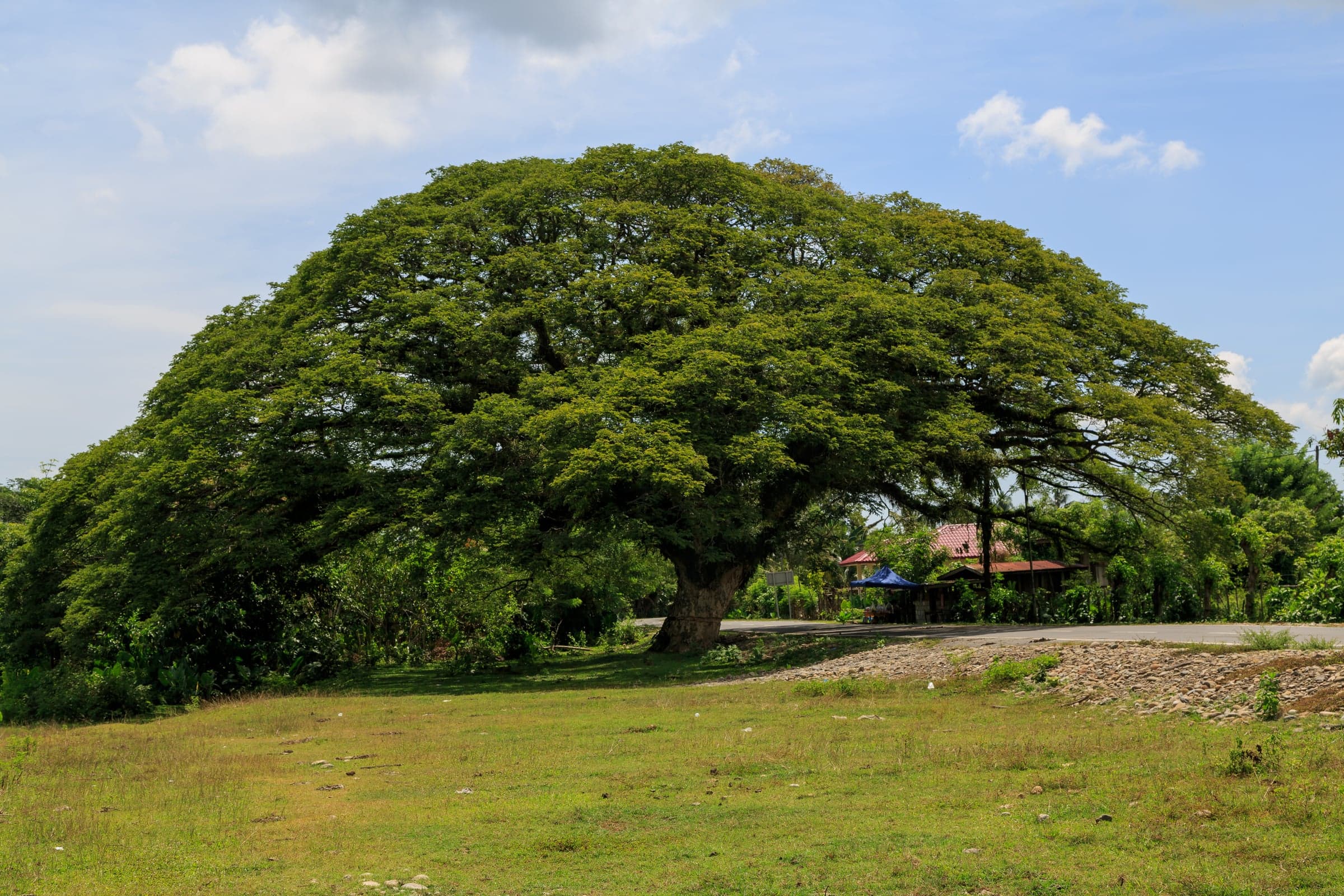
  • Crann Sycamore Maple

    Willow, via Wikimedia Commons

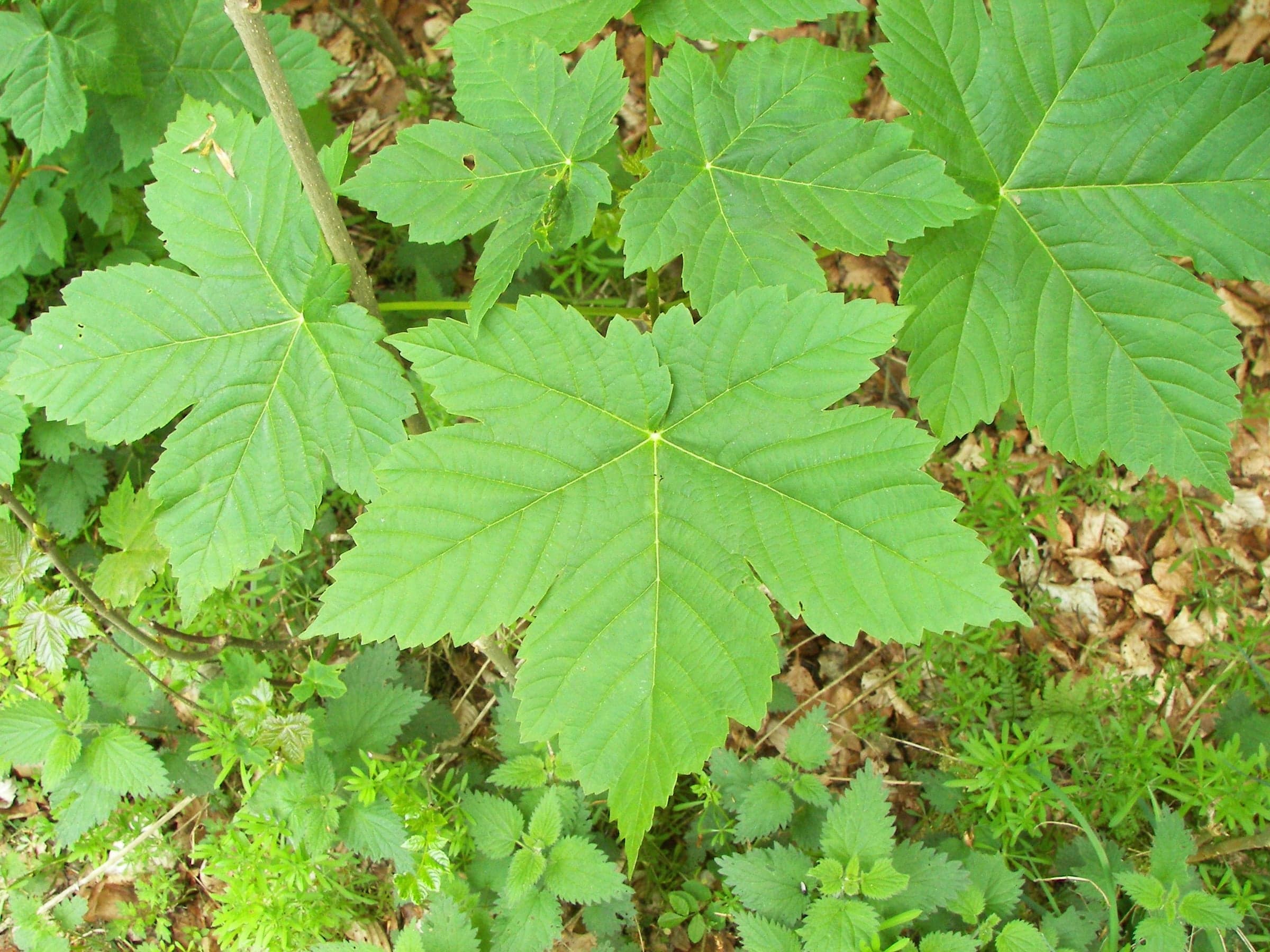
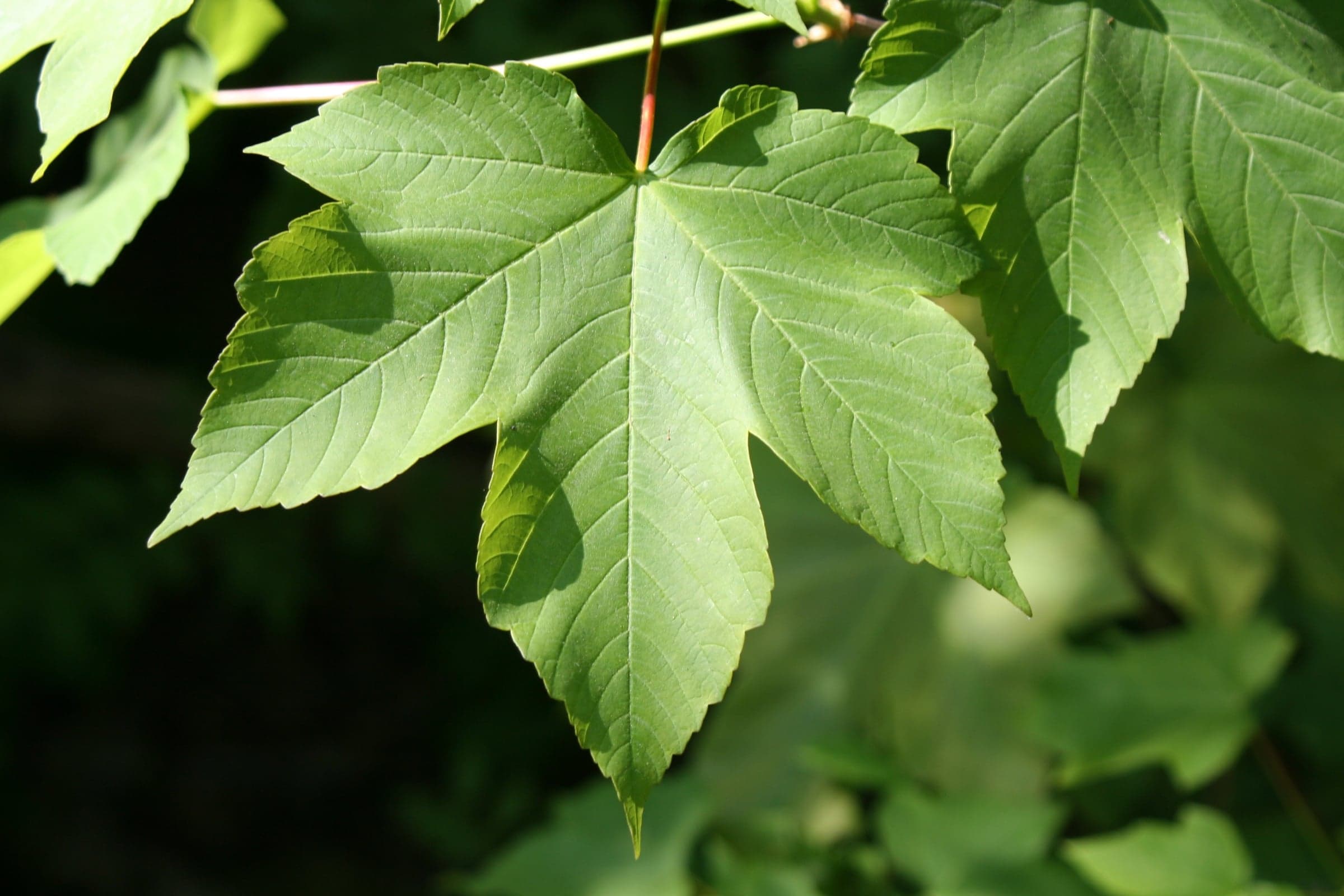
    Sycamore Maple: Duilleog
    Duilleog
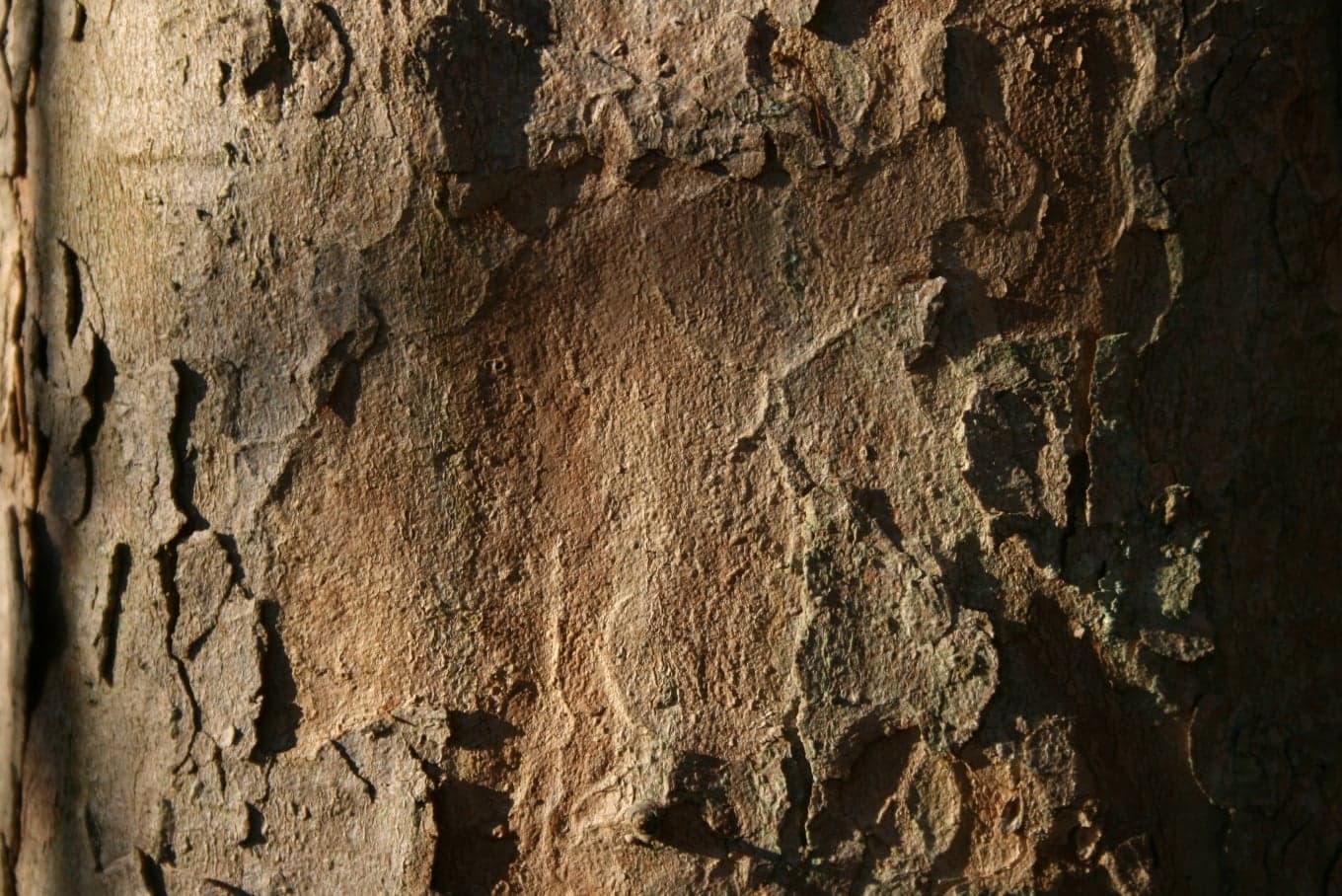
    Sycamore Maple: Coirt
    Coirt
    #

    Rippled or fiddleback sycamore carries a wave in the grain that produces strong horizontal chatoyance shifting with viewing angle. It is the same phenomenon as curly maple.

    It occurs in a minority of trees, cannot be predicted before felling, and carries a substantial premium.

    This is the timber of violin backs, ribs and necks, and has been since the Cremonese makers. Fiddleback sycamore is still sold under that name specifically for instrument work, where the combination of acoustic properties and appearance has never been bettered.

    At the bench#

    Sycamore works cleanly and pleasantly. At 4,680 N it is moderately hard, sitting just below European oak at 4,980 N, and it blunts tooling at a modest rate.

    The fine even texture takes crisp detail and it turns very well. It glues reliably and takes fastenings securely.

    Figured stock tears out readily. Light cuts, sharp tooling and a scraper or high angle plane for the final surface, particularly on fiddleback where the grain reverses continuously.

    It sands to a very fine surface.

    Finishing#

    The staining behaviour is the same trap that maple sets. The dense closed grain absorbs pigment unevenly and blotches, worse on figured stock.

    Use a dye or a gel stain, or leave it clear, which is what most sycamore work calls for anyway given that the colour is the reason for choosing it.

    Kitchen and dairy use#

    Sycamore is rated food safe, closed grained, and has been the traditional European dairy and kitchen timber, used for butter pats, bowls, spoons and worktops because it does not taint food and cleans well.

    It is softer than hard maple at 4,680 N against 6,450 N, so it scars more readily under a knife, and at decay class 5 it must be kept dry.

    Movement#

    Volumetric shrinkage of 11.5 percent is moderate, with tangential at 7.5 percent against radial at 4.0 percent. That is a reasonable differential and sycamore behaves acceptably in wide boards, better than maple or beech.

    Where European Sycamore is the right answer#

    Instrument work, particularly violin backs and ribs. Also pale furniture, kitchen and dairy ware, turned work, marquetry and inlay, and decorative panels where fiddleback figure is the design.

    It is the wrong answer outdoors, and wrong under an oil finish if the white colour is what you are paying for.

    Sourcing and EUDR#

    Not CITES listed and assessed as Least Concern. Common across central and northern Europe and widely planted, with straightforward supply and documentation.

    Drying sycamore, which is where most of it is lost#

    More sycamore is spoiled in the first three weeks after felling than at any other stage, and the cause is always the same: it was stacked flat and left.

    Freshly converted sycamore is wet, pale and full of sugars, which makes it ideal food for the fungi that cause blue and grey staining. Flat stacked in still air, boards discolour from the inside out within weeks, and the grey never comes out.

    The traditional answer is end rearing. Boards are stood on end, leaning, so air moves across both faces and moisture drains rather than pooling. It looks like an odd way to treat timber and it is the difference between white sycamore and grey sycamore.

    If you are buying sycamore, ask how it was dried. If you are drying it yourself, get it standing within days of conversion.

    What figured sycamore is worth checking for#

    Rippled figure is not uniform through a log. It is usually strongest near the base and can fade out entirely further up, so a slab cut from the same tree as a strongly figured one may be plain.

    Look at the figure in raking light from two directions before committing. Ripple that reads strongly from one angle and disappears from another is shallow and may not survive final thicknessing.

    A wave in the grain producing strong horizontal rippling chatoyance across the board, the same phenomenon as curly maple. It occurs in a minority of trees, cannot be predicted from the standing tree, and commands a substantial premium. It is the most sought after form of the species.

    Is it suitable for kitchen surfaces?

    +

    It is rated food safe, closed grained and traditionally used for dairy and kitchen ware precisely because it does not taint food and cleans well. It is softer than hard maple at 4,680 N against 6,450 N, so it will scar more readily, and at decay class 5 it must be kept dry.

    Crapadh feadh na bhfáinní fáis. Bogann cláir réghearrtha agus formhór na leac mar seo.
    7.5–9.0 %
    Crapadh toirtmhéadrachAthrú iomlán toirte ó úr go stálaithe in áith. Ciallaíonn níos ísle níos cobhsaí.11.5–13.5 %
    Marthanacht nádúrtha (EN 350)Caighdeán Eorpach ar fhriotaíocht nádúrtha in aghaidh lobhaidh, ó 1 (an-mharthanach) go 5 (somheata).Class 5 — Perishable

    Foinsí

    • The Wood Database(rochtain 2026-05-09)
    • USDA FPL Wood Handbook FPL-GTR-190 (2010)(rochtain 2026-05-09)
    • Meier, E. — WOOD! Identifying and Using Hundreds of Woods Worldwide (2015)(rochtain 2026-05-09)

    Sracfhéachaint

    Úsáideann na leibhéil bandaí seasta do gach speiceas a liostaíonn KORENA, mar sin is féidir iad a chur i gcomparáid go díreach. Tá an luach tomhaiste faoi gach ceann.
    CruasFriotaíocht in aghaidh eangaithe agus caithimhMeánchrua

    Cruas Janka: 4,680 N

    6 % níos boige ná dair

    MeáchanCé chomh trom is atá leac adhmaid le hardúMeánach

    615 kg/m³

    CobhsaíochtA laghad a bhogann sé leis na séasúirMeánach

    Crapadh toirtmhéadrach 12.5 %

    OibriúSábhadh, plánáil, greanáil, gliúáilÉasca

    Meán binse 4.1 / 5

    Úsáid lasmuighFriotaíocht nádúrtha in aghaidh lobhaidh, EN 350Laistigh amháin

    Aicme EN 350 5

    • Sábhadh · An-mhaithCé chomh glan a ghearrann sé agus cé chomh crua is atá sé ar lanna.1 = deacair · 5 = ar fheabhas
    • Plánáil · An-mhaithCé chomh mín a fhágann sé an dromchla agus a mhéid a stróiceann sé.1 = deacair · 5 = ar fheabhas
    • Greanáil · An-mhaithCé chomh tapa a ghreanáiltear mín é gan an páipéar a thachtadh.1 = deacair · 5 = ar fheabhas
    • Deileadóireacht · Ar fheabhasConas a ghearrann agus a chríochnaíonn sé ar an deil.1 = deacair · 5 = ar fheabhas
    • Snoíodóireacht · An-mhaithCé chomh géar a choinníonn sé mionsonraí faoin ngúiste.1 = deacair · 5 = ar fheabhas
    • Gliúáil · An-mhaithCé chomh hiontaofa a choinníonn ailt ghliúáilte.1 = deacair · 5 = ar fheabhas
    • Greim scriú / tairne · An-mhaithCé chomh maith a choinníonn sé scriúnna agus tairní gan scoilteadh.1 = deacair · 5 = ar fheabhas
    • Lúbadh gaile · An-mhaithCé chomh maith a ghlacann sé cuair tar éis galaithe.1 = deacair · 5 = ar fheabhas

    An praghas ar adhmad Sycamore Maple ar fud na hEorpa faoi láthair, in aghaidh an mhéadair chiúbaigh roimh CBL. Tapáil aon phraghas le haghaidh sonraí.

    • Na lomáin is fearr ar ceantLomáin roghnaithe ardghráid a dhíoltar ag ceantanna tairisceana, le déantóirí veiníre agus troscáin den chuid is mó. Gearrtar leaca adhmaid as lomáin dá leithéid.Tá formhór na bpraghsanna idir €153 agus €485.Bunaithe ar 83 praghas ó 2 réigiún.Sonraí is déanaí 25 MFómh 2026
    • GnáthlomáinCainníochtaí móra de ghnáthadhmad cruinn a dhíolann úinéirí foraoiseachta agus foraoiseacht stáit, don tógáil agus don tionsclaíocht den chuid is mó.Tá formhór na bpraghsanna idir €46 agus €110.Bunaithe ar 1,224 praghas ó 5 réigiún.Sonraí is déanaí 25 MFómh 2026

    Na lomáin is fearr ar ceant de réir tíre

    • an Ostair · €368 / m³Réigiúin: Austria31 praghasSonraí is déanaí 25 MFómh 2026
    • an Ghearmáin · €319 / m³Réigiúin: Bavaria52 praghasSonraí is déanaí 25 MFómh 2026

    Gnáthlomáin de réir tíre

    • an Bhulgáir · €102 / m³Réigiúin: North-West Bulgaria12 praghasSonraí is déanaí 24 Lún 2026
    • an Rómáin · €74 / m³Réigiúin: Banat / Crișana, Moldavia (Romania), Transylvania agus Wallachia1,212 praghasSonraí is déanaí 25 MFómh 2026

    Cén fáth a gcosnaíonn leac adhmaid níos mó ná seo?

    Is praghsanna ar adhmad amh iad seo. Is í leac adhmaid an gearradh is fearr as lomán, stálaithe ar feadh bliana nó níos mó, ansin seiceáilte agus tomhaiste píosa ar phíosa. Ní dhéantar leac adhmaid ach as cuid bheag de gach lomán.

    Foinse: Innéacs Adhmaid KORENA · Sonraí is déanaí 25 MFómh 2026

    Féach ar gach praghas réigiúnach
    Maith do thosaitheoirí
    Éasca ag an mbinse agus ní chomh crua sin go ndéanann sé dochar d'uirlisí.

    Bí cúramach

    • Ní le húsáid amuigh gan chóireáilIs é a mharthanacht nádúrtha aicme EN 350 5 as 5. Coinnigh laistigh nó faoi bhailchríoch chothabháilte é.
    • Greannaíonn an deannachÚsáid eastóscadh agus caith masc agus tú ag greanáil nó ag meaisíniú.

    Tapáil lipéad chun na sonraí a fháil.