KORENA
AdhmadFinished piecesSoláthairtíClóis adhmaidIris

Faigh fógra

Tá gach leac adhmaid uathúil. Nuair a dhíoltar í, tá sí imithe. Seolaimid ríomhphost chugat nuair a liostaítear píosaí nua: earraí úra, speicis nua agus cláir a mheaitseálann le hachoimre tionscadail.

Cúpla ríomhphost sa mhí. Gan turscar, díliostáil am ar bith.

KORENA, crua-adhmad den scoth

Píosa amháin ag an am.

Crua-adhmad den scoth atá fíoraithe, á dhíol píosa ar phíosa. Tógtar grianghraif agus tomhais de gach leac adhmaid agus seoltar í ón gclós adhmaid comhpháirtíochta le pas adhmaid.

Siopa

  • Brabhsáil táirgí
  • Cartlann na n-earraí díolta
  • Rianaigh ordú

Foghlaim

  • Iris
  • Treoracha speiceas
  • Gluais
  • Déan comparáid
  • Údair

Cabhair

  • Maidir linn
  • Conas a oibríonn sé
  • Bí i do chlós adhmaid comhpháirtíochta
  • Faigh leac adhmaid
  • Tacaíocht
  • Teimpléid doiciméad
  • Preas

Ceannach

  • Téarmaí díola
  • An ceart chun tarraingt siar
  • Tuairisceáin agus ráthaíocht dhlíthiúil
  • Seoladh agus seachadadh

Muinín

  • Beartas príobháideachais
  • Beartas fianán
  • Bunáitíocht adhmaid agus EUDR
  • Inrochtaineacht

Fógra dlíthiúil

  • Fógra dlíthiúil
  • Úsáid inghlactha
  • Maoin intleachtúil agus ábhar

© 2026 KORENA. Gach ceart ar cosaint.

Á oibriú ag Martial Labs Ltd. (BG, EIK 207453941). Is ainm trádála de chuid Martial Labs Ltd. é KORENA.

Tá meas againn ar do phríobháideachas

Úsáidimid fianáin riachtanacha chun go n-oibreoidh an suíomh. Le do chead d'úsáidfimis fianáin freisin le haghaidh anailísíochta, ábhar pearsantaithe agus fógraí. Is féidir leat d'intinn a athrú am ar bith ar an leathanach sainroghanna toilithe. Féach ar ár mbeartas fianán agus ár mbeartas príobháideachais.

  1. Baile
  2. /
  3. Speicis
  4. /
  5. Maritime Pine

Pinus pinaster

Maritime Pine

The pine of the Atlantic coast and the Landes. The most resinous and least stable wood KORENA lists, with a bold coarse figure that suits rustic work.

  • Fásta agus lománaithe san Eoraip.
  • Grúpa luibheolaíoch. Is buaircínigh iad bogadhmaid; is crainn leathanduilleacha iad crua-adhmaid.
  • Fine luibheolaíoch an speicis.
Faigh fógra nuair a thagann séSpeiceas tagartha. Níl píosaí i stoc faoi láthair.
  • Oiriúnacht tionscadail
  • I stoc
  • Cuma
  • Oibriú
  • Gluaiseacht
  • Praghas
  • Sábháilteacht agus foinsiú
  • Ceisteanna
  • Sonraí teicniúla

An oireann sé do do thionscadal?

Iontach do

  • Rustic tabletops
  • Panelling
  • Carcass work
  • Painted furniture
  • Shelving

Níl Maritime Pine san eisiúint reatha

Speicis chomhchosúla i stoc

Níl Maritime Pine againn anois. Oireann na speicis seo do na tionscadail chéanna agus tá píosaí ar fáil.
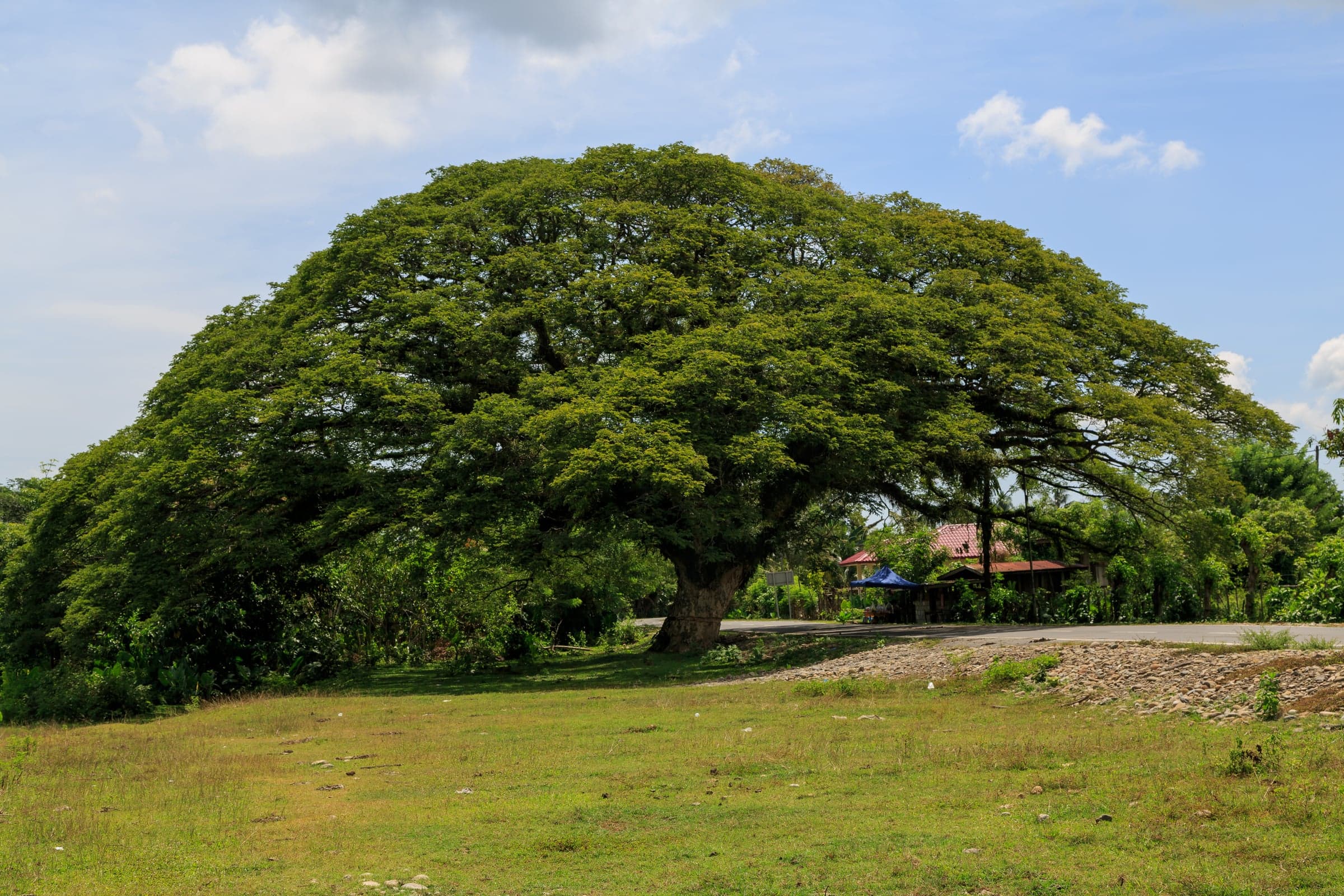
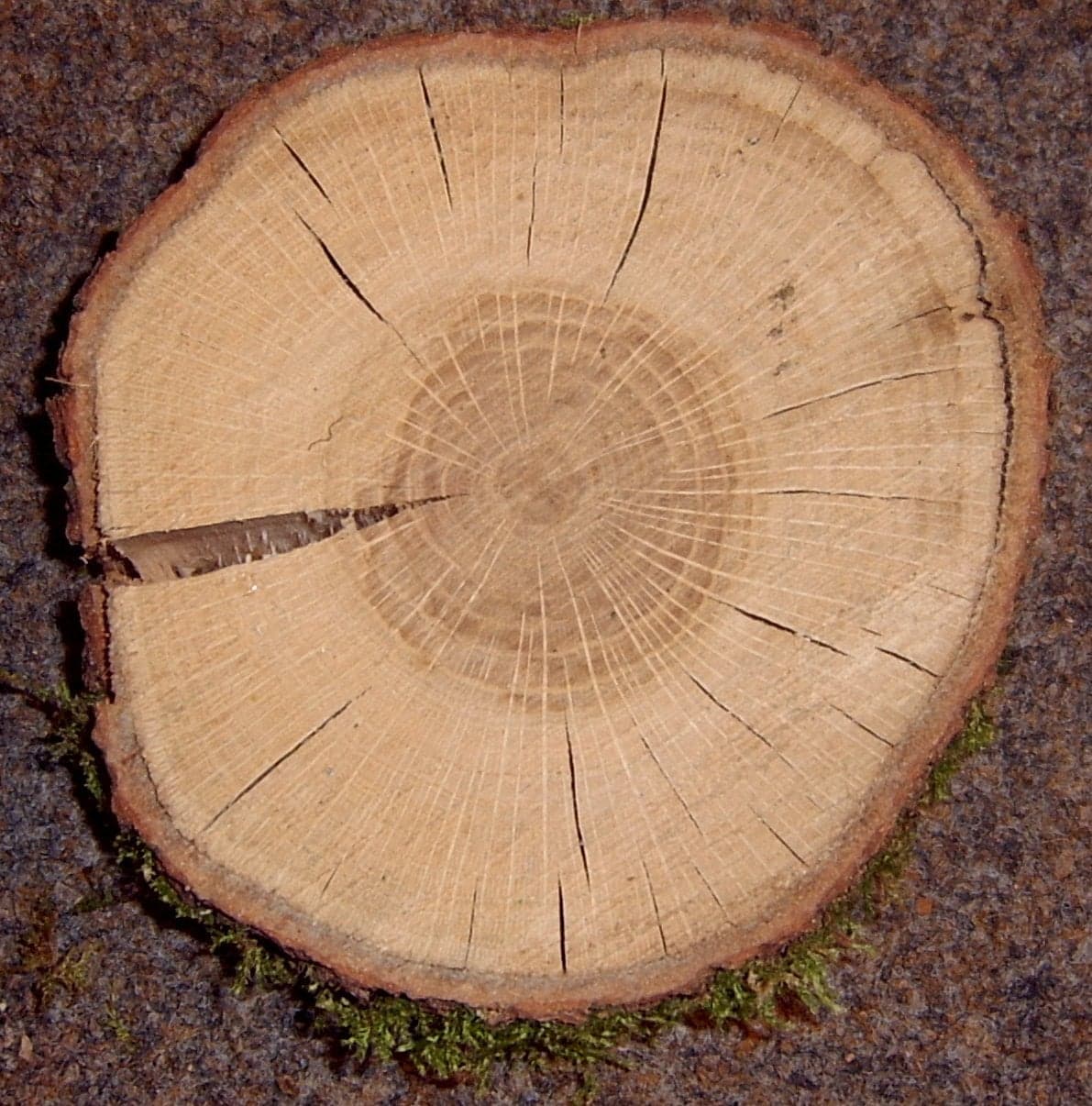
  • Snáithe Saman

    Saman

    Samanea saman

    4 phíosa

  • Snáithe European Oak

    European Oak

    Quercus robur

    6 phíosa

  • Snáithe European Walnut

    European Walnut

    Juglans regia

    9 bpíosa

Faigh fógra faoi Maritime Pine

Seolaimid ríomhphost chugat nuair a thagann leaca úra Maritime Pine chuig KORENA. Tá gach píosa uathúil, mar sin is fiú fógra luath.

Cúpla ríomhphost sa mhí. Gan turscar, díliostáil am ar bith.

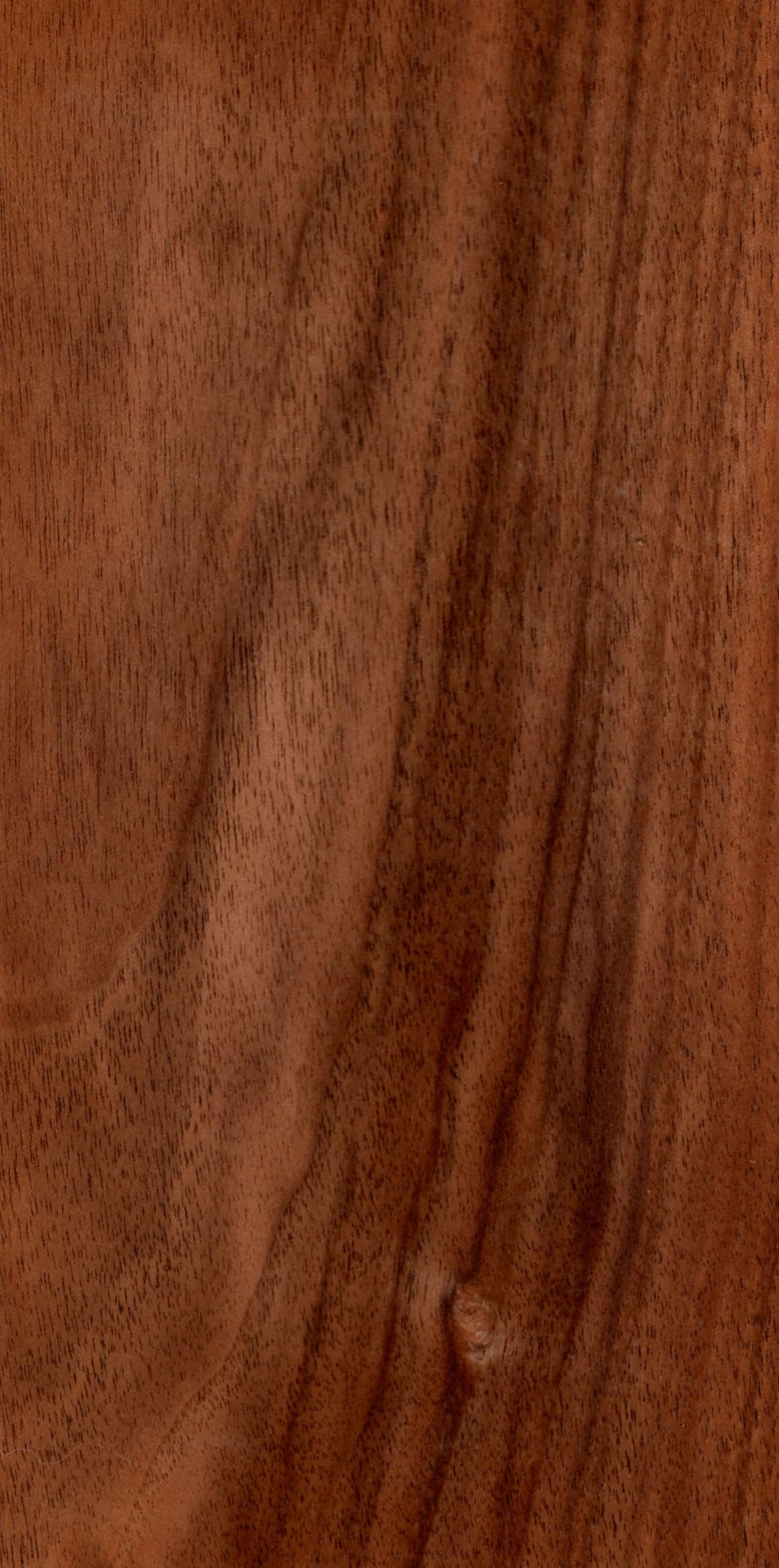
Cuma an adhmaid

An chuma atá air

Pale yellow to reddish brown heartwood against wide pale sapwood, with very wide growth rings reflecting fast coastal growth. The ring contrast is strong, giving a bold and slightly coarse figure. It is the most resinous species KORENA lists, which is both its historical value, as the tree was tapped for turpentine for centuries, and its main working difficulty.

  • Pale yellow to reddish brown heartwood
  • Wide pale sapwood band
  • Wide growth rings with strong earlywood to latewood contrast
  • Straight grain with very wide rings and extreme earlywood to latewood contrast, giving a bold coarse figure. Pale yellow to reddish brown, highly resinous.

Ag obair leis

Ag obair leis

Works fairly well with most tools, but the resin gums up tools and clogs sandpaper more than in any other species here. Abrasives should be treated as consumable. The wide, soft earlywood bands between hard latewood bands mean the surface can wash out under sanding, leaving a rippled face, so scraping is preferable to heavy abrasive work. Sharp cutters are essential.

Bailchríoch

Wipe down with denatured alcohol or acetone before finishing to lift surface resin, otherwise oil finishes may stay tacky in patches. Once clean it takes oil and wax well. Pigment stains blotch severely because of the extreme density contrast between earlywood and latewood, so a dye or a clear finish is much safer. Seal knots with shellac before any painted finish.

Stálú

Dries reasonably quickly but is prone to distortion given the wide rings and often spiral grain of fast grown coastal stock. A hot kiln schedule drives resin to the surface where it sets sticky and interferes with finishing later. Air drying followed by a low temperature kiln finish is the sensible route. Volumetric shrinkage at around 14.4 percent is the highest of any species KORENA lists, so movement in service is substantial.

Cé mhéad a bhogfaidh sé?

Atann agus crapann adhmad trasna a leithid de réir mar a éiríonn an t-aer níos taise nó níos tirime. Meas gluaiseacht shéasúrach barr Maritime Pine sula ndearann tú na feistis.

Gearradh
An áit ina mbeidh sé

Gluaiseacht shéasúrach mheasta

thart ar 10.3 mm

Ceangail an barr le cnaipí nó lúibíní sliotánacha, ní le gliú ná scriúnna teanna.

Samhail líneach craptha: leithead × (crapadh ÷ 28 % sáithiú snáithíní) × luascadh séasúrach cion taise. Úsáidtear crapadh tadhlaíoch 9 % do Maritime Pine. Meastachán pleanála, ní ráthaíocht.

An costas

Sábháilteacht agus foinsiú

  • Fásta agus lománaithe san Eoraip.
  • Stádas Liosta Dearg IUCN: measúnú domhanda caomhnaithe an speicis seo.
  • Working with pine has been reported to cause allergic skin reactions and asthma-like symptoms in some people. Because this species carries more resin than the others here, skin contact sensitisation is a more realistic risk over repeated exposure. Gloves when handling and good extraction while machining are worth the habit.

Léigh an treoir iomlánNótaí mionsonraithe ar phatrún, athrú datha, oibriú agus cobhsaíocht.+

What Maritime Pine actually is#

Pinus pinaster is the pine of the western Mediterranean and the Atlantic seaboard of Iberia and France. The Landes forest in southwest France, planted on former dunes and marsh from the nineteenth century onward, is the largest planted pine forest in western Europe and the principal commercial source of this timber.

For centuries the tree was more valuable standing than felled, because it was tapped for resin to produce turpentine and rosin. That history is the single most useful fact about the wood, because the resin that made it commercially important is also what makes it the most demanding species in this catalogue to machine and finish.

Reading a Maritime Pine slab#

Fast coastal growth produces very wide growth rings, and the contrast between the soft pale earlywood and the hard dark latewood is extreme. The result is a bold, coarse figure with a lot of visual movement, quite different from the fine even texture of spruce or fir.

That coarseness is the honest character of the wood and suits rustic work well. It does not suit a design asking for a quiet, uniform surface.

Colour runs pale yellow to reddish brown in the heartwood against a wide pale sapwood band. Spiral grain is common in fast grown coastal stock and is worth checking for, because it is the main cause of the distortion this species is prone to.

Ceisteanna ceannaitheoirí

Ceisteanna ceannaitheoirí

Why is Maritime Pine so much stickier to work than other pines?

+

It carries more resin than any other species KORENA lists, which is why it was tapped commercially for turpentine and rosin for centuries. The resin softens with cutting heat and deposits on blades, in saw gullets and across abrasives. Clean blades with a resin solvent between operations and expect sandpaper to load quickly.

How much will it move?

+

More than anything else in this catalogue. Volumetric shrinkage is around 14.4 percent, the highest figure KORENA lists, with tangential movement at 9.0 percent against 4.5 percent radial. A wide flatsawn top will change noticeably between seasons, so it must float on slotted fasteners and should acclimatise in its final room before flattening.

Why does the surface look rippled after sanding?

+

The earlywood bands are much softer than the latewood bands and abrasives cut them away faster, leaving a washboard surface. This is worse in Maritime Pine than other pines because the rings are wide and the contrast extreme. Use a card scraper or a sharp plane for the final surface rather than sanding it flat.

Is it strong enough for a table?

Airíonna meicniúla

Sonraí teicniúla

Luachanna tagartha foilsithe. Nuair nach n-aontaíonn foinsí, taispeántar an raon agus úsáidtear an luach tipiciúil do na scálaí thuas.

Dlús (kg/m³)Mais in aghaidh an mhéadair chiúbaigh ag cion taise thart ar 12 %. Bíonn adhmad níos troime níos crua agus níos láidre de ghnáth.500 kg/m³
Cruas Janka (N)An fórsa chun liathróid chruach a bhrú leath bealaigh isteach san adhmad. Gnáththomhas ar fhriotaíocht in aghaidh eangaithe.1,740 N
MOR: modal réabtha (MPa)Neart lúbtha: an t-ualach ag a mbriseann bíoma.73 MPa
MOE: modal leaisteachais (GPa)Righneas lúbtha: a mhéid a lúbann seilf nó barr faoi ualach.8.5 GPa
Crapadh gathachCrapadh trasna na bhfáinní fáis, ó úr go stálaithe in áith. Bogann cláir ghearrtha ina gceathrúna mar seo.4.5 %
Crapadh tadhlaíochCrapadh feadh na bhfáinní fáis. Bogann cláir réghearrtha agus formhór na leac mar seo.9.0 %
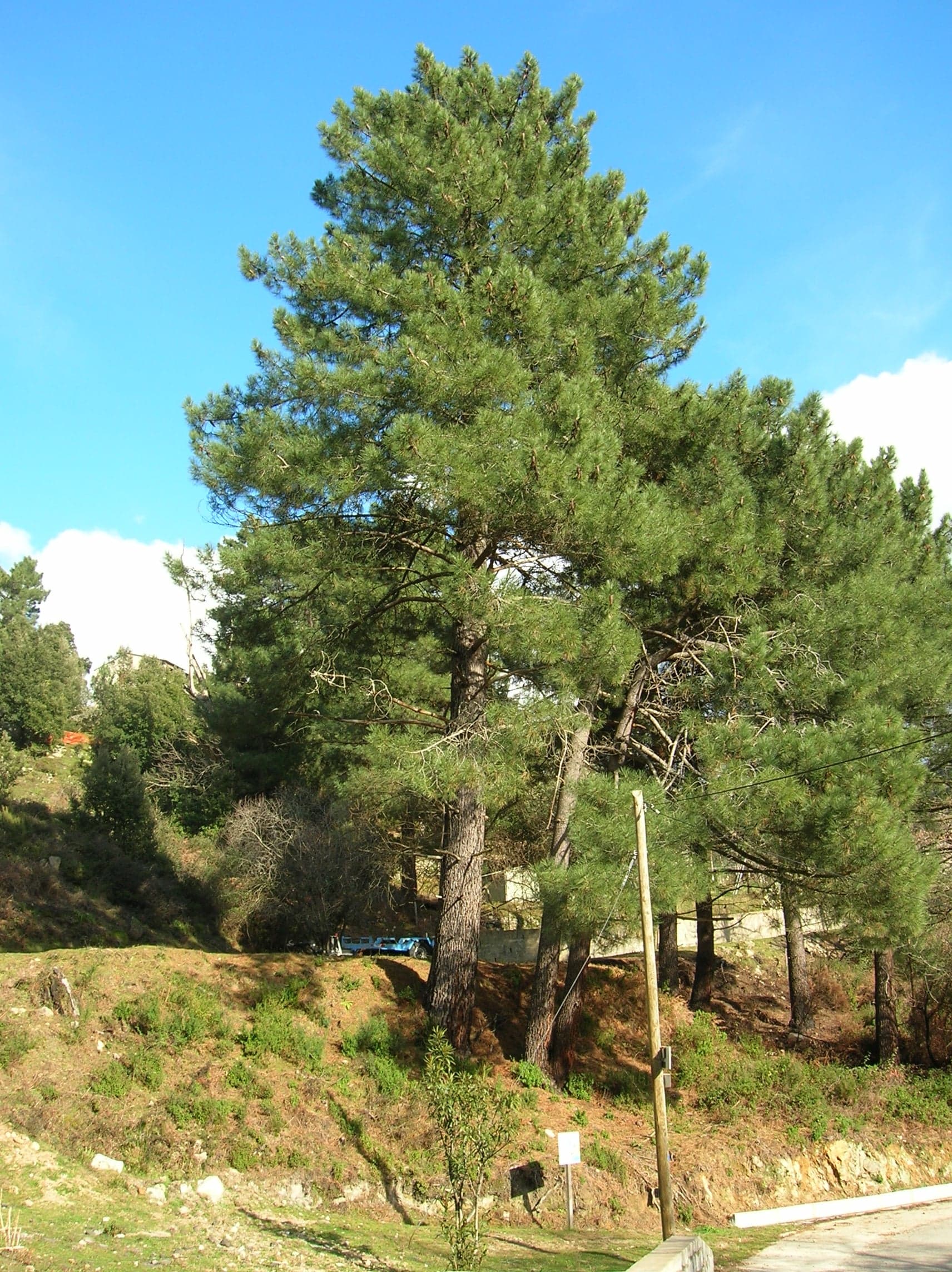
Crann Maritime Pine

Laurent Gallet, via Wikimedia Commons

Pinus pinaster is the pine of the western Mediterranean and the Atlantic coast of Iberia and France. The Landes forest in southwest France is the largest planted pine forest in western Europe and the main commercial source. Portuguese and Spanish material is also common in the EU market.

  • Not listed in the CITES Appendices and assessed by the IUCN as Least Concern. The Landes plantations are intensively managed and certified supply is readily available, which makes documentation straightforward. Fire is the significant risk to supply in this species range, and large burn events periodically push salvage volumes into the market.

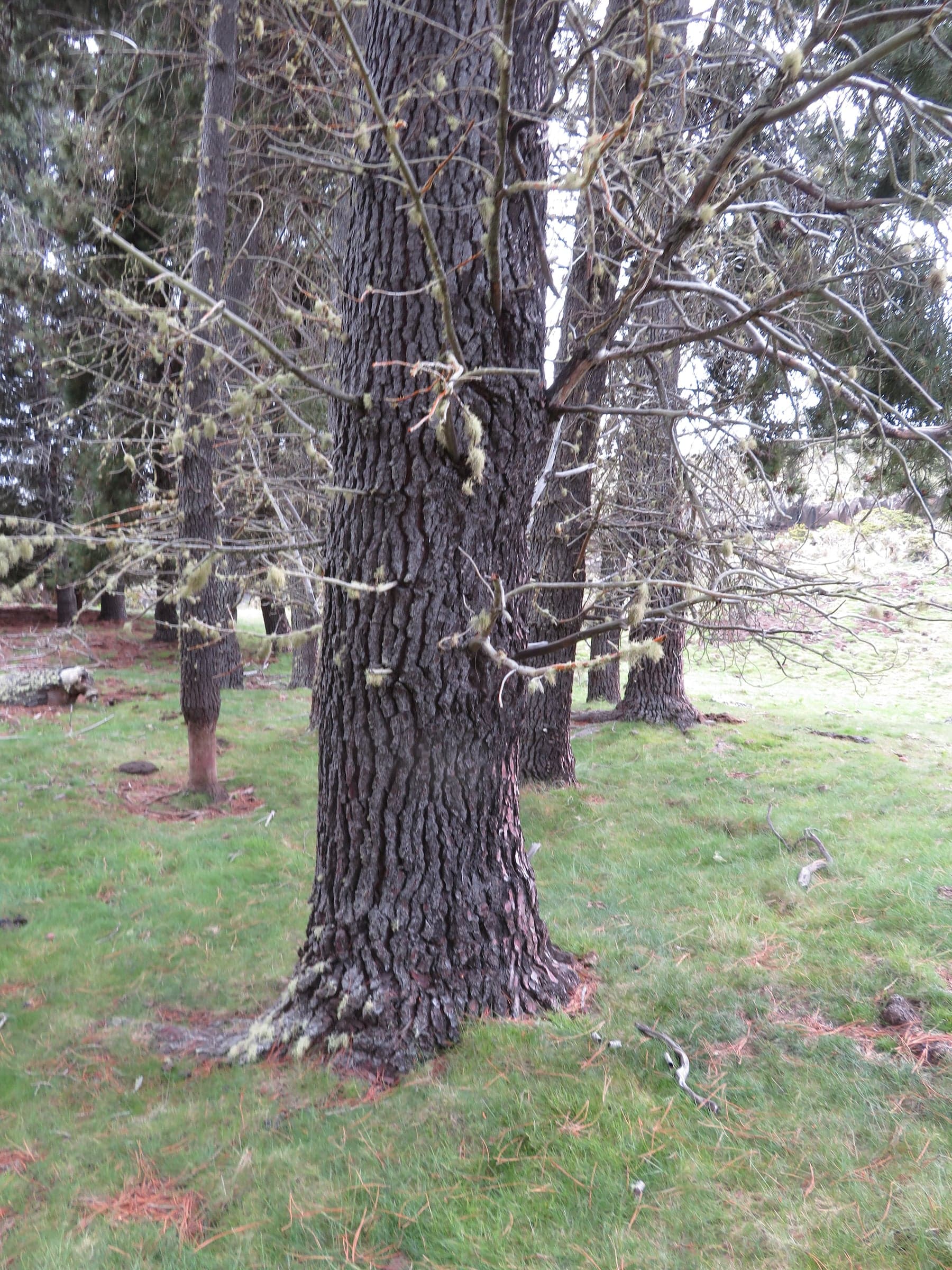
  • Maritime Pine: Coirt
    Coirt

    At the bench, and the resin problem#

    Maritime Pine works fairly well with most tools, and then the resin asserts itself.

    It gums blades faster than larch, which is saying something. It loads abrasives so quickly that sandpaper should be budgeted as a consumable rather than a tool. Saw gullets pack. Plane soles need clearing. None of this is difficult, but all of it is constant, and a schedule built on pine machining speeds will run over.

    There is a second, subtler machining problem. Because the earlywood bands are wide and much softer than the latewood, abrasives cut the soft bands away faster than the hard ones. Sand a Maritime Pine face flat and you get a washboard: a rippled surface that catches light unevenly. The fix is to produce the final surface with a sharp plane or a card scraper and use abrasives only lightly, if at all.

    Drying and movement#

    This species moves more than anything else KORENA lists. Volumetric shrinkage is around 14.4 percent, with tangential movement at 9.0 percent against 4.5 percent radial, a ratio of two to one that guarantees flatsawn boards will want to cup.

    It also dries with a tendency to distort, driven by the wide rings and frequent spiral grain of fast grown stock. A hot kiln schedule compounds the problem by drawing resin to the surface, where it sets sticky and sabotages the finish months later.

    Air drying under cover followed by a low temperature kiln finish is the route that works. Ask the yard what schedule was used, and let any slab acclimatise in its final room for a couple of weeks before final flattening. On a KORENA listing the drying method and measured moisture are recorded, so this is checkable rather than a matter of trust.

    Finishing#

    Start with a solvent wipe. Denatured alcohol or acetone across the surface, allowed to flash off, lifts the mobile surface resin. Skip this and an oil finish will cure unevenly and stay tacky in patches, which is a fault that only appears after the work is otherwise done.

    Once clean it takes oil and wax well. Pigment stains blotch severely here, worse than on any other pine, because the density contrast is so extreme. Use a dye or leave it clear. Seal knots with shellac before any painted finish.

    Where Maritime Pine is the right answer#

    Rustic tabletops, panelling, carcass work and shelving where the bold coarse figure is wanted and the movement can be designed around. It is inexpensive, widely available and honest about what it is.

    It is the wrong answer for fine work, for anything requiring dimensional precision across a wide panel, for a surface that must stay unmarked at 1,740 N Janka, and for any project where the finishing schedule cannot absorb the extra solvent and cleaning steps.

    Sourcing and EUDR#

    Not CITES listed and assessed as Least Concern. The Landes plantations are intensively managed with good certification coverage, so documentation is straightforward and supply is reliable. The one thing to be aware of is fire. Large burn events in southwest France and Iberia periodically push significant salvage volumes into the market, and salvage material is legitimate but should be identified as such rather than discovered on arrival.

    +

    At 1,740 N Janka it is soft, close to Norway Spruce and well below Scots Pine at 2,420 N. It makes a rustic tabletop that will dent and record use. For a surface expected to stay unmarked, choose a hardwood.

    Is my oil finish going to stay tacky?

    +

    It will if you skip the solvent wipe. Clean the surface with denatured alcohol or acetone and let it flash off before applying any oil, and be more thorough about it than you would with Scots Pine. Kiln dried stock that was pushed hot carries the most surface resin.

    Crapadh toirtmhéadrachAthrú iomlán toirte ó úr go stálaithe in áith. Ciallaíonn níos ísle níos cobhsaí.14.4 %
    Marthanacht nádúrtha (EN 350)Caighdeán Eorpach ar fhriotaíocht nádúrtha in aghaidh lobhaidh, ó 1 (an-mharthanach) go 5 (somheata).Class 4 — Slightly durable

    Foinsí

    • The Wood Database — Maritime Pine (Pinus pinaster)(rochtain 2026-08-12)
    • USDA FPL Wood Handbook FPL-GTR-190 (2010)(rochtain 2026-08-12)
    • Meier, E. — WOOD! Identifying and Using Hundreds of Woods Worldwide (2015)(rochtain 2026-08-12)

    Bí cúramach

    • Ní le húsáid amuigh gan chóireáilIs é a mharthanacht nádúrtha aicme EN 350 4 as 5. Coinnigh laistigh nó faoi bhailchríoch chothabháilte é.
    • Bogann sé níos mó ná formhórTeastaíonn cnaipí nó feistis sliotánacha agus spás gluaiseachta ó bharraí leathana. Úsáid an t-áireamhán gluaiseachta thíos.
    • Greannaíonn an deannachÚsáid eastóscadh agus caith masc agus tú ag greanáil nó ag meaisíniú.

    Tapáil lipéad chun na sonraí a fháil.

    Sracfhéachaint

    Úsáideann na leibhéil bandaí seasta do gach speiceas a liostaíonn KORENA, mar sin is féidir iad a chur i gcomparáid go díreach. Tá an luach tomhaiste faoi gach ceann.
    CruasFriotaíocht in aghaidh eangaithe agus caithimhBog

    Cruas Janka: 1,740 N

    65 % níos boige ná dair

    MeáchanCé chomh trom is atá leac adhmaid le hardúÉadrom

    500 kg/m³

    CobhsaíochtA laghad a bhogann sé leis na séasúirBeoga

    Crapadh toirtmhéadrach 14.4 %

    OibriúSábhadh, plánáil, greanáil, gliúáilDúshlánach

    Meán binse 3.1 / 5

    Úsáid lasmuighFriotaíocht nádúrtha in aghaidh lobhaidh, EN 350Laistigh amháin

    Aicme EN 350 4

    • Sábhadh · MaithCé chomh glan a ghearrann sé agus cé chomh crua is atá sé ar lanna.1 = deacair · 5 = ar fheabhas
    • Plánáil · MaithCé chomh mín a fhágann sé an dromchla agus a mhéid a stróiceann sé.1 = deacair · 5 = ar fheabhas
    • Greanáil · MeasarthaCé chomh tapa a ghreanáiltear mín é gan an páipéar a thachtadh.1 = deacair · 5 = ar fheabhas
    • Deileadóireacht · MaithConas a ghearrann agus a chríochnaíonn sé ar an deil.1 = deacair · 5 = ar fheabhas
    • Snoíodóireacht · MaithCé chomh géar a choinníonn sé mionsonraí faoin ngúiste.1 = deacair · 5 = ar fheabhas
    • Gliúáil · An-mhaithCé chomh hiontaofa a choinníonn ailt ghliúáilte.1 = deacair · 5 = ar fheabhas
    • Greim scriú / tairne · An-mhaithCé chomh maith a choinníonn sé scriúnna agus tairní gan scoilteadh.1 = deacair · 5 = ar fheabhas
    • Lúbadh gaile · MaithCé chomh maith a ghlacann sé cuair tar éis galaithe.1 = deacair · 5 = ar fheabhas

    An praghas ar adhmad Maritime Pine ar fud na hEorpa faoi láthair, in aghaidh an mhéadair chiúbaigh roimh CBL. Tapáil aon phraghas le haghaidh sonraí.

    • GnáthlomáinCainníochtaí móra de ghnáthadhmad cruinn a dhíolann úinéirí foraoiseachta agus foraoiseacht stáit, don tógáil agus don tionsclaíocht den chuid is mó.Tá formhór na bpraghsanna idir €90 agus €90.Bunaithe ar 5 phraghas ó 1 réigiún.Sonraí is déanaí 31 Noll 2025

    Cén fáth a gcosnaíonn leac adhmaid níos mó ná seo?

    Is praghsanna ar adhmad amh iad seo. Is í leac adhmaid an gearradh is fearr as lomán, stálaithe ar feadh bliana nó níos mó, ansin seiceáilte agus tomhaiste píosa ar phíosa. Ní dhéantar leac adhmaid ach as cuid bheag de gach lomán.

    Foinse: Innéacs Adhmaid KORENA · Sonraí is déanaí 31 Noll 2025

    Féach ar gach praghas réigiúnach