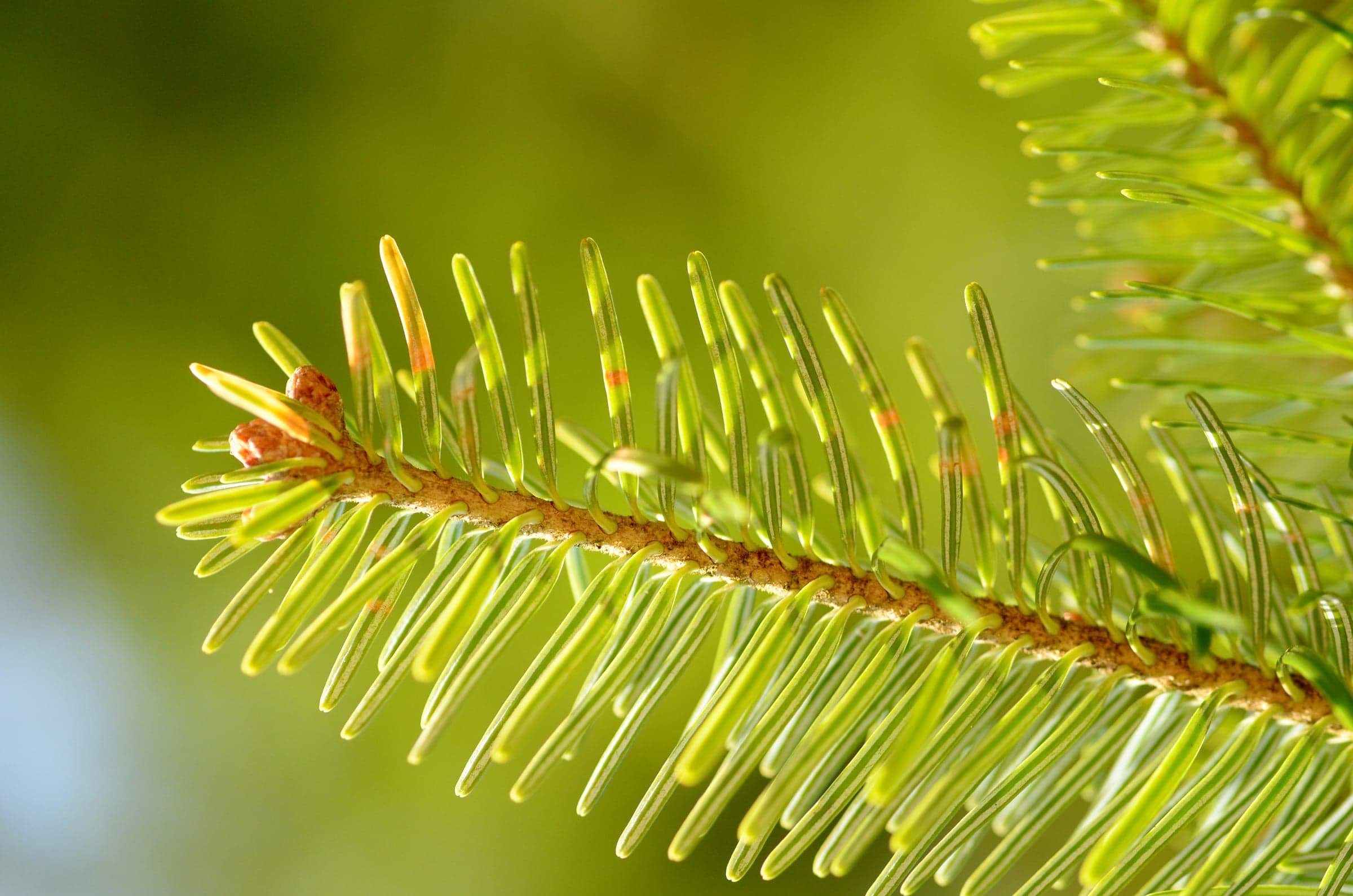
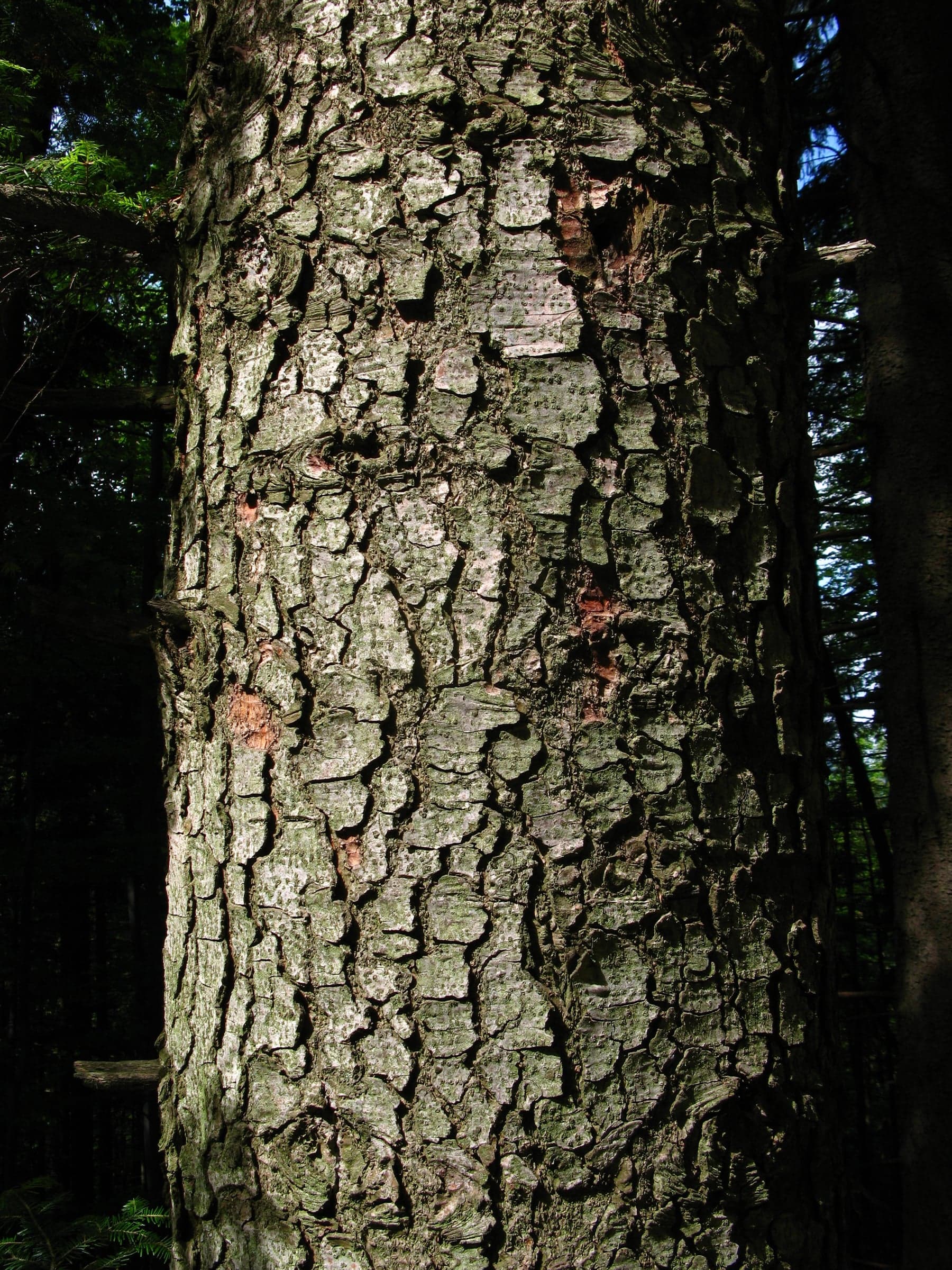
Abies alba
Silver Fir
Spruce without the resin. The softest species in the KORENA catalogue, and the best softwood here for a painted finish.
- Fásta agus lománaithe san Eoraip.
- Grúpa luibheolaíoch. Is buaircínigh iad bogadhmaid; is crainn leathanduilleacha iad crua-adhmaid.
- Fine luibheolaíoch an speicis.
Faigh fógra nuair a thagann séSpeiceas tagartha. Níl píosaí i stoc faoi láthair.
An oireann sé do do thionscadal?
Iontach do
- Wall and ceiling panelling
- Painted furniture
- Lightweight carcass work
- Shelving
- Interior joinery
Níl Silver Fir san eisiúint reatha
Speicis chomhchosúla i stoc
Níl Silver Fir againn anois. Oireann na speicis seo do na tionscadail chéanna agus tá píosaí ar fáil.
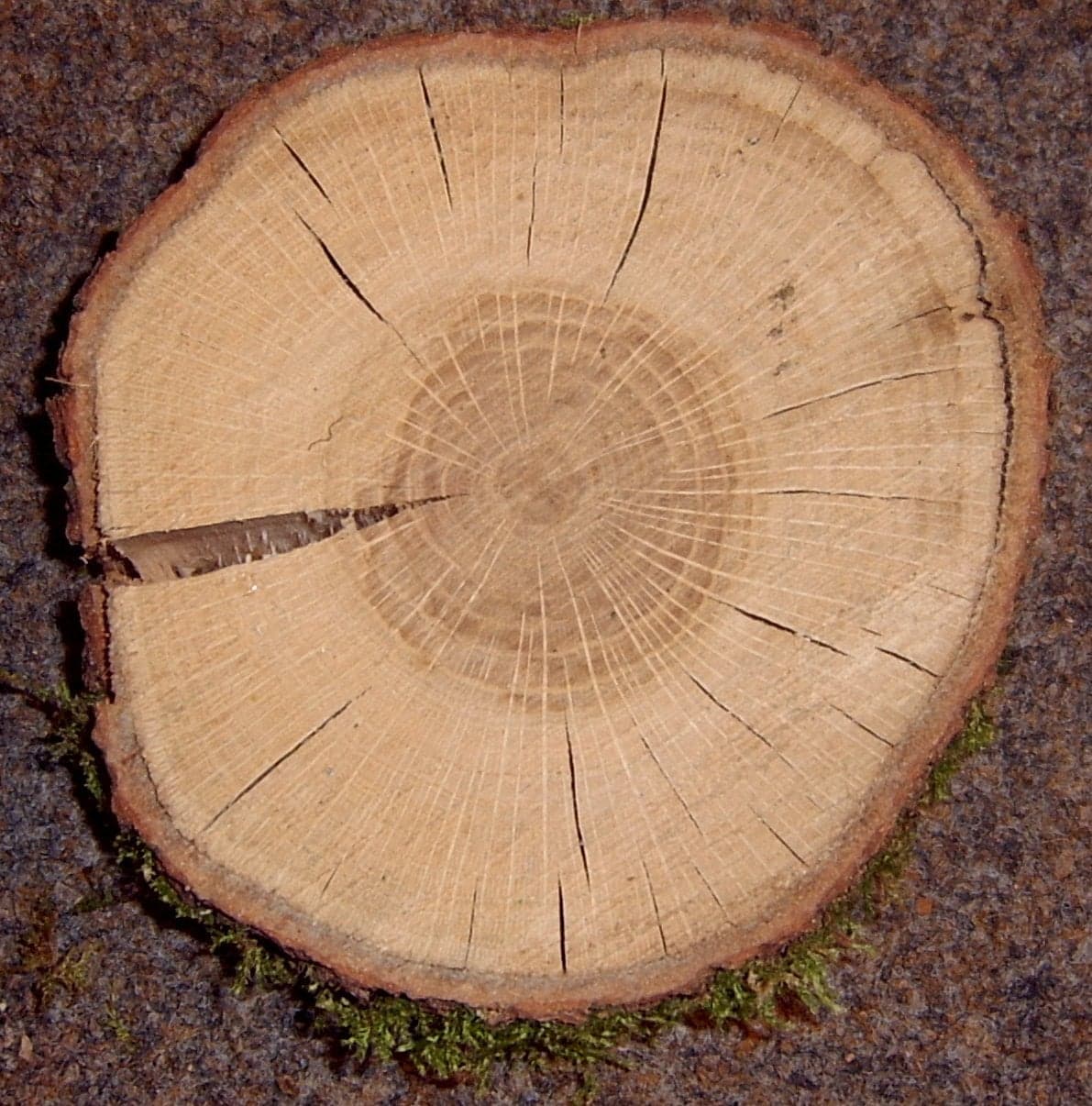
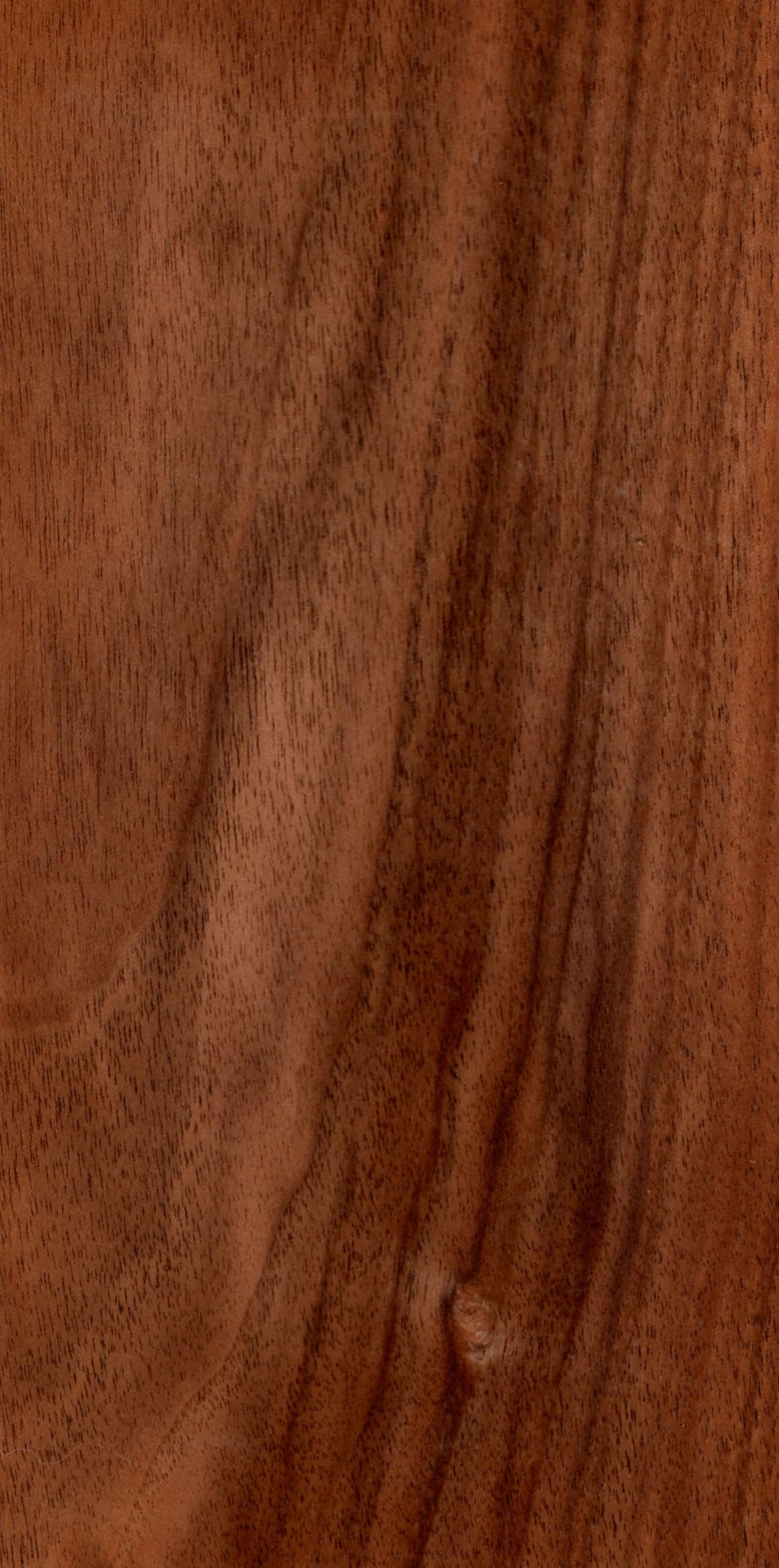
Faigh fógra faoi Silver Fir
Seolaimid ríomhphost chugat nuair a thagann leaca úra Silver Fir chuig KORENA. Tá gach píosa uathúil, mar sin is fiú fógra luath.
Cuma an adhmaid
An chuma atá air
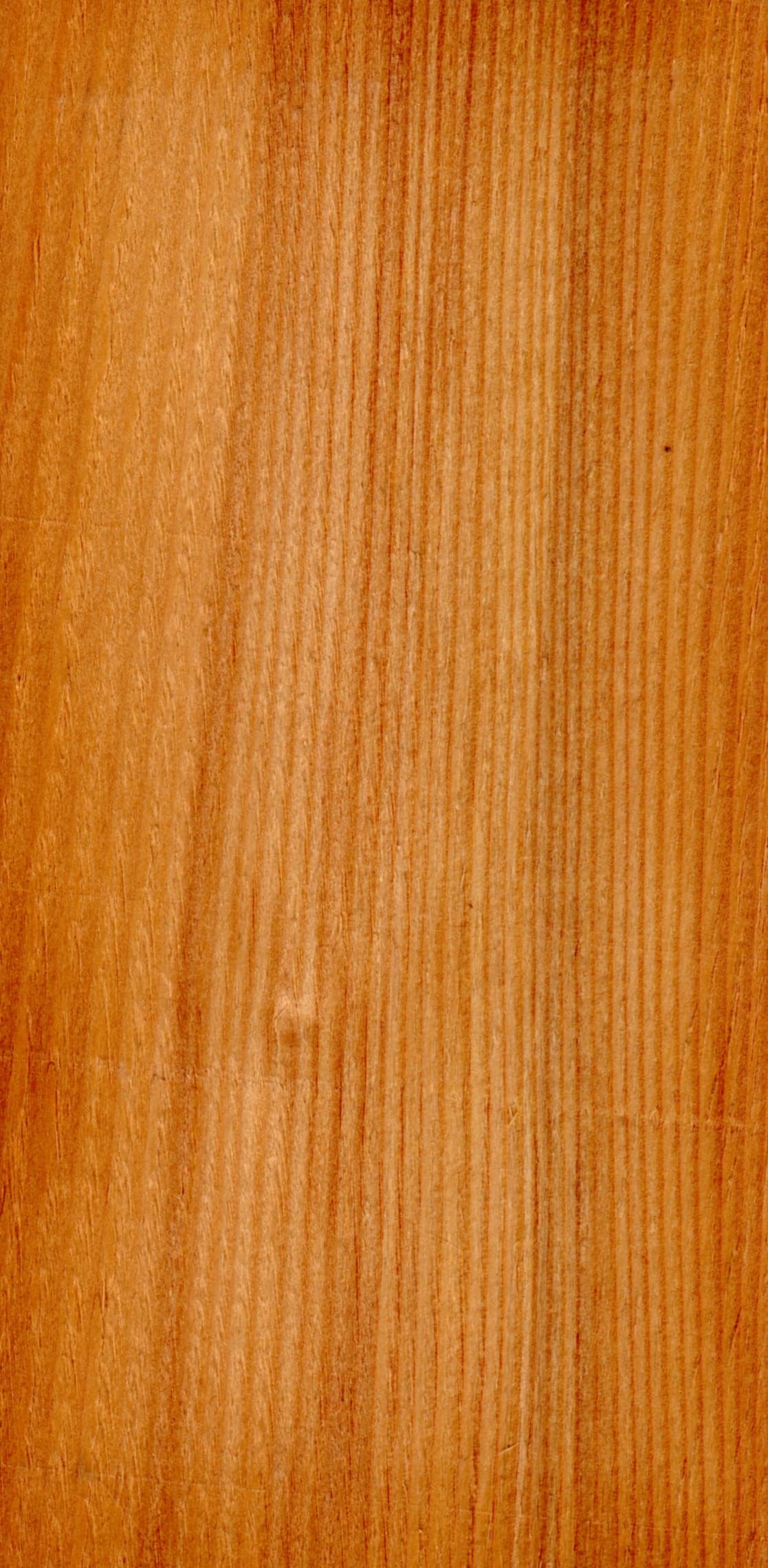
Very close to Norway Spruce in appearance and routinely sold interchangeably with it. Silver Fir is a shade duller and greyer, entirely without the resin pockets that mark spruce, because the species has no resin canals in its wood. Grain is straight, texture fine and even, and the overall impression is flatter and quieter than spruce.
- Near white to pale grey-brown, duller than spruce
- No visible heartwood boundary
- No resin pockets, the clearest way to tell it from spruce
- Pale, straight grain; almost no resin canals.
Ag obair leis
Ag obair leis
Generally easy with both hand and machine tools, and it glues, stains and finishes better than spruce because the absence of resin canals makes absorption more even. The same softness caveat applies: sharp cutters are essential or the earlywood crushes and fuzzes. It holds detail poorly under carving tools, so it is not a carving wood despite being soft.
Bailchríoch
Takes stain and finish noticeably better than spruce, though it is still a softwood with uneven density and a conditioner remains sensible before pigment stain. It is one of the better softwood choices for a painted finish, since the fine even texture needs little grain filling. Clear finishes leave it looking pale and slightly cool.
Stálú
Dries readily and without much degrade, and because there are no resin canals there is no resin bleed to manage, which is a genuine advantage over spruce in thick sections. Wet pockets of bacterially infected wood, sometimes called wetwood, occur in older trees and dry slowly and unevenly. A yard that has kilned the stock properly will have caught these. Movement in service is moderate at around 12.8 percent volumetric.
Cé mhéad a bhogfaidh sé?
Atann agus crapann adhmad trasna a leithid de réir mar a éiríonn an t-aer níos taise nó níos tirime. Meas gluaiseacht shéasúrach barr Silver Fir sula ndearann tú na feistis.
Gluaiseacht shéasúrach mheasta
thart ar 9.9 mm
Ceangail an barr le cnaipí nó lúibíní sliotánacha, ní le gliú ná scriúnna teanna.
Samhail líneach craptha: leithead × (crapadh ÷ 28 % sáithiú snáithíní) × luascadh séasúrach cion taise. Úsáidtear crapadh tadhlaíoch 8.7 % do Silver Fir. Meastachán pleanála, ní ráthaíocht.
An costas
Sábháilteacht agus foinsiú
- Fásta agus lománaithe san Eoraip.
- Stádas Liosta Dearg IUCN: measúnú domhanda caomhnaithe an speicis seo.
Species in the Abies genus have been reported to cause skin irritation, though severe reactions are uncommon. Standard dust extraction and a P2 mask for extended machining cover it.
Léigh an treoir iomlánNótaí mionsonraithe ar phatrún, athrú datha, oibriú agus cobhsaíocht.
What Silver Fir actually is#
Abies alba is the tree most people have looked at without knowing it. It is a major component of central European mountain forest, it is the traditional Christmas tree across much of the continent, and its timber is sold through the trade as whitewood alongside Norway Spruce with little distinction drawn between them. For most construction purposes that conflation is harmless. For slab work it is worth separating, because the one structural difference between the two species changes how the wood behaves.
Silver Fir has no resin canals. Spruce does. Everything that follows from that, the absence of resin pockets, the cleaner behaviour under paint, the more even stain absorption, the lack of bleed in thick sections, is the reason to choose fir over spruce rather than treat them as the same board.
Reading a Silver Fir slab#
Colour range is narrow: near white through to a pale grey-brown, with no heartwood boundary to speak of. Against spruce it reads flatter and cooler, a fraction duller, and without the amber flecking that gives spruce its visual interest.
Because colour gives you so little, judge the slab on ring structure and defects. Tight rings from slow mountain growth mean a denser, stiffer, more stable board. Knots are the usual limiting factor, and fir knots are somewhat less hard and less prone to tear-out than spruce knots, which makes them slightly easier to machine through when you have no choice.
Ceisteanna ceannaitheoirí
Ceisteanna ceannaitheoirí
How do I tell Silver Fir from Norway Spruce?
Look for resin pockets. Spruce has resin canals and shows amber pockets and streaks; Silver Fir has none at all, so a clean pale board with no resin marks is almost certainly fir. Fir also reads slightly greyer and duller. The two are close enough that they are frequently sold interchangeably as whitewood.
Is Silver Fir better than spruce for painted work?
Yes, generally. The fine even texture needs little grain filling and the absence of resin canals means no bleed-through under paint. Spruce resin pockets can telegraph through a painted finish months later unless sealed with shellac first.
Can I use Silver Fir outdoors?
Not untreated. It is rated non-durable to perishable with little resistance to insect attack, which is the lowest durability in this group. European larch or Douglas fir are the appropriate choices for exposure.
Is it hard enough for a desk top?
At 1,420 N Janka it is the softest species KORENA lists, softer even than spruce. A desk top in fir will mark under a pen pressed through paper. It works for a light-use surface finished in a refreshable hardwax oil, but for daily writing use a harder species.
Airíonna meicniúla
Sonraí teicniúla
Luachanna tagartha foilsithe. Nuair nach n-aontaíonn foinsí, taispeántar an raon agus úsáidtear an luach tipiciúil do na scálaí thuas.
| Dlús (kg/m³)Mais in aghaidh an mhéadair chiúbaigh ag cion taise thart ar 12 %. Bíonn adhmad níos troime níos crua agus níos láidre de ghnáth. | 415 kg/m³ |
|---|---|
| Cruas Janka (N)An fórsa chun liathróid chruach a bhrú leath bealaigh isteach san adhmad. Gnáththomhas ar fhriotaíocht in aghaidh eangaithe. | 1,420 N |
| MOR: modal réabtha (MPa)Neart lúbtha: an t-ualach ag a mbriseann bíoma. | 66 MPa |
| MOE: modal leaisteachais (GPa)Righneas lúbtha: a mhéid a lúbann seilf nó barr faoi ualach. | 8.3 GPa |
| Crapadh gathachCrapadh trasna na bhfáinní fáis, ó úr go stálaithe in áith. Bogann cláir ghearrtha ina gceathrúna mar seo. | 4.0 % |
| Crapadh tadhlaíochCrapadh feadh na bhfáinní fáis. Bogann cláir réghearrtha agus formhór na leac mar seo. | 8.7 % |