KORENA
KoksneFinished piecesPiederumiNoliktavasŽurnāls

Saņemiet paziņojumus

Katrs dēlis ir vienreizējs eksemplārs. Kad tas pārdots, cita tāda nav. Mēs nosūtīsim e-pastu, kad tiks publicēti jauni gabali: svaigi papildinājumi, jaunas koku sugas un projekta aprakstam atbilstoši dēļi.

Daži e-pasta ziņojumi mēnesī. Nekāda surogātpasta, abonementu var atcelt jebkurā laikā.

KORENA, augstākās kvalitātes lapu koku koksne

Pa vienam gabalam.

Pārbaudīta augstākās kvalitātes lapu koku koksne, ko pārdod pa vienam gabalam. Katrs dēlis tiek fotografēts, izmērīts un nosūtīts no partnera noliktavas kopā ar koksnes pasi.

Veikals

  • Skatīt produktus
  • Pārdoto dēļu arhīvs
  • Izsekot pasūtījumu

Uzzināt

  • Žurnāls
  • Sugu ceļveži
  • Terminu vārdnīca
  • Salīdzināt
  • Autori

Palīdzība

  • Par mums
  • Kā tas darbojas
  • Pievienot partnera noliktavu
  • Atrast dēli
  • Atbalsts
  • Dokumentu veidnes
  • Presei

Pirkšana

  • Pārdošanas noteikumi
  • Atteikuma tiesības
  • Atgriešana un juridiskā atbilstības garantija
  • Nosūtīšana un piegāde

Uzticamība

  • Privātuma politika
  • Sīkdatņu politika
  • Koksnes izcelsme un EUDR
  • Piekļūstamība

Rekvizīti

  • Juridiskais paziņojums / rekvizīti
  • Pieņemamas lietošanas noteikumi
  • Intelektuālais īpašums un saturs

© 2026 KORENA. Visas tiesības paturētas.

Pārvalda Martial Labs Ltd. (BG, EIK 207453941). KORENA ir Martial Labs Ltd. tirdzniecības nosaukums.

Mēs cienām jūsu privātumu

Mēs izmantojam obligātās sīkdatnes, lai vietne darbotos. Ar jūsu atļauju izmantosim arī analītikas, personalizēta satura un reklāmu sīkdatnes. Jebkurā laikā varat mainīt izvēli lapā piekrišanas iestatījumi. Skatiet mūsu sīkdatņu politiku un privātuma politiku.

  1. Sākums
  2. /
  3. Koku sugas
  4. /
  5. English Elm

Ulmus procera

English Elm

Rare salvaged hardwood with interlocked grain, wild figure, and exceptional steam-bending behaviour. Hard-won material with genuine craft heritage.

  • Audzēta un cirsta Eiropā.
  • Botāniskā grupa. Skujkoki ir koniferi, bet lapu koki ir platlapji.
  • Botāniskā dzimta, kurai pieder suga.
Paziņot, kad būs pieejamsAtsauces suga. Pašlaik noliktavā nav pieejamu gabalu.
  • Piemērotība projektam
  • Pieejams noliktavā
  • Izskats
  • Apstrāde
  • Koka kustība
  • Cena
  • Drošība un iegāde
  • Jautājumi
  • Tehniskie dati

Vai tā ir piemērota jūsu projektam?

Lieliski piemērota

  • Live-edge dining and conference tables where wild figure is the point
  • Windsor and stick chairs, seats, bows, and steam-bent components
  • Curved joinery and laminated bent forms
  • Chopping boards and food-contact serving pieces
  • Decorative interior cladding and feature panels
  • Turned bowls and hollow forms

Pašreizējā kolekcijā nav English Elm

Līdzīgas sugas noliktavā

Pašlaik nav English Elm. Šīs sugas ir piemērotas tiem pašiem projektiem, un to gabali ir pieejami.


  • European Oak šķiedra

    European Oak

    Quercus robur

    6 gabali

  • Saman šķiedra

    Saman

    Samanea saman

    4 gabali

  • European Walnut šķiedra

    European Walnut

    Juglans regia

    9 gabali

Saņemt paziņojumus par English Elm

Mēs nosūtīsim e-pasta ziņojumu, kad KORENA būs pieejami jauni English Elm dēļi. Katrs gabals ir vienreizējs eksemplārs, tāpēc ir vērts uzzināt laikus.

Daži e-pasta ziņojumi mēnesī. Nekāda surogātpasta, abonementu var atcelt jebkurā laikā.

Koksnes izskats

Kā tā izskatās

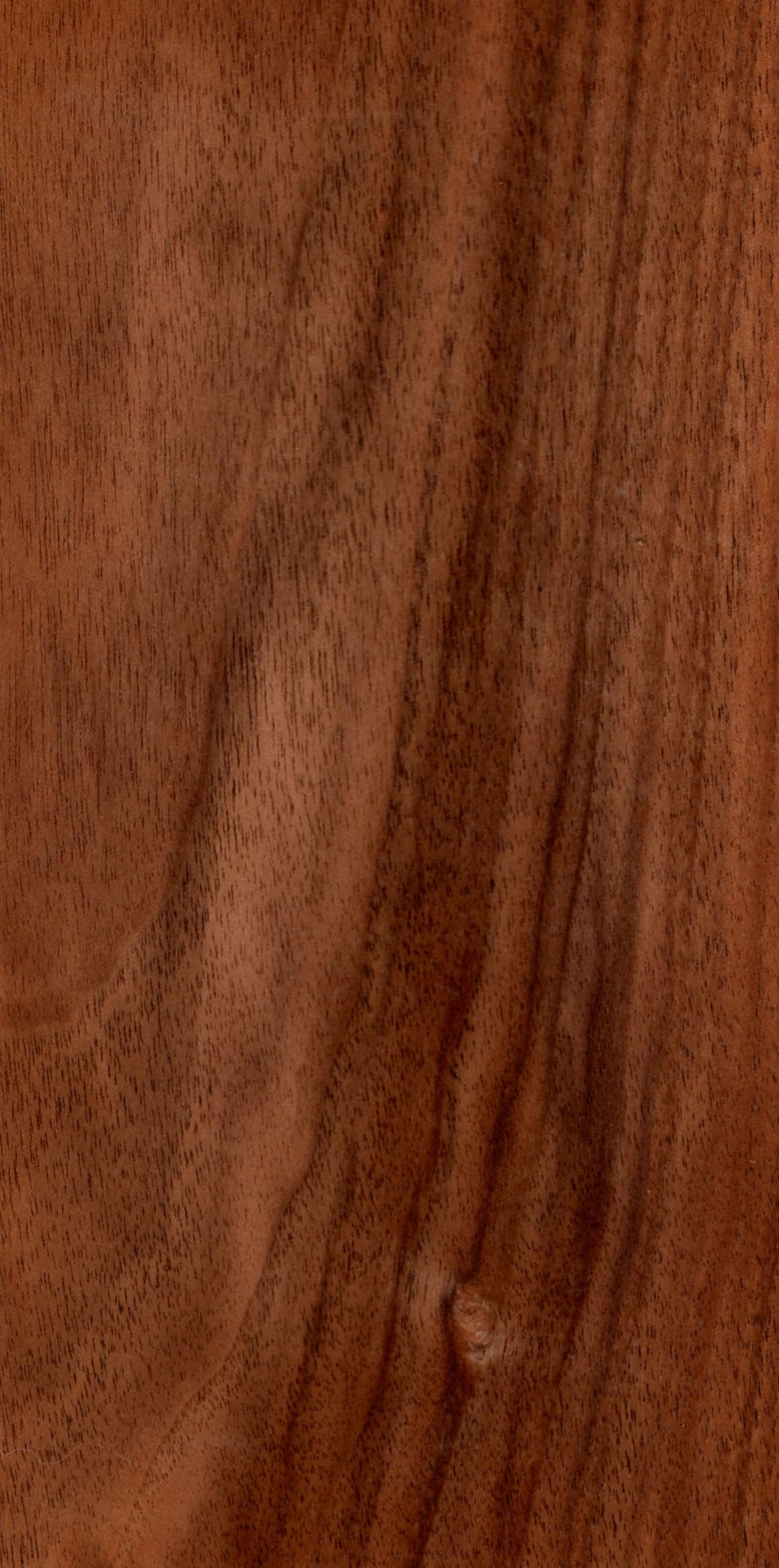
Heartwood ranges from light reddish-brown to a warmer chocolate tone, often with darker streaks and a greenish or olive cast in some boards. Sapwood is paler and clearly distinct. The grain is interlocked rather than straight, which produces a wild, partridge-like figure on flat-sawn faces and a ribbon stripe on quartered cuts. Texture is coarse and open-pored. Burr and crotch sections show some of the most dramatic figure of any European hardwood.

  • Reddish-brown to warm chocolate heartwood
  • Occasional olive or greenish cast
  • Pale, clearly distinct sapwood
  • Darker streaks and mineral lines common
  • Burr sections show dense, swirling figure
  • Interlocked grain, coarse texture.

Apstrāde

Apstrāde

Interlocked grain is the defining challenge. Plane with very sharp blades, take light cuts, and reduce cutter angles where possible, a 20 degree bevel-up plane or a high-angle bench plane (50–55 degrees) controls tearout well. Finish with a card scraper rather than fighting the planer. Sawing and routing are reasonable with sharp tooling, but expect to climb-cut on figured sections. Turning is enjoyable. Glue-up and screwing are straightforward. Steam-bending is where elm is unmatched: Windsor-chair seats and bow-backs are traditionally elm for good reason, and tight radii hold without splitting.

Apdare

The open, coarse pores benefit from grain filler if you want a glass-smooth surface; left unfilled, the texture reads as honest and tactile. Hard-wax oils and natural oils warm the colour and bring out the figure without flattening it. Water-based finishes keep the tone cooler and more contemporary. Sand methodically through the grits, interlocked grain can leave fine scratches if you skip steps. Test your finish on offcuts, as colour shift can be noticeable.

Žāvēšana

Elm has a reputation for being awkward to dry. Tangential movement is high relative to radial, and boards can twist, cup, or distort if rushed or poorly stickered. Slow, careful drying with consistent stickering and weight on the stack pays off. Once stable at service moisture content, it behaves well in interior conditions. Acclimatise boards in the workshop before final dimensioning.

Cik daudz tā kustēsies?

Mainoties gaisa mitrumam, koksne šķērsām platumam uzbriest un saraujas. Pirms stiprinājumu projektēšanas novērtējiet English Elm galda virsmas sezonālo koka kustību.

Griezums
Kur tā atradīsies

Paredzamā sezonālā koka kustība

aptuveni 9,1 mm

Stipriniet galda virsmu ar stiprinājumiem vai kronšteiniem rievās, nevis ar līmi vai cieši pievilktām skrūvēm.

Lineārā rukuma modelis: platums × (rukums ÷ 28% šķiedras piesātinājums) × sezonālā mitruma svārstība. English Elm izmanto 8% tangenciālais rukumu. Plānošanas aplēse, nevis garantija.

Cik tā maksā

Drošība un iegāde

  • Audzēta un cirsta Eiropā.
  • IUCN Sarkanā saraksta statuss: sugas globālais aizsardzības novērtējums.
  • Elm dust is a known sensitiser and can cause respiratory and skin irritation with repeated exposure. All hardwood dust is classified IARC Group 1 (carcinogenic to humans), so use proper extraction at the source, an FFP3 mask for sanding and routing, and keep workshop surfaces clean. The wood itself is safe for food-contact applications such as chopping boards and serving pieces once finished with a food-safe oil.

Lasīt pilno ceļvediPlašākas piezīmes par koksnes zīmējumu, krāsas maiņu, apstrādi un izmēru stabilitāti.+

What English Elm actually is#

Ulmus procera is defined by one structural property: its grain interlocks. Fibres run in alternating directions rather than parallel, layer by layer through the wood.

That single fact explains both why elm is prized and why it is difficult.

It is prized because interlocked grain resists splitting almost completely. A Windsor chair seat is bored with a dozen mortices close together and then has legs and a back driven into them; in almost any other timber it would split between the holes. Elm does not. The same property made it the traditional timber for wheel hubs, which take spokes radially under load, and for chopping blocks that are struck repeatedly.

It is difficult because the same reversing grain tears out under a plane, every few millimetres, in both directions.

The availability situation#

Dutch elm disease killed most mature elms across Europe from the 1960s onward, and the effect on supply was severe enough that a generation of makers stopped specifying it.

The IUCN lists Ulmus procera as Data Deficient, meaning there is insufficient information for a formal assessment rather than that the species is secure.

Elm has not disappeared. It regenerates vigorously from root suckers, and those regrowth trees reach modest size before the disease reaches them again. Standing dead timber and salvage continue to come to market.

Pircēju jautājumi

Pircēju jautājumi

Is elm still available after Dutch elm disease?

+

Yes, but the supply picture is unusual. Dutch elm disease killed most mature elms across Europe from the 1960s onward, and the IUCN lists Ulmus procera as Data Deficient. Trees still regenerate from suckers and reach modest size before the disease takes them again, and standing dead and salvaged timber continues to reach the market. Supply is real but irregular, and large clean boards are scarce.

Why is elm used for chair seats?

+

Interlocked grain. Elm fibres run in alternating directions, which makes the wood extremely resistant to splitting. That is exactly what a Windsor chair seat needs, because it is bored with many mortices close together and any other wood would split between them. The same property makes elm the traditional wood for wheel hubs and chopping blocks.

Is elm hard to plane?

+

Yes. The interlocked grain that stops it splitting also makes it tear out badly, because the grain direction reverses every few millimetres. Light cuts, very sharp tooling and a high angle plane or scraper for the final surface are essential. A helical cutterhead makes a large difference.

Can elm be used outdoors?

+

Mehāniskās īpašības

Tehniskie dati

Publicētas atsauces vērtības. Ja avoti atšķiras, parādīts diapazons, bet iepriekšējās skalās izmantota tipiskā vērtība.

Blīvums (kg/m³)Svars uz kubikmetru pie aptuveni 12% mitruma. Smagāka koksne parasti ir cietāka un stiprāka.500–620 kg/m³tipiskā vērtība 560 kg/m³
Janka cietība (N)Spēks, kas vajadzīgs, lai tērauda lodīti līdz pusei iespiestu koksnē. Standarta iespiedumu pretestības mērs.3,300–4,000 Ntipiskā vērtība 3680 N
MOR: lieces stiprība (MPa)Lieces stiprība: slodze, pie kuras sija lūst.65–85 MPa
MOE: elastības modulis (GPa)Lieces stingrība: cik daudz plaukts vai galda virsma izliecas zem slodzes.7.0–9.0 GPa
Radiālais rukumsRukums šķērsām augšanas gredzeniem no svaigi zāģēta līdz absolūti sausam stāvoklim. Šādi kustas radiāla griezuma dēļi.4.0–5.0 %
Tangenciālais rukumsRukums gar augšanas gredzeniem. Šādi kustas tangenciāla griezuma dēļi un vairums dēļu.
  • Coffin boards and traditional wheel hubs (heritage uses)
  • Priekšrocības

    • Droša saskarei ar pārtikuPiemērota dēļiem, bļodām un virsmām, kas saskaras ar pārtiku.
    • Labi liecasLiekšana ar tvaiku novērtēta ar 5 no 5. Var iegūt ciešus izliekumus.

    Pievērsiet uzmanību

    Native across Europe, with English Elm long associated with British hedgerow landscapes. Standing populations were decimated by Dutch elm disease from the 1960s onward, and most material on the market today comes from salvaged trunks, standing-dead recovery, or estate fellings. Each board carries the history of a tree that survived, or the story of one being put to good use after disease took it.

  • Native to Europe, but wild populations have been heavily reduced by Dutch elm disease since the 1960s and the IUCN currently lists status as Data Deficient. Standing healthy material is genuinely rare. Most slabs on the market come from salvage, standing-dead recovery, storm-felled trees, or estate fellings, which makes elm one of the more circular hardwoods to specify, but also means supply is irregular and piece-by-piece. No CITES restrictions apply. EUDR due diligence is in preparation and becomes mandatory for large operators from 30 December 2026, and KORENA is building each slab passport to carry its provenance.

  • English Elm: Miza
    Miza

    What this means practically: elm is available but irregular, sizes are modest, and large clean boards are genuinely scarce. Buy when you see the right piece rather than expecting to order it.

    Reading an elm slab#

    Elm is busy. It is ring porous with strong contrast between earlywood and latewood, and the grain is frequently wild and swirling, particularly near crotches.

    Colour runs light to mid reddish brown with paler sapwood.

    Burr elm, from burls and root crowns, is among the most decorative surfaces available from any European species, dense with swirling eyes and irregular figure. It is priced accordingly.

    Even plain elm reads considerably busier than oak, which is either the attraction or the objection.

    At the bench#

    Plan for tear-out. The interlocked grain reverses direction continuously, so no single planing direction works across a whole board.

    The answer is light cuts, very sharp tooling, and a high angle plane or a card scraper for the final surface. A helical cutterhead earns its cost on this species more than on almost any other here. On burr elm, hand finishing is normal.

    At 3,680 N it is soft, softer than oak by a good margin, so it is easy on tooling in terms of blunting even while being awkward in terms of grain.

    It glues and screws well, and the split resistance means it takes fastenings close to edges better than most.

    The durability oddity#

    Elm has one of the strangest durability profiles in this catalogue.

    In ordinary exposure it is decay class 5, perishable. It rots quickly in the wetting and drying cycle of normal outdoor use.

    Permanently waterlogged, it is exceptionally durable. Elm was the standard timber for water pipes, lock gates, pile foundations and harbour works for centuries, and elm piles under medieval structures survive today.

    Permanently wet works. Permanently dry works. The cycle between them does not.

    Movement#

    Volumetric shrinkage of 12.0 percent is moderate, with tangential at 7.0 percent against radial at 4.0 percent, a reasonable differential.

    Elm dries with a marked tendency to distort, though, driven by the interlocked grain rather than by the shrinkage figures. Weighting and careful stickering matter.

    Where English Elm is the right answer#

    Chair seats and any component bored with multiple close mortices, chopping blocks, turned work, and decorative slabs and panels where the bold figure or burr is the design intent. Also anything permanently submerged.

    It is the wrong answer for ordinary exterior use, for a quiet uniform surface, and where a large matched volume is needed.

    Sourcing and EUDR#

    Not CITES listed. Listed by the IUCN as Data Deficient, which KORENA displays as-is rather than interpreting. Supply is irregular and often comes from salvage and disease felling rather than managed forestry, so the chain behind a given slab is short and non-standardised. The yard and region are recorded on every listing.

    Elm has an unusual durability profile. It is rated decay class 5 in normal exposure, but it is exceptionally durable when permanently waterlogged, which is why it was used for water pipes, lock gates and pile foundations for centuries. Permanently wet or permanently dry both work; the wetting and drying cycle of ordinary outdoor use does not.

    What does the figure look like?

    +

    Bold and irregular. Elm is ring porous with strong growth ring contrast and often wild, swirling grain, particularly near crotches and burrs. Burr elm is among the most decorative surfaces available from any European species. Plain elm still reads far busier than oak.

    7.0–9.0 %
    Tilpuma rukumsKopējā tilpuma maiņa no svaigi zāģēta līdz absolūti sausam stāvoklim. Mazāka vērtība nozīmē labāku izmēru stabilitāti.12.0–14.0 %
    Dabiskā izturība (EN 350)Eiropas standarts dabiskajai izturībai pret trupi no 1 (ļoti izturīga) līdz 5 (neizturīga).Class 5 — Perishable

    Avoti

    • The Wood Database(skatīts 2026-05-09)
    • USDA FPL Wood Handbook FPL-GTR-190 (2010)(skatīts 2026-05-09)
    • Meier, E. — WOOD! Identifying and Using Hundreds of Woods Worldwide (2015)(skatīts 2026-05-09)

    Īsumā

    Visām KORENA uzskaitītajām sugām līmeņiem izmantoti vienādi diapazoni, tāpēc tos var tieši salīdzināt. Zem katra norādīta izmērītā vērtība.
    CietībaIzturība pret iespiedumiem un nodilumuSamērā mīksta

    Janka cietība 3680 N

    Par 26% mīkstāka nekā Eiropas ozols

    SvarsCik smagu dēli jāceļVidēja

    560 kg/m³

    Izmēru stabilitāteCik maz tā kustas gadalaiku ietekmēVidēja

    Tilpuma rukums 13,0%

    ApstrādeZāģēšana, ēvelēšana, slīpēšana un līmēšanaPrasīga

    Vidējais apstrādes vērtējums 3,4 / 5

    Lietošana ārāDabiskā izturība pret trupi, EN 350Tikai telpās

    EN 350 klase 5

    • Zāģēšana · LabaCik tīri to var sazāģēt un cik ļoti tā nolieto asmeņus.1 = sarežģīta · 5 = teicama
    • Ēvelēšana · LabaCik gluda paliek virsma un cik daudz šķiedru tiek izrauts.1 = sarežģīta · 5 = teicama
    • Slīpēšana · LabaCik ātri to var gludi noslīpēt, neaizsprostojot smilšpapīru.1 = sarežģīta · 5 = teicama
    • Virpošana · Ļoti labaKā tā griežas un iegūst apdari virpā.1 = sarežģīta · 5 = teicama
    • Griešana kokā · LabaCik precīzi tā saglabā detaļas, strādājot ar kaltu.1 = sarežģīta · 5 = teicama
    • Līmēšana · Ļoti labaCik uzticami turas līmētie savienojumi.1 = sarežģīta · 5 = teicama
    • Skrūvju / naglu noturība · Ļoti labaCik labi tā notur skrūves un naglas, neplaisājot.1 = sarežģīta · 5 = teicama
    • Liekšana ar tvaiku · TeicamaCik labi tā pēc tvaicēšanas iegūst izliekumu.1 = sarežģīta · 5 = teicama

    Pašreizējā English Elm kokmateriālu cena Eiropā par kubikmetru bez PVN. Pieskarieties cenai, lai skatītu sīkāku informāciju.

    • Labākie baļķi izsolēAtlasīti augstas kvalitātes baļķi, kas pārdoti slēgta piedāvājuma izsolēs, galvenokārt finiera ražotājiem un mēbeļu galdniekiem. No šādiem baļķiem zāģē dēļus.Lielākā daļa cenu ir no 244 € līdz 830 €.Aprēķināts no 71 cenas 2 reģionos.Jaunākie dati: 2026. g. 21. sept.
    • Standarta baļķiLieli standarta apaļo kokmateriālu apjomi, ko mežu īpašnieki un valsts mežsaimniecības pārdod galvenokārt būvniecībai un rūpniecībai.Lielākā daļa cenu ir no 34 € līdz 89 €.Aprēķināts no 43 cenām 2 reģionos.Jaunākie dati: 2026. g. 24. sept.

    Labākie baļķi izsolē pēc valsts

    • Austrija · 830 € / m³Reģioni: Austria27 cenasJaunākie dati: 2026. g. 21. sept.
    • Vācija · 336 € / m³Reģioni: Bavaria44 cenasJaunākie dati: 2026. g. 21. sept.

    Kāpēc dēlis maksā vairāk?

    Šīs ir neapstrādātu kokmateriālu cenas. Dēlis ir labākais baļķa griezums, kas kaltēts vismaz gadu un pēc tam pārbaudīts un izmērīts pa vienam gabalam. Par dēli kļūst tikai neliela baļķa daļa.

    Avots: KORENA kokmateriālu indekss · Jaunākie dati: 2026. g. 24. sept.

    Skatīt visas reģionālās cenas
    Nav piemērota neapstrādātai lietošanai ārā
    Dabiskā izturība atbilst EN 350 klasei 5 no 5. Turiet telpās vai zem uzturēta aizsargpārklājuma.
  • Putekļi kairinaSlīpējot vai apstrādājot, ieslēdziet nosūcēju un valkājiet masku.
  • Pieskarieties apzīmējumam, lai skatītu sīkāk.