KORENA
KoksneFinished piecesPiederumiNoliktavasŽurnāls

Saņemiet paziņojumus

Katrs dēlis ir vienreizējs eksemplārs. Kad tas pārdots, cita tāda nav. Mēs nosūtīsim e-pastu, kad tiks publicēti jauni gabali: svaigi papildinājumi, jaunas koku sugas un projekta aprakstam atbilstoši dēļi.

Daži e-pasta ziņojumi mēnesī. Nekāda surogātpasta, abonementu var atcelt jebkurā laikā.

KORENA, augstākās kvalitātes lapu koku koksne

Pa vienam gabalam.

Pārbaudīta augstākās kvalitātes lapu koku koksne, ko pārdod pa vienam gabalam. Katrs dēlis tiek fotografēts, izmērīts un nosūtīts no partnera noliktavas kopā ar koksnes pasi.

Veikals

  • Skatīt produktus
  • Pārdoto dēļu arhīvs
  • Izsekot pasūtījumu

Uzzināt

  • Žurnāls
  • Sugu ceļveži
  • Terminu vārdnīca
  • Salīdzināt
  • Autori

Palīdzība

  • Par mums
  • Kā tas darbojas
  • Pievienot partnera noliktavu
  • Atrast dēli
  • Atbalsts
  • Dokumentu veidnes
  • Presei

Pirkšana

  • Pārdošanas noteikumi
  • Atteikuma tiesības
  • Atgriešana un juridiskā atbilstības garantija
  • Nosūtīšana un piegāde

Uzticamība

  • Privātuma politika
  • Sīkdatņu politika
  • Koksnes izcelsme un EUDR
  • Piekļūstamība

Rekvizīti

  • Juridiskais paziņojums / rekvizīti
  • Pieņemamas lietošanas noteikumi
  • Intelektuālais īpašums un saturs

© 2026 KORENA. Visas tiesības paturētas.

Pārvalda Martial Labs Ltd. (BG, EIK 207453941). KORENA ir Martial Labs Ltd. tirdzniecības nosaukums.

Mēs cienām jūsu privātumu

Mēs izmantojam obligātās sīkdatnes, lai vietne darbotos. Ar jūsu atļauju izmantosim arī analītikas, personalizēta satura un reklāmu sīkdatnes. Jebkurā laikā varat mainīt izvēli lapā piekrišanas iestatījumi. Skatiet mūsu sīkdatņu politiku un privātuma politiku.

  1. Sākums
  2. /
  3. Koku sugas
  4. /
  5. European Yew

Taxus baccata

European Yew

Rare, culturally significant, and exceptionally durable. Dramatic orange-red heartwood against cream sapwood, and the wood of the English longbow.

  • Audzēta un cirsta Eiropā.
  • Botāniskā grupa. Skujkoki ir koniferi, bet lapu koki ir platlapji.
  • Botāniskā dzimta, kurai pieder suga.
Paziņot, kad būs pieejamsAtsauces suga. Pašlaik noliktavā nav pieejamu gabalu.
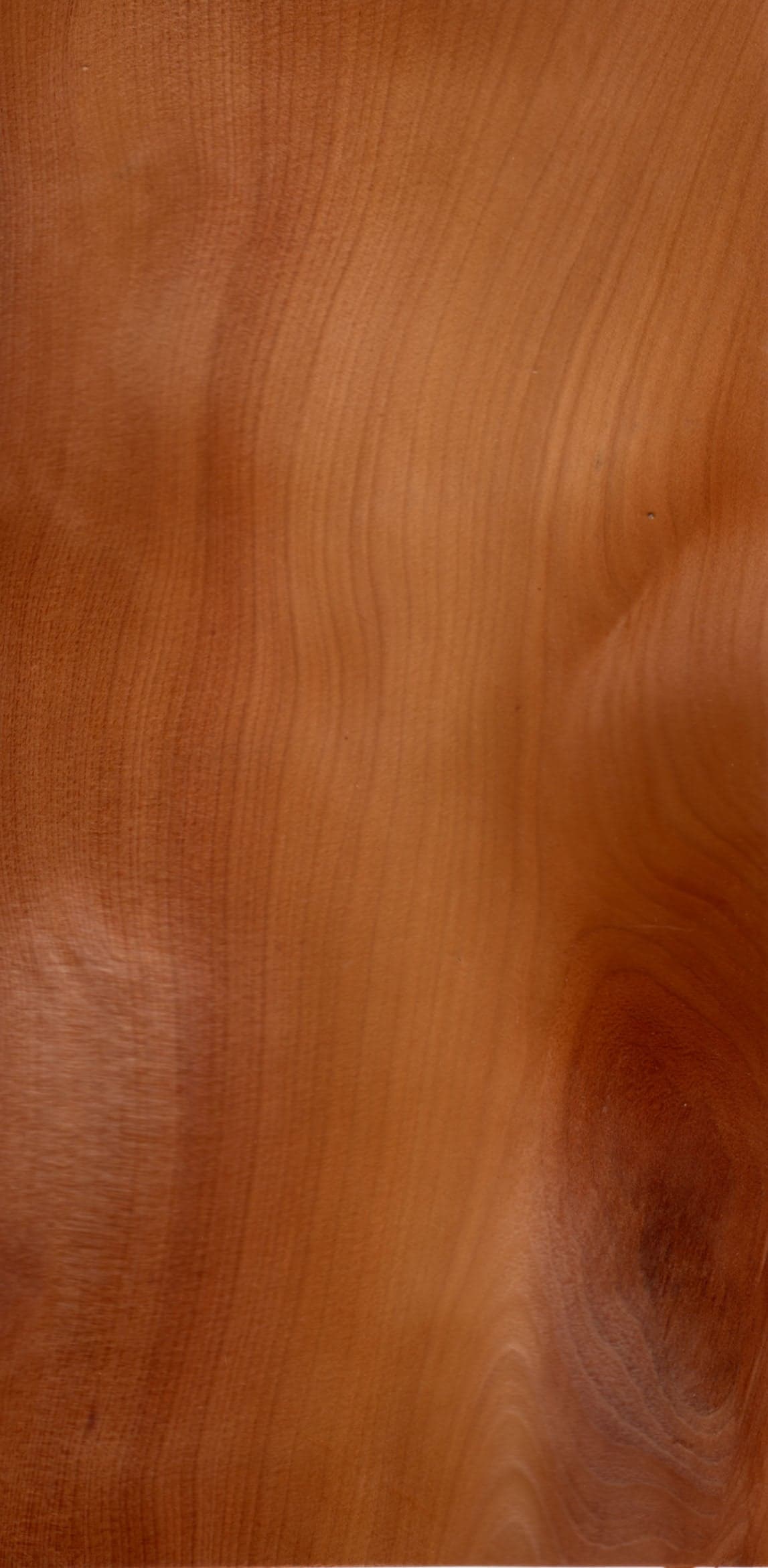
European Yew šķiedra
  • Piemērotība projektam
  • Pieejams noliktavā
  • Izskats
  • Apstrāde
  • Koka kustība
  • Cena
  • Drošība un iegāde
  • Jautājumi
  • Tehniskie dati

Vai tā ir piemērota jūsu projektam?

Lieliski piemērota

  • Turned bowls, vessels, and spindles (a traditional turner's wood)
  • Longbows and traditional archery stock
  • Decorative wall panels and feature surfaces
  • Cabinet accents, drawer fronts, and inlay
  • Small statement furniture, side tables, stools, lamp bases
  • Carved and sculptural pieces

Pašreizējā kolekcijā nav European Yew

Līdzīgas sugas noliktavā

Pašlaik nav European Yew. Šīs sugas ir piemērotas tiem pašiem projektiem, un to gabali ir pieejami.

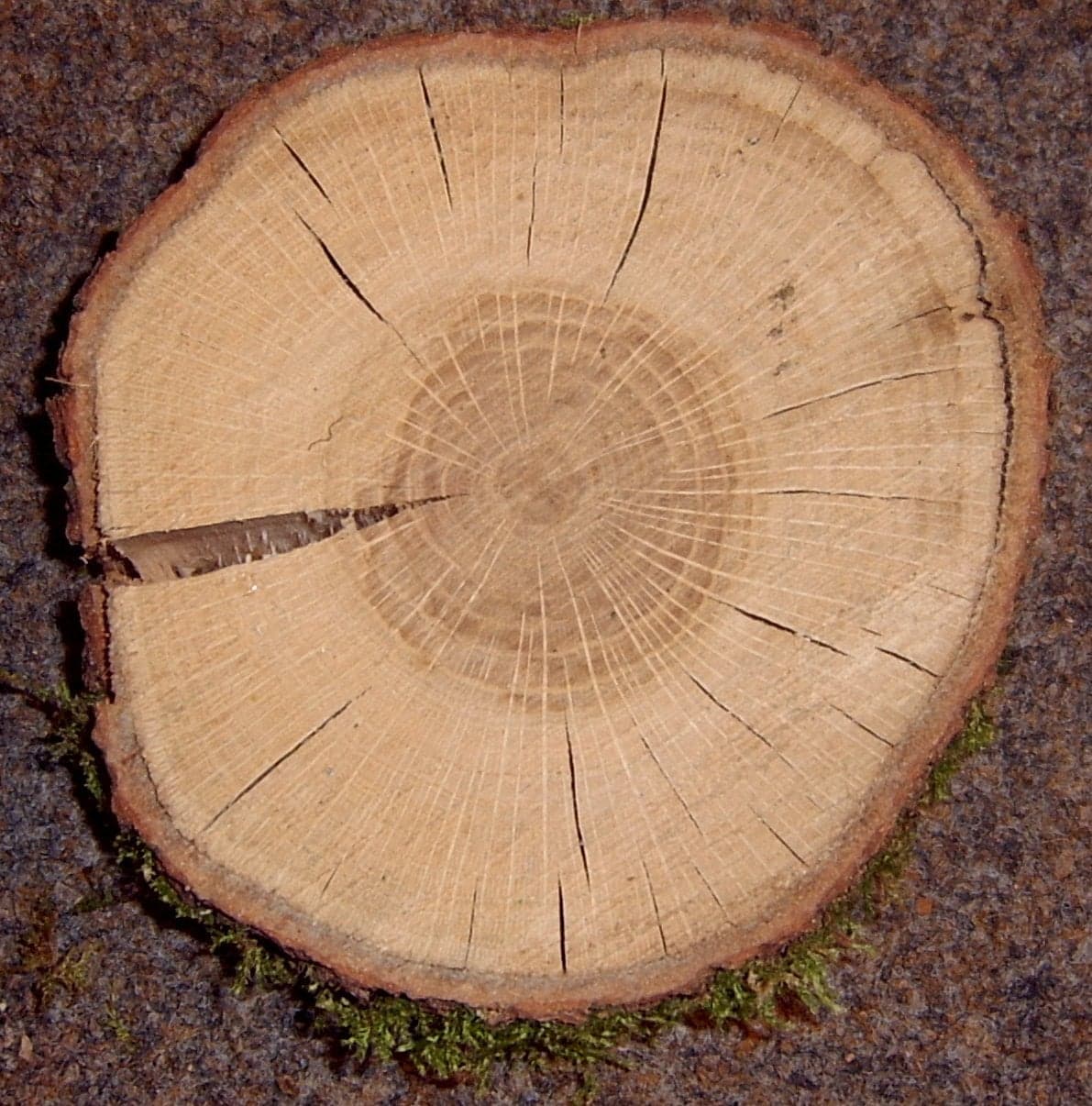
  • European Walnut šķiedra

    European Walnut

    Juglans regia

    9 gabali

  • European Oak šķiedra

    European Oak

    Quercus robur

    6 gabali

  • Saman šķiedra

    Saman

    Samanea saman

    4 gabali

Saņemt paziņojumus par European Yew

Mēs nosūtīsim e-pasta ziņojumu, kad KORENA būs pieejami jauni European Yew dēļi. Katrs gabals ir vienreizējs eksemplārs, tāpēc ir vērts uzzināt laikus.

Daži e-pasta ziņojumi mēnesī. Nekāda surogātpasta, abonementu var atcelt jebkurā laikā.

Koksnes izskats

Kā tā izskatās

Sharp two-tone contrast: warm orange-red to honey-brown heartwood beside pale cream sapwood. Grain is generally straight but often irregular around frequent pin knots and burl figure. Texture is fine and even, with a natural lustre that deepens under oil. Boards are typically narrow and full of incident, sweeping sapwood lines, knot clusters, and occasional burl pockets are the norm, not the exception.

  • Heartwood: warm orange-red to honey-brown, ambering over time
  • Sapwood: pale cream to near-white, sharply defined against the heart
  • Frequent pin knots and burl figure, often clustered
  • Natural lustre that deepens under oil and wax
  • Strong two-tone contrast that softens but never disappears with age
  • Generally straight, often irregular; fine even texture.

Apstrāde

Apstrāde

Turns superbly, one of the great turning woods, prized for centuries. Saws and sands cleanly. Planing is the catch: interlocked grain around knots tears easily, so take light passes with a sharp, high-angle iron or scrape. Holds detail well in carving. Glues and screws without fuss. Steam-bends well, which is why it became the longbow wood.

Apdare

Takes oil and wax beautifully, a thin oil coat ignites the orange-red heartwood without muddying the cream sapwood. Sands to a near-polished surface straight off the belt. Watch for resin pockets that can bleed under film finishes; seal first with shellac if you plan to lacquer. The colour darkens and ambers over time; UV-stable topcoats slow the shift but won't stop it.

Žāvēšana

Dries slowly but with very little movement once stable, shrinkage is among the lowest of any European species. End-checks and surface checks are the main risks during initial drying; slabs from fallen trees often arrive with existing checks that should be stabilised before milling final thickness.

Cik daudz tā kustēsies?

Mainoties gaisa mitrumam, koksne šķērsām platumam uzbriest un saraujas. Pirms stiprinājumu projektēšanas novērtējiet European Yew galda virsmas sezonālo koka kustību.

Griezums
Kur tā atradīsies

Paredzamā sezonālā koka kustība

aptuveni 6,1 mm

Stipriniet galda virsmu ar stiprinājumiem vai kronšteiniem rievās, nevis ar līmi vai cieši pievilktām skrūvēm.

Lineārā rukuma modelis: platums × (rukums ÷ 28% šķiedras piesātinājums) × sezonālā mitruma svārstība. European Yew izmanto 5,3% tangenciālais rukumu. Plānošanas aplēse, nevis garantija.

Cik tā maksā

Drošība un iegāde

  • Audzēta un cirsta Eiropā.
  • IUCN Sarkanā saraksta statuss: sugas globālais aizsardzības novērtējums.
  • Yew is toxic. Taxine alkaloids are present throughout the tree, needles, bark, and seeds are dangerous, and the wood itself is a documented sensitiser. Heavy dust exposure has been linked to cardiac and CNS effects. Wear a fitted respirator, run extraction, and keep offcuts away from animals and children. NOT food-safe. Do not use for cutting boards, chopping blocks, utensils, serving boards, or any surface in contact with food or drink. Treat it as a decorative and structural wood only.

Lasīt pilno ceļvediPlašākas piezīmes par koksnes zīmējumu, krāsas maiņu, apstrādi un izmēru stabilitāti.+

What European Yew actually is#

Taxus baccata is a conifer that behaves like nothing else. At 6,760 N Janka it is harder than oak, ash or hard maple. At decay class 1 it is the most durable species in this catalogue alongside robinia. And it carries a colour that no other European timber approaches: vivid orange-red to purple-brown heartwood against narrow cream sapwood.

KORENA lists it as a hardwood on the basis of how it works and performs, though botanically it is a softwood. Treating it as a softwood at the bench would give you entirely the wrong expectations.

It is also poisonous, which governs a good deal of how it should be handled.

The toxicity, which is not a footnote#

Almost every part of the yew tree contains taxine alkaloids, which are cardiotoxic. The dust is a documented irritant and sensitiser, and the wood is recorded here as not food safe.

The practical rules are simple and worth following without exception. Run extraction and wear a mask when machining. Never use yew for chopping boards, food contact surfaces, drinking vessels or utensils. Keep shavings and offcuts away from animals, for which yew ingestion is frequently fatal, and never put them in bedding, mulch or compost.

None of this makes yew unsafe to own or to use in furniture. Finished, sealed yew is not a hazard. The risk is in the dust and the offcuts.

Pircēju jautājumi

Pircēju jautājumi

Is yew poisonous to work with?

+

Yes, and this needs taking seriously. Almost every part of the tree contains taxine alkaloids, which are cardiotoxic. The dust is a documented irritant and sensitiser, and yew is recorded here as not food safe. Run extraction, wear a mask, never use it for food contact or drinking vessels, and keep shavings away from animals, for which yew is often fatal.

Why is yew so expensive?

+

Slow growth, small sizes and high wastage. Yew grows very slowly, trunks are often hollow or fluted rather than round, and the proportion of clean usable timber from a log is low. Add high demand from turners and furniture makers for its colour and figure, and prices stay well above other European species.

How durable is it really?

+

Decay class 1, very durable, the highest rating in this catalogue alongside robinia. Yew heartwood is exceptionally resistant to rot and insect attack, which is why yew fence posts and structures survive for generations and why it was used for water pipes and boat parts.

Is it a softwood or a hardwood?

+

Botanically yew is a conifer and therefore a softwood, but it behaves nothing like one. At 6,760 N Janka it is harder than oak, ash or maple, and it is denser and more durable than most hardwoods here. KORENA classifies it as hardwood in the catalogue on the basis of how it works and performs rather than its botany.

Mehāniskās īpašības

Tehniskie dati

Publicētas atsauces vērtības. Ja avoti atšķiras, parādīts diapazons, bet iepriekšējās skalās izmantota tipiskā vērtība.

Blīvums (kg/m³)Svars uz kubikmetru pie aptuveni 12% mitruma. Smagāka koksne parasti ir cietāka un stiprāka.580–720 kg/m³tipiskā vērtība 675 kg/m³
Janka cietība (N)Spēks, kas vajadzīgs, lai tērauda lodīti līdz pusei iespiestu koksnē. Standarta iespiedumu pretestības mērs.6,300–7,100 Ntipiskā vērtība 6760 N
MOR: lieces stiprība (MPa)Lieces stiprība: slodze, pie kuras sija lūst.90–115 MPa
MOE: elastības modulis (GPa)Lieces stingrība: cik daudz plaukts vai galda virsma izliecas zem slodzes.9.5–11.0 GPa
Radiālais rukumsRukums šķērsām augšanas gredzeniem no svaigi zāģēta līdz absolūti sausam stāvoklim. Šādi kustas radiāla griezuma dēļi.3.0–4.0 %
Tangenciālais rukumsRukums gar augšanas gredzeniem. Šādi kustas tangenciāla griezuma dēļi un vairums dēļu.

Achim Raschka (talk), via Wikimedia Commons

  • Veneers and book-matched panels
  • Priekšrocības

    • Izturīga ārāEN 350 klase 1 no 5: bez apstrādes pretojas trupei ārā.
    • Ļoti laba izmēru stabilitāteNeliela sezonālā koka kustība. Piemērota platām galda virsmām un ciešiem savienojumiem.

    Native across Europe, but standing yew is scarce. Ancient churchyard and estate yews are protected; commercial slabs come almost entirely from felled or fallen estate trees. Expect small, character-heavy boards rather than long clean stock.

  • IUCN Least Concern and not CITES-listed, but slow-grown and culturally protected across much of Europe. Most marketplace yew is salvage from estate fellings, storm-fall, or managed thinning of younger plantation stock. Ask about provenance, a clean DDS matters more here than with faster-growing species.

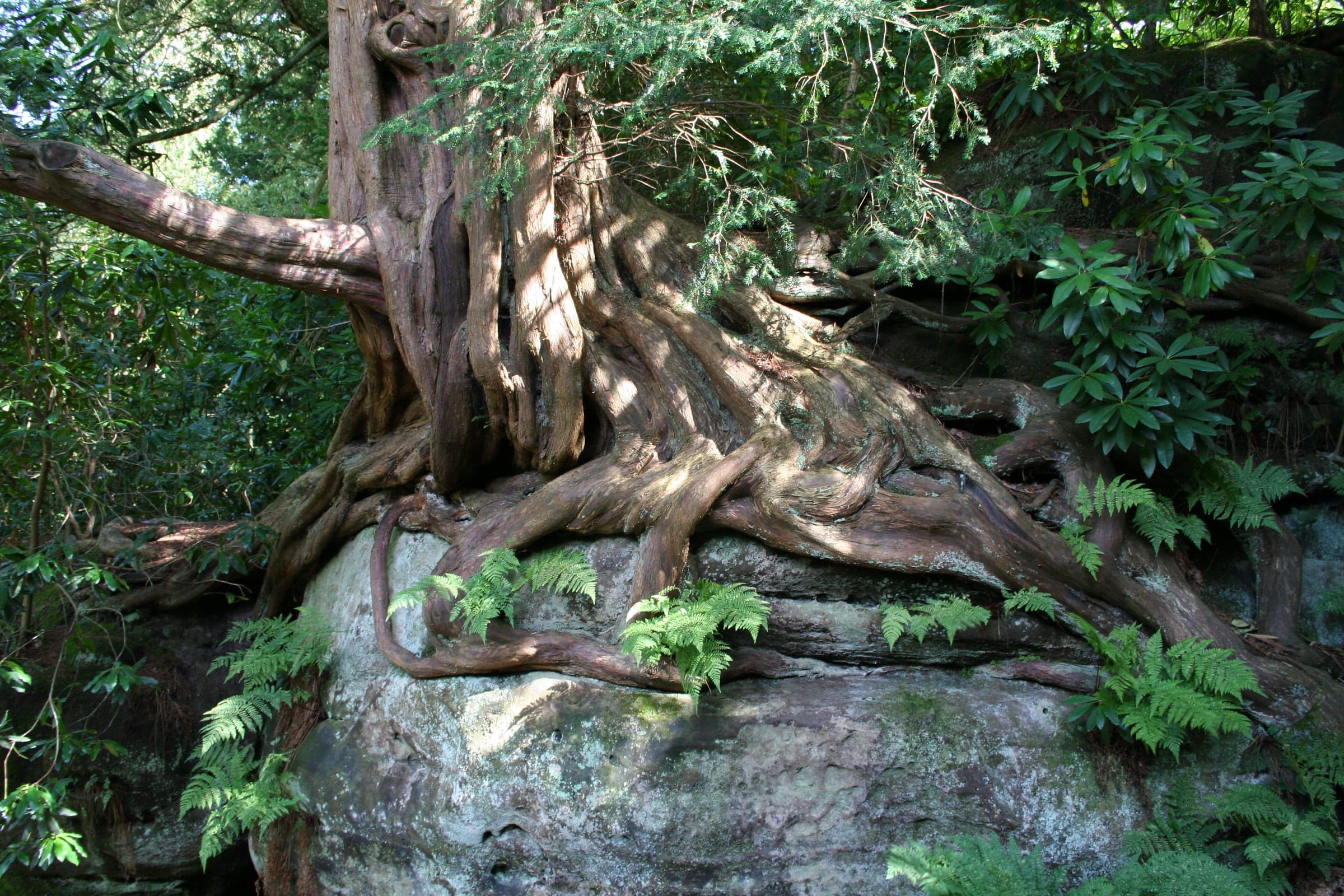
  • European Yew koks

    Marco Schmidt [1], via Wikimedia Commons

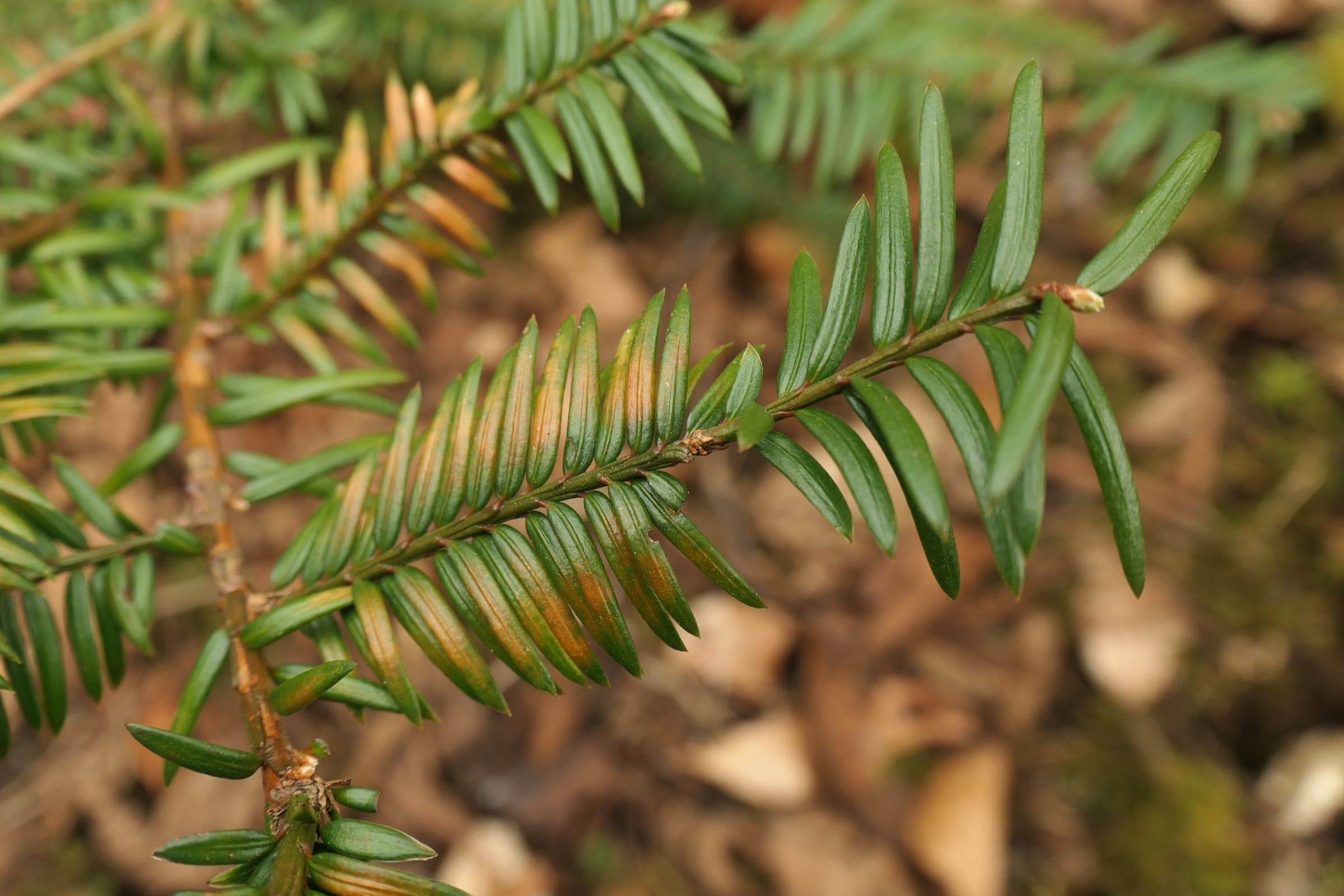
    European Yew: Lapa
    Lapa
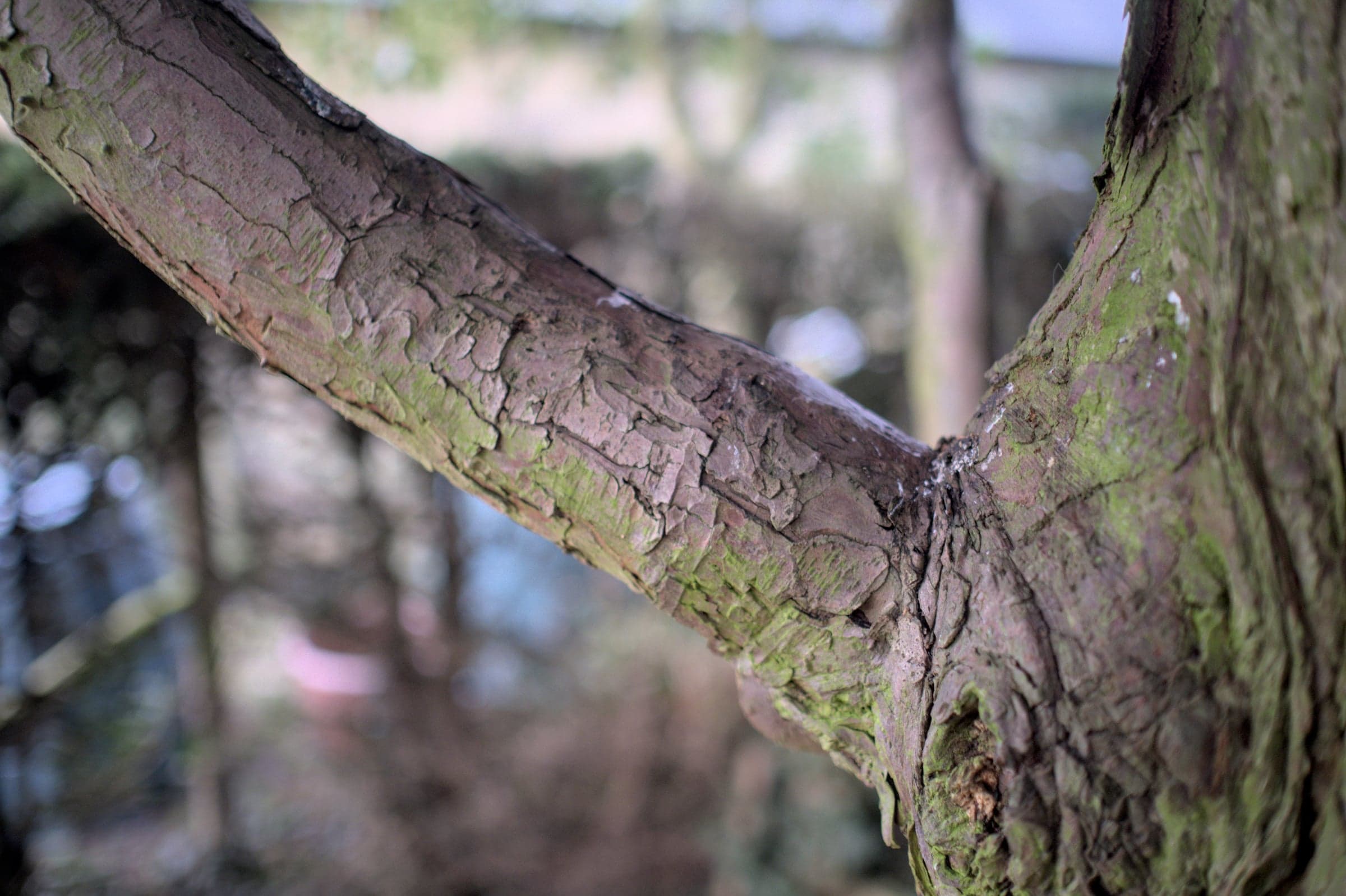
    European Yew: Miza
    Miza

    Reading a yew slab#

    The contrast is the point. Heartwood runs orange-red through to purple-brown, sometimes almost violet when freshly cut, against sapwood that is nearly white. On a live edge slab that pale band is usually left in place, and it is the defining feature.

    Yew is rarely plain. Expect frequent knots, wavy and interlocked grain, and pippy or burr sections. Trunks are often hollow or deeply fluted rather than round, so boards are irregular and wide clean lengths are genuinely scarce.

    That irregularity is most of the appeal and most of the price.

    At the bench#

    Yew works well for its hardness but the grain will fight you. Knots are frequent and hard, wavy grain reverses direction, and burr sections tear out readily.

    Light cuts, very sharp tooling, and a scraper or high angle plane for the final surface. On burr and pippy material, hand finishing is normal.

    It turns superbly, which is why yew is a favourite among bowl turners, and it takes a fine polished surface directly from the tool. It glues and finishes well, and oil finishes intensify the orange dramatically.

    The colour deepens and mellows with light exposure toward a richer red brown.

    Stability#

    Volumetric shrinkage of 7.8 percent is the second lowest in this catalogue after Saman, with tangential at 4.8 percent against radial at 3.0 percent. Both the total and the differential are low.

    That means yew is dimensionally very well behaved, which combined with its durability explains why it survives in structures and objects for centuries. Drying is slow given the density and irregular form, but the dried wood is stable.

    Where European Yew is the right answer#

    Turned work above all, plus fine furniture, decorative slabs, veneer and any piece where the colour carries the design. Its durability and stability also suit exterior work where the cost is justified, and it was historically used for gate posts, water pipes and boat parts.

    The longbow association is real: yew's combination of compressive strength in the heartwood and tensile strength in the sapwood is what made the English longbow work, with the two layers doing different jobs.

    It is the wrong answer for food contact, for large matched volumes, and for anyone unwilling to manage the dust properly.

    Sourcing and EUDR#

    Not CITES listed and assessed as Least Concern, though slow growth and small sizes mean supply is limited and much of it comes from garden, churchyard and estate felling rather than forestry. Provenance documentation deserves attention here, and KORENA records the yard and region on every listing.

    The sapwood, and why it stays#

    On almost every species in this catalogue, sapwood is the part you cut off. On yew it is usually the part you keep.

    Yew sapwood is narrow, near white, and sits in sharp contrast against orange-red heartwood. On a turned bowl or a slab edge that pale band is the single most striking feature the wood offers, and removing it removes most of the visual reason for choosing yew.

    It is also structurally interesting. Yew sapwood is elastic and strong in tension while the heartwood is strong in compression, and the English longbow exploited exactly that: the bow was cut so the sapwood formed the back and the heartwood the belly, giving a natural composite that no single layer could match.

    The one caution is durability. The decay class 1 rating applies to the heartwood. Yew sapwood is not durable, so on any exterior piece it is a sacrificial edge rather than a protected one.

    Hollow trunks and what they mean for slabs#

    Mature yew very commonly grows hollow, and old trees are often little more than a shell of living wood around an open centre.

    For the tree this is normal and not a sign of ill health. For the timber buyer it means yields are low, boards are irregular, and a wide clean yew slab is genuinely rare.

    It also means much yew comes to market in short, wide, irregular pieces rather than long boards, which suits turning, boxes and small slabs better than furniture in long lengths.

    What makes the figure so distinctive?

    +

    The sharp contrast between narrow cream sapwood and vivid orange-red to purple-brown heartwood, combined with frequent knots, wavy grain and pippy or burr sections. Yew is rarely plain. That irregularity is part of the appeal and part of why clean straight lengths are so scarce.

    4.8–5.8 %
    Tilpuma rukumsKopējā tilpuma maiņa no svaigi zāģēta līdz absolūti sausam stāvoklim. Mazāka vērtība nozīmē labāku izmēru stabilitāti.7.8–8.8 %
    Dabiskā izturība (EN 350)Eiropas standarts dabiskajai izturībai pret trupi no 1 (ļoti izturīga) līdz 5 (neizturīga).Class 1 — Very durable

    Avoti

    • The Wood Database(skatīts 2026-05-09)
    • USDA FPL Wood Handbook FPL-GTR-190 (2010)(skatīts 2026-05-09)
    • Meier, E. — WOOD! Identifying and Using Hundreds of Woods Worldwide (2015)(skatīts 2026-05-09)

    Īsumā

    Visām KORENA uzskaitītajām sugām līmeņiem izmantoti vienādi diapazoni, tāpēc tos var tieši salīdzināt. Zem katra norādīta izmērītā vērtība.
    CietībaIzturība pret iespiedumiem un nodilumuCieta

    Janka cietība 6760 N

    Par 36% cietāka nekā Eiropas ozols

    SvarsCik smagu dēli jāceļSmaga

    675 kg/m³

    Izmēru stabilitāteCik maz tā kustas gadalaiku ietekmēĻoti laba izmēru stabilitāte

    Tilpuma rukums 8,3%

    ApstrādeZāģēšana, ēvelēšana, slīpēšana un līmēšanaViegla

    Vidējais apstrādes vērtējums 4,0 / 5

    Lietošana ārāDabiskā izturība pret trupi, EN 350Ārā, ilgs kalpošanas laiks

    EN 350 klase 1

    • Zāģēšana · Ļoti labaCik tīri to var sazāģēt un cik ļoti tā nolieto asmeņus.1 = sarežģīta · 5 = teicama
    • Ēvelēšana · LabaCik gluda paliek virsma un cik daudz šķiedru tiek izrauts.1 = sarežģīta · 5 = teicama
    • Slīpēšana · Ļoti labaCik ātri to var gludi noslīpēt, neaizsprostojot smilšpapīru.1 = sarežģīta · 5 = teicama
    • Virpošana · TeicamaKā tā griežas un iegūst apdari virpā.1 = sarežģīta · 5 = teicama
    • Griešana kokā · Ļoti labaCik precīzi tā saglabā detaļas, strādājot ar kaltu.1 = sarežģīta · 5 = teicama
    • Līmēšana · Ļoti labaCik uzticami turas līmētie savienojumi.1 = sarežģīta · 5 = teicama
    • Skrūvju / naglu noturība · Ļoti labaCik labi tā notur skrūves un naglas, neplaisājot.1 = sarežģīta · 5 = teicama
    • Liekšana ar tvaiku · Ļoti labaCik labi tā pēc tvaicēšanas iegūst izliekumu.1 = sarežģīta · 5 = teicama
    Labi liecas
    Liekšana ar tvaiku novērtēta ar 4 no 5. Var iegūt ciešus izliekumus.
  • Piemērota iesācējiemViegli apstrādājama uz sola un nav tik cieta, lai pārmērīgi nolietotu instrumentus.
  • Pievērsiet uzmanību

    • Putekļi kairinaSlīpējot vai apstrādājot, ieslēdziet nosūcēju un valkājiet masku.
    • Nav paredzēta saskarei ar pārtikuGriešanas dēļiem un servēšanas piederumiem izvēlieties citu sugu.

    Pieskarieties apzīmējumam, lai skatītu sīkāk.

    European Yew tirgus atsauces cenas vēl nav. Katra KORENA gabala cenu individuāli nosaka partnera noliktava.