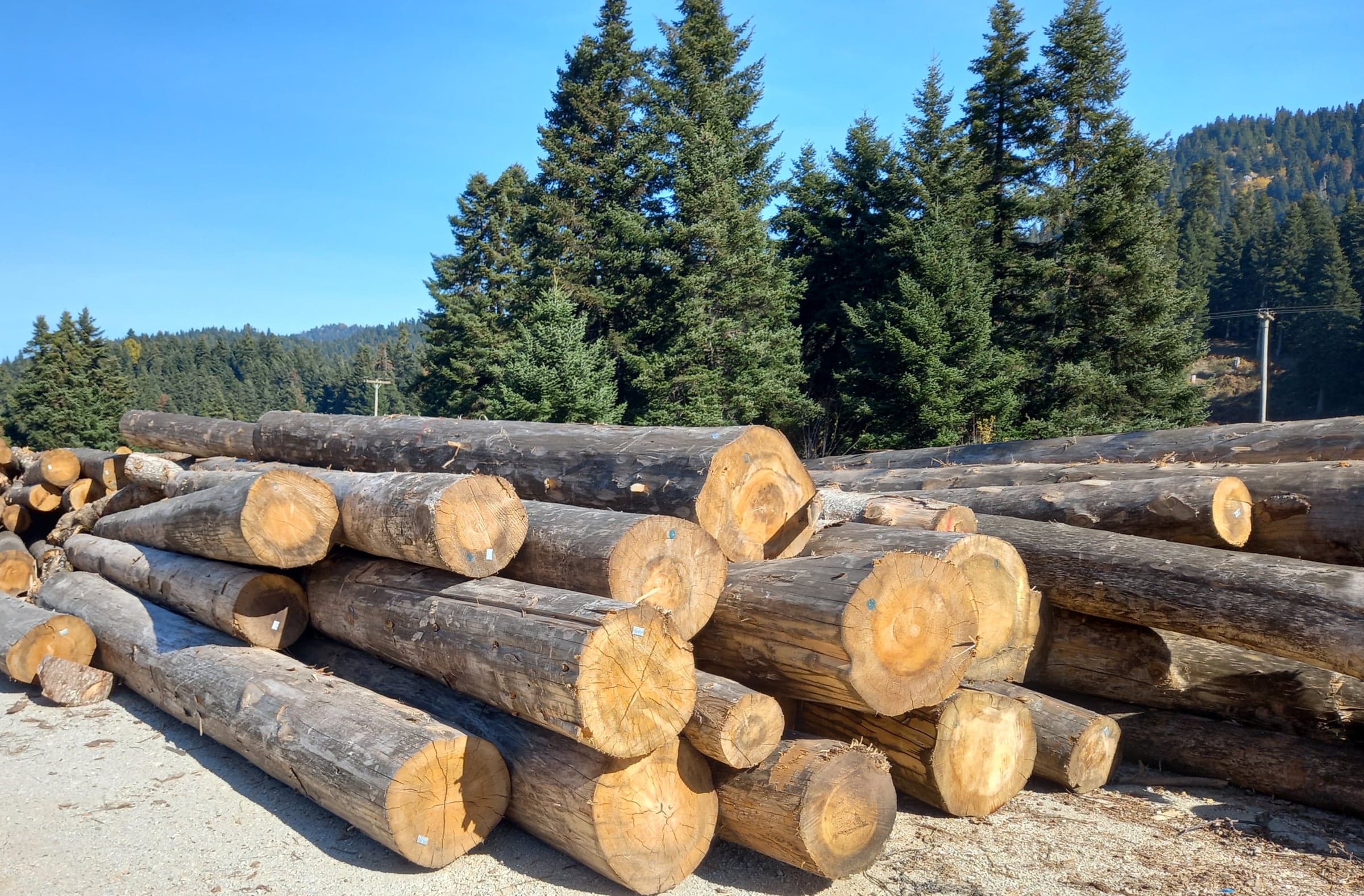
Abies cephalonica
A Greek mountain endemic with almost no published property data. Bought for provenance and rarity rather than performance figures.
Par šo sugu publicēto atsauces datu ir par maz, lai norādītu riskus. Pirms pirkuma pajautājiet mums par savu projektu.
Pašlaik nav Greek Fir. Šīs sugas ir piemērotas tiem pašiem projektiem, un to gabali ir pieejami.
Mēs nosūtīsim e-pasta ziņojumu, kad KORENA būs pieejami jauni Greek Fir dēļi. Katrs gabals ir vienreizējs eksemplārs, tāpēc ir vērts uzzināt laikus.
Koksnes izskats
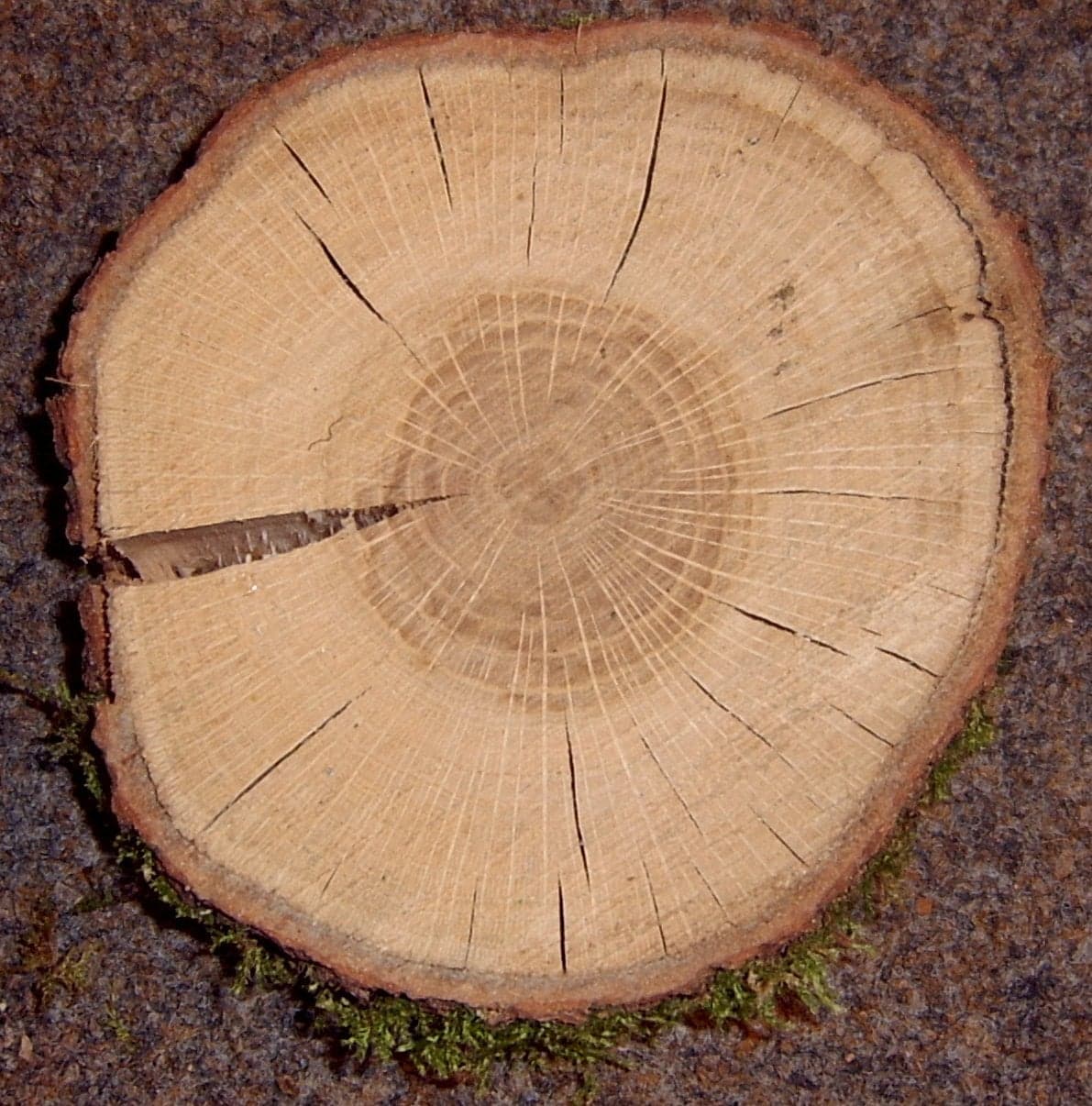
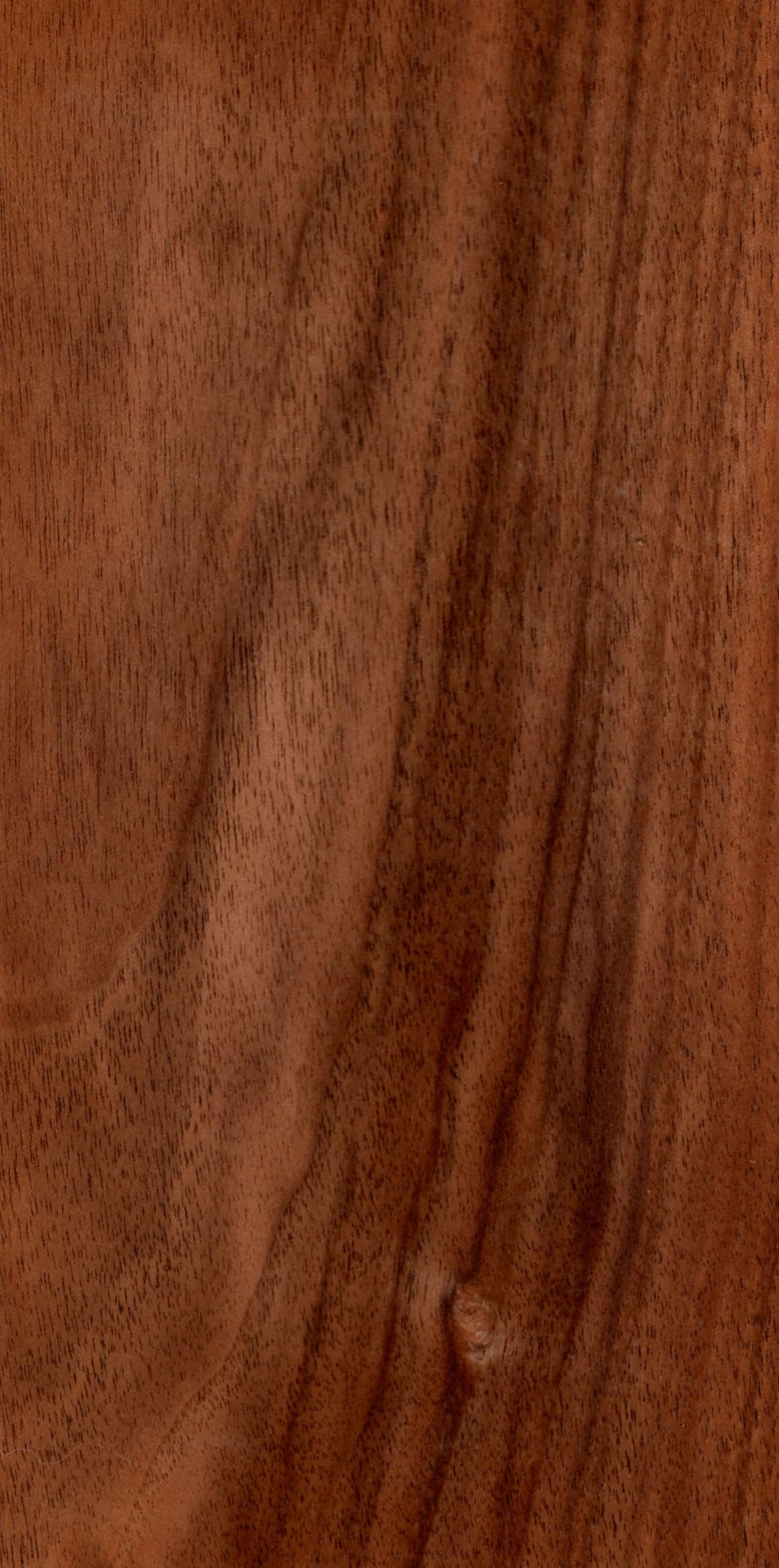
Pale, near white to light straw, closely resembling Silver Fir to which it is related. Like all true firs it has no resin canals, so there are no resin pockets. Growth rings are moderately tight from mountain conditions. It is a quiet, plain wood without strong figure, and its interest lies in its origin rather than its appearance.
Apstrāde
No workability data is published for this species in the references KORENA cites. True firs in the Abies genus are generally soft and easy to cut with both hand and machine tools, and the absence of resin canals means no gumming. Treat it as behaving broadly like Silver Fir, verify on an offcut before committing, and expect the softness of the genus to demand sharp cutters to avoid crushing the earlywood.
Expect it to behave like Silver Fir, which takes stain and finish better than spruce because there are no resin canals to interfere. It is a reasonable candidate for a painted finish given the fine even texture. Test on an offcut first, since no species specific finishing guidance is published.
No published drying schedule or shrinkage data is available for this species from the references KORENA cites. Given its close relationship to Silver Fir, conservative handling is the sensible approach: air dry where possible, avoid aggressive kiln schedules, and let the slab acclimatise fully in its final room before flattening. The measured moisture value on each KORENA listing is the reliable figure for a given board.
Greek Fir tirgus atsauces cenas vēl nav. Katra KORENA gabala cenu individuāli nosaka partnera noliktava.
Species in the Abies genus have been reported to cause skin irritation, though severe reactions are uncommon. Standard dust extraction and a P2 mask during extended machining are appropriate.
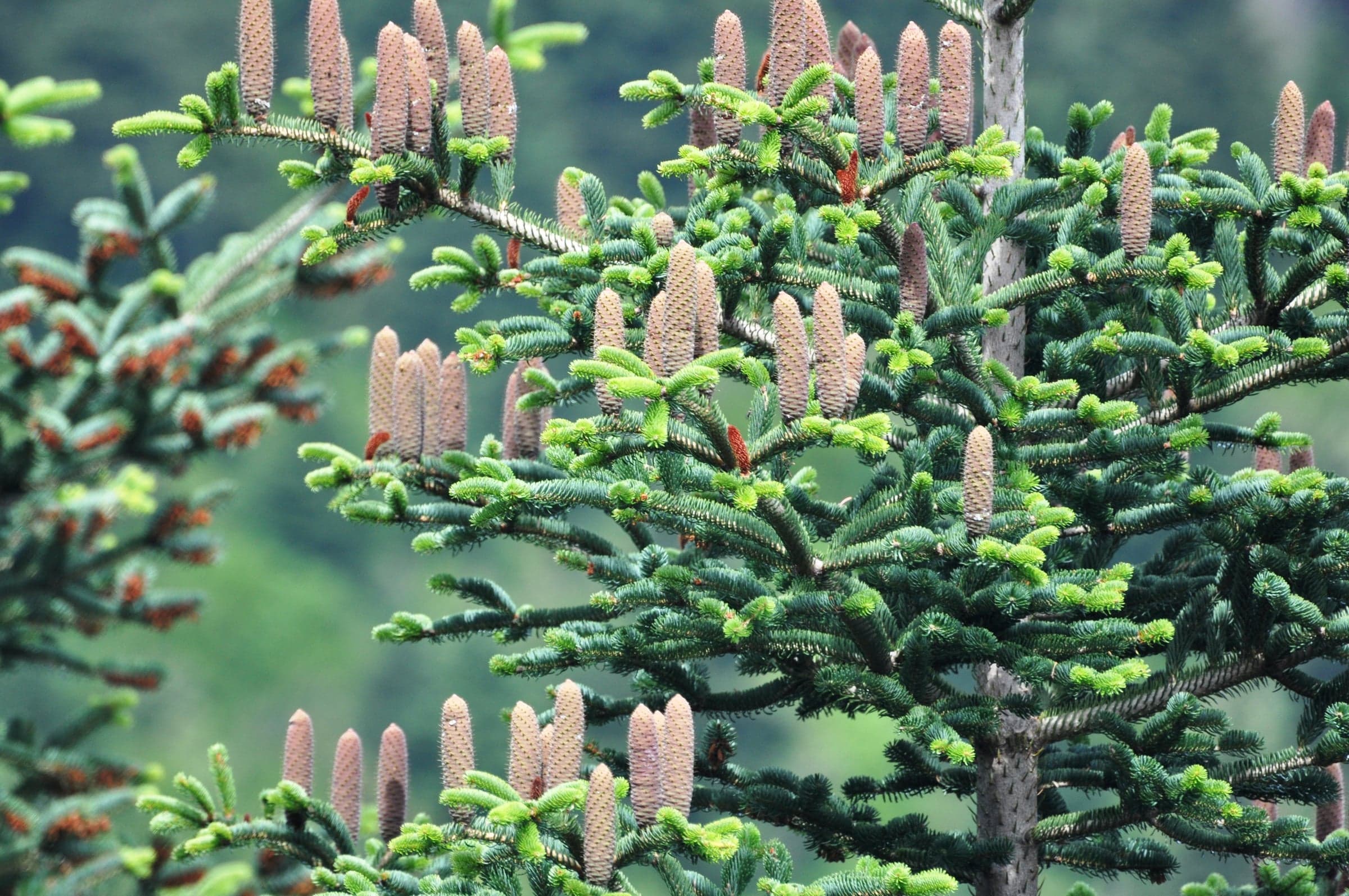
Abies cephalonica is endemic to the mountains of Greece, growing on Kefalonia, where it was first described, and across the mainland ranges of the Peloponnese and central Greece, typically above 800 metres. It is a genuinely restricted species that does not occur naturally outside Greece, and commercial harvest is small.
Not listed in the CITES Appendices. Greek Fir is endemic to Greece with a restricted natural range, and it was historically important for construction there but is now described as too rare to be of significant commercial value. Fire, grazing pressure and a warming Mediterranean climate are the pressures on remaining stands. Volumes reaching the market are small, and provenance documentation deserves particular attention on this species.
Abies cephalonica is endemic to Greece. It was first described from Kefalonia, and it grows through the mainland mountain ranges of the Peloponnese and central Greece, generally above 800 metres. It occurs naturally nowhere else.
It was historically important for construction within Greece and is now described as too rare to hold significant commercial value. Volumes reaching the wider market are small. This is a species bought for what it is and where it comes from, not for what a strength table says about it.
Every other softwood guide in this catalogue opens with density, hardness and strength. This one cannot, and the reason is worth being explicit about.
No clear-wood mechanical dataset for Abies cephalonica appears in The Wood Database, the USDA Forest Products Laboratory Wood Handbook, or the other references KORENA cites. The academic literature that exists on the species addresses density variation within individual trees, which is useful to forest scientists and useless as a design value.
The tempting move would be to take Silver Fir's figures, note that the two are closely related true firs, and publish them under this name. That would produce a page that looks complete and specifies a wood that was never tested. KORENA does not do that. Where a number cannot be traced to a source, the field stays empty.
What remains reliable is the slab itself. Each KORENA listing carries measured length, width, thickness, moisture content and a traced outline taken from that specific piece, plus the partner yard and region. Those measurements are independent of the missing species averages, so a piece can be specified precisely even where the reference data for its species is absent.
It is a plain wood. Near white to pale straw, with no meaningful heartwood boundary and, like all true firs, no resin canals and therefore no resin pockets. The texture is fine and even and the figure is quiet.
Growth rings are moderately tight, reflecting mountain conditions. Beyond ring spacing and knot placement, there is little in the surface to grade by, which is much the same situation as Silver Fir.
Visually the two species are close to indistinguishable. If appearance is the whole of the requirement, Silver Fir is more available and better documented. Greek Fir earns its place when the provenance is the point.
No workability data is published for this species. What can be said is that true firs in the Abies genus are generally soft, cut easily with hand and machine tools, and do not gum blades because there is no resin.
Treated as Silver Fir, it will probably behave predictably. Treated as a specification, that assumption is not safe. Test on an offcut from the actual slab before committing to a process, particularly for finishing, and do not use this species anywhere a calculated load path depends on assumed strength values. For a shelf that must not sag or a beam that must carry, choose a wood whose stiffness is published.
The softness of the genus means sharp cutters matter. Dull tools crush the earlywood instead of severing it, and the crushed fibres lift when finish is applied.
No published drying schedule or shrinkage figures exist for this species in the sources cited here.
Conservative handling is therefore the honest guidance rather than a numerical target: air dry where possible, avoid aggressive kiln schedules, allow the slab to acclimatise fully in its final room before flattening, and design so a top can float rather than being fixed rigidly.
The measured moisture reading recorded on each KORENA listing is the number that actually tells you about the board you are buying.
Interior panelling, painted furniture, light carcass work and shelving with short or supported spans, in projects where the Greek origin carries meaning. Restoration work in Greece, where matching original material matters, is the clearest case.
It is the wrong answer for structural work, for anything where a supplier or client expects a full specification sheet, and for exterior use, where no durability rating exists.
Not listed in the CITES Appendices, so trade is unrestricted. The species is nonetheless a restricted endemic with a small natural range, facing pressure from fire, grazing and a warming Mediterranean climate.
Because volumes are small and the species is genuinely uncommon, provenance documentation deserves closer attention here than on the abundant managed conifers elsewhere in this catalogue. KORENA records the partner yard and region on every listing, which is the check worth making before committing to a piece of this species.
Pircēju jautājumi
KORENA lists a figure only when a cited source supports it. No clear-wood mechanical dataset for Abies cephalonica appears in The Wood Database, the USDA Wood Handbook, or the other references this catalogue uses, and the academic work that exists covers density variation within trees rather than usable design values. Borrowing Silver Fir numbers and labelling them Greek Fir would be inventing a specification, so the fields stay empty.
As a working assumption, broadly yes, since the two are closely related true firs and both lack resin canals. As a specification, no. Test on an offcut from the actual slab before committing to a process, and do not use it where a calculated load path depends on assumed strength values.
Very little. Both are pale, plain and free of resin pockets, with a fine even texture and no meaningful heartwood boundary. Greek Fir is the rarer of the two and its interest is largely in its provenance, since the species is endemic to the Greek mountains and does not occur naturally anywhere else.
It is not listed in the CITES Appendices, so trade is unrestricted. It is however a genuinely restricted endemic with a small range, under pressure from fire, grazing and a warming climate, and it is now described as too rare to be commercially significant. Volumes are small and provenance documentation deserves closer attention here than on the abundant European conifers.
The slab itself. Every KORENA listing carries measured length, width, thickness, moisture content and a traced outline taken from that specific piece, along with the partner yard and region. Those measurements are independent of the missing species averages, so you can specify a piece precisely even where the species reference data is absent.