KORENA
KoksneFinished piecesPiederumiNoliktavasŽurnāls

Saņemiet paziņojumus

Katrs dēlis ir vienreizējs eksemplārs. Kad tas pārdots, cita tāda nav. Mēs nosūtīsim e-pastu, kad tiks publicēti jauni gabali: svaigi papildinājumi, jaunas koku sugas un projekta aprakstam atbilstoši dēļi.

Daži e-pasta ziņojumi mēnesī. Nekāda surogātpasta, abonementu var atcelt jebkurā laikā.

KORENA, augstākās kvalitātes lapu koku koksne

Pa vienam gabalam.

Pārbaudīta augstākās kvalitātes lapu koku koksne, ko pārdod pa vienam gabalam. Katrs dēlis tiek fotografēts, izmērīts un nosūtīts no partnera noliktavas kopā ar koksnes pasi.

Veikals

  • Skatīt produktus
  • Pārdoto dēļu arhīvs
  • Izsekot pasūtījumu

Uzzināt

  • Žurnāls
  • Sugu ceļveži
  • Terminu vārdnīca
  • Salīdzināt
  • Autori

Palīdzība

  • Par mums
  • Kā tas darbojas
  • Pievienot partnera noliktavu
  • Atrast dēli
  • Atbalsts
  • Dokumentu veidnes
  • Presei

Pirkšana

  • Pārdošanas noteikumi
  • Atteikuma tiesības
  • Atgriešana un juridiskā atbilstības garantija
  • Nosūtīšana un piegāde

Uzticamība

  • Privātuma politika
  • Sīkdatņu politika
  • Koksnes izcelsme un EUDR
  • Piekļūstamība

Rekvizīti

  • Juridiskais paziņojums / rekvizīti
  • Pieņemamas lietošanas noteikumi
  • Intelektuālais īpašums un saturs

© 2026 KORENA. Visas tiesības paturētas.

Pārvalda Martial Labs Ltd. (BG, EIK 207453941). KORENA ir Martial Labs Ltd. tirdzniecības nosaukums.

Mēs cienām jūsu privātumu

Mēs izmantojam obligātās sīkdatnes, lai vietne darbotos. Ar jūsu atļauju izmantosim arī analītikas, personalizēta satura un reklāmu sīkdatnes. Jebkurā laikā varat mainīt izvēli lapā piekrišanas iestatījumi. Skatiet mūsu sīkdatņu politiku un privātuma politiku.

  1. Sākums
  2. /
  3. Koku sugas
  4. /
  5. Norway Spruce

Picea abies

Norway Spruce

The most abundant conifer in Europe and the lightest slab material KORENA lists. Pale, even, easy at the bench, and soft enough that you should choose it deliberately.

  • Audzēta un cirsta Eiropā.
  • Botāniskā grupa. Skujkoki ir koniferi, bet lapu koki ir platlapji.
  • Botāniskā dzimta, kurai pieder suga.
Paziņot, kad būs pieejamsAtsauces suga. Pašlaik noliktavā nav pieejamu gabalu.
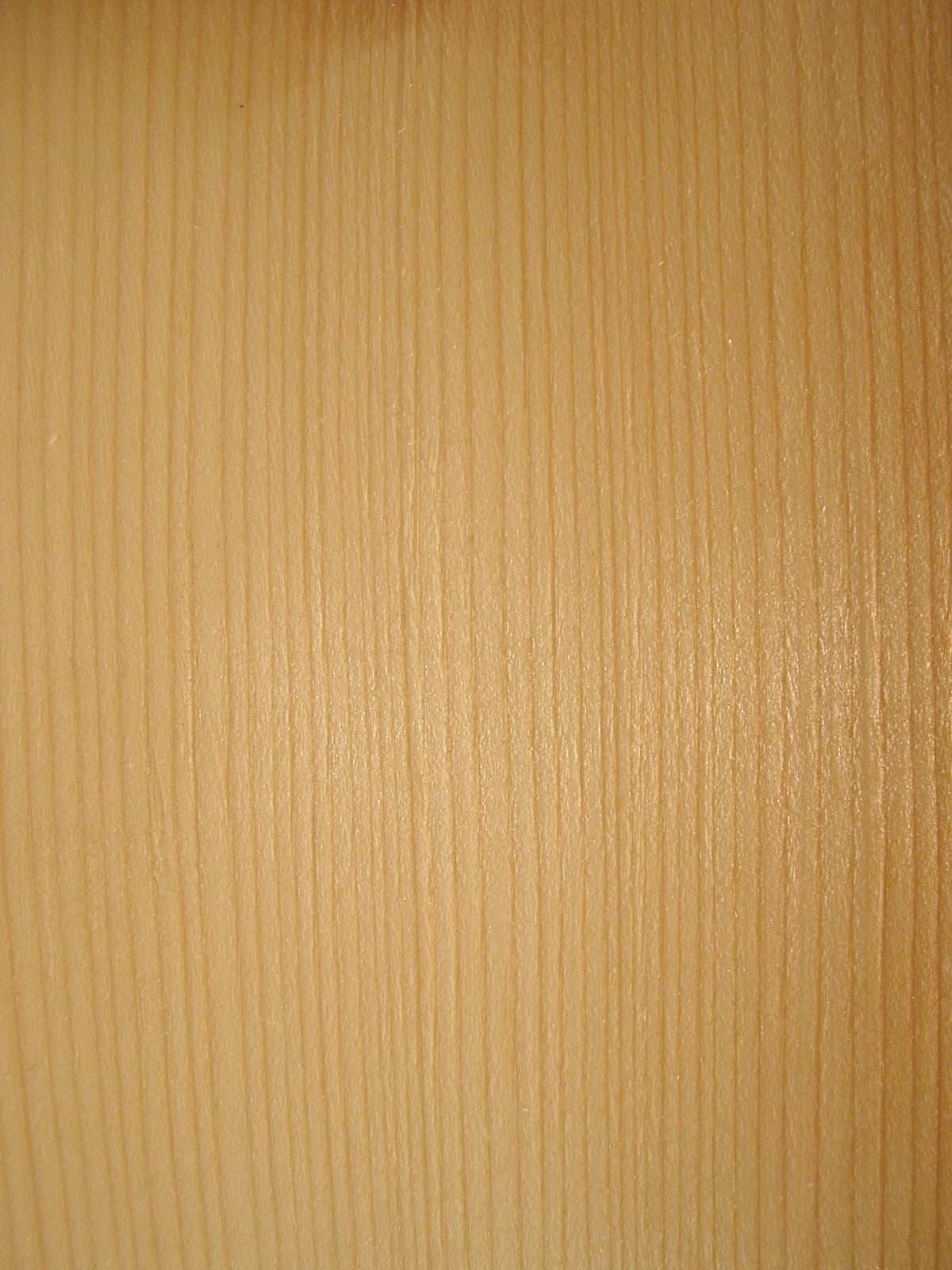
Norway Spruce šķiedra
  • Piemērotība projektam
  • Pieejams noliktavā
  • Izskats
  • Apstrāde
  • Koka kustība
  • Cena
  • Drošība un iegāde
  • Jautājumi
  • Tehniskie dati

Vai tā ir piemērota jūsu projektam?

Lieliski piemērota

  • Lightweight tabletops
  • Wall panelling
  • Shelving
  • Instrument soundboards
  • Interior joinery

Pašreizējā kolekcijā nav Norway Spruce

Līdzīgas sugas noliktavā

Pašlaik nav Norway Spruce. Šīs sugas ir piemērotas tiem pašiem projektiem, un to gabali ir pieejami.
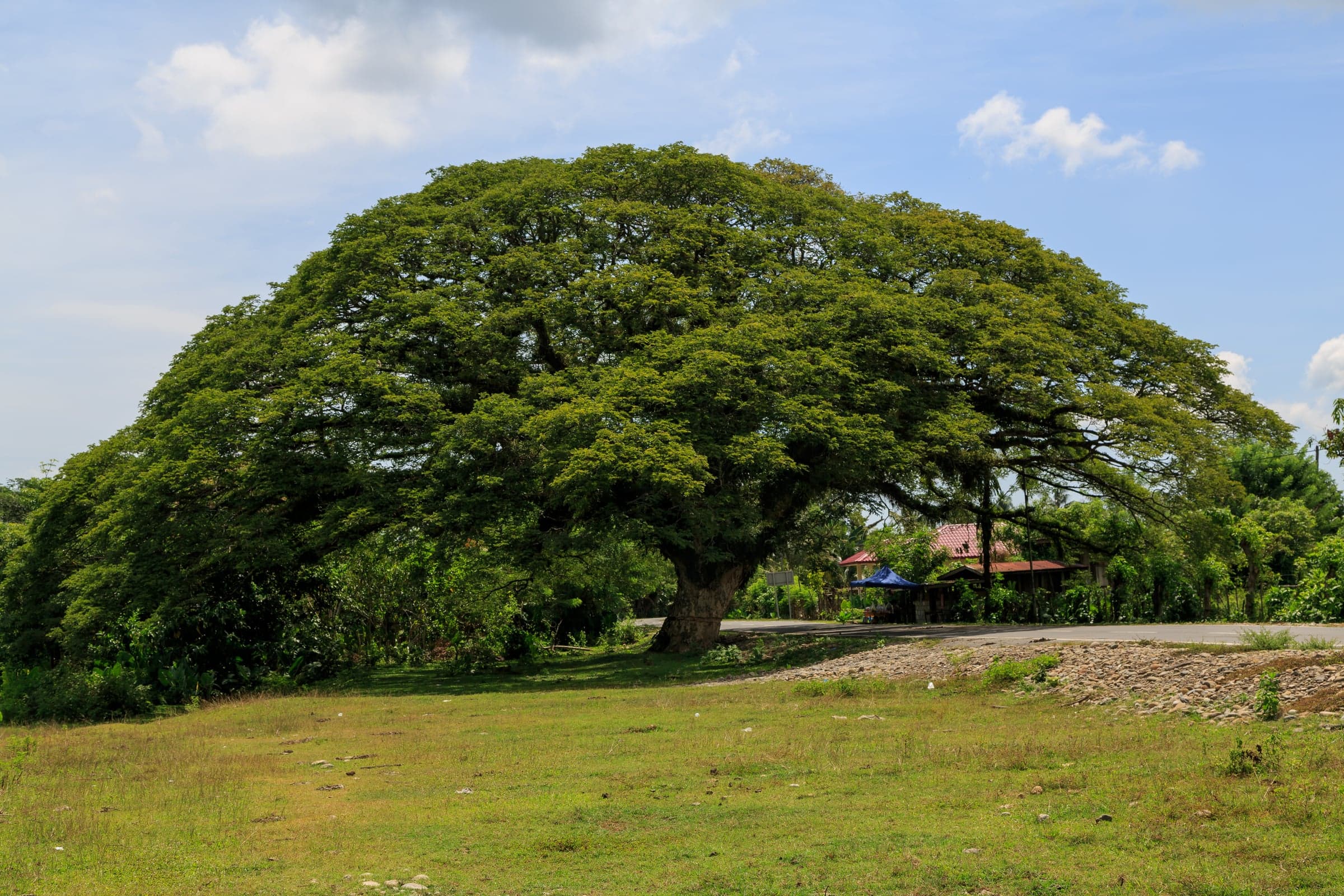
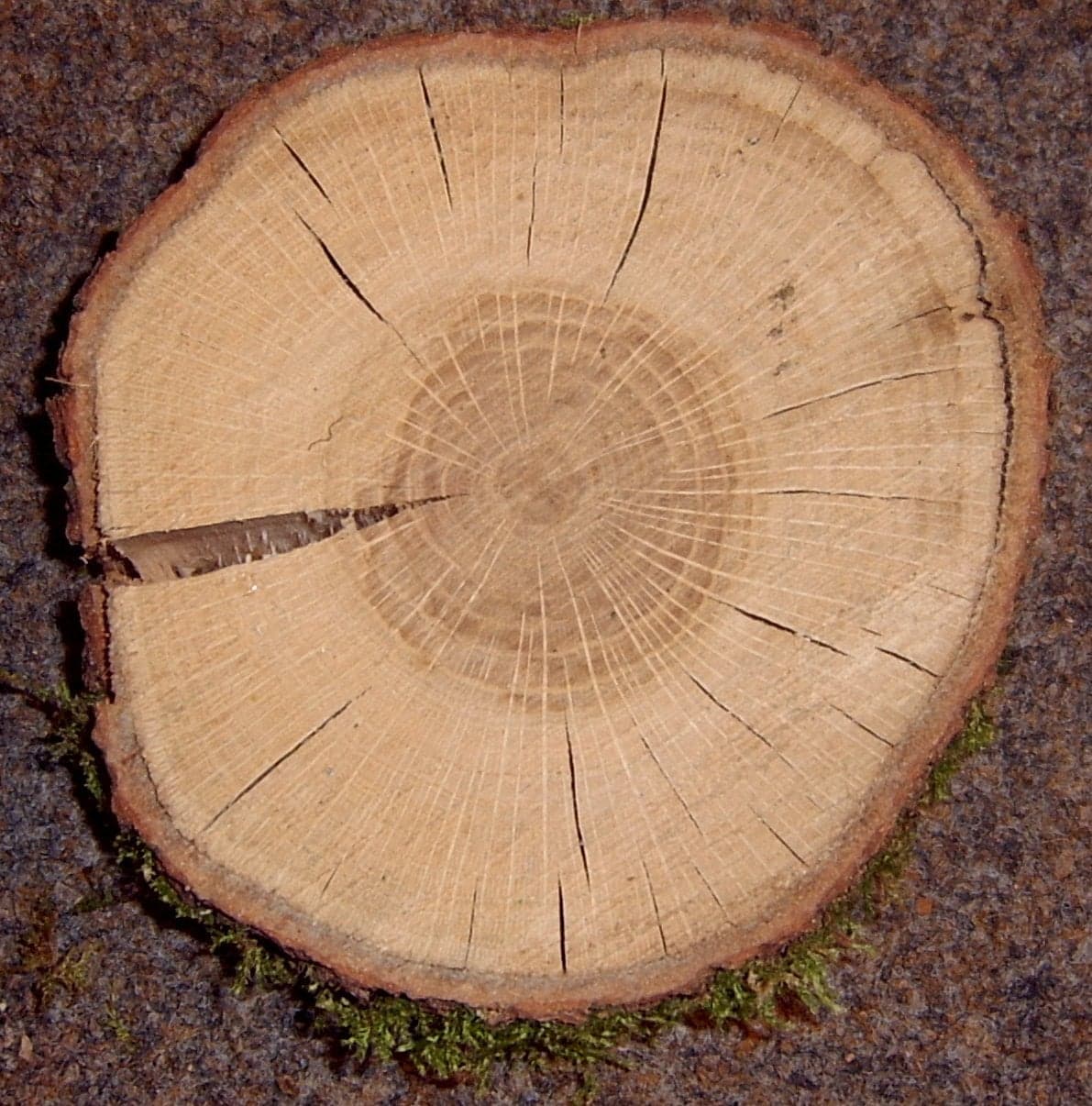
  • Saman šķiedra

    Saman

    Samanea saman

    4 gabali

  • European Oak šķiedra

    European Oak

    Quercus robur

    6 gabali

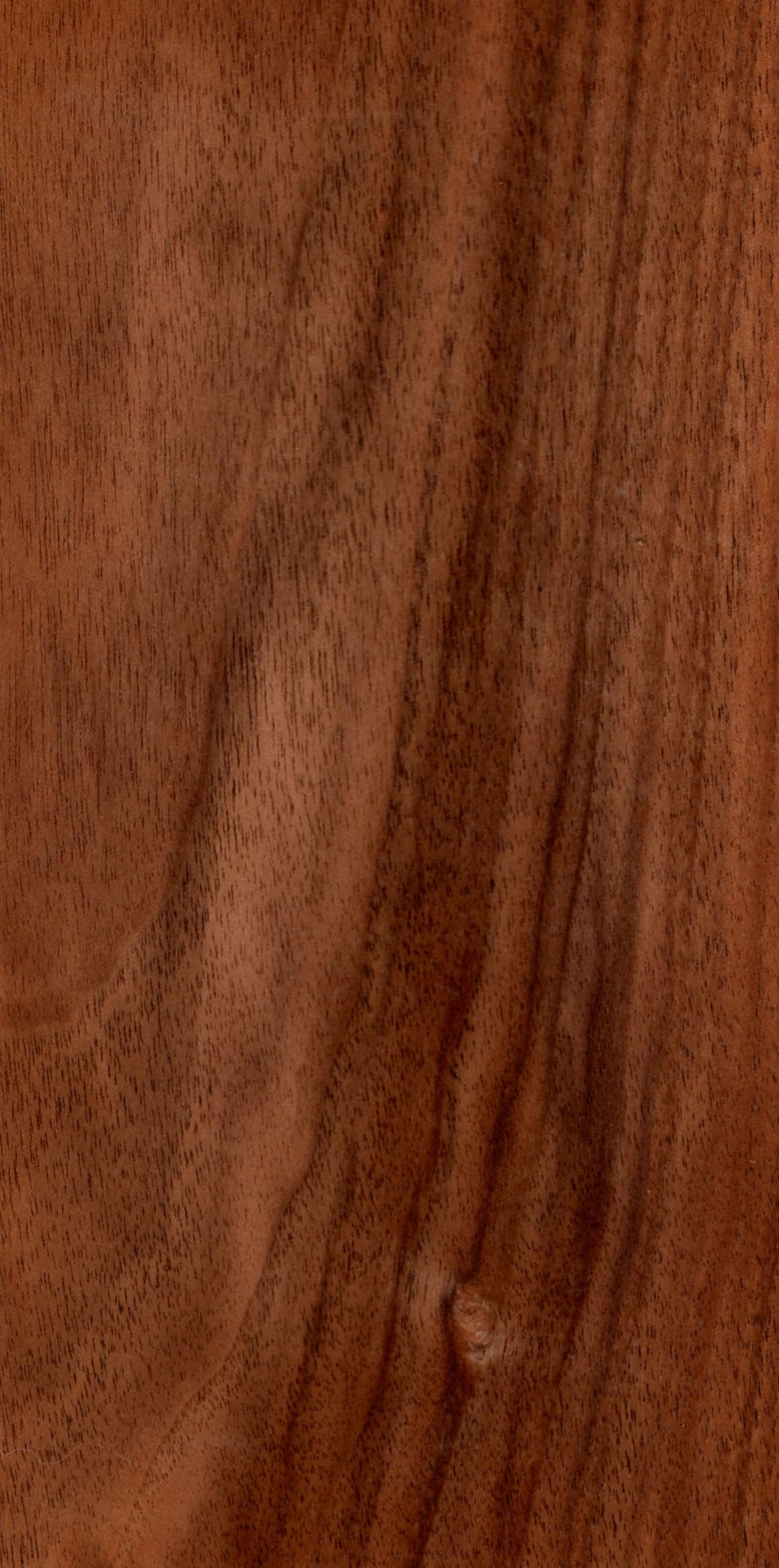
  • European Walnut šķiedra

    European Walnut

    Juglans regia

    9 gabali

Saņemt paziņojumus par Norway Spruce

Mēs nosūtīsim e-pasta ziņojumu, kad KORENA būs pieejami jauni Norway Spruce dēļi. Katrs gabals ir vienreizējs eksemplārs, tāpēc ir vērts uzzināt laikus.

Daži e-pasta ziņojumi mēnesī. Nekāda surogātpasta, abonementu var atcelt jebkurā laikā.

Koksnes izskats

Kā tā izskatās

Pale cream to light yellow throughout, with almost no colour separation between heartwood and sapwood. The grain is straight and the texture fine and even. What makes a spruce slab worth looking at is rarely colour and almost always structure: tight annual rings, resin pockets that read as amber flecks, and the occasional cluster of small sound knots that a maker can either feature or cut around.

  • Cream to pale yellow, darkening slightly with age and UV
  • Little to no heartwood and sapwood contrast
  • Resin pockets show as translucent amber marks
  • Straight grain, even texture; resin canals.

Apstrāde

Apstrāde

Easy in every operation as long as you stay away from knots. Spruce is soft enough that sharp tools matter more than powerful ones: dull cutters crush the earlywood rather than slicing it, leaving a fuzzy surface that no amount of sanding fully recovers. Knots are hard, resinous and prone to tearing out, so plan cuts around them rather than through them. It glues reliably and takes screws well if you pilot near edges.

Apdare

The one genuine difficulty with spruce. Its uneven density between earlywood and latewood makes it absorb stain unevenly, so pigment stains blotch badly. Use a conditioner first, or skip stain entirely. Clear oils, hardwax oils and water-based lacquers all sit well and keep the pale colour. If you want warmth, a single coat of shellac before the topcoat evens absorption without muddying the grain.

Žāvēšana

Dries quickly and with relatively little degrade, which is one reason it dominates European construction timber. Slab stock still needs patience: at 50 mm and above, resin pockets can bleed if the kiln schedule runs hot, and case hardening shows up as cupping once you machine the first face. Air drying followed by a gentle kiln finish gives the cleanest result. Expect movement in service to be modest, since volumetric shrinkage is around 12.9 percent.

Cik daudz tā kustēsies?

Mainoties gaisa mitrumam, koksne šķērsām platumam uzbriest un saraujas. Pirms stiprinājumu projektēšanas novērtējiet Norway Spruce galda virsmas sezonālo koka kustību.

Griezums
Kur tā atradīsies

Paredzamā sezonālā koka kustība

aptuveni 9,4 mm

Stipriniet galda virsmu ar stiprinājumiem vai kronšteiniem rievās, nevis ar līmi vai cieši pievilktām skrūvēm.

Lineārā rukuma modelis: platums × (rukums ÷ 28% šķiedras piesātinājums) × sezonālā mitruma svārstība. Norway Spruce izmanto 8,2% tangenciālais rukumu. Plānošanas aplēse, nevis garantija.

Cik tā maksā

Drošība un iegāde

  • Audzēta un cirsta Eiropā.
  • IUCN Sarkanā saraksta statuss: sugas globālais aizsardzības novērtējums.
  • Spruce dust has been reported to cause skin irritation and asthma-like respiratory effects, which puts it in the same bracket as most softwood dust. Extraction at the machine and a P2 mask during extended sanding are sensible. No specific toxicity beyond that is documented.

Lasīt pilno ceļvediPlašākas piezīmes par koksnes zīmējumu, krāsas maiņu, apstrādi un izmēru stabilitāti.+

What Norway Spruce actually is#

Picea abies is the default European conifer. It covers more forest area than any other species on the continent and supplies most of the structural timber used in EU construction. That ubiquity works against it when people shop for slabs, because a wood you can buy as a stud is easy to dismiss as a wood you cannot build furniture from. The dismissal is half right. Spruce is genuinely soft, and a spruce tabletop will carry the record of everything set down on it. What the reputation misses is that spruce is also stiff for its weight, dimensionally reasonable once dried, and capable of a pale, quiet surface that no hardwood can imitate.

Reading a spruce slab#

Colour tells you very little. Spruce runs cream to pale yellow with effectively no heartwood boundary, so unlike walnut or oak you cannot judge a board by its tonal range. Structure is what matters.

Look first at ring spacing. Slow-grown Alpine spruce with rings a millimetre or two apart is denser, stiffer and considerably more stable than fast-grown lowland stock with rings five millimetres apart. The difference in service is real: the tight-ringed board stays flatter and dents less.

Look next at the knots. Spruce knots are hard, resinous, and much darker than the surrounding wood. Small sound knots are a design feature and hold fine. Large knots, and especially knot clusters near an edge, are weak points that will move independently of the board around them.

Pircēju jautājumi

Pircēju jautājumi

Is Norway Spruce hard enough for a dining table?

+

It sits at 1,680 N on the Janka scale, which is soft for a tabletop that will see daily use. It works if you accept dents as part of the character, or if the top is protected by a hardwax oil that is easy to refresh. For a surface that must stay unmarked, European oak at 4,980 N or ash are better matched.

Why does my spruce slab look blotchy after staining?

+

Spruce has a large density difference between the pale earlywood and the darker latewood, so pigment lodges unevenly. Apply a wood conditioner or a thin shellac washcoat before staining, or leave it unstained and use a clear oil. Testing on an offcut from the same slab is the only reliable check, because blotching varies board to board.

What are the amber marks in the surface?

+

Resin pockets, which are normal in spruce and not a defect in the structural sense. They can weep slightly if the slab is warmed by sunlight or underfloor heating. Sealing with shellac before the topcoat locks them down. On a measured KORENA slab any pocket large enough to matter is mapped in the defect outline.

Is spruce suitable for outdoor use?

Mehāniskās īpašības

Tehniskie dati

Publicētas atsauces vērtības. Ja avoti atšķiras, parādīts diapazons, bet iepriekšējās skalās izmantota tipiskā vērtība.

Blīvums (kg/m³)Svars uz kubikmetru pie aptuveni 12% mitruma. Smagāka koksne parasti ir cietāka un stiprāka.405 kg/m³
Janka cietība (N)Spēks, kas vajadzīgs, lai tērauda lodīti līdz pusei iespiestu koksnē. Standarta iespiedumu pretestības mērs.1,680 N
MOR: lieces stiprība (MPa)Lieces stiprība: slodze, pie kuras sija lūst.63 MPa
MOE: elastības modulis (GPa)Lieces stingrība: cik daudz plaukts vai galda virsma izliecas zem slodzes.9.7 GPa
Radiālais rukumsRukums šķērsām augšanas gredzeniem no svaigi zāģēta līdz absolūti sausam stāvoklim. Šādi kustas radiāla griezuma dēļi.3.9 %
Tangenciālais rukumsRukums gar augšanas gredzeniem. Šādi kustas tangenciāla griezuma dēļi un vairums dēļu.8.2 %

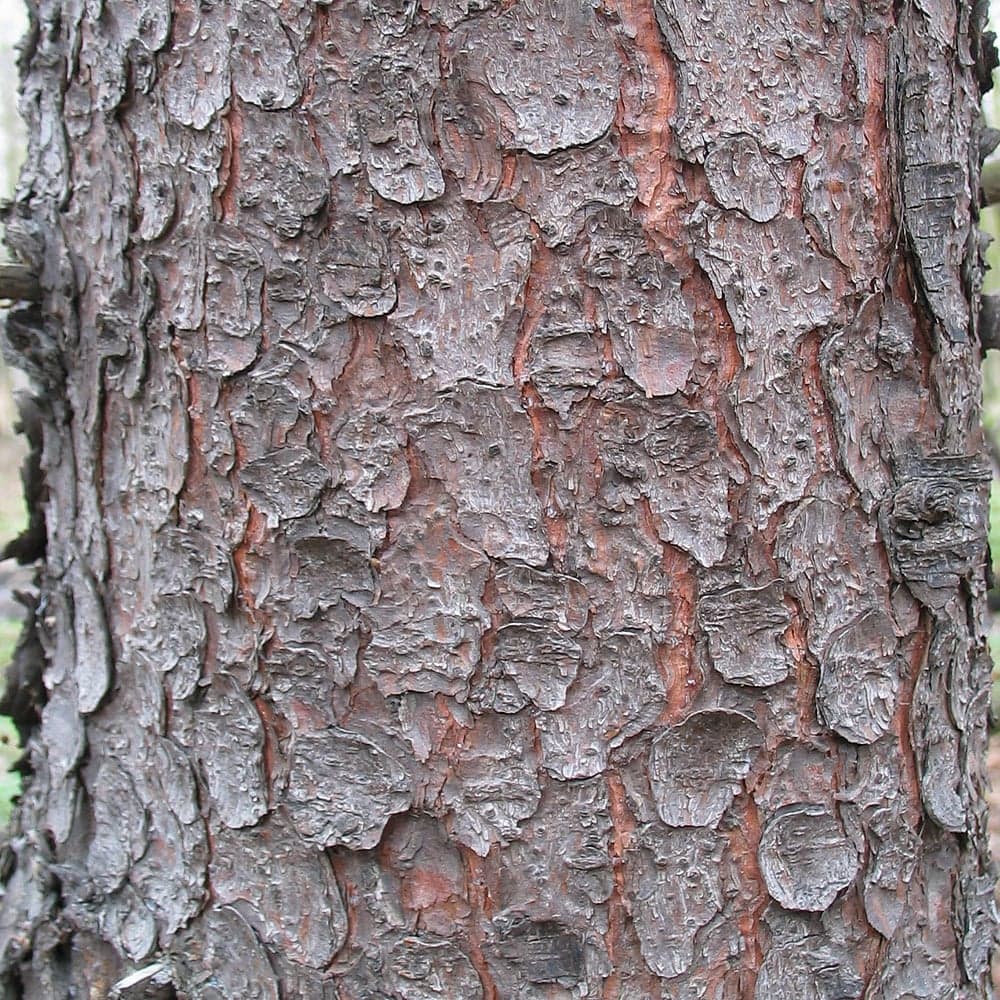
Wikimedia Commons contributor, via Wikimedia Commons

Picea abies covers the largest natural range of any European conifer, running from the Alps and Carpathians north through Scandinavia and east into Russia. Slab-grade stock reaching KORENA is nearly always from managed Alpine or Carpathian forests where FSC or PEFC certification is standard, which keeps EUDR documentation straightforward.

  • Not listed in the CITES Appendices and assessed by the IUCN as Least Concern. Supply across the EU is abundant and well certified, though bark beetle damage in central Europe has pushed large volumes of salvage timber into the market in recent years. Salvage stock is legitimate and often excellent value, but it should be declared as such because staining from blue fungus is common in it.

  • Norway Spruce koks

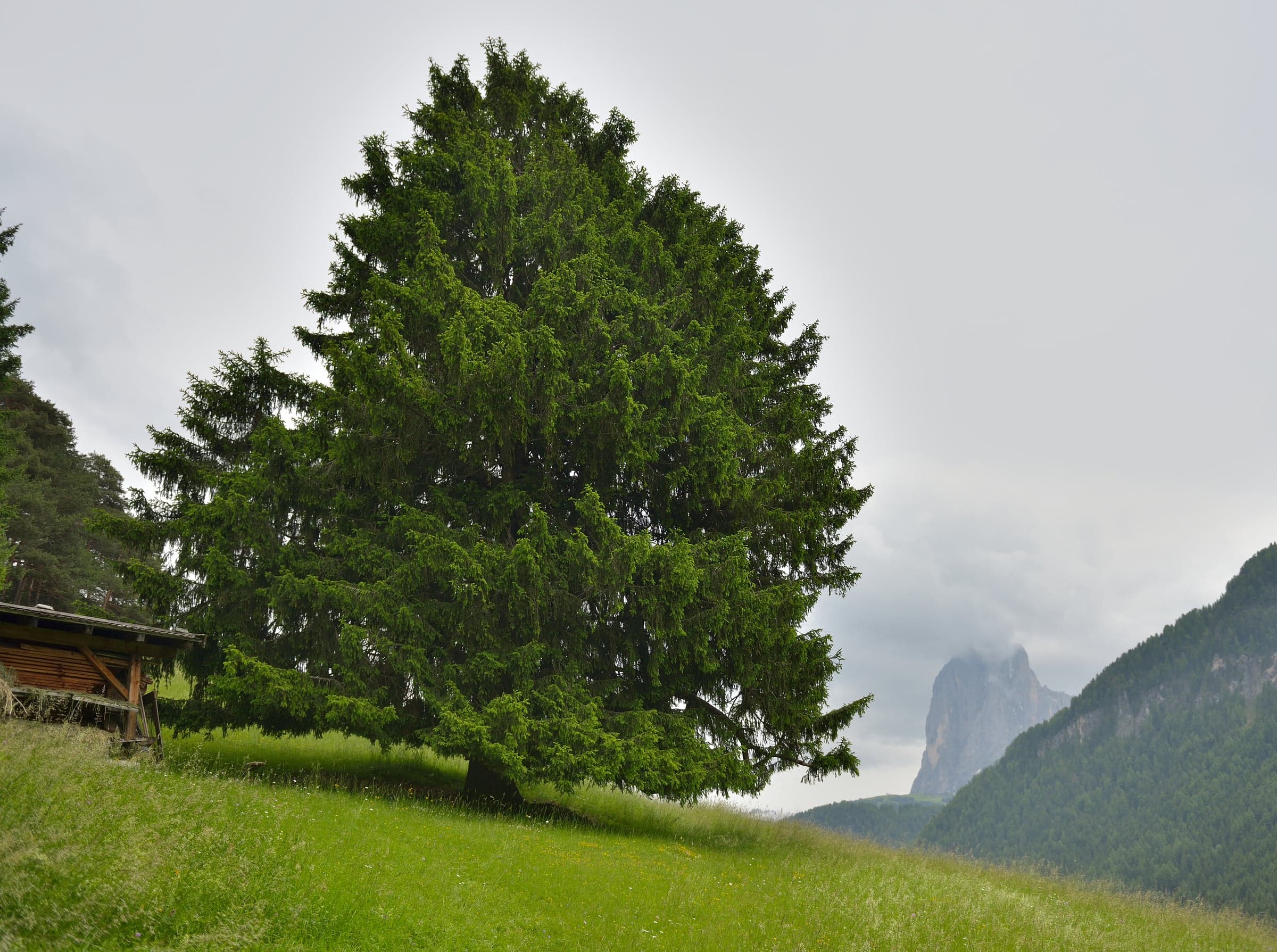
    This Photo was taken by Wolfgang Moroder. Feel free to use my photos, but please mention me as the author a..., via Wikimedia Commons

    Norway Spruce: Miza
    Miza

    Finally, look for resin pockets and blue stain. Pockets read as amber streaks and are harmless once sealed. Blue stain is a grey-blue discolouration caused by fungus, common in salvage timber from bark beetle damage, and it does not weaken the wood. It changes the look completely, which is either the point or a problem depending on the piece.

    At the bench#

    Spruce rewards sharp tools and punishes dull ones more than almost anything else KORENA lists. Because the earlywood is so much softer than the latewood, a blunt cutter compresses the soft bands instead of severing them. The surface that comes off looks acceptable until finish goes on, at which point the crushed fibres swell and the whole face turns fuzzy.

    Plane with a freshly honed iron and a tight mouth, take light cuts, and finish with a card scraper rather than aggressive sanding. If you must sand, stop at 180 grit. Going finer burnishes the latewood and makes the blotching problem worse.

    Glue-up is straightforward. Spruce takes PVA and polyurethane adhesives reliably, and its low density means clamping pressure should be moderate. Over-clamping starves the joint by crushing the fibres either side of it.

    Screws hold acceptably but not brilliantly. Pilot everything within 50 mm of an end grain edge, and prefer a coarse thread. For anything load bearing, through-bolts with washers distribute the load far better than screws into the face.

    Drying and movement#

    Spruce dries fast and relatively cleanly, which is exactly why it dominates commodity timber. Slabs behave differently from boards. At 50 mm and thicker, an aggressive kiln schedule drives moisture out of the surface much faster than the core can follow, and the result is case hardening: the slab looks flat until you machine one face, then cups as the internal stress releases.

    The safest route for slab stock is air drying under cover to roughly 20 percent, then a slow kiln finish to bring it to 8 to 10 percent for interior use. Ask the yard which schedule was used. On KORENA listings the drying method and measured moisture are recorded on the passport, so you are not guessing.

    In service, expect meaningful seasonal movement. Tangential shrinkage is around 8.2 percent against 3.9 percent radial, so a wide flatsawn top will want to cup toward the bark face as humidity drops. Quartersawn stock moves roughly half as much across its width and is worth seeking out for anything that must stay flat.

    Where spruce is the right answer#

    Spruce earns its place when weight matters, when the budget will not carry oak, or when the design wants a pale surface that stays pale. A three metre bench top in oak is a two person lift; in spruce one person can move it. Wall panelling in spruce reflects light in a way that darker species cannot. And for anything that will be painted, spending on a hardwood is money burnt.

    It is the wrong answer for a heavily used dining surface, for anything outdoors without treatment, and for a piece where a rich stained colour is the goal.

    Sourcing and EUDR#

    Supply is abundant and certification is the norm across Alpine and Carpathian sources, which makes the due diligence path short. One current wrinkle is worth knowing: bark beetle outbreaks across central Europe have pushed large volumes of salvage timber into the market. Salvage stock is entirely legitimate, often good value, and frequently carries blue stain. It should be declared rather than discovered, and any KORENA listing that is salvage says so.

    +

    Not without treatment. The heartwood is rated slightly resistant to non-resistant to decay, so untreated spruce outdoors will fail within a few seasons. European larch or Douglas fir are the better choices from this group when moisture exposure is part of the brief.

    How much will a spruce tabletop move through the year?

    +

    Volumetric shrinkage is around 12.9 percent with tangential movement roughly twice radial, so a wide flatsawn top will change noticeably between a humid summer and a heated winter. Allow the top to float on slotted fasteners rather than fixing it rigidly, and let the slab acclimatise in the room for two weeks before final flattening.

    Tilpuma rukumsKopējā tilpuma maiņa no svaigi zāģēta līdz absolūti sausam stāvoklim. Mazāka vērtība nozīmē labāku izmēru stabilitāti.
    12.9 %
    Dabiskā izturība (EN 350)Eiropas standarts dabiskajai izturībai pret trupi no 1 (ļoti izturīga) līdz 5 (neizturīga).Class 4 — Slightly durable

    Avoti

    • The Wood Database — Norway Spruce (Picea abies)(skatīts 2026-08-12)
    • USDA FPL Wood Handbook FPL-GTR-190 (2010)(skatīts 2026-08-12)
    • Meier, E. — WOOD! Identifying and Using Hundreds of Woods Worldwide (2015)(skatīts 2026-08-12)

    Pievērsiet uzmanību

    • Nav piemērota neapstrādātai lietošanai ārāDabiskā izturība atbilst EN 350 klasei 4 no 5. Turiet telpās vai zem uzturēta aizsargpārklājuma.
    • Putekļi kairinaSlīpējot vai apstrādājot, ieslēdziet nosūcēju un valkājiet masku.

    Pieskarieties apzīmējumam, lai skatītu sīkāk.

    Īsumā

    Visām KORENA uzskaitītajām sugām līmeņiem izmantoti vienādi diapazoni, tāpēc tos var tieši salīdzināt. Zem katra norādīta izmērītā vērtība.
    CietībaIzturība pret iespiedumiem un nodilumuMīksta

    Janka cietība 1680 N

    Par 66% mīkstāka nekā Eiropas ozols

    SvarsCik smagu dēli jāceļĻoti viegla

    405 kg/m³

    Izmēru stabilitāteCik maz tā kustas gadalaiku ietekmēVidēja

    Tilpuma rukums 12,9%

    ApstrādeZāģēšana, ēvelēšana, slīpēšana un līmēšanaVidēja

    Vidējais apstrādes vērtējums 3,7 / 5

    Lietošana ārāDabiskā izturība pret trupi, EN 350Tikai telpās

    EN 350 klase 4

    • Zāģēšana · Ļoti labaCik tīri to var sazāģēt un cik ļoti tā nolieto asmeņus.1 = sarežģīta · 5 = teicama
    • Ēvelēšana · Ļoti labaCik gluda paliek virsma un cik daudz šķiedru tiek izrauts.1 = sarežģīta · 5 = teicama
    • Slīpēšana · Ļoti labaCik ātri to var gludi noslīpēt, neaizsprostojot smilšpapīru.1 = sarežģīta · 5 = teicama
    • Virpošana · LabaKā tā griežas un iegūst apdari virpā.1 = sarežģīta · 5 = teicama
    • Griešana kokā · LabaCik precīzi tā saglabā detaļas, strādājot ar kaltu.1 = sarežģīta · 5 = teicama
    • Līmēšana · Ļoti labaCik uzticami turas līmētie savienojumi.1 = sarežģīta · 5 = teicama
    • Skrūvju / naglu noturība · Ļoti labaCik labi tā notur skrūves un naglas, neplaisājot.1 = sarežģīta · 5 = teicama
    • Liekšana ar tvaiku · LabaCik labi tā pēc tvaicēšanas iegūst izliekumu.1 = sarežģīta · 5 = teicama

    Pašreizējā Norway Spruce kokmateriālu cena Eiropā par kubikmetru bez PVN. Pieskarieties cenai, lai skatītu sīkāku informāciju.

    • Labākie baļķi izsolēAtlasīti augstas kvalitātes baļķi, kas pārdoti slēgta piedāvājuma izsolēs, galvenokārt finiera ražotājiem un mēbeļu galdniekiem. No šādiem baļķiem zāģē dēļus.Lielākā daļa cenu ir no 172 € līdz 313 €.Aprēķināts no 52 cenām 1 reģionā.Jaunākie dati: 2026. g. 25. sept.
    • Standarta baļķiLieli standarta apaļo kokmateriālu apjomi, ko mežu īpašnieki un valsts mežsaimniecības pārdod galvenokārt būvniecībai un rūpniecībai.Lielākā daļa cenu ir no 22 € līdz 175 €.Aprēķināts no 10 013 cenām 12 reģionos.Jaunākie dati: 2026. g. 25. sept.

    Standarta baļķi pēc valsts

    • Francija · 120 € / m³Reģioni: Bourgogne-Franche-Comté un Grand Est / Alsace14 cenuJaunākie dati: 2026. g. 15. sept.
    • Zviedrija · 90 € / m³Reģioni: Sweden Central26 cenasJaunākie dati: 2026. g. 30. jūn.
    • Rumānija · 79 € / m³Reģioni: Banat / Crișana, Dobrogea, Moldavia (Romania), Transylvania un Wallachia9724 cenasJaunākie dati: 2026. g. 25. sept.

    Kāpēc dēlis maksā vairāk?

    Šīs ir neapstrādātu kokmateriālu cenas. Dēlis ir labākais baļķa griezums, kas kaltēts vismaz gadu un pēc tam pārbaudīts un izmērīts pa vienam gabalam. Par dēli kļūst tikai neliela baļķa daļa.

    Avots: KORENA kokmateriālu indekss · Jaunākie dati: 2026. g. 25. sept.

    Skatīt visas reģionālās cenas
    Itālija75 €
    Itālija · 75 € / m³
    Reģioni: Trentino-Alto Adige un Veneto
    243 cenas
    Jaunākie dati: 2026. g. 10. sept.
  • Somija · 59 € / m³Reģioni: Southern Finland (Etelä-Suomi)3 cenasJaunākie dati: 2026. g. 21. sept.
  • Norvēģija · 54 € / m³Reģioni: Norway (national)3 cenasJaunākie dati: 2026. g. 21. sept.