KORENA
KoksneFinished piecesPiederumiNoliktavasŽurnāls

Saņemiet paziņojumus

Katrs dēlis ir vienreizējs eksemplārs. Kad tas pārdots, cita tāda nav. Mēs nosūtīsim e-pastu, kad tiks publicēti jauni gabali: svaigi papildinājumi, jaunas koku sugas un projekta aprakstam atbilstoši dēļi.

Daži e-pasta ziņojumi mēnesī. Nekāda surogātpasta, abonementu var atcelt jebkurā laikā.

KORENA, augstākās kvalitātes lapu koku koksne

Pa vienam gabalam.

Pārbaudīta augstākās kvalitātes lapu koku koksne, ko pārdod pa vienam gabalam. Katrs dēlis tiek fotografēts, izmērīts un nosūtīts no partnera noliktavas kopā ar koksnes pasi.

Veikals

  • Skatīt produktus
  • Pārdoto dēļu arhīvs
  • Izsekot pasūtījumu

Uzzināt

  • Žurnāls
  • Sugu ceļveži
  • Terminu vārdnīca
  • Salīdzināt
  • Autori

Palīdzība

  • Par mums
  • Kā tas darbojas
  • Pievienot partnera noliktavu
  • Atrast dēli
  • Atbalsts
  • Dokumentu veidnes
  • Presei

Pirkšana

  • Pārdošanas noteikumi
  • Atteikuma tiesības
  • Atgriešana un juridiskā atbilstības garantija
  • Nosūtīšana un piegāde

Uzticamība

  • Privātuma politika
  • Sīkdatņu politika
  • Koksnes izcelsme un EUDR
  • Piekļūstamība

Rekvizīti

  • Juridiskais paziņojums / rekvizīti
  • Pieņemamas lietošanas noteikumi
  • Intelektuālais īpašums un saturs

© 2026 KORENA. Visas tiesības paturētas.

Pārvalda Martial Labs Ltd. (BG, EIK 207453941). KORENA ir Martial Labs Ltd. tirdzniecības nosaukums.

Mēs cienām jūsu privātumu

Mēs izmantojam obligātās sīkdatnes, lai vietne darbotos. Ar jūsu atļauju izmantosim arī analītikas, personalizēta satura un reklāmu sīkdatnes. Jebkurā laikā varat mainīt izvēli lapā piekrišanas iestatījumi. Skatiet mūsu sīkdatņu politiku un privātuma politiku.

  1. Sākums
  2. /
  3. Koku sugas
  4. /
  5. Black Locust / Robinia

Robinia pseudoacacia

Black Locust / Robinia

Class 1 durability from a tree that grows in Europe. One of the only EU-native options that survives outdoors untreated, and a credible domestic answer to tropical exotics like teak.

  • Audzēta un cirsta Eiropā.
  • Botāniskā grupa. Skujkoki ir koniferi, bet lapu koki ir platlapji.
  • Botāniskā dzimta, kurai pieder suga.
Paziņot, kad būs pieejamsAtsauces suga. Pašlaik noliktavā nav pieejamu gabalu.
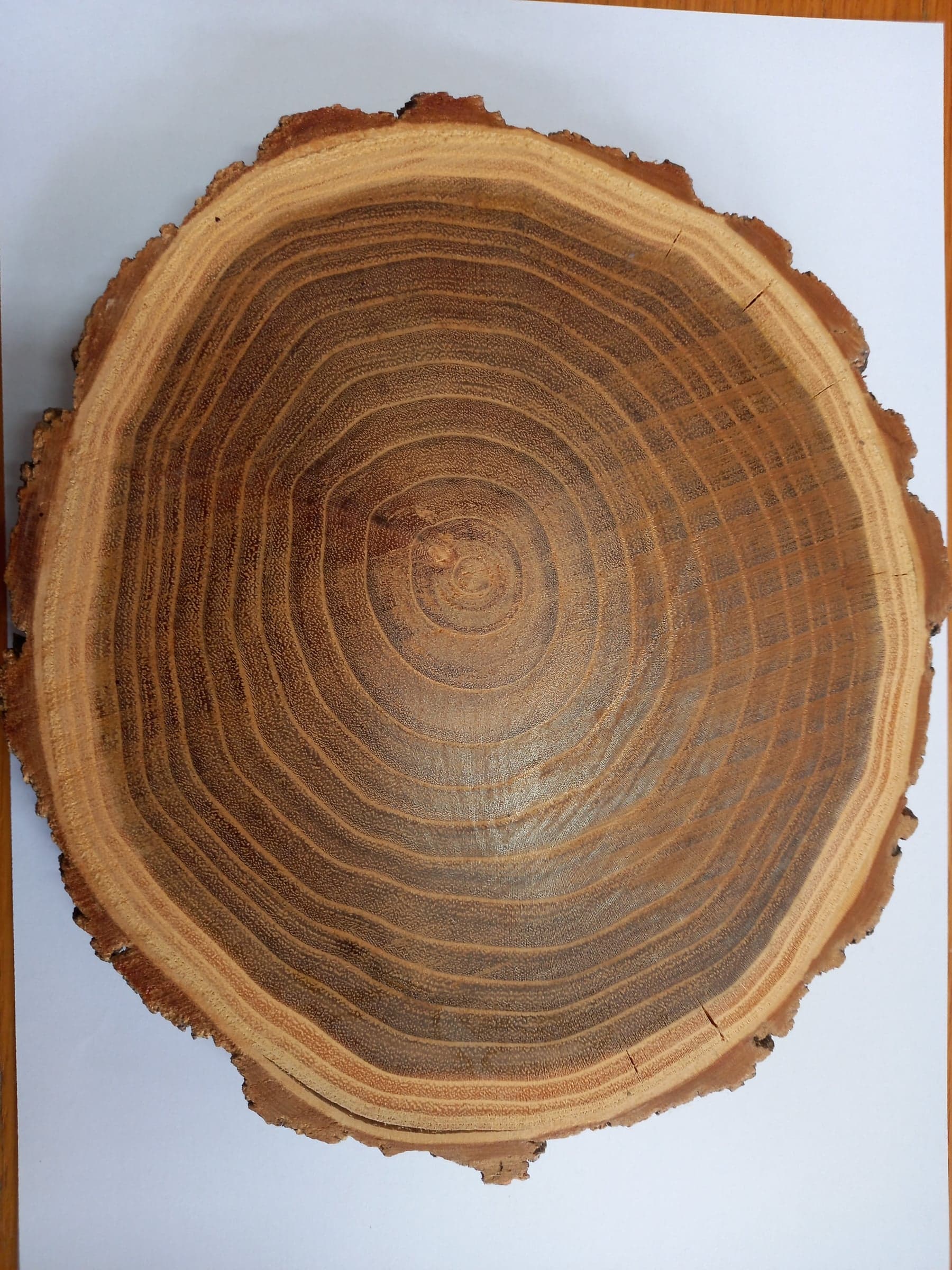
Black Locust / Robinia šķiedra
  • Piemērotība projektam
  • Pieejams noliktavā
  • Izskats
  • Apstrāde
  • Koka kustība
  • Cena
  • Drošība un iegāde
  • Jautājumi
  • Tehniskie dati

Vai tā ir piemērota jūsu projektam?

Lieliski piemērota

  • Outdoor benches and garden furniture that need to survive without preservative treatment
  • Thresholds, sills, and entry pieces that take weather and wear
  • Fence posts and landscape elements designed as visible objects, not buried hardware
  • High-wear interior tops, kitchen islands, workshop benches, retail counters
  • Tool handles and turned forms where toughness matters
  • Steam-bent components, chair backs, hoops, curved frames

Pašreizējā kolekcijā nav Black Locust / Robinia

Līdzīgas sugas noliktavā

Pašlaik nav Black Locust / Robinia. Šīs sugas ir piemērotas tiem pašiem projektiem, un to gabali ir pieejami.
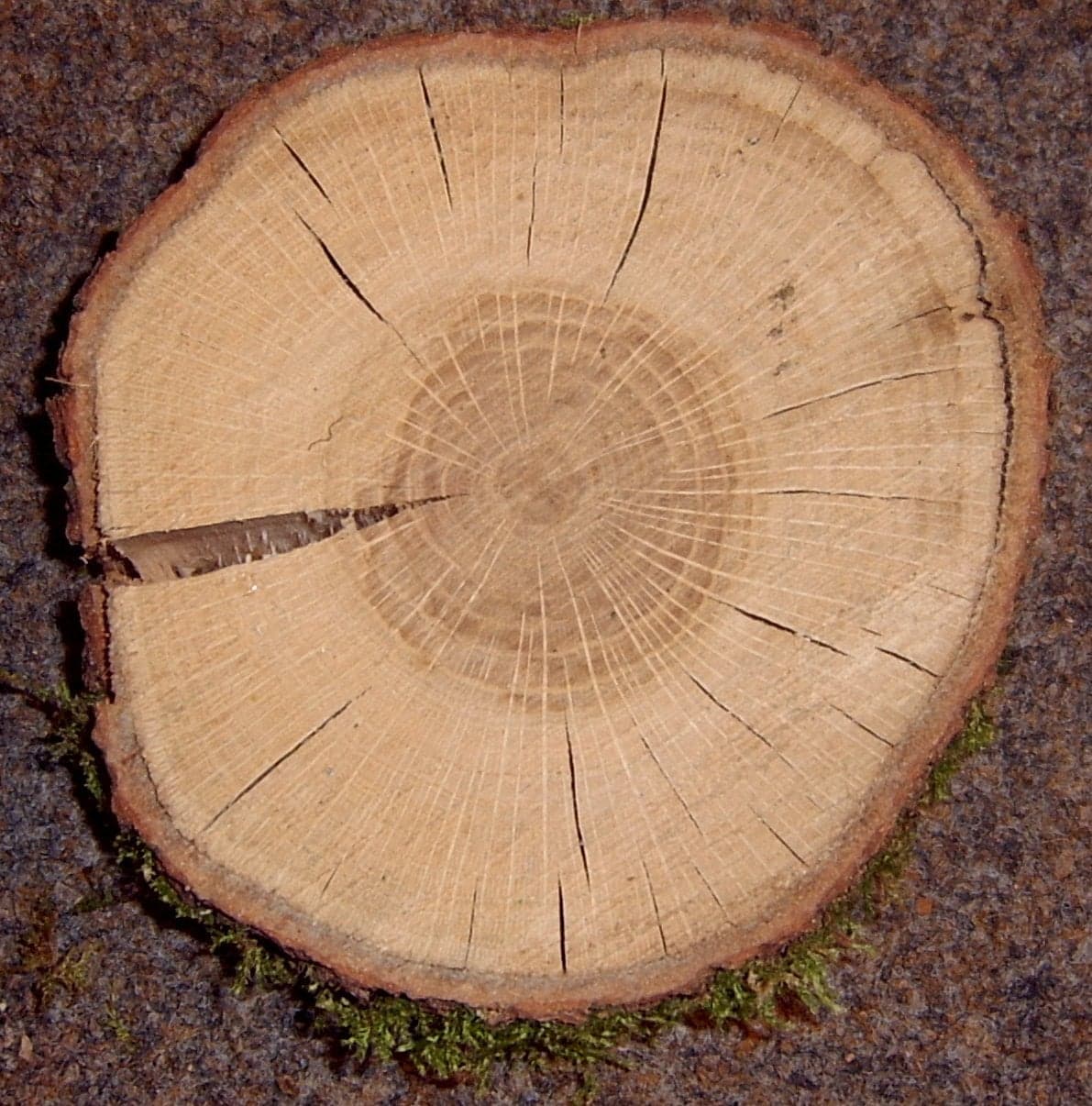
  • European Oak šķiedra

    European Oak

    Quercus robur

    6 gabali

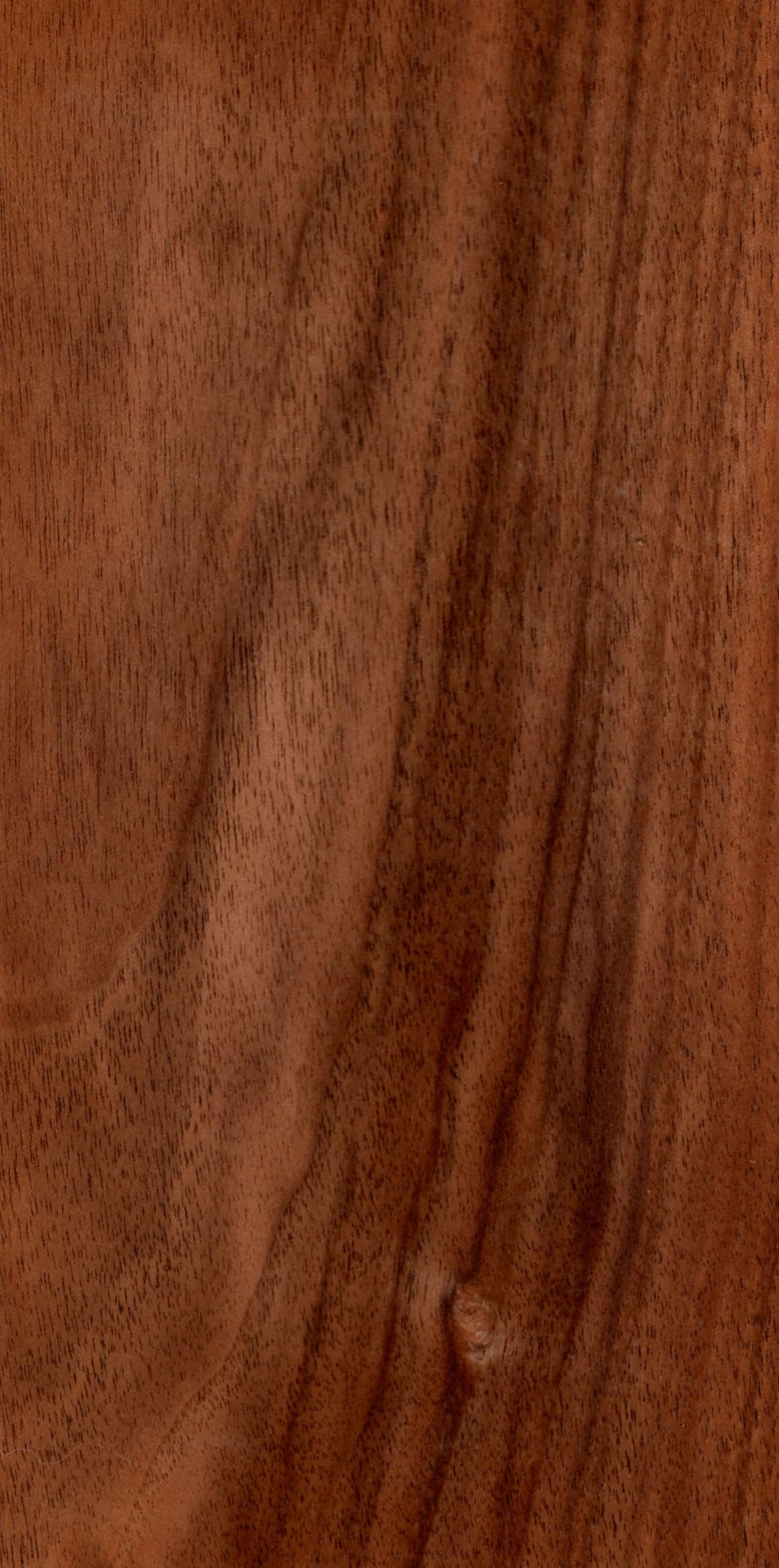
  • European Walnut šķiedra

    European Walnut

    Juglans regia

    9 gabali

  • Saman šķiedra

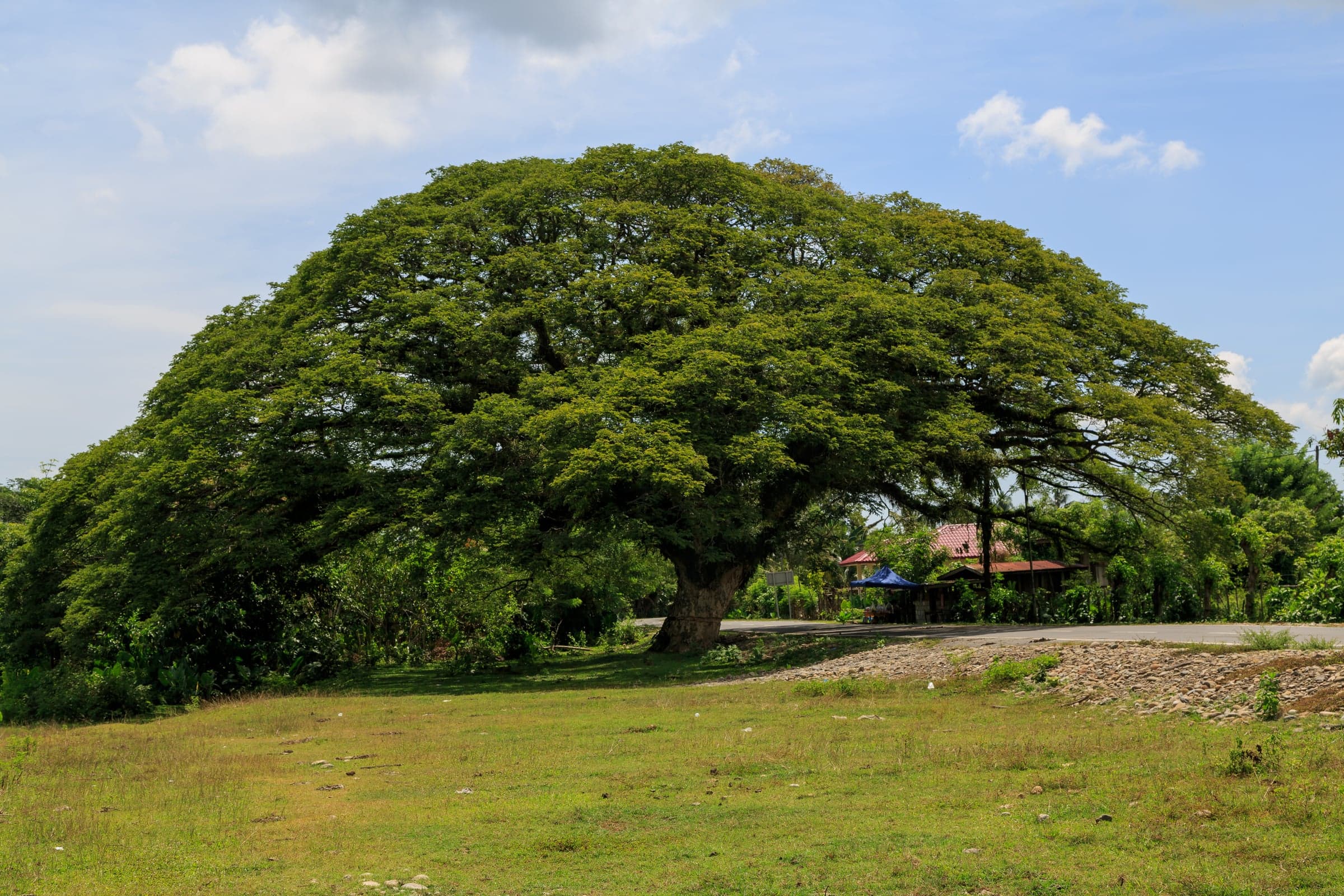
    Saman

    Samanea saman

    4 gabali

Saņemt paziņojumus par Black Locust / Robinia

Mēs nosūtīsim e-pasta ziņojumu, kad KORENA būs pieejami jauni Black Locust / Robinia dēļi. Katrs gabals ir vienreizējs eksemplārs, tāpēc ir vērts uzzināt laikus.

Daži e-pasta ziņojumi mēnesī. Nekāda surogātpasta, abonementu var atcelt jebkurā laikā.

Koksnes izskats

Kā tā izskatās

Straight grain, coarse open texture, and a heartwood that lands somewhere between olive-yellow and greenish-gold when freshly cut. UV does the work over the next few months, the green calms down and the wood warms into a deep amber. Sapwood is narrow and pale yellow. The contrast between the two reads cleanly on wide slabs.

  • Olive-yellow to greenish-gold heartwood when freshly milled
  • Warms to a deep amber over weeks of light exposure
  • Narrow pale yellow sapwood, cleanly demarcated from the heartwood
  • Coarse open pores read clearly under oil finishes
  • Straight grain, coarse texture; very durable.

Apstrāde

Apstrāde

Honest warning, this is a hard, tough wood and it will blunt edges. Carbide tooling is sensible, and HSS needs frequent sharpening. Sawing, planing, and sanding all sit around average difficulty for the effort, but tool wear is well above average. It glues and screws cleanly once you pre-drill, and it turns nicely. The standout is steam-bending. Robinia is one of the best European species for it, on a par with white oak.

Apdare

Takes oils and hardwax oils well; the open pores welcome them. The early colour shift is dramatic, so finish a test piece and leave it in daylight for a fortnight before committing, what you see on the bench is not what the client will see in a month. UV-blocking finishes slow the amber drift if a greener tone is wanted. Sanding to 180 is usually enough; finer grits can burnish the surface and fight oil uptake.

Žāvēšana

Dries slowly and benefits from patience. Surprisingly stable for its hardness once acclimatised, radial movement around 4–5% and tangential 6.5–8% are modest for a 770 kg/m³ wood. Stack with care, weight the top, and expect some end-checking if rushed. Kiln schedules should be conservative.

Cik daudz tā kustēsies?

Mainoties gaisa mitrumam, koksne šķērsām platumam uzbriest un saraujas. Pirms stiprinājumu projektēšanas novērtējiet Black Locust / Robinia galda virsmas sezonālo koka kustību.

Griezums
Kur tā atradīsies

Paredzamā sezonālā koka kustība

aptuveni 8,3 mm

Stipriniet galda virsmu ar stiprinājumiem vai kronšteiniem rievās, nevis ar līmi vai cieši pievilktām skrūvēm.

Lineārā rukuma modelis: platums × (rukums ÷ 28% šķiedras piesātinājums) × sezonālā mitruma svārstība. Black Locust / Robinia izmanto 7,25% tangenciālais rukumu. Plānošanas aplēse, nevis garantija.

Cik tā maksā

Drošība un iegāde

  • Audzēta un cirsta Eiropā.
  • IUCN Sarkanā saraksta statuss: sugas globālais aizsardzības novērtējums.
  • Not recommended for direct food contact. The bark, leaves, and seeds carry toxic compounds, and while the heartwood is considered the safer part of the tree, we would not specify it for cutting boards or utensils. The dust is a known irritant and sensitiser, some woodworkers report nausea from prolonged exposure. Run dust extraction and a fitted respirator, not just a paper mask.

Lasīt pilno ceļvediPlašākas piezīmes par koksnes zīmējumu, krāsas maiņu, apstrādi un izmēru stabilitāti.+

What Robinia actually is#

Robinia pseudoacacia, black locust, is the strongest and most durable timber in this catalogue, and it grows across Europe like a weed.

The numbers are not close. At 7,560 N Janka it is the hardest measured species here. Its modulus of rupture of 130 MPa and elastic modulus of 14.0 GPa are the highest measured figures in the catalogue. And it is rated decay class 1, very durable, matched only by yew.

That combination, tropical grade durability from a fast growing European species, is unusual enough to be worth stating plainly: robinia does what teak and ipe do, without a tropical supply chain.

Why it is not more widely used#

Three reasons, none of them about performance.

It is hard to convert. At this density and hardness it blunts tooling fast and asks a great deal of machines, and small sawmills often decline it.

It grows badly for timber. Robinia is prone to twisting, forking and spiral grain, so long straight clean lengths are scarce even where the tree is abundant. Most of what is cut ends up as fence posts and stakes, applications where its durability is used and its form does not matter.

It has an image problem. In much of Europe it is regarded as an invasive nuisance rather than a timber species, which keeps demand and therefore processing infrastructure low.

Pircēju jautājumi

Pircēju jautājumi

Is Robinia really as durable as tropical hardwood?

+

Yes, and that is its main argument. It is rated decay class 1, very durable, the highest rating in this catalogue alongside yew, and it performs comparably to teak or ipe in ground contact. Because it grows fast across Europe it offers tropical grade durability without a tropical supply chain, which is a rare combination under EUDR.

How hard is it?

+

At 7,560 N Janka it is the hardest measured wood in this catalogue, above hornbeam at 7,260 N and half again as hard as European oak. Its modulus of rupture of 130 MPa and stiffness of 14.0 GPa are also the highest measured figures here. It is a genuinely formidable timber.

Is it toxic?

+

The bark, leaves and seeds are toxic, containing robin and robinin, and the wood is recorded here as not food safe. Dust is irritant. Do not use it for chopping boards, food contact surfaces or anything a child might chew, and run extraction when machining.

Why is it treated as invasive in some countries?

+

Robinia is native to North America and was introduced to Europe in the seventeenth century. It spreads readily by root suckers and fixes nitrogen, altering soil chemistry, and several European countries list it as invasive. That is an ecological concern about planting rather than a restriction on timber, and harvesting established stands is generally viewed favourably.

Mehāniskās īpašības

Tehniskie dati

Publicētas atsauces vērtības. Ja avoti atšķiras, parādīts diapazons, bet iepriekšējās skalās izmantota tipiskā vērtība.

Blīvums (kg/m³)Svars uz kubikmetru pie aptuveni 12% mitruma. Smagāka koksne parasti ir cietāka un stiprāka.700–830 kg/m³tipiskā vērtība 770 kg/m³
Janka cietība (N)Spēks, kas vajadzīgs, lai tērauda lodīti līdz pusei iespiestu koksnē. Standarta iespiedumu pretestības mērs.7,000–8,200 Ntipiskā vērtība 7560 N
MOR: lieces stiprība (MPa)Lieces stiprība: slodze, pie kuras sija lūst.130–150 MPa
MOE: elastības modulis (GPa)Lieces stingrība: cik daudz plaukts vai galda virsma izliecas zem slodzes.14.0–16.0 GPa
Radiālais rukumsRukums šķērsām augšanas gredzeniem no svaigi zāģēta līdz absolūti sausam stāvoklim. Šādi kustas radiāla griezuma dēļi.4.0–5.0 %
Tangenciālais rukumsRukums gar augšanas gredzeniem. Šādi kustas tangenciāla griezuma dēļi un vairums dēļu.

Dexys-2019, via Wikimedia Commons

Priekšrocības

  • Izturīga ārāEN 350 klase 1 no 5: bez apstrādes pretojas trupei ārā.
  • Ļoti laba izmēru stabilitāteNeliela sezonālā koka kustība. Piemērota platām galda virsmām un ciešiem savienojumiem.

Originally North American, but naturalised and commercially grown across central and eastern Europe for over two centuries. Hungary, Romania, Bulgaria, and Slovakia all have working forestry programmes around it. For sourcing and EUDR purposes we treat it as European stock, the supply chain sits inside the EU and the paperwork follows.

  • IUCN Least Concern, no CITES listing. Grown commercially across central and eastern EU, often on marginal land where slower-growing natives struggle. Class 1 durability means outdoor pieces last decades without preservative chemistry, which is its own sustainability argument. EUDR-wise, the supply chain is short and EU-internal, provenance is straightforward to document.

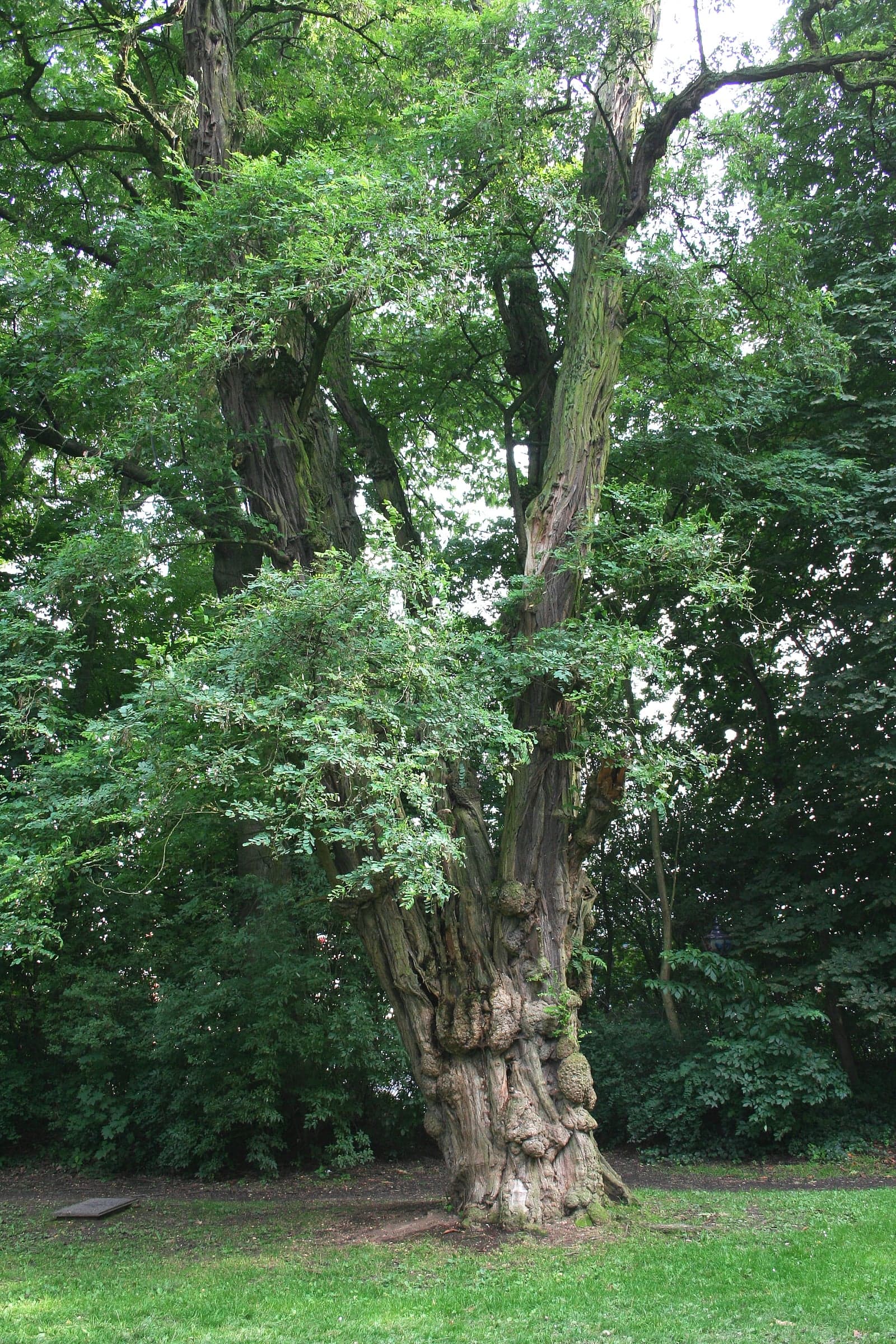
  • Black Locust / Robinia koks

    Jean-Pol GRANDMONT, via Wikimedia Commons

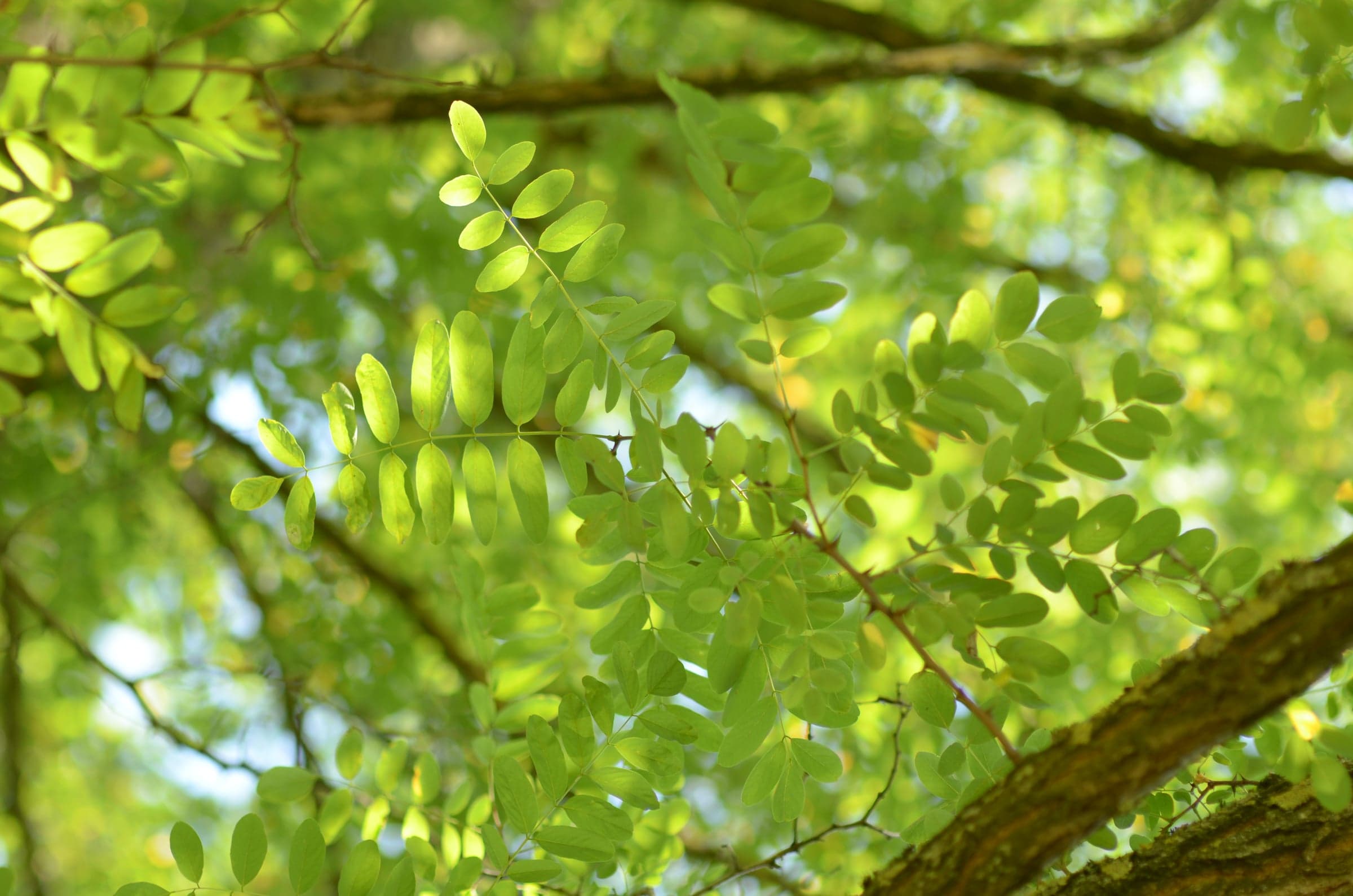
    Black Locust / Robinia: Lapa
    Lapa
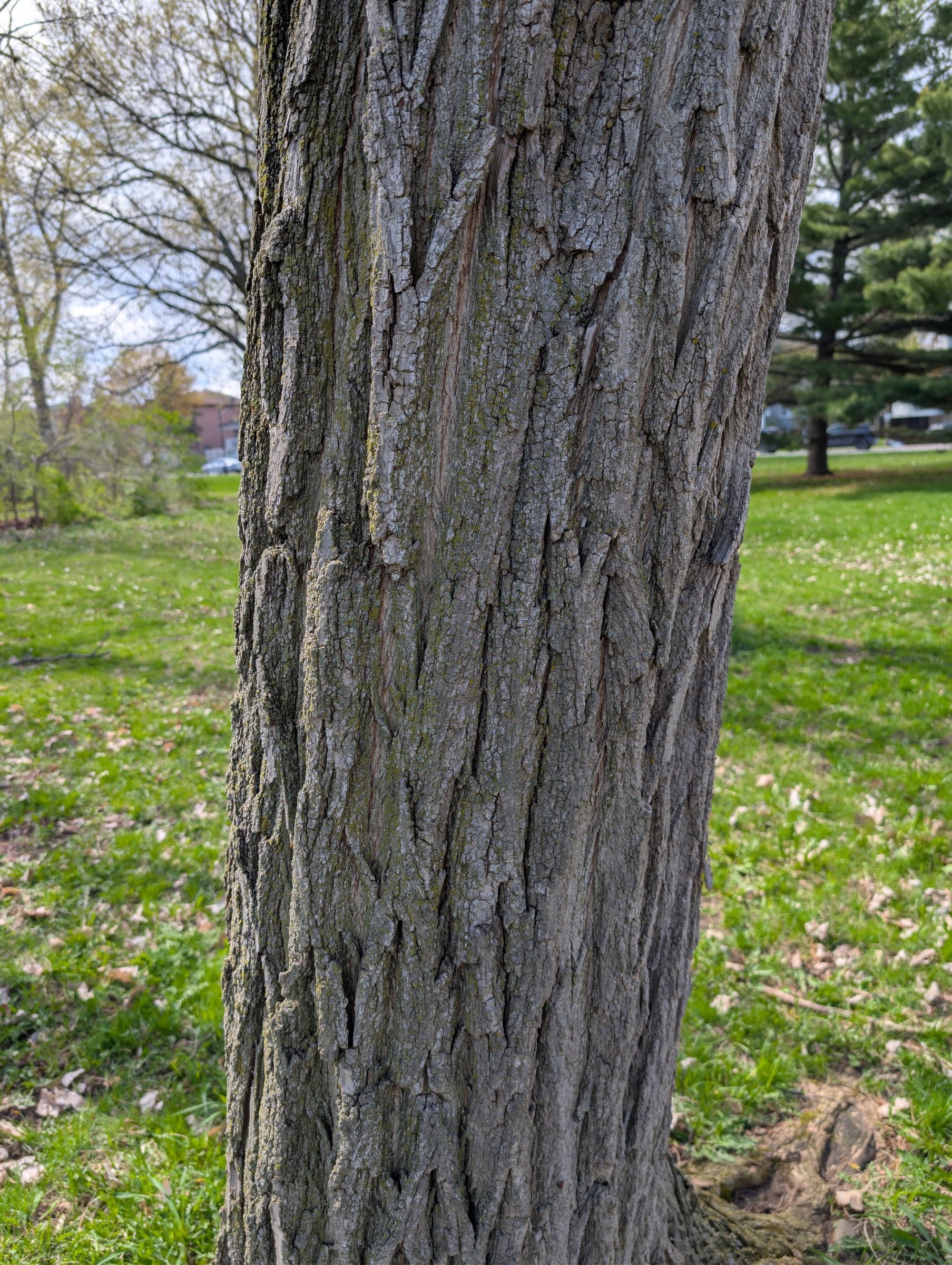
    Black Locust / Robinia: Miza
    Miza

    For slab work, the form problem is the main constraint. Wide clean robinia is genuinely uncommon.

    Reading a robinia slab#

    Heartwood runs greenish yellow when fresh, darkening to a warm golden brown and eventually a russet with light exposure. Sapwood is narrow and pale. The wood has a natural lustre and fluoresces under UV, which is a quick identification test.

    Grain is often wavy or interlocked, and the ring porous structure gives a bold figure not unlike ash or oak.

    Check carefully for spiral grain and twist along the length. It is the characteristic fault of the species and it will show itself after machining if it was not visible before.

    At the bench#

    Expect to work for it. At 7,560 N with frequently interlocked grain, robinia blunts cutters faster than anything else here and tears out where the grain reverses.

    Sharp tooling is not advice, it is the requirement. Light cuts, a high angle plane or a scraper for the final surface, and carbide rather than steel where you have the choice. A helical cutterhead makes a substantial difference.

    It turns nicely and it steam bends excellently, one of the best European species for it. Combined with its durability, that makes it a strong candidate for exterior curved work where oak is the conventional choice but does not last as long.

    It glues and screws well, though pilot holes are essential at this density.

    Toxicity#

    The bark, leaves and seeds are toxic, containing robin and robinin. The wood is recorded in this catalogue as not food safe and the dust is irritant.

    Do not use robinia for chopping boards, food contact surfaces, or anything a child might mouth. Run extraction when machining.

    Stability#

    Volumetric shrinkage of 10.0 percent is among the lowest in this catalogue, with tangential at 6.5 percent against radial at 4.0 percent. That is both a low total and a narrow differential, which means robinia is dimensionally well behaved once dry, unusual for a wood this dense.

    Drying it is another matter: the density and frequent spiral grain make it slow and prone to distortion.

    The invasive question#

    Robinia is native to North America and was introduced to Europe in the seventeenth century. It spreads readily by root suckers and fixes nitrogen, altering soil chemistry, and several European countries list it as invasive.

    That is an ecological concern about planting, not a restriction on timber. Harvesting established stands is generally viewed favourably, and using the wood is not in tension with the conservation position.

    Where Robinia is the right answer#

    Outdoor furniture, decking, garden structures, boat components, fence posts, and any exterior application where a European species with tropical grade durability is wanted. Also steam bent exterior work.

    It is the wrong answer for food contact, for large matched volumes, and where your tooling is not up to it.

    Sourcing and EUDR#

    Not CITES listed and assessed as Least Concern. Abundant across central and southeastern Europe, particularly Hungary, which has the largest managed robinia resource in the world. Supply is straightforward and documentation is simple.

    Can it be steam bent?

    +

    It is one of the best European species for it. Combined with its durability that makes it a strong choice for exterior curved work such as boat parts and garden structures, where oak would be the conventional answer but robinia lasts longer.

    6.5–8.0 %
    Tilpuma rukumsKopējā tilpuma maiņa no svaigi zāģēta līdz absolūti sausam stāvoklim. Mazāka vērtība nozīmē labāku izmēru stabilitāti.10.0–12.0 %
    Dabiskā izturība (EN 350)Eiropas standarts dabiskajai izturībai pret trupi no 1 (ļoti izturīga) līdz 5 (neizturīga).Class 1 — Very durable

    Avoti

    • The Wood Database(skatīts 2026-05-09)
    • USDA FPL Wood Handbook FPL-GTR-190 (2010)(skatīts 2026-05-09)
    • Meier, E. — WOOD! Identifying and Using Hundreds of Woods Worldwide (2015)(skatīts 2026-05-09)

    Īsumā

    Visām KORENA uzskaitītajām sugām līmeņiem izmantoti vienādi diapazoni, tāpēc tos var tieši salīdzināt. Zem katra norādīta izmērītā vērtība.
    CietībaIzturība pret iespiedumiem un nodilumuĻoti cieta

    Janka cietība 7560 N

    Par 52% cietāka nekā Eiropas ozols

    SvarsCik smagu dēli jāceļĻoti smaga

    770 kg/m³

    Izmēru stabilitāteCik maz tā kustas gadalaiku ietekmēLaba izmēru stabilitāte

    Tilpuma rukums 11,0%

    ApstrādeZāģēšana, ēvelēšana, slīpēšana un līmēšanaPrasīga

    Vidējais apstrādes vērtējums 3,4 / 5

    Lietošana ārāDabiskā izturība pret trupi, EN 350Ārā, ilgs kalpošanas laiks

    EN 350 klase 1

    • Zāģēšana · LabaCik tīri to var sazāģēt un cik ļoti tā nolieto asmeņus.1 = sarežģīta · 5 = teicama
    • Ēvelēšana · LabaCik gluda paliek virsma un cik daudz šķiedru tiek izrauts.1 = sarežģīta · 5 = teicama
    • Slīpēšana · LabaCik ātri to var gludi noslīpēt, neaizsprostojot smilšpapīru.1 = sarežģīta · 5 = teicama
    • Virpošana · Ļoti labaKā tā griežas un iegūst apdari virpā.1 = sarežģīta · 5 = teicama
    • Griešana kokā · LabaCik precīzi tā saglabā detaļas, strādājot ar kaltu.1 = sarežģīta · 5 = teicama
    • Līmēšana · Ļoti labaCik uzticami turas līmētie savienojumi.1 = sarežģīta · 5 = teicama
    • Skrūvju / naglu noturība · Ļoti labaCik labi tā notur skrūves un naglas, neplaisājot.1 = sarežģīta · 5 = teicama
    • Liekšana ar tvaiku · TeicamaCik labi tā pēc tvaicēšanas iegūst izliekumu.1 = sarežģīta · 5 = teicama

    Pašreizējā Black Locust / Robinia kokmateriālu cena Eiropā par kubikmetru bez PVN. Pieskarieties cenai, lai skatītu sīkāku informāciju.

    • Labākie baļķi izsolēAtlasīti augstas kvalitātes baļķi, kas pārdoti slēgta piedāvājuma izsolēs, galvenokārt finiera ražotājiem un mēbeļu galdniekiem. No šādiem baļķiem zāģē dēļus.Lielākā daļa cenu ir no 143 € līdz 143 €.Aprēķināts no 26 cenām 1 reģionā.Jaunākie dati: 2026. g. 25. sept.
    • Standarta baļķiLieli standarta apaļo kokmateriālu apjomi, ko mežu īpašnieki un valsts mežsaimniecības pārdod galvenokārt būvniecībai un rūpniecībai.Lielākā daļa cenu ir no 11 € līdz 61 €.Aprēķināts no 21 cenas 1 reģionā.Jaunākie dati: 2026. g. 25. sept.

    Kāpēc dēlis maksā vairāk?

    Šīs ir neapstrādātu kokmateriālu cenas. Dēlis ir labākais baļķa griezums, kas kaltēts vismaz gadu un pēc tam pārbaudīts un izmērīts pa vienam gabalam. Par dēli kļūst tikai neliela baļķa daļa.

    Avots: KORENA kokmateriālu indekss · Jaunākie dati: 2026. g. 25. sept.

    Skatīt visas reģionālās cenas
    Labi liecas
    Liekšana ar tvaiku novērtēta ar 5 no 5. Var iegūt ciešus izliekumus.

    Pievērsiet uzmanību

    • Putekļi kairinaSlīpējot vai apstrādājot, ieslēdziet nosūcēju un valkājiet masku.
    • Nav paredzēta saskarei ar pārtikuGriešanas dēļiem un servēšanas piederumiem izvēlieties citu sugu.
    • Ātri notrulina instrumentusĻoti cieta un blīva. Uzturiet instrumentus asus un katrai skrūvei izurbiet priekšurbumu.

    Pieskarieties apzīmējumam, lai skatītu sīkāk.