Castanea sativa
Sweet Chestnut
A lighter, softer cousin of oak. Tannin-rich heartwood gives it real durability outdoors, but those same tannins react with iron, so fixings need to be stainless or brass.
- Audzēta un cirsta Eiropā.
- Botāniskā grupa. Skujkoki ir koniferi, bet lapu koki ir platlapji.
- Botāniskā dzimta, kurai pieder suga.
Paziņot, kad būs pieejamsAtsauces suga. Pašlaik noliktavā nav pieejamu gabalu.
Īsumā
Visām KORENA uzskaitītajām sugām līmeņiem izmantoti vienādi diapazoni, tāpēc tos var tieši salīdzināt. Zem katra norādīta izmērītā vērtība.CietībaIzturība pret iespiedumiem un nodilumuSamērā mīksta
Janka cietība 3010 N
Par 40% mīkstāka nekā Eiropas ozols
SvarsCik smagu dēli jāceļVidēja
590 kg/m³
Izmēru stabilitāteCik maz tā kustas gadalaiku ietekmēVidēja
Tilpuma rukums 12,8%
ApstrādeZāģēšana, ēvelēšana, slīpēšana un līmēšanaVidēja
Vidējais apstrādes vērtējums 3,9 / 5
Lietošana ārāDabiskā izturība pret trupi, EN 350Ārā
EN 350 klase 2
Vai tā ir piemērota jūsu projektam?
Lieliski piemērota
- External cladding and rainscreens
- Interior wall and ceiling panelling
- Barn-style and rustic furniture frames
- Garden furniture and pergolas
- Coopered tanks, vats, and planters
- Beams and exposed structural framing
- Doors, gates, and shutters
- Flooring in lower-traffic rooms
Priekšrocības
- Izturīga ārāEN 350 klase 2 no 5: bez apstrādes pretojas trupei ārā.
- Droša saskarei ar pārtikuPiemērota dēļiem, bļodām un virsmām, kas saskaras ar pārtiku.
- Labi liecasLiekšana ar tvaiku novērtēta ar 4 no 5. Var iegūt ciešus izliekumus.
Pievērsiet uzmanību
- Putekļi kairinaSlīpējot vai apstrādājot, ieslēdziet nosūcēju un valkājiet masku.
Pieskarieties apzīmējumam, lai skatītu sīkāk.
Pašreizējā kolekcijā nav Sweet Chestnut
Līdzīgas sugas noliktavā
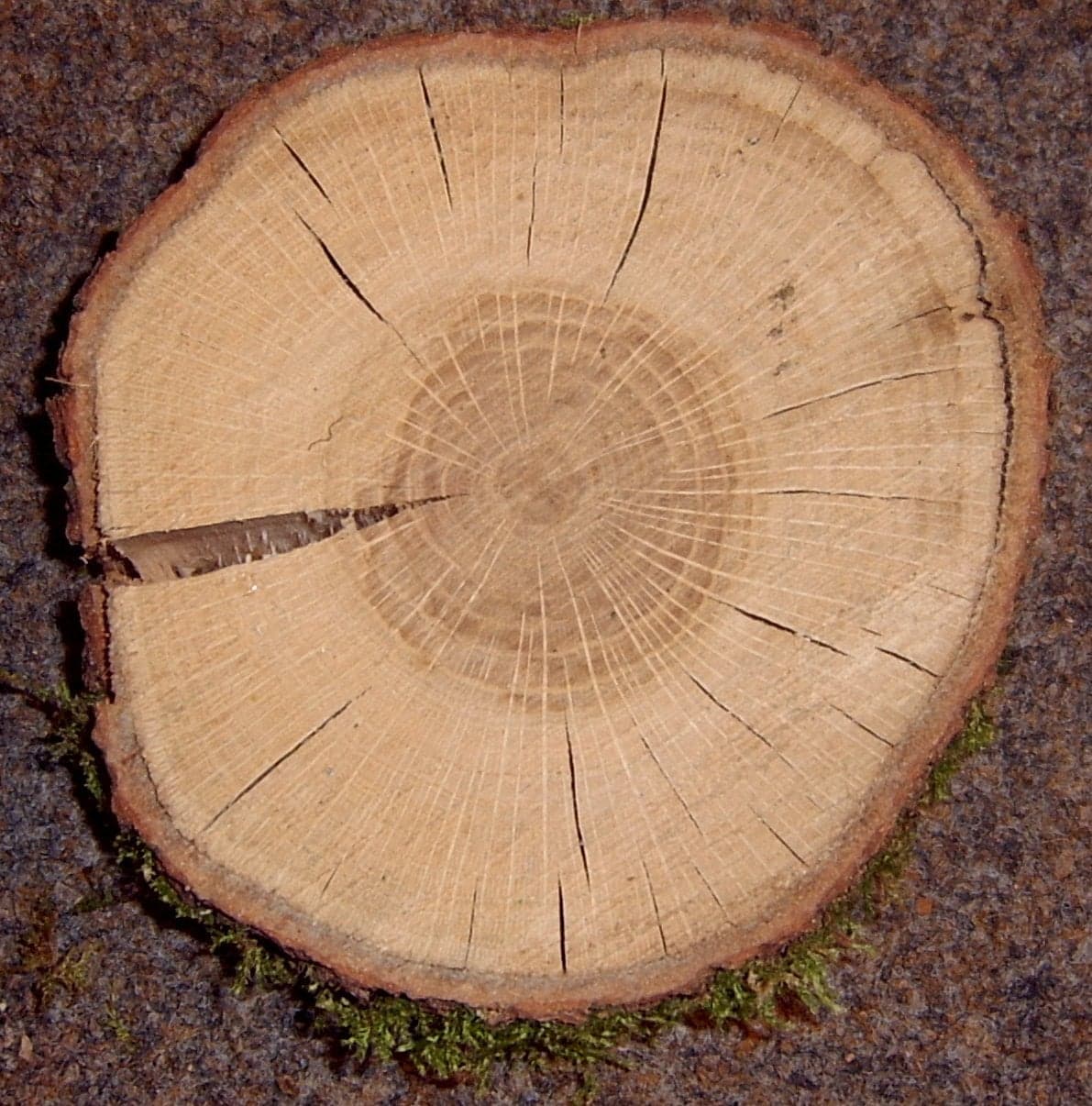
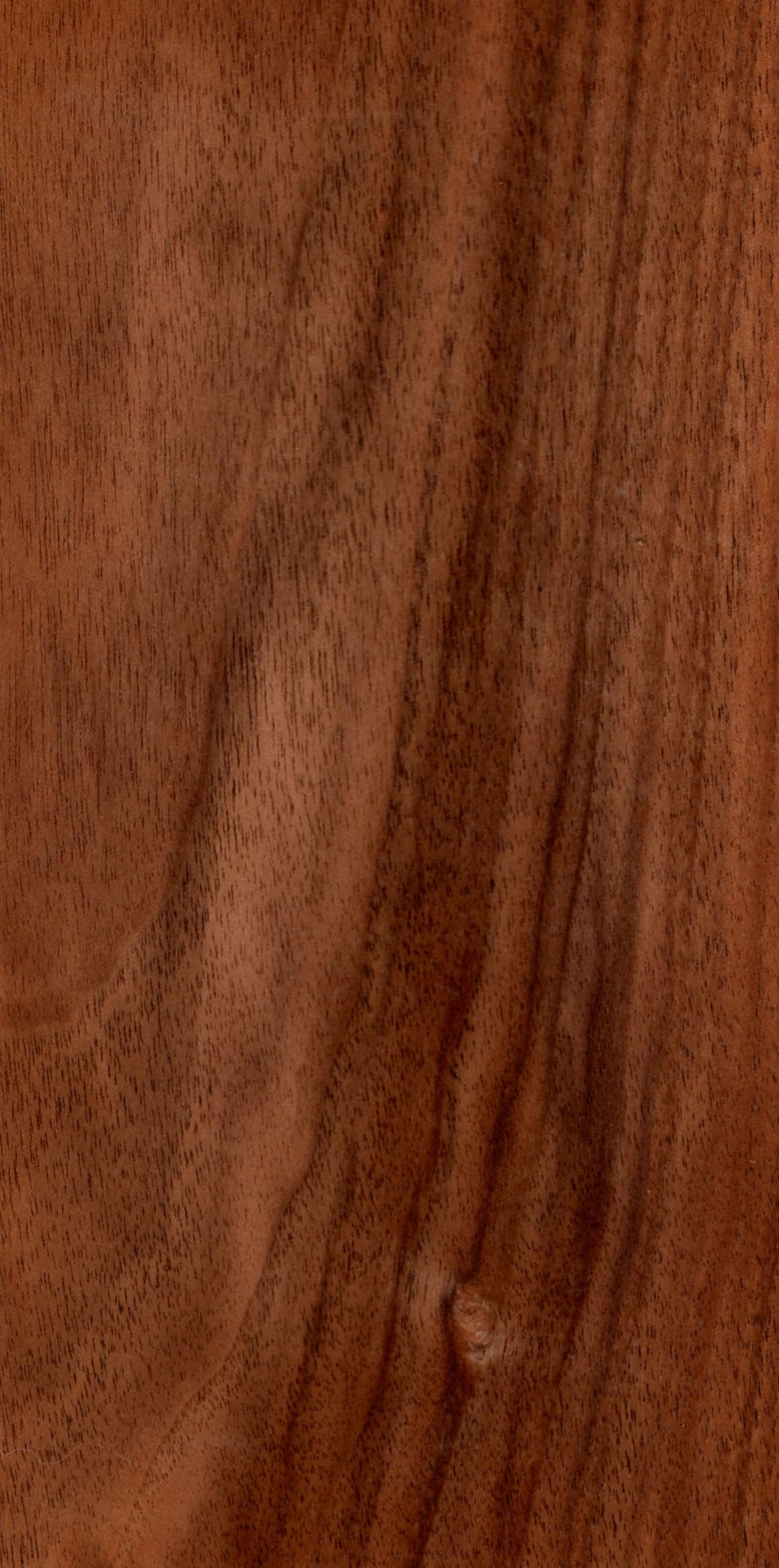
Pašlaik nav Sweet Chestnut. Šīs sugas ir piemērotas tiem pašiem projektiem, un to gabali ir pieejami.
Saņemt paziņojumus par Sweet Chestnut
Mēs nosūtīsim e-pasta ziņojumu, kad KORENA būs pieejami jauni Sweet Chestnut dēļi. Katrs gabals ir vienreizējs eksemplārs, tāpēc ir vērts uzzināt laikus.
Koksnes izskats
Kā tā izskatās
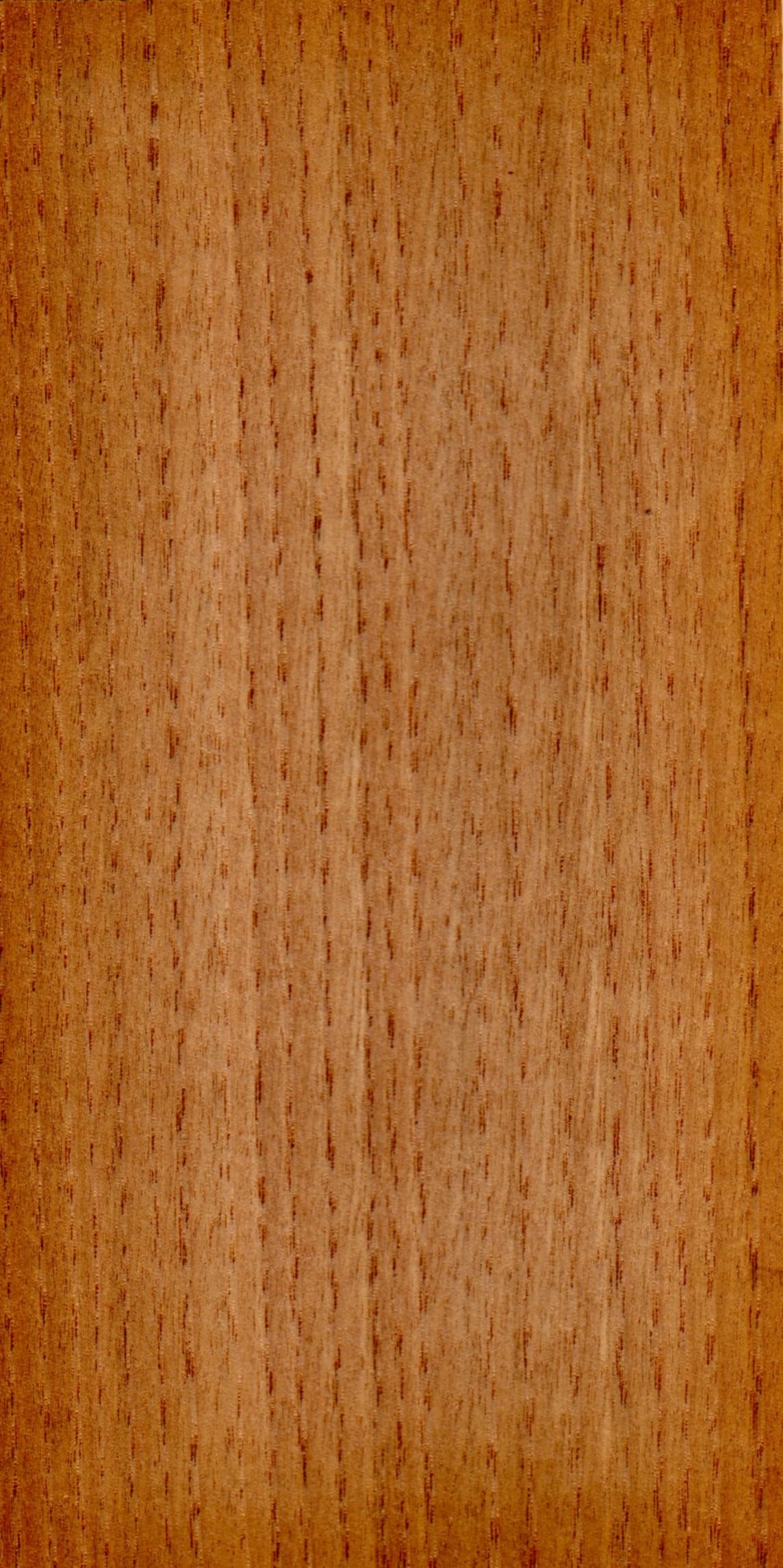
Straight-grained and coarse-textured, with prominent ring-porous figure that reads as oak at a glance. Heartwood is a warm honey-brown that ambers with age; sapwood is a narrow pale band. Lacks oak's strong medullary rays, so quartersawn faces are calmer and less flecked.
- Heartwood: warm honey to mid-brown, ambers with age
- Sapwood: narrow, pale cream to light straw
- Fumed: deep chocolate to near-black with ammonia
- Oiled: pulls warmer and slightly redder than oak
- Weathered outdoors: silver-grey patina within 1–2 seasons
- Straight grain, coarse texture; resembles oak.
Apstrāde
Apstrāde
- Zāģēšana · TeicamaCik tīri to var sazāģēt un cik ļoti tā nolieto asmeņus.1 = sarežģīta · 5 = teicama
- Ēvelēšana · Ļoti labaCik gluda paliek virsma un cik daudz šķiedru tiek izrauts.1 = sarežģīta · 5 = teicama
- Slīpēšana · Ļoti labaCik ātri to var gludi noslīpēt, neaizsprostojot smilšpapīru.1 = sarežģīta · 5 = teicama
- Virpošana · LabaKā tā griežas un iegūst apdari virpā.1 = sarežģīta · 5 = teicama
- Griešana kokā · Ļoti labaCik precīzi tā saglabā detaļas, strādājot ar kaltu.1 = sarežģīta · 5 = teicama
- Līmēšana · Ļoti labaCik uzticami turas līmētie savienojumi.1 = sarežģīta · 5 = teicama
- Skrūvju / naglu noturība · LabaCik labi tā notur skrūves un naglas, neplaisājot.1 = sarežģīta · 5 = teicama
- Liekšana ar tvaiku · Ļoti labaCik labi tā pēc tvaicēšanas iegūst izliekumu.1 = sarežģīta · 5 = teicama
Saws and planes well with sharp tooling. Softer than oak, so it dents more easily but is also kinder on edges. Splits readily when screwed near ends or edges, pre-drill and countersink. Glues and steam-bends predictably. Turning is workable but the coarse grain can tear on end-grain cuts.
Apdare
Takes oil, hardwax, and water-based finishes cleanly. Open pores benefit from a grain filler if you want a glass-flat surface, or leave them open for a tactile, oak-like read. Fuming with ammonia darkens it deeply thanks to the high tannin content. Test stains on offcuts, tannins can pull cool tones grey.
Žāvēšana
Dries slowly and is prone to ring shake and honeycomb if pushed. Air-dry to around 25–30% MC before kilning, then run a gentle schedule. Movement in service is moderate, tangential shrinkage near 7% means wide boards want room to move in panels and tabletops.
Cik daudz tā kustēsies?
Mainoties gaisa mitrumam, koksne šķērsām platumam uzbriest un saraujas. Pirms stiprinājumu projektēšanas novērtējiet Sweet Chestnut galda virsmas sezonālo koka kustību.
Paredzamā sezonālā koka kustība
aptuveni 7,7 mm
Stipriniet galda virsmu ar stiprinājumiem vai kronšteiniem rievās, nevis ar līmi vai cieši pievilktām skrūvēm.
Lineārā rukuma modelis: platums × (rukums ÷ 28% šķiedras piesātinājums) × sezonālā mitruma svārstība. Sweet Chestnut izmanto 6,75% tangenciālais rukumu. Plānošanas aplēse, nevis garantija.
Cik tā maksā
Pašreizējā Sweet Chestnut kokmateriālu cena Eiropā par kubikmetru bez PVN. Pieskarieties cenai, lai skatītu sīkāku informāciju.
- Standarta baļķiLieli standarta apaļo kokmateriālu apjomi, ko mežu īpašnieki un valsts mežsaimniecības pārdod galvenokārt būvniecībai un rūpniecībai.Lielākā daļa cenu ir no 44 € līdz 165 €.Aprēķināts no 29 cenām 4 reģionos.Jaunākie dati: 2026. g. 25. sept.
Standarta baļķi pēc valsts
- Francija · 107 € / m³Reģioni: Bourgogne-Franche-Comté un Grand Est / Alsace13 cenuJaunākie dati: 2026. g. 15. sept.
- Rumānija · 105 € / m³Reģioni: Wallachia12 cenuJaunākie dati: 2026. g. 25. sept.
- Bulgārija · 44 € / m³Reģioni: North-West Bulgaria4 cenasJaunākie dati: 2026. g. 24. sept.
Kāpēc dēlis maksā vairāk?
Šīs ir neapstrādātu kokmateriālu cenas. Dēlis ir labākais baļķa griezums, kas kaltēts vismaz gadu un pēc tam pārbaudīts un izmērīts pa vienam gabalam. Par dēli kļūst tikai neliela baļķa daļa.
Avots: KORENA kokmateriālu indekss · Jaunākie dati: 2026. g. 25. sept.
Skatīt visas reģionālās cenasDrošība un iegāde
- Audzēta un cirsta Eiropā.
- IUCN Sarkanā saraksta statuss: sugas globālais aizsardzības novērtējums.
Dust is a reported skin and respiratory sensitiser, extract at source and wear a fitted mask when sanding or routing. Heartwood is rated food-contact safe once finished. Critical detail: chestnut tannins react with iron and produce black staining wherever the two meet in the presence of moisture. Use stainless steel or brass fixings, and keep iron tooling off damp stock.
Native across southern and Mediterranean Europe, with long-managed coppice woodlands in France, Italy, and the Iberian peninsula. Also grown in the UK and parts of central Europe. KORENA sources mainly from European coppice and standard-tree harvests.
Native European species, IUCN Least Concern, no CITES restrictions. Much of the European supply comes from coppice systems, short-rotation, low-input, and a working part of rural land management in France and Italy. Ask for FSC or PEFC chain-of-custody where it matters to your client. KORENA records the certification it holds on the slab passport.
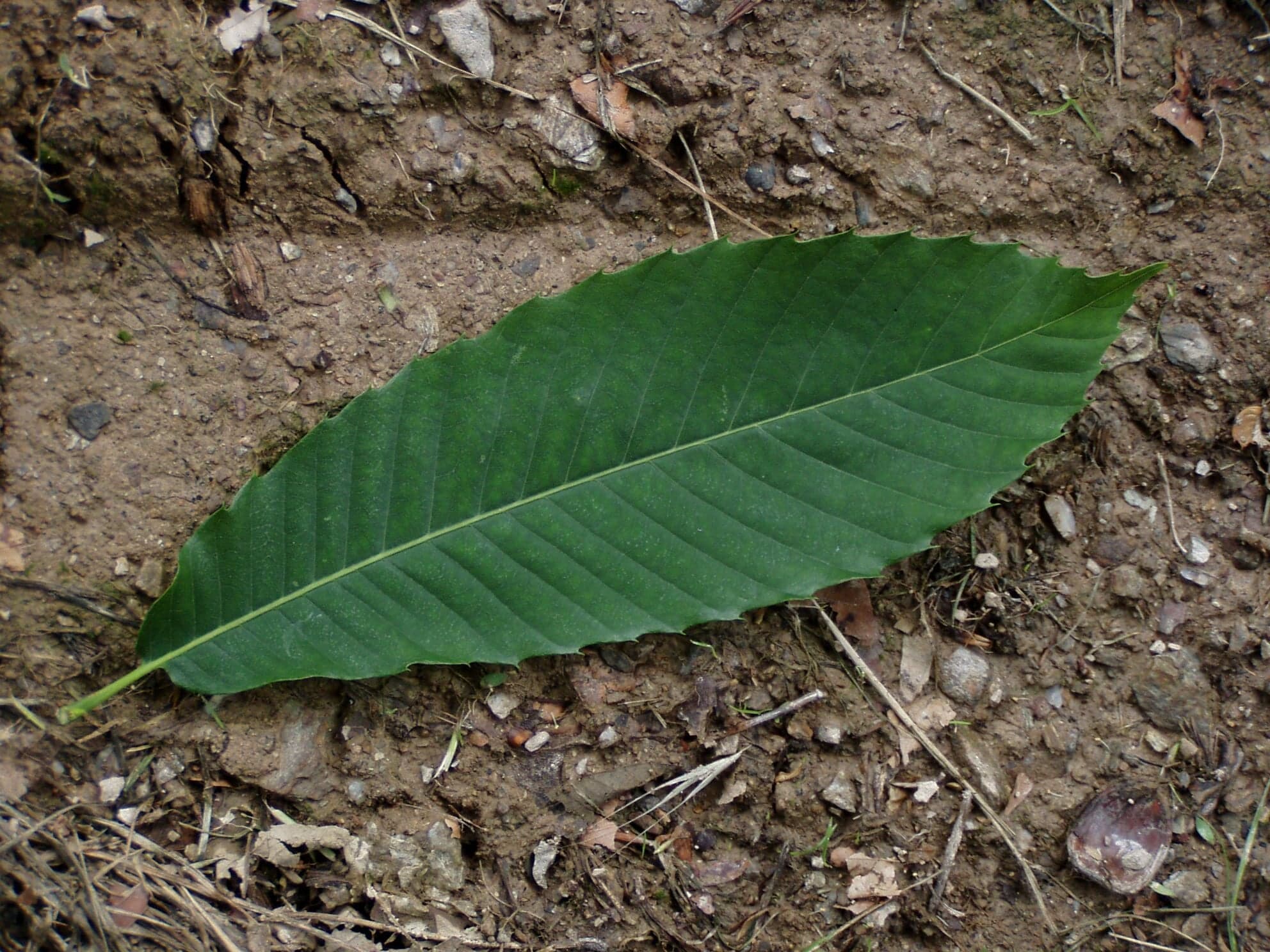
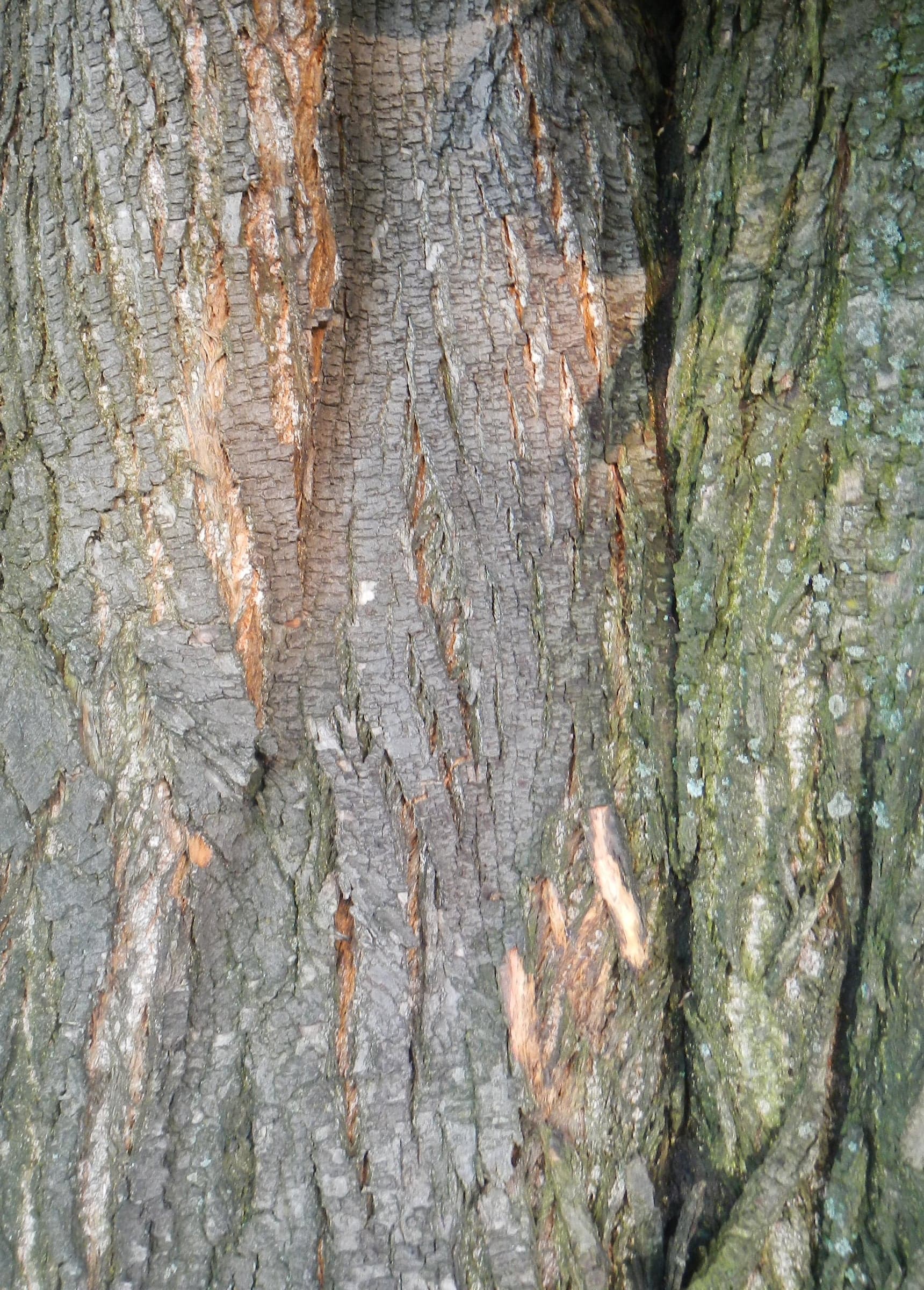
Lasīt pilno ceļvediPlašākas piezīmes par koksnes zīmējumu, krāsas maiņu, apstrādi un izmēru stabilitāti.
What Sweet Chestnut actually is#
Castanea sativa is often sold as the light alternative to oak, and for appearance and durability that description holds. It is ring porous with a similar grain pattern, it carries a similar warm brown colour, and at decay class 2 it is genuinely durable outdoors.
Where the comparison breaks down is hardness. At 3,010 N Janka chestnut is the softest hardwood in this catalogue apart from black poplar, softer than Scots Pine and less than two thirds as hard as oak. Anyone expecting oak-like wear resistance from an oak-like appearance will be disappointed.
The other difference is visible: chestnut lacks oak's prominent rays, so a quartersawn chestnut board shows no ray fleck.
Ring shake, which is the thing to inspect for#
Chestnut is notably prone to ring shake, a separation along a growth ring inside the log.
The problem is that it frequently does not show on a rough sawn face. A board looks sound, gets machined, and the shake opens into a crescent shaped split that follows the ring and effectively ruins it.
This is the main reason chestnut yields far less usable timber than the abundance of the tree suggests, and it is the main reason to look carefully rather than quickly at a chestnut slab. Check end grain for any ring separation, and look along the length in raking light for a crescent line.
On a measured KORENA slab, a shake large enough to matter appears in the defect outline rather than being discovered at the bench.
Durability and tannin#
Chestnut is very high in tannins, and that is where its durability comes from. At decay class 2 it is a genuine exterior timber and has been used across Europe for fencing, cladding, shingles, gates and outdoor structures for centuries. Coppiced chestnut fence posts remain a standard product precisely because they last without treatment.
The same tannins make the iron reaction worse than in oak. Contact with steel produces blue black staining quickly, particularly when damp. Use stainless or brass fixings on any chestnut and treat it as non-negotiable on exterior work.
At the bench#
Chestnut is easy to work, considerably easier than oak. It cuts cleanly, blunts tooling only moderately, glues well and takes finish readily.
Its softness is the working consideration. Arrises bruise, edges dent, and clamps mark the surface if you do not pad them.
The open pores need filling for a smooth surface, as in oak.
Movement#
Volumetric shrinkage of 12.0 percent is moderate, with tangential at 6.0 percent against radial at 3.5 percent. That differential is narrower than oak's, so chestnut behaves reasonably well in a wide flatsawn board.
It dries readily, though drying is where existing ring shake tends to open up.
Where Sweet Chestnut is the right answer#
Exterior cladding, fencing, gates, garden structures, shingles and outdoor furniture, where its durability and light weight both count. Indoors it suits panelling, light furniture and any piece where an oak look is wanted at a fraction of the weight.
It is the wrong answer for a hard wearing work surface, and wrong wherever ring shake risk cannot be inspected for before committing.
Sourcing and EUDR#
Not CITES listed and assessed as Least Concern. Abundant across southern and western Europe with long established coppice management in France, Italy and the Iberian peninsula. Supply is straightforward and documentation simple.
Coppice, and why chestnut comes in the sizes it does#
Sweet chestnut has been coppiced across Europe for centuries. The tree is cut close to the ground and allowed to regrow multiple stems, which are harvested on a cycle of roughly fifteen to twenty years for poles, fencing and stakes.
That management history shapes what reaches the market. A great deal of chestnut is small diameter coppice material, excellent for its traditional uses and useless for slabs. Timber sized chestnut comes from maiden trees grown on a longer rotation, and it is much less common.
The practical effect is that wide chestnut slabs are scarcer than the abundance of the species suggests, and they command a premium relative to how cheap chestnut fencing is. If a quote for chestnut slabs looks similar to a quote for chestnut posts, something is wrong with the description.
Chestnut against oak in the yard#
Side by side, the two are easy to confuse at a glance and easy to separate on a second look.
Chestnut has no visible rays. Oak has prominent rays that show as fleck on the quarter and as fine lines on the face. That is the reliable test, and it works on a rough sawn surface.
Chestnut is also noticeably lighter in the hand at 590 kg per cubic metre against 675, and softer under a thumbnail at 3,010 N against 4,980. If a board looks like oak and feels light, check the rays.
Pircēju jautājumi
Pircēju jautājumi
How is Sweet Chestnut different from oak?
It looks similar and is durable like oak, but it is much lighter and softer at 590 kg per cubic metre and 3,010 N Janka against 675 and 4,980 for European oak. Chestnut also lacks the prominent rays, so it has no ray fleck on quartersawn faces. It is often described as oak without the weight, which is fair for appearance and durability but not for hardness.
What is ring shake and why does it matter in chestnut?
A separation along a growth ring inside the log, which chestnut is particularly prone to. It may be invisible on a rough sawn surface and open up after machining, effectively ruining a board. It is the main reason chestnut yields less usable timber than its abundance suggests, and the main thing to inspect for when buying.
Can it be used outdoors?
Yes. At decay class 2 it is durable, and its high tannin content gives real resistance to rot. Chestnut has been the traditional European timber for fencing, cladding, shingles and outdoor structures for centuries, and coppiced chestnut fence posts are still a standard product.
Does it stain black like oak?
Yes, and more readily. Chestnut is very high in tannins, so contact with iron produces blue black staining quickly, particularly in damp conditions. Use stainless or brass fixings on any chestnut, and especially on exterior work.
Is it strong enough for a tabletop?
At 3,010 N it is the softest hardwood in this catalogue apart from black poplar, softer than Scots Pine. A chestnut tabletop will dent. It suits a piece where that patina is acceptable, and where the light weight and oak-like appearance are the attraction.
Mehāniskās īpašības
Tehniskie dati
Publicētas atsauces vērtības. Ja avoti atšķiras, parādīts diapazons, bet iepriekšējās skalās izmantota tipiskā vērtība.
| Blīvums (kg/m³)Svars uz kubikmetru pie aptuveni 12% mitruma. Smagāka koksne parasti ir cietāka un stiprāka. | 540–650 kg/m³tipiskā vērtība 590 kg/m³ |
|---|---|
| Janka cietība (N)Spēks, kas vajadzīgs, lai tērauda lodīti līdz pusei iespiestu koksnē. Standarta iespiedumu pretestības mērs. | 2,700–3,300 Ntipiskā vērtība 3010 N |
| MOR: lieces stiprība (MPa)Lieces stiprība: slodze, pie kuras sija lūst. | 70–85 MPa |
| MOE: elastības modulis (GPa)Lieces stingrība: cik daudz plaukts vai galda virsma izliecas zem slodzes. | 8.0–10.0 GPa |
| Radiālais rukumsRukums šķērsām augšanas gredzeniem no svaigi zāģēta līdz absolūti sausam stāvoklim. Šādi kustas radiāla griezuma dēļi. | 3.5–4.5 % |
| Tangenciālais rukumsRukums gar augšanas gredzeniem. Šādi kustas tangenciāla griezuma dēļi un vairums dēļu. | 6.0–7.5 % |
| Tilpuma rukumsKopējā tilpuma maiņa no svaigi zāģēta līdz absolūti sausam stāvoklim. Mazāka vērtība nozīmē labāku izmēru stabilitāti. | 12.0–13.5 % |
| Dabiskā izturība (EN 350)Eiropas standarts dabiskajai izturībai pret trupi no 1 (ļoti izturīga) līdz 5 (neizturīga). | Class 2 — Durable |
Avoti
- The Wood Database(skatīts 2026-05-09)
- USDA FPL Wood Handbook FPL-GTR-190 (2010)(skatīts 2026-05-09)
- Meier, E. — WOOD! Identifying and Using Hundreds of Woods Worldwide (2015)(skatīts 2026-05-09)