KORENA
KoksneFinished piecesPiederumiNoliktavasŽurnāls

Saņemiet paziņojumus

Katrs dēlis ir vienreizējs eksemplārs. Kad tas pārdots, cita tāda nav. Mēs nosūtīsim e-pastu, kad tiks publicēti jauni gabali: svaigi papildinājumi, jaunas koku sugas un projekta aprakstam atbilstoši dēļi.

Daži e-pasta ziņojumi mēnesī. Nekāda surogātpasta, abonementu var atcelt jebkurā laikā.

KORENA, augstākās kvalitātes lapu koku koksne

Pa vienam gabalam.

Pārbaudīta augstākās kvalitātes lapu koku koksne, ko pārdod pa vienam gabalam. Katrs dēlis tiek fotografēts, izmērīts un nosūtīts no partnera noliktavas kopā ar koksnes pasi.

Veikals

  • Skatīt produktus
  • Pārdoto dēļu arhīvs
  • Izsekot pasūtījumu

Uzzināt

  • Žurnāls
  • Sugu ceļveži
  • Terminu vārdnīca
  • Salīdzināt
  • Autori

Palīdzība

  • Par mums
  • Kā tas darbojas
  • Pievienot partnera noliktavu
  • Atrast dēli
  • Atbalsts
  • Dokumentu veidnes
  • Presei

Pirkšana

  • Pārdošanas noteikumi
  • Atteikuma tiesības
  • Atgriešana un juridiskā atbilstības garantija
  • Nosūtīšana un piegāde

Uzticamība

  • Privātuma politika
  • Sīkdatņu politika
  • Koksnes izcelsme un EUDR
  • Piekļūstamība

Rekvizīti

  • Juridiskais paziņojums / rekvizīti
  • Pieņemamas lietošanas noteikumi
  • Intelektuālais īpašums un saturs

© 2026 KORENA. Visas tiesības paturētas.

Pārvalda Martial Labs Ltd. (BG, EIK 207453941). KORENA ir Martial Labs Ltd. tirdzniecības nosaukums.

Mēs cienām jūsu privātumu

Mēs izmantojam obligātās sīkdatnes, lai vietne darbotos. Ar jūsu atļauju izmantosim arī analītikas, personalizēta satura un reklāmu sīkdatnes. Jebkurā laikā varat mainīt izvēli lapā piekrišanas iestatījumi. Skatiet mūsu sīkdatņu politiku un privātuma politiku.

  1. Sākums
  2. /
  3. Koku sugas
  4. /
  5. Turkey Oak

Quercus cerris

Turkey Oak

Harder than European oak and considerably cheaper, for one reason: it is difficult to dry. Buy it already stable and it is a bargain.

  • Audzēta un cirsta Eiropā.
  • Botāniskā grupa. Skujkoki ir koniferi, bet lapu koki ir platlapji.
  • Botāniskā dzimta, kurai pieder suga.
Paziņot, kad būs pieejamsAtsauces suga. Pašlaik noliktavā nav pieejamu gabalu.
Turkey Oak koks
  • Piemērotība projektam
  • Pieejams noliktavā
  • Izskats
  • Apstrāde
  • Koka kustība
  • Cena
  • Drošība un iegāde
  • Jautājumi
  • Tehniskie dati

Vai tā ir piemērota jūsu projektam?

Lieliski piemērota

  • Rustic tabletops
  • Flooring
  • Interior joinery
  • Cladding under cover
  • Decorative slabs

Pašreizējā kolekcijā nav Turkey Oak

Līdzīgas sugas noliktavā

Pašlaik nav Turkey Oak. Šīs sugas ir piemērotas tiem pašiem projektiem, un to gabali ir pieejami.

  • European Oak šķiedra

    European Oak

    Quercus robur

    6 gabali

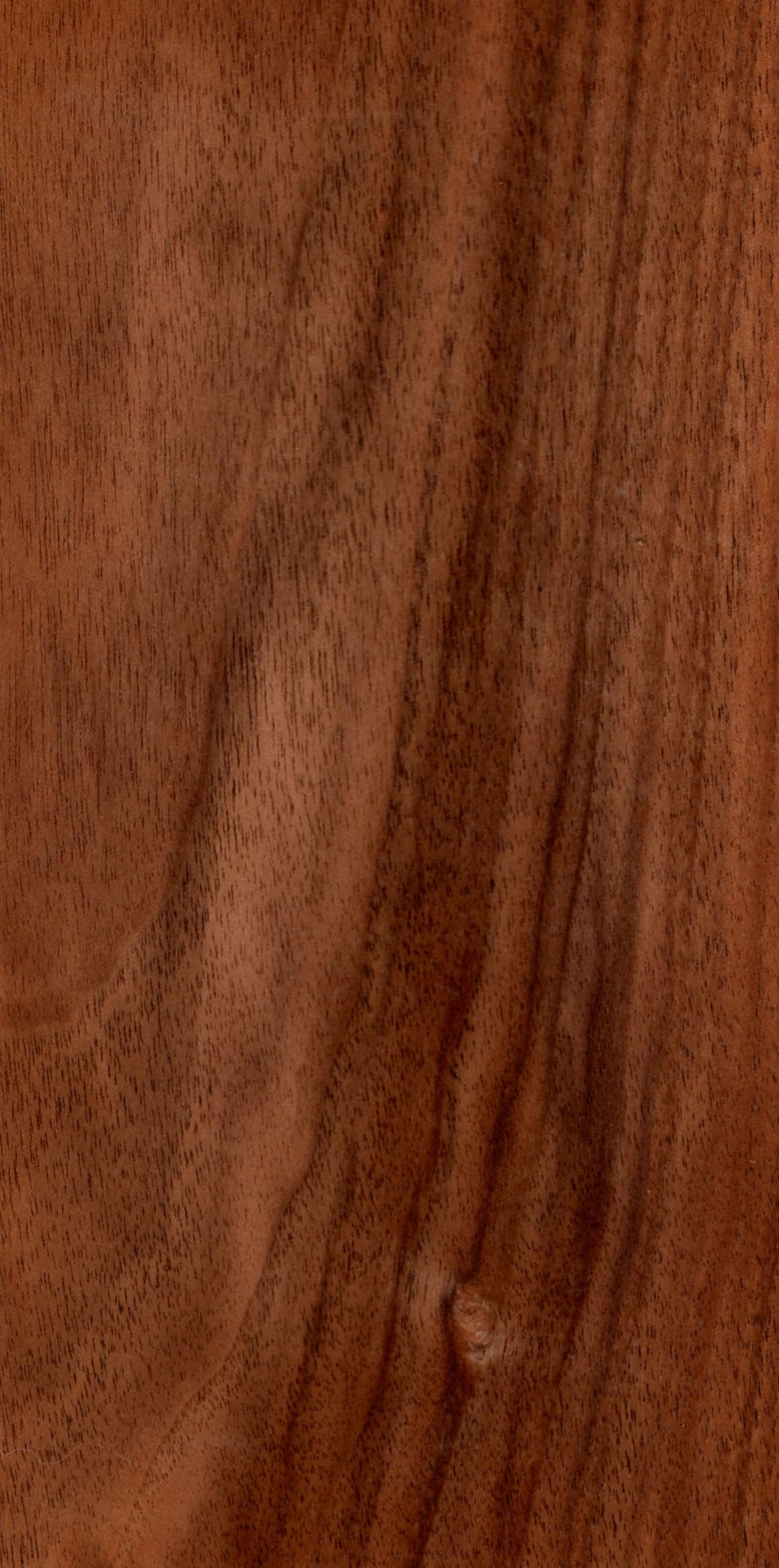
  • European Walnut šķiedra

    European Walnut

    Juglans regia

    9 gabali

  • Saman šķiedra

    Saman

    Samanea saman

    4 gabali

Saņemt paziņojumus par Turkey Oak

Mēs nosūtīsim e-pasta ziņojumu, kad KORENA būs pieejami jauni Turkey Oak dēļi. Katrs gabals ir vienreizējs eksemplārs, tāpēc ir vērts uzzināt laikus.

Daži e-pasta ziņojumi mēnesī. Nekāda surogātpasta, abonementu var atcelt jebkurā laikā.

Koksnes izskats

Kā tā izskatās

Denser and harder than either European oak, with a coarser and more open texture. Colour is a light to mid brown, generally plainer and less olive than Quercus robur, with wide rays that produce a bold but less silvery fleck on quartersawn faces. Its reputation in the trade is poor, earned by a strong tendency to check and distort in drying rather than by any weakness in the finished wood.

  • Light to mid brown, plainer than European oak
  • Coarse open texture with very wide rays
  • Bold but less silvery ray fleck on quartersawn faces
  • Straight grain, coarse open texture with very wide rays. Light to mid brown, plainer than European oak, with a bold but less silvery quartersawn fleck.

Apstrāde

Apstrāde

Works similarly to the American oaks according to the source cited here. It is harder and denser than Quercus robur, so it blunts cutters faster and demands more power in the cut, but it machines cleanly once dry and stable. The very wide rays can lift on a quartersawn face if the cut is heavy. Grain filler is needed for a smooth finish given the coarse open pores.

Apdare

Takes stain and finish much as other oaks do, and the plainer colour actually accepts stain more evenly than the olive cast of European oak. The coarse open pores need filling for a smooth surface. The same tannin and iron reaction applies as in every oak, so brass or stainless fittings only and no steel wool.

Žāvēšana

This is the species specific problem and the reason Turkey Oak is cheap. It is markedly prone to checking, honeycombing and severe distortion during drying, considerably worse than Quercus robur or petraea, and volumetric shrinkage at 16 percent is the highest of any hardwood KORENA lists. Tangential shrinkage of 10 percent against 6 percent radial compounds it. Slowly air dried stock that has already stabilised is the only version of this timber worth buying.

Cik daudz tā kustēsies?

Mainoties gaisa mitrumam, koksne šķērsām platumam uzbriest un saraujas. Pirms stiprinājumu projektēšanas novērtējiet Turkey Oak galda virsmas sezonālo koka kustību.

Griezums
Kur tā atradīsies

Paredzamā sezonālā koka kustība

aptuveni 11,4 mm

Stipriniet galda virsmu ar stiprinājumiem vai kronšteiniem rievās, nevis ar līmi vai cieši pievilktām skrūvēm.

Lineārā rukuma modelis: platums × (rukums ÷ 28% šķiedras piesātinājums) × sezonālā mitruma svārstība. Turkey Oak izmanto 10% tangenciālais rukumu. Plānošanas aplēse, nevis garantija.

Cik tā maksā

Drošība un iegāde

  • Audzēta un cirsta Eiropā.
  • Oak is a documented sensitiser, with reactions typically including eye and skin irritation and asthma-like symptoms. Repeated exposure to oak dust carries elevated nasal cancer risk, so extraction is not optional in a production setting.

  • Quercus cerris is the oak of southeastern Europe and Asia Minor, dominant through the Balkans, Hungary, Italy and Turkey. It grows fast on poor dry soils where the northern oaks struggle, and it has been planted widely outside its range. Balkan sourced material is common and inexpensive in the EU market.

Lasīt pilno ceļvediPlašākas piezīmes par koksnes zīmējumu, krāsas maiņu, apstrādi un izmēru stabilitāti.+

What Turkey Oak actually is#

Quercus cerris is the oak of southeastern Europe and Asia Minor. It dominates through the Balkans, Hungary, Italy and Turkey, growing fast on poor dry soils where the northern oaks struggle, and it has been planted well outside that range.

It has a poor reputation in the trade, and that reputation is worth understanding precisely, because it is only half deserved. The finished wood is not inferior. At 720 kg per cubic metre it is denser than European oak, and its modulus of rupture of 114.3 MPa is well above the 97.1 MPa of sessile oak. The problem is entirely in getting it from log to stable board.

The drying problem, which is the whole story#

Turkey Oak checks, honeycombs and distorts during drying far more readily than Quercus robur or petraea.

The numbers explain why. Volumetric shrinkage is 16 percent, the highest of any hardwood in this catalogue. Tangential shrinkage of 10 percent against 6 percent radial gives a ratio that guarantees flatsawn boards will cup hard. Combine high total movement with a wide differential and a fast schedule, and the wood tears itself apart.

A significant proportion of what is cut degrades before it becomes usable timber, and the price of the survivors carries that loss. That is why Turkey Oak is cheap.

The practical consequence for a buyer is simple and important: the risk lives in the drying, not in the service life. A slab that has already been slowly dried and has stabilised is a hard, dense, durable board at a fraction of European oak money. A slab that was rushed is firewood that has not finished failing yet.

Pircēju jautājumi

Pircēju jautājumi

Why is Turkey Oak so much cheaper than European Oak?

+

Not because the finished wood is weaker. It is denser and harder than Quercus robur. The discount reflects how badly it behaves in drying: it checks, honeycombs and distorts far more readily, and volumetric shrinkage at 16 percent is the highest of any hardwood in this catalogue. A large proportion of what is cut degrades before it is usable, and the price carries that loss.

Is the Janka figure reliable?

+

It is published as an estimate derived from specific gravity rather than a measured test, and KORENA records it that way in the source note on the species record. Treat 5,340 N as indicative. It places Turkey Oak above European oak at 4,980 N, which matches its higher density of 720 kg per cubic metre, but it is not a laboratory measurement.

Can I use it for a tabletop?

+

Yes, provided the slab is already properly dried and stable. Buy air dried stock that has had time to settle rather than freshly kilned material, check the measured moisture value on the listing, and let it acclimatise in the room before flattening. Once through drying it is a hard, durable surface. The risk is entirely in the drying, not the service life.

How does the figure compare with European Oak?

Mehāniskās īpašības

Tehniskie dati

Publicētas atsauces vērtības. Ja avoti atšķiras, parādīts diapazons, bet iepriekšējās skalās izmantota tipiskā vērtība.

Blīvums (kg/m³)Svars uz kubikmetru pie aptuveni 12% mitruma. Smagāka koksne parasti ir cietāka un stiprāka.720 kg/m³
Janka cietība (N)Spēks, kas vajadzīgs, lai tērauda lodīti līdz pusei iespiestu koksnē. Standarta iespiedumu pretestības mērs.5,340 N
MOR: lieces stiprība (MPa)Lieces stiprība: slodze, pie kuras sija lūst.114 MPa
MOE: elastības modulis (GPa)Lieces stingrība: cik daudz plaukts vai galda virsma izliecas zem slodzes.10.8 GPa
Radiālais rukumsRukums šķērsām augšanas gredzeniem no svaigi zāģēta līdz absolūti sausam stāvoklim. Šādi kustas radiāla griezuma dēļi.6.0 %
Tangenciālais rukumsRukums gar augšanas gredzeniem. Šādi kustas tangenciāla griezuma dēļi un vairums dēļu.10.0 %

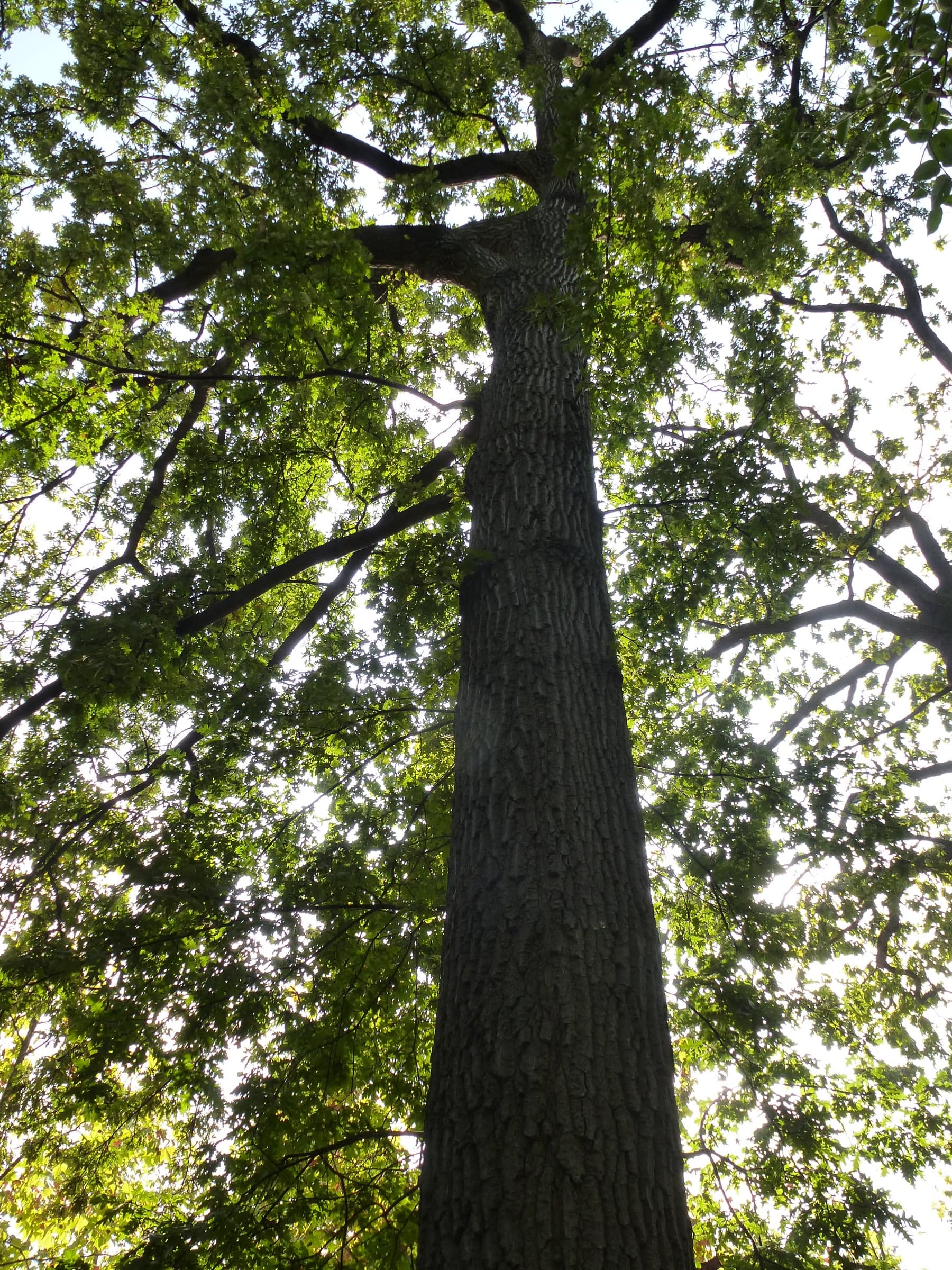
Salix, via Wikimedia Commons

Not listed in the CITES Appendices, and reported by the source KORENA cites as not assessed on the IUCN Red List, so no IUCN status is shown rather than one being assumed. It is abundant and fast growing across southeastern Europe and is often treated as a low value species, which makes it both inexpensive and easy to source with documentation.

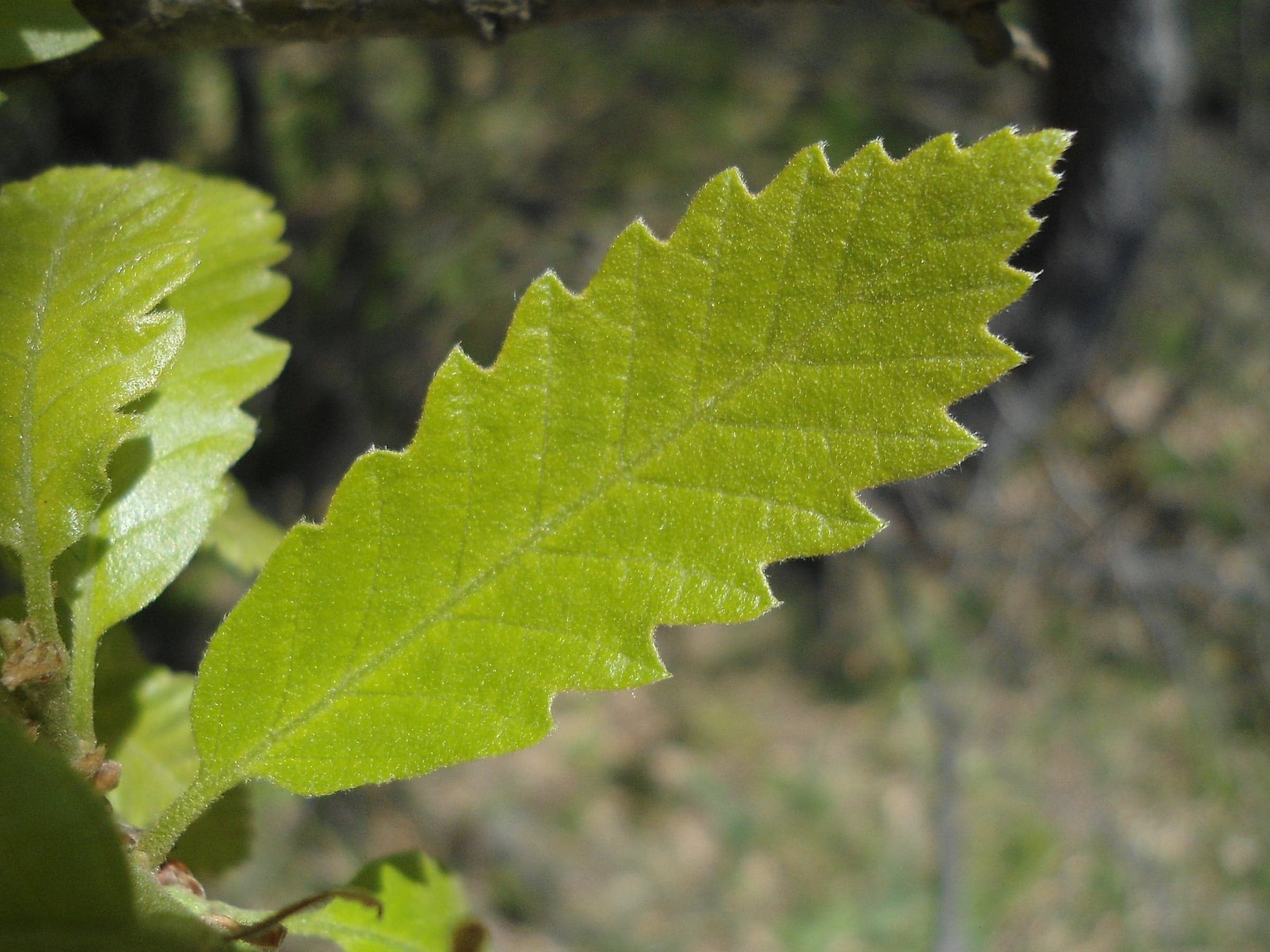
Turkey Oak: Lapa
Lapa
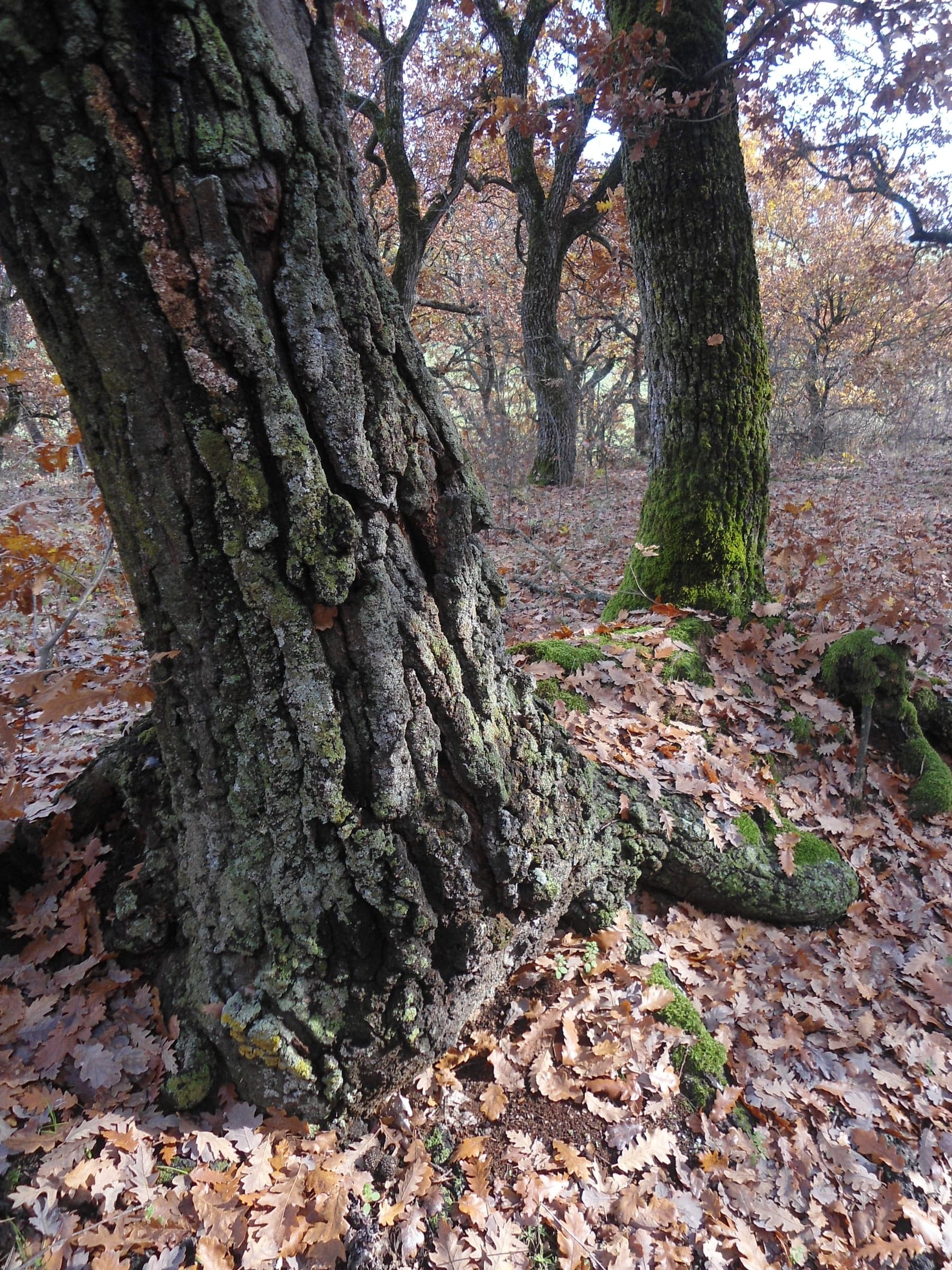
Turkey Oak: Miza
Miza

So buy stable stock. Prefer air dried material that has had time to settle over freshly kilned. Check the measured moisture value on the listing rather than trusting a description, and let the slab acclimatise in its final room before flattening.

Reading a Turkey Oak slab#

Colour is a light to mid brown, plainer and straighter than European oak, without the olive cast of robur. Texture is coarse and the pores are large and open.

The rays are very wide, wider than in the other oaks here, and on a quartersawn face they produce a bold fleck. It reads differently from the fine silvery ribbon of sessile oak: larger, more assertive, less lustrous. Whether that is better is a matter of taste, but they are not the same figure and one will not pass for the other.

Inspect the end grain for honeycomb, look along the length for cupping and twist, and check for surface checks. On this species those defects are common enough that they should be assumed present until ruled out.

At the bench#

The cited source describes it as working similarly to the American oaks. It is harder and denser than European oak, so it blunts cutters faster and asks more of a machine, but a dry stable board machines cleanly.

The very wide rays can lift on a quartersawn face under a heavy cut. Lighter passes and sharp tooling handle it.

As with all oak, the coarse open pores need a grain filler if a smooth surface is the goal, and the tannin content means iron contact produces blue black staining. Brass or stainless fittings only, no steel wool, and no steel clamp bars left on damp work.

A note on the hardness figure#

The Janka value shown for this species, 5,340 N, is published as an estimate derived from specific gravity rather than a measured laboratory test, and KORENA records that qualification in the source note on the species record rather than presenting the number bare.

Treat it as indicative. It places Turkey Oak above European oak, which is consistent with its higher density, but it is not the same class of evidence as a measured value.

Finishing#

It takes stain and finish much as other oaks do, and the plainer, less olive colour actually accepts stain more evenly than European oak, which can go muddy under a warm tone.

Grain filler for a smooth surface, standard oak finishing otherwise.

Where Turkey Oak is the right answer#

Rustic tabletops, flooring, interior joinery, cladding under cover, and decorative slabs where a hard dense oak is wanted and the budget will not carry European oak. At decay class 2 it is durable, so protected exterior use is reasonable.

It is the wrong answer if you are buying unseasoned or freshly kilned stock, if the project cannot absorb the risk of movement, or if the classic silvery quartersawn fleck of European oak is specifically what the design calls for.

Sourcing and EUDR#

Not listed in the CITES Appendices, and reported by the cited source as not assessed on the IUCN Red List, so no IUCN status is displayed rather than one being inferred.

It is abundant and fast growing across southeastern Europe and is often treated as a low value species locally, which makes it both inexpensive and straightforward to source with proper documentation. Balkan sourced material is common in the EU market, and KORENA listings record the originating yard and region.

+

Plainer overall. The colour is a straighter light to mid brown without the olive cast of Quercus robur, and while the rays are very wide, the quartersawn fleck reads bolder but less silvery. If you want the classic silvery ray fleck, sessile oak delivers it better.

Does it stain black on contact with iron?

+

Yes, exactly as every oak does. Tannins react with iron to form a blue black stain. Use brass or stainless fittings, keep steel wool away, and do not leave steel clamp bars in contact with a damp glue-up.

Tilpuma rukumsKopējā tilpuma maiņa no svaigi zāģēta līdz absolūti sausam stāvoklim. Mazāka vērtība nozīmē labāku izmēru stabilitāti.
16.0 %
Dabiskā izturība (EN 350)Eiropas standarts dabiskajai izturībai pret trupi no 1 (ļoti izturīga) līdz 5 (neizturīga).Class 2 — Durable

Avoti

  • The Wood Database — Turkey Oak (Quercus cerris). Janka value published as estimated from specific gravity, not measured.(skatīts 2026-08-12)
  • Meier, E. — WOOD! Identifying and Using Hundreds of Woods Worldwide (2015)(skatīts 2026-08-12)

Priekšrocības

  • Izturīga ārāEN 350 klase 2 no 5: bez apstrādes pretojas trupei ārā.
  • Droša saskarei ar pārtikuPiemērota dēļiem, bļodām un virsmām, kas saskaras ar pārtiku.

Pievērsiet uzmanību

  • Kustas vairāk par vairumu suguPlatām galda virsmām vajadzīgi stiprinājumi vai stiprinājumi rievās un vieta kustībai. Izmantojiet tālāk esošo koka kustības kalkulatoru.
  • Putekļi kairinaSlīpējot vai apstrādājot, ieslēdziet nosūcēju un valkājiet masku.

Pieskarieties apzīmējumam, lai skatītu sīkāk.

Īsumā

Visām KORENA uzskaitītajām sugām līmeņiem izmantoti vienādi diapazoni, tāpēc tos var tieši salīdzināt. Zem katra norādīta izmērītā vērtība.
CietībaIzturība pret iespiedumiem un nodilumuVidēji cieta

Janka cietība 5340 N

Par 7% cietāka nekā Eiropas ozols

SvarsCik smagu dēli jāceļĻoti smaga

720 kg/m³

Izmēru stabilitāteCik maz tā kustas gadalaiku ietekmēLiela koka kustība

Tilpuma rukums 16,0%

ApstrādeZāģēšana, ēvelēšana, slīpēšana un līmēšanaVidēja

Vidējais apstrādes vērtējums 3,7 / 5

Lietošana ārāDabiskā izturība pret trupi, EN 350Ārā

EN 350 klase 2

  • Zāģēšana · Ļoti labaCik tīri to var sazāģēt un cik ļoti tā nolieto asmeņus.1 = sarežģīta · 5 = teicama
  • Ēvelēšana · LabaCik gluda paliek virsma un cik daudz šķiedru tiek izrauts.1 = sarežģīta · 5 = teicama
  • Slīpēšana · Ļoti labaCik ātri to var gludi noslīpēt, neaizsprostojot smilšpapīru.1 = sarežģīta · 5 = teicama
  • Virpošana · Ļoti labaKā tā griežas un iegūst apdari virpā.1 = sarežģīta · 5 = teicama
  • Griešana kokā · LabaCik precīzi tā saglabā detaļas, strādājot ar kaltu.1 = sarežģīta · 5 = teicama
  • Līmēšana · Ļoti labaCik uzticami turas līmētie savienojumi.1 = sarežģīta · 5 = teicama
  • Skrūvju / naglu noturība · Ļoti labaCik labi tā notur skrūves un naglas, neplaisājot.1 = sarežģīta · 5 = teicama
  • Liekšana ar tvaiku · LabaCik labi tā pēc tvaicēšanas iegūst izliekumu.1 = sarežģīta · 5 = teicama

Pašreizējā Turkey Oak kokmateriālu cena Eiropā par kubikmetru bez PVN. Pieskarieties cenai, lai skatītu sīkāku informāciju.

  • Standarta baļķiLieli standarta apaļo kokmateriālu apjomi, ko mežu īpašnieki un valsts mežsaimniecības pārdod galvenokārt būvniecībai un rūpniecībai.Lielākā daļa cenu ir no 30 € līdz 110 €.Aprēķināts no 17 845 cenām 7 reģionos.Jaunākie dati: 2026. g. 25. sept.

Standarta baļķi pēc valsts

  • Rumānija · 76 € / m³Reģioni: Banat / Crișana, Dobrogea, Moldavia (Romania), Transylvania un Wallachia17 796 cenasJaunākie dati: 2026. g. 25. sept.
  • Bulgārija · 50 € / m³Reģioni: North-West Bulgaria un South-East Bulgaria49 cenasJaunākie dati: 2026. g. 25. sept.

Kāpēc dēlis maksā vairāk?

Šīs ir neapstrādātu kokmateriālu cenas. Dēlis ir labākais baļķa griezums, kas kaltēts vismaz gadu un pēc tam pārbaudīts un izmērīts pa vienam gabalam. Par dēli kļūst tikai neliela baļķa daļa.

Avots: KORENA kokmateriālu indekss · Jaunākie dati: 2026. g. 25. sept.

Skatīt visas reģionālās cenas