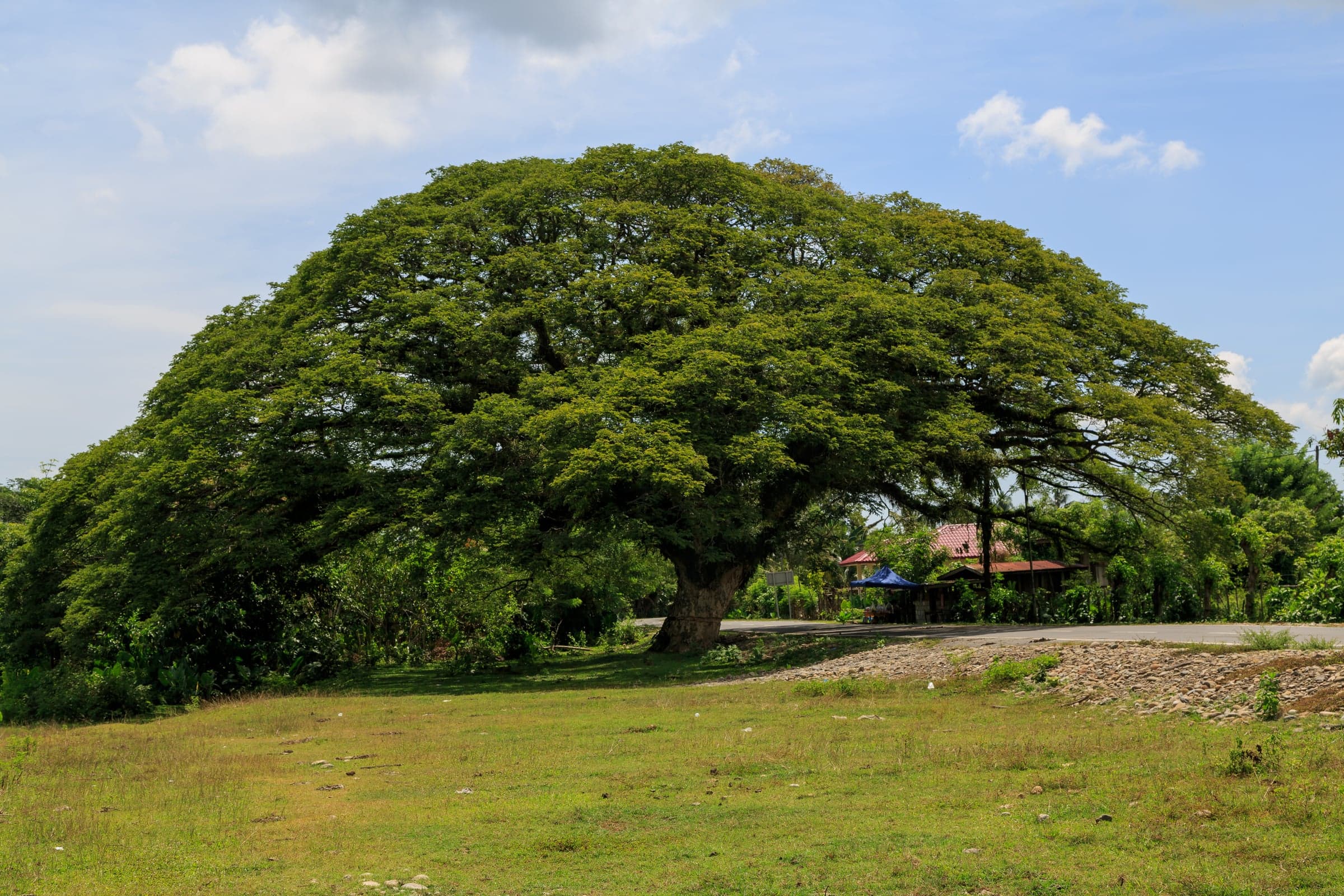
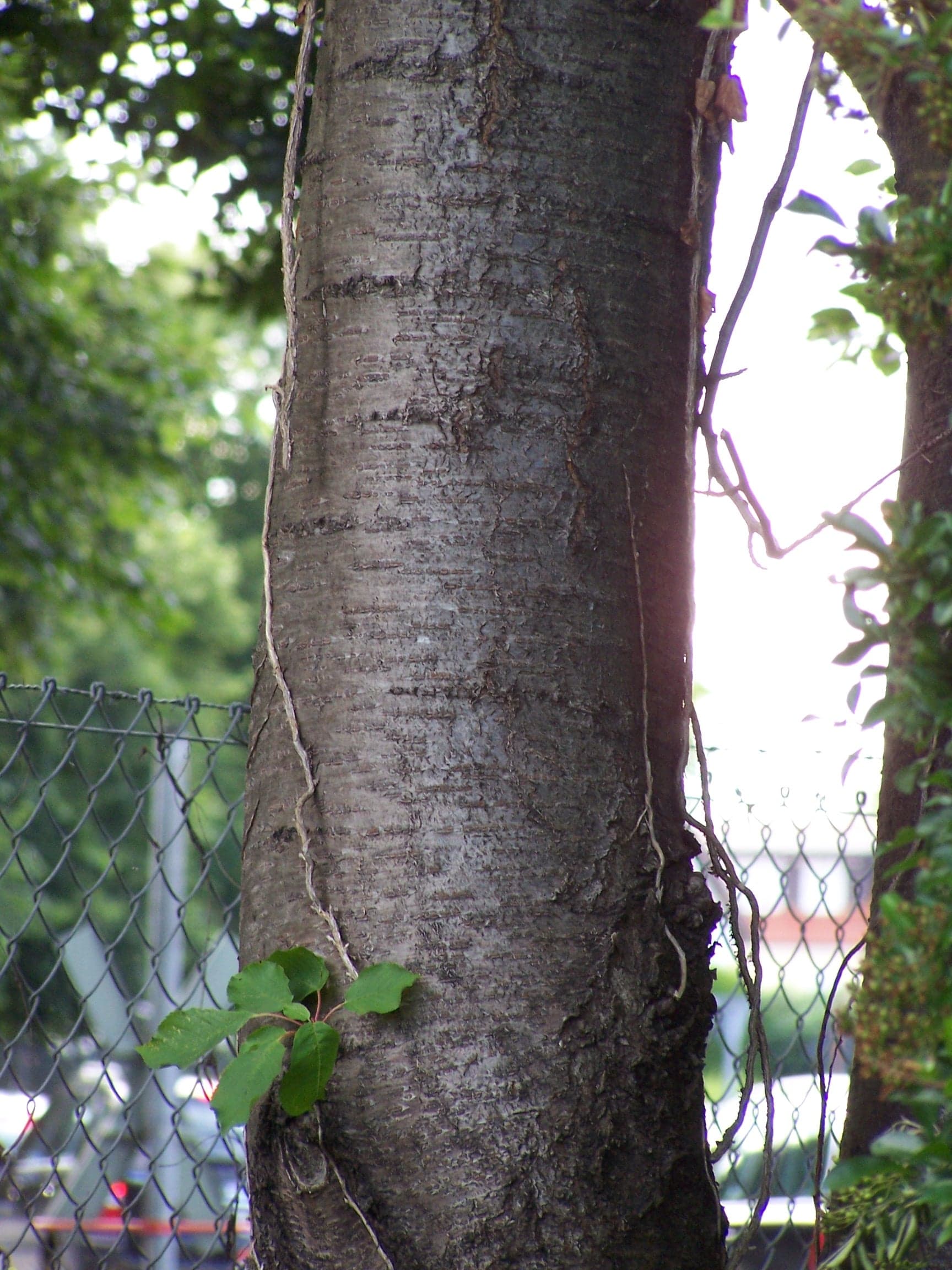
KORENA
InjamFinished piecesProvvistiImħażenĠurnal

Irċievi avviż

Kull fallakka hija unika. Meta tinbiegħ, tkun marret. Nibagħtulek email meta jittellgħu biċċiet ġodda: wasliet friski, speċijiet ġodda u tavli li jaqblu ma’ deskrizzjoni ta’ proġett.

Ftit emails fix-xahar. Ebda spam, tista’ tneħħi l-abbonament meta trid.

KORENA, injam iebes ta’ kwalità għolja

Biċċa waħda kull darba.

Injam iebes ivverifikat ta’ kwalità għolja, mibjugħ biċċa biċċa. Kull fallakka tiġi ritrattata, imkejla u mibgħuta mill-maħżen sieħeb b’passaport tal-injam.

Ħanut

  • Ara l-prodotti
  • Arkivju tal-mibjugħ
  • Segwi l-ordni

Tgħallem

  • Ġurnal
  • Gwidi tal-ispeċi
  • Glossarju
  • Qabbel
  • Awturi

Għajnuna

  • Dwarna
  • Kif jaħdem
  • Sir maħżen sieħeb
  • Sib fallakka
  • Appoġġ
  • Mudelli ta’ dokumenti
  • Stampa

Ixtri

  • Kundizzjonijiet tal-bejgħ
  • Dritt ta’ rtirar
  • Ritorn u garanzija legali
  • Trasport u kunsinna

Fiduċja

  • Politika tal-privatezza
  • Politika dwar il-cookies
  • Provenjenza tal-injam u EUDR
  • Aċċessibbiltà

Avviż legali

  • Avviż legali / Informazzjoni legali
  • Użu aċċettabbli
  • Proprjetà intellettwali u kontenut

© 2026 KORENA. Id-drittijiet kollha riżervati.

Imħaddma minn Martial Labs Ltd. (BG, EIK 207453941). KORENA huwa isem kummerċjali ta’ Martial Labs Ltd.

Nirrispettaw il-privatezza tiegħek

Nużaw cookies essenzjali biex is-sit jaħdem. Bil-permess tiegħek nużaw ukoll cookies għall-analiżi, kontenut personalizzat u reklami. Tista’ tibdel fehmtek fi kwalunkwe ħin fil-paġna tal-preferenzi tal-kunsens. Ara l-politika dwar il-cookies u l-politika tal-privatezza tagħna.

  1. Paġna ewlenija
  2. /
  3. Speċijiet
  4. /
  5. European Cherry

Prunus avium

European Cherry

A refined cabinet wood with fine, even grain that ages from pinkish-tan to a deep reddish-brown.

  • Imkabbar u maħsud fl-Ewropa.
  • Grupp botaniku. L-injam artab ġej mill-koniferi; l-injam iebes minn siġar bil-weraq wiesa’.
  • Il-familja botanika li tappartjeni għaliha l-ispeċi.
Irċievi avviż meta tasalSpeċi ta’ referenza. Bħalissa ebda biċċa fl-istokk.
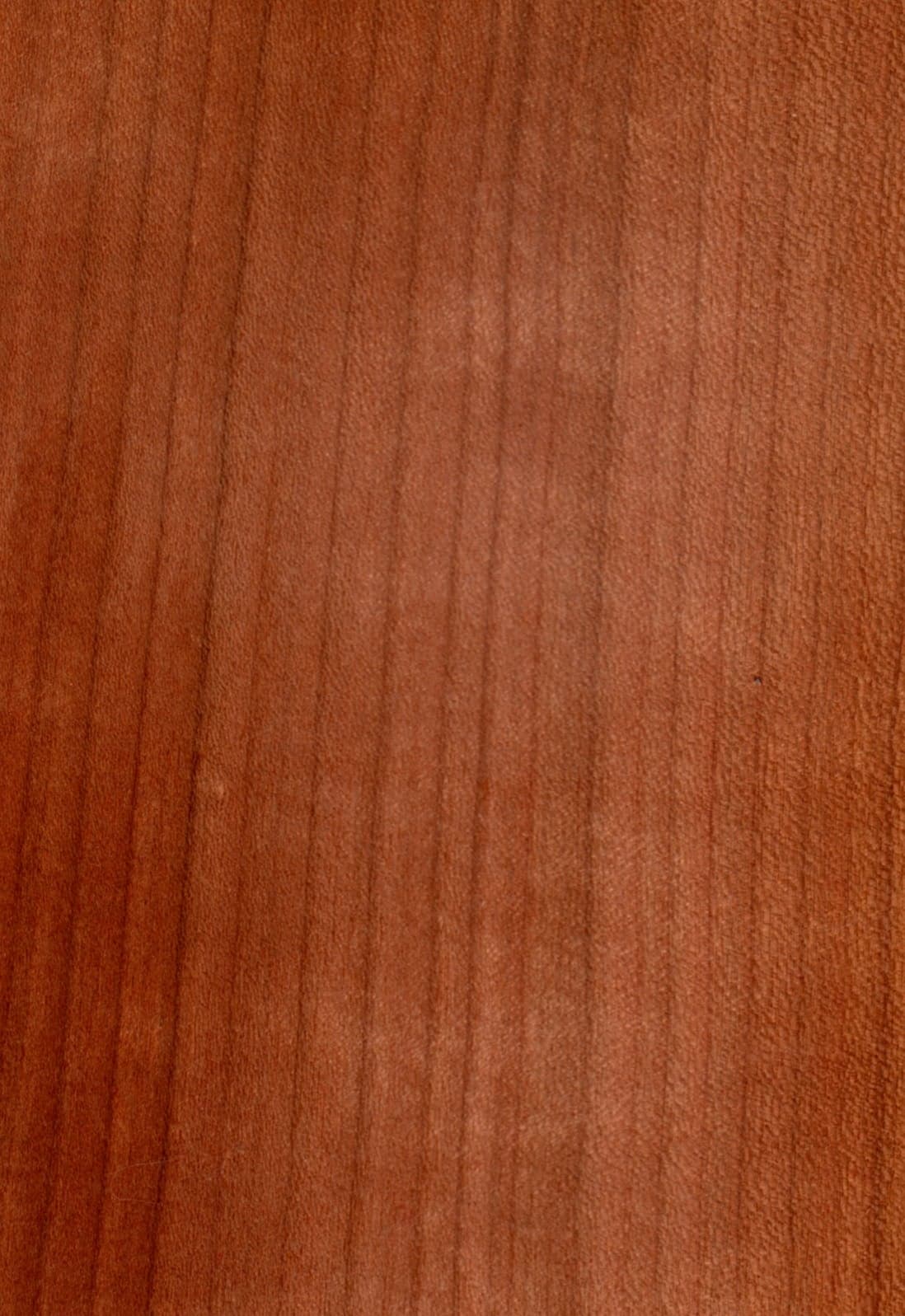
Vina ta’ European Cherry
  • Adattament għall-proġett
  • Fl-istokk
  • Dehra
  • Kif taħdimha
  • Moviment
  • Prezz
  • Sigurtà u provvista
  • Mistoqsijiet
  • Data teknika

Huwa tajjeb għall-proġett tiegħek?

Tajjeb ħafna għal

  • Fine cabinetry and built-ins
  • Dining and occasional tables
  • Chairs and bench seats
  • Boxes, trays, and small casework
  • Turned bowls and handles
  • Interior architectural joinery
  • Musical instrument parts

Ebda European Cherry fil-ħarġa attwali

Speċijiet simili fl-istokk

Bħalissa m’hemmx European Cherry. Dawn l-ispeċijiet jgħoddu għall-istess proġetti u għandhom biċċiet disponibbli.
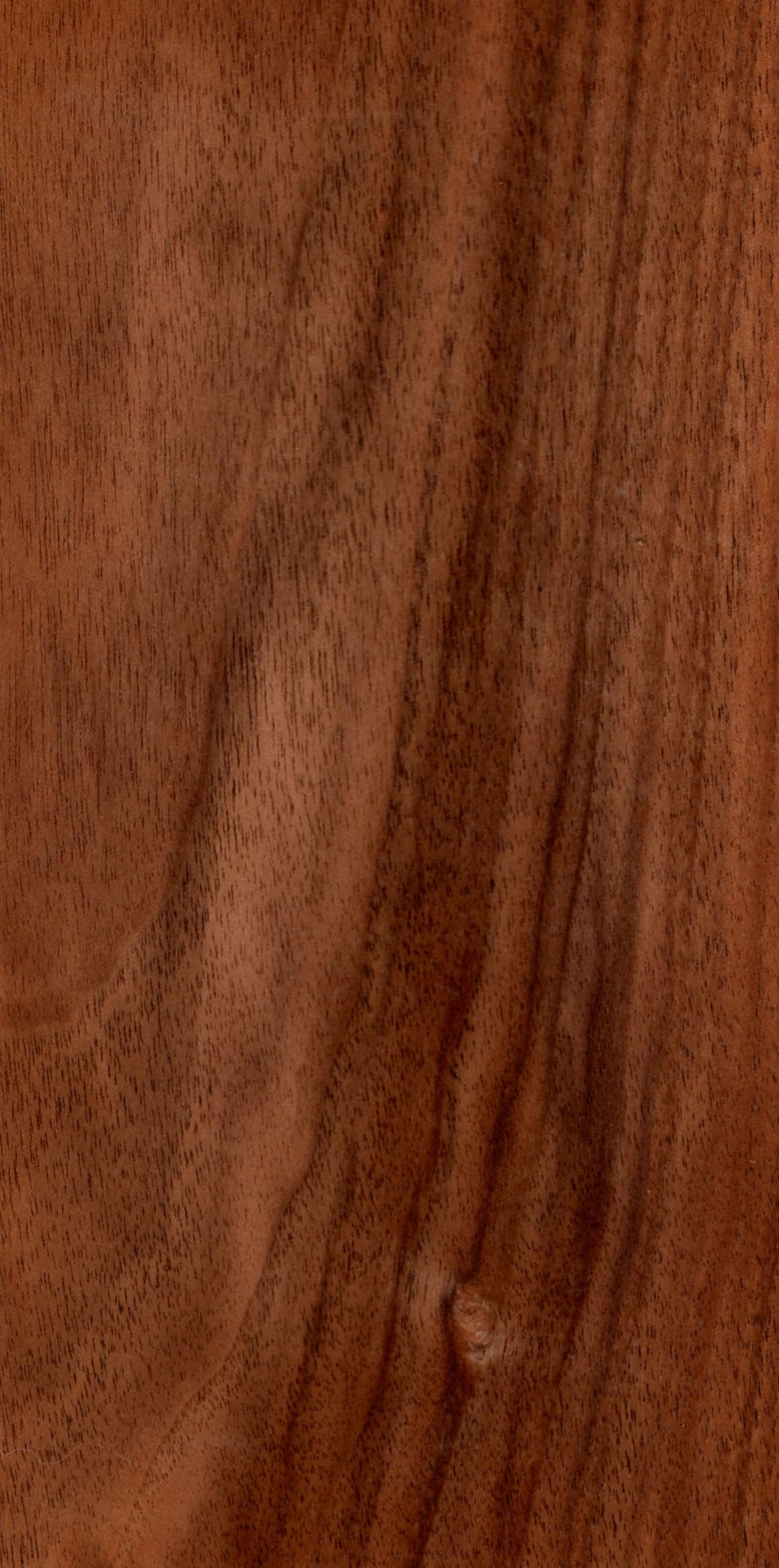
  • Vina ta’ European Walnut

    European Walnut

    Juglans regia

    9 biċċiet

  • Vina ta’ European Oak

    European Oak

    Quercus robur

    6 biċċiet

  • Vina ta’ Saman

    Saman

    Samanea saman

    4 biċċiet

Irċievi avviż dwar European Cherry

Nibagħtulek email meta jaslu fallakki friski ta’ European Cherry għand KORENA. Kull biċċa hija unika, għalhekk avviż bikri jgħin.

Ftit emails fix-xahar. Ebda spam, tista’ tneħħi l-abbonament meta trid.

Dehra tal-injam

Kif jidher

Fine, straight grain with a smooth, even texture. Heartwood opens pinkish-tan to warm salmon, with a paler cream sapwood that is usually distinct. Figure is generally quiet, occasional gum streaks, small pin knots, and the odd ribbon or curl. The headline trait is its colour shift: under light and over a few months, the wood deepens through honey to a rich reddish-brown, and continues to mature for years. Boards stored unevenly will tan unevenly, so rotate stock during storage.

  • Fresh heartwood: pinkish-tan to warm salmon
  • Pale cream sapwood, usually distinct from heartwood
  • Ages through honey to deep reddish-brown over months and years
  • Light exposure drives the colour shift, uneven storage gives uneven tan
  • Occasional gum streaks and small pin knots
  • Quiet figure overall, with the odd ribbon or curl
  • Fine, straight grain.

Kif taħdem bih

Kif taħdmu

Easy to work with hand and machine tools. Planes and sands cleanly with sharp edges; gum pockets can clog cutters, so check stock before milling. Glues and screws well. Steam-bending is moderate, workable for gentle curves, less reliable for tight radii. Turns and carves predictably.

Finitura

Sands to a glassy surface at 180–220 grit. Takes oil, hardwax, shellac, and water-based finishes cleanly. A thin seal coat of dewaxed shellac or sanding sealer evens out any blotch on flat-sawn faces before topcoats. Avoid heavy stains, they fight the wood's own colour development. For commissions, expose offcuts to daylight alongside the finished piece so clients can see how the colour will move.

Tnixxif

Dries fairly quickly but is prone to warp, cup, and surface checking if rushed. Sticker carefully and weight the top of the stack. End-seal green stock. Once at EMC, it is stable in service with moderate tangential movement.

Kemm se jiċċaqlaq?

L-injam jintefaħ u jiċkien tul il-wisa’ hekk kif l-arja ssir aktar jew inqas umda. Stima l-moviment staġjonali ta’ wiċċ ta’ European Cherry qabel tiddisinja t-twaħħil.

Qatgħa
Fejn se tintuża

Moviment staġjonali mistenni

madwar 9.1 mm

Waħħal il-wiċċ b’buttuni jew brackets b’fetħiet, mhux b’kolla jew viti ssikkati.

Mudell ta’ tnaqqis lineari: wisa’ × (tnaqqis ÷ 28 % saturazzjoni tal-fibra) × bidla staġjonali fl-umdità. Juża tnaqqis tanġenzjali ta’ 8 % għal European Cherry. Stima għall-ippjanar, mhux garanzija.

Kemm jiswa

Sigurtà u provvista

  • Imkabbar u maħsud fl-Ewropa.
  • Stat fil-Lista l-Ħamra tal-IUCN: il-valutazzjoni globali tal-konservazzjoni għal din l-ispeċi.
  • Not commonly flagged as a dust sensitiser, and considered food-contact safe once finished appropriately. Standard fine-dust extraction and a mask are still sensible at the sander.

Aqra l-gwida sħiħaNoti dettaljati dwar id-disinn tal-vina, il-bidla fil-kulur, ix-xogħol u l-istabbiltà.+

What European Cherry actually is#

Prunus avium is bought for a colour it does not yet have.

Fresh cherry is a pale pinkish tan, unremarkable and easily mistaken for a lesser wood. Within six months of light exposure it deepens substantially, and within a year it reaches the rich reddish brown that people actually mean when they say cherry. The change continues, more slowly, for years.

This single behaviour governs almost every decision about buying, finishing and using the species.

Working with the darkening rather than against it#

Three practical consequences follow.

First, do not choose a slab on its current colour. What you see on the bench is a stage, not the result. Two boards that look different today may match in a year, and two that match today may not.

Second, uneven light exposure prints permanently. A rug on a cherry floor, a lamp base on a cherry table, a stack of books left in one place: each leaves a lighter patch as the surrounding wood darkens around it. The patch does eventually even out if the object is moved, but it takes months. The sensible approach is to let a new piece darken evenly for the first few months before putting anything on it permanently.

Third, a UV inhibiting finish slows the process but does not stop it, and it will not preserve the pale fresh colour indefinitely. If you want pale, choose a different species.

Mistoqsijiet tax-xerrejja

Mistoqsijiet tax-xerrejja

How much does cherry darken?

+

A great deal, and quickly. Fresh cherry is pale pinkish tan and within a year of light exposure it deepens to a rich reddish brown. Most of the change happens in the first six months. This is why cherry furniture looks nothing like cherry lumber, and why buying on the freshly machined colour misleads.

Why does my cherry have patchy colour after finishing?

+

Two causes. Cherry blotches badly under pigment stain because of its fine uneven density, so use a dye, a gel stain or a washcoat. The other is uneven light exposure: anything covering part of a surface, a rug, a lamp base, a stack of books, will leave a permanently lighter patch as the rest darkens around it. Let a piece darken evenly before placing objects on it.

How is European Cherry different from American Black Cherry?

+

European cherry, Prunus avium, is harder at 5,120 N against 4,226 N and slightly denser. American black cherry, Prunus serotina, is available in larger and more consistent sizes because it is grown as a forestry species. Colour and figure are similar and both darken dramatically. European cherry tends to have more gum pockets.

What are the small dark flecks in the wood?

Proprjetajiet mekkaniċi

Data teknika

Valuri ta’ referenza ppubblikati. Fejn is-sorsi ma jaqblux tintwera l-firxa, bil-valur tipiku użat għall-iskali ta’ hawn fuq.

Densità (kg/m³)Massa għal kull metru kubu b’madwar 12 % kontenut ta’ umdità. Injam itqal normalment ikun aktar iebes u b’saħħtu.550–650 kg/m³tipiku 600 kg/m³
Ebusija Janka (N)Il-forza meħtieġa biex tagħfas ballun tal-azzar sa nofsu fl-injam. Il-kejl standard tar-reżistenza għat-tgħaffiġ.4,700–5,500 Ntipiku 5,120 N
MOR: modulu tal-ksur (MPa)Saħħa fil-liwi: it-tagħbija li fiha travu jinkiser.95–110 MPa
MOE: modulu tal-elastiċità (GPa)Ebusija fil-liwi: kemm jinżel xkaffa jew wiċċ taħt tagħbija.9.5–11.0 GPa
Tnaqqis radjaliTnaqqis tul iċ-ċrieki tat-tkabbir, minn aħdar sa mnixxef fil-forn. Tavli quartersawn jiċċaqalqu hekk.4.5–5.5 %
Tnaqqis tanġenzjaliTnaqqis tul iċ-ċrieki tat-tkabbir. Tavli flatsawn u l-biċċa l-kbira tal-fallakki jiċċaqalqu hekk.

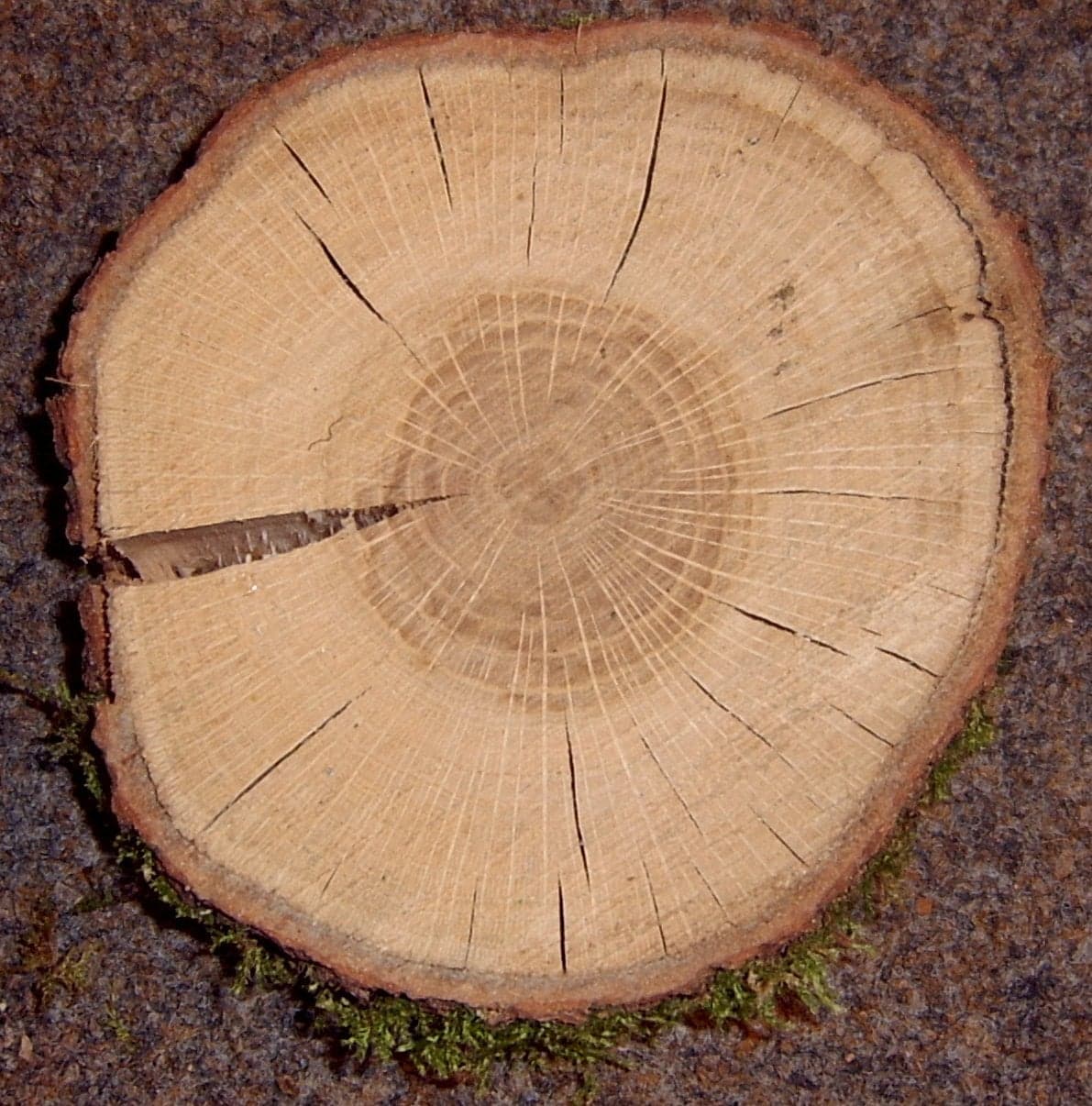
Achim Raschka (talk), via Wikimedia Commons

Vantaġġi

  • Sikur għall-ikelTajjeb għal boards tat-tqattigħ, bwieqi u wċuħ li jmissu mal-ikel.
  • Tajjeb għal min jibdaFaċli fuq il-bank u mhux iebes tant li jagħmel ħsara lill-għodod.

Oqgħod attent

Native across Europe and into western Asia. Grown in mixed hardwood forests from the UK and France through Germany, Austria, Italy, and the Balkans. Most commercial stock comes from central European yards, often from orchard thinnings or managed woodlots.

  • Native European hardwood, IUCN Least Concern, no CITES listing. Often sourced from small woodlots and orchard clearance, so volumes per parcel can be modest. Decay class 3, moderately durable, means it is an interior wood; not for ground contact or unprotected exterior use. Ask for FSC or PEFC chain-of-custody where the project requires it.

  • European Cherry: Qoxra
    Qoxra

    Reading a cherry slab#

    Colour runs pale pinkish tan when fresh, deepening to reddish brown. Sapwood is narrow and pale cream, and it does not darken at the same rate as the heartwood, so contrast changes over time.

    The grain is fine, close and usually straight, with a satiny lustre that is characteristic of the species.

    Gum pockets are the thing to look for: small resin filled cavities that occur in all Prunus species and are more frequent in European cherry than in American. They are not structural defects and many makers consider them part of the character. Larger ones can be filled.

    At the bench#

    Cherry is one of the most pleasant woods in this catalogue to work. At 5,120 N it is moderately hard, it cuts cleanly, it turns and carves well, it glues reliably and it takes fastenings securely.

    The fine close grain holds crisp detail and sands to an excellent surface.

    The one difficulty is burning. Cherry scorches easily under a router bit or a dull saw blade, and the burn marks are dark and stubborn on a wood this pale. Sharp tooling, appropriate feed rates and light final passes avoid it.

    The finishing trap#

    Cherry blotches badly under pigment stain. The fine uneven density makes absorption patchy, and the result is a mottled surface that looks like a mistake because it is one.

    Use a dye, a gel stain that sits on the surface, or seal with a thin washcoat first. Test on an offcut every time.

    The better answer is usually to skip stain entirely. Cherry is going to arrive at a rich reddish brown by itself, and staining it to get there early tends to produce a muddier colour than patience would.

    Movement#

    Volumetric shrinkage of 11.5 percent is moderate, with tangential at 7.5 percent against radial at 4.5 percent. That differential is reasonable and cherry behaves acceptably in wide boards.

    Decay class 3 makes it moderately durable, adequate for protected exterior joinery but not for exposure.

    Where European Cherry is the right answer#

    Fine furniture, tabletops, cabinetry, turned and carved work, and interior joinery where warmth is the design intent. It is one of the most rewarding species here for a piece intended to be lived with for decades, because it genuinely improves.

    It is the wrong answer where a stable pale colour is needed, and wrong outdoors.

    Sourcing and EUDR#

    Not CITES listed and assessed as Least Concern. Common across Europe and often felled from orchards and gardens as well as forestry, so sizes are variable and provenance chains are shorter and less standardised than for a commodity species.

    Orchard cherry against forest cherry#

    Prunus avium reaches the timber market from two quite different places, and the wood differs accordingly.

    Forest grown cherry, drawn up among other trees, produces straighter trunks with fewer low branches, longer clean lengths and more uniform colour. It is the better material for matched furniture components.

    Orchard cherry, grown in the open for fruit and felled at the end of its productive life, branches low and spreads. Trunks are shorter and more irregular, knots are more frequent, and figure is more variable. It also produces more gum pockets.

    Neither is better in the abstract. For a run of matched drawer fronts, forest grown is far easier to work with. For a single characterful slab, the orchard tree usually has more to look at.

    Steaming, and whether you want it#

    Some European cherry is steamed during drying, which deepens and evens the colour toward a more uniform reddish brown and reduces the contrast with the sapwood.

    Unsteamed cherry starts paler and develops its colour naturally through light exposure, which produces a more luminous result over time but requires patience and even exposure.

    For a piece intended to be lived with, unsteamed and patient is generally the better outcome. For a commission that has to look finished on delivery, steamed stock gets there sooner.

    +

    Gum pockets, small resin filled cavities that are characteristic of Prunus species and more common in European cherry than American. They are not a structural defect and many makers regard them as part of the character. Larger ones can be filled. On a measured KORENA slab, any pocket large enough to matter appears in the defect outline.

    Can cherry be used outdoors?

    +

    Not really. At decay class 3 it is moderately durable, which is adequate for protected exterior joinery under a maintained finish but not for exposure or ground contact. It is also far too valuable a furniture timber to put outside.

    7.5–8.5 %
    Tnaqqis volumetrikuBidla totali fil-volum minn aħdar sa mnixxef fil-forn. Inqas ifisser aktar stabbli.11.5–13.0 %
    Durabbiltà naturali (EN 350)Standard Ewropew għar-reżistenza naturali għat-tmermir, minn 1 (durabbli ħafna) sa 5 (jitmermer faċilment).Class 3 — Moderately durable

    Sorsi

    • The Wood Database(aċċessat 2026-05-09)
    • USDA FPL Wood Handbook FPL-GTR-190 (2010)(aċċessat 2026-05-09)
    • Meier, E. — WOOD! Identifying and Using Hundreds of Woods Worldwide (2015)(aċċessat 2026-05-09)

    Daqqa t’għajn

    Il-livelli jużaw faxex fissi għall-ispeċijiet kollha elenkati minn KORENA, għalhekk jitqabblu direttament. Il-valur imkejjel jidher taħt kull wieħed.
    EbusijaReżistenza għat-tgħaffiġ u l-użuEbusija medja

    Ebusija Janka: 5,120 N

    3 % aktar iebes mill-oak Ewropew

    PiżKemm hi tqila fallakka biex terfagħhaMedju

    600 kg/m³

    StabbiltàKemm tiċċaqlaq ftit mal-istaġuniMedju

    12.3 % tnaqqis volumetriku

    XogħolSerrar, inċanar, xkatlar u inkullarFaċli

    medja ta’ 4.0 / 5 fuq il-bank

    Użu barraReżistenza naturali għat-tmermir, EN 350Barra mgħotti

    Klassi EN 350 3

    • Serrar · Tajjeb ħafnaKemm jinqata’ nadif u kemm jgħejja x-xfafar.1 = diffiċli · 5 = eċċellenti
    • Inċanar · Tajjeb ħafnaKemm iħalli wiċċ lixx u kemm iqatta’ l-vina.1 = diffiċli · 5 = eċċellenti
    • Xkatlar · Tajjeb ħafnaKemm jitxkatla malajr u lixx mingħajr ma jimblokka l-karta.1 = diffiċli · 5 = eċċellenti
    • Tornitura · Tajjeb ħafnaKif jinqata’ u jingħata finitura fuq it-torn.1 = diffiċli · 5 = eċċellenti
    • Tinqix · Tajjeb ħafnaKemm iżomm dettall ċar taħt skarpell.1 = diffiċli · 5 = eċċellenti
    • Inkullar · Tajjeb ħafnaKemm iżommu tajjeb il-ġonot bil-kolla.1 = diffiċli · 5 = eċċellenti
    • Żamma ta’ viti / imsiemer · Tajjeb ħafnaKemm iżomm viti u msiemer mingħajr ma jinqasam.1 = diffiċli · 5 = eċċellenti
    • Liwi bil-fwar · TajjebKemm jieħu kurvi wara l-fwar.1 = diffiċli · 5 = eċċellenti

    Għal kemm qed jinbiegħ l-injam ta’ European Cherry madwar l-Ewropa bħalissa, għal kull metru kubu qabel il-VAT. Agħfas prezz għad-dettalji.

    • L-aħjar zkuk fl-irkantZkuk magħżula ta’ kwalità għolja mibjugħa f’irkanti b’offerti, l-aktar lil dawk li jagħmlu l-fuljetta u l-għamara. Il-fallakki jinqatgħu minn zkuk bħal dawn.Il-biċċa l-kbira tal-prezzijiet huma bejn €319 u €408.Ibbażat fuq 57 prezz minn 2 reġjuni.L-aħħar data 25 ta’ Set, 2026

    L-aħjar zkuk fl-irkant skont il-pajjiż

    • il-Ġermanja · €408 / m³Reġjuni: Bavaria26 prezzL-aħħar data 25 ta’ Set, 2026
    • l-Awstrija · €319 / m³Reġjuni: Austria31 prezzL-aħħar data 25 ta’ Set, 2026

    Għaliex fallakka tiswa aktar minn hekk?

    Dawn huma prezzijiet tal-injam mhux maħdum. Fallakka hija l-aħjar qatgħa ta’ zokk, imnixxfa għal sena jew aktar, imbagħad iċċekkjata u mkejla biċċa biċċa. Parti żgħira biss minn kull zokk issir fallakka.

    Sors: KORENA Timber Index · L-aħħar data 25 ta’ Set, 2026

    Ara l-prezzijiet reġjonali kollha
    Mhux għal użu barra mingħajr trattament
    Id-durabbiltà naturali hija klassi EN 350 3 minn 5. Żommha ġewwa jew taħt finitura miżmuma tajjeb.

    Agħfas tikketta għad-dettalji.