KORENA
InjamFinished piecesProvvistiImħażenĠurnal

Irċievi avviż

Kull fallakka hija unika. Meta tinbiegħ, tkun marret. Nibagħtulek email meta jittellgħu biċċiet ġodda: wasliet friski, speċijiet ġodda u tavli li jaqblu ma’ deskrizzjoni ta’ proġett.

Ftit emails fix-xahar. Ebda spam, tista’ tneħħi l-abbonament meta trid.

KORENA, injam iebes ta’ kwalità għolja

Biċċa waħda kull darba.

Injam iebes ivverifikat ta’ kwalità għolja, mibjugħ biċċa biċċa. Kull fallakka tiġi ritrattata, imkejla u mibgħuta mill-maħżen sieħeb b’passaport tal-injam.

Ħanut

  • Ara l-prodotti
  • Arkivju tal-mibjugħ
  • Segwi l-ordni

Tgħallem

  • Ġurnal
  • Gwidi tal-ispeċi
  • Glossarju
  • Qabbel
  • Awturi

Għajnuna

  • Dwarna
  • Kif jaħdem
  • Sir maħżen sieħeb
  • Sib fallakka
  • Appoġġ
  • Mudelli ta’ dokumenti
  • Stampa

Ixtri

  • Kundizzjonijiet tal-bejgħ
  • Dritt ta’ rtirar
  • Ritorn u garanzija legali
  • Trasport u kunsinna

Fiduċja

  • Politika tal-privatezza
  • Politika dwar il-cookies
  • Provenjenza tal-injam u EUDR
  • Aċċessibbiltà

Avviż legali

  • Avviż legali / Informazzjoni legali
  • Użu aċċettabbli
  • Proprjetà intellettwali u kontenut

© 2026 KORENA. Id-drittijiet kollha riżervati.

Imħaddma minn Martial Labs Ltd. (BG, EIK 207453941). KORENA huwa isem kummerċjali ta’ Martial Labs Ltd.

Nirrispettaw il-privatezza tiegħek

Nużaw cookies essenzjali biex is-sit jaħdem. Bil-permess tiegħek nużaw ukoll cookies għall-analiżi, kontenut personalizzat u reklami. Tista’ tibdel fehmtek fi kwalunkwe ħin fil-paġna tal-preferenzi tal-kunsens. Ara l-politika dwar il-cookies u l-politika tal-privatezza tagħna.

  1. Paġna ewlenija
  2. /
  3. Speċijiet
  4. /
  5. European Ash

Fraxinus excelsior

European Ash

Pale, ring-porous hardwood with bold grain and the best steam-bending behaviour in Europe. Strong and tough, but strictly interior use.

  • Imkabbar u maħsud fl-Ewropa.
  • Grupp botaniku. L-injam artab ġej mill-koniferi; l-injam iebes minn siġar bil-weraq wiesa’.
  • Il-familja botanika li tappartjeni għaliha l-ispeċi.
Irċievi avviż meta tasalSpeċi ta’ referenza. Bħalissa ebda biċċa fl-istokk.
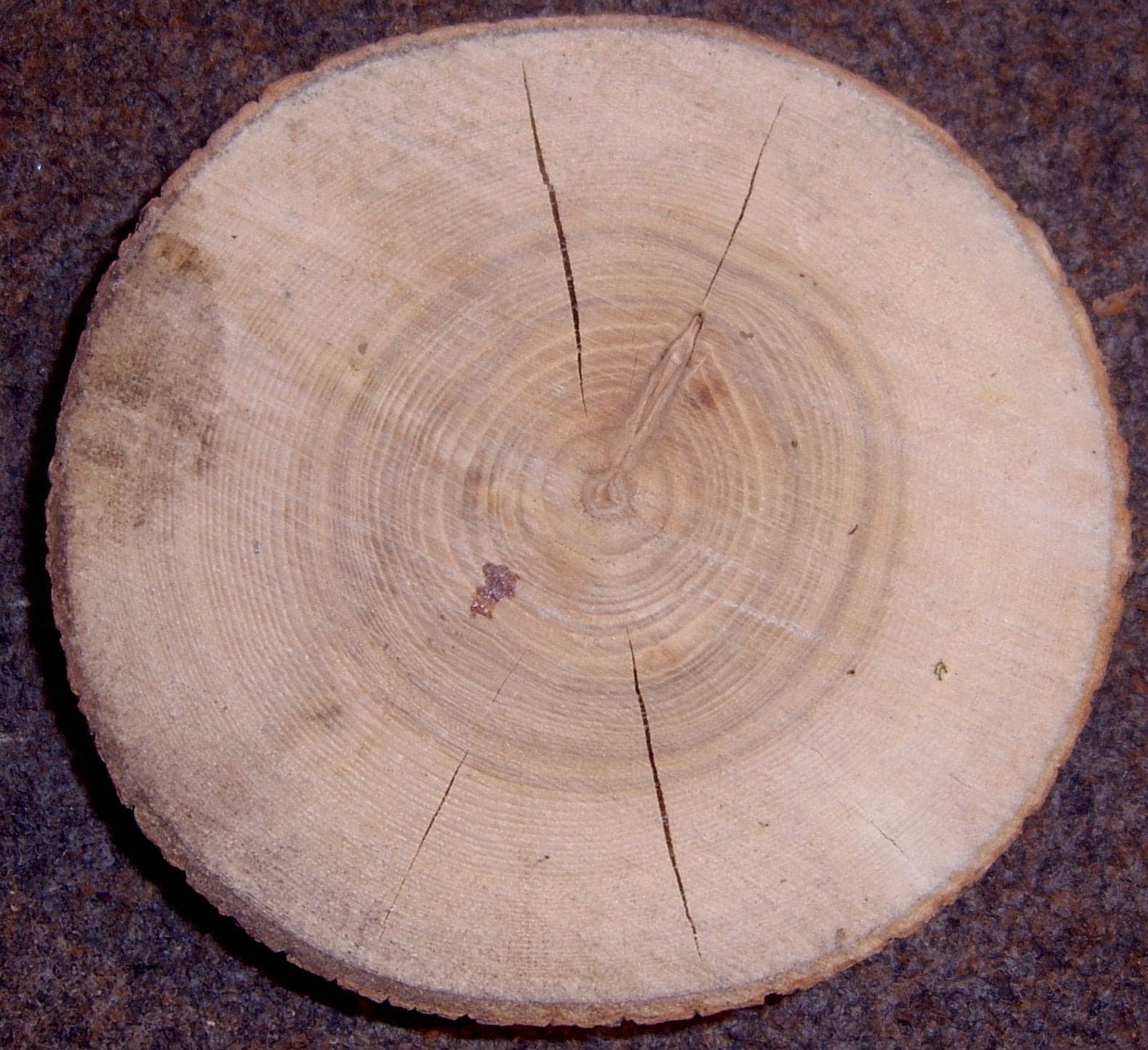
Vina ta’ European Ash
  • Adattament għall-proġett
  • Fl-istokk
  • Dehra
  • Kif taħdimha
  • Moviment
  • Prezz
  • Sigurtà u provvista
  • Mistoqsijiet
  • Data teknika

Huwa tajjeb għall-proġett tiegħek?

Tajjeb ħafna għal

  • Steam-bent chair frames and stools
  • Dining tables and desks for interior use
  • Cabinetry doors and drawer fronts
  • Tool handles, sports equipment and shop fittings
  • Wall panelling and architectural millwork
  • Turned components and lighter-toned table legs

Ebda European Ash fil-ħarġa attwali

Speċijiet simili fl-istokk

Bħalissa m’hemmx European Ash. Dawn l-ispeċijiet jgħoddu għall-istess proġetti u għandhom biċċiet disponibbli.
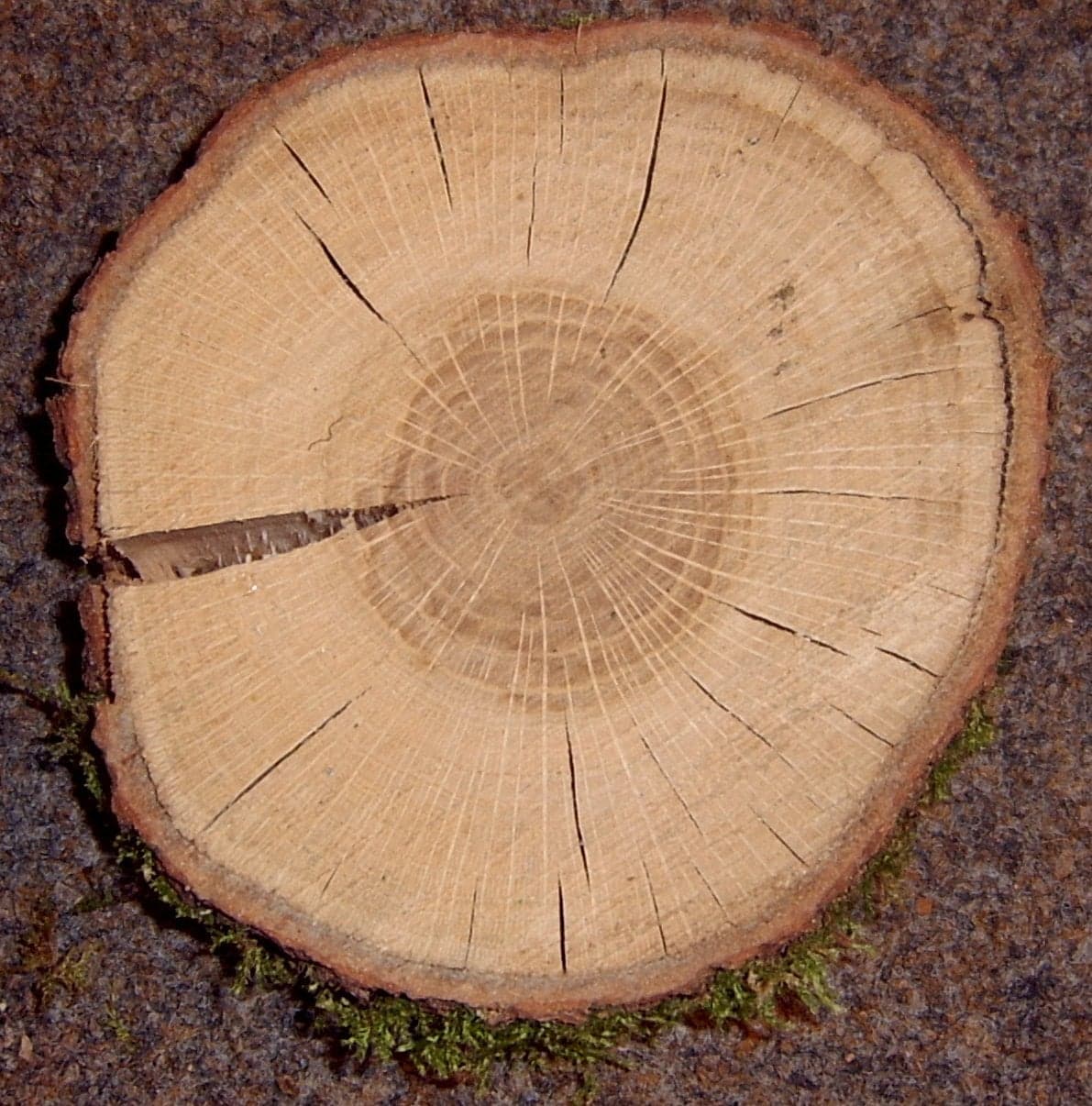

  • Vina ta’ European Oak

    European Oak

    Quercus robur

    6 biċċiet

  • Vina ta’ European Walnut

    European Walnut

    Juglans regia

    9 biċċiet

  • Vina ta’ Saman

    Saman

    Samanea saman

    4 biċċiet

Irċievi avviż dwar European Ash

Nibagħtulek email meta jaslu fallakki friski ta’ European Ash għand KORENA. Kull biċċa hija unika, għalhekk avviż bikri jgħin.

Ftit emails fix-xahar. Ebda spam, tista’ tneħħi l-abbonament meta trid.

Dehra tal-injam

Kif jidher

A pale hardwood with a creamy-white sapwood that blends into a light brown heartwood. Grain is straight and the texture coarse and uneven, with strong contrast between earlywood and latewood pores. Growth rings read clearly across a flat-sawn face, giving ash a bold, graphic look that suits modern furniture as much as traditional joinery. A lighter, more open-grained alternative to European oak, and a far cleaner, paler option than walnut.

  • Creamy white to pale straw sapwood
  • Light brown to olive-tinged heartwood
  • Bold dark latewood lines against pale earlywood
  • Mellows to a warmer honey tone with UV exposure
  • Bleaches well for very pale, Nordic-style surfaces
  • Straight grain, coarse uneven texture.

Kif taħdem bih

Kif taħdmu

Works well with both hand and machine tools. Glues, screws and finishes predictably. Pre-drilling is sensible near edges given the density. Ash is one of the great steam-bending species, chair frames, tool handles and sports goods have relied on it for centuries, and it holds curves reliably once set. Sharp tooling matters: the coarse texture can tear out around knots and interlocked patches if blades are dull.

Finitura

Takes oils, hardwax, water-based and solvent finishes well. The open ring-porous structure benefits from grain filler if you want a glass-smooth surface, otherwise the texture stays visible and tactile. Stains evenly, but the porous earlywood drinks pigment faster than the dense latewood, which can exaggerate ring contrast. Test on offcuts before committing. Bleaches cleanly for very pale Scandinavian looks.

Tnixxif

Dries at a moderate rate with a moderate risk of checking and minor distortion. Tangential shrinkage is roughly 1.6 times radial, so quarter-sawn stock stays flatter in service. Acclimatise to the workshop for at least two weeks before machining, and condition again before final assembly in heated interiors.

Kemm se jiċċaqlaq?

L-injam jintefaħ u jiċkien tul il-wisa’ hekk kif l-arja ssir aktar jew inqas umda. Stima l-moviment staġjonali ta’ wiċċ ta’ European Ash qabel tiddisinja t-twaħħil.

Qatgħa
Fejn se tintuża

Moviment staġjonali mistenni

madwar 9.7 mm

Waħħal il-wiċċ b’buttuni jew brackets b’fetħiet, mhux b’kolla jew viti ssikkati.

Mudell ta’ tnaqqis lineari: wisa’ × (tnaqqis ÷ 28 % saturazzjoni tal-fibra) × bidla staġjonali fl-umdità. Juża tnaqqis tanġenzjali ta’ 8.5 % għal European Ash. Stima għall-ippjanar, mhux garanzija.

Kemm jiswa

Sigurtà u provvista

  • Imkabbar u maħsud fl-Ewropa.
  • Stat fil-Lista l-Ħamra tal-IUCN: il-valutazzjoni globali tal-konservazzjoni għal din l-ispeċi.
  • Ash dust is a documented respiratory and skin sensitiser. Repeated exposure can trigger asthma-like symptoms and dermatitis in sensitive individuals. Use a P2/P3 mask, dust extraction at the tool, and long sleeves when sanding or routing. The wood itself is food-contact safe once cured and finished appropriately.

Aqra l-gwida sħiħaNoti dettaljati dwar id-disinn tal-vina, il-bidla fil-kulur, ix-xogħol u l-istabbiltà.+

What European Ash actually is#

Fraxinus excelsior is the tough one. At 6,580 N on the Janka scale it is harder than European oak by a third, and it combines that hardness with an elasticity that lets it absorb impact and spring back rather than splitting.

That combination is why ash became the handle wood of Europe. Hammer and axe handles, oars, hurleys, tennis racquets, cart frames and early aircraft structures were all ash, and the reason is a property that no single number captures: shock resistance.

The dieback situation#

Ash is the only species in this catalogue carrying an elevated IUCN status. It is assessed as Near Threatened, and the cause is Hymenoscyphus fraxineus, the fungus behind ash dieback, which has spread across Europe since the 1990s and killed a very large proportion of the standing population.

For a buyer today the effect is counterintuitive. Salvage felling has pushed volumes up and prices down, so ash is currently good value and widely available. The uncertainty is in the coming decades rather than this year.

The disease affects the living tree. Sound timber cut from an affected tree is sound timber, and there is no quality penalty in buying salvage ash provided it was converted and dried properly rather than left standing dead and allowed to spalt.

Reading an ash slab

Mistoqsijiet tax-xerrejja

Mistoqsijiet tax-xerrejja

Is ash affected by ash dieback, and does that matter for slabs?

+

Yes. Hymenoscyphus fraxineus has spread across Europe since the 1990s and the IUCN now assesses Fraxinus excelsior as Near Threatened, the only species in this catalogue with an elevated status. For buyers the practical effect is a lot of salvage felling: volumes are currently high and prices soft, but supply over the coming decades is uncertain. The disease affects the living tree, not the quality of sound timber cut from it.

Why is ash used for tool handles?

+

Shock resistance. Ash combines high hardness at 6,580 N with elasticity, so it absorbs impact and returns rather than splitting or shattering. That combination is why it has been the standard timber for hammer and axe handles, oars, hurleys and sports equipment for centuries, and why it steam bends so well.

Can ash be used outdoors?

+

No, not untreated. It is rated decay class 5, perishable, which is the lowest durability of any hardwood in this catalogue and a surprise given how tough it is mechanically. Strength and durability are unrelated properties. For exterior work choose oak, robinia or sweet chestnut.

What is olive ash?

Proprjetajiet mekkaniċi

Data teknika

Valuri ta’ referenza ppubblikati. Fejn is-sorsi ma jaqblux tintwera l-firxa, bil-valur tipiku użat għall-iskali ta’ hawn fuq.

Densità (kg/m³)Massa għal kull metru kubu b’madwar 12 % kontenut ta’ umdità. Injam itqal normalment ikun aktar iebes u b’saħħtu.620–740 kg/m³tipiku 680 kg/m³
Ebusija Janka (N)Il-forza meħtieġa biex tagħfas ballun tal-azzar sa nofsu fl-injam. Il-kejl standard tar-reżistenza għat-tgħaffiġ.6,200–7,000 Ntipiku 6,580 N
MOR: modulu tal-ksur (MPa)Saħħa fil-liwi: it-tagħbija li fiha travu jinkiser.105–130 MPa
MOE: modulu tal-elastiċità (GPa)Ebusija fil-liwi: kemm jinżel xkaffa jew wiċċ taħt tagħbija.11.5–13.5 GPa
Tnaqqis radjaliTnaqqis tul iċ-ċrieki tat-tkabbir, minn aħdar sa mnixxef fil-forn. Tavli quartersawn jiċċaqalqu hekk.4.5–6.0 %
Tnaqqis tanġenzjaliTnaqqis tul iċ-ċrieki tat-tkabbir. Tavli flatsawn u l-biċċa l-kbira tal-fallakki jiċċaqalqu hekk.

No machine-readable author provided. Lumbar~commonswiki assumed (based on copyright claims)., via Wikimedia Commons

Vantaġġi

  • Sikur għall-ikelTajjeb għal boards tat-tqattigħ, bwieqi u wċuħ li jmissu mal-ikel.
  • Jintewa tajjebIkklassifikat 5 minn 5 għal-liwi bil-fwar. Jieħu kurvi stretti.

Native across Europe from Ireland east to the Volga, north into southern Scandinavia and south into the Mediterranean uplands. Grows in mixed broadleaf forests on moist, fertile soils, often alongside oak and beech. KORENA sources from managed European forests where stand health allows responsible harvesting.

  • European Ash is reassessed as Near Threatened on the IUCN Red List because of ash dieback (Hymenoscyphus fraxineus), a fungal disease moving across Europe since the 1990s and killing a significant share of standing ash. Paradoxically this means salvage and sanitation harvests are common, and well-managed sourcing can use timber that would otherwise be lost. KORENA sources ash from forests with documented health assessments and chain-of-custody. EUDR due diligence is in preparation and becomes mandatory for large operators from 30 December 2026, and the slab passport is built to carry the legality and dieback context. No CITES listing.

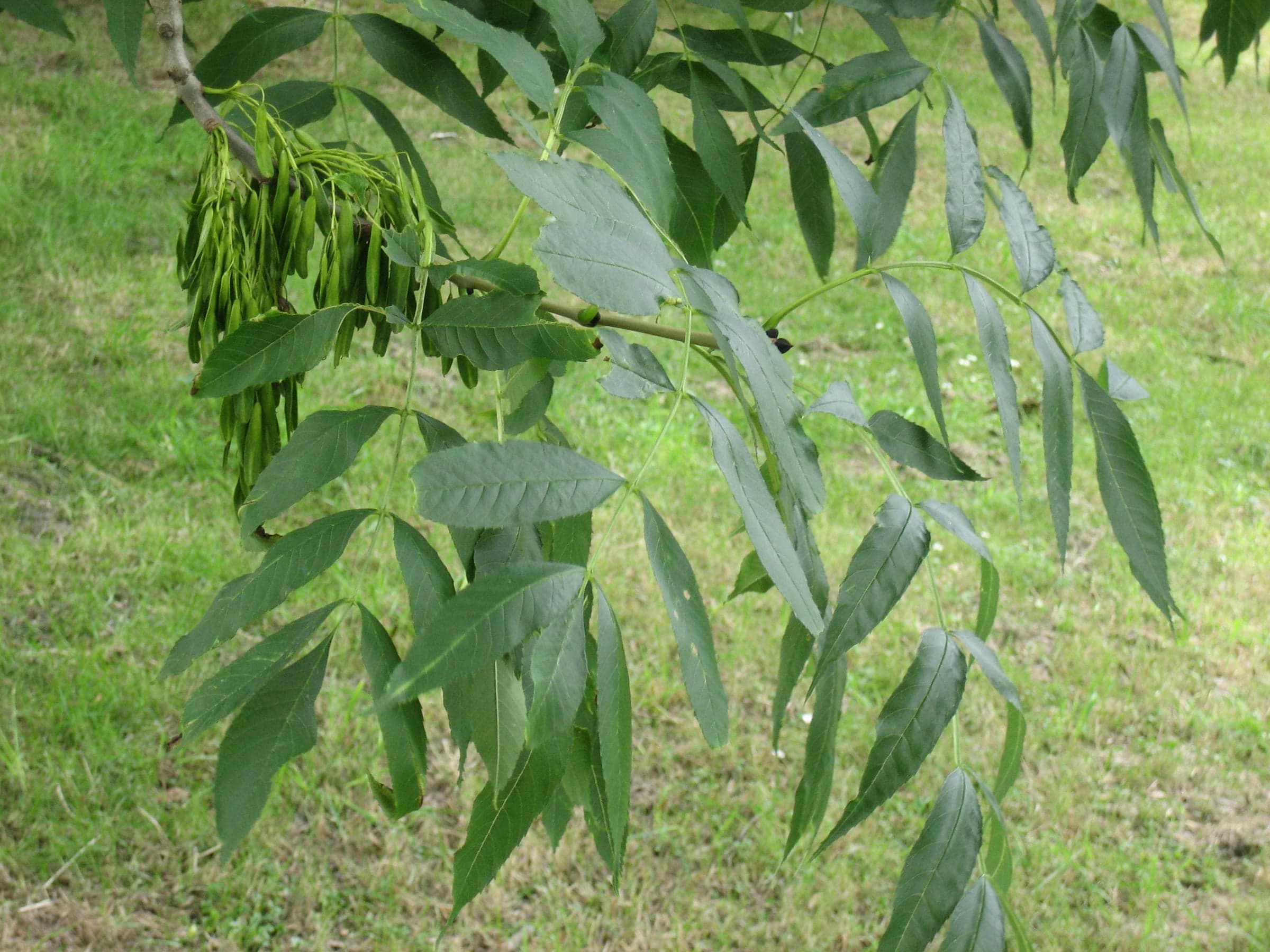
  • Siġra ta’ European Ash

    No machine-readable author provided. MPF assumed (based on copyright claims)., via Wikimedia Commons

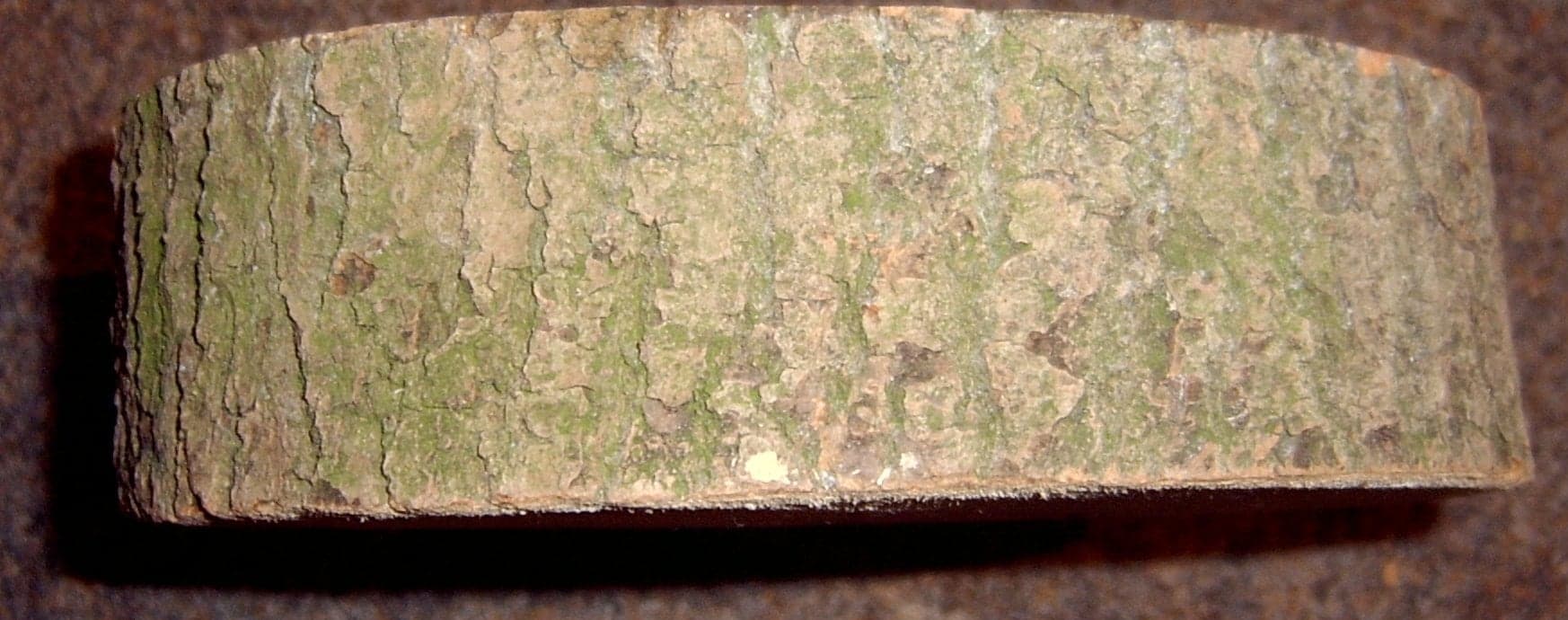
    European Ash: Qoxra
    Qoxra
    #

    Most ash is pale, near white to light biscuit, with a coarse ring porous texture that reads similarly to oak but without the ray fleck.

    The exception is olive ash: darker brown and olive streaked heartwood that develops in some older trees, giving dramatic contrast against the pale background. It is the same species rather than a different one, and because most ash is uniformly pale, olive ash carries a premium and is sought for tabletops.

    The grain is usually straight, which is part of why it bends and machines so predictably.

    The durability trap#

    Ash is mechanically formidable and biologically feeble. It is rated decay class 5, perishable, the lowest durability of any hardwood here.

    That surprises people, because toughness feels like it should mean longevity. It does not. Strength and decay resistance are unrelated properties, governed by different things: cell wall structure on one hand, extractive chemistry on the other. Ash has excellent structure and almost no protective extractives.

    Untreated ash outdoors will fail quickly. For exterior work, oak at decay class 2, sweet chestnut at 2, or robinia at 1 are the species in this catalogue that belong there.

    At the bench#

    Ash works cleanly with hand and machine tools and finishes well. It steam bends excellently, as its history suggests, and it glues and takes fastenings reliably.

    At 6,580 N it is hard, so tooling blunts faster than on oak and the wood asks for power in the cut. The coarse open pores need filling for a smooth surface.

    The straight grain means less tear-out than oak, which makes wide ash surfaces comparatively easy to machine flat.

    Movement#

    Volumetric shrinkage of 14.5 percent is high and the tangential to radial differential of 7.5 against 4.5 percent is wide, so flatsawn boards cup.

    Ash also has a working reputation for moving more in service than its figures predict. Whether that is the wood or the fact that ash is often used in thin sections is arguable, but the practical response is the same: acclimatise fully, let tops float on slotted fasteners, and do not fix a wide ash panel rigidly.

    Where ash is the right answer#

    Anywhere impact and flex matter. Chair frames, steam bent components, tool handles, sports equipment, and tabletops where the pale colour or the olive figure is wanted. It is currently among the best value hardwoods in Europe.

    It is the wrong answer outdoors in any form, and wrong where dimensional stability is the governing requirement.

    Sourcing and EUDR#

    Not CITES listed. Assessed as Near Threatened by the IUCN, which is worth stating plainly to buyers rather than leaving in a data table, and the reason is disease rather than over-harvesting. European supply is currently abundant through salvage felling and documentation is straightforward.

    +

    The darker streaked heartwood that develops in some older ash trees, producing brown and olive figuring against the pale background. It is the same species, not a separate one, and it is prized for tabletops because the contrast is dramatic. Most ash is uniformly pale, so olive ash commands a premium.

    How much does it move?

    +

    Volumetric shrinkage of 14.5 percent is on the high side, with tangential at 7.5 percent against radial at 4.5 percent. That is a wide differential, so flatsawn boards cup. Ash also has a reputation for moving in service more than the numbers alone suggest, so let a slab acclimatise fully and allow a top to float.

    7.5–9.5 %
    Tnaqqis volumetrikuBidla totali fil-volum minn aħdar sa mnixxef fil-forn. Inqas ifisser aktar stabbli.14.5–16.0 %
    Durabbiltà naturali (EN 350)Standard Ewropew għar-reżistenza naturali għat-tmermir, minn 1 (durabbli ħafna) sa 5 (jitmermer faċilment).Class 5 — Perishable

    Sorsi

    • The Wood Database(aċċessat 2026-05-09)
    • USDA FPL Wood Handbook FPL-GTR-190 (2010)(aċċessat 2026-05-09)
    • Meier, E. — WOOD! Identifying and Using Hundreds of Woods Worldwide (2015)(aċċessat 2026-05-09)

    Daqqa t’għajn

    Il-livelli jużaw faxex fissi għall-ispeċijiet kollha elenkati minn KORENA, għalhekk jitqabblu direttament. Il-valur imkejjel jidher taħt kull wieħed.
    EbusijaReżistenza għat-tgħaffiġ u l-użuIebes

    Ebusija Janka: 6,580 N

    32 % aktar iebes mill-oak Ewropew

    PiżKemm hi tqila fallakka biex terfagħhaTqil

    680 kg/m³

    StabbiltàKemm tiċċaqlaq ftit mal-istaġuniJiċċaqlaq ħafna

    15.3 % tnaqqis volumetriku

    XogħolSerrar, inċanar, xkatlar u inkullarFaċli

    medja ta’ 4.0 / 5 fuq il-bank

    Użu barraReżistenza naturali għat-tmermir, EN 350Għal ġewwa biss

    Klassi EN 350 5

    • Serrar · Tajjeb ħafnaKemm jinqata’ nadif u kemm jgħejja x-xfafar.1 = diffiċli · 5 = eċċellenti
    • Inċanar · Tajjeb ħafnaKemm iħalli wiċċ lixx u kemm iqatta’ l-vina.1 = diffiċli · 5 = eċċellenti
    • Xkatlar · Tajjeb ħafnaKemm jitxkatla malajr u lixx mingħajr ma jimblokka l-karta.1 = diffiċli · 5 = eċċellenti
    • Tornitura · Tajjeb ħafnaKif jinqata’ u jingħata finitura fuq it-torn.1 = diffiċli · 5 = eċċellenti
    • Tinqix · Tajjeb ħafnaKemm iżomm dettall ċar taħt skarpell.1 = diffiċli · 5 = eċċellenti
    • Inkullar · Tajjeb ħafnaKemm iżommu tajjeb il-ġonot bil-kolla.1 = diffiċli · 5 = eċċellenti
    • Żamma ta’ viti / imsiemer · Tajjeb ħafnaKemm iżomm viti u msiemer mingħajr ma jinqasam.1 = diffiċli · 5 = eċċellenti
    • Liwi bil-fwar · EċċellentiKemm jieħu kurvi wara l-fwar.1 = diffiċli · 5 = eċċellenti

    Għal kemm qed jinbiegħ l-injam ta’ European Ash madwar l-Ewropa bħalissa, għal kull metru kubu qabel il-VAT. Agħfas prezz għad-dettalji.

    • L-aħjar zkuk fl-irkantZkuk magħżula ta’ kwalità għolja mibjugħa f’irkanti b’offerti, l-aktar lil dawk li jagħmlu l-fuljetta u l-għamara. Il-fallakki jinqatgħu minn zkuk bħal dawn.Il-biċċa l-kbira tal-prezzijiet huma bejn €203 u €321.Ibbażat fuq 83 prezz minn 2 reġjuni.L-aħħar data 25 ta’ Set, 2026
    • Zkuk ordinarjiVolumi kbar ta’ injam grezz standard mibjugħ mis-sidien tal-foresti u mill-awtoritajiet forestali tal-istat, l-aktar għall-kostruzzjoni u l-industrija.Il-biċċa l-kbira tal-prezzijiet huma bejn €49 u €264.Ibbażat fuq 1,396 prezz minn 7 reġjuni.L-aħħar data 25 ta’ Set, 2026

    L-aħjar zkuk fl-irkant skont il-pajjiż

    • l-Awstrija · €321 / m³Reġjuni: Austria31 prezzL-aħħar data 25 ta’ Set, 2026
    • il-Ġermanja · €250 / m³Reġjuni: Bavaria52 prezzL-aħħar data 25 ta’ Set, 2026

    Zkuk ordinarji skont il-pajjiż

    • Franza · €99 / m³Reġjuni: Bourgogne-Franche-Comté u Grand Est / Alsace26 prezzL-aħħar data 15 ta’ Set, 2026
    • ir-Rumanija · €91 / m³Reġjuni: Banat / Crișana, Moldavia (Romania), Transylvania, u Wallachia1,352 prezzL-aħħar data 25 ta’ Set, 2026
    • il-Bulgarija · €86 / m³Reġjuni: North-West Bulgaria18 prezzL-aħħar data 25 ta’ Set, 2026

    Għaliex fallakka tiswa aktar minn hekk?

    Dawn huma prezzijiet tal-injam mhux maħdum. Fallakka hija l-aħjar qatgħa ta’ zokk, imnixxfa għal sena jew aktar, imbagħad iċċekkjata u mkejla biċċa biċċa. Parti żgħira biss minn kull zokk issir fallakka.

    Sors: KORENA Timber Index · L-aħħar data 25 ta’ Set, 2026

    Ara l-prezzijiet reġjonali kollha
    Tajjeb għal min jibda
    Faċli fuq il-bank u mhux iebes tant li jagħmel ħsara lill-għodod.

    Oqgħod attent

    • Mhux għal użu barra mingħajr trattamentId-durabbiltà naturali hija klassi EN 350 5 minn 5. Żommha ġewwa jew taħt finitura miżmuma tajjeb.
    • Tiċċaqlaq aktar mill-biċċa l-kbiraUċuħ wesgħin jeħtieġu buttuni jew twaħħil b’fetħiet u spazju għall-moviment. Uża l-kalkolatur tal-moviment hawn taħt.
    • It-trab jirritaUża estrazzjoni u ilbes maskra waqt ix-xkatlar jew il-magni.

    Agħfas tikketta għad-dettalji.