KORENA
InjamFinished piecesProvvistiImħażenĠurnal

Irċievi avviż

Kull fallakka hija unika. Meta tinbiegħ, tkun marret. Nibagħtulek email meta jittellgħu biċċiet ġodda: wasliet friski, speċijiet ġodda u tavli li jaqblu ma’ deskrizzjoni ta’ proġett.

Ftit emails fix-xahar. Ebda spam, tista’ tneħħi l-abbonament meta trid.

KORENA, injam iebes ta’ kwalità għolja

Biċċa waħda kull darba.

Injam iebes ivverifikat ta’ kwalità għolja, mibjugħ biċċa biċċa. Kull fallakka tiġi ritrattata, imkejla u mibgħuta mill-maħżen sieħeb b’passaport tal-injam.

Ħanut

  • Ara l-prodotti
  • Arkivju tal-mibjugħ
  • Segwi l-ordni

Tgħallem

  • Ġurnal
  • Gwidi tal-ispeċi
  • Glossarju
  • Qabbel
  • Awturi

Għajnuna

  • Dwarna
  • Kif jaħdem
  • Sir maħżen sieħeb
  • Sib fallakka
  • Appoġġ
  • Mudelli ta’ dokumenti
  • Stampa

Ixtri

  • Kundizzjonijiet tal-bejgħ
  • Dritt ta’ rtirar
  • Ritorn u garanzija legali
  • Trasport u kunsinna

Fiduċja

  • Politika tal-privatezza
  • Politika dwar il-cookies
  • Provenjenza tal-injam u EUDR
  • Aċċessibbiltà

Avviż legali

  • Avviż legali / Informazzjoni legali
  • Użu aċċettabbli
  • Proprjetà intellettwali u kontenut

© 2026 KORENA. Id-drittijiet kollha riżervati.

Imħaddma minn Martial Labs Ltd. (BG, EIK 207453941). KORENA huwa isem kummerċjali ta’ Martial Labs Ltd.

Nirrispettaw il-privatezza tiegħek

Nużaw cookies essenzjali biex is-sit jaħdem. Bil-permess tiegħek nużaw ukoll cookies għall-analiżi, kontenut personalizzat u reklami. Tista’ tibdel fehmtek fi kwalunkwe ħin fil-paġna tal-preferenzi tal-kunsens. Ara l-politika dwar il-cookies u l-politika tal-privatezza tagħna.

  1. Paġna ewlenija
  2. /
  3. Speċijiet
  4. /
  5. English Elm

Ulmus procera

English Elm

Rare salvaged hardwood with interlocked grain, wild figure, and exceptional steam-bending behaviour. Hard-won material with genuine craft heritage.

  • Imkabbar u maħsud fl-Ewropa.
  • Grupp botaniku. L-injam artab ġej mill-koniferi; l-injam iebes minn siġar bil-weraq wiesa’.
  • Il-familja botanika li tappartjeni għaliha l-ispeċi.
Irċievi avviż meta tasalSpeċi ta’ referenza. Bħalissa ebda biċċa fl-istokk.
  • Adattament għall-proġett
  • Fl-istokk
  • Dehra
  • Kif taħdimha
  • Moviment
  • Prezz
  • Sigurtà u provvista
  • Mistoqsijiet
  • Data teknika

Huwa tajjeb għall-proġett tiegħek?

Tajjeb ħafna għal

  • Live-edge dining and conference tables where wild figure is the point
  • Windsor and stick chairs, seats, bows, and steam-bent components
  • Curved joinery and laminated bent forms
  • Chopping boards and food-contact serving pieces
  • Decorative interior cladding and feature panels
  • Turned bowls and hollow forms

Ebda English Elm fil-ħarġa attwali

Speċijiet simili fl-istokk

Bħalissa m’hemmx English Elm. Dawn l-ispeċijiet jgħoddu għall-istess proġetti u għandhom biċċiet disponibbli.
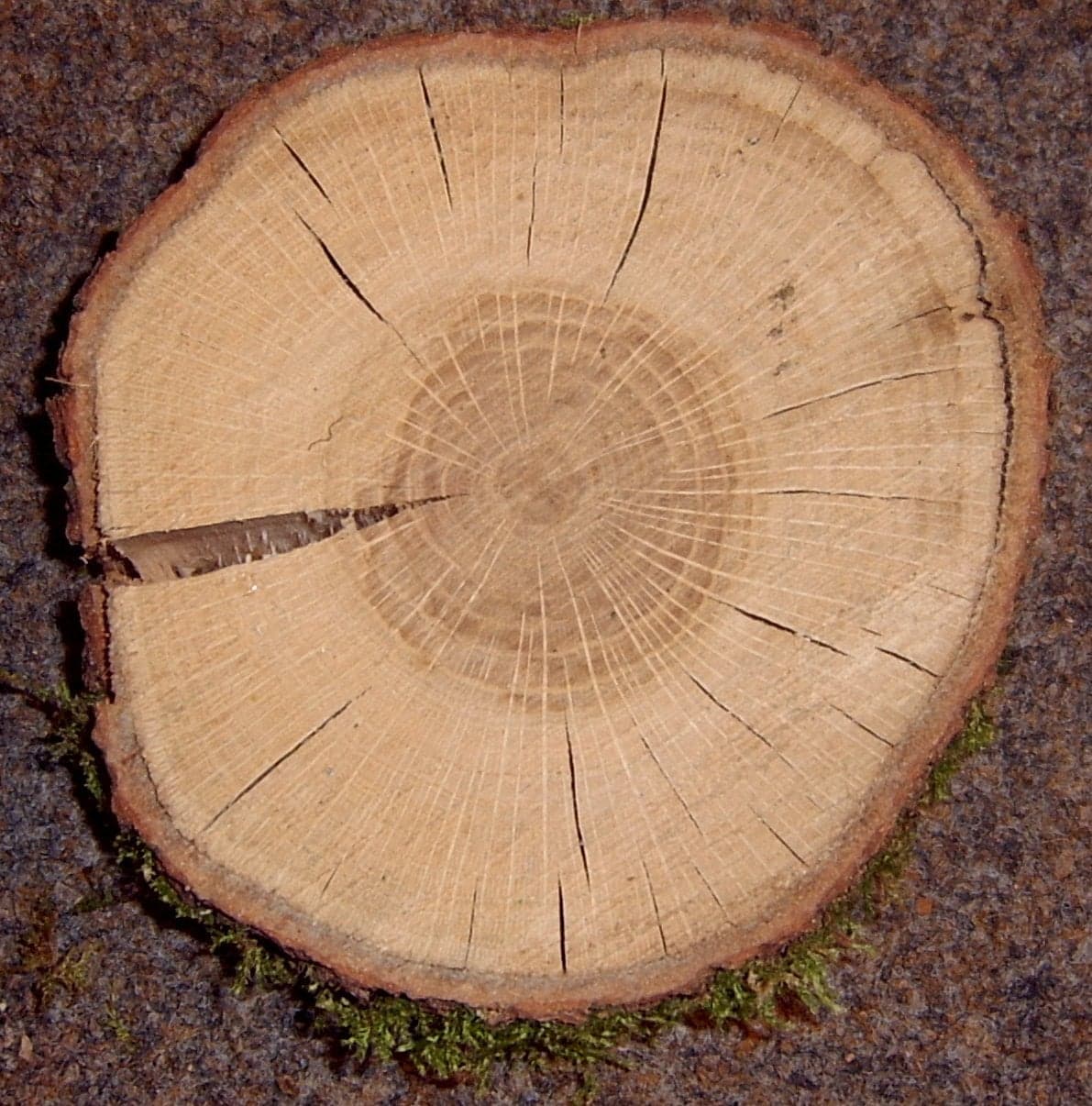
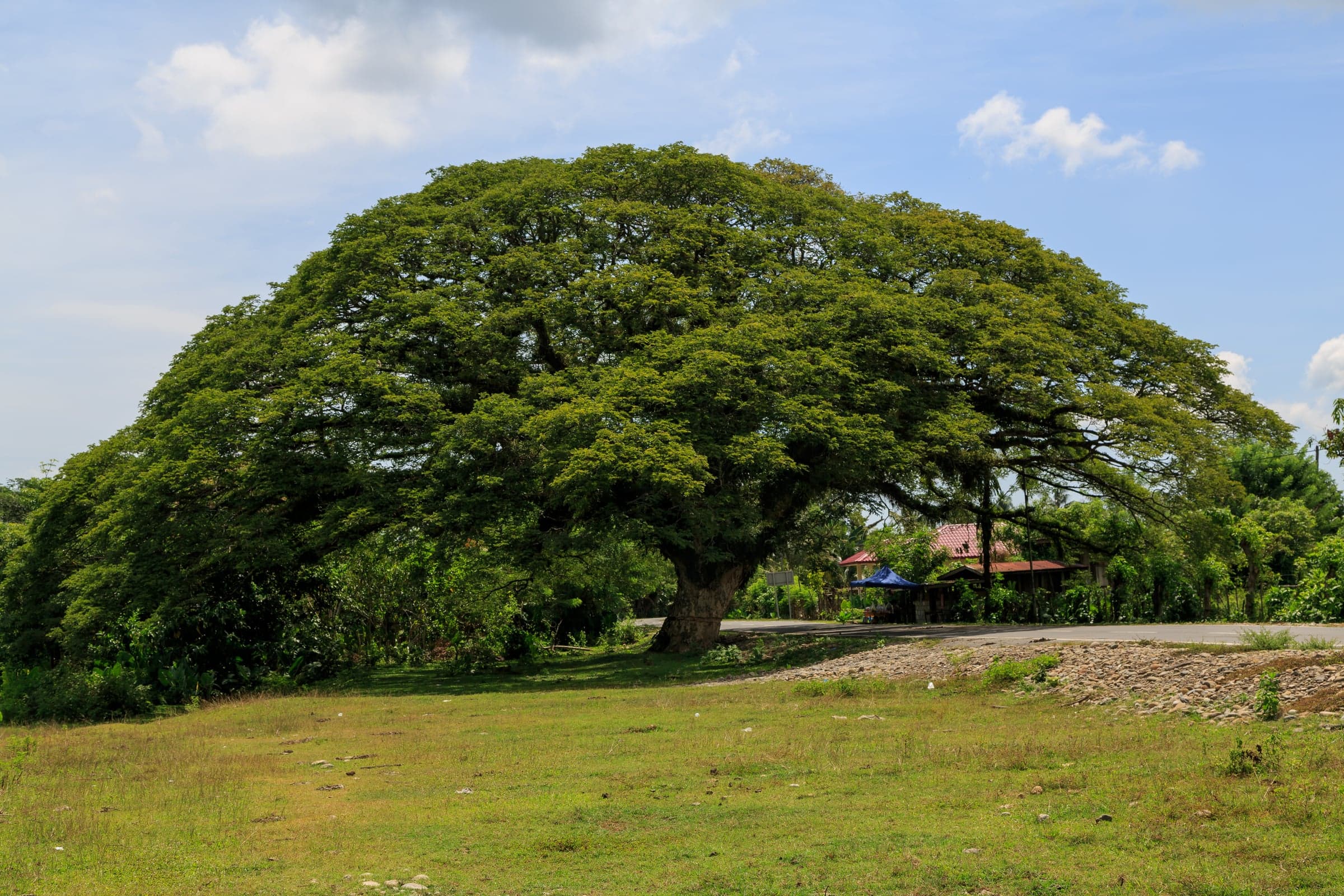
  • Vina ta’ European Oak

    European Oak

    Quercus robur

    6 biċċiet

  • Vina ta’ Saman

    Saman

    Samanea saman

    4 biċċiet

  • Vina ta’ European Walnut

    European Walnut

    Juglans regia

    9 biċċiet

Irċievi avviż dwar English Elm

Nibagħtulek email meta jaslu fallakki friski ta’ English Elm għand KORENA. Kull biċċa hija unika, għalhekk avviż bikri jgħin.

Ftit emails fix-xahar. Ebda spam, tista’ tneħħi l-abbonament meta trid.

Dehra tal-injam

Kif jidher

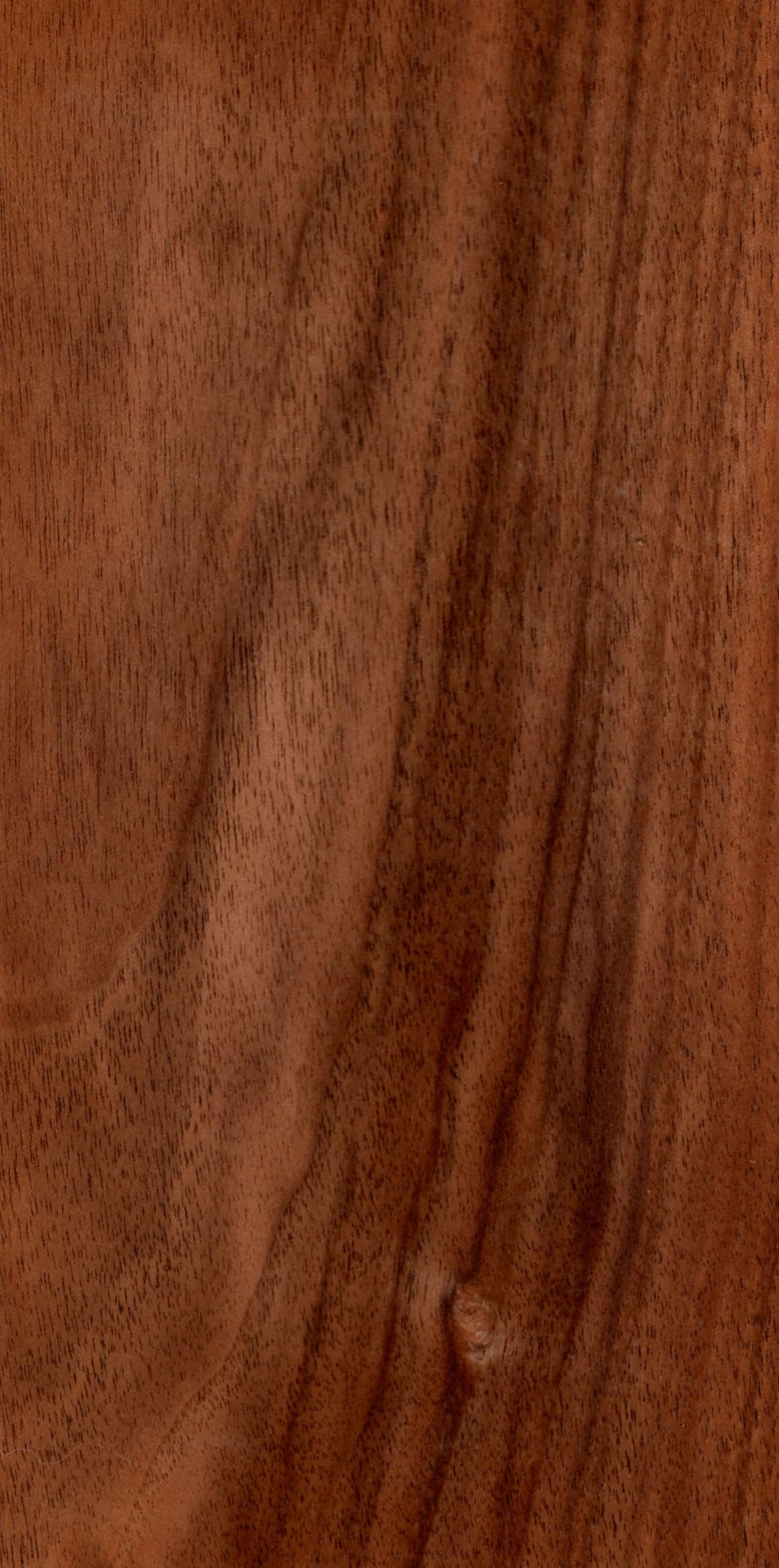
Heartwood ranges from light reddish-brown to a warmer chocolate tone, often with darker streaks and a greenish or olive cast in some boards. Sapwood is paler and clearly distinct. The grain is interlocked rather than straight, which produces a wild, partridge-like figure on flat-sawn faces and a ribbon stripe on quartered cuts. Texture is coarse and open-pored. Burr and crotch sections show some of the most dramatic figure of any European hardwood.

  • Reddish-brown to warm chocolate heartwood
  • Occasional olive or greenish cast
  • Pale, clearly distinct sapwood
  • Darker streaks and mineral lines common
  • Burr sections show dense, swirling figure
  • Interlocked grain, coarse texture.

Kif taħdem bih

Kif taħdmu

Interlocked grain is the defining challenge. Plane with very sharp blades, take light cuts, and reduce cutter angles where possible, a 20 degree bevel-up plane or a high-angle bench plane (50–55 degrees) controls tearout well. Finish with a card scraper rather than fighting the planer. Sawing and routing are reasonable with sharp tooling, but expect to climb-cut on figured sections. Turning is enjoyable. Glue-up and screwing are straightforward. Steam-bending is where elm is unmatched: Windsor-chair seats and bow-backs are traditionally elm for good reason, and tight radii hold without splitting.

Finitura

The open, coarse pores benefit from grain filler if you want a glass-smooth surface; left unfilled, the texture reads as honest and tactile. Hard-wax oils and natural oils warm the colour and bring out the figure without flattening it. Water-based finishes keep the tone cooler and more contemporary. Sand methodically through the grits, interlocked grain can leave fine scratches if you skip steps. Test your finish on offcuts, as colour shift can be noticeable.

Tnixxif

Elm has a reputation for being awkward to dry. Tangential movement is high relative to radial, and boards can twist, cup, or distort if rushed or poorly stickered. Slow, careful drying with consistent stickering and weight on the stack pays off. Once stable at service moisture content, it behaves well in interior conditions. Acclimatise boards in the workshop before final dimensioning.

Kemm se jiċċaqlaq?

L-injam jintefaħ u jiċkien tul il-wisa’ hekk kif l-arja ssir aktar jew inqas umda. Stima l-moviment staġjonali ta’ wiċċ ta’ English Elm qabel tiddisinja t-twaħħil.

Qatgħa
Fejn se tintuża

Moviment staġjonali mistenni

madwar 9.1 mm

Waħħal il-wiċċ b’buttuni jew brackets b’fetħiet, mhux b’kolla jew viti ssikkati.

Mudell ta’ tnaqqis lineari: wisa’ × (tnaqqis ÷ 28 % saturazzjoni tal-fibra) × bidla staġjonali fl-umdità. Juża tnaqqis tanġenzjali ta’ 8 % għal English Elm. Stima għall-ippjanar, mhux garanzija.

Kemm jiswa

Sigurtà u provvista

  • Imkabbar u maħsud fl-Ewropa.
  • Stat fil-Lista l-Ħamra tal-IUCN: il-valutazzjoni globali tal-konservazzjoni għal din l-ispeċi.
  • Elm dust is a known sensitiser and can cause respiratory and skin irritation with repeated exposure. All hardwood dust is classified IARC Group 1 (carcinogenic to humans), so use proper extraction at the source, an FFP3 mask for sanding and routing, and keep workshop surfaces clean. The wood itself is safe for food-contact applications such as chopping boards and serving pieces once finished with a food-safe oil.

Aqra l-gwida sħiħaNoti dettaljati dwar id-disinn tal-vina, il-bidla fil-kulur, ix-xogħol u l-istabbiltà.+

What English Elm actually is#

Ulmus procera is defined by one structural property: its grain interlocks. Fibres run in alternating directions rather than parallel, layer by layer through the wood.

That single fact explains both why elm is prized and why it is difficult.

It is prized because interlocked grain resists splitting almost completely. A Windsor chair seat is bored with a dozen mortices close together and then has legs and a back driven into them; in almost any other timber it would split between the holes. Elm does not. The same property made it the traditional timber for wheel hubs, which take spokes radially under load, and for chopping blocks that are struck repeatedly.

It is difficult because the same reversing grain tears out under a plane, every few millimetres, in both directions.

The availability situation#

Dutch elm disease killed most mature elms across Europe from the 1960s onward, and the effect on supply was severe enough that a generation of makers stopped specifying it.

The IUCN lists Ulmus procera as Data Deficient, meaning there is insufficient information for a formal assessment rather than that the species is secure.

Elm has not disappeared. It regenerates vigorously from root suckers, and those regrowth trees reach modest size before the disease reaches them again. Standing dead timber and salvage continue to come to market.

Mistoqsijiet tax-xerrejja

Mistoqsijiet tax-xerrejja

Is elm still available after Dutch elm disease?

+

Yes, but the supply picture is unusual. Dutch elm disease killed most mature elms across Europe from the 1960s onward, and the IUCN lists Ulmus procera as Data Deficient. Trees still regenerate from suckers and reach modest size before the disease takes them again, and standing dead and salvaged timber continues to reach the market. Supply is real but irregular, and large clean boards are scarce.

Why is elm used for chair seats?

+

Interlocked grain. Elm fibres run in alternating directions, which makes the wood extremely resistant to splitting. That is exactly what a Windsor chair seat needs, because it is bored with many mortices close together and any other wood would split between them. The same property makes elm the traditional wood for wheel hubs and chopping blocks.

Is elm hard to plane?

+

Yes. The interlocked grain that stops it splitting also makes it tear out badly, because the grain direction reverses every few millimetres. Light cuts, very sharp tooling and a high angle plane or scraper for the final surface are essential. A helical cutterhead makes a large difference.

Can elm be used outdoors?

Proprjetajiet mekkaniċi

Data teknika

Valuri ta’ referenza ppubblikati. Fejn is-sorsi ma jaqblux tintwera l-firxa, bil-valur tipiku użat għall-iskali ta’ hawn fuq.

Densità (kg/m³)Massa għal kull metru kubu b’madwar 12 % kontenut ta’ umdità. Injam itqal normalment ikun aktar iebes u b’saħħtu.500–620 kg/m³tipiku 560 kg/m³
Ebusija Janka (N)Il-forza meħtieġa biex tagħfas ballun tal-azzar sa nofsu fl-injam. Il-kejl standard tar-reżistenza għat-tgħaffiġ.3,300–4,000 Ntipiku 3,680 N
MOR: modulu tal-ksur (MPa)Saħħa fil-liwi: it-tagħbija li fiha travu jinkiser.65–85 MPa
MOE: modulu tal-elastiċità (GPa)Ebusija fil-liwi: kemm jinżel xkaffa jew wiċċ taħt tagħbija.7.0–9.0 GPa
Tnaqqis radjaliTnaqqis tul iċ-ċrieki tat-tkabbir, minn aħdar sa mnixxef fil-forn. Tavli quartersawn jiċċaqalqu hekk.4.0–5.0 %
Tnaqqis tanġenzjaliTnaqqis tul iċ-ċrieki tat-tkabbir. Tavli flatsawn u l-biċċa l-kbira tal-fallakki jiċċaqalqu hekk.
  • Coffin boards and traditional wheel hubs (heritage uses)
  • Vantaġġi

    • Sikur għall-ikelTajjeb għal boards tat-tqattigħ, bwieqi u wċuħ li jmissu mal-ikel.
    • Jintewa tajjebIkklassifikat 5 minn 5 għal-liwi bil-fwar. Jieħu kurvi stretti.

    Oqgħod attent

    Native across Europe, with English Elm long associated with British hedgerow landscapes. Standing populations were decimated by Dutch elm disease from the 1960s onward, and most material on the market today comes from salvaged trunks, standing-dead recovery, or estate fellings. Each board carries the history of a tree that survived, or the story of one being put to good use after disease took it.

  • Native to Europe, but wild populations have been heavily reduced by Dutch elm disease since the 1960s and the IUCN currently lists status as Data Deficient. Standing healthy material is genuinely rare. Most slabs on the market come from salvage, standing-dead recovery, storm-felled trees, or estate fellings, which makes elm one of the more circular hardwoods to specify, but also means supply is irregular and piece-by-piece. No CITES restrictions apply. EUDR due diligence is in preparation and becomes mandatory for large operators from 30 December 2026, and KORENA is building each slab passport to carry its provenance.

  • English Elm: Qoxra
    Qoxra

    What this means practically: elm is available but irregular, sizes are modest, and large clean boards are genuinely scarce. Buy when you see the right piece rather than expecting to order it.

    Reading an elm slab#

    Elm is busy. It is ring porous with strong contrast between earlywood and latewood, and the grain is frequently wild and swirling, particularly near crotches.

    Colour runs light to mid reddish brown with paler sapwood.

    Burr elm, from burls and root crowns, is among the most decorative surfaces available from any European species, dense with swirling eyes and irregular figure. It is priced accordingly.

    Even plain elm reads considerably busier than oak, which is either the attraction or the objection.

    At the bench#

    Plan for tear-out. The interlocked grain reverses direction continuously, so no single planing direction works across a whole board.

    The answer is light cuts, very sharp tooling, and a high angle plane or a card scraper for the final surface. A helical cutterhead earns its cost on this species more than on almost any other here. On burr elm, hand finishing is normal.

    At 3,680 N it is soft, softer than oak by a good margin, so it is easy on tooling in terms of blunting even while being awkward in terms of grain.

    It glues and screws well, and the split resistance means it takes fastenings close to edges better than most.

    The durability oddity#

    Elm has one of the strangest durability profiles in this catalogue.

    In ordinary exposure it is decay class 5, perishable. It rots quickly in the wetting and drying cycle of normal outdoor use.

    Permanently waterlogged, it is exceptionally durable. Elm was the standard timber for water pipes, lock gates, pile foundations and harbour works for centuries, and elm piles under medieval structures survive today.

    Permanently wet works. Permanently dry works. The cycle between them does not.

    Movement#

    Volumetric shrinkage of 12.0 percent is moderate, with tangential at 7.0 percent against radial at 4.0 percent, a reasonable differential.

    Elm dries with a marked tendency to distort, though, driven by the interlocked grain rather than by the shrinkage figures. Weighting and careful stickering matter.

    Where English Elm is the right answer#

    Chair seats and any component bored with multiple close mortices, chopping blocks, turned work, and decorative slabs and panels where the bold figure or burr is the design intent. Also anything permanently submerged.

    It is the wrong answer for ordinary exterior use, for a quiet uniform surface, and where a large matched volume is needed.

    Sourcing and EUDR#

    Not CITES listed. Listed by the IUCN as Data Deficient, which KORENA displays as-is rather than interpreting. Supply is irregular and often comes from salvage and disease felling rather than managed forestry, so the chain behind a given slab is short and non-standardised. The yard and region are recorded on every listing.

    +

    Elm has an unusual durability profile. It is rated decay class 5 in normal exposure, but it is exceptionally durable when permanently waterlogged, which is why it was used for water pipes, lock gates and pile foundations for centuries. Permanently wet or permanently dry both work; the wetting and drying cycle of ordinary outdoor use does not.

    What does the figure look like?

    +

    Bold and irregular. Elm is ring porous with strong growth ring contrast and often wild, swirling grain, particularly near crotches and burrs. Burr elm is among the most decorative surfaces available from any European species. Plain elm still reads far busier than oak.

    7.0–9.0 %
    Tnaqqis volumetrikuBidla totali fil-volum minn aħdar sa mnixxef fil-forn. Inqas ifisser aktar stabbli.12.0–14.0 %
    Durabbiltà naturali (EN 350)Standard Ewropew għar-reżistenza naturali għat-tmermir, minn 1 (durabbli ħafna) sa 5 (jitmermer faċilment).Class 5 — Perishable

    Sorsi

    • The Wood Database(aċċessat 2026-05-09)
    • USDA FPL Wood Handbook FPL-GTR-190 (2010)(aċċessat 2026-05-09)
    • Meier, E. — WOOD! Identifying and Using Hundreds of Woods Worldwide (2015)(aċċessat 2026-05-09)

    Daqqa t’għajn

    Il-livelli jużaw faxex fissi għall-ispeċijiet kollha elenkati minn KORENA, għalhekk jitqabblu direttament. Il-valur imkejjel jidher taħt kull wieħed.
    EbusijaReżistenza għat-tgħaffiġ u l-użuPjuttost artab

    Ebusija Janka: 3,680 N

    26 % aktar artab mill-oak Ewropew

    PiżKemm hi tqila fallakka biex terfagħhaMedju

    560 kg/m³

    StabbiltàKemm tiċċaqlaq ftit mal-istaġuniMedju

    13.0 % tnaqqis volumetriku

    XogħolSerrar, inċanar, xkatlar u inkullarJitlob ħafna xogħol

    medja ta’ 3.4 / 5 fuq il-bank

    Użu barraReżistenza naturali għat-tmermir, EN 350Għal ġewwa biss

    Klassi EN 350 5

    • Serrar · TajjebKemm jinqata’ nadif u kemm jgħejja x-xfafar.1 = diffiċli · 5 = eċċellenti
    • Inċanar · TajjebKemm iħalli wiċċ lixx u kemm iqatta’ l-vina.1 = diffiċli · 5 = eċċellenti
    • Xkatlar · TajjebKemm jitxkatla malajr u lixx mingħajr ma jimblokka l-karta.1 = diffiċli · 5 = eċċellenti
    • Tornitura · Tajjeb ħafnaKif jinqata’ u jingħata finitura fuq it-torn.1 = diffiċli · 5 = eċċellenti
    • Tinqix · TajjebKemm iżomm dettall ċar taħt skarpell.1 = diffiċli · 5 = eċċellenti
    • Inkullar · Tajjeb ħafnaKemm iżommu tajjeb il-ġonot bil-kolla.1 = diffiċli · 5 = eċċellenti
    • Żamma ta’ viti / imsiemer · Tajjeb ħafnaKemm iżomm viti u msiemer mingħajr ma jinqasam.1 = diffiċli · 5 = eċċellenti
    • Liwi bil-fwar · EċċellentiKemm jieħu kurvi wara l-fwar.1 = diffiċli · 5 = eċċellenti

    Għal kemm qed jinbiegħ l-injam ta’ English Elm madwar l-Ewropa bħalissa, għal kull metru kubu qabel il-VAT. Agħfas prezz għad-dettalji.

    • L-aħjar zkuk fl-irkantZkuk magħżula ta’ kwalità għolja mibjugħa f’irkanti b’offerti, l-aktar lil dawk li jagħmlu l-fuljetta u l-għamara. Il-fallakki jinqatgħu minn zkuk bħal dawn.Il-biċċa l-kbira tal-prezzijiet huma bejn €244 u €830.Ibbażat fuq 71 prezz minn 2 reġjuni.L-aħħar data 21 ta’ Set, 2026
    • Zkuk ordinarjiVolumi kbar ta’ injam grezz standard mibjugħ mis-sidien tal-foresti u mill-awtoritajiet forestali tal-istat, l-aktar għall-kostruzzjoni u l-industrija.Il-biċċa l-kbira tal-prezzijiet huma bejn €34 u €89.Ibbażat fuq 43 prezz minn 2 reġjuni.L-aħħar data 24 ta’ Set, 2026

    L-aħjar zkuk fl-irkant skont il-pajjiż

    • l-Awstrija · €830 / m³Reġjuni: Austria27 prezzL-aħħar data 21 ta’ Set, 2026
    • il-Ġermanja · €336 / m³Reġjuni: Bavaria44 prezzL-aħħar data 21 ta’ Set, 2026

    Għaliex fallakka tiswa aktar minn hekk?

    Dawn huma prezzijiet tal-injam mhux maħdum. Fallakka hija l-aħjar qatgħa ta’ zokk, imnixxfa għal sena jew aktar, imbagħad iċċekkjata u mkejla biċċa biċċa. Parti żgħira biss minn kull zokk issir fallakka.

    Sors: KORENA Timber Index · L-aħħar data 24 ta’ Set, 2026

    Ara l-prezzijiet reġjonali kollha
    Mhux għal użu barra mingħajr trattament
    Id-durabbiltà naturali hija klassi EN 350 5 minn 5. Żommha ġewwa jew taħt finitura miżmuma tajjeb.
  • It-trab jirritaUża estrazzjoni u ilbes maskra waqt ix-xkatlar jew il-magni.
  • Agħfas tikketta għad-dettalji.